

You know the feeling when your sweet, lovable dog suddenly starts showing teeth or growling when they never did before. It’s confusing, upsetting, and honestly a little scary. Maybe your once-friendly pup now tenses up when you reach for their food bowl, or they snap at visitors who used to get tail wags and kisses.
Here’s the thing. Aggression in dogs rarely appears out of nowhere. There’s almost always an underlying reason, even if it’s not immediately obvious to us. Understanding why your dog is acting this way is the first step toward helping them feel safe, comfortable, and like their old selves again. So let’s dive in and explore the reasons why your best friend might be struggling.
Your Dog Is in Pain
Pain changes everything. Think about how cranky you get with a terrible headache or a sore back. Dogs are no different.
Underlying medical problems such as painful muscles, joints, and teeth, an uncomfortable gastrointestinal system or neurological problems can all cause behavior changes. Research has revealed a striking prevalence of pain-related behavioural issues, with rates ranging from 28 per cent to 82 per cent depending on the population studied. The most startling part is that many owners have no idea their dog is hurting.
The most common cause of pain was hip dysplasia, but dental disease, arthritis, ear infections, and even internal conditions can trigger defensive reactions. An otherwise gentle, friendly dog can behave aggressively when in pain, and a dog with a painful orthopedic condition or an infection might bite with little warning.
If your dog suddenly becomes aggressive, especially when touched in certain areas, schedule a vet visit immediately. Pain doesn’t just make dogs uncomfortable. It lowers their tolerance for everything else.
Fear Is Running the Show
Let’s be real. A majority of dog aggression stems from fear, anxiety, uncertainty or lack of confidence. Your dog isn’t trying to be difficult. They’re terrified.
Fear- or anxiety-related aggression is perhaps the most common form of aggression in dogs. Dogs who feel trapped, cornered, or threatened will often use aggression as a last resort to create distance from whatever scares them. Fear aggression happens when a dog wants to increase distance between himself and a trigger. Essentially, fearful dogs want to create distance.
The tricky part is that fear doesn’t always look like cowering or running away. The dog’s fear is commonly missed due to being overshadowed by more obvious and scary behaviors such as barking, lunging, growling, snarling and biting. People are usually too frightened themselves to imagine that the dog may be the one who is scared.
Watch your dog’s body language closely. Tucked tails, pinned ears, whale eyes, and stiff posture all signal fear. If you punish these warning signs, your dog may skip straight to biting next time.
They Missed Critical Socialization

Puppies have a crucial window between roughly three and fourteen weeks of age where they need positive exposure to people, dogs, sounds, and environments. Miss that window, and you’ve got a dog who sees the world as unpredictable and frightening.
Primary socialisation runs from 3–12 weeks after birth. Poor socialisation will mean that the dog is missing information that will help it to live in a society with human beings and other animals. Aggression most often occurs through fears and anxieties so with poor socialisation, this fear is from a lack of understanding.
Dogs who lack early socialization might be reactive towards other dogs, or fearful around unfamiliar people. Some dogs who missed early socialization don’t do well with handling. They simply didn’t learn that new things aren’t automatically dangerous.
If you’ve adopted an adult dog with a murky past, chances are good they missed out on these formative experiences. The good news is that remedial socialization is possible with patience and professional guidance.
Resource Guarding Has Kicked In
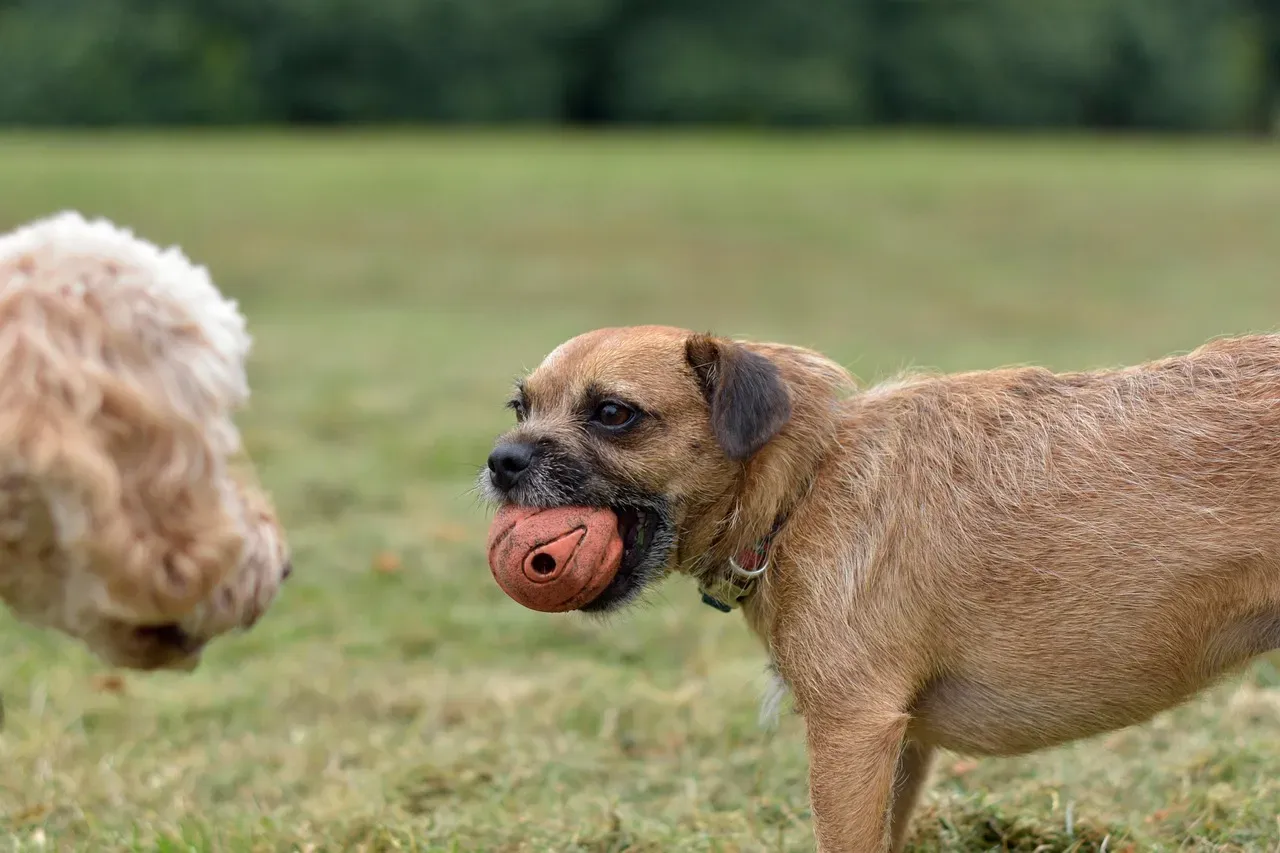
Guarding resources is a natural dog behavior. It’s a natural animal behavior – humans included! Access to resources like food, water, and a safe space is essential to survival. It’s hardwired into animal nature to protect the things we believe we need to survive.
Your dog might guard their food bowl, favorite toy, special resting spot, or even you. Dogs with this tendency can display aggressive behavior when someone approaches them while they are eating or when they possess a valuable resource, such as a bone, toy, found object, or any item they consider worth guarding.
What makes this behavior particularly challenging is that it can develop suddenly in adult dogs. The psychology behind resource guarding varies, but it’s typically based in anxiety. Former street dogs often guard food because they’ve gone through a period where they had to forage for every meal. That drive to protect resources can continue even when the dog is in a new home with a secure food source.
Never punish resource guarding. It will only increase your dog’s anxiety and make the behavior worse.
Anxiety Has Taken Over
Anxiety isn’t just nervousness. It’s a chronic state of worry that puts your dog constantly on edge. Aggression is fundamentally an anxiety disorder. Selective serotonin reuptake inhibitors and tricyclic antidepressants work by remodeling neurons and make acquiring new behaviors easier.
Unlike fear, which is triggered by something specific, anxiety can be free-floating and constant. Ongoing or unresolved fears and phobias can lead to chronic anxiety which is highly stressful and unhealthy. This puts the dog almost constantly on edge which leads to hypersensitivity to triggers.
Anxious dogs scan their environment constantly, looking for threats. They can’t relax. They overreact to minor stimuli that a confident dog would ignore completely.
Honestly, medication combined with behavior modification is often the most humane approach for dogs with severe anxiety. Your vet or a veterinary behaviorist can help design a treatment plan.
Hormones Are Playing a Role
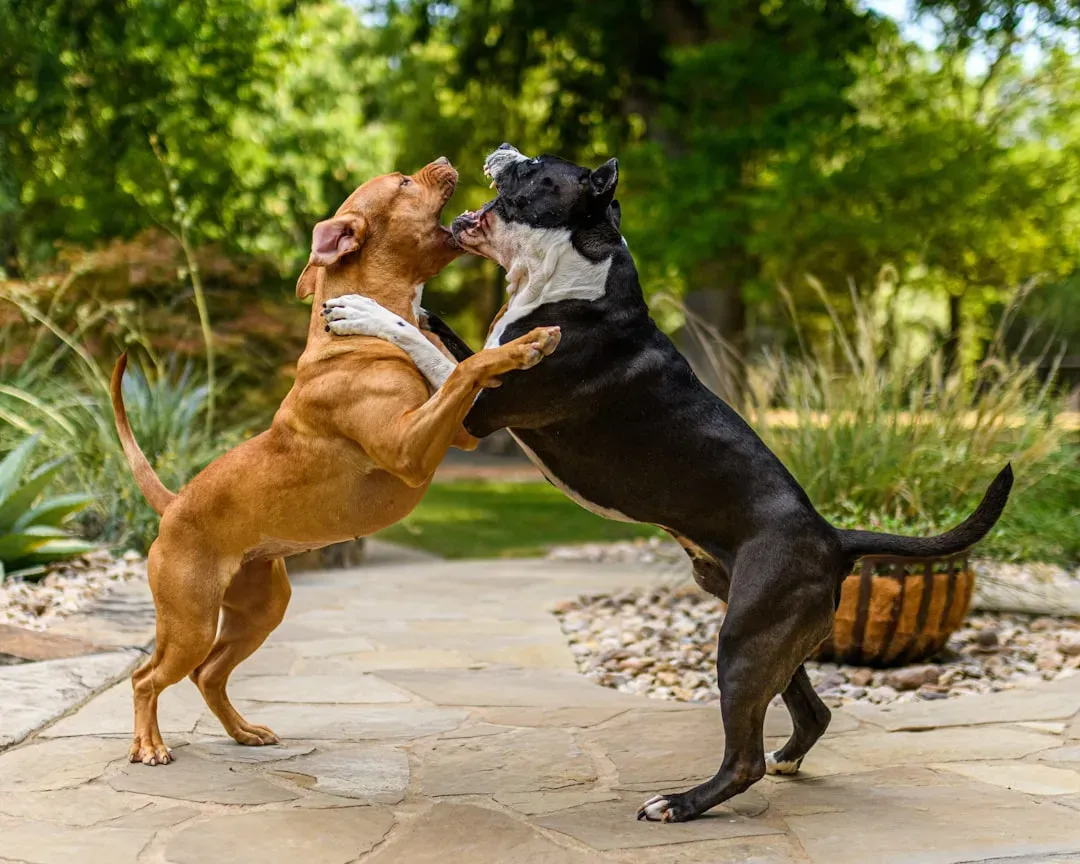
Intact male and female dogs can show aggression related to mating behaviors and territorial instincts. Males may compete for access to females, while females can become protective and irritable during heat cycles or pregnancy.
Infectious agents such as rabies, hormonal imbalances such as hypothyroidism, psychomotor epilepsy, hyperkinesis, neoplasia, and a variety of genetic and metabolic disorders can cause or predispose a dog to aggression. Thyroid dysfunction, in particular, has been linked to increased irritability and aggression.
Spaying or neutering can sometimes help reduce hormonally driven aggression, though timing and individual factors matter. Not every aggression problem will resolve with surgery alone, but it can be part of the solution.
If your dog’s aggression seems cyclical or tied to reproductive status, discuss hormone testing with your vet. Chemical imbalances can absolutely influence behavior.
They’re Experiencing Neurological Issues
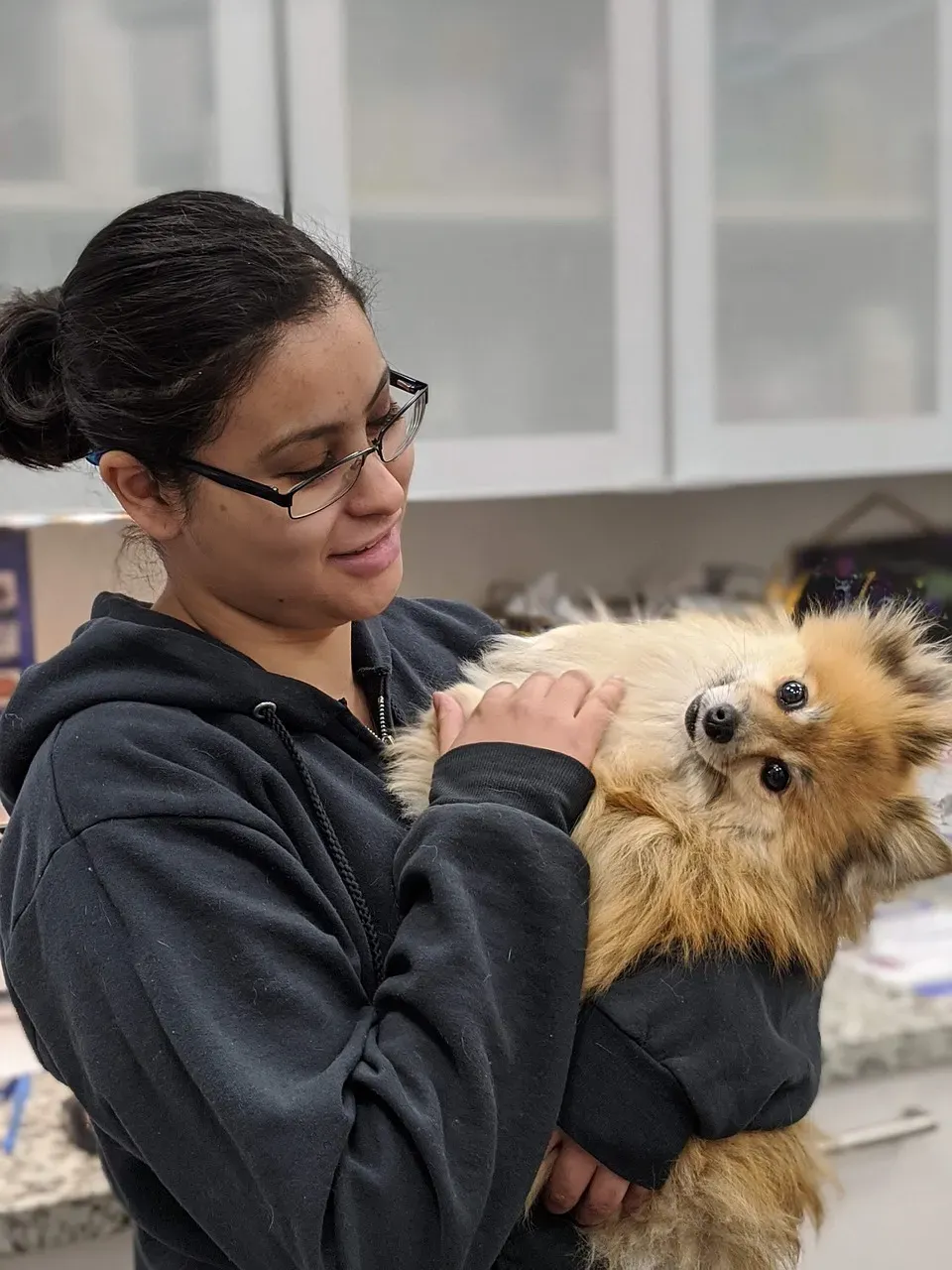
This one is rare but important to mention. Rage syndrome is a serious and complex condition that causes dogs to become aggressive without any apparent trigger. Dogs with rage syndrome have episodes of extreme aggression toward a person or other animals that occur seemingly out-of-the-blue and without provocation, yet they otherwise appear friendly and happy.
Partial seizures occurring in a region of the brain that controls aggression can cause sudden unprovoked aggression. Brain tumors, infections, trauma, and other neurological conditions can also trigger aggressive outbursts.
These cases often involve aggression that seems completely unpredictable and disproportionate. The dog may appear confused or disoriented afterward. Medical conditions can either trigger aggression as in the case of intracranial tumors or aggravate an existing aggression problem as it happens with painful conditions.
If you suspect something neurological, your vet may recommend advanced imaging or an EEG to look for abnormalities. These conditions require specialized veterinary care.
Redirected Frustration
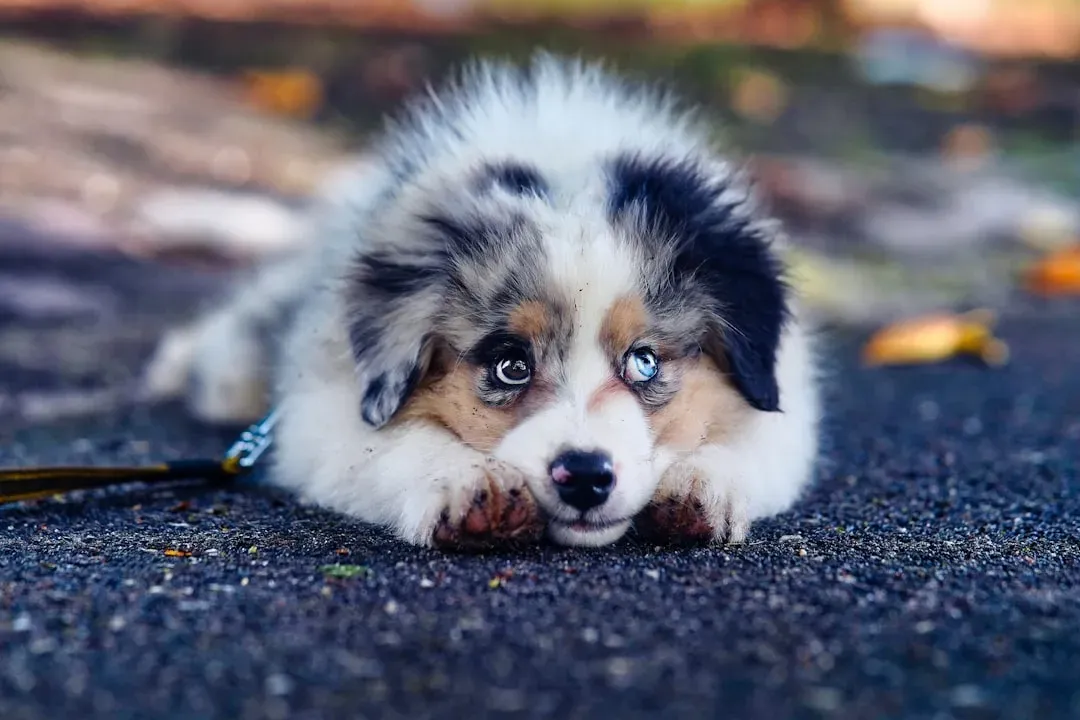
Ever snapped at someone who didn’t deserve it because you were already stressed about something else? Dogs do the same thing. It’s called redirected aggression.
Dogs sometimes redirect aggression from a trigger they can’t reach – like spotting another dog through a fence – to someone nearby. Avoiding frustrating situations and clear awareness of triggers help prevent these incidents.
Picture this scenario. Your dog sees a squirrel through the window and gets incredibly worked up but can’t reach it. You walk by to calm them down, and suddenly they snap at you instead. They’re not mad at you specifically. They’re just overwhelmed and you became the available target.
Leash frustration works the same way. A dog desperately wants to greet another dog across the street but the leash prevents them. That frustration builds and can explode into aggression.
Previous Trauma or Negative Experiences

Dogs have excellent memories, especially when it comes to scary or painful events. A single bad experience can shape how they respond to similar situations for years to come.
Dogs may develop fear aggression because they received inadequate socialization as a puppy, were exposed to early traumatic experiences, experienced punishment, or have a genetic predisposition. Maybe your dog was attacked at a dog park once. Now all unfamiliar dogs are potential threats.
Rescue dogs often come with unknown histories. You might never know exactly what happened to them, but their behavior tells part of the story. They may have been abused, neglected, or simply faced circumstances that taught them the world isn’t safe.
The beautiful thing about dogs is their resilience. With consistent positive experiences and patience, many dogs can learn to trust again. However, it’s crucial never to force them into situations that trigger their trauma.
Genetic Predisposition and Breed Characteristics
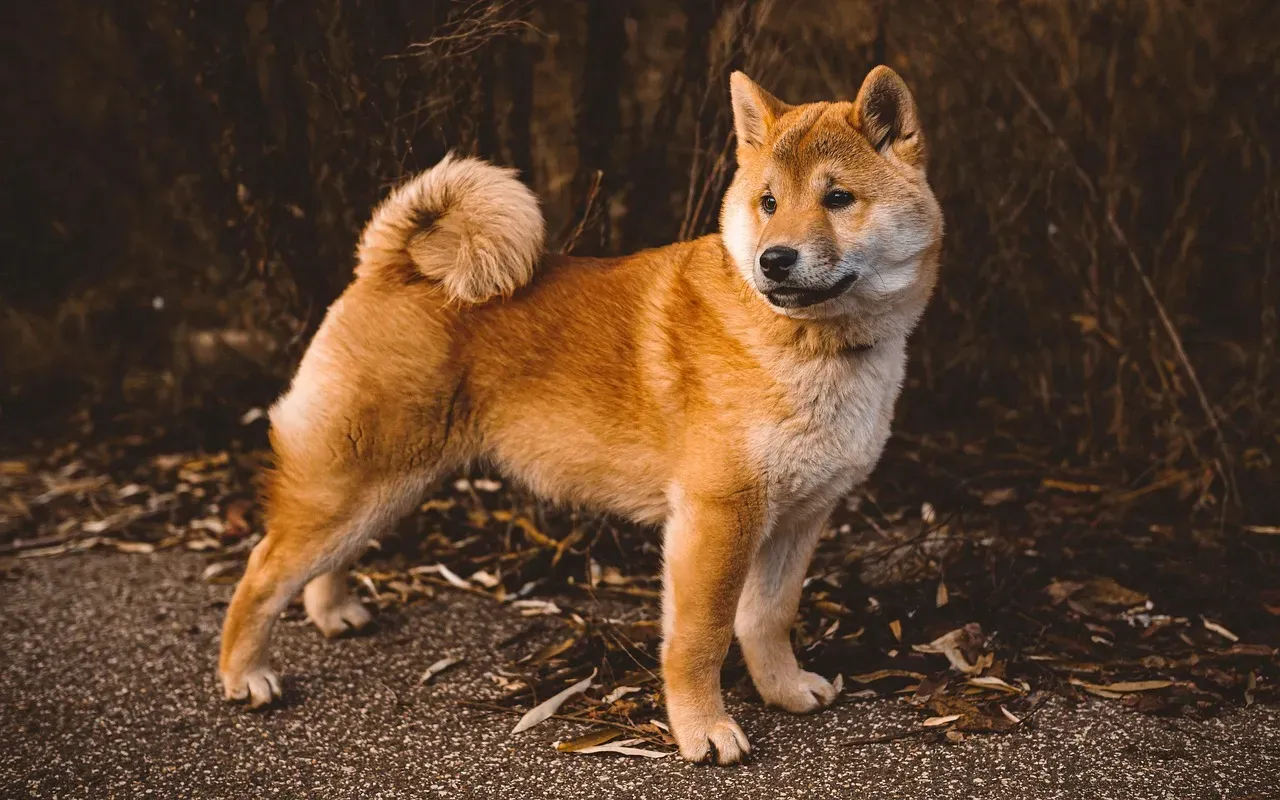
Here’s a controversial topic. Genetics matter. Not all breeds are created equal when it comes to aggression potential, and individual dogs within breeds vary enormously.
A number of predisposing factors influence a dog’s general threshold for aggression: genetic predisposition, prenatal environment, exposures during early socialization, and environmental circumstances. Some breeds were specifically developed for guarding, protection, or fighting, and those instincts don’t just disappear.
That said, breed is never an excuse or a guarantee. Plenty of dogs from supposedly “aggressive” breeds are absolute sweethearts, while some from gentle breeds can be reactive. Individual genetics and breed differences can play an important role in dogs’ behavior. Genetics influences behavior and which genes are expressed depends on the dog’s early experiences and environment, including before birth.
If you’re considering adding a dog to your family, research the breed’s history and typical temperament. Set yourself and your future dog up for success by choosing a dog whose natural tendencies align with your lifestyle and experience level.
The Takeaway
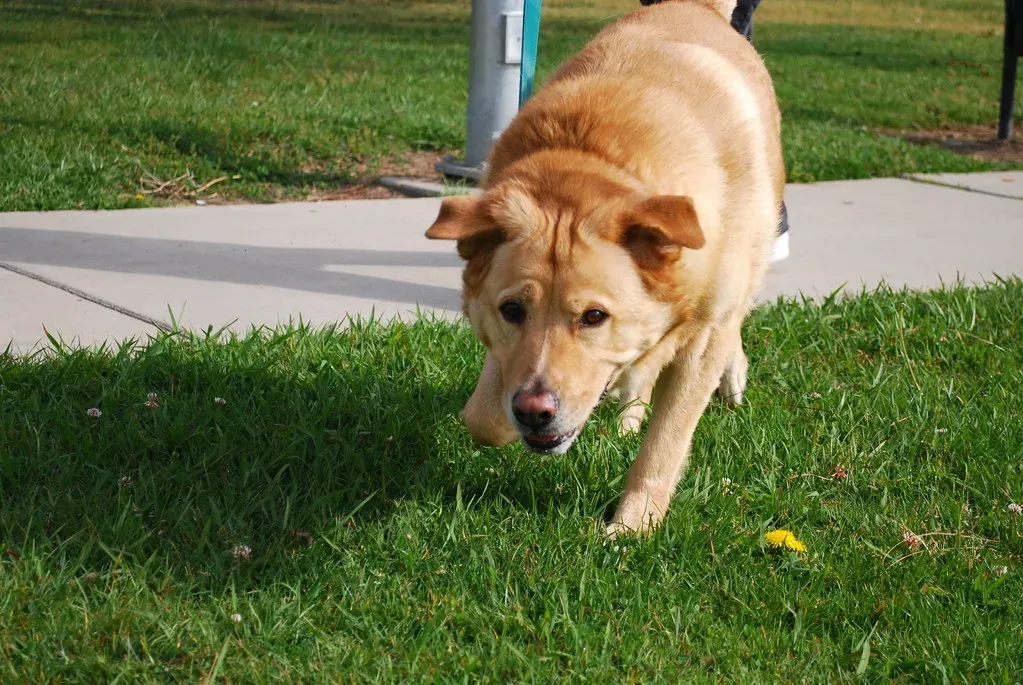
Aggression in dogs is complex, multifaceted, and almost never about dominance or your dog trying to be the “alpha.” More often than not, it’s rooted in fear, pain, anxiety, or a lack of proper socialization. Your dog isn’t being bad. They’re communicating the only way they know how.
If your dog is showing aggressive behavior, don’t wait for it to get worse. Consult with your veterinarian first to rule out medical issues, then work with a certified professional dog trainer or veterinary behaviorist. These experts can help you understand what’s driving the behavior and create a tailored treatment plan.
Remember, aggression doesn’t mean your dog is broken or unlovable. It means they need your help. With patience, professional guidance, and a commitment to understanding their needs, many dogs can learn to feel safe and respond more appropriately to the world around them. What do you think about it? Have you experienced this with your own dog?


