
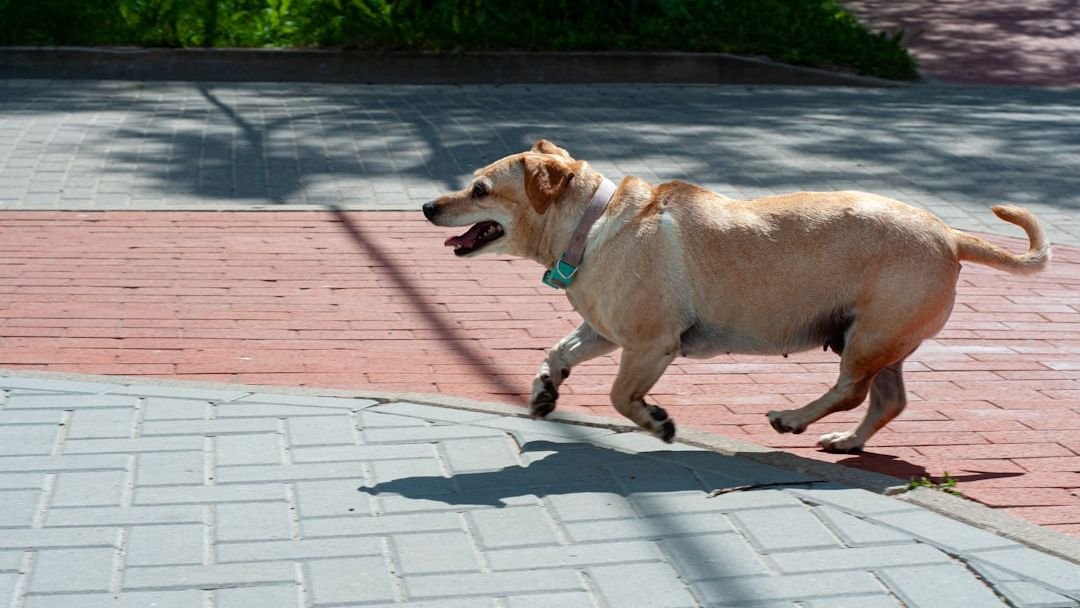
You know that feeling when you come home after a long day and your dog greets you like you’ve been gone for years? That tail wagging at full speed, those excited jumps, that pure joy radiating from every fiber of their being. It’s beautiful, honestly. But what if I told you that behind that enthusiastic welcome, your furry friend might be carrying stress you haven’t even noticed?
Dogs are masters at hiding their anxiety from us. They can’t exactly sit us down for a chat about their worries, can they? Instead, they show us through pacing, excessive licking, or maybe tearing up that couch cushion you loved. Here’s the thing: our dogs need more than just food, water, and the occasional belly rub. They need activities that truly engage their minds and bodies, things that tap into their natural instincts and help them feel genuinely content.
So let’s dive into some powerful activities that can transform your stressed pup into a relaxed, happy companion right in the comfort of your home.
Sniffing Games That Calm Their Busy Minds
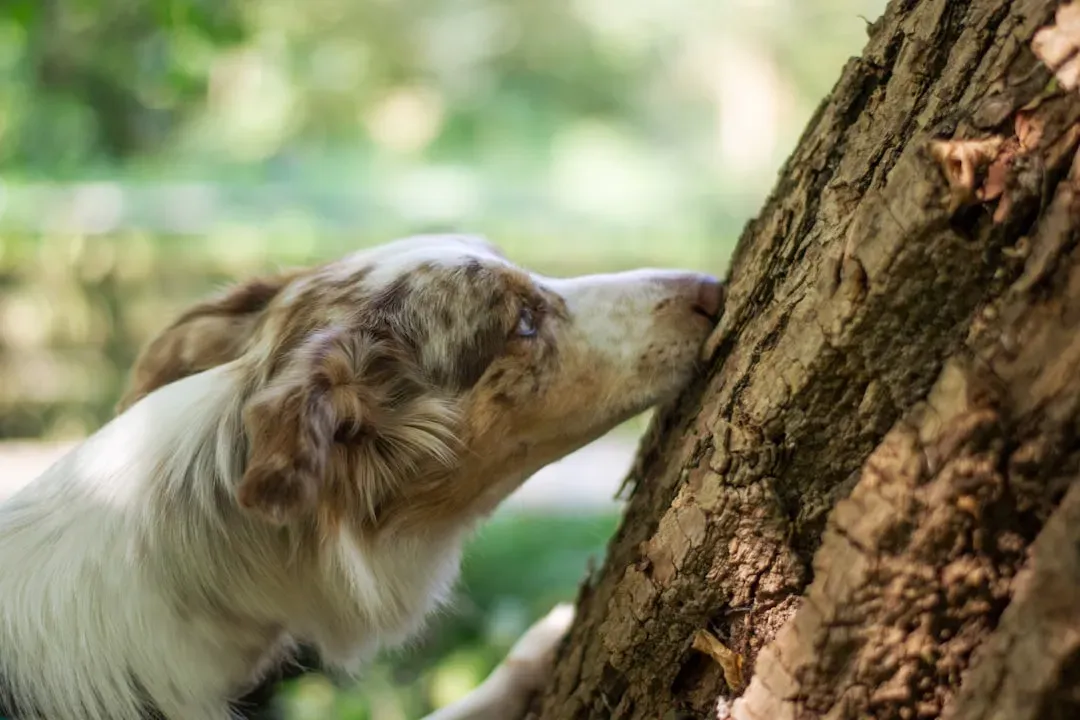
The act of sniffing releases feel-good hormones like endorphins, serotonin, and dopamine, which help to reduce stress and decrease anxiety. Think about it: when your dog stops on a walk to investigate every single blade of grass, they’re not just being annoying. They’re doing something deeply therapeutic for themselves.
Sniffing can be stimulating and calming and allows your dog to gather information on their environment. You can create simple scent games at home by scattering their kibble around your living room or hiding treats in different rooms for them to discover. Start easy so they understand the game, then gradually make it more challenging.
Try the towel game: roll up some treats in a towel, placing a couple of treats at one end, fold it over, and add another. Your dog will spend ages working through the layers, and honestly, watching them figure it out is half the fun. The best part? Some experts suggest that roughly twenty minutes of sniffing work can provide similar mental enrichment to a much longer walk.
Interactive Puzzle Feeders for Mental Exercise
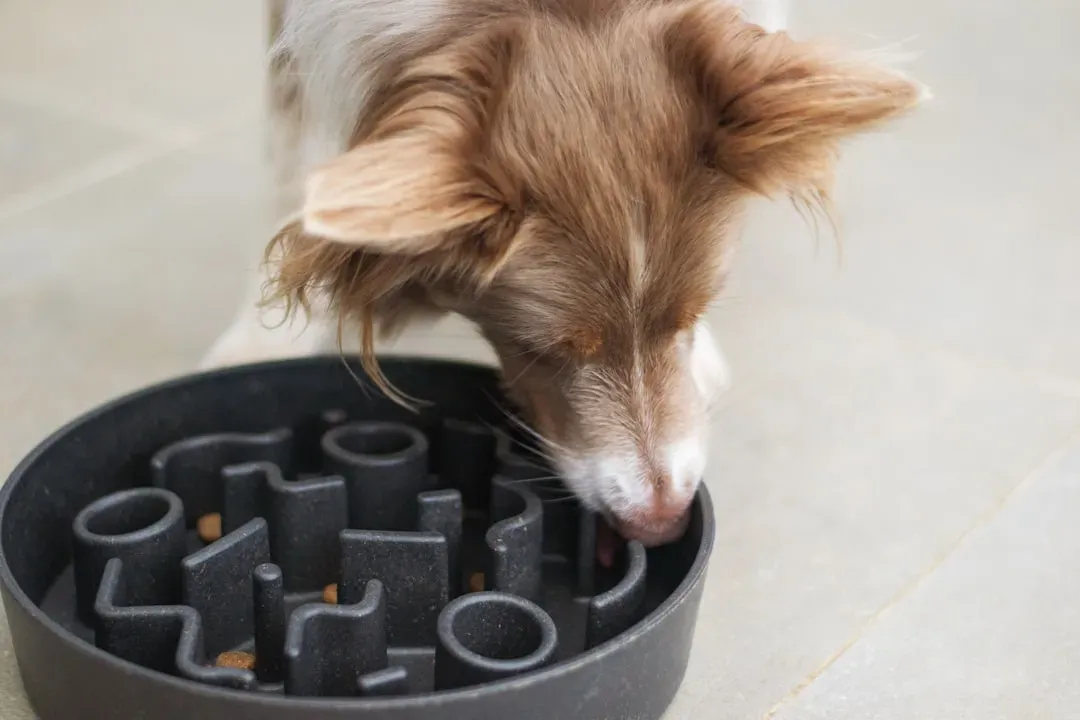
Making mealtime fun, challenging and interactive is a great way to satisfy your dog’s innate instincts and curiosities, and food puzzles are a great way to slow down your dog’s eating and provide mental stimulation. Forget boring food bowls. Seriously, throw them away if you can.
Mental stimulation is just as important for dogs as physical exercise, and mental exercises can actually make dogs even more tired than physical exercise. This is especially helpful for those rainy days when you can’t get outside, or if you have a high-energy breed that seems to never tire out.
You don’t need expensive gadgets either. Plastic cereal bowls and juice cups can provide a puzzle challenge for your dog by placing a treat in one or more bowls and letting your dog search using their nose. Stack them, flip them upside down, hide cups inside bowls. Mix it up regularly so it doesn’t become predictable and lose its magic.
The Power of Licking and Chewing Activities
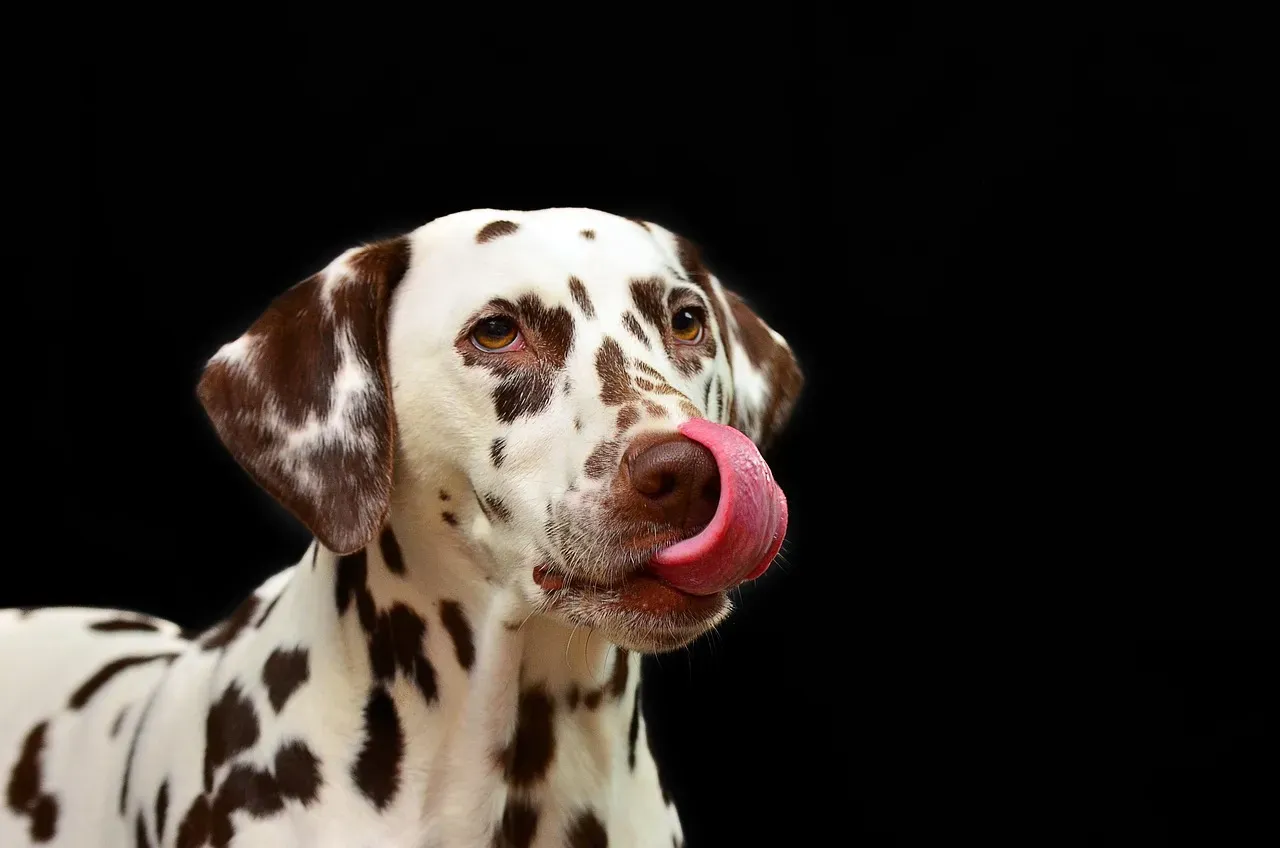
Licking is a soothing behavior for dogs, and when they lick themselves, objects, or even you, it releases feel-good hormones like endorphins, serotonin, and dopamine. That’s why lick mats have become so popular, and rightfully so.
Spread some peanut butter (make absolutely sure it doesn’t contain xylitol), pureed pumpkin, or plain yogurt on a textured mat or even just a plate. The repetitive motion of licking is also naturally relaxing to dogs and can relieve anxiety, similar to how you may feel relaxed doing a repetitive activity like knitting. For longer-lasting entertainment, pop it in the freezer before giving it to your pup.
Appropriate chew toys serve a similar purpose. Long-lasting chews give your dog an outlet for their natural chewing instinct while keeping them occupied and calm. Just make sure whatever you choose is safe and appropriately sized for your dog’s mouth.
Creating a Safe Space They Can Call Their Own

It is important to provide your dog with a safe place in the home where they can escape stimuli that trigger a stress response, as everybody enjoys a calm place to retreat. This could be a cozy crate with soft bedding, a quiet corner with their favorite blanket, or even just a designated room.
Anxious dogs benefit from a safe place that they associate with positive things like treats, toys, or undisturbed rest, and a dog bed or mat is perfect because it’s portable. The key is making this space genuinely positive. Never use it as punishment.
You can train your dog to go to their safe space on cue. Start by rewarding them every time they settle there naturally, then add a verbal cue like “place” or “bed.” Gradually build the distance and duration. This gives your dog somewhere to decompress when the world feels overwhelming, whether that’s during a thunderstorm or when guests arrive.
Physical Exercise That Actually Releases Tension
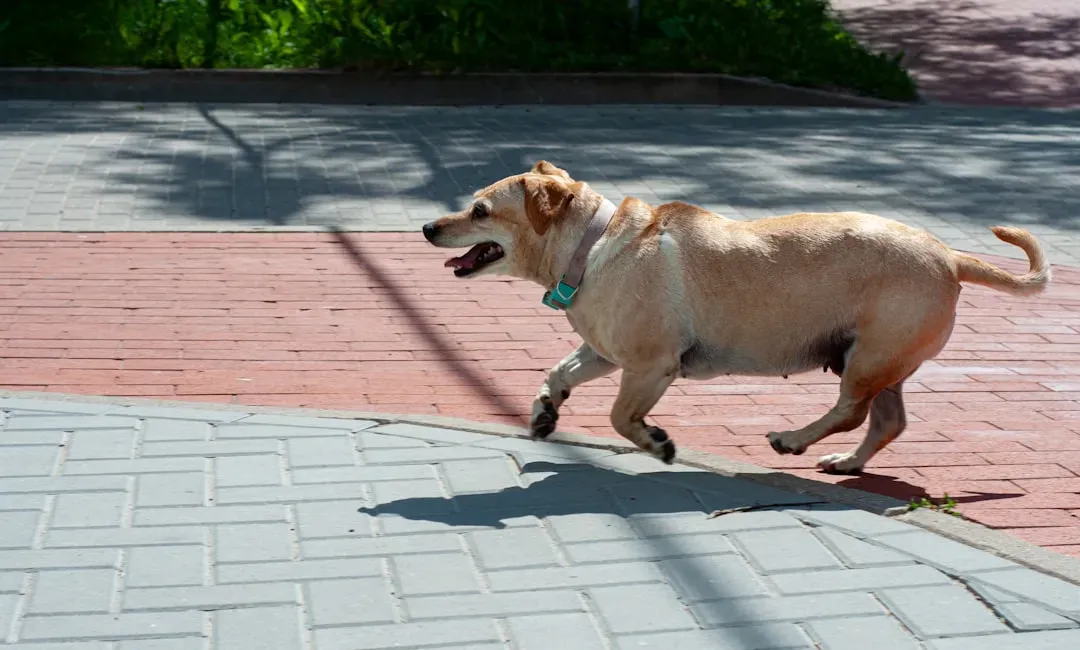
Exercise can be a great stress reducer, and for healthy dogs, physical activities such as walking or playing fetch may help both you and your dog release tension. I know this seems obvious, but there’s a right way and wrong way to approach exercise for stressed dogs.
Here’s the thing: high-intensity activities might actually overwhelm an already anxious dog. For a stressed dog, calming exercises like leisurely walks or gentle fetch games can be more beneficial, with the goal being to release pent-up energy without exacerbating the dog’s stress. Read your dog’s signals. If they’re getting more amped up rather than calming down, dial it back.
Indoor games work wonders too. Hide and seek, gentle tug-of-war, or even teaching them to find hidden toys around the house all count as physical activity. The bonus? You’re strengthening your bond while helping them burn energy in a controlled, positive way.
Training Sessions That Build Confidence and Focus
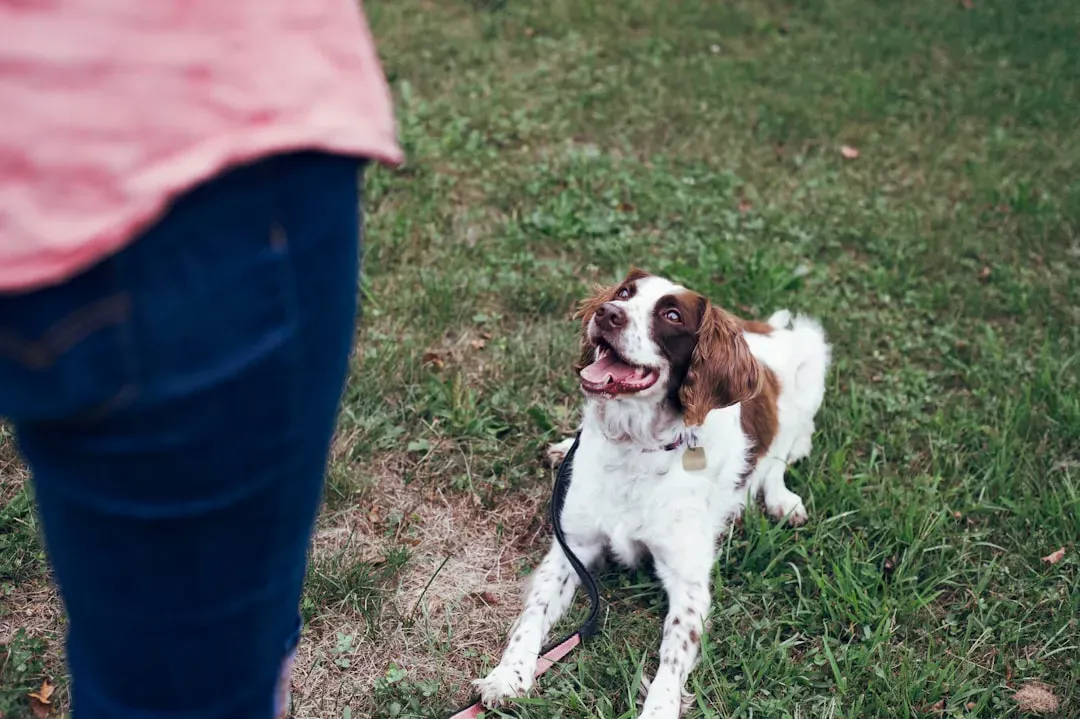
Obedience training is an essential tool for preventing and managing dog anxiety, as it lays the foundation of a healthy relationship and establishes trust. Short, positive training sessions give your dog’s brain a serious workout while boosting their confidence.
The mental exercise of training can be just as tiring as physical exercise for dogs, and teaching your dog new tricks using reward-based training helps them learn new skills while improving your relationship and boosting their confidence. Work on simple tricks like “spin,” “touch,” or “find it.” Keep sessions brief, around five to ten minutes, and always end on a positive note.
The predictability of training also helps anxious dogs feel more secure. They learn what to expect from you, and that consistency is incredibly comforting. Plus, giving them commands to focus on during stressful situations can redirect their attention away from whatever’s bothering them.
Establishing a Predictable Daily Routine
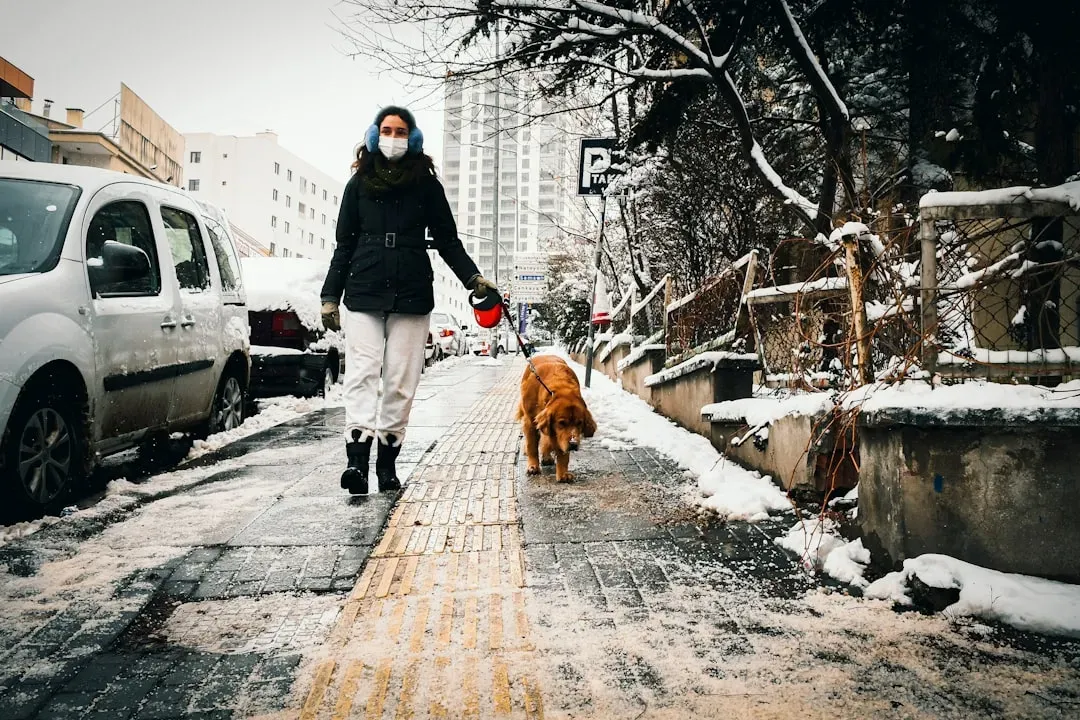
It’s essential to establish a routine for your dog so they feel comfortable and secure, as dogs are creatures of habit and thrive on predictability and structure. Feed them at the same times each day. Walk them around the same times. Create consistent sleep schedules.
Making your dog’s day more predictable helps calm an anxious pet, and establishing a daily routine means your dog knows when they can expect to go for a walk, eat, play, and when they will be alone. Small changes in schedule can trigger stress in sensitive dogs, so maintaining consistency wherever possible is crucial.
That said, life happens. We can’t always stick to the exact same schedule. The key is making the transitions smooth and giving your dog plenty of notice through your behavior cues. If you always grab your keys before leaving, that becomes a predictable signal they can understand rather than a sudden shock.
Conclusion: Your Dog’s Happiness Starts With Understanding
Mental and physical stimulation during the day makes it easier for dogs to cope with separation anxiety and frustration from boredom. These seven activities aren’t just ways to keep your dog occupied. They’re genuine stress-relief tools that address your dog’s deepest needs: mental stimulation, physical outlet, predictability, and connection with you.
The beautiful truth is that a calmer, happier dog creates a calmer, happier home for everyone. Start with one or two of these activities and build from there. Watch your dog’s body language. Notice what they gravitate toward naturally. Some dogs are puzzle masters, others are sniffing enthusiasts, and many need a combination of everything.
Your dog depends on you to create an environment where they can thrive, not just survive. Which of these activities do you think your furry friend would love most? Try them out and watch the transformation unfold.


