
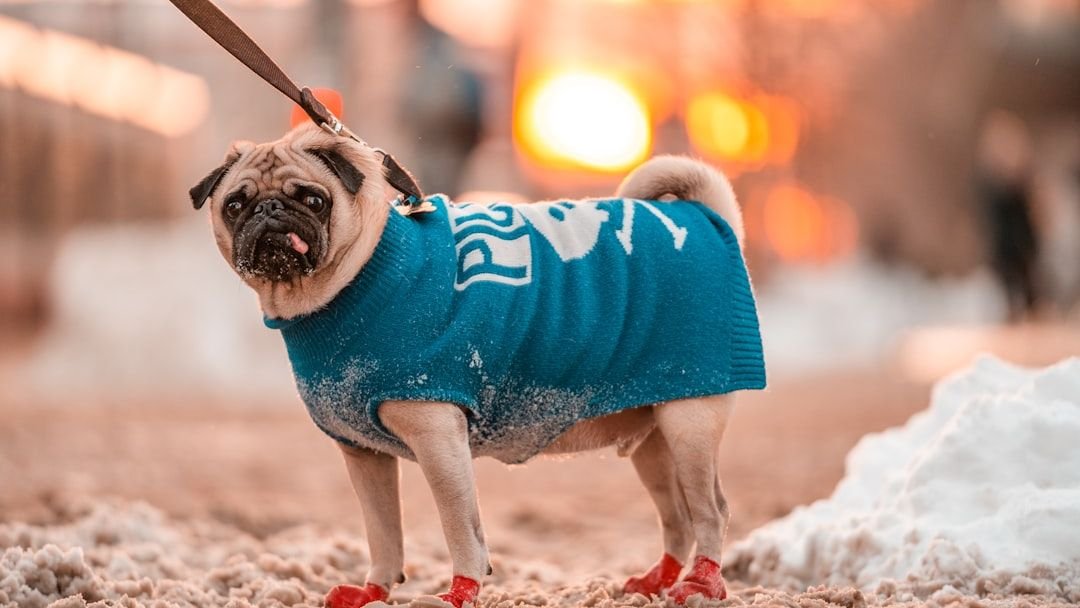
Picture this: you’re bundled up in your warmest parka, scarves wrapped tight, shivering slightly as you reach for the leash. And there’s your dog, prancing by the door, maybe a Chihuahua, maybe a Greyhound, tail wagging with excitement. Then you pause. Should they be wearing a coat too? It’s a question that crosses the mind of almost every dog owner when winter weather rolls around, and honestly, the answer isn’t always straightforward.
Here’s the thing. Not all dogs are created equal when it comes to handling the cold. While your neighbor’s Husky might look at you like you’ve lost your mind for even considering a jacket, your short-haired pup could genuinely benefit from that extra layer. Let’s dig into what really matters when it comes to keeping your furry friend comfortable, safe, and happy during the coldest months of the year.
Does Your Dog Actually Need a Coat
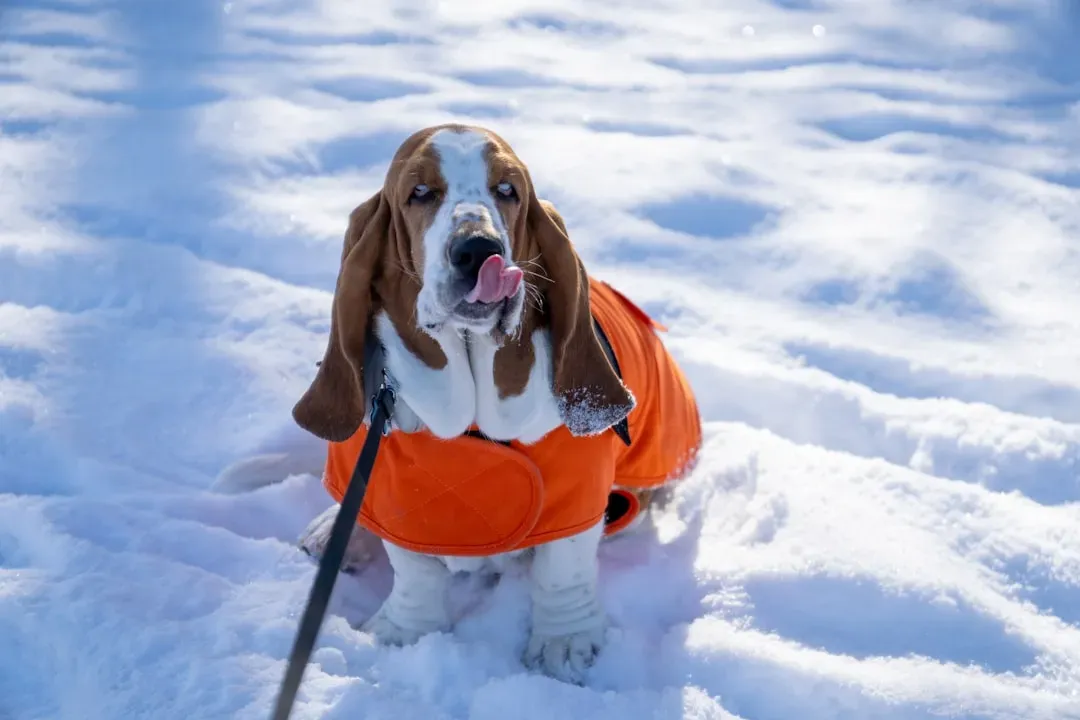
Let’s be real. Some dogs are basically walking furnaces with built-in winter gear, while others are shivering messes the moment the temperature dips. Large breed dogs with thick coats will generally be protected from the cold. Think Siberian Huskies, Alaskan Malamutes, Bernese Mountain Dogs. These breeds were specifically bred with thick fur designed to insulate and protect them from snow or cold weather.
However, smaller breeds tell a completely different story. Small or thin-furred breeds, puppies, and senior dogs will generally need a winter coat when the temperature outside feels at or below 32°F. I think it’s worth noting that this isn’t just about aesthetics or being overly cautious. These pups genuinely struggle to maintain their body heat in frigid conditions, and ignoring that reality could put them at risk.
Age also plays a massive role here. Young puppies and senior dogs of all breeds and sizes are more susceptible to the cold than healthy adult dogs. Their bodies simply don’t regulate temperature as efficiently. So even if you have a breed that typically handles winter well, an older or very young dog might still need that extra protection.
Which Breeds Benefit Most From Winter Coats
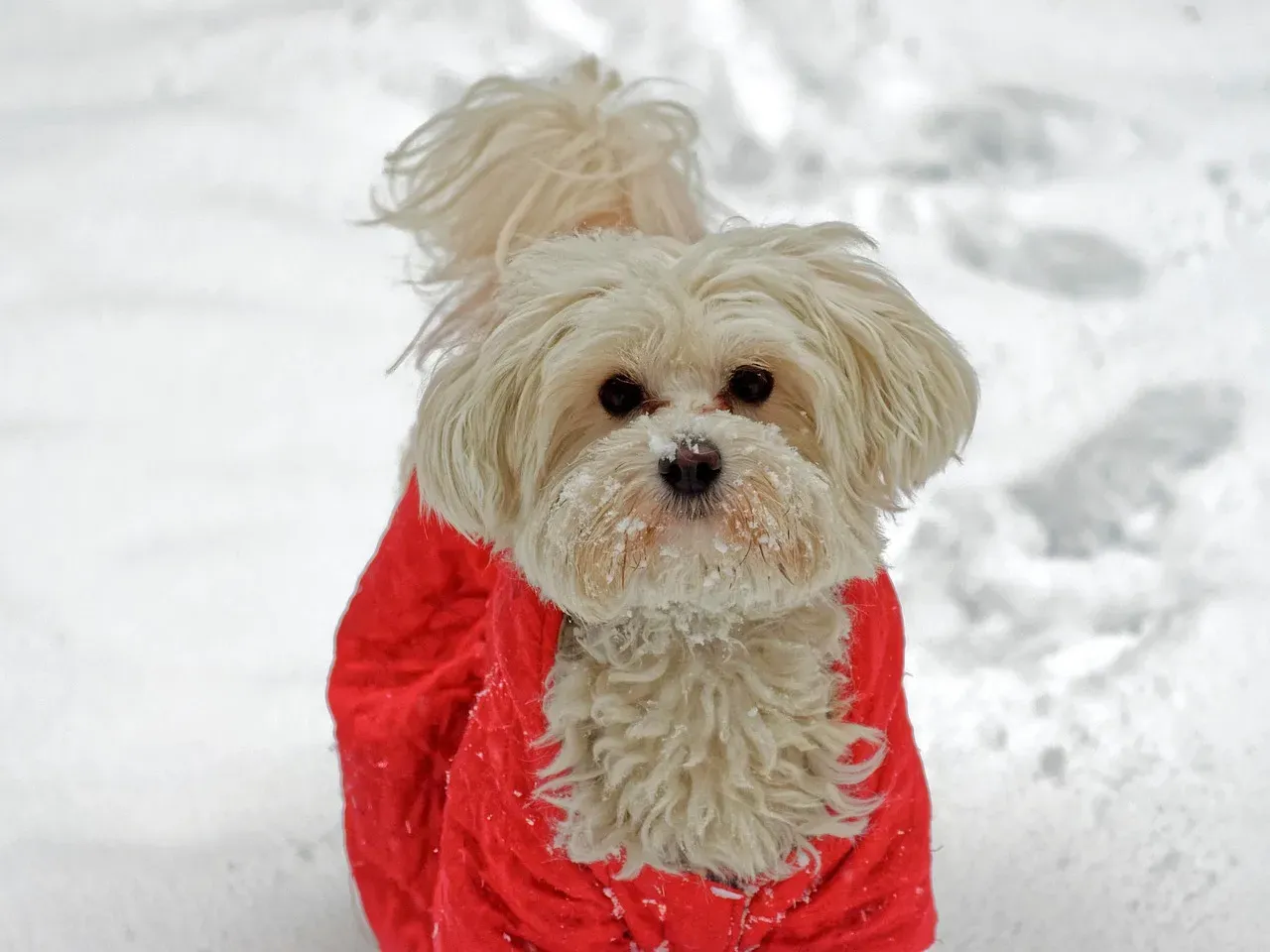
Hairless dog breeds, including American Hairless Terriers, Xoloitzcuintlis, and Chinese Cresteds, struggle to regulate their temperatures in cold weather and need to wear jackets when going outside. It sounds obvious, but these dogs have zero natural insulation. Going coatless in winter for them is like you stepping outside in your underwear.
Then there are the lean, athletic breeds. Naturally lean dogs, particularly those who are both naturally lean and have a short coat, can quickly become cold and need extra protection from winter weather, including breeds like Greyhounds, Whippets, and Azawakhs. Their lack of body fat combined with minimal fur means they lose heat incredibly fast.
Low-to-the-ground breeds face their own unique challenge. Dog breeds that are low to the ground can struggle with the cold as their bellies easily become wet when touching snow and ice, and Basset Hounds and Dachshunds are among the breeds most likely to struggle. Imagine your belly constantly dragging through freezing snow. Not fun, right? That’s their reality without proper protection.
What Temperature Is Too Cold for Dogs
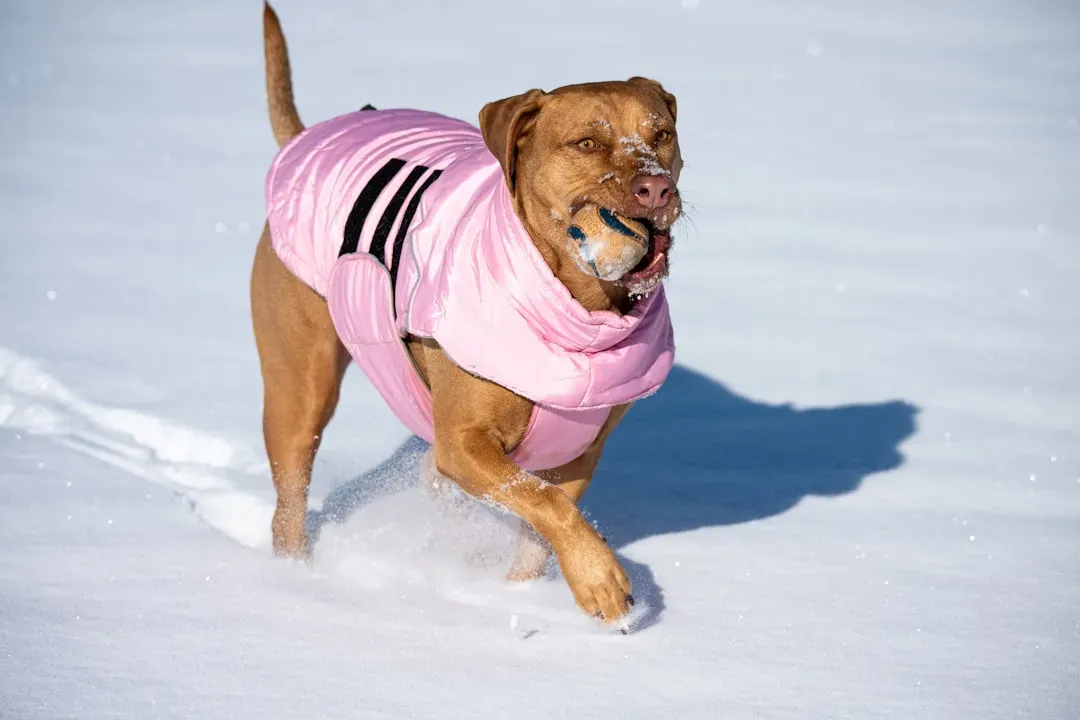
Temperature thresholds matter, and they’re not just arbitrary numbers. If the temperature is in the mid-40s Fahrenheit or lower, it’s definitely time to dress that pet. That’s your baseline for most dogs who aren’t naturally equipped for extreme cold.
Things get more serious as the mercury drops further. Once the temperature drops below 20°F, keep a close eye on your dog, regardless of breed, for signs that they are uncomfortably cold. At this point, even those naturally cold-tolerant breeds need shorter outdoor sessions and close monitoring.
When the windchill is below 20 degrees, playtime should be kept short, in 15 to 20 minute sessions, and then give the dog time to warm up inside. Wind chill isn’t something to ignore either. That biting wind cuts through fur faster than you’d think, making conditions feel significantly colder than the actual temperature reading suggests.
Recognizing When Your Dog Is Too Cold
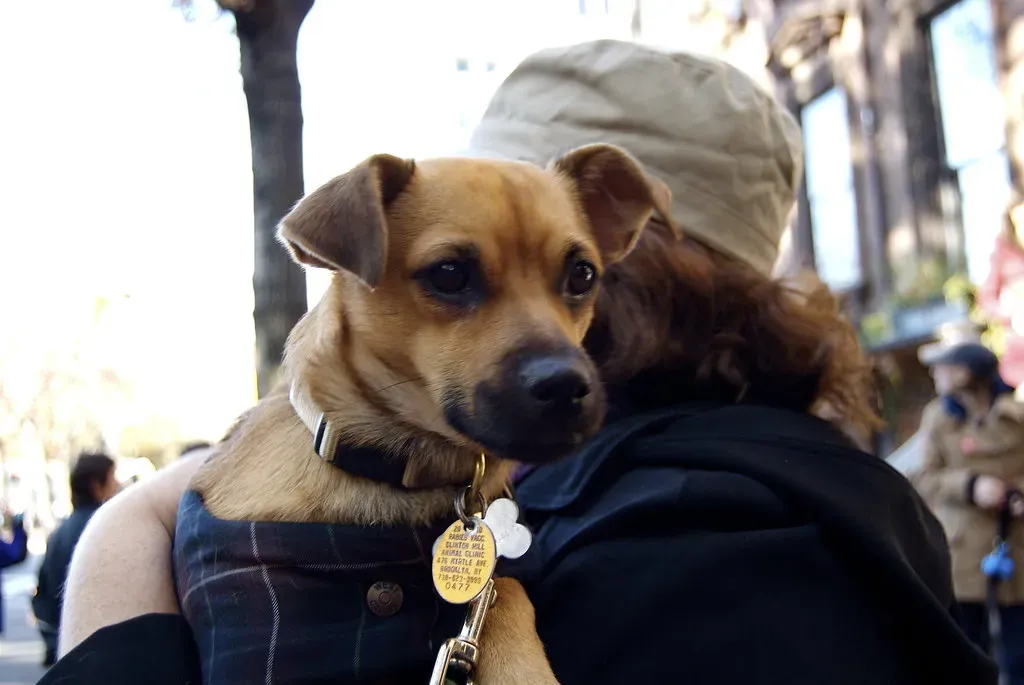
Your dog will tell you when they’re uncomfortable if you know what to look for. Shivering, lifting paws up to avoid the cold, or burrowing under a blanket may indicate a candidate for some winter weather clothing. Shivering is often the first and most obvious sign that your dog’s body is struggling to generate enough heat.
Behavioral changes speak volumes too. If your dog starts showing a definite sign of slowing down, a decrease in activity, or even stops walking, it is a sign they are cold, which can be confused with just fatigue from exercise. Pay attention to subtle shifts in their usual energy level during walks.
More severe symptoms require immediate action. For dogs, mild hypothermia begins to set in when their body temperature drops below 99° Fahrenheit. Intense cold can cause hypothermia, which occurs when a dog’s body temperature falls to dangerously low levels, causes muscles to stiffen and breathing and heart rate to slow, and in serious cases, can be fatal. This isn’t something to take lightly.
Choosing the Right Winter Coat for Your Dog
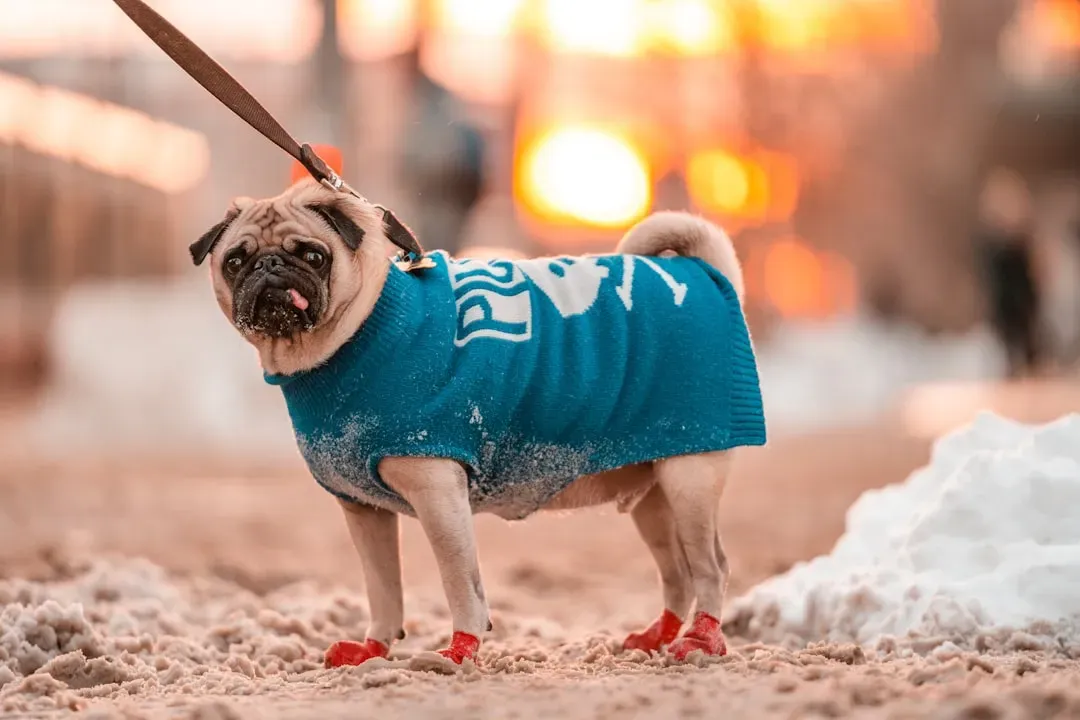
Not all dog coats are created equal, and picking the wrong one defeats the entire purpose. A good dog coat will cover your dog’s neck, belly, and back, and waterproof fabrics are important because a wet dog will get colder much faster than a dry one. Those are your non-negotiables when shopping.
Fit matters just as much as coverage. When wearing a jacket, dogs should be able to comfortably walk, run, and play, and a properly fitted jacket will keep dogs warm while not restricting their ability to participate in daily activities or being so loose as to present a hazard where a dog could become entangled. A coat that’s too tight restricts movement and circulation, while one that’s too loose becomes a safety hazard.
You might also need different coats for different conditions. It’s important to pick the right kind of jacket for your dog and the weather you’re protecting them from, and a dog who needs to wear a jacket may need a lightweight jacket for cooler weather as well as a thicker jacket for snowy and frigid weather days. Think of it like your own wardrobe – you wouldn’t wear the same jacket in autumn as you would in a January blizzard.
Important Safety Tips and Considerations
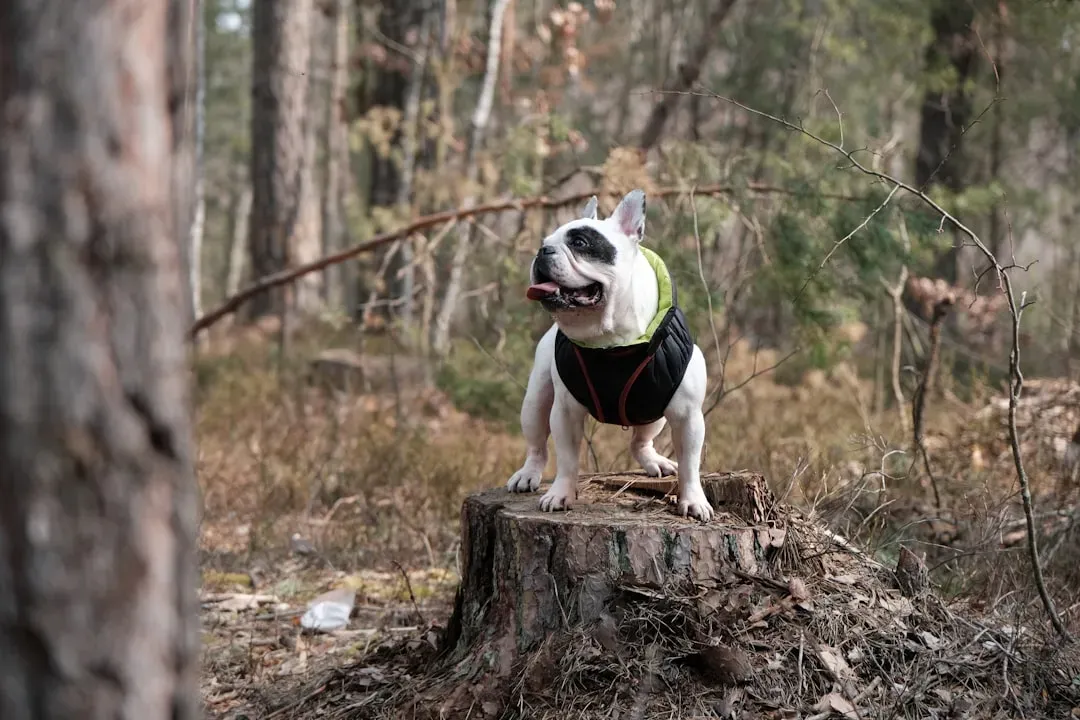
Coats are helpful, but they’re not magical shields against all winter dangers. Dogs should not be wearing coats in mild weather, while indoors, or just for fun, and if your dog is clearly opposed to wearing a coat, then modify their routine to minimize their exposure to cold weather. Forcing a stressed dog into clothing creates more problems than it solves.
Dogs should not wear jackets inside as they could quickly overheat, so save them for outdoor wear only. This is crucial. What protects them outside becomes dangerous indoors where temperatures are warm. Always remove the coat as soon as you’re back home.
Maintenance keeps coats effective and safe. Coats need to be laundered because they collect hair and dander and can be potential breeding grounds for bacteria, especially if put away damp after being in the snow. A dirty, damp coat loses its insulating properties and can actually make your dog colder while potentially causing skin issues.
Conclusion: Trust Your Dog and Common Sense
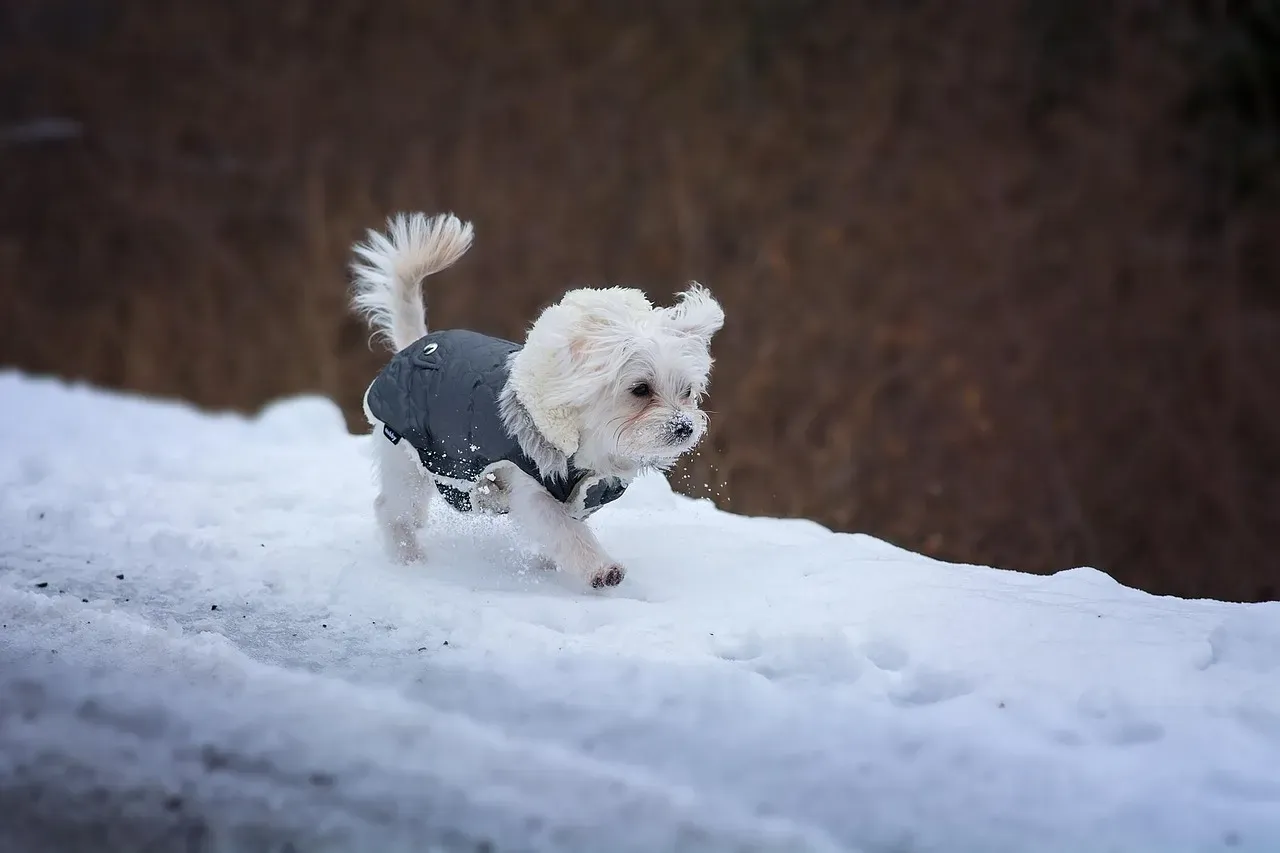
At the end of the day, the decision to coat your dog comes down to understanding their individual needs. Breed, size, age, health status, and the actual weather conditions all play into this equation. There’s no shame in erring on the side of caution, especially for vulnerable dogs.
If you’re putting on a coat to go outside, odds are good that it’s cold enough for your dog to need a coat as well. That’s honestly a pretty solid rule of thumb. If you’re uncomfortable, chances are your dog is too.
Remember, a coat is just one tool in your winter safety toolkit. Short walks, dry paws, warm shelter, and vigilant observation matter just as much. Your dog depends on you to make smart choices about their comfort and safety. What would you do if your dog started shivering on your next walk? Now you know exactly how to help them stay warm and happy all winter long.


