
10 Dog Breeds That Love to Frolic in Snow
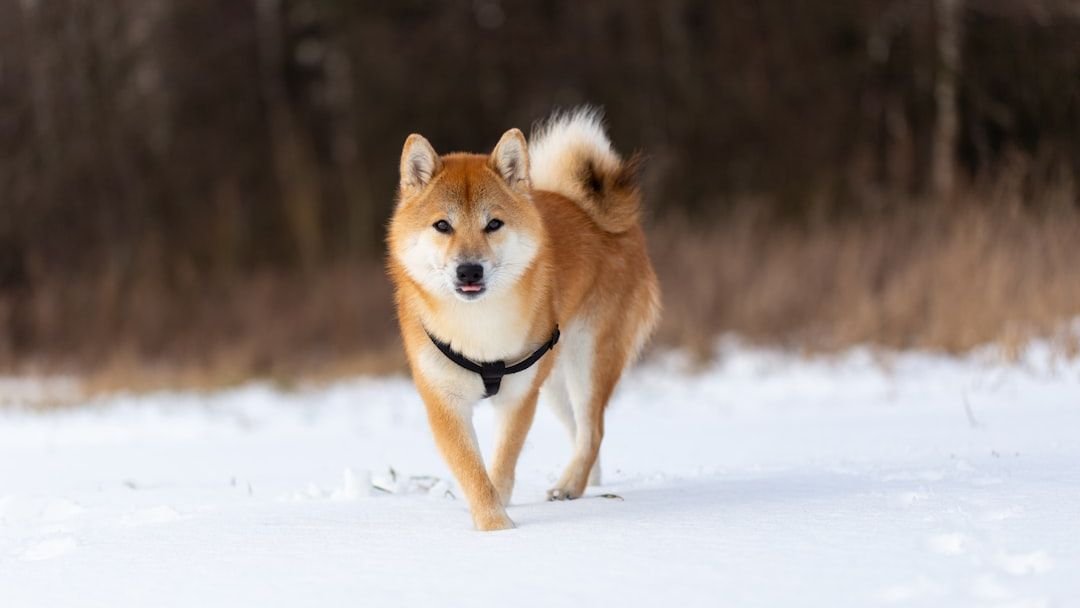
There’s something magical about watching a dog experience snow for the first time. The way they pounce, roll, and bury their snouts in white powder feels almost childlike. Some dogs, though, take this love affair to another level entirely.
These breeds don’t just tolerate winter. They thrive in it. Their ancestors pulled sleds across frozen tundra, guarded livestock on icy mountain passes, and kept families warm during brutal snowstorms. Today, their descendants still carry that same spark, that irresistible pull toward colder climates. If you live where winters are long and snowy, or if you dream of cold-weather adventures with a four-legged companion, these breeds might be exactly what you’re looking for. Let’s dive in.
Siberian Husky: The Quintessential Snow Dog
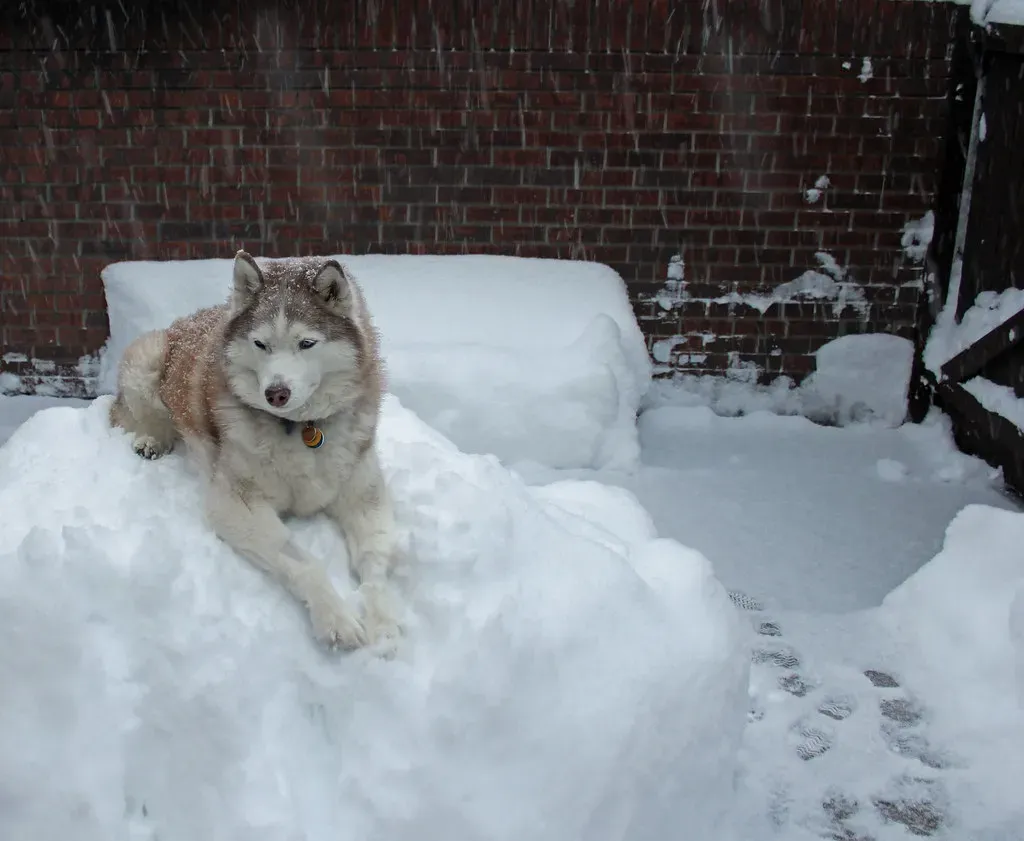
A classic snow-loving pooch, the Siberian Husky was originally developed as a working breed for dog-sledding, born to transport passengers through the arctic. Originally bred by the Chukchi people of Siberia to pull sleds across frozen tundra, these athletic dogs thrive in snowy conditions and love outdoor adventures. Their thick double coat, boundless energy, and striking blue eyes make them instantly recognizable.
Huskies aren’t just built for cold weather. They live for it. Siberian Huskies have an energetic, playful nature that makes them great companions for outdoor adventures, whether you’re sledding, hiking, or just taking a winter stroll. Keep in mind, though, that their independent streak and high energy mean they need confident owners who can provide both physical exercise and mental stimulation.
Alaskan Malamute: The Heavyweight Champion of Cold
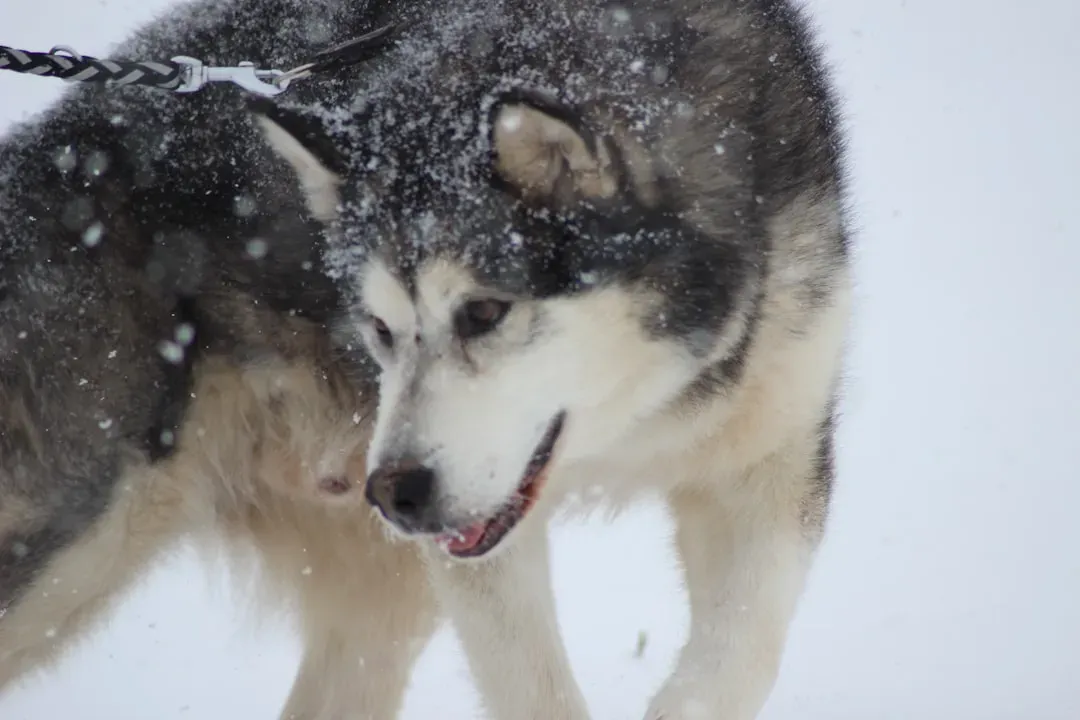
The Alaskan malamute is a true icon of the Arctic, originally bred by the Inuit to pull heavy sleds across frozen terrain. Unlike Huskies, who are built for speed, the Siberian Husky was bred to pull light loads over long distances while the Alaskan Malamute was bred to pull heavy loads over short distances.
These dogs are massive, strong, and incredibly loyal. Their thick double coat, strong muscles, and snowshoe-like paws make them perfectly suited for winter weather, and beneath their rugged exterior, malamutes are affectionate, loyal companions who love spending time with their families. They’re also famously talkative, often howling and making amusing sounds to communicate. Honestly, their vocal performances alone make them entertaining housemates.
Samoyed: The Smiling Snow Angel
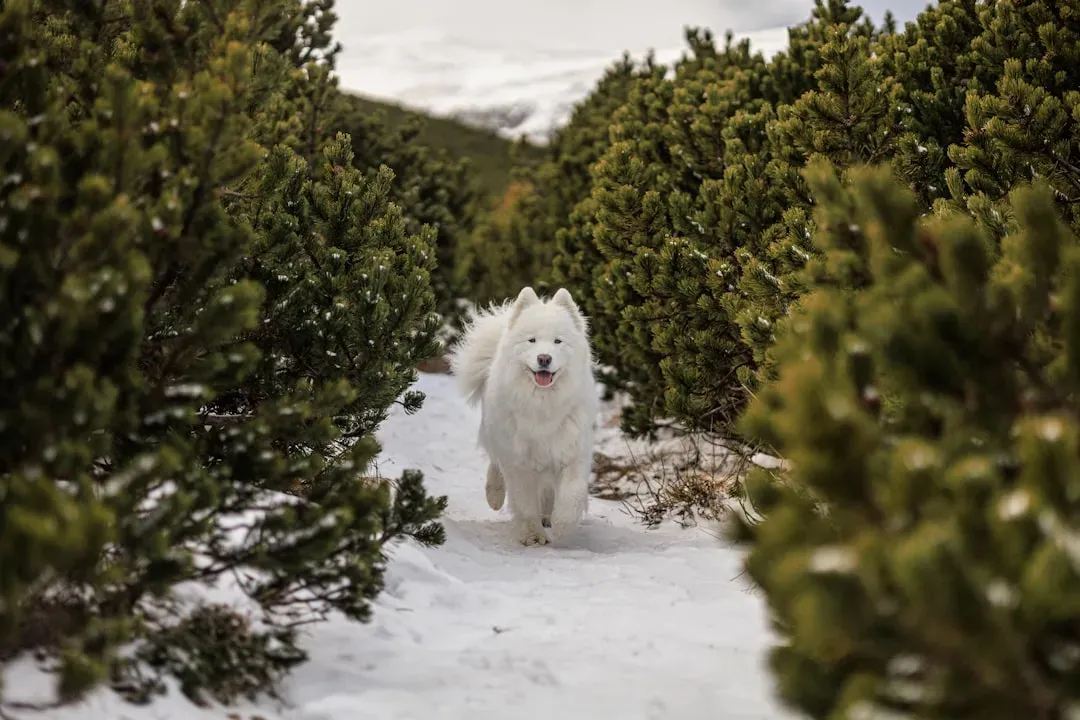
The Samoyed is an Arctic dog breed with an elegant white coat, originally companions to the Samoyed people in Siberia for generations, and are beloved for their friendly personality and face that’s shaped into a permanent smile. That famous smile isn’t just adorable. This trait is more than just an adorable physical feature, however; it’s necessary to prevent icicle formation in frigid temperatures.
Samoyeds are gentle, social dogs who crave human interaction. They’re not the type to be left alone for long stretches. Though they might look like giant plush toys, Samoyeds are energetic working dogs at heart who enjoy being active and need a good mix of exercise and play, and they’re friendly, outgoing dogs that thrive on social interaction. Their cloud-like coats require serious grooming commitment, so be prepared to brush frequently.
Bernese Mountain Dog: Gentle Giants of the Alps
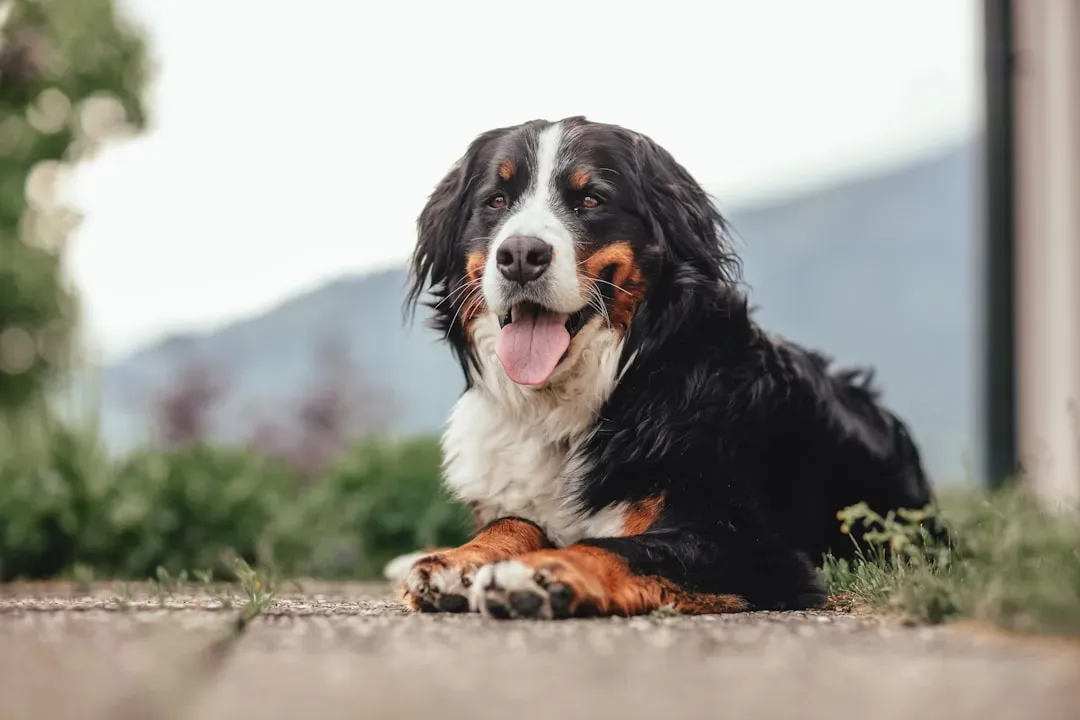
An affectionate cold-weather dog breed, the Bernese Mountain Dog is a gentle soul that loves to play, bred to be farm dogs in Switzerland and enjoying being outside, with their thick double coat protecting their skin from moisture and low temperatures. They’re big dogs, often exceeding a hundred pounds, but their temperament is calm and loving.
Berners are fantastic family dogs. Berners are friendly, affectionate dogs who are great with children and become deeply attached to their pet parents, and their ideal home is one with plenty of outdoor space to roam and explore. Let’s be real, though: they shed heavily. You’ll need to make peace with dog hair becoming a permanent fixture in your home. Their devotion and gentle nature, however, make it all worthwhile.
Saint Bernard: The Legendary Rescue Dog
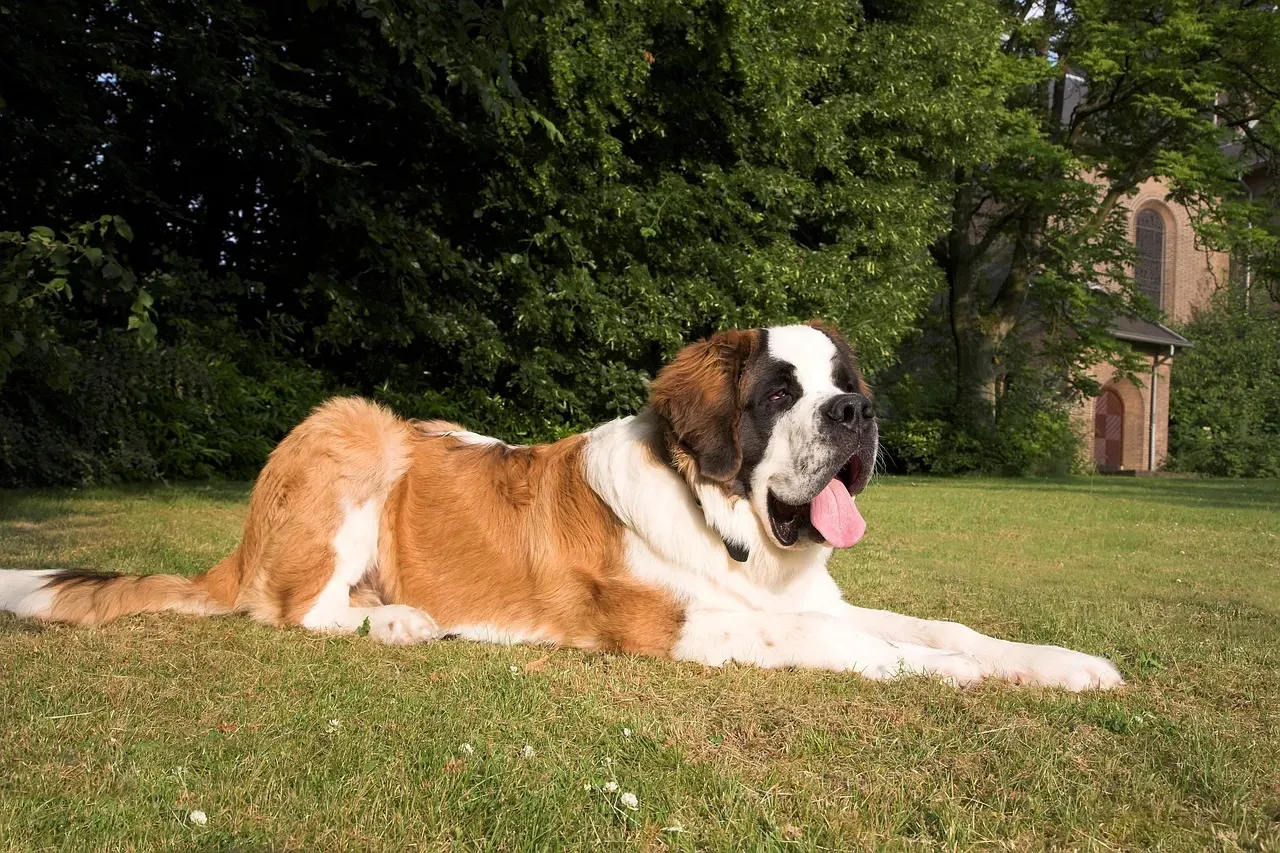
The Saint Bernard is the epitome of a snow dog – for centuries, they have been used as search and rescue dogs to find people buried under snow, and while Saint Bernards still work as avalanche rescue dogs today, they’re also a popular family pet thanks to their gentle and friendly temperament. These massive dogs are synonymous with Alpine rescues and heroic acts.
Despite their imposing size, Saint Bernards are incredibly calm and patient. Saint Bernards are affectionate, low energy dogs that will gladly curl up next to you to keep you warm, and these hardworking dogs will trek for miles through the snow in search of wayward travelers with their thick frames helping keep them warm for hours. They don’t require as much exercise as some other breeds on this list, making them suitable for families who want a snow lover without the constant need for marathon runs.
Newfoundland: The Gentle, Shaggy Giant
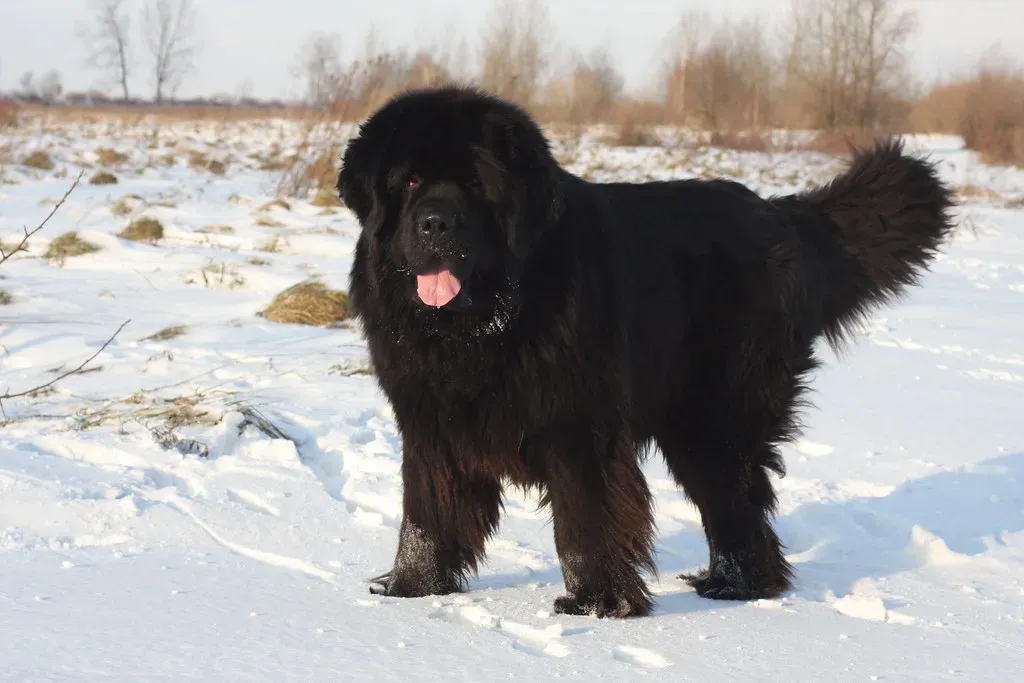
Newfoundlands – commonly called Newfies – come from Newfoundland, Canada, and are well-suited to winter, as these large, powerful dogs were bred to work, helping sailors on ships and pulling carts. What sets them apart is their love for water, even in freezing conditions. Their webbed feet make them exceptional swimmers.
Newfies are famously sweet-natured. Newfies are known as the gentle giant, and make excellent family dogs, as these big guys can weigh up to 150 pounds, but are protective and friendly, and although they’re low energy, they are excellent swimmers and strong companions in the mountains. They’re surprisingly low-energy for their size, content to lounge around the house between snowy adventures. Their dense coat keeps them comfortable even in frigid temperatures.
Akita: The Loyal Mountain Guardian
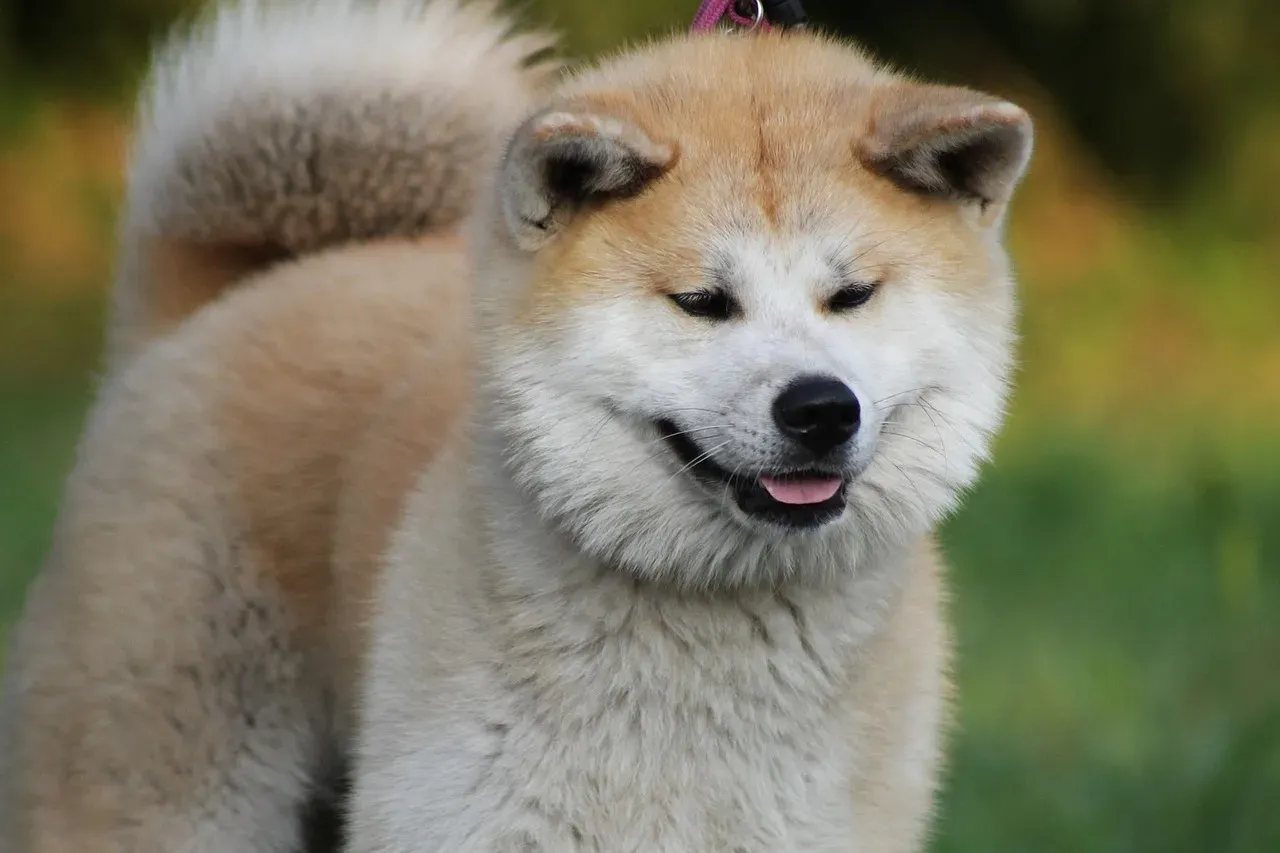
The Akita is a Japanese dog that thrives in cold weather, as they’re one of the world’s oldest dog breeds, originating thousands of years ago in the snowy mountains of northern Japan, and were bred by the Matagi people to hunt large game like bears and to guard homes. These dogs are courageous, strong, and remarkably independent.
Akitas have a unique personality. Akitas are also introverted and more than happy to cozy up with you on the couch after a winter hike through the snow. They form deep bonds with their families but can be reserved around strangers. The combination of a straight coarse topcoat, a soft top undercoat, and a thick and woolly undercoat keeps them insulated from cold and makes them virtually waterproof, and they also have webbed toes that help to distribute their weight, allowing them to walk on snow with ease.
Norwegian Elkhound: The Viking’s Companion
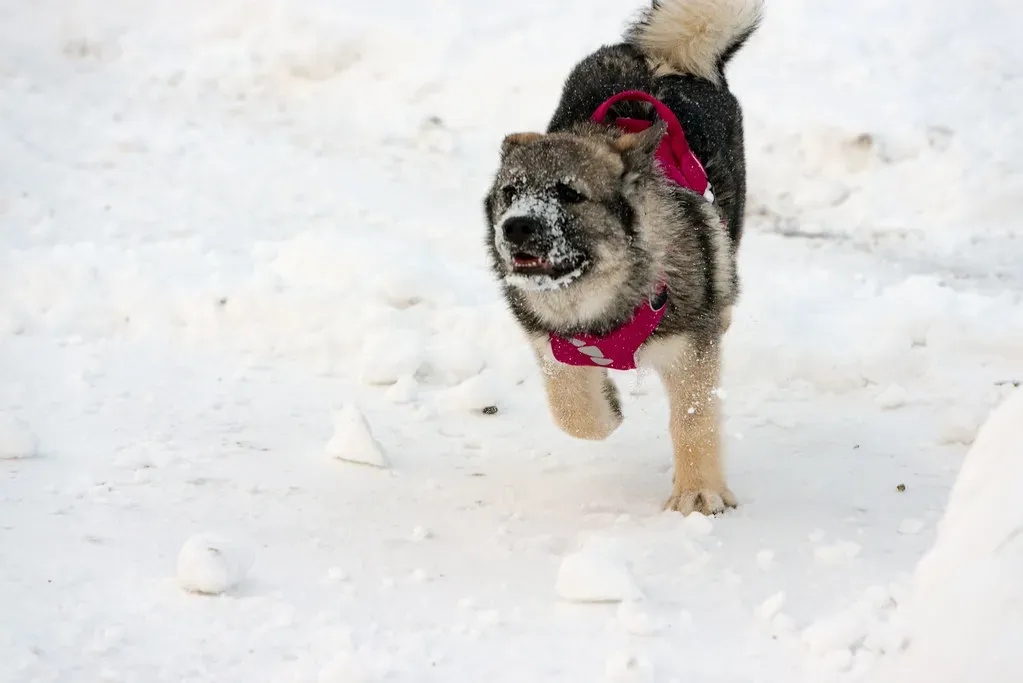
Norwegian Elkhounds are cold weather dogs dating back to the Vikings, and are now the national dog of Norway, originally used as hunting dogs. In Norway’s rocky terrain and frigid climate, their dense double coat and powerful, athletic build were essential for survival.
These dogs are versatile and intelligent. This Scandinavian breed was built for hunting in cold weather, and make the ideal winter hiking dog, as Norwegian Elkhounds possess excellent agility, long lasting endurance, and a protective nature, with their smooth outer coat and wooly undercoat keeping them comfortable for ages in the snow. They’re also highly social and love being part of family activities. Their prey drive can be strong, so early socialization is important.
Great Pyrenees: The Majestic Mountain Protector
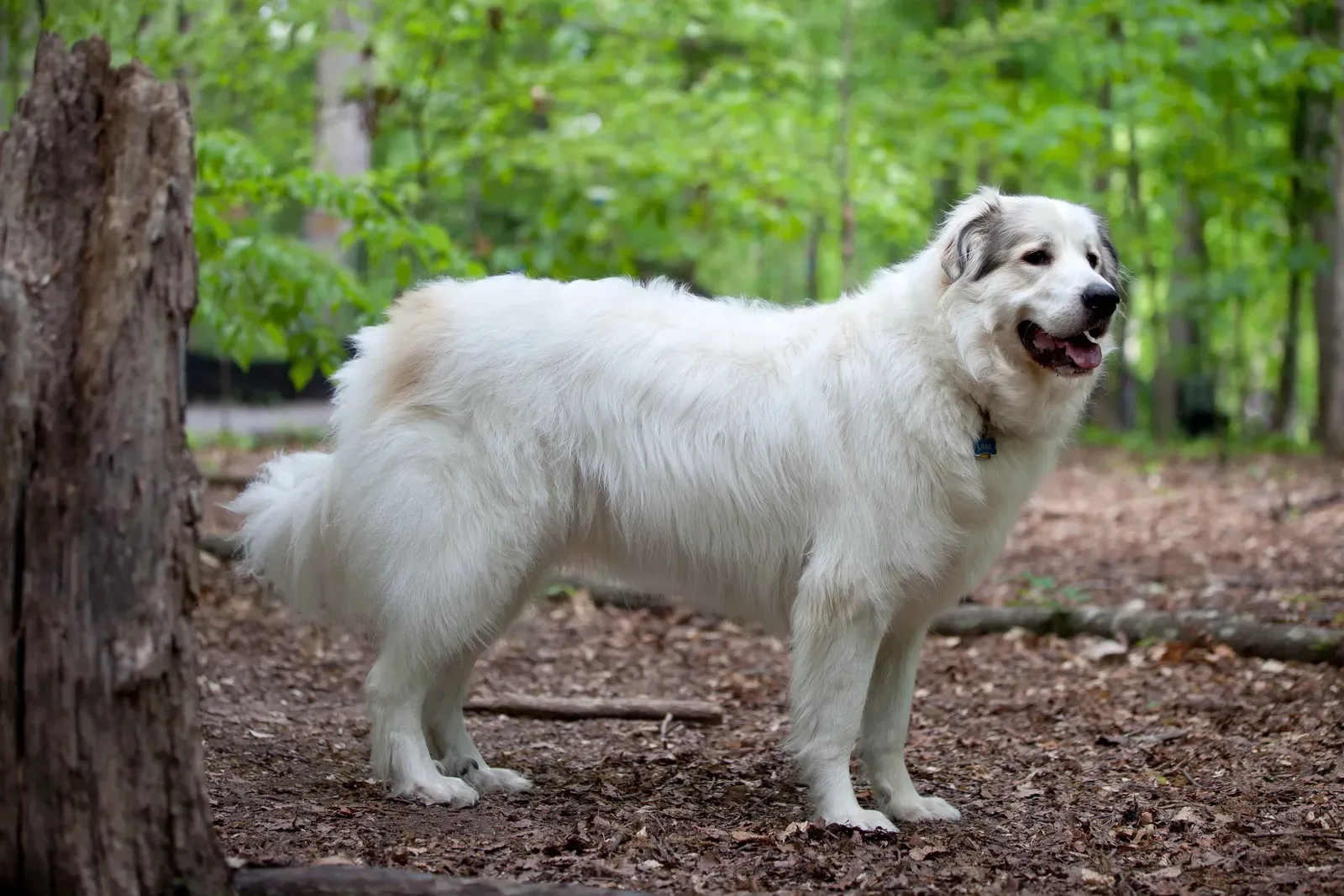
The Great Pyrenees is a large working dog from the Pyrenees mountains between Spain and France, and though not of Arctic origin, this dog is built to navigate snowy terrain, where they historically guarded livestock from predators. Their thick white coats and calm demeanor make them natural guardians.
Great Pyrenees are patient and protective. Great Pyrenees are gentle and calm dogs that have a reputation for being great with kids. These gentle, but powerful, dogs have thick, heavy coats that protect them from winter’s harsh cold, and Great Pyrenees are also known for being affectionate with kids of all ages as well as adults. They tend to be independent thinkers, which can make training a bit challenging, but their loyalty and protective instincts are unmatched.
Shiba Inu: Small but Mighty Winter Warrior
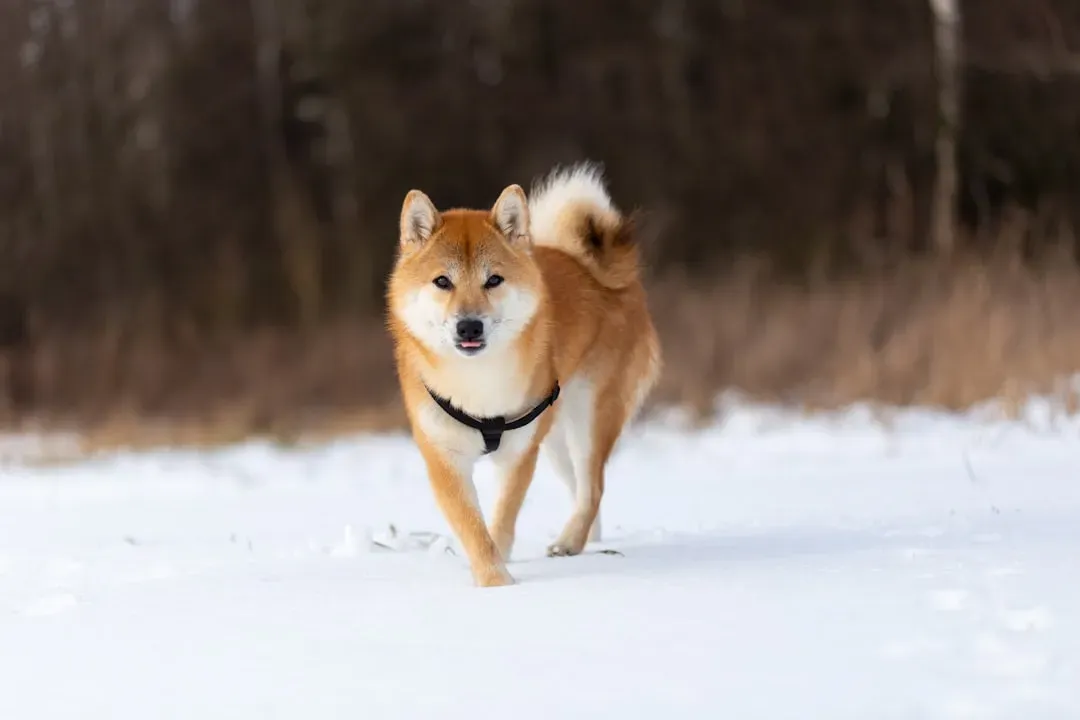
Shiba Inus, while small in stature, are surprisingly well-equipped for snowy weather with their fox-like appearance, erect ears, and thick double coats helping them handle colder temperatures, as this breed originates from Japan, where they were originally used for hunting in the mountains and often hunted in cold weather.
Don’t underestimate their size. Despite their small size, Shiba Inus are known for being independent, strong-willed, and active, and they enjoy playing in the snow and love to play and exert energy. Shiba Inus are spirited and confident dogs that are ready to explore, and have no qualms about venturing out into deep snow, with their thick fur and double coat keeping them warm, and repelling rain and snow. Their bold personalities can be charming and occasionally challenging in equal measure.
Conclusion
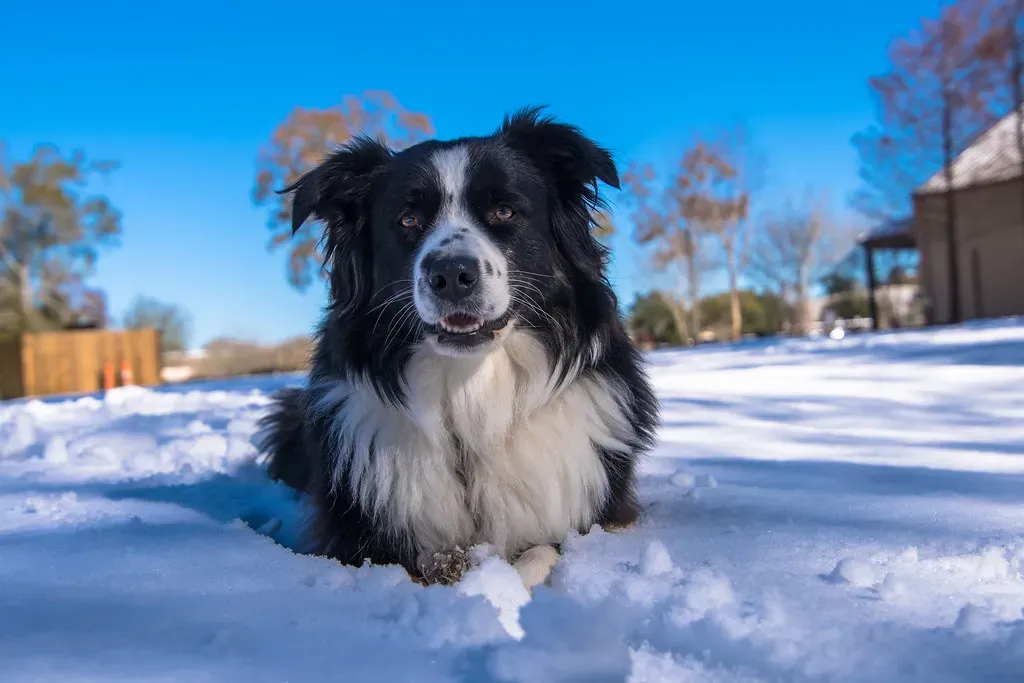
Choosing a dog that genuinely loves snow transforms winter from something to endure into something to celebrate together. These ten breeds don’t just cope with cold weather. They come alive in it.
Each breed brings its own quirks, energy levels, and care needs. Whether you’re drawn to the energetic Husky, the gentle Bernese, or the spirited Shiba, there’s a snow-loving companion suited to your lifestyle. Just remember that thick coats mean serious grooming, and high energy often translates to daily adventures, rain or shine.
What’s your favorite snow-loving breed? Have you experienced winter with one of these incredible dogs? Let us know in the comments.