
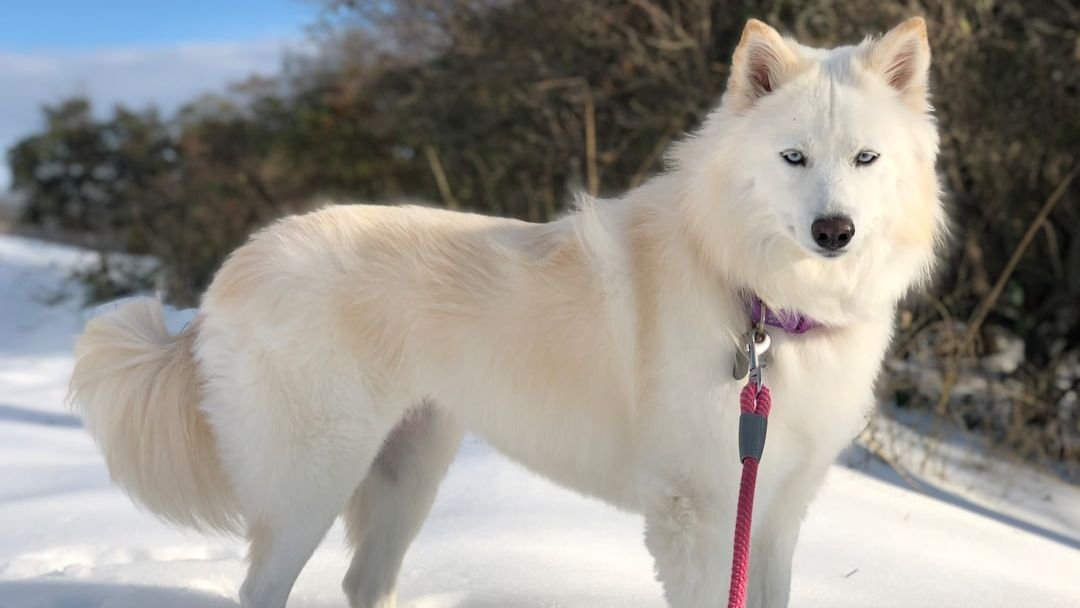
Picture this: the first snowflakes of the season tumbling from the sky, and your husky transforms into a whirling, joyful tornado of excitement. Their eyes brighten, their whole body vibrates with energy, and they give you that look, the one that says they were born for this exact moment. It can be absolutely magical watching your dog dive into snowdrifts, roll around with pure abandon, and race circles through fresh powder like they’ve finally found their purpose in life.
Yet somewhere in the back of your mind, a tiny worry creeps in. How long is too long? Can they really stay out there forever like they seem to want? You bundle up in three layers while your husky acts like it’s a balmy spring day. It almost feels wrong to call them inside when they’re having the time of their life.
Here’s the thing: huskies and snow have a relationship that goes back thousands of years. These dogs aren’t just tolerating winter, they’re genuinely thriving in it. Still, even the most cold-adapted dog has limits, and understanding when to let the romp continue and when to call it a day is part of being a thoughtful owner.
Why Your Husky Loves Snow More Than Almost Anything
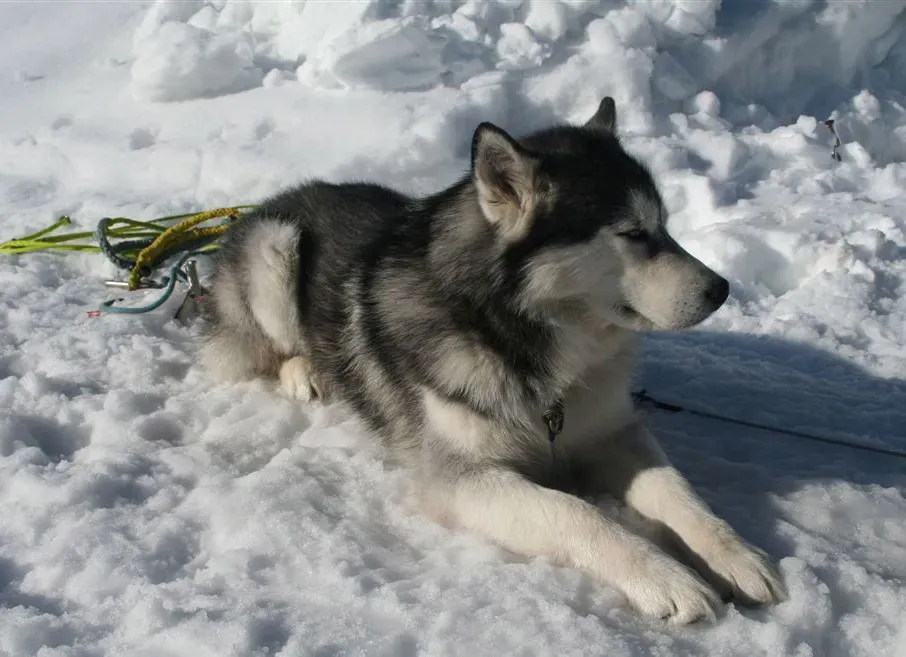
Huskies were bred in northern, sub-zero climates and naturally prefer the cold, adapting quickly when winter arrives. This isn’t just some quirky preference. Their entire genetic makeup celebrates frigid temperatures in ways that can seem almost supernatural to those of us who shiver at the slightest breeze.
Their thick double coat includes a dense undercoat and longer topcoat that provides insulation, while their furry paws act as natural snow boots offering warmth and traction. When snow starts falling, your husky isn’t just enduring it, they’re in their element. Think of it like how a kid feels jumping into a swimming pool on a scorching summer day, except for your husky, that pool is made of snow and ice.
These dogs, originally bred by the Chukchi people of northeastern Asia, evolved over thousands of years to not only survive but genuinely enjoy frigid temperatures, making them one of the most cold-resistant breeds. The excitement you see isn’t manufactured or exaggerated. It’s ancestral memory lighting up every nerve in their body.
The Amazing Cold-Weather Armor Your Husky Wears
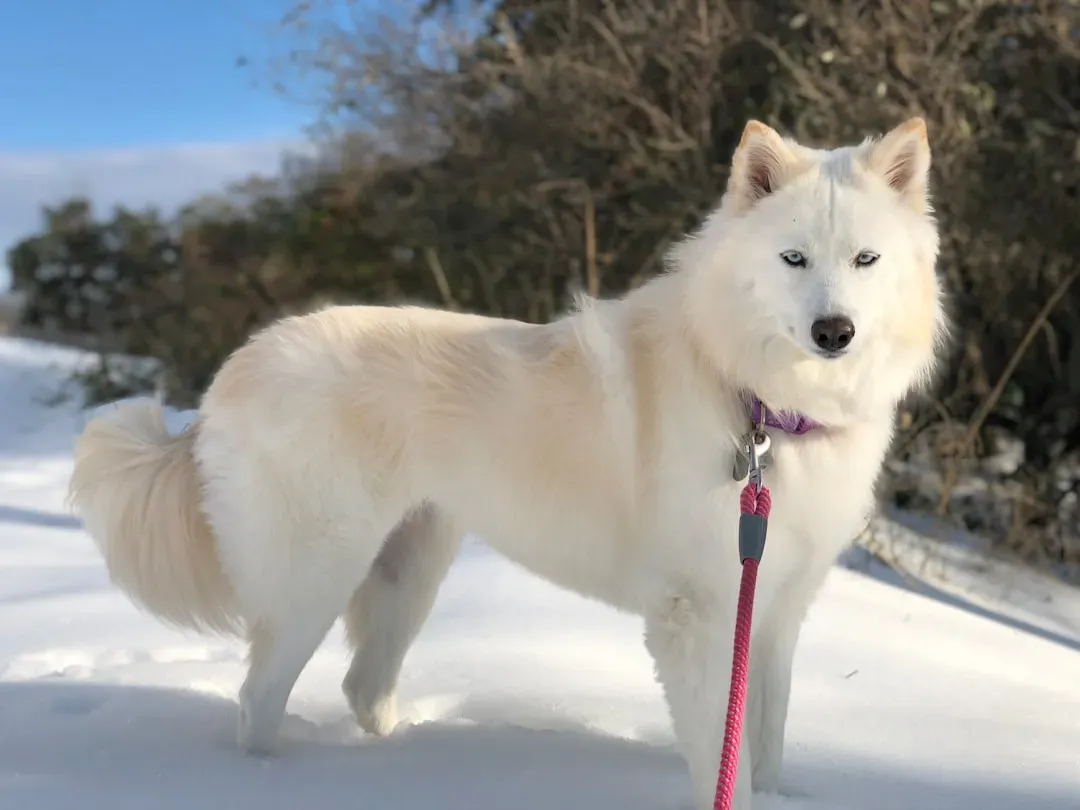
Let’s talk about that coat for a minute, because it’s genuinely remarkable. At the heart of a husky’s cold-weather capability is their double coat, with a soft, dense undercoat trapping warm air close to the skin and an outer coat of longer guard hairs that repel water and snow. It’s basically a high-tech winter jacket that never comes off.
This design isn’t accidental. The outer guard hairs are twice the length of the undercoat and prevent snow from seeping in, while the dense, downy undercoat consists of fine hairs that grow from one follicle to form a dense layer of insulation trapping heat. When your husky shakes off after a snow dive, you’ll notice the snow flies right off without melting. That’s the water-resistant outer coat doing its job perfectly.
Even their paws are designed for winter. Their paws feature thick fur between toe pads, reducing heat loss and providing traction on icy surfaces. Meanwhile, their relatively small, triangular ears minimize exposed skin and heat loss.
When Snow Play is Pure Magic for Your Dog
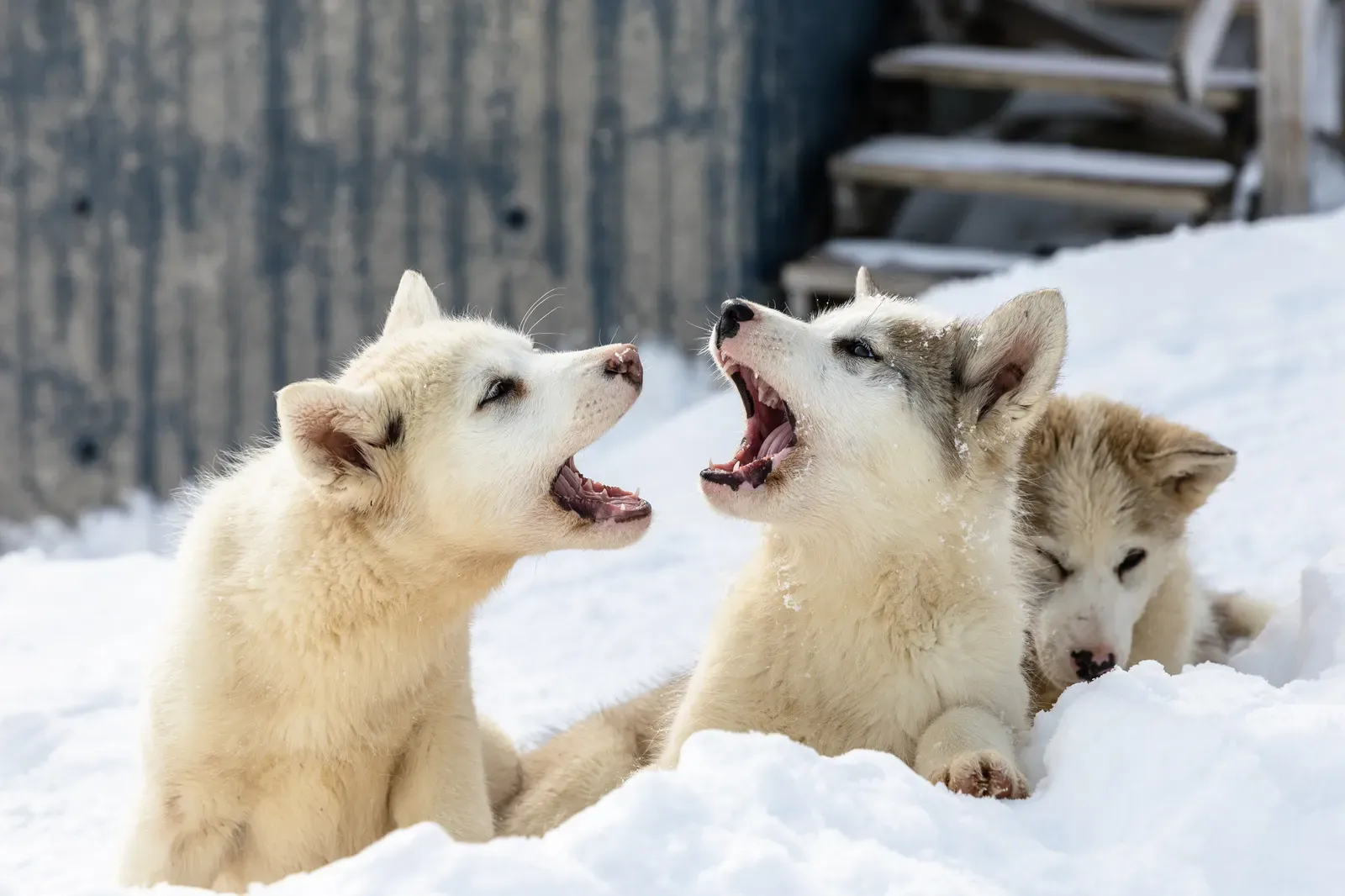
Above 32°F is generally comfortable for most huskies, especially with play or movement, while temperatures between 20°F to 32°F offer great play weather, though you should watch for wind and wetness and check paws every 20 to 30 minutes. These are the conditions where your husky can truly shine without much worry on your part.
During these temperature ranges, you’ll probably notice your dog seems almost tireless. They’ll run, play, dig, and explore with seemingly endless energy. This is when snow play becomes the gift it’s meant to be. Let them enjoy it.
Let the romp happen when temperatures are reasonable, wind is manageable, and activity stays brisk, keeping a close eye on paw health, ear and tail tips, and overall body language, stopping before shivering persists, paws hurt, or movement slows. Basically, if your husky is actively moving, temperatures aren’t extreme, and they’re showing all the happy body language, you’re in the sweet spot.
Reading the Warning Signs That Playtime Should End
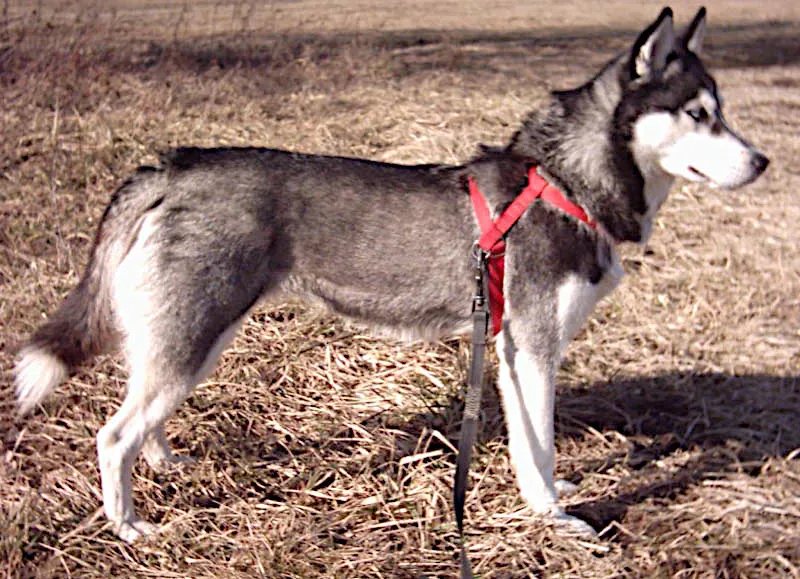
Even though huskies are built for cold, they’re not invincible. Owners should know signs of cold-related issues like hypothermia and frostbite, including symptoms such as excessive shivering, lethargy, and pale or blue skin, requiring immediate action like providing warmth and consulting a veterinarian.
Pay attention to subtle shifts in behavior. Shivering, lifting paws off the ground, whining, or slowing down are signals that it’s time to head in. I think this is where many well-meaning owners get confused, because their husky might still seem interested in staying outside despite showing discomfort. Dogs aren’t always the best judges of their own limits.
If your pet is whining, shivering, seems anxious, slows down or stops moving, seems weak, or starts looking for warm places to burrow, get them back inside quickly because they are showing signs of hypothermia. Trust these signals over your dog’s enthusiasm. It’s better to end playtime five minutes early than five minutes too late.
The Hidden Dangers Beyond Just Temperature
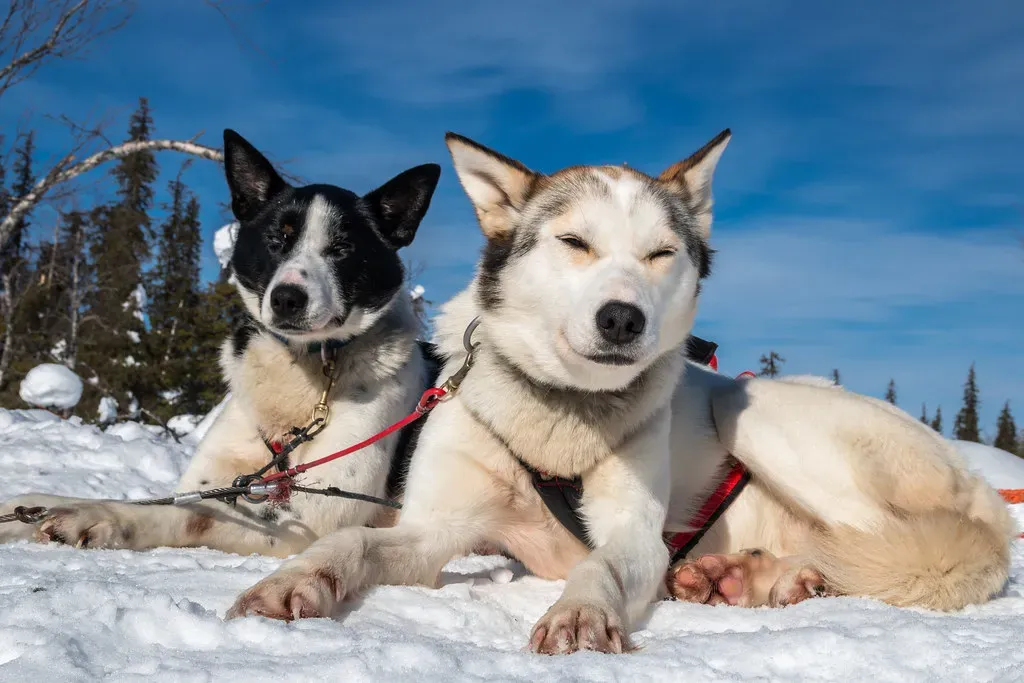
Temperature alone doesn’t tell the whole story. Wind chill pulls heat away from the body faster than still air, and a sunny, calm day at 10°F can feel more comfortable than a damp, windy day at 25°F, as humidity infiltrates the coat and accelerates heat loss. This is something I honestly didn’t fully appreciate until I started paying closer attention during winter walks.
Frostbite is most likely to happen in body parts farthest from the heart and in tissues with a lot of exposed surface area, with paws, ears, and tail being the most common areas affected, especially if a dog is wet or damp. Even your well-insulated husky can develop frostbite on their extremities during prolonged exposure to wet, windy conditions.
Icy conditions can pose a risk of injuries from slips or falls. Watch where your dog is playing. A snow-covered frozen pond might look like paradise but could be dangerous. Hard-packed snow and ice can also cause lacerations if your dog takes a tumble.
Smart Strategies for Safe Snow Adventures
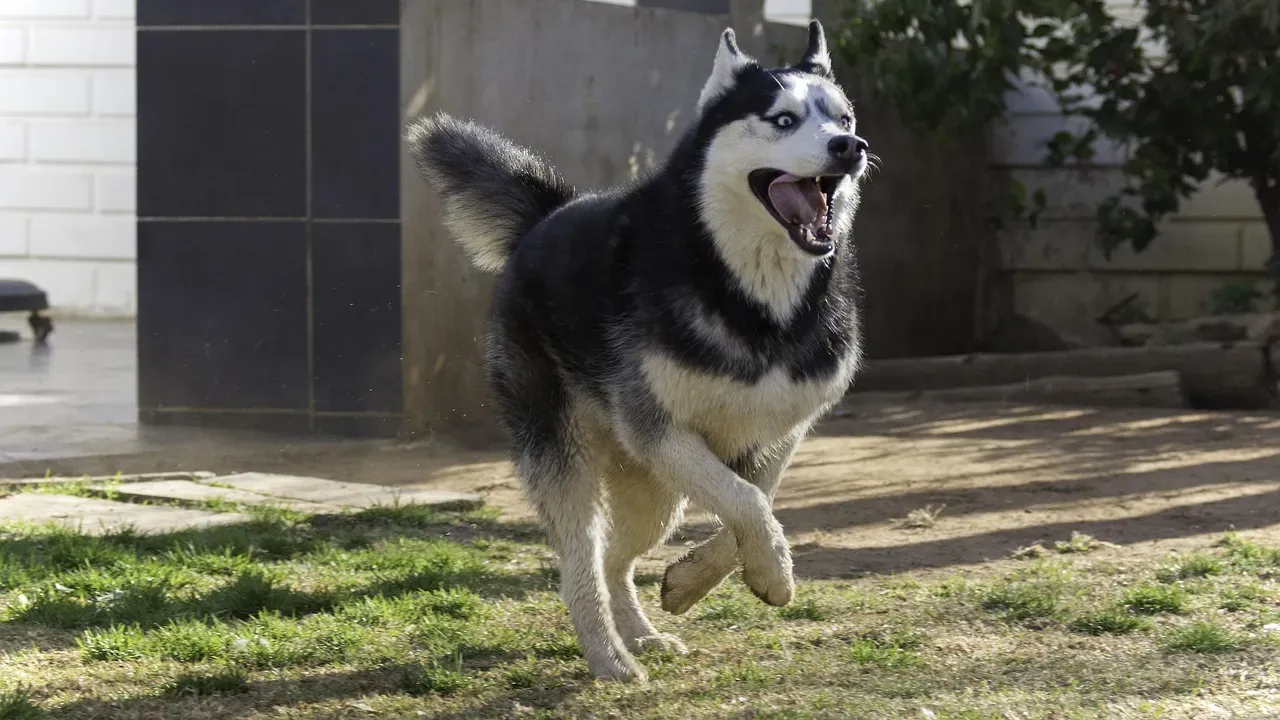
Instead of leaving your dog outdoors for hours, opt for shorter bursts of play interspersed with warming breaks inside. This gives you natural checkpoints to inspect paws, check body temperature, and make sure everything is going well. Think of it like interval training, but for winter fun.
Do paw checks looking for redness, splits, or packed snow, dry thoroughly including paws, chest, belly, and behind the ears where moisture hides in thick fur, and let the dog rewarm gradually in a draft-free spot with a cozy blanket, avoiding blasting space heaters. These after-play rituals might seem tedious, but they prevent problems before they start.
Consider booties if you’re walking on salted sidewalks or roads. Even huskies can benefit from booties in the right conditions. Some huskies protest wearing them at first, but they provide excellent protection against chemical de-icers and sharp ice.
Conclusion
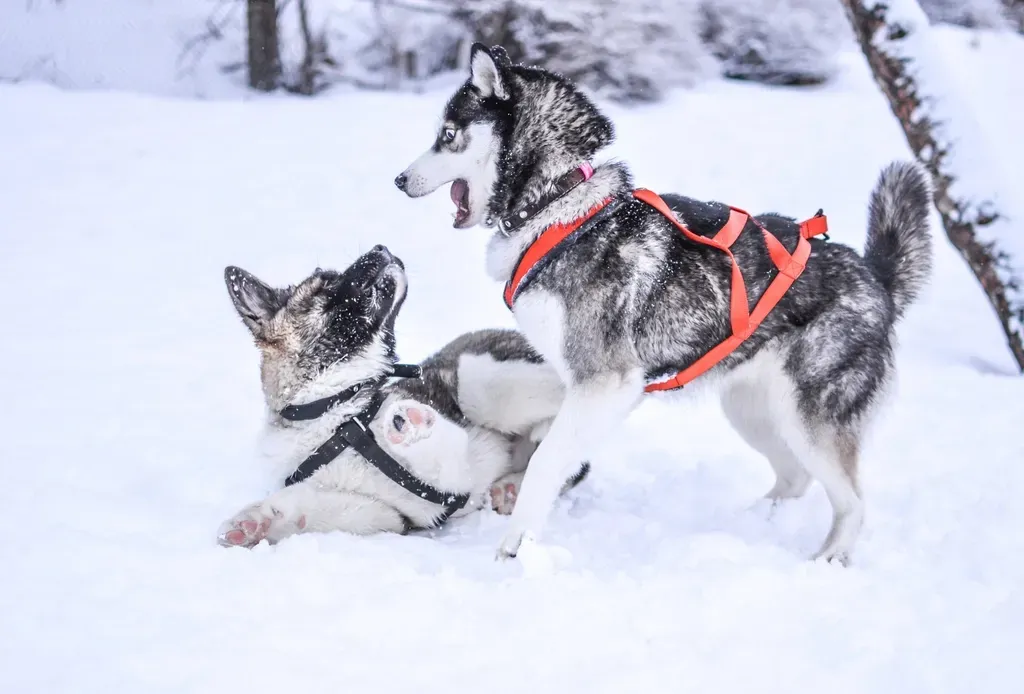
So should you let your Honestly, yes, within reason. These dogs were born for winter, and denying them that joy would be like telling a fish not to swim. The magic of winter play is the sight of a husky in its element, ears back, eyes bright, carving joy into fresh powder, and with a thoughtful plan and quick checks along the way, that joy stays safe all season long.
The key is balance. Let them play, but stay present and watchful. Know the signs that things are shifting from fun to risky. Check paws regularly, monitor the weather conditions beyond just the number on the thermometer, and trust your instincts when something feels off. Your husky might act like they could stay out there forever, but they’re counting on you to be the responsible one who knows when enough is enough.
What’s your husky’s favorite snow activity? Do they dig snow caves or prefer racing through drifts?


