
8 Dog Breeds That Just Hate The Snow (And Prefer a Cozy Fireplace Instead)
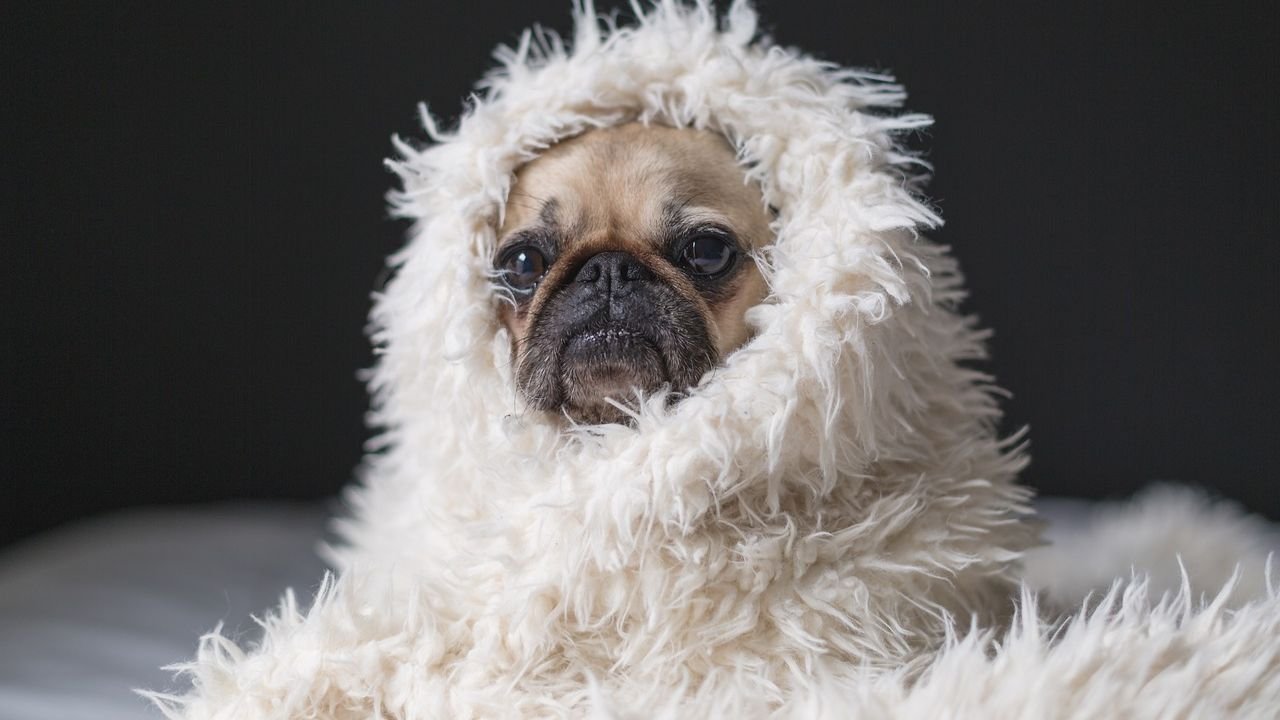
Picture this: snow begins to fall gently outside your window, blanketing everything in a soft white layer. You bundle up in your warmest jacket and call your dog for a winter walk, only to watch them stubbornly plant their paws and refuse to budge. Maybe they shiver dramatically at the door, or worse, they venture out briefly only to lift one frozen paw after another in protest. If this sounds familiar, you’re not alone.
While some dogs bound joyfully through snowdrifts like furry arctic explorers, others would rather be anywhere else. Truth is, not all dogs are built for winter wonderlands. Some breeds simply lack the biological toolkit needed to handle cold temperatures, making them miserable when Jack Frost comes knocking. So let’s dive in and meet eight breeds who’d trade a snowy adventure for a warm blanket and crackling fireplace any day of the week.
Chihuahuas: Tiny Bodies, Big Shivers
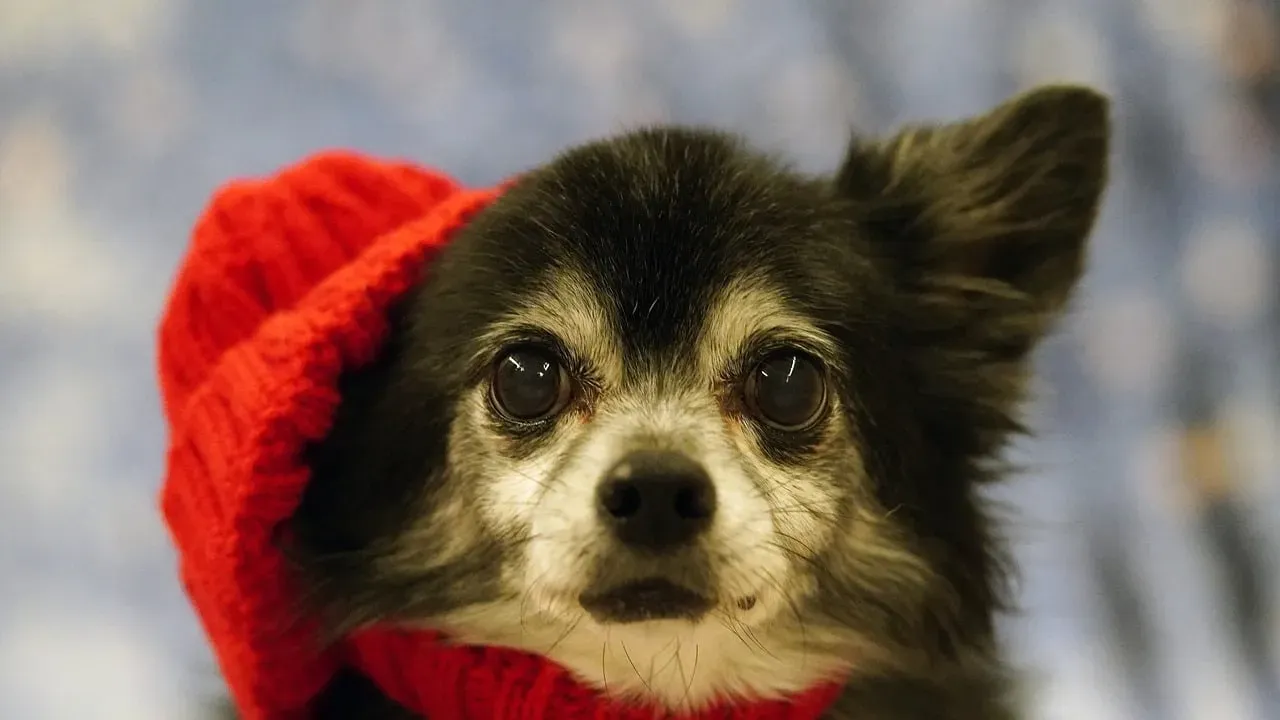
The Chihuahua weighs only about four to six pounds, making it one of the smallest dog breeds and no surprise these dogs can’t handle cold weather. These pocket-sized pups hail from Mexico, where warmth is abundant and winter is mild. Their thin, single-layer coats offer virtually no insulation against dropping temperatures.
Around four degrees Celsius (40 degrees Fahrenheit) is generally too cold for Chihuahuas, and if combined with wet weather, or with older dogs or puppies, the danger is increased. Watch for behavioral cues like persistent shivering, burrowing under blankets, or flat-out refusing to go outside. If you ever can’t find your Chihuahua, look under a blanket – they probably burrowed underneath for warmth.
Keep winter walks short and sweet. Invest in a well-insulated dog sweater or coat, and don’t forget booties to protect those delicate paws from ice and salt. Honestly, these little guys might even need a sweater indoors if your home runs chilly.
Italian Greyhounds: Elegant but Freezing
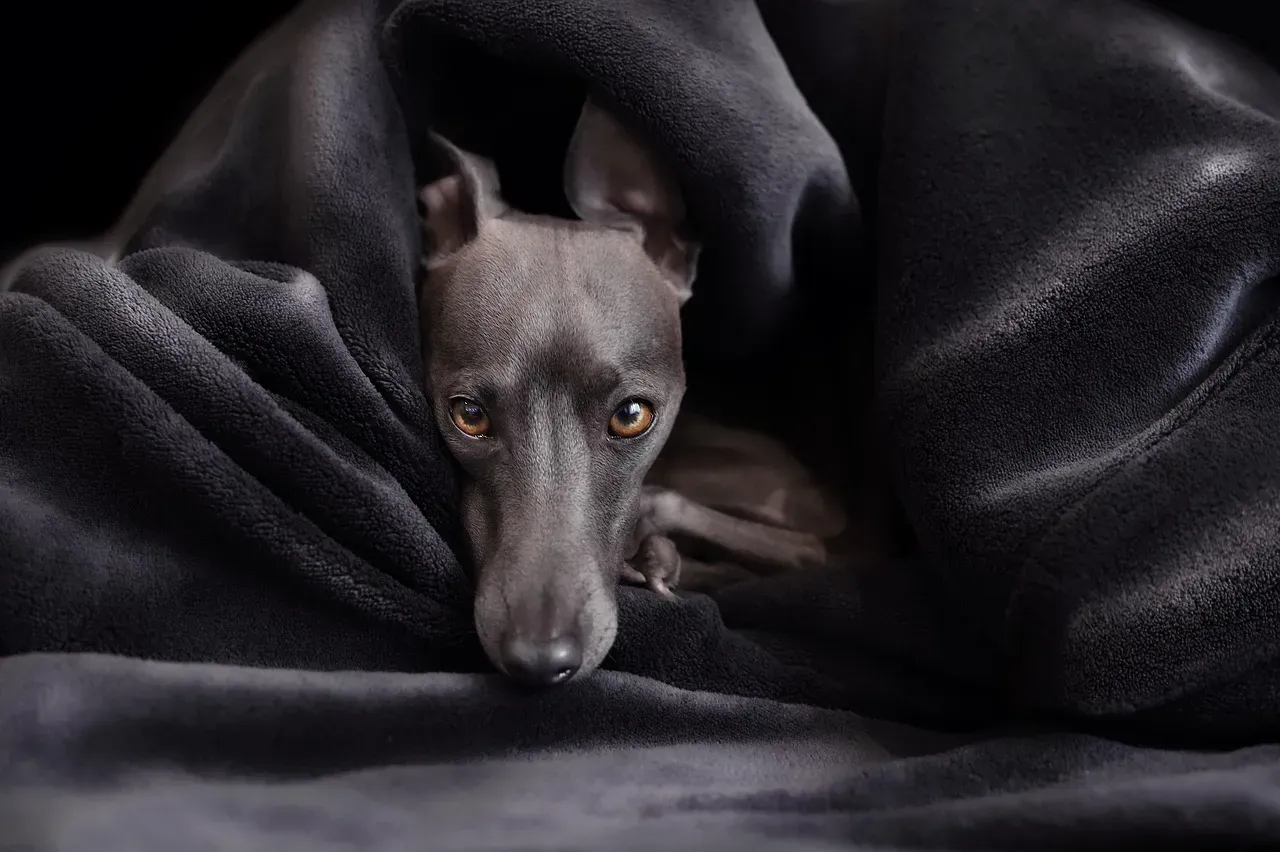
Small and slender, the Italian Greyhound has very little body fat to insulate against chilly weather, and these dogs don’t do well in the cold without extra gear like a jacket or sweater. Their short, fine coats do absolutely nothing to trap warmth, and their lean frames shed heat faster than you can say “brrr.”
Italian Greyhounds don’t have very much natural insulation, so they feel the cold very easily, with relatively little body fat and a very fine short coat. You’ll notice them seeking out the warmest spots in your home, whether that’s a sunny window or snuggled right against you on the couch.
When temperatures drop, bundle them up before heading outside. Italian greyhounds freeze very easily because they don’t have a thick coat of fur, so some will even try not to touch cold and wet snow by walking on just their front legs. It sounds crazy, but these elegant little sighthounds will do almost anything to avoid that icy discomfort.
French Bulldogs: Flat Faces and Thin Coats Don’t Mix
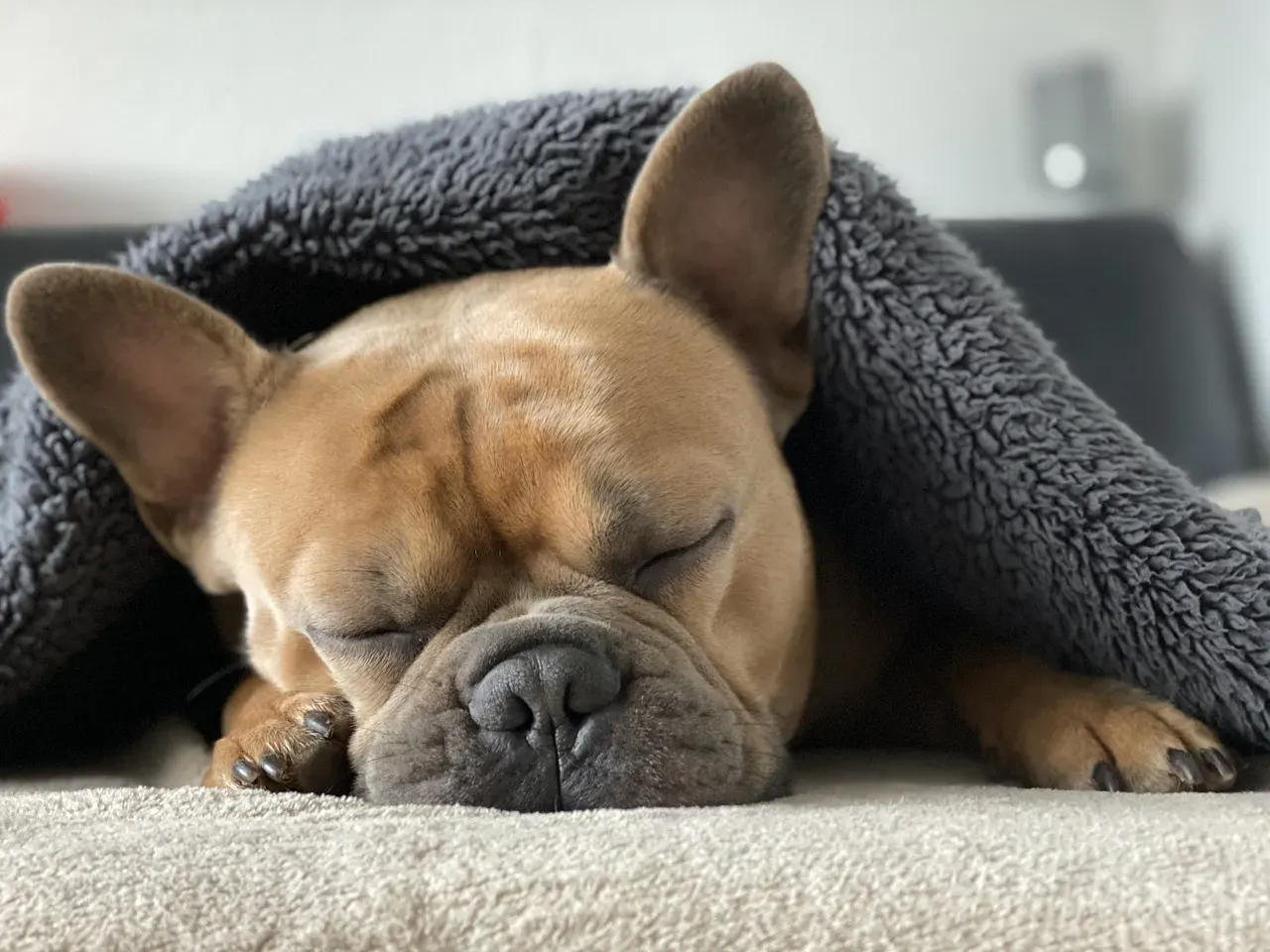
French Bulldogs face a double whammy when winter arrives. Not only do they have a fine, short coat which means they feel the cold more quickly than their friends, but they’re brachycephalic, which means they have a flatter face and shorter nose, and respiratory problems can become serious.
Cold air can strain their already compromised breathing, making even short outdoor excursions uncomfortable or dangerous. Their compact bodies lose heat rapidly, and their short legs put their bellies dangerously close to frozen ground and snow.
These adorable bat-eared companions need layers during winter outings. A padded, windproof jacket helps tremendously. Keep outdoor time minimal when temperatures plummet, and always monitor their breathing closely. Let’s be real, Frenchies would much rather be your lap warmer than your snow buddy anyway.
Greyhounds: Built for Speed, Not Snow
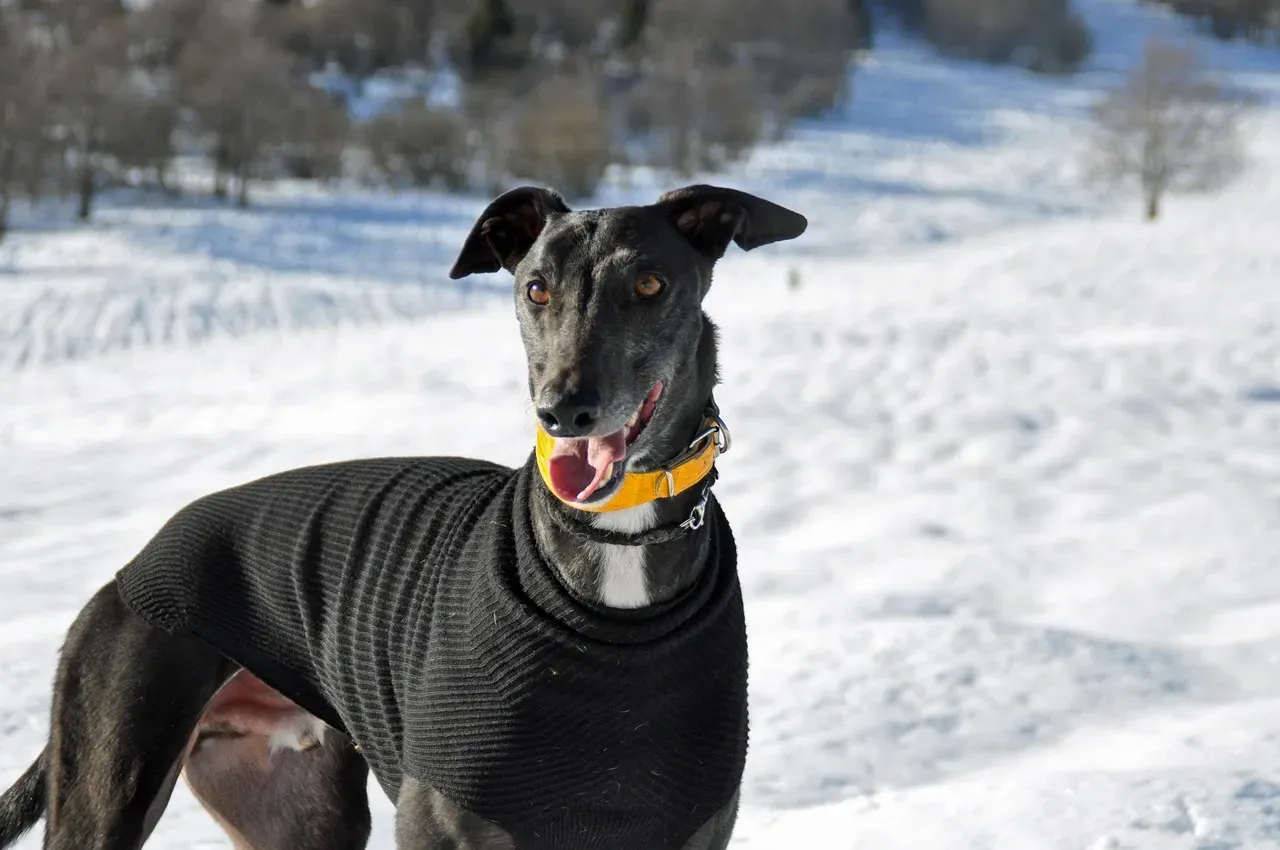
Capable of blazing fast speeds, the Greyhound has a lean physique with very little body fat and a very thin coat that allows for rapid heat dissipation, making these features less suited for cold weather conditions. These track stars were designed for performance in warmer climates, not navigating winter storms.
Some Greyhounds tend to gather blankets and ‘nest’. If you notice your Greyhound creating cozy burrows around your house, they’re telling you something important: they’re cold. Despite their size, they have almost no natural protection against low temperatures.
Before winter walks, dress your Greyhound in a properly fitted thermal jacket that covers their lean torso. Dog boots protect sensitive paw pads from ice and salt. Keep outdoor time brief when it’s freezing, and don’t be surprised if your speedster becomes a professional couch potato during winter months.
Basset Hounds: Low Riders in the Snow
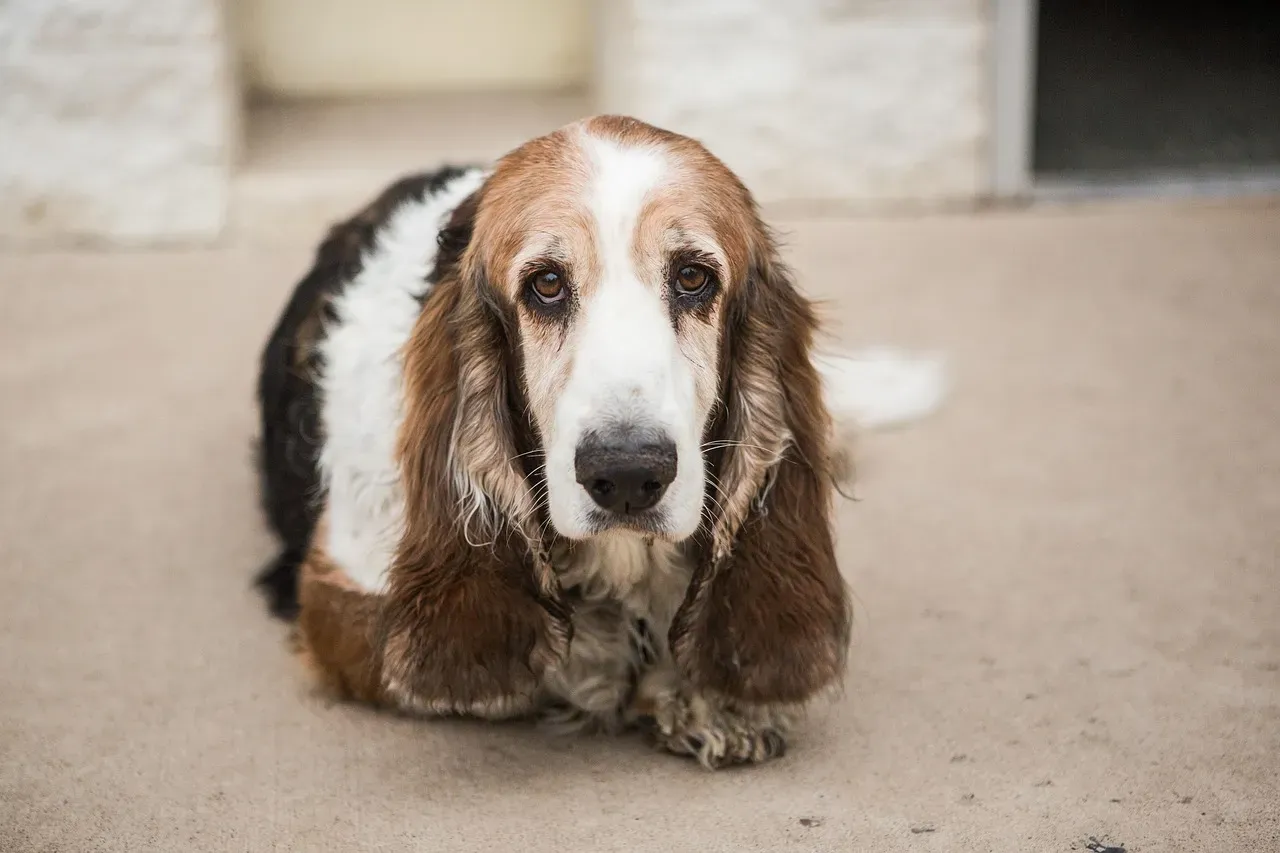
Those big ears are prone to frostbite, and with a short coat, the Basset’s stomach isn’t well-protected, especially in a snow-drift, making them less keen to walk when it’s icy out. Their adorably droopy ears and stocky bodies work against them in winter conditions.
Their short legs mean their entire underside drags perilously close to snow and ice, rapidly chilling their core body temperature. Navigating through deep snow becomes nearly impossible for these low-slung hounds, turning what should be a pleasant walk into an exhausting struggle.
After winter outings, always dry those ears thoroughly to prevent frostbite damage. Consider a coat that provides belly coverage, not just back protection. Clear paths through snow whenever possible so your Basset can move more comfortably. They might tolerate cold better than some breeds, but that doesn’t mean they enjoy it.
Yorkshire Terriers: Silky Coats Without Warmth
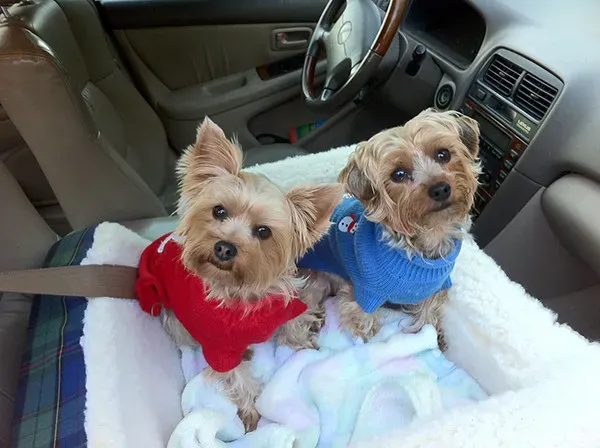
The Yorkie has a unique type of hair that is hypoallergenic but doesn’t provide much insulation, benefiting from sweaters and jackets to protect them against chills in winter weather. Despite appearing fluffy, their coats are essentially long strands of hair rather than traditional insulating fur.
These tiny terriers might have big personalities, but their small frames lose body heat frighteningly fast. Their brave attitudes often lead them to overestimate their cold tolerance, so you’ll need to be the sensible one.
Layer them appropriately before heading outside. A well-fitted sweater under a windproof outer layer works wonders. Keep winter walks short and focused, allowing plenty of indoor playtime to burn off that legendary Yorkie energy. I think their Victorian ancestors would have kept them indoors during harsh weather, and honestly, that’s still sound advice today.
Great Danes: Gentle Giants Who Shiver
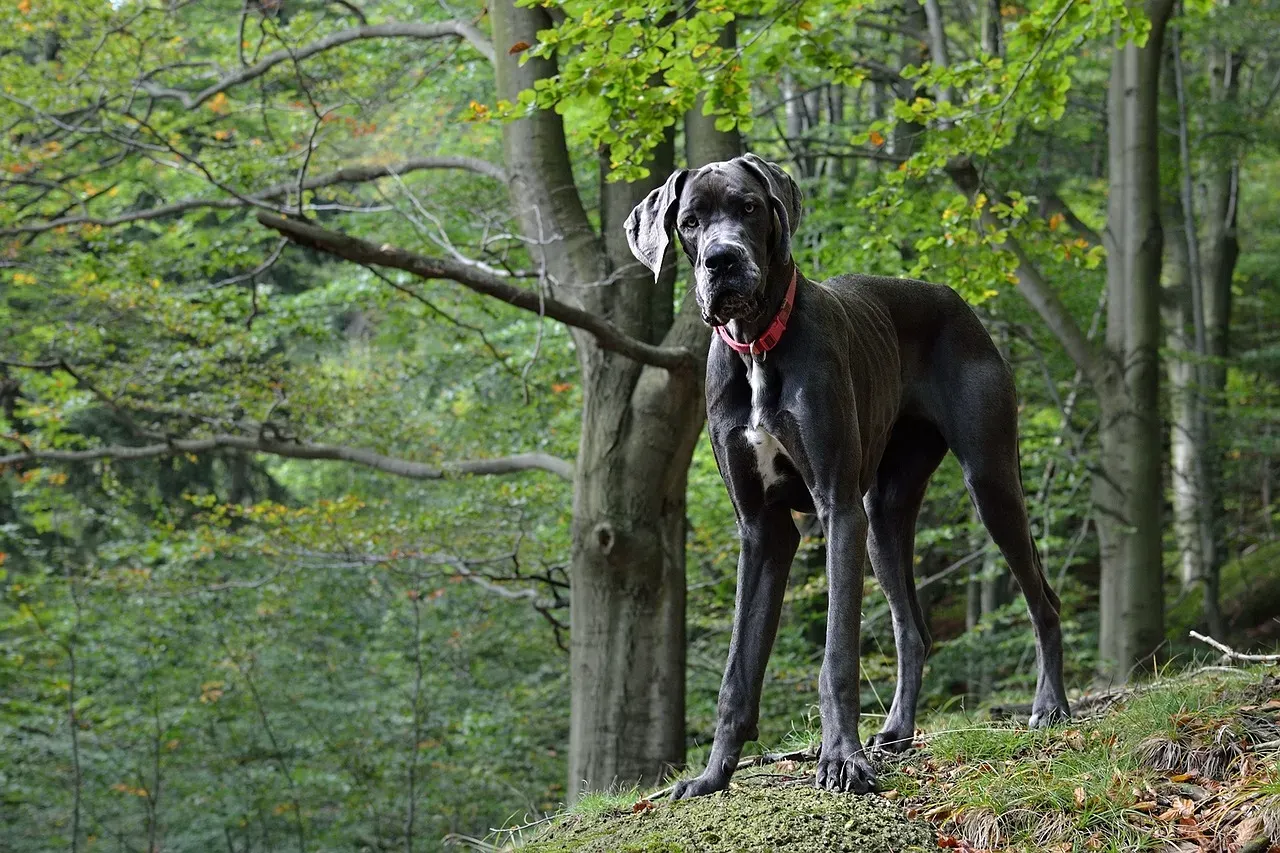
It’s hard to imagine something so imposing feeling vulnerable, but Great Danes don’t hold up well in cold weather due to their short coat and very little body fat, needing 30–60 minutes of daily exercise with an extra-large dog coat and shorter walks so they’re not outside for long.
Their lean, muscular build contains minimal insulating fat, and that thin coat does almost nothing against biting winds. Despite their size, they become cold remarkably quickly. You might notice them reluctant to go outside or shivering after just a few minutes in freezing temperatures.
Finding properly sized winter gear for a Great Dane takes effort, but it’s absolutely necessary. Look for coats designed specifically for giant breeds that cover their backs and chests adequately. Break their daily exercise into shorter sessions during winter so they get movement without prolonged cold exposure.
Pugs: Sensitive Snouts and Thin Protection
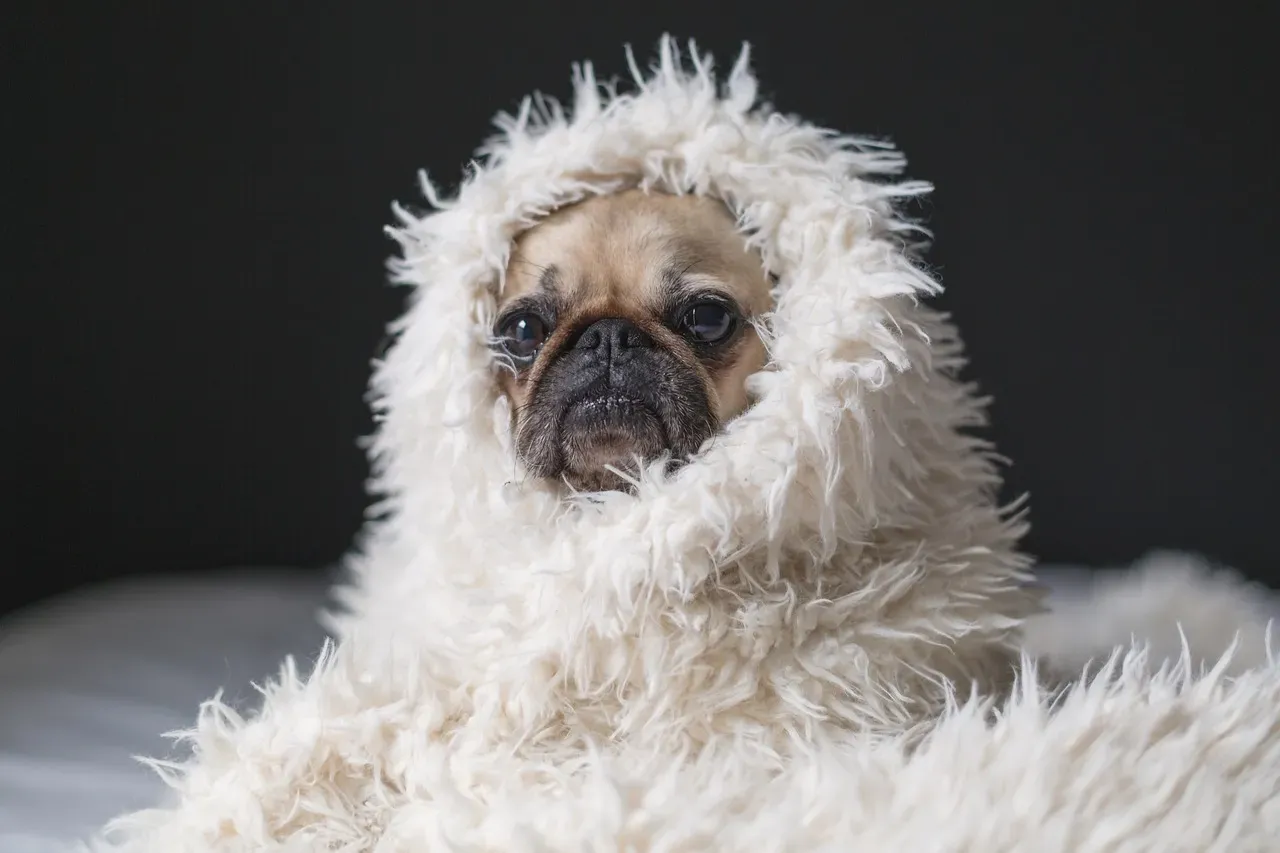
Pugs are another brachycephalic breed with short bodies, single coats, and smushed faces that make extreme weather tough, with cold air straining their breathing and making staying warm even harder. These charming little companions struggle with temperature extremes at both ends of the spectrum.
Their compact, muscular bodies have short fur that provides minimal insulation. Combined with their breathing challenges, cold weather creates genuine health risks beyond mere discomfort. Fortunately, Pugs tend to be natural homebodies who appreciate creature comforts.
When outdoor time is necessary, keep it brief and bundle them properly. A snug-fitting jacket helps, but monitoring their breathing is equally important. Cold air can trigger respiratory distress in brachycephalic breeds. Create enriching indoor activities during harsh weather – puzzle toys, hide-and-seek games, and gentle indoor play keep them mentally stimulated without the frostbite risk.
Keeping Cold-Sensitive Dogs Comfortable
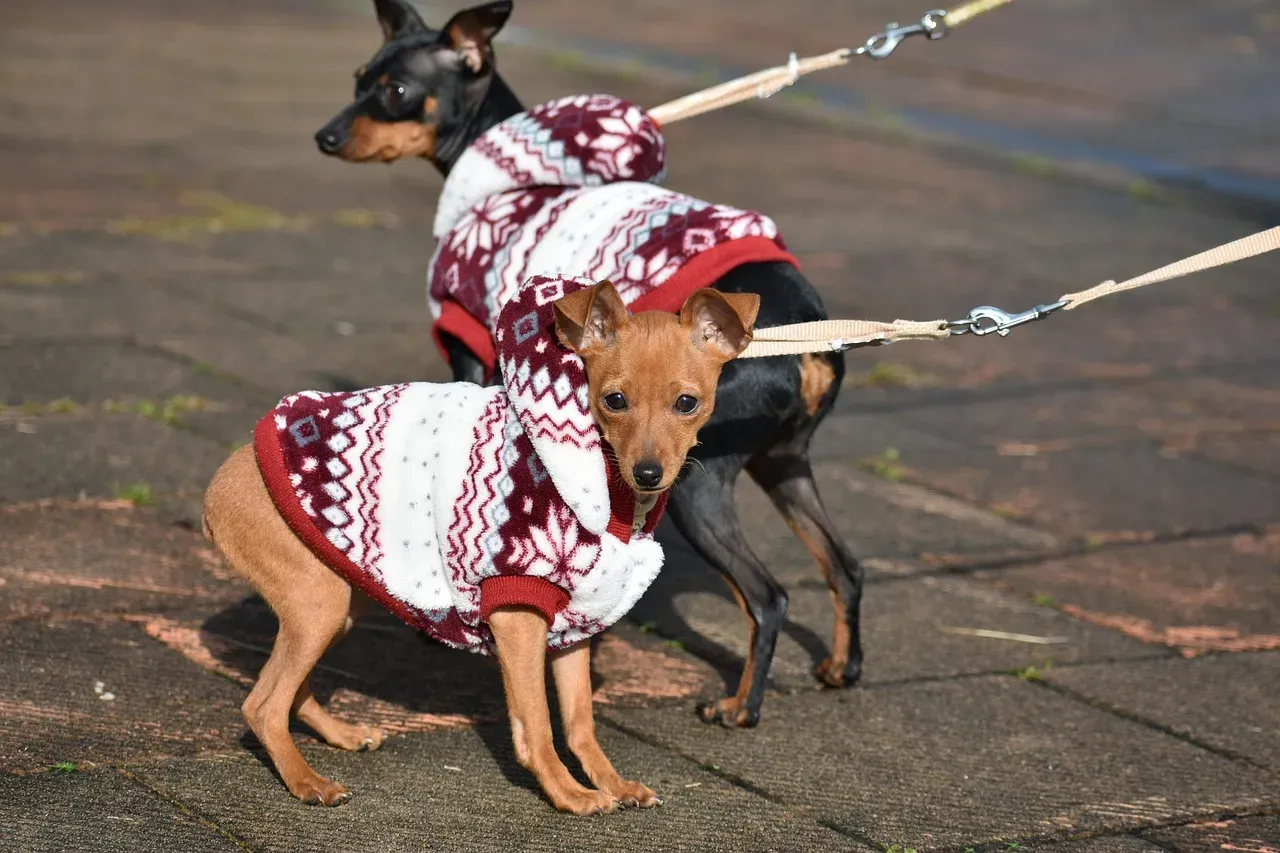
Understanding your dog’s cold intolerance is just the first step. Taking proactive measures ensures their health and happiness throughout winter months. Create warm resting spots with heated beds or thermal blankets. Maintain reasonable indoor temperatures, ideally above 68 degrees Fahrenheit for cold-sensitive breeds.
When the thermometer dips below 45°F, most dogs should have shorter walks, or none at all. Watch for warning signs: persistent shivering, lifting paws repeatedly, seeking warmth constantly, or reluctance to move. These behaviors tell you your dog has reached their cold tolerance limit.
Invest in quality winter gear tailored to your breed’s specific needs. Sweaters, insulated jackets, and protective booties aren’t fashion statements – they’re genuine necessities. Develop indoor exercise routines involving mental stimulation and gentle physical activity. Remember, a missed walk won’t harm your dog, but prolonged cold exposure absolutely can. What do you think about it? Does your dog love or hate the snow? Share your winter stories in the comments below.