
9 Dog Breeds That You Should Never Play Rough With

There’s something magical about watching dogs romp, wrestle, and play with abandon. I think most of us instinctively know that dogs need playtime. They need that joyful release of energy, the chance to bond, to test their strength and agility in ways that feel utterly natural to them.
Yet not all dogs are built for roughhousing. Some breeds, despite their eagerness and affection, carry vulnerabilities that make rough play downright dangerous. Their delicate bones might snap under pressure that another dog would barely notice. Their breathing might falter when excitement gets the better of them. Understanding these limitations doesn’t mean you love them any less. Honestly, it means you love them more, in a way that honors who they truly are.
So let’s explore the breeds that need a gentler touch and why protecting them starts with how we play.
Italian Greyhound
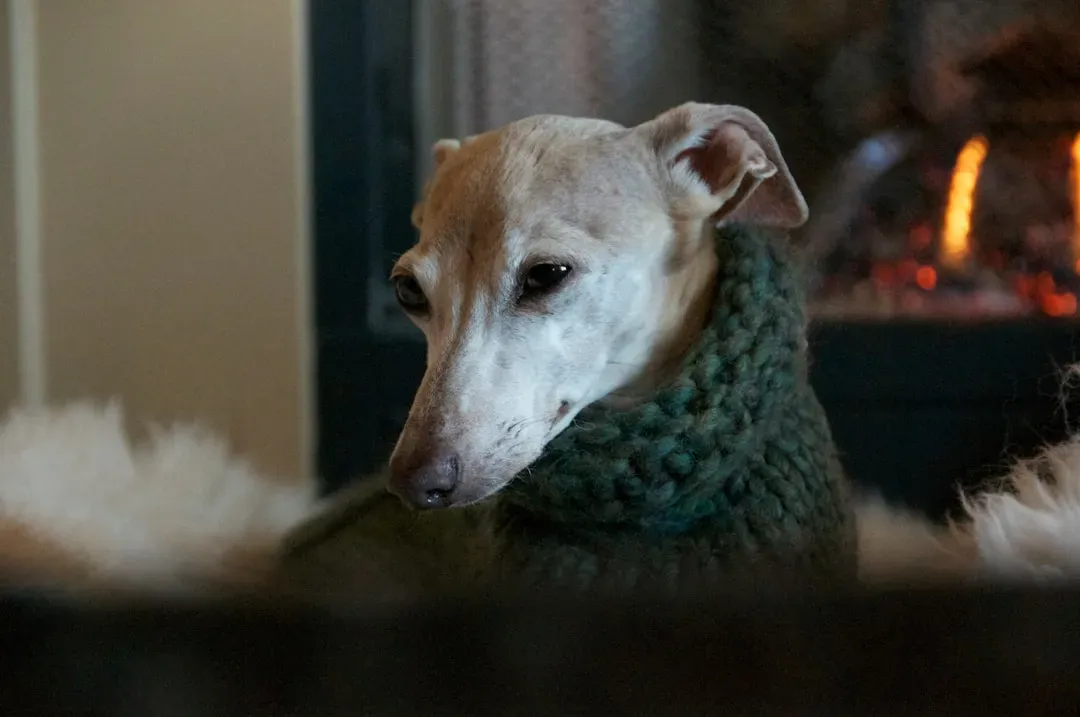
Italian Greyhounds break their legs so easily because their thin, delicate bones are more prone to fracture. Think of them as elegant little athletes with the spirit of a much larger dog packed into a frame that’s almost heartbreakingly fragile. A broken leg is far more common in young growing dogs, but it’s not uncommon in the Italian Greyhound community to hear of a dog who broke their leg by merely jumping off a sofa or out of a car.
These dogs love to leap and twist in midair. They love acrobatics, like jumping from your love seat to your sofa in a single bound, which put those thin legs in jeopardy time and time again. If another dog crashes into them during play, or if someone accidentally steps on a paw, the consequences can be severe. Generally if an Italian Greyhound fractures its leg it is usually the fore limb or front leg, and you will hear a blood-curdling scream as the dog feels intense pain, commonly with the lower part of the leg dangling as both bones fracture just above the wrist joint.
Cavalier King Charles Spaniel

Gentle and always eager to please, these adorable dogs can be very sensitive to harsh treatment. Their sweetness is legendary, but beneath that soft exterior lies a breed prone to a devastating neurological condition called syringomyelia. Syringomyelia is a severe inherited condition, a progressive neurological disease that varies in severity, and Cavaliers unfortunately are affected by SM in larger numbers than any other breed.
The back half of the Cavalier’s skull typically may be too small to accommodate all of the brain’s cerebellum, which squeezes through the foramen magnum partially blocking the flow of cerebrospinal fluid down the spinal cord, and the variable pressure is believed to create cavities in the spinal cord. Rough handling around the neck or head can intensify this pressure and worsen their pain. The most common symptom is scratching on, or in the air near, the shoulder when the dog is excited or walking on a lead. These are dogs who need softness, not rowdiness.
French Bulldog
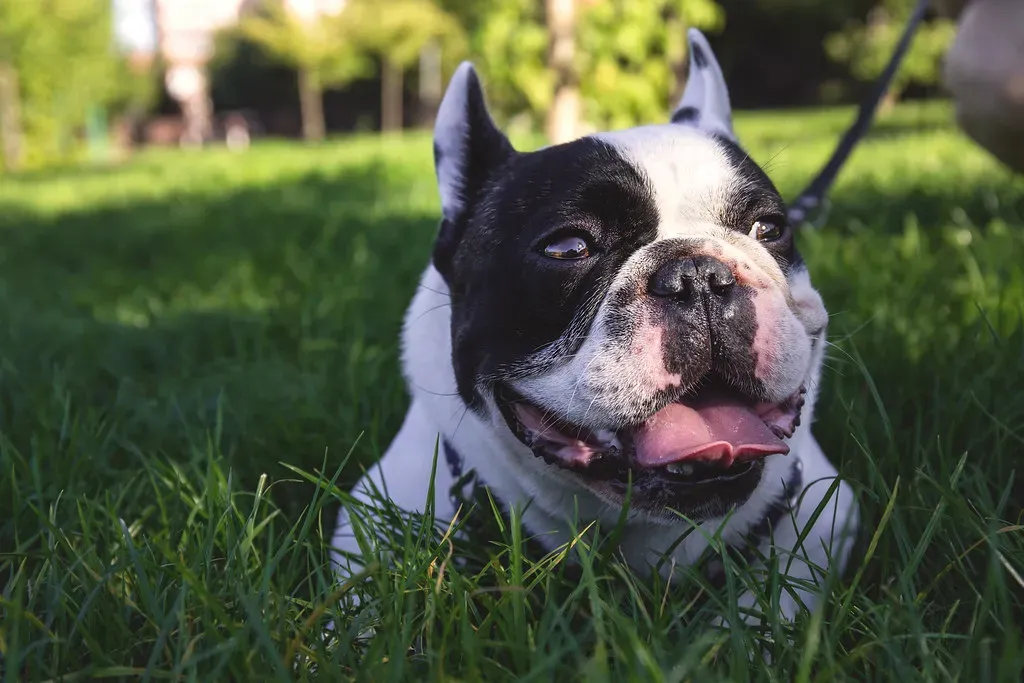
Those squishy faces and bat ears melt hearts everywhere. Still, French Bulldogs belong to the brachycephalic group, meaning they have compressed airways that make breathing harder than it should be. They have stenotic nares, referring to narrow nostrils or small nostril openings, which results in a decreased ability to breathe through the nose and restricted airflow, leading to increased panting and a higher risk of overheating.
Excessive exercise can increase stress of breathing and may exacerbate brachycephalic airway syndrome. Imagine wrestling with your Frenchie and watching them struggle to catch their breath, panting frantically but not getting enough air. This condition severely limits their ability to engage in physical activities without experiencing distress, and affected dogs may tire easily during exercise or collapse due to the effort exerted in trying to breathe. It’s heartbreaking and preventable.
English Bulldog
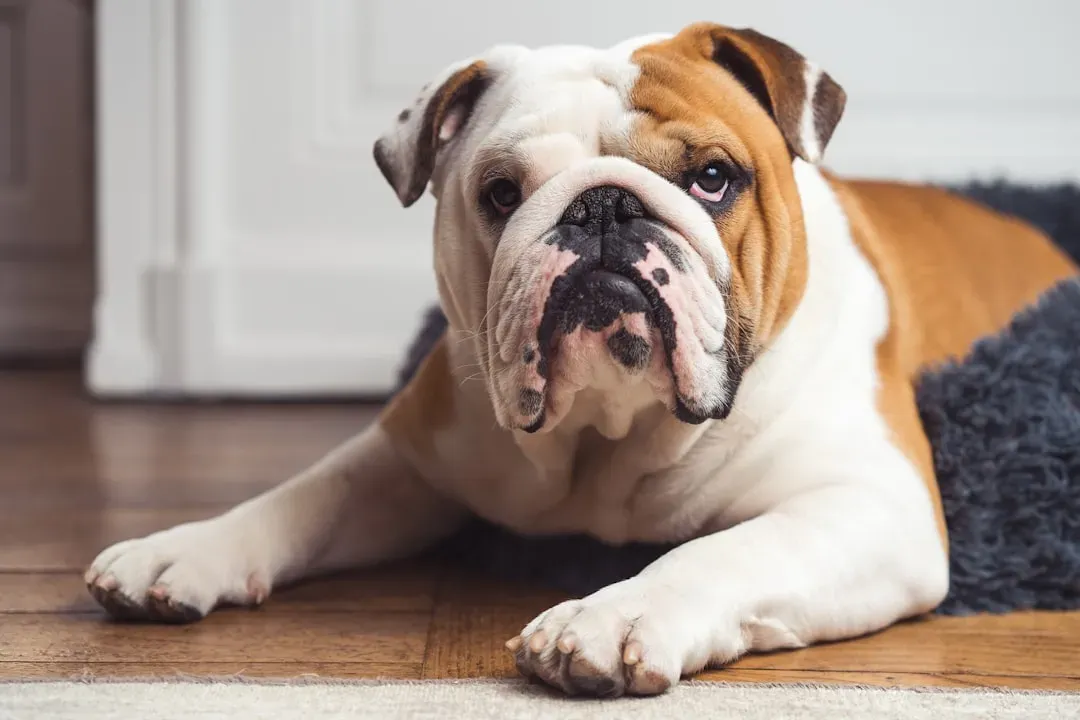
Once a powerful bull-baiting dog, today’s English Bulldog is known for its courage, loyalty, and calm nature, making it one of the best low-maintenance and low-energy dog breeds, with their adorable wrinkled faces, easygoing personality, and slow, rolling walk preferring cozy naps over long walks. Their breathing limitations mirror those of French Bulldogs. A well-socialized English Bulldog is generally a calm, low-energy dog, though they need to get outside for a walk and some playtime each day, but you must be careful not to overexert these sensitive pups or expose them to high temperatures.
Rough play can quickly escalate their breathing problems. Let’s be real, these dogs can overheat in situations where other breeds wouldn’t even break a sweat. Their hefty chests, short legs and tendency for breathing challenges mean they’re not really built for swimming, and if keeping them out of the water is unavoidable, it’s a good idea to put them in a well-fitting life jacket with a handle for quick recovery. Keep play sessions calm, controlled, and short.
Pug
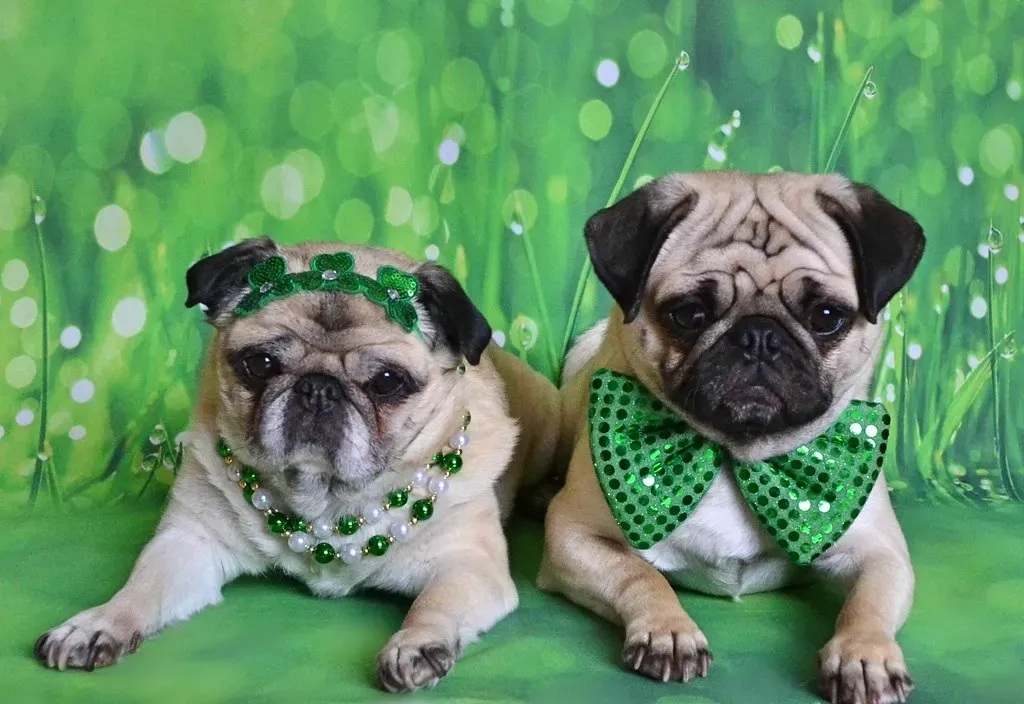
BOAS-affected dogs show a variety of clinical signs including difficulty breathing, noisy breathing, exercise intolerance, coughing, gagging, regurgitation, passing out, and hyperthermia. Pugs fit squarely into this brachycephalic category. In one study, a third of brachycephalic dogs were unable to walk for more than 10 minutes on a 19°C summer day.
These little clowns want to play. They want to keep up with you and make you laugh. Yet pushing them too hard physically can lead to respiratory distress that’s genuinely frightening to witness. Weight control is extremely important for brachycephalic dogs, as extra weight and obesity can make their breathing problems much worse, and exercise intolerance poses a major challenge for weight management, so nutritional management is critical to ensure optimum weight, and regular exercise must be managed so that difficulty in breathing is avoided. Gentle walks and mental enrichment are better choices.
Boston Terrier
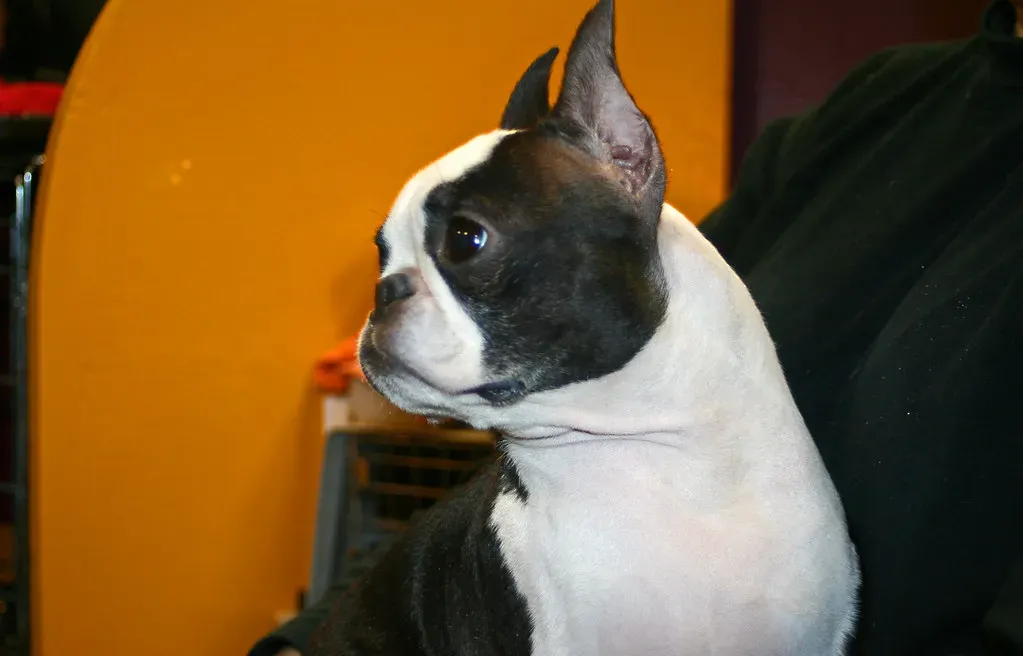
Boston Terriers share the same flat-faced anatomy as their Bulldog cousins. Due to their head conformation, brachycephalic dogs often have one or more of small nostrils, a narrow throat and small airways, which can lead to respiratory issues including airway obstruction, and brachycephalic obstructive airway syndrome is a debilitating condition for affected individuals with clinical signs including difficulty breathing, noisy breathing, vomiting, exercise intolerance, and overheating.
Brachycephalic dogs can be hard to restrain or examine due to breathing issues from stress, and aggressive dogs or those that bark or bite are particularly problematic, so we sometimes sedate them or ask family members to assist with routine procedures to reduce stress. Rough play adds stress, which worsens their breathing. Keep things mellow with Bostons, focusing on games that don’t ramp up their heart rate or breathing too much.
Pekingese
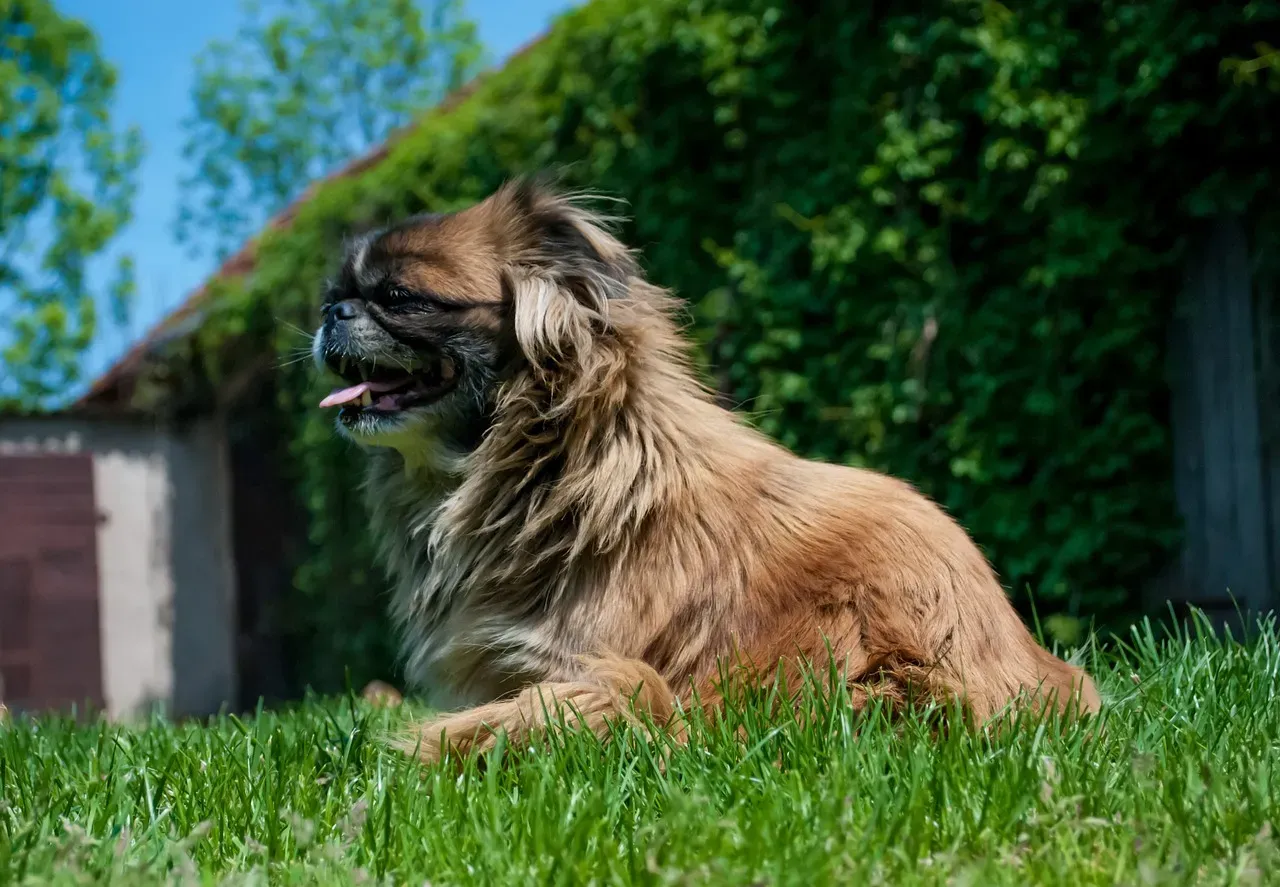
These dogs prefer gentle handling and are happiest in peaceful, loving homes. Pekingese carry themselves with a regal air, almost as if they know their history as companions to Chinese royalty. The regal Pekingese comes from China and is even said by some to have been created by Buddha, and outgoing and friendly, Pekes are extremely loving with the personality to show it, building strong bonds with their owners but can also be very independent, though it’s important to note that Pekes would do well in a home without children as they will adapt to children but may not prefer them.
Their small size and flat face mean they’re vulnerable both physically and respiratory-wise. They’re not built for tumbling around with rambunctious dogs or children. Honestly, they’d much rather sit beside you on the couch and observe the world with that knowing gaze. Rough play can injure them or cause breathing distress. They deserve dignity and tenderness.
Afghan Hound
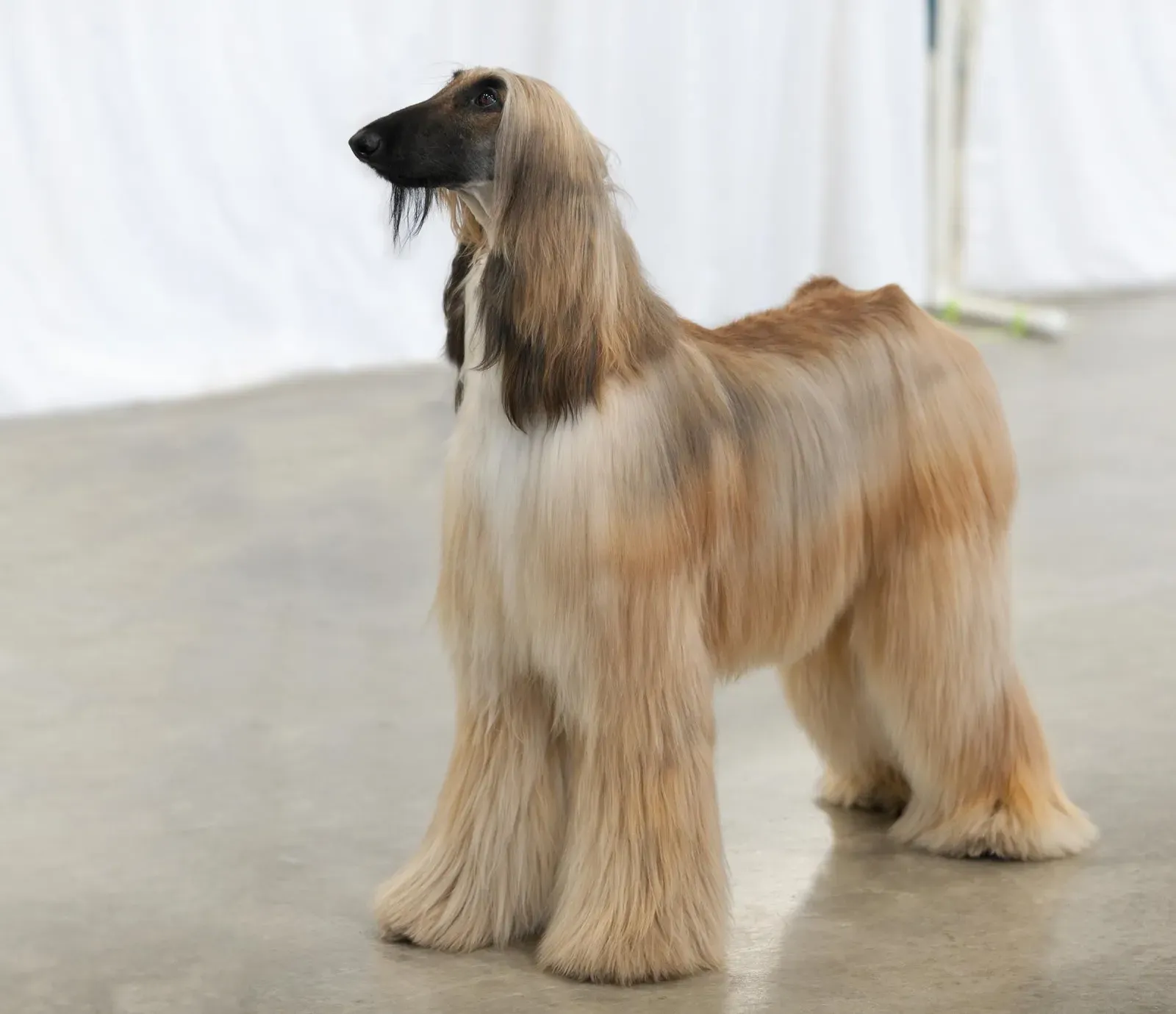
As one of the oldest breeds, the Afghan Hound has a low tolerance for pain and can react badly to rough treatment, which can lead to a shy or even defensive dog. These elegant, independent dogs are surprisingly sensitive. Their aloof demeanor shouldn’t be mistaken for toughness. A gentle hand and lots of motivation will go a long way, so take some time to work out what really makes your hound tick, and once you have it, train little and often with lots of praise.
Afghan Hounds may be athletic, but they’re emotionally delicate. Rough handling can make them fearful or even aggressive as a defensive response. They need respect, patience, and an understanding that their sensitivity runs deep. Play should be calm and on their terms.
Yorkshire Terrier
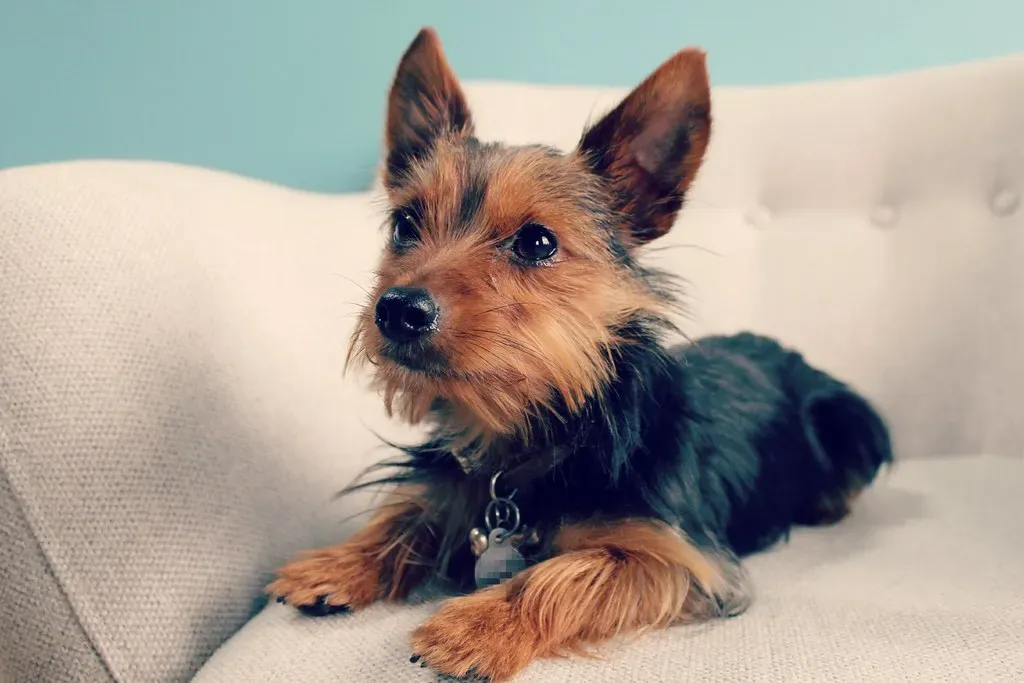
Affectionate, active and friendly may be the first words that come to mind when we think of the Yorkshire Terrier, but this breed can be sensitive to new people approaching and handling them, so build your dog’s confidence with short, positive interactions, always allowing them to move away when needed, and reward friendly behaviour regularly and consistently using positive reinforcement. Yorkies are tiny but fierce in spirit. Smaller dogs can even break a leg jumping up and down on furniture in the home, especially if they are dainty, fragile breeds.
Their small stature makes them vulnerable to injury from rough play with larger dogs or overly enthusiastic humans. Since toy and tea-cup breeds are more vulnerable to injury, it also makes them more vulnerable to re-injury. A hand that seems gentle to us can feel overwhelming to a three-pound dog. Their bones are fragile, their tolerance for rough handling is low, and they deserve to be treated like the delicate treasures they are.
Conclusion
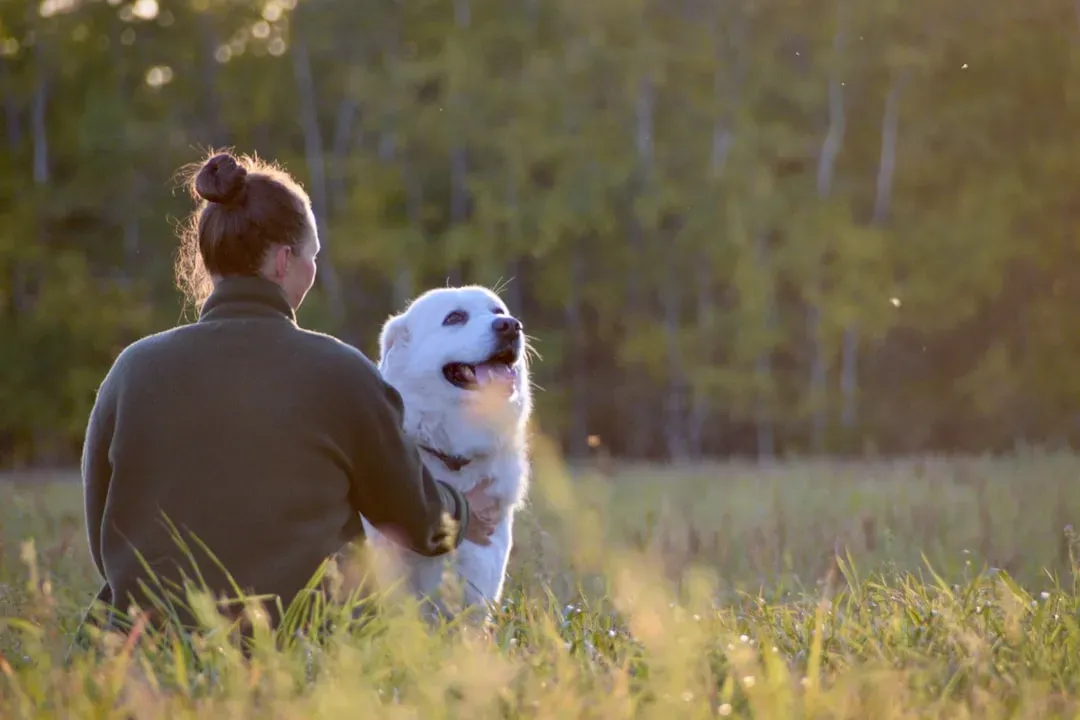
Every dog deserves play that honors their body and spirit. For these nine breeds, rough play isn’t just uncomfortable, it can be genuinely dangerous. Broken bones, breathing emergencies, chronic pain, and fear are real consequences of misunderstanding their needs.
Protecting them means watching how they respond, adjusting our energy to match theirs, and choosing gentler ways to bond. A soft toy, a calm walk, puzzle games, or simply lying beside them can bring just as much joy without the risk. They trust us to keep them safe. What do you think about it? Have you adapted your play style for a delicate breed, and did it deepen your bond?