

You know that look your dog gives you when you’re eating dinner? The one where those liquid brown eyes seem to expand to twice their normal size, and somehow you find yourself handing over a piece of chicken without even remembering making that decision. Or maybe it’s the way your pup suddenly forgets every command the moment you call them inside, yet can hear a cheese wrapper from three rooms away. Here’s the thing: your dog might be smarter than you think.
Dogs have spent thousands of years evolving alongside humans, learning exactly how to communicate to get what they want. They’ve become masters at reading us, understanding our body language, and knowing precisely which buttons to push. Some call it manipulation, though honestly, it’s more like brilliant communication with a side of strategic thinking. Let’s explore the telltale signs your furry friend has you completely wrapped around their paw.
The Puppy Dog Eyes That Could Melt Steel

You’re not imagining it when you feel utterly powerless against those pleading eyes. Research has shown that people naturally prefer “baby-like” facial features, and dogs have perfected this advantage with a unique eyebrow-raising muscle that makes their eyes appear bigger and more expressive. Wolves don’t have this same muscle, which means this trait evolved specifically through domestication.
This signature “puppy-dog eyes” expression doesn’t just melt hearts – it actually triggers nurturing instincts in humans and has even been proven to help shelter dogs get adopted more quickly. When your dog holds that soft stare, this eye contact releases oxytocin in both you and your pet, strengthening your bond and making you more likely to give in. Your dog knows this works. They’ve likely cataloged every successful deployment of those eyes and filed it away for future use.
The real kicker? The raising of the eyebrows, which makes their eyes look larger and more adorable, was more common when the dogs knew they had human attention. They’re not just making faces randomly. They’re performing for an audience, and that audience is you.
Strategic Whining and Perfectly Timed Vocalizations
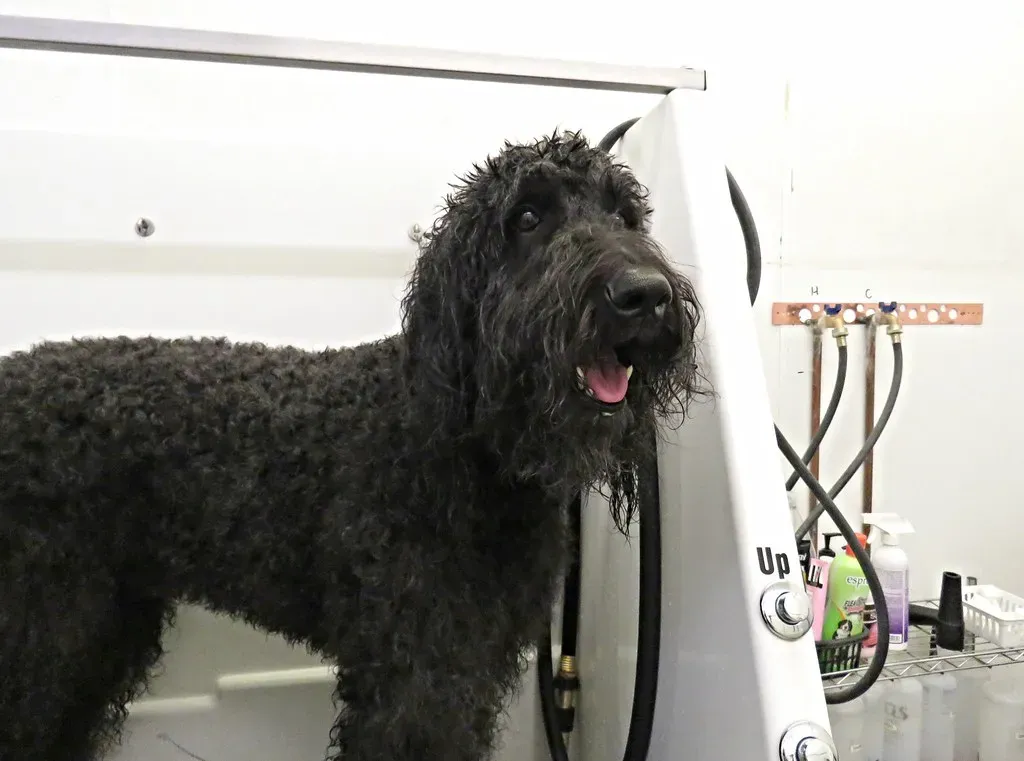
Some dogs have basically earned a PhD in vocal manipulation. Dogs learn which tones get the strongest response from their humans. “A puppy’s whine has long been humans’ weakness,” and whining started as a survival tool but became an important social strategy later. Your dog has probably experimented with different pitches, volumes, and durations to figure out what gets you moving fastest.
Think about it like this. Your dog whines at the door. You let them out. They don’t actually need to go, they just wanted to explore or chase that squirrel. Mission accomplished. One dog would just pretend to pee in order to get the treat. That’s not instinct, that’s calculated strategy.
Ever notice how your dog suddenly forgets their own name when you call them inside from the yard, but miraculously hears a treat bag crinkle from three rooms away? Definitely not a coincidence. They have selective hearing that would make any teenager jealous.
The Guilty Look That Isn’t Actually Guilt
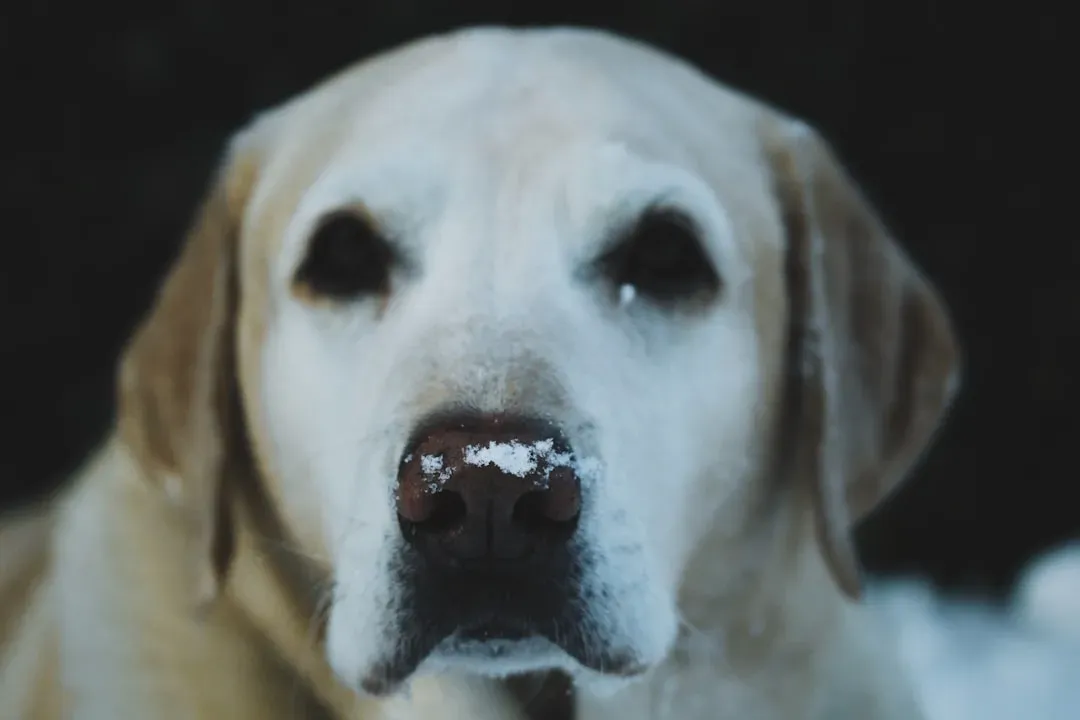
Let’s be real about something. That “guilty” expression your dog makes after shredding your favorite shoes? Studies show that dogs often display “guilt” simply because they know it defuses the situation. In other words, they know that sad puppy equals doting, forgiving parents. They’re not confessing to a crime. They’re performing damage control.
Your dog has learned that ears back, tail low, and squinted eyes equal less angry human. It’s a brilliant de-escalation tactic that works almost every time. You walk in, see the mess, your face changes, and boom, they deploy the guilty face protocol. Within minutes you’re petting them and saying it’s okay.
Honestly? I think this might be their most impressive skill. They’ve cracked the code on human emotions and figured out the exact facial expression that short circuits our anger.
Conveniently Forgetting Commands They Know Perfectly Well
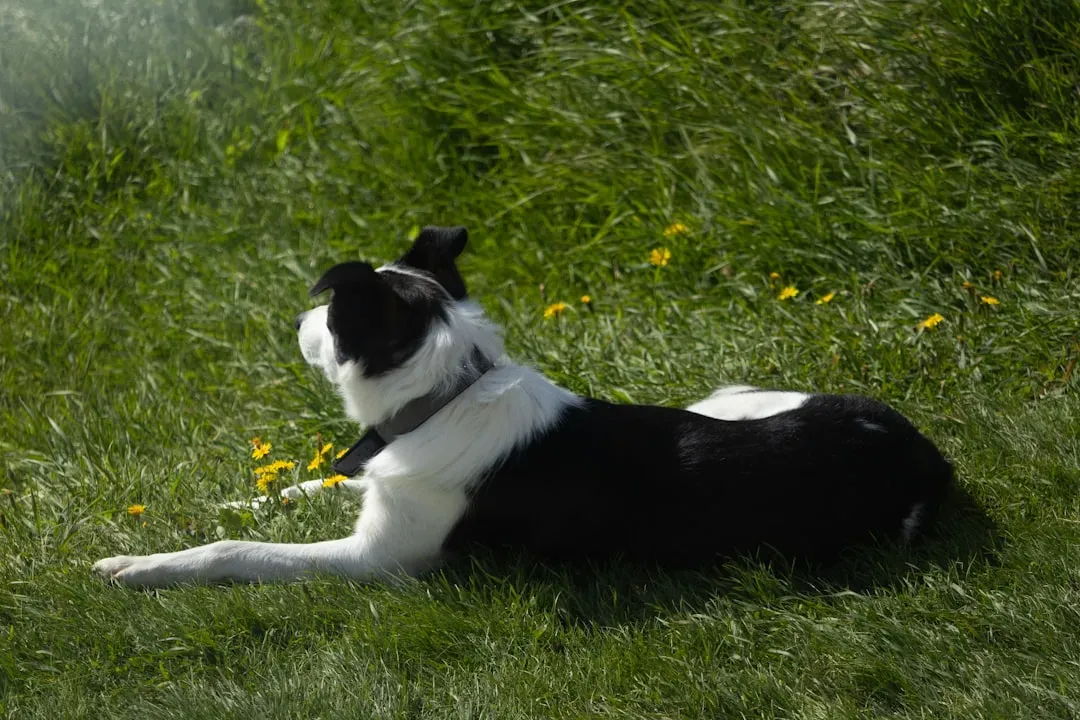
If a behavior works for a dog then he will repeat it. He will continue using that behavior until it no longer works over a period of time. Your dog knows “come” perfectly well during training sessions with treats. Outside in the yard with interesting smells? Suddenly they’ve developed amnesia.
This selective obedience happens because your dog has assessed the situation and decided the reward for staying outside outweighs whatever you’re offering. When a dog wants something he will try different behaviors to see what it gets him. If ignoring you means more sniffing time, that’s the choice they’ll make.
The solution isn’t to get frustrated. It’s to make yourself more interesting than the environment, which is admittedly challenging when there’s a really good stick or a suspicious smell nearby.
Playing Helpless When They’re Perfectly Capable
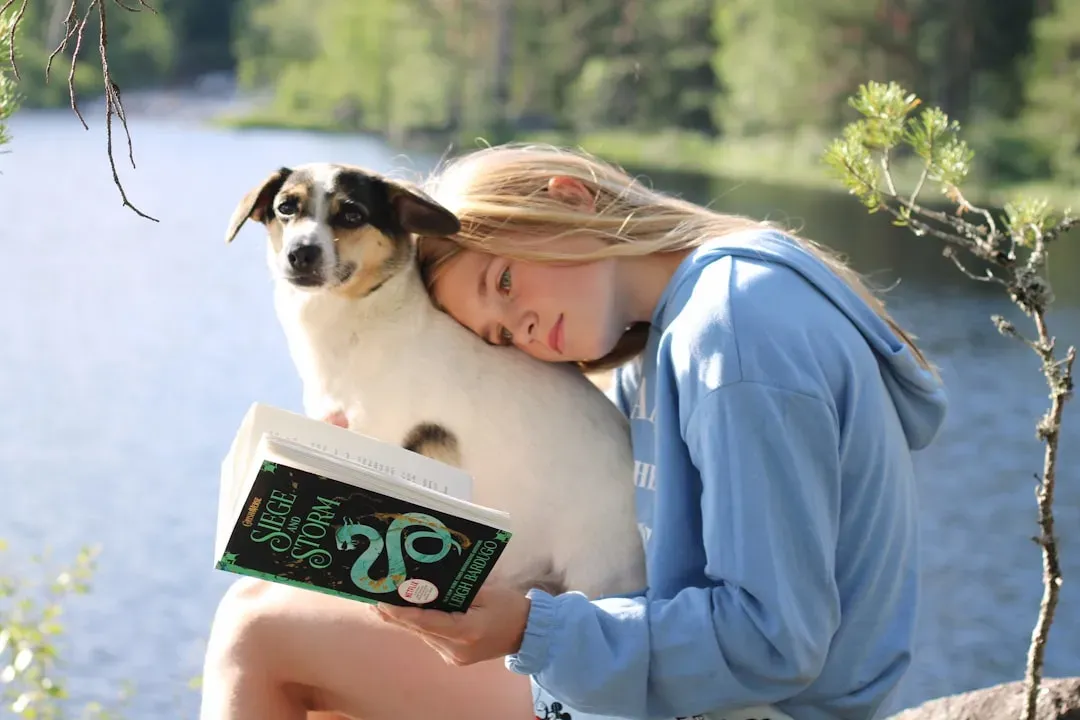
Some dogs take manipulating you to the next level by pretending they need extra help when they really don’t. Ever seen your dog refuse to jump onto the couch even though they’ve done it a hundred times before? Or pretend they can’t move unless you carry them? They’re not struggling. They’re acting.
Your dog has learned that if they act like they need help, you’ll dote on them more. They stand at the edge of the couch looking pitiful, you lift them up, they get extra pets and attention. It’s pure genius really. Why exert effort when your human will happily do it for you?
The tricky part is figuring out when they genuinely need assistance versus when they’re just being lazy opportunists. Watch for consistency. If they can jump up when they think you’re not looking but suddenly can’t when you are, you’ve got a performer on your hands.
Demanding Attention Through Relentless Barking
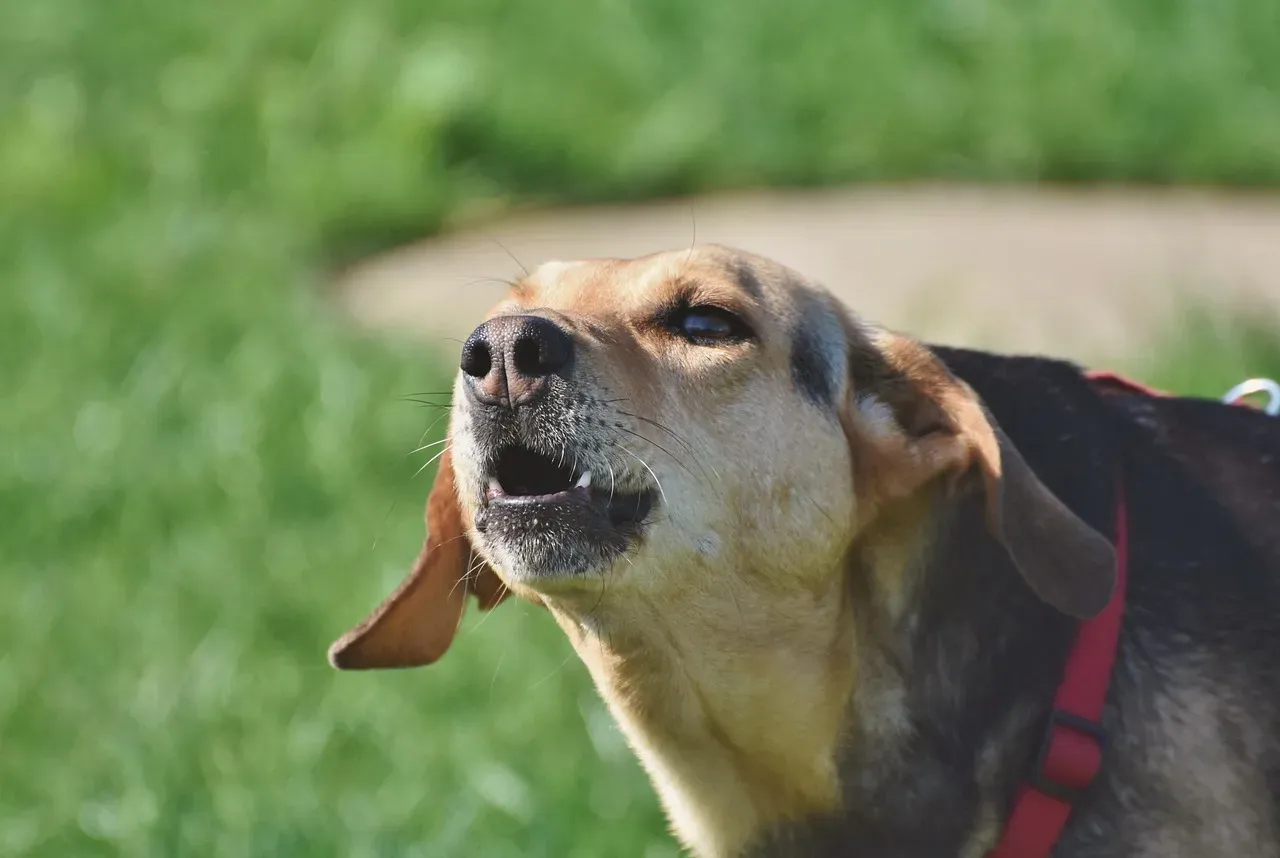
It’s annoying and relentless, especially if it goes unchecked. Dogs can be like a toddler who knows their mom is tired from working and continually demands her attention, continually barking right at you until you relent. This is manipulation through sheer persistence.
Here’s where many owners mess up. Telling them off won’t work. When you chastise your pup, you are giving them attention and that’s not the right approach. Even negative attention is still attention, and your dog will take it. They’d rather have you yelling than ignoring them.
The better response? Ignore the barking completely until it stops, then immediately reward the quiet. It takes superhuman patience, but it’s the only way to break the cycle. Your dog needs to learn that silence gets rewarded, noise gets nothing.
Playing Both Owners Against Each Other
For households with multiple people, is your dog getting multiple meals? Because they might be taking advantage of a communication loophole. Your dog knows exactly how to work the system between different family members.
Mom gets home from work and feeds dinner before Dad gets home. Dad gets home while mom cooks human food. The dog begs for dinner from Dad, and he caves without double checking with Mom! Suddenly your dog is eating twice as much as they should because they’ve exploited the communication gap between their humans.
This requires teamwork to solve. Set up a feeding chart, send a quick text when meals happen, something to close that loophole. Otherwise your clever pup will keep running this scam indefinitely.
Reading Your Emotional State Like a Book
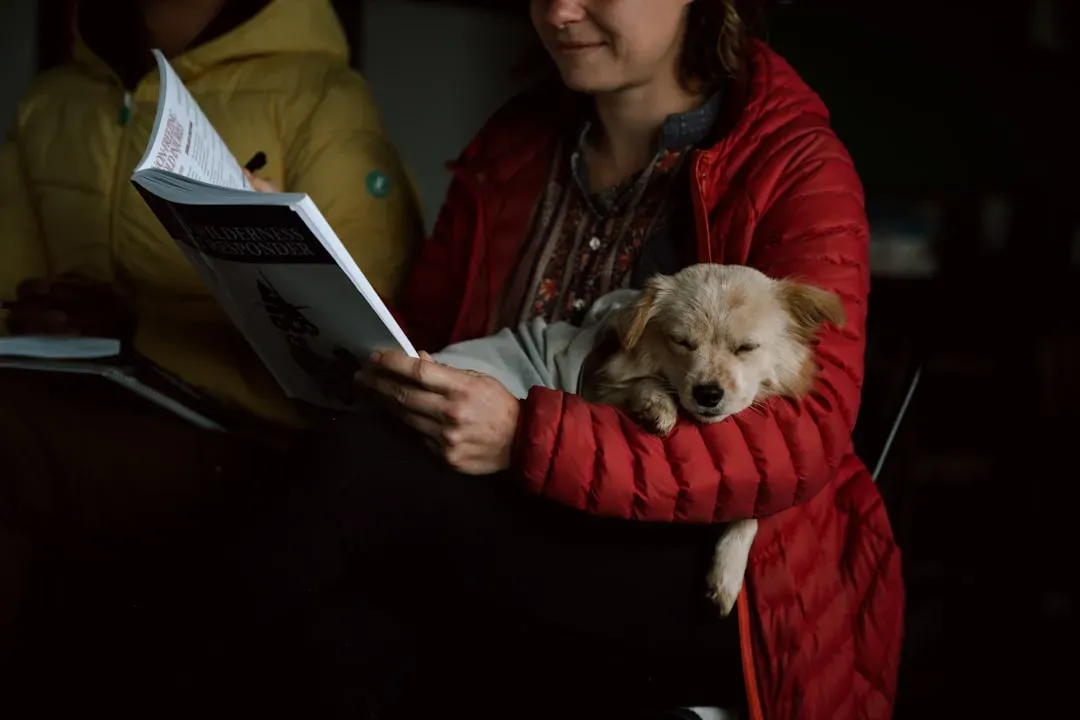
Dogs aren’t just reacting; they’re assessing you. “Canines are emotionally intelligent, just like us,” and dogs can read our tone, body language and expressions far better than we read theirs. This emotional attunement shapes how they respond, interact, and yes, how they ask for what they want. They know when you’re sad, stressed, busy, or distracted.
Your dog has probably figured out that you’re more likely to give in when you’re tired after work or when you’re trying to focus on something else. They’ve learned that timing matters. Ask for a walk when the human is relaxed on the couch? Good chance of success. Ask when they’re rushing to get ready? Less likely, but worth a shot.
A study found that our canine companions are able to deceive us in order to get something they desire. And they can figure out how to do it quite quickly. They’re not born knowing all this. They’re constantly experimenting, learning, and refining their approach based on what works with you specifically.
How to Respond Without Feeling Like a Pushover
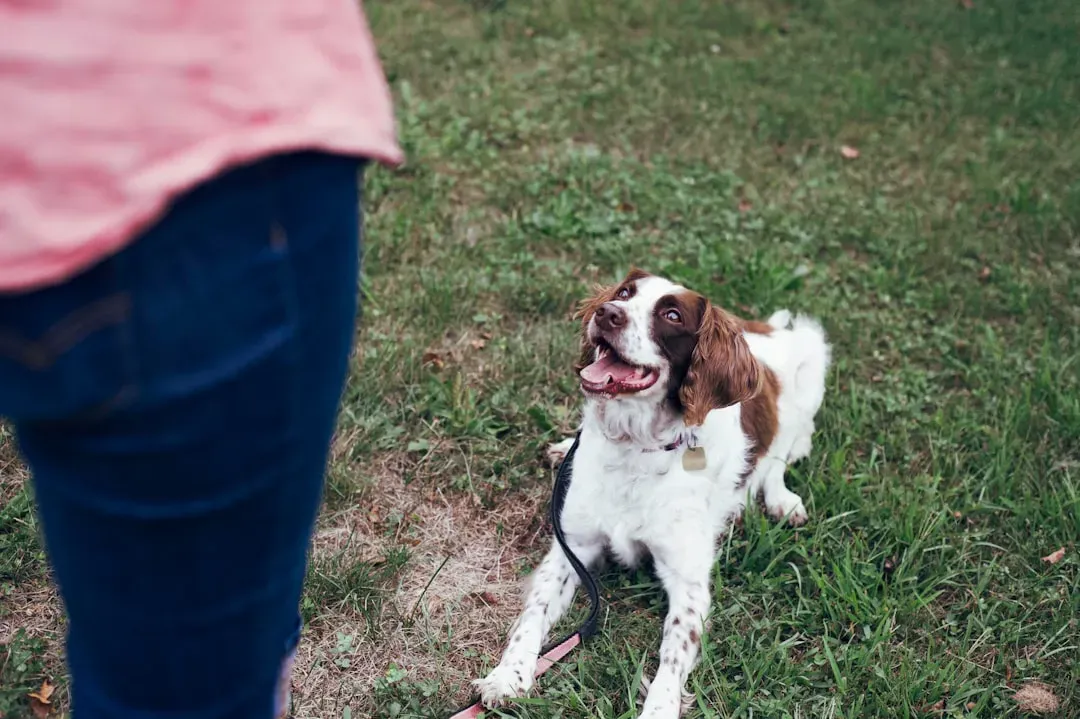
Here’s the truth: your dog being a skilled communicator isn’t a bad thing. Experts believe a dog has the thinking age of a toddler who can use fake crying and tantrums to get their parents’ attention. If a dog can manipulate their owners in similar ways, it’s fair to say we are pawns in their puppy paws. Rather than resenting this, you can appreciate their intelligence while setting appropriate boundaries.
The problem comes when your dog is the one making the decisions. What you ask your dog to do when he wants something isn’t as important as the fact that you’re asking him to do something in order to earn the valued resource. That’s called leadership. If your dog wants something, have them sit first, or perform a quick trick. They still get what they want, but you’re maintaining structure.
Dogs trained with rewards have fewer behavioral problems and are less fearful. Most of the techniques involved in behavior modification are not hard to learn and can be successfully used as preventive techniques. They do require a regular investment of time and effort, however. Consistency matters more than perfection. Set your rules and stick to them most of the time, understanding that occasionally giving in isn’t the end of the world.
The goal isn’t to outsmart your dog or win some battle of wills. It’s to create a relationship where both of you understand each other and work together. Your dog’s clever communication skills prove they’re engaged, intelligent, and deeply bonded with you. That’s something to celebrate, even when it means they occasionally con you out of an extra treat.
Conclusion
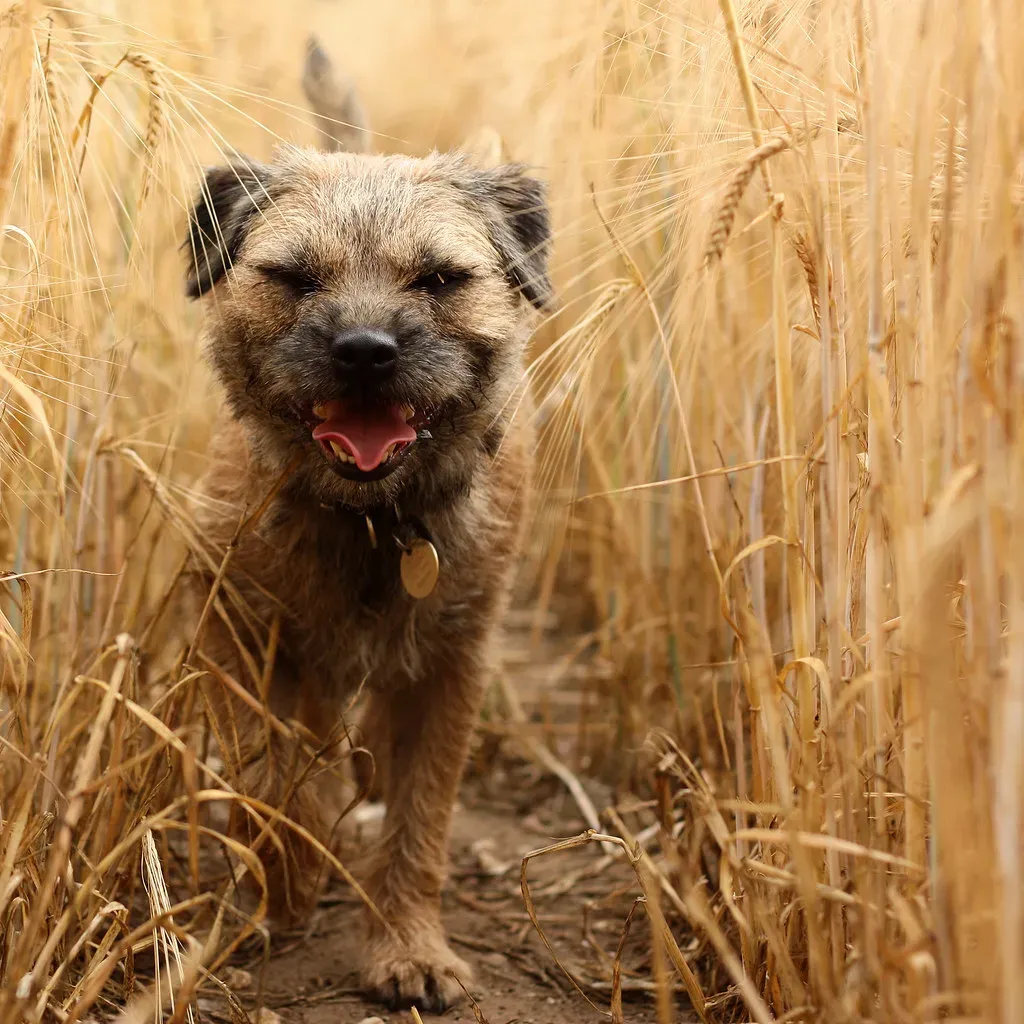
Your dog’s manipulative tendencies aren’t signs of bad behavior. They’re proof of incredible intelligence and thousands of years of evolution dedicated to understanding humans. Dogs now communicate with their owners through facial expressions, sometimes to manipulate us. But there surely is no denying the special bond between us. They’ve learned to speak our language better than we’ve learned theirs.
The next time those puppy eyes are deployed or that strategic whine begins, take a moment to appreciate the genius behind it. Then decide consciously whether you’re going to give in or hold your ground. Either way, you’re participating in a dance that’s been perfected over millennia between two species who genuinely care about each other.
So tell us, what’s the sneakiest thing your dog has ever done to get what they wanted? We’d love to hear your stories of canine cleverness in the comments.


