
![8 Dogs That Test Patience Daily [And 4 Naturally Easygoing Breeds]](https://doggodigest.com/wp-content/uploads/2025/12/1766223894960_6533591953_61cdda2140_b.jpeg)
Let’s be real. There are dogs out there who live to please, who hang on your every word like you’re the most fascinating person in the universe. Then there are those who’ve decided they’re the ones in charge. You know the ones I mean. The types who make you question whether you’re the owner or merely the hired help.
If you’ve ever stood in your backyard calling a dog’s name until your voice goes hoarse, only to watch them glance your way and then casually resume their business, you’re not alone. Some dogs were simply wired differently. It’s not that they’re bad. They’re just wildly, beautifully, frustratingly independent. The good news? Understanding why they’re so stubborn can transform how you live with them. So let’s dig into which breeds will likely have you muttering under your breath on a Tuesday morning. Then we’ll talk about the breeds who just want to make your life easier.
1. Siberian Husky: The Escape Artist with Opinions
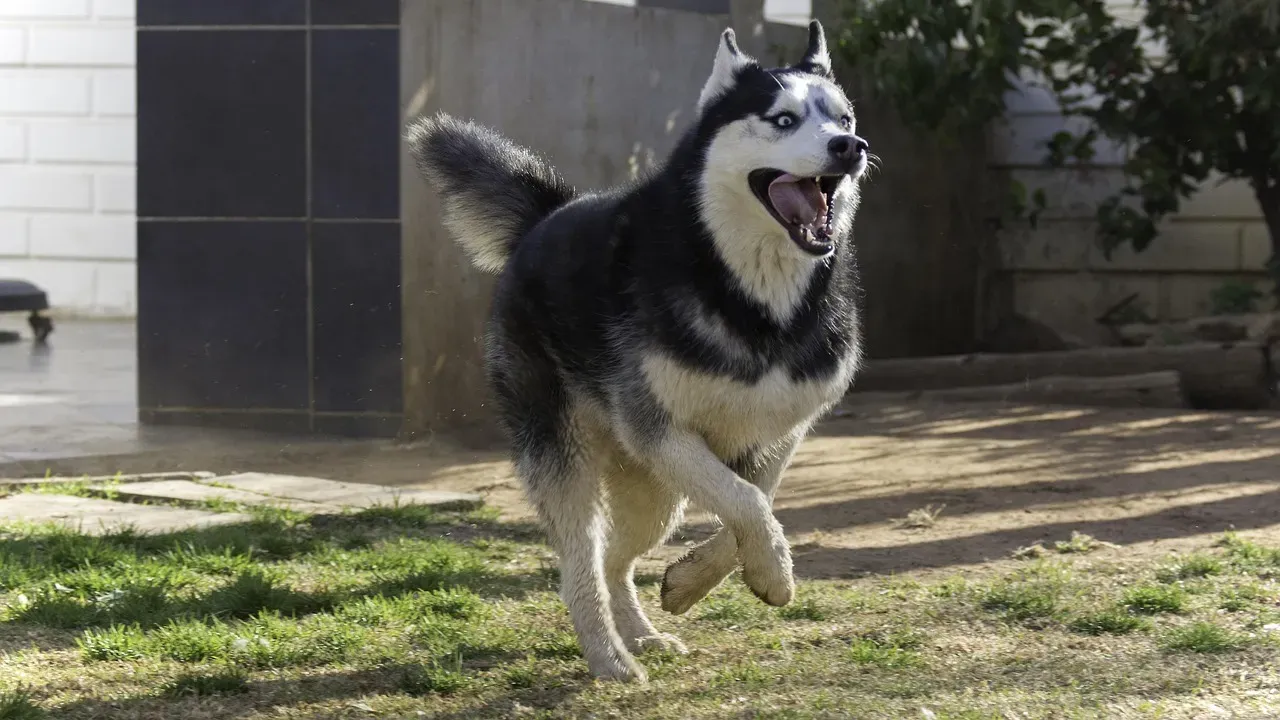
Huskies are famous for their stubborn behavior, bred to pull sleds in harsh climates, making them independent thinkers who love to run and explore, often ignoring commands, especially if off-leash. Picture this: you’ve just let your Husky into the yard for a quick bathroom break, turned your back for ten seconds, and boom, they’ve found a gap in the fence you didn’t even know existed. They are intelligent and independent, needing a lot of exercise and mental stimulation to prevent boredom, which can lead to destructive behavior.
These stunning dogs don’t just test your patience. They redefine it. Their constant urge to escape or roam makes them hard to contain, their extremely high energy leads to destructive habits when bored, and short attention spans make training sessions difficult to maintain. Honestly, training a Husky feels less like dog training and more like negotiating with a clever toddler who speaks a language you barely understand.
2. Beagle: When the Nose Overrules Everything
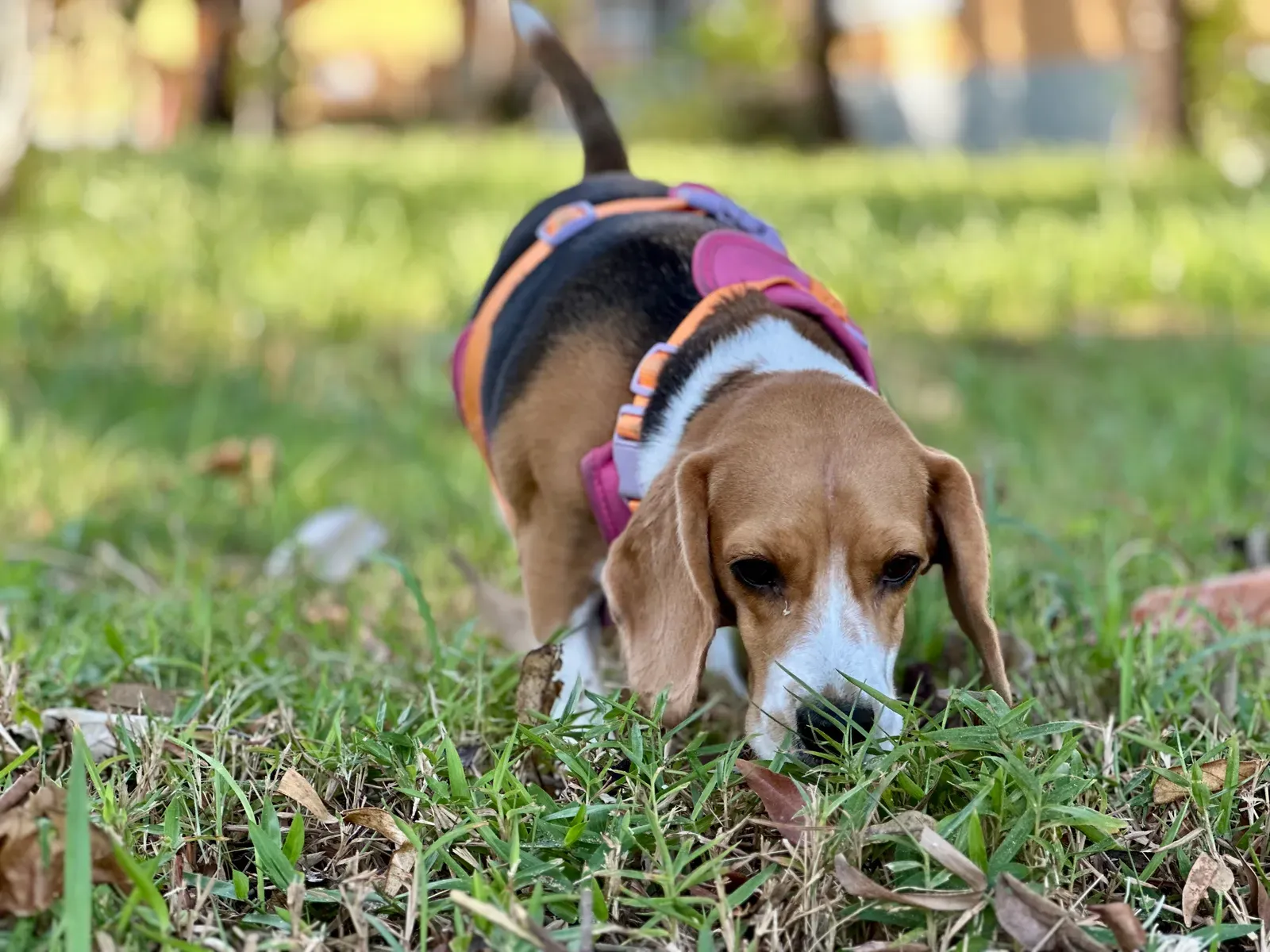
The Beagle has a nose for everything, literally, and this breed’s exceptional sense of smell often leads them to be easily distracted by scents, making training a challenge. You’ve seen it happen. You’re mid-walk, calling their name, and they’ve locked onto some invisible scent trail like it holds the secrets of the universe. The Beagle is friendly, loving, and notoriously difficult to train, and their independent streak and incredible nose mean they will often ignore their owner’s calls when on a scent trail.
Most Beagles have high amounts of energy and need dedicated training because they’re a very active breed that will act out if they get bored. That means they’re not content lying around all day. They need jobs. Games. Something to occupy that brilliant brain. Otherwise, prepare to find your couch cushions surgically dissected.
3. Dachshund: Small Dog, Massive Attitude
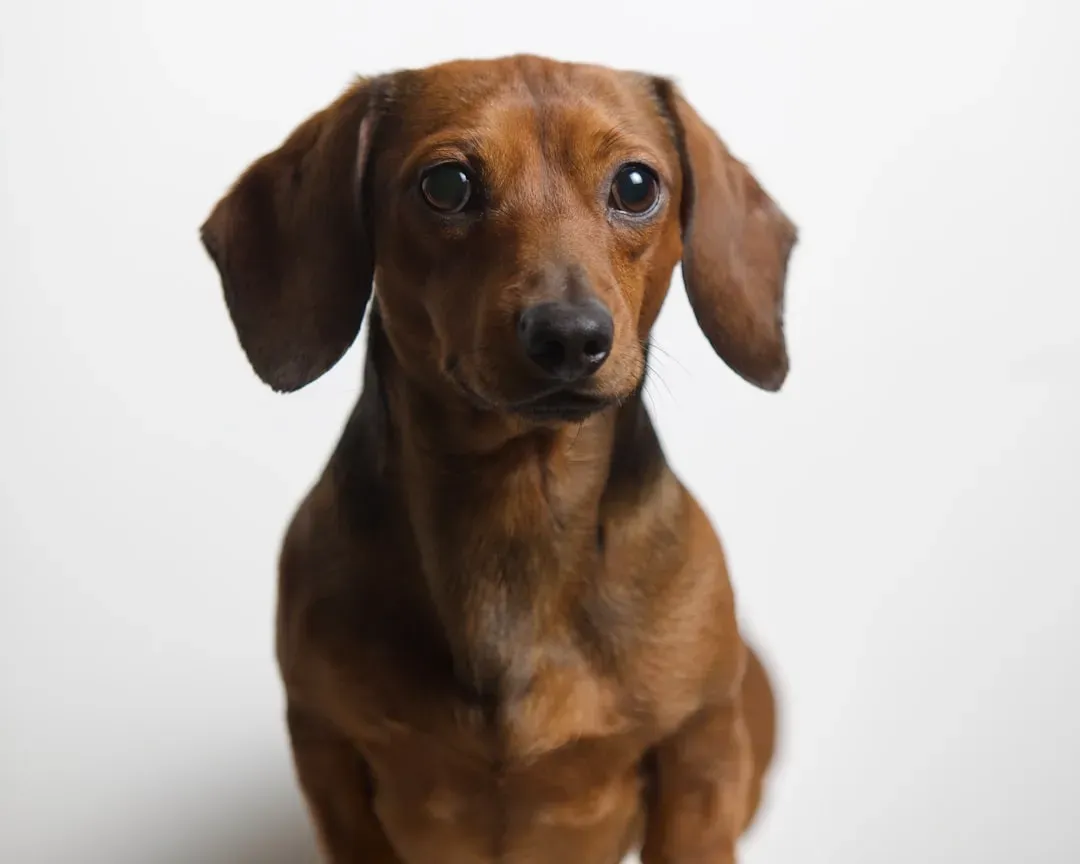
Vivacious, friendly and ever-alert, dachshunds were bred to be an independent hunter of dangerous prey, and along with their iconic sausage look, their independence is a hallmark of the breed. These little wiener dogs might look adorable, but don’t let that fool you. The short wiener dog is well-known for their lively and independent attitude, as well as their intelligence, hunting ability, and stubbornness, and Doxies like to do things their own way, often digging holes, chewing on shoes, or chasing other pets on a daily basis.
Training a Dachshund requires a level of patience most people reserve for assembling flat-pack furniture. They know what you want. They just have other priorities. Their stubbornness isn’t defiance, though. It’s confidence. They’re convinced they know better than you, and sometimes, infuriatingly, they might be right.
4. Jack Russell Terrier: Energy Packed into a Tiny Frame
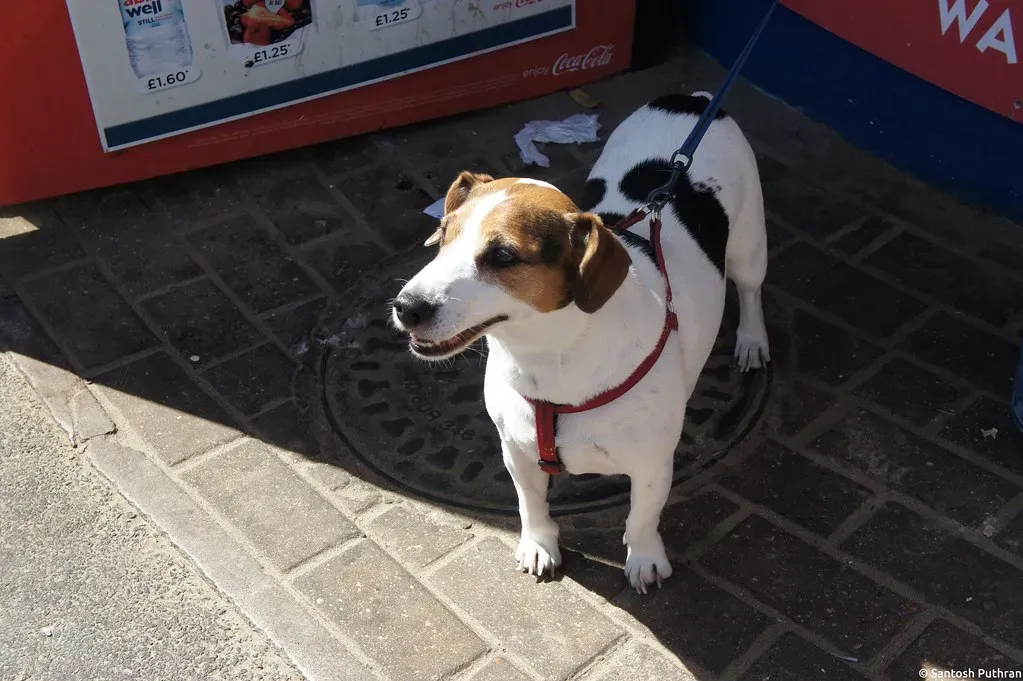
Jack Russells are notorious for their stubborn streak and high prey drive, which often leads them to chase anything that moves, and this independent nature means they tend to follow their instincts over commands, testing the patience of even experienced trainers. These terriers are like perpetual motion machines wrapped in fur. Their stubborn streak and high prey drive often lead them to chase anything that moves, their independent nature means they tend to follow their instincts over commands, and without proper outlets for their energy, they can easily turn destructive, chewing furniture or digging tirelessly to entertain themselves.
For a small dog, the Jack Russell Terrier sure has a big personality, known for their fun-loving and independent attitude, with a streak of stubbornness that makes them difficult to train. You need to match their energy level. That means daily runs, puzzle toys, and activities that challenge their clever brains. Anything less and you’ll come home to a redecorated living room.
5. Basenji: The Cat-Like Independent Spirit
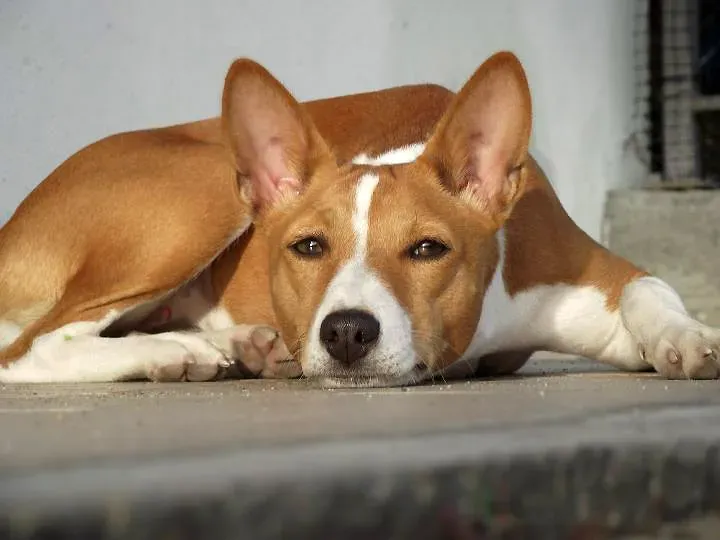
The Basenji is known for its cat-like independence and self-grooming habits, unique not only for its elegant build and alert expression but also for its signature yodel that replaces the typical bark, and training a Basenji can feel like negotiating with a clever, self-assured roommate because these dogs are incredibly intelligent yet notoriously stubborn, often preferring to do things on their own terms. They’re called the “barkless dog,” but that doesn’t mean they’re silent. They yodel. It’s bizarre and oddly charming.
Basenjis are known for their cat-like personalities, being both independent and intelligent, and this breed is notoriously difficult to train due to their stubborn nature, being curious and easily bored, requiring creative training techniques to keep them engaged. Think of them as the free spirits of the dog world. They’ll cuddle when they feel like it. They’ll listen when it benefits them. Traditional training drills bore them to tears, so you’ll need to get inventive.
6. Afghan Hound: Beauty with a Mind of Its Own
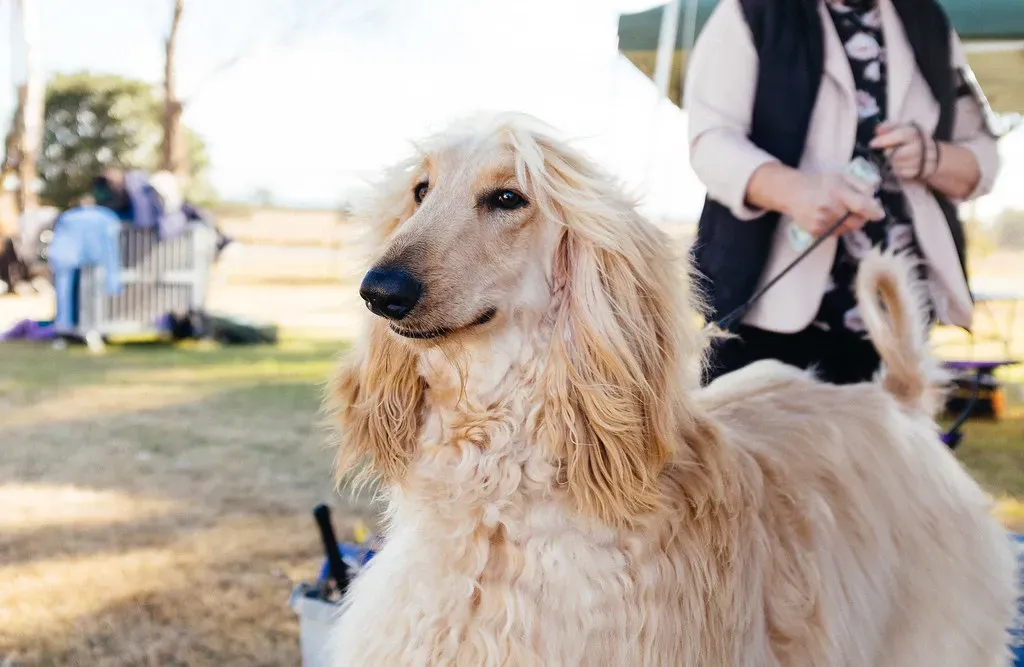
Known for their regal appearance, these dogs were bred for hunting in the challenging terrain of Afghanistan’s mountains, requiring them to make quick decisions independently of their human counterparts, and their stubborn streak is often attributed to their intelligence and decision-making skills, as Afghan Hounds may not always respond to commands immediately, preferring to assess the situation themselves. They look like they belong on a runway, and they know it.
With its long, flowing coat, elegant limbs and regal beauty, the Afghan Hound is a striking animal, highly intelligent, sensitive and fiercely independent. Training these dogs feels like asking royalty to fetch your slippers. They’ll consider it. Maybe. If they’re in the mood. Patience and gentle consistency are your only hope here.
7. Shiba Inu: The Strong-Willed Japanese Charmer
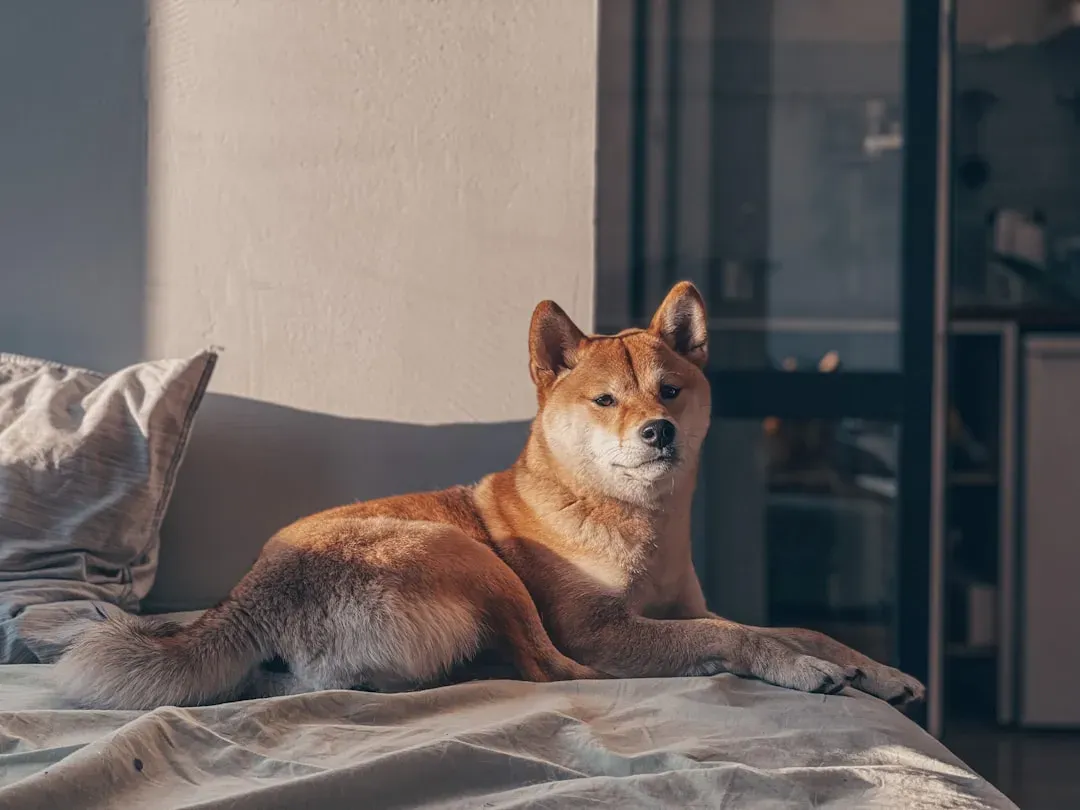
This small Japanese breed is charming but headstrong, known for its strong-willed temperament and dislike of following commands, and while it’s highly intelligent, its independent nature can make training a challenge. Shibas are gorgeous, fox-like, and completely convinced they’re in charge. Shiba Inus are known for their strong-willed nature and independent thinking, being intelligent dogs but also aloof and stubborn, so training should be approached with reinforcement, consistency, and firmness.
These dogs don’t just march to the beat of their own drum. They compose the entire symphony. Early socialization and firm boundaries help, but even then, expect them to challenge you regularly. It’s just who they are. Respect their independence and channel it into structured activities.
8. Bloodhound: The Scent-Obsessed Gentle Giant
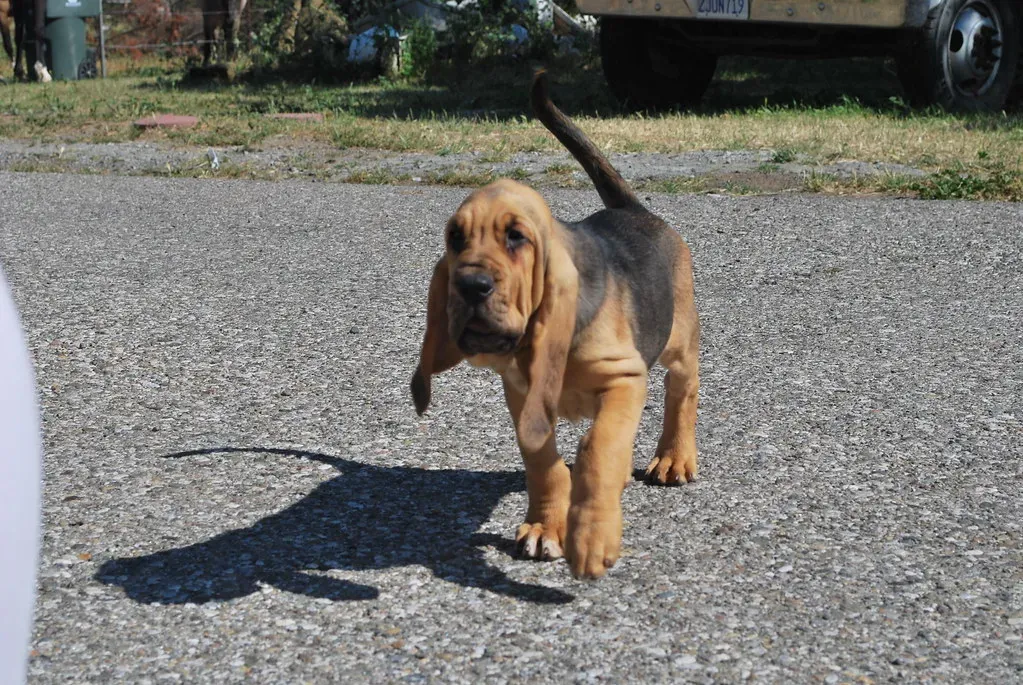
Bloodhounds are hunting dogs renowned for their exceptional sense of smell, and the bloodhound is law enforcement’s go-to choice to locate fugitives and find missing individuals, however, their instincts and self-reliance can pose a challenge during training because bloodhounds are stubborn and easily sidetracked, making standard training techniques less effective. Their noses are so powerful that once they lock onto a scent, good luck redirecting their attention.
Training a Bloodhound requires short, focused sessions repeated throughout the day. Bred for scent tracking, they’ll follow their noses over your voice any day, and their stubbornness combined with a laid-back nature means dog owners need lots of patience. They’re sweet, loving, and completely ruled by whatever smell has captured their interest at any given moment.
9. Cavalier King Charles Spaniel: The Royal Lap Dog
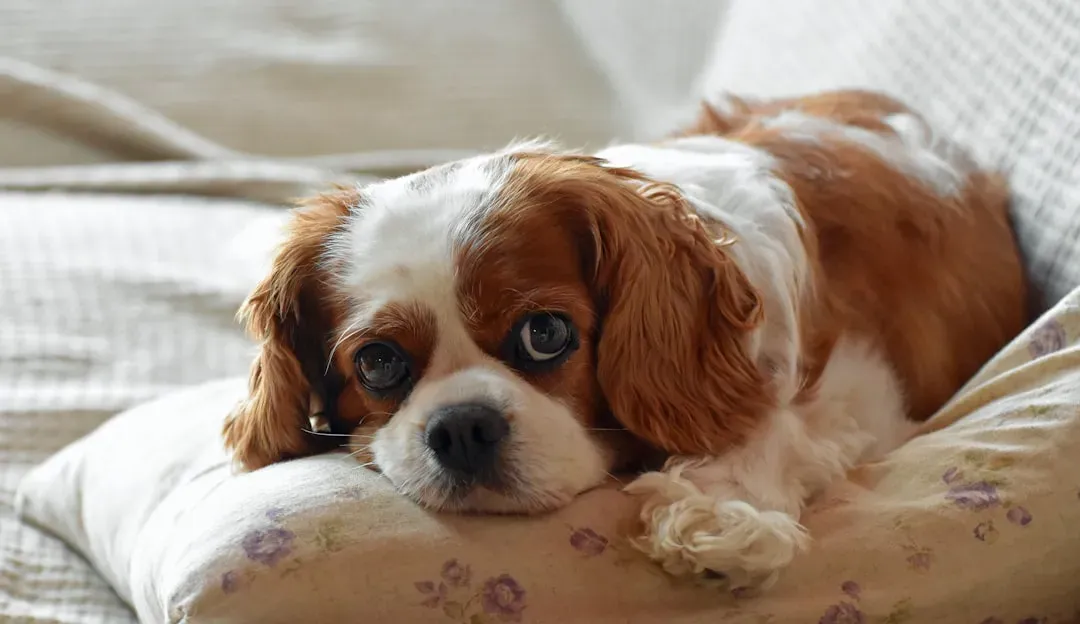
Now, let’s shift gears. Not every dog will have you pulling your hair out. Dating back to Renaissance times, the Cavalier King Charles Spaniel is known for their prestigious nobility and gentle demeanor, bred through generations of royals like King Charles I and his son Charles II, their sweet expression and round eyes make them hard to resist. These dogs are the definition of easygoing.
The Cavalier King Charles Spaniel has been a favorite lap dog of British royalty for generations, and the breed’s affinity for laps remains true today, and their sweet, gentle temperament makes these calm, small dogs great for families with kids and other pets, and they are easy to train. They’re affectionate without being needy. Playful without being chaotic. Honestly, they’re what most people picture when they think about getting a dog.
10. Golden Retriever: The People-Pleasing Classic
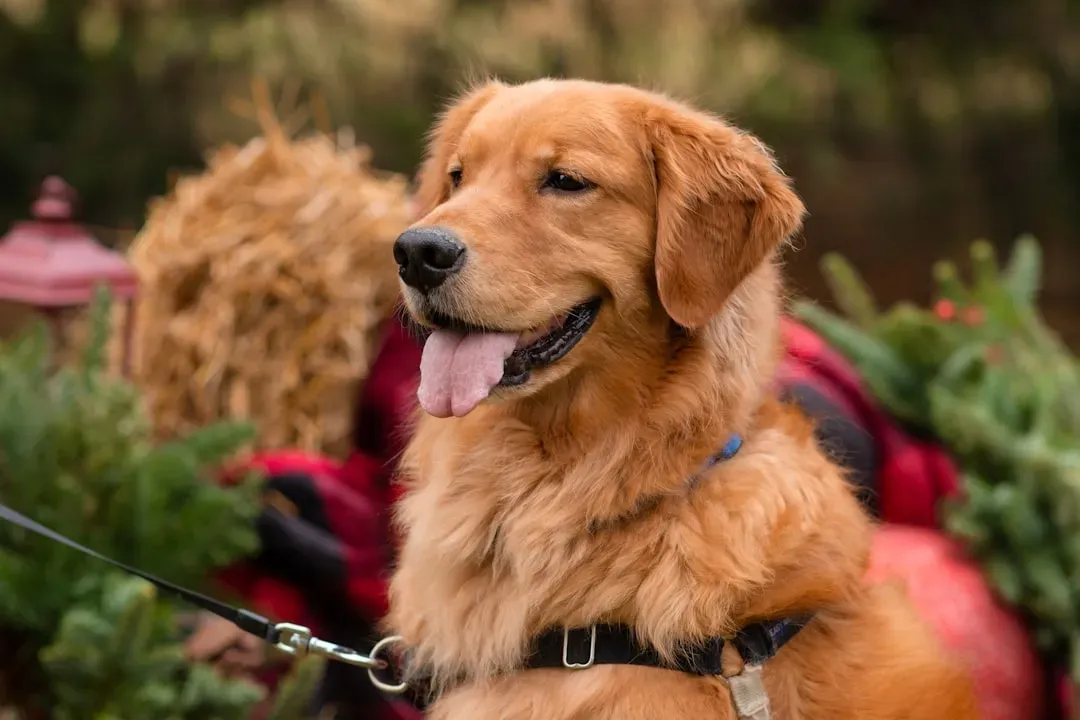
It’s no wonder the golden retriever is continually in the top 10 of most popular dog breeds because they are easy-going, affectionate and playful, but gentle with children, making them an ideal family dog. There’s a reason you see them everywhere, from family homes to therapy programs. Golden Retrievers are admired for their friendly and gentle temperament, often described as enthusiastic, intelligent, and highly trainable.
While both Golden and Labrador Retrievers are known for their energy, they can also be calm and well-behaved when appropriately trained and exercised. Give them a job to do, teach them some commands, and they’ll happily oblige. They thrive on making you happy. What more could you want?
11. Newfoundland: The Gentle Giant Nanny
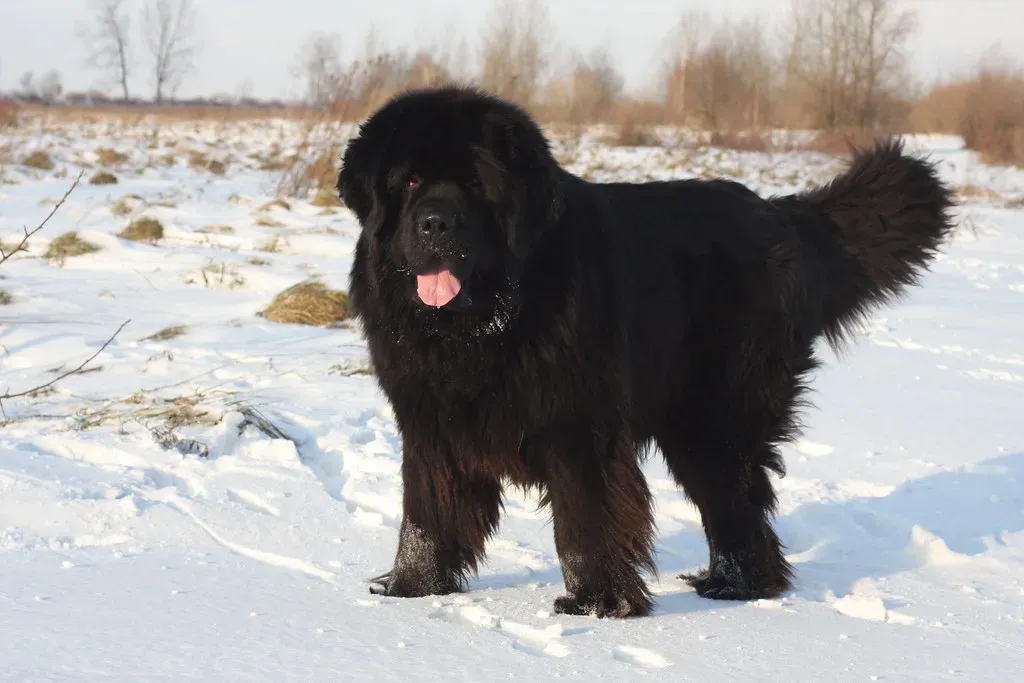
The Newfoundland is dubbed “the nanny dog,” and you won’t find a more devoted and empathetic fan of your kids, and Newfies are 100-plus pounds of fur and drool, but people who are fans of the breed love the affectionate and good-natured temperament of these dogs because they love kids and are easy to train. These massive, fluffy bears are absurdly sweet-natured.
Newfies, as Newfoundlands are affectionately called, are well-known for their sweet temperament and gentle demeanor around children, and their social nature makes training fun, which can help ensure your pup is calm and comfortable in new environments. They’re patient, loyal, and surprisingly calm for their size. Perfect for families who want a dog that doubles as a cuddle buddy and a protector.
12. Basset Hound: The Laid-Back Couch Companion
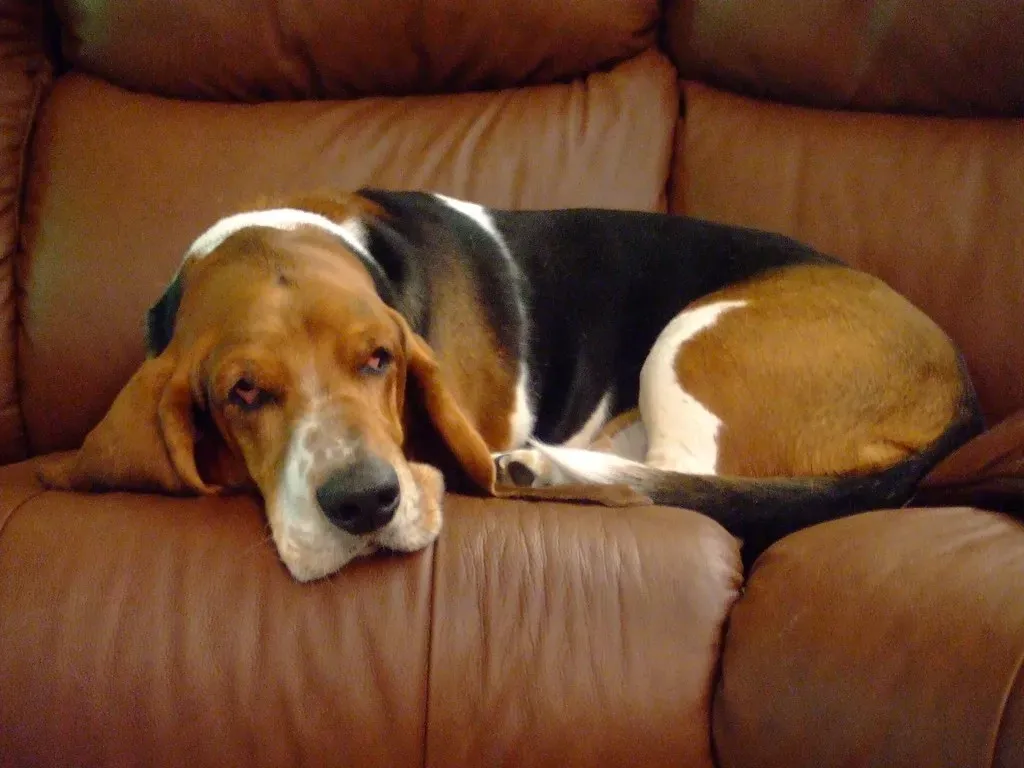
The Basset Hound is a calm, gentle dog breed that’s adaptable to new surroundings and content with moderate exercise, and these low-energy dogs aren’t very athletic, so don’t expect them to excel at sports, but their best asset besides being an amazing companion is their nose, which can sniff out just about anything. Yes, they can be stubborn when they catch a scent, but at home? They’re pure relaxation.
This sweet dog breed was originally bred to hunt small game, but the modern-day version is more likely to want to lounge around at home than to chase other animals, calm and excellent with kids and other animals, and their energy levels tend to veer more toward couch potato vibes so when you’re looking to kick back after a long day, your Basset Hound will be happy to join in and cuddle with you. They’re the friend who always says yes to a Netflix marathon.
Conclusion: Finding Your Perfect Match
Here’s the thing. Stubborn dogs aren’t broken. They’re not bad. They’re just complex. The most stubborn dog breeds tend to be intelligent, independent, and occasionally infuriating, and while stubborn dogs may be harder to train, they often make fiercely loyal and clever companions when handled with patience. Those challenging breeds? They’ll teach you more about patience, creativity, and problem-solving than any obedience manual ever could.
On the flip side, easygoing breeds offer a different kind of joy. They’re the ones who make dog ownership feel effortless. They read your moods, adjust to your routines, and just fit seamlessly into your life. Neither type is better. It’s about what matches your lifestyle.
So, whether you’re wrangling a Husky with escape plans or cuddling with a Cavalier who lives to please, remember this: every dog deserves understanding. Every breed has its quirks. The secret is learning to work with them, not against them. Which type of dog sounds more like your speed?


