
Picture this: You wake up early, squeeze in a quick workout, rush to work, handle a thousand emails, and finally make it home just wanting to collapse on the couch. Then you see those puppy dog eyes staring at you, begging for a three-mile run. Or maybe you walk into a room that looks like a tornado hit, courtesy of your bored four-legged roommate. Sound familiar?
Let’s be real here. We all adore dogs, they’re incredible companions who bring joy and unconditional love into our homes. Yet not every breed fits neatly into a hectic lifestyle. Some dogs were bred for jobs that demanded stamina, focus, and constant engagement. When those needs aren’t met, things can go sideways fast. Think chewed furniture, incessant barking, or anxious behaviors that leave both you and your pup feeling miserable. It’s not about being a bad dog parent. It’s about understanding what certain breeds genuinely require and whether your schedule can realistically accommodate them. So let’s dive into the dogs that might push a busy owner to the brink, and then we’ll explore some wonderful alternatives that could be a better match for your life.
Border Collie: The Workaholic Who Never Clocks Out
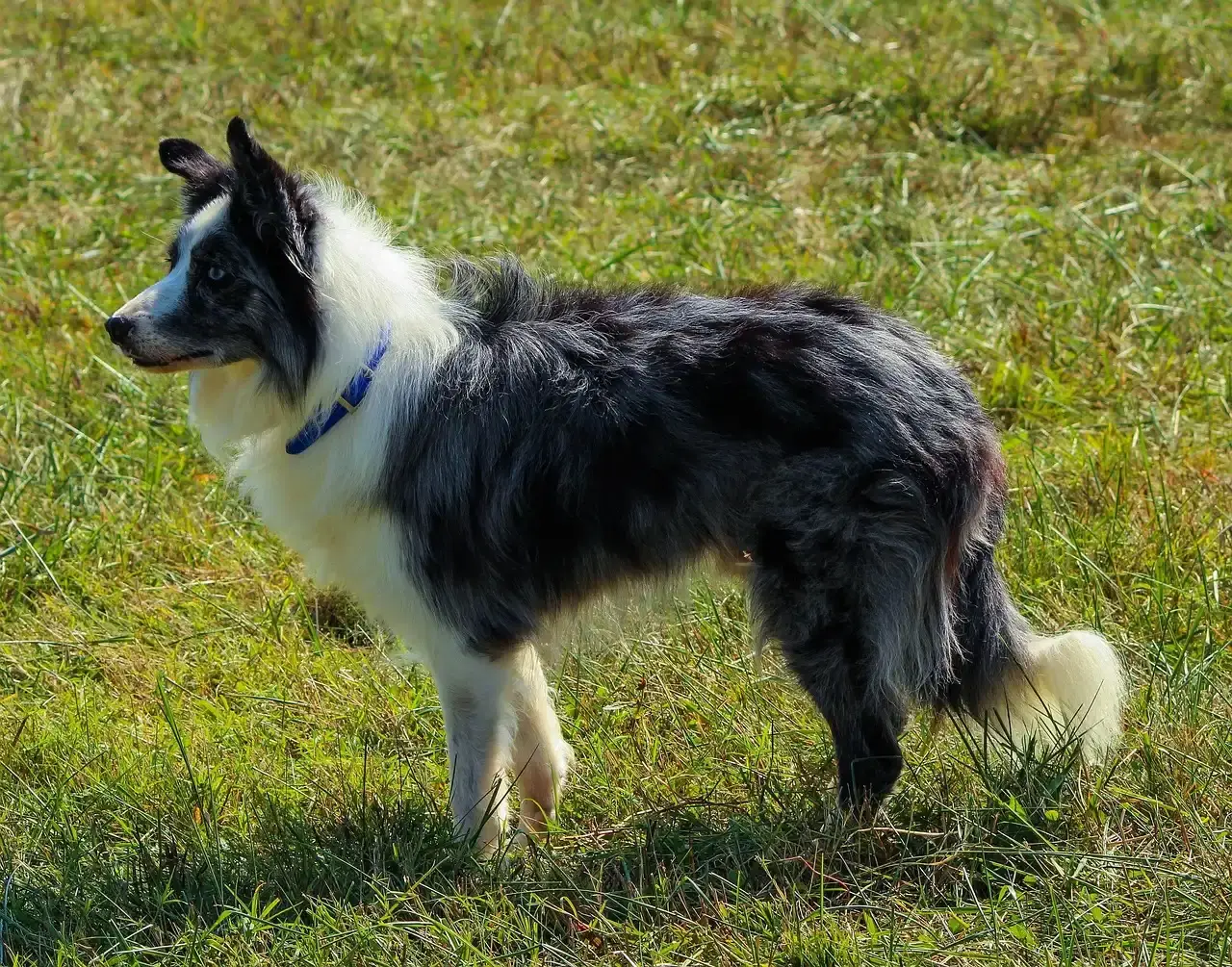
Border Collies don’t just like lots of exercise and plenty of things to occupy their smart, busy brains, they need it. These dogs are legendary for their intelligence and work ethic. They were developed to herd sheep for hours across vast landscapes, making split-second decisions without human guidance.
When you bring that intensity into a typical household, problems emerge quickly. Border Collies are built for long hours of work, and they can become destructive or hyperactive when confined without enough outlets. We’re talking about a dog that might try herding your kids, your cats, or even the vacuum cleaner.
Honestly, if you work long hours and can’t dedicate significant time to training, agility courses, or rigorous daily exercise, this breed will overwhelm you. They’re brilliant, yes, but that intelligence becomes a liability when boredom sets in. That big brain requires a whole lot of stimulation, and their switched-on temperament can become destructive, hyperactive, or even aggressive if you don’t keep them busy.
Belgian Malinois: The Intense Protector
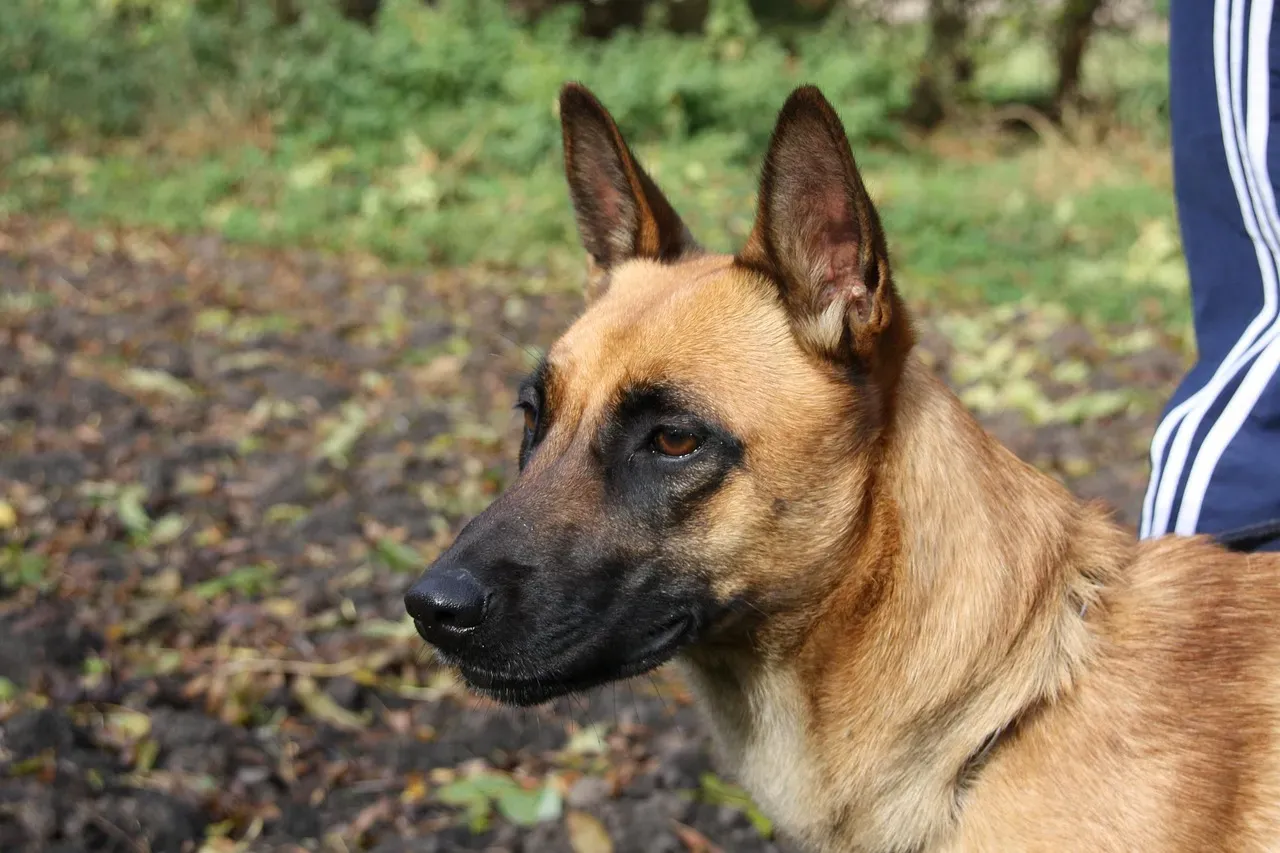
The Belgian Malinois is incredibly intelligent and driven, but without daily training and challenges, it can quickly become frustrated and even aggressive. These dogs aren’t just pets; they’re athletes with a purpose. Law enforcement and military units favor them because of their unwavering focus and protective instincts.
But here’s the thing: that same intensity doesn’t translate well to a casual home environment. They should be well-trained and socialized from a young age and require extensive exercise on a daily basis. If you skip a day or cut corners on training, you’ll notice behavioral issues creeping in fast.
I know it sounds crazy, but some owners are drawn to the Malinois because they look impressive. Then reality hits. These dogs need jobs to do, tasks that challenge both their bodies and minds. Without that structure, frustration builds, and an anxious or aggressive Malinois is a serious problem for any household.
Australian Shepherd: The Energizer Bunny With a Herding Complex
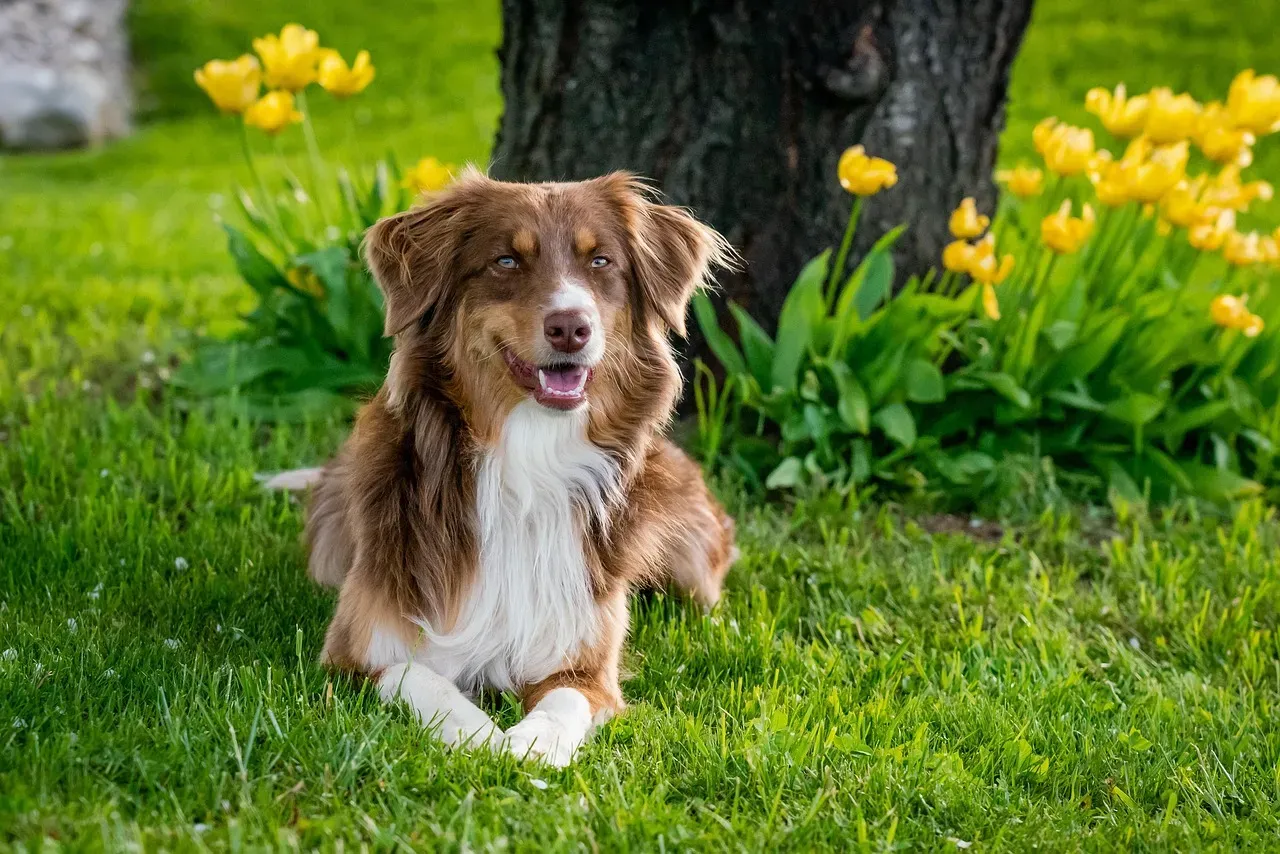
Australian Shepherds are highly intelligent and energetic dogs that need plenty of physical and mental exercise to prevent boredom and destructive behaviors. They’re stunning to look at with those multicolored coats and piercing eyes, but beauty comes at a price.
These dogs will literally herd anything that moves. Children running in the backyard? Herded. Other pets wandering around? Herded. Extremely smart and energetic can be a dangerous combination, and as working dogs, they are prone to herding children too. Daily exercise is non-negotiable for Aussies.
The commitment extends beyond just physical activity. Mental stimulation matters just as much. Puzzle toys, training sessions, and interactive games all need to be part of the daily routine. Miss a few days, and you’ll come home to chaos. Torn cushions, dug-up gardens, or incessant barking are all signs of an under-stimulated Australian Shepherd trying to entertain itself.
Jack Russell Terrier: Small Dog, Massive Energy

Don’t let their compact size fool you. Jack Russells are working terriers at heart, and their intelligence, prey drive, and hyperactivity demand high levels of engagement and structure to prevent stress-driven behavior. These little guys are basically bundles of pure energy wrapped in fur.
They can run and play for hours, and if you have an active lifestyle, then this pint sized pooch is a pawfect companion. But if you don’t have that active lifestyle? Prepare for trouble. Jack Russells get into everything. They dig, they bark, they chase anything that moves. Their prey drive is so strong that squirrels, birds, and even passing cars become irresistible targets.
Training helps, but it’s not a magic fix. These dogs need consistent outlets for their energy and instincts. Without daily vigorous play or structured activities, they’ll create their own entertainment, and trust me, you won’t like their choices.
Dalmatian: The Spotted Tornado
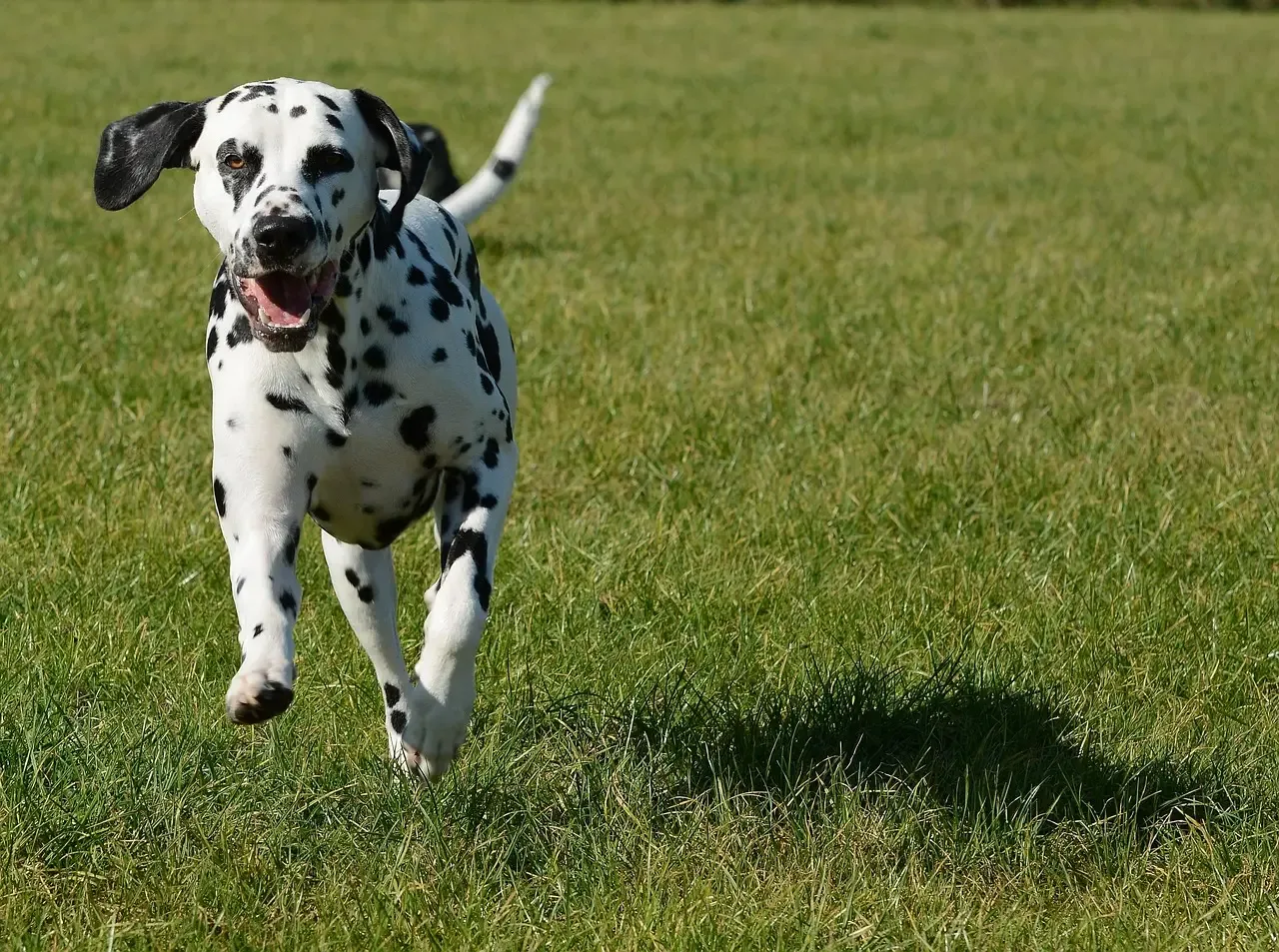
Dalmatians can be aggressive and a bit stubborn, requiring constant training to help them mind their manners. Their iconic spots make them instantly recognizable, but that charm fades quickly when behavioral issues arise. These dogs were originally bred to run alongside carriages for miles, so stamina is baked into their DNA.
Dalmatians are high energy and need a healthy dose of daily exercise, and if they get restless, these doggos look to destructive behaviors to relieve their boredom. We’re talking about a dog that can jog for miles and still have energy to spare.
Here’s the tough part: training a Dalmatian requires patience and consistency. They’re intelligent but independent, which means they’ll test boundaries constantly. For busy owners who can’t commit to daily long runs and structured training sessions, this breed becomes a source of stress rather than joy.
Vizsla: The Velcro Dog With Endless Energy

Vizslas are high-energy dogs that not only need vigorous physical activity, but also thrive on mental stimulation, and they’re attention-seekers that like to stick close to their owner at all times. They’ve earned the nickname “Velcro dog” because they literally want to be attached to you every single moment.
That level of attachment creates problems for busy owners. Many first-time Vizsla owners would attest that this is not an easy breed to own, as they have extremely sensitive natures and need time, care, and an enriched life with plenty of opportunities to roam the outdoors. If you work long hours or travel frequently, a Vizsla will struggle emotionally.
Beyond the attachment issues, these dogs need serious exercise. A quick walk around the block won’t cut it. They want to run, swim, hike, and explore. When those needs go unmet, destructive tendencies emerge. Plus, their sensitive nature means harsh training methods backfire spectacularly, requiring an experienced and patient approach that busy people often can’t provide.
German Shorthaired Pointer: The Frustrated Hunter

German Shorthaired Pointers require a lot of exercise and stimulation or they can get bored and frustrated, which leads to whining and destructive tendencies. These dogs were designed to hunt all day, covering vast distances in search of game. That drive doesn’t disappear just because they’re living in a suburban home.
Their energy levels are relentless. This is a fairly large, independent, and strong-willed breed that needs a firm and experienced hand training. Without consistent leadership and daily vigorous exercise, they become difficult to manage.
The whining is particularly challenging for busy owners. When a German Shorthaired Pointer feels understimulated or anxious, they vocalize their displeasure loudly and persistently. Neighbors won’t appreciate it, and neither will your stress levels. These dogs need owners who genuinely love outdoor activities and can dedicate substantial time to keeping them engaged.
Weimaraner: The Gray Ghost That Haunts Your Schedule
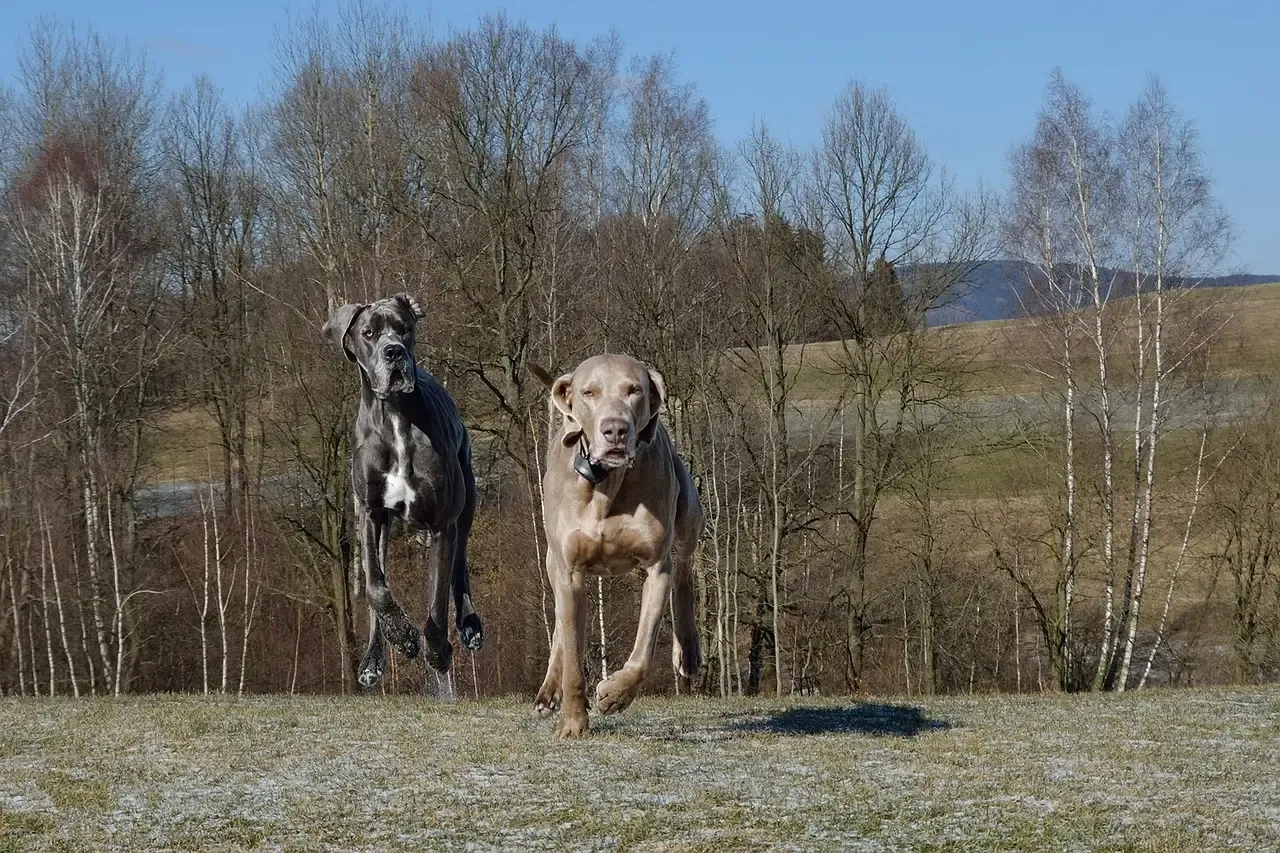
The Weimaraner’s super sleek coat saves grooming time, but that time will be amply spent exercising them, as they need not just to walk but run a long way and are intelligent quick learners that need to be kept busy and stimulated to avoid bad behaviors like chewing and digging. These elegant silver-coated dogs look like they stepped out of a fashion magazine, but their beauty masks serious exercise requirements.
Weimaraners were bred to hunt large game, which required endurance, speed, and problem-solving skills. Those traits persist today. They’re not content with leisurely strolls; they want to sprint, explore, and work. Mental stimulation is equally critical because their intelligence means they get bored easily.
When Weimaraners don’t get adequate exercise and mental challenges, they become anxious and destructive. Separation anxiety is common in this breed, leading to behaviors like excessive barking, destructive chewing, and even self-harm attempts. For someone juggling work, family, and other responsibilities, managing a Weimaraner’s needs becomes a full-time job in itself.
Basset Hound: The Laid-Back Lounger
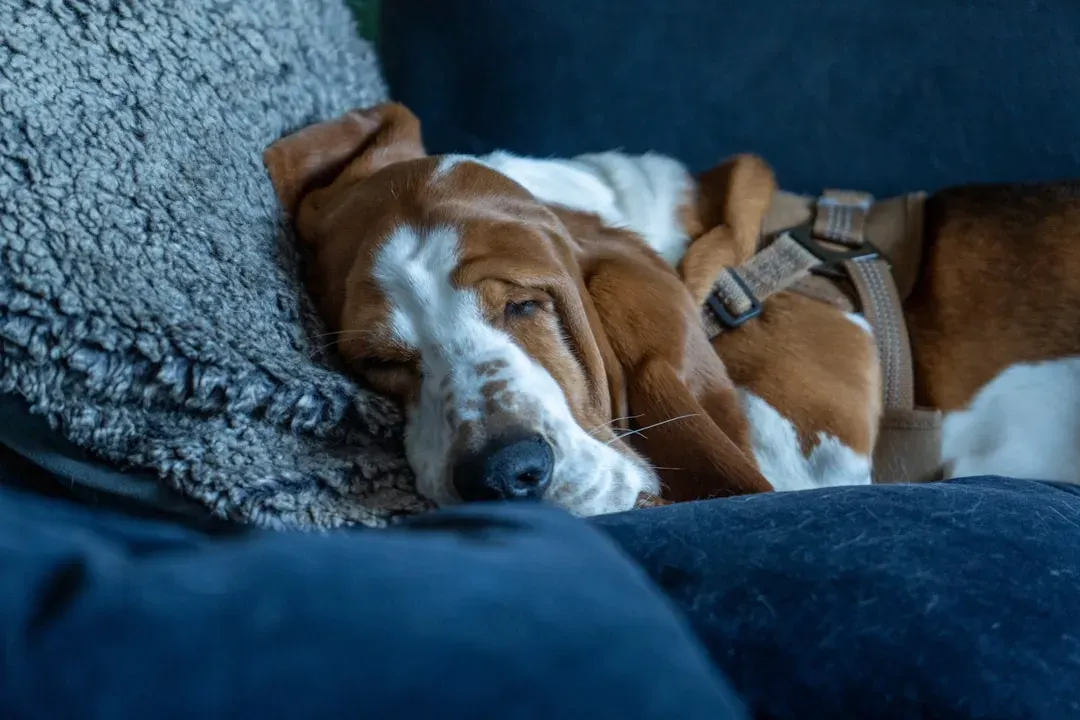
Now let’s shift gears entirely. Basset Hounds are calm and easygoing, making them excellent companions, and their short coat requires minimal grooming while they’re generally content with short walks. These droopy-eared, soulful-eyed dogs are basically the opposite of the breeds we just discussed.
Basset hounds are happy with one long daily walk followed by an even longer nap at home, and they’re pretty low-energy and slow-moving pups. Their exercise requirements are modest, making them perfect for people with busy schedules who still want canine companionship.
The only maintenance they require is regular ear cleaning because those long, floppy ears can trap moisture and debris. Otherwise, Bassets are content to lounge around the house, waiting patiently for your return. They’re gentle with kids, tolerant of other pets, and generally easygoing in temperament. Honestly, they’re ideal for anyone who wants a dog without the intense demands of high-energy breeds.
French Bulldog: The Charming Couch Potato

The French Bulldog ranked first in the American Kennel Club’s most popular dog breeds of 2023, and they’re not only ridiculously cute, but also smart, adaptable, and playful. These compact, bat-eared dogs have conquered hearts worldwide, and for good reason.
French bulldogs are incredibly easy-to-care-for dogs who are chill but love to play, have a funny sense of humor, and pick up training cues quickly, then after a romp around the backyard, they’ll spend most of the day snoring in their dog bed. They’re perfect for apartment living and don’t demand marathon exercise sessions.
Their grooming needs are minimal thanks to that short, smooth coat. Just keep an eye on their facial folds, which need regular cleaning to prevent infections. The main consideration with Frenchies is their sensitivity to heat due to their flat faces, so avoid excessive outdoor time during hot weather. Beyond that, they’re wonderfully low-maintenance companions who fit seamlessly into busy lifestyles.
Greyhound: The Surprising Sprinter-Turned-Sloth
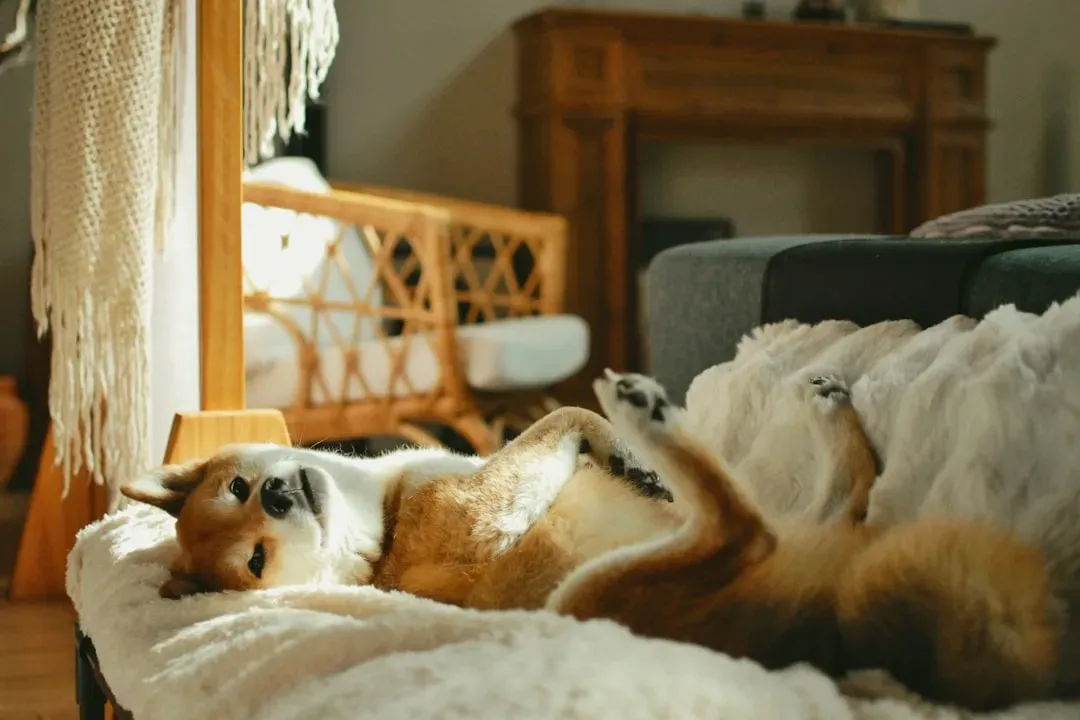
This might surprise you, but greyhounds are the fastest dogs in the world yet they’re actually the total opposite with a well-earned reputation for being couch potatoes, as they’re sprinters who aren’t interested in marathon training and will be happy with a fenced-in yard to zoom around in plus a walk or two a day. They’re the ultimate contradiction: built for speed but perfectly content lounging for hours.
Their calm indoor demeanor makes them ideal for busy owners. Greyhounds don’t demand constant attention or stimulation. They’re quiet, gentle, and surprisingly adaptable to apartment living despite their size. Grooming is simple because their short coat sheds minimally.
Retired racing Greyhounds, in particular, make wonderful pets. They’re already accustomed to crate training and kennel routines, which often translates to polite house manners. Just give them a couple of short bursts of activity daily and a comfortable place to nap, and they’re genuinely happy.
Chihuahua: The Tiny Package With Minimal Demands

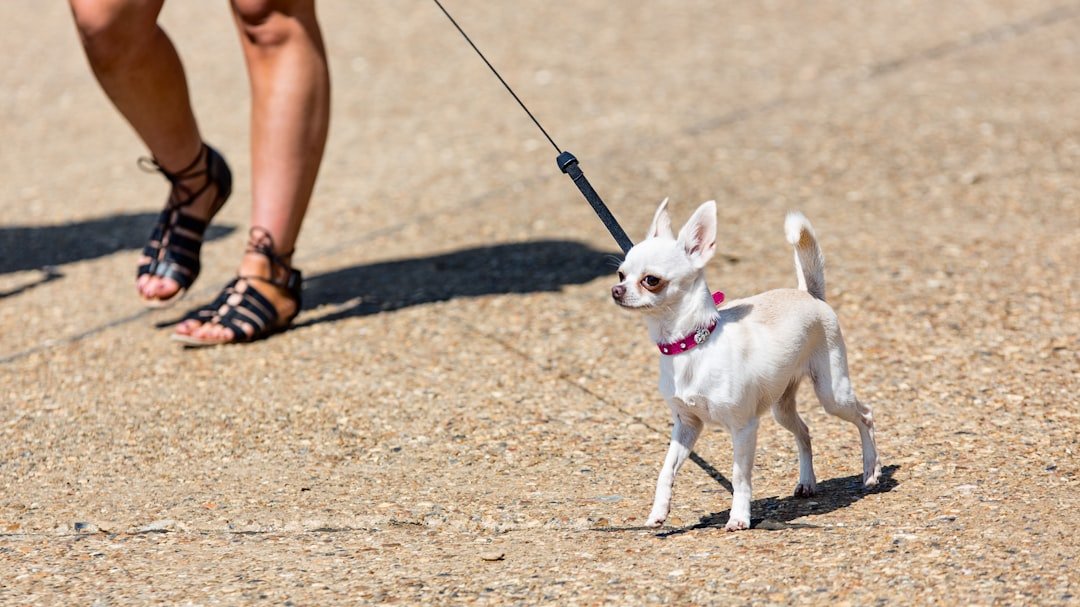
Chihuahuas are a low-maintenance small dog, and though they come in two coat types – long and short – neither shed very much, and they don’t require much grooming over a quick weekly brush. Their petite size makes them incredibly portable and adaptable to various living situations.
Chihuahuas are confident, alert, and loving dogs with minimal grooming needs and low exercise requirements, making them ideal for people with tight schedules or small living spaces, and their small size makes traveling with them convenient. They’re content with indoor play and short walks, perfect for busy professionals.
Chihuahuas do have big personalities, though. They’re loyal, sometimes stubborn, and can be protective of their owners. Proper socialization helps prevent excessive barking or wariness around strangers. Overall, though, they’re wonderfully manageable dogs that don’t require the intense time commitments of larger, high-energy breeds. They fit easily into busy lifestyles while still providing genuine companionship.
Understanding Stress Signals in Your Dog

Recognizing when your dog is stressed is crucial, especially for busy owners who might miss subtle cues. Video cameras mounted in homes can reveal subtle signs of stress and anxiety like pacing, panting, mouth licking, body shaking, and stereotyped behavior. These behaviors often appear when dogs are left alone and feeling anxious.
Dogs might start to pace, pant and whine when they notice their guardian applying makeup, putting on shoes and a coat, and then picking up a bag or car keys. These predeparture cues trigger anxiety in some dogs, signaling that separation is imminent.
For dogs experiencing separation issues, they may be restless, shake, shiver, salivate, refuse to eat, or become quiet and withdrawn during departures or separations. Understanding these signs helps you address problems before they escalate. If you notice persistent stress behaviors, consider consulting with a veterinarian or certified dog trainer who can develop strategies tailored to your dog’s specific needs. Sometimes medication combined with behavior modification can significantly reduce anxiety and improve quality of life for both you and your pup.
Making It Work: Tips for Busy Dog Owners

Even if you have a demanding schedule, you can still be a great dog parent with the right strategies. Give your dog at least 30 minutes of aerobic activity every day, and try to exercise your dog right before you have to leave, as this might help them relax and rest while you’re gone. Timing matters significantly in managing your dog’s energy levels.
Providing lots of physical and mental stimulation is vital for treating many behavior problems, and a physically and mentally tired dog doesn’t have much excess energy to expend when left alone. Puzzle toys, food-dispensing toys, and interactive games can keep dogs occupied during your absence.
Establishing routines also helps tremendously. Dogs thrive on predictability, so consistent feeding times, walks, and play sessions create stability. Long times alone or experiencing long times with the owner without being left alone are factors associated with canine separation-related problems, so owners should aim for moderation in the length of absences. If your work schedule demands long hours, consider hiring a dog walker or enrolling your pup in doggy daycare a few times per week to break up their alone time.
Conclusion
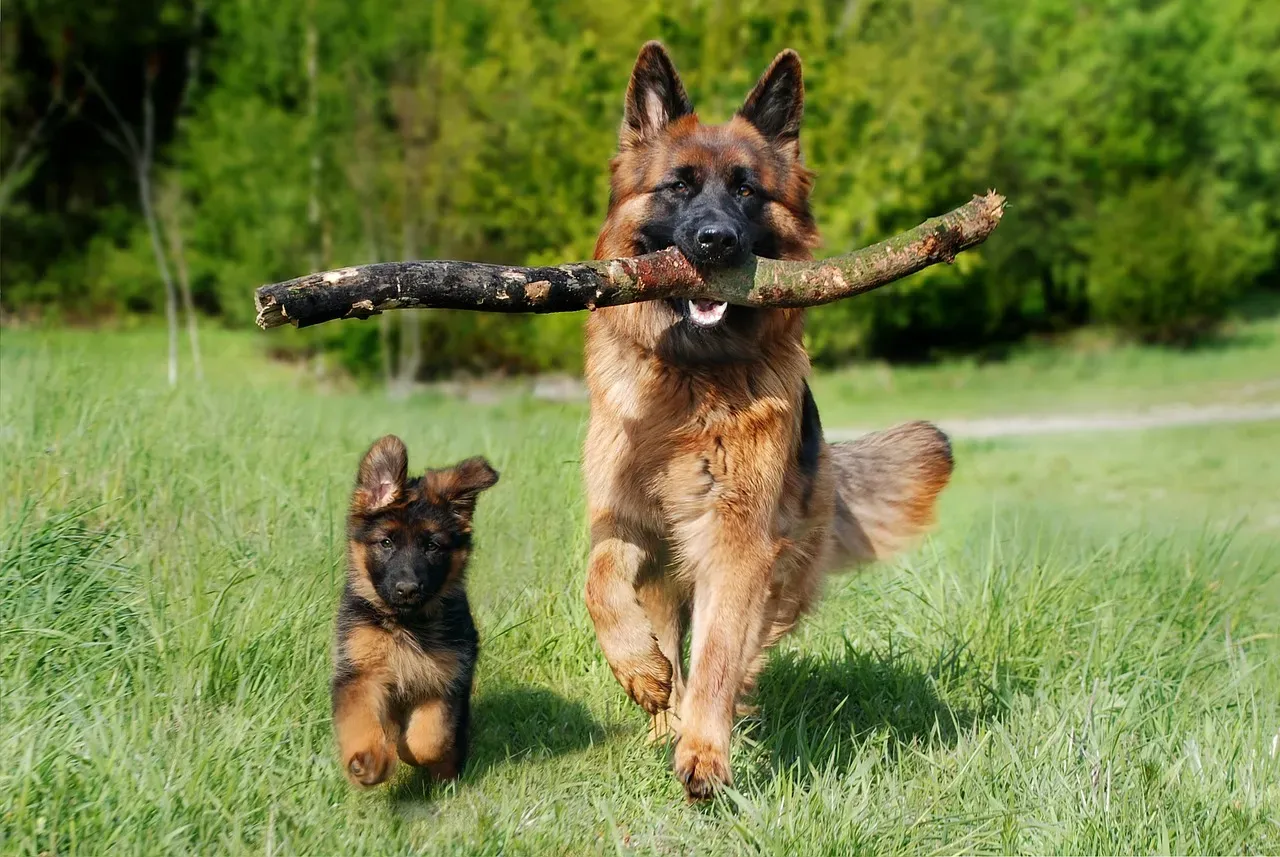
Choosing the right dog for your lifestyle isn’t about finding a “bad” or “good” breed. It’s about honest self-assessment and matching a dog’s needs with what you can realistically provide. High-energy, intelligent breeds like Border Collies, Belgian Malinois, and Vizslas are absolutely magnificent dogs, but they require significant time, training, and exercise commitments that busy owners often struggle to meet consistently.
On the flip side, breeds like Basset Hounds, French Bulldogs, Greyhounds, and Chihuahuas offer genuine companionship without overwhelming demands. They adapt beautifully to apartment living, tolerate shorter exercise routines, and generally maintain calmer temperaments. These dogs let you enjoy the incredible bond between human and canine without adding stress to your already packed schedule.
The most important thing? Be honest with yourself about your availability and energy levels. Your dog deserves an environment where their needs are met, and you deserve a relationship that brings joy rather than guilt or frustration. When the match is right, even the busiest person can experience the profound rewards of dog ownership. What matters most to you in a canine companion? Think about it carefully before bringing home that adorable face staring at you from the shelter.


