

Your dog knows when dinner is late. They sense when the morning walk is skipped. These seemingly small shifts can trigger waves of stress that leave pawprints across your home in the form of chewed shoes, accidents, or relentless pacing.
Dogs thrive on consistency. Their internal clocks are tuned to the rhythm of your life, from the jingle of keys at departure time to the sound of your car pulling into the driveway. When those rhythms shift without warning, many dogs don’t just notice. They panic. Some breeds feel this disruption more intensely than others, their sensitive natures making them especially vulnerable when schedules change. Let’s explore which dogs struggle most with routine changes and which ones handle life’s curveballs with grace.
German Shepherd: The Anxious Protector
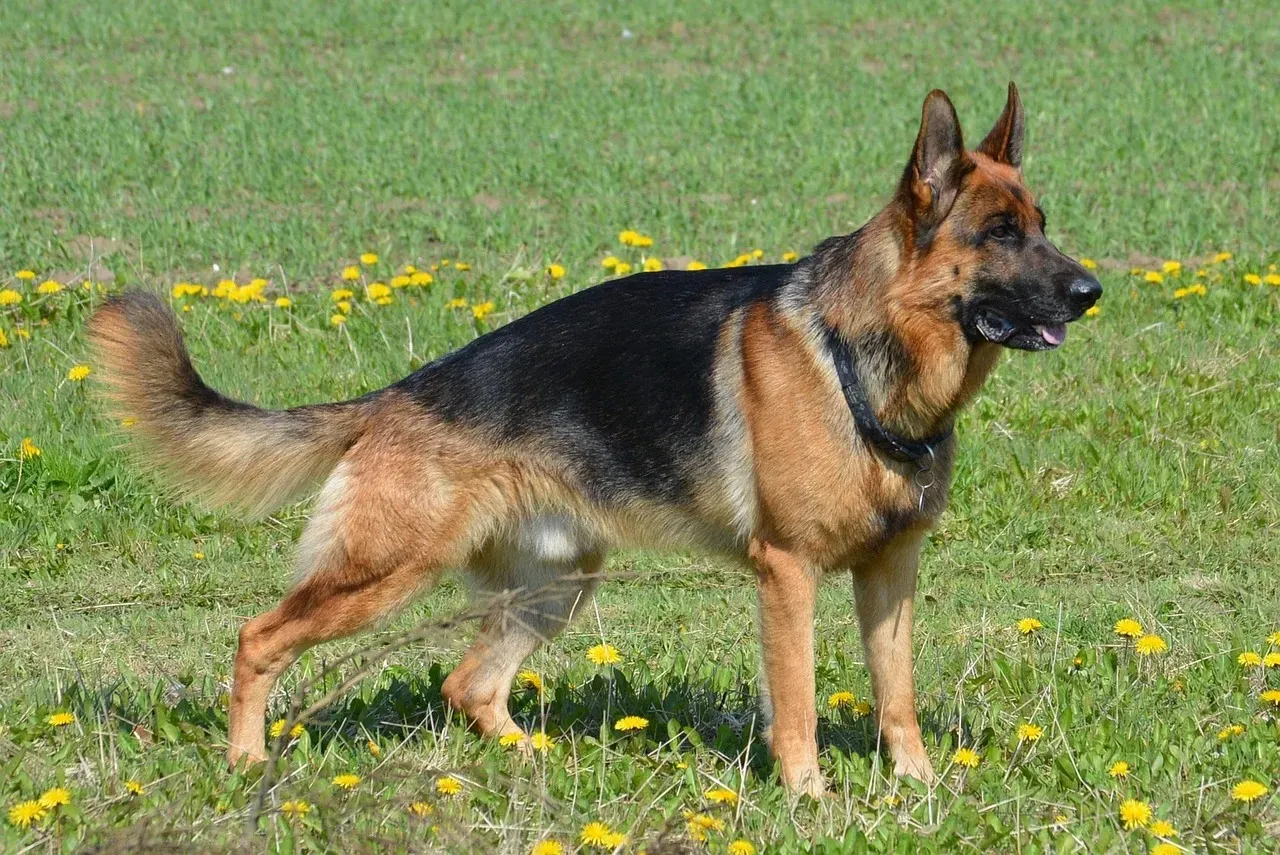
German Shepherds form intense emotional bonds with their humans, often shadowing them from room to room, and this closeness makes them particularly sensitive to time spent alone. These intelligent guardians pick up on the smallest departure cues. When you grab your keys or put on your shoes, they’re already anticipating your absence, and the anxiety begins before you’ve even stepped out the door.
These dogs thrive on routine and stimulation, and abrupt changes or long absences can throw them into anxious behaviors, while sudden loud noises, tense environments, or unpredictable schedules can overwhelm them. Left alone too long or facing sudden schedule disruptions, they may turn to destructive behaviors or excessive barking. Their deep attachment to predictability is both their strength and their weakness.
Border Collie: The Overwhelmed Genius
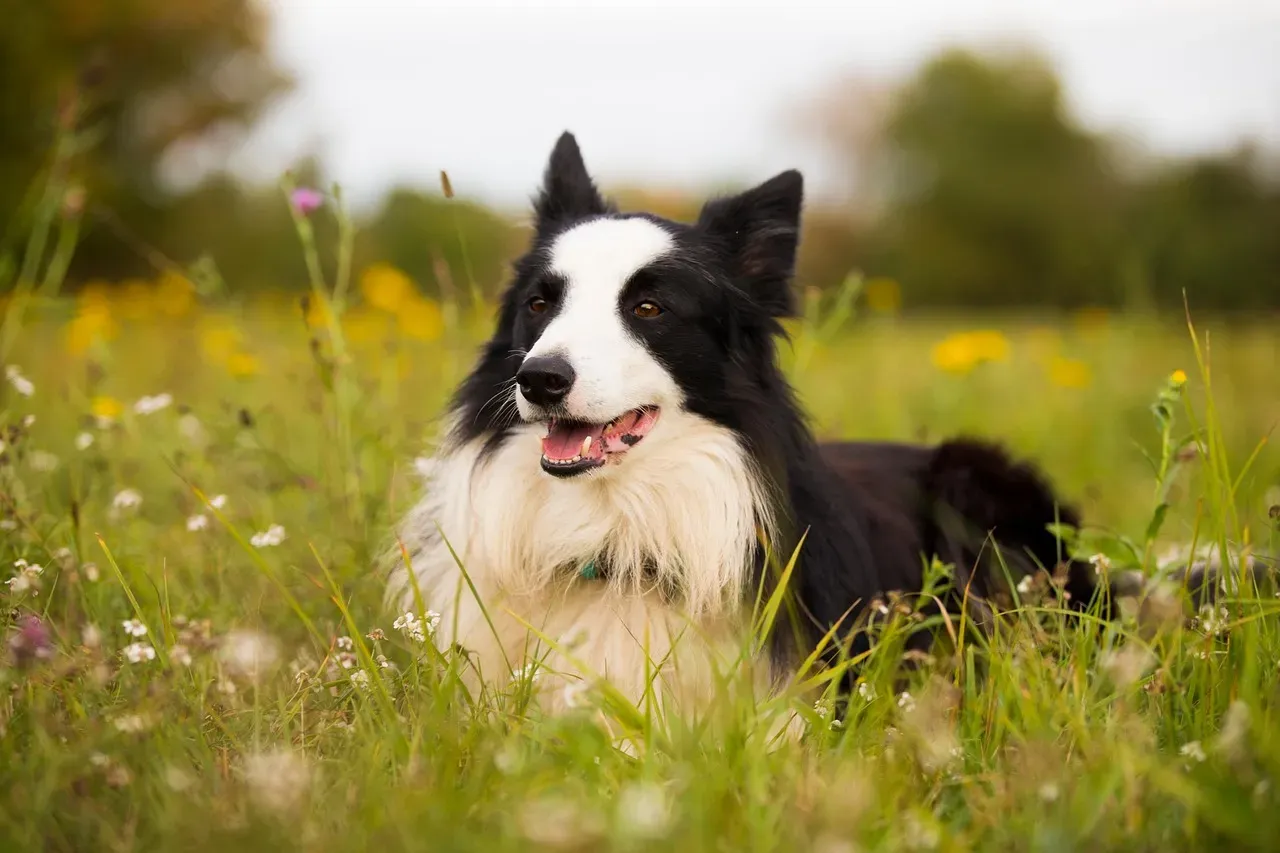
Here’s the thing about Border Collies: their brilliance is both gift and curse. If they are not given enough to do, Border Collies can become bored and anxious, and their intelligence makes them highly sensitive to their environment, with any disruption in their routine leading to stress. These herding dogs were bred for jobs requiring intense focus and constant engagement with their handlers.
Think about it. A dog wired to anticipate every movement, every signal, suddenly finds those signals scrambled. Collies are natural born working dogs, and as livestock herders, they are very attuned to their surroundings, exhibiting stress-related responses to sounds and visual cues, while also thriving on structure and working alongside their humans. Without their expected routines, that extraordinary intelligence turns inward, manifesting as pacing, whining, or compulsive behaviors.
Cocker Spaniel: The Sensitive Soul
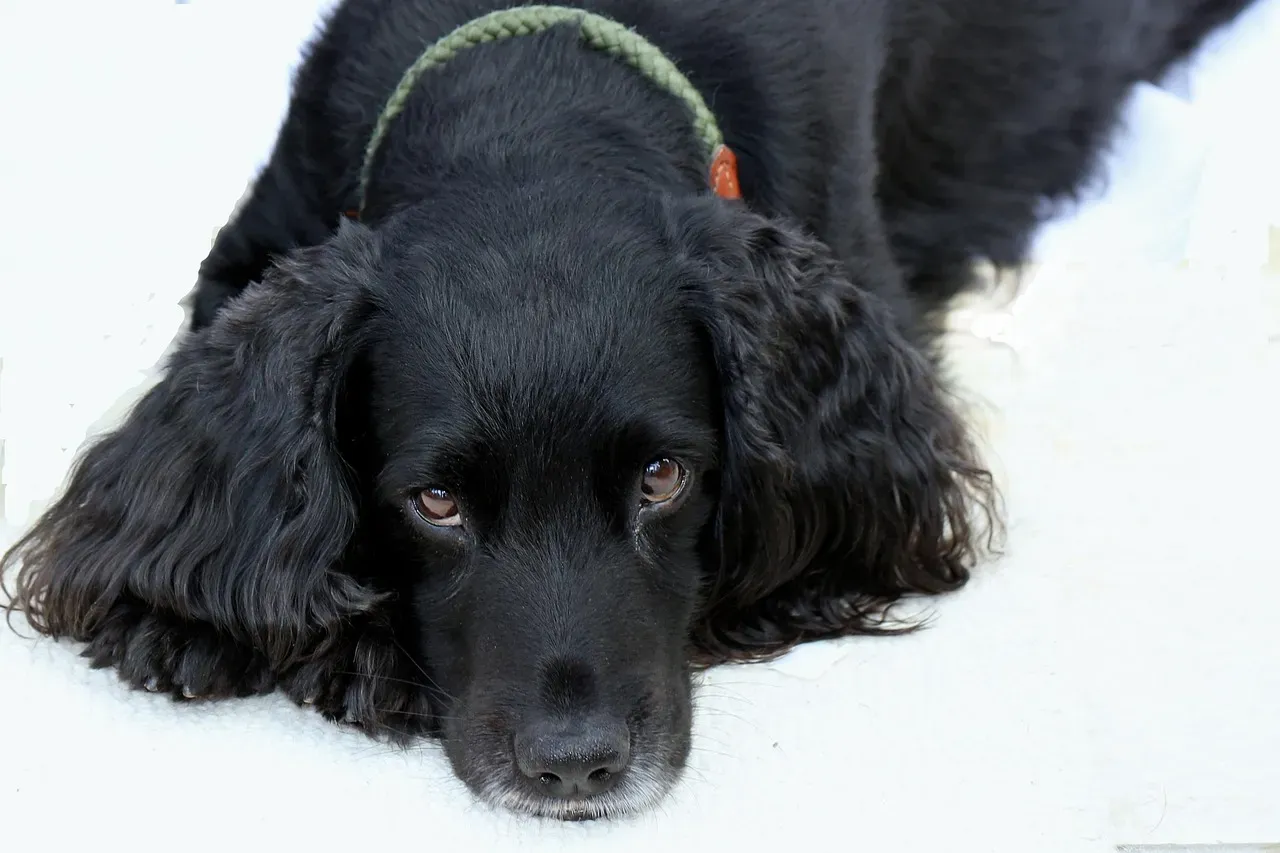
Those soulful eyes aren’t just for show. Cocker Spaniels are known for their sensitive and affectionate nature, and this sensitivity makes them highly attuned to their surroundings and more reactive to changes in their environment, with even minor disruptions causing significant stress. They’re emotional barometers, picking up on household tension and schedule shifts with remarkable accuracy.
I’ve seen Cockers literally tremble when their feeding time gets pushed back by just thirty minutes. Cocker Spaniels are sensitive companion dogs known for forming strong emotional attachments, and while affectionate and sweet, they’re among the most anxious dogs, especially in noisy or unstable homes, with anxiety stemming from a lack of consistency. Their need for predictability runs deep, making them vulnerable when life becomes chaotic.
Toy Poodle: The Clingy Companion
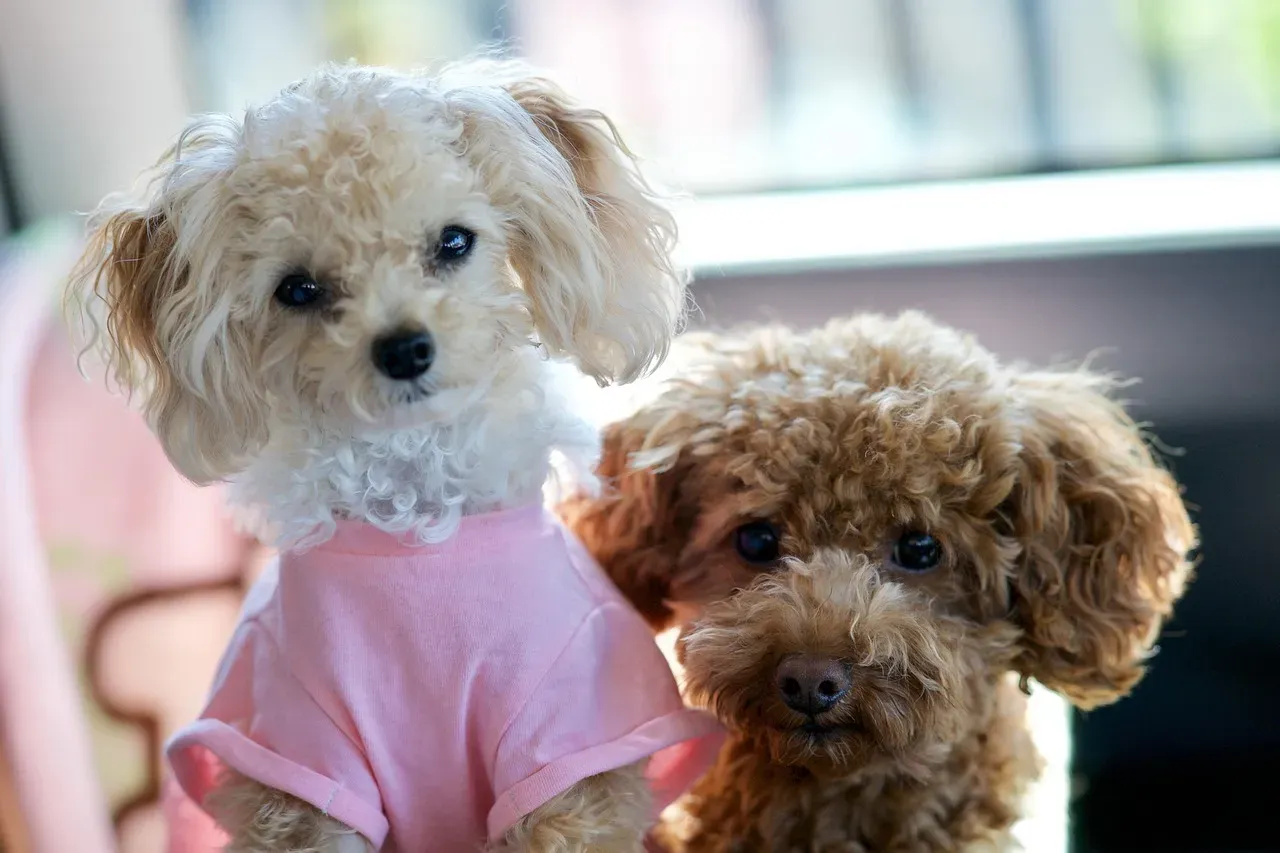
Toy Poodles are known for their sensitivity, and changes in their environment or routine can easily cause them anxiety, particularly prone to separation anxiety and becoming distressed when owners leave, while thriving on routine and predictability. Despite their intelligence and charm, these little dogs struggle mightily when their world becomes unpredictable.
Their attachment to routine borders on obsessive. Late breakfast? They’ll remind you with persistent whining. Different walking route? Expect hesitation and stress signals. Certain breeds are known as velcro dogs, as they can’t stay away from their owners for very long at all, bred to be around people all the time, making sudden alone time incredibly stressful, with velcro dog breeds including Poodles. This intensity of attachment makes schedule disruptions feel catastrophic to them.
Miniature Schnauzer: The Hypervigilant Watchdog
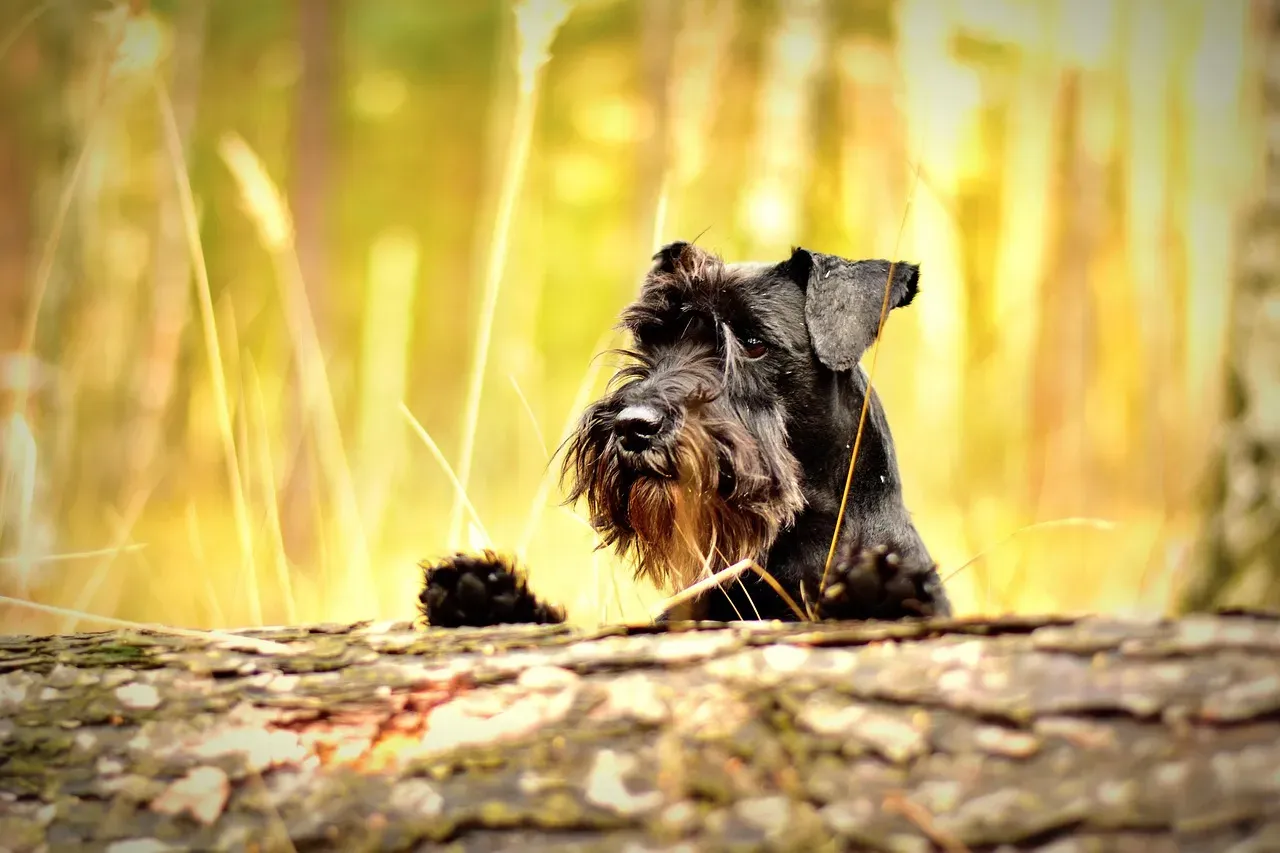
Schnauzers have a natural protective instinct and are very watchful, and their watchdog tendencies mean they are quick to react to perceived threats, which can lead to hypervigilance and anxiety, with this breed experiencing stress if they’re in unfamiliar situations or if their environment or routine changes. That constant alertness exhausts them when routines shift.
Honestly, living with a Miniature Schnauzer during schedule changes is like having a tiny, anxious security guard who’s convinced the world is ending. Miniature Schnauzers are clever and confident, yet known to be a high-anxiety dog breed, and their alertness can lead to anxiety disorders, especially in overstimulating environments, with these working dogs needing structure and calm. New schedules amplify their already heightened state of awareness, turning them into bundles of nervous energy.
Bichon Frise: The Routine-Dependent Charmer
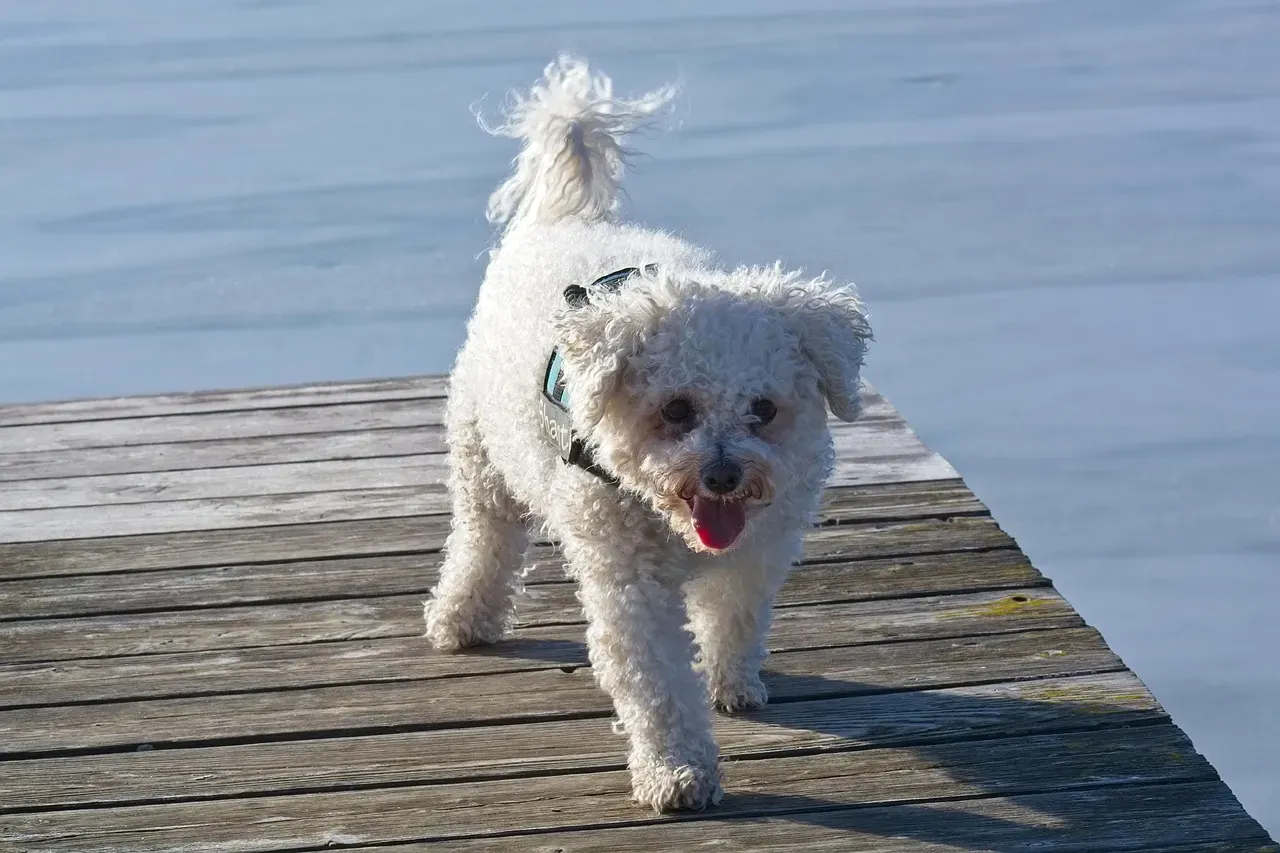
Though small and sweet, Bichons are among the most anxious dogs when routines shift or mental stimulation is lacking, and their clingy nature, combined with noise sensitivity and high reactivity, means they may exhibit behaviors like barking or pacing during stressful moments, helped by a calm environment, consistent schedule, and frequent human interaction. These fluffy companions need predictability to feel secure.
What surprises many owners is just how fragile their emotional equilibrium can be. Miss a regular playtime session and you might return home to a very vocal, very stressed Bichon. They mask their anxiety behind cheerful personalities, but schedule changes reveal their vulnerability. Their need for consistency isn’t optional – it’s fundamental to their wellbeing.
Labrador Retriever: The Sensitive Pleaser

Wait, Labs? Known for being easygoing? Yes, and here’s why they make this list. This breed thrives on consistency, so disruptions or changes to their regular schedule or their environment can trigger anxiety and distress. Their eagerness to please and deep attachment to family routines makes them surprisingly sensitive when those routines disappear.
Labrador Retrievers are deeply affectionate and naturally bonded to their humans, bred to work closely with people, often becoming distressed when left alone for long, with this emotional dependency leading to behaviors like barking, chewing, drooling, or pacing, worsened by shelter adoption, sudden schedule shifts, or loss of a companion. Their apparent confidence belies an emotional dependence that crumbles when predictability vanishes.
Jack Russell Terrier: The Energy-Driven Worrier
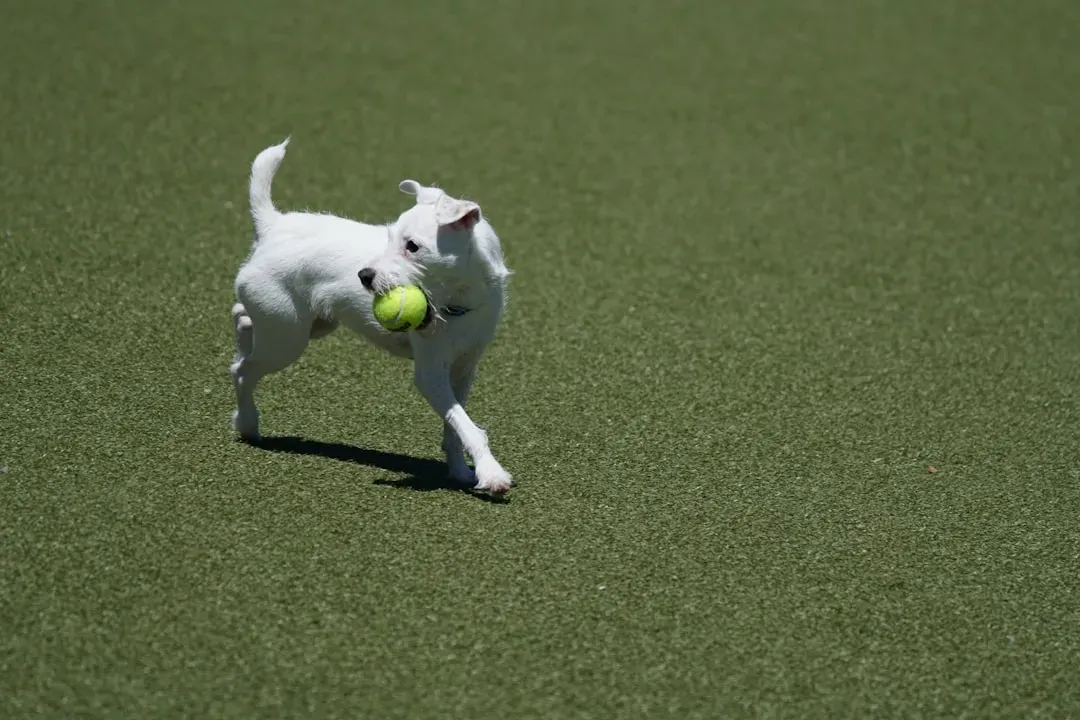
Jack Russell Terriers are bursting with energy and emotional complexity, highly intelligent and independent, and can be prone to canine anxiety when their minds and bodies aren’t kept busy, exhibiting destructive behaviors or loud, repetitive barking when left alone or under-stimulated, and experiencing anxiety in chaotic environments. Their high-octane personalities need outlets, and routine provides that structure.
Jack Russell Terriers were traditionally bred to work closely with humans and consequently love being with their people, and they are also very active and sensitive to their surroundings. When schedules change, that energy has nowhere to go, spiraling into anxiety-driven chaos. They’re like little stress tornadoes waiting for routine to anchor them.
Golden Retriever: The Flexible Friend

Now, let’s shift gears to the dogs that handle change beautifully. Golden Retrievers have never met a situation they couldn’t handle with a wag and a smile, and their good-natured personalities, eagerness to please, and social nature make them incredibly flexible dogs. Their temperament is remarkably forgiving when life throws curveballs.
Golden Retrievers are cherished for their gentle, friendly nature and spirited personality, intelligent and eager to please, forming meaningful connections with families, children, and other pets, thriving in active, adventurous households yet equally content relaxing indoors, with their adaptable temperament bringing joy to a variety of lifestyles. Whether you’re moving homes, changing work schedules, or welcoming a new baby, Goldens adjust with grace and patience.
Cavalier King Charles Spaniel: The Portable Companion

Cavalier King Charles Spaniels are like tiny emotional support marshmallows, adaptable to just about any living situation, great with kids, tolerant of strangers, with their mellow temperament making them excellent travel companions, thriving on companionship but not demanding constant stimulation. Their flexibility is genuinely remarkable.
Known to be calm, affectionate, and good with other dogs and cats, this regal breed is highly adaptable, able to adjust to any living space and situation, and they’re a very popular choice for therapy dogs. Schedule changes barely register on their emotional radar, making them ideal for families with unpredictable routines.
Labrador Retriever: The Easygoing Athlete (Yes, They’re on Both Lists!)

Here’s where it gets interesting. Labs appear twice because individual temperament varies wildly. Labrador Retrievers are the definition of go with the flow, making themselves at home with a wagging tail and an easy smile whether in a studio apartment or sprawling farmhouse, famously friendly, adaptable, and ideal for both busy households and quiet ones. Many Labs handle routine changes beautifully.
Labrador Retrievers are not only friendly and outgoing but exceptionally adaptable, thriving in various environments whether living in a suburban backyard or an apartment, known for their even temperament and sociable nature. The difference lies in early socialization, breeding lines, and individual personality. A well-adjusted Lab can transition between lifestyles with enviable ease.
Pug: The Go-Anywhere Buddy

The pug has a proven track record of being a calm, well adjusted and easygoing family pup, needs minimal exercise, loves kids, quickly turns strangers into friends and thrives in a variety of environments, from small apartments to larger properties. Their adaptability makes them perfect for families who can’t guarantee rigid routines.
These compact companions roll with schedule changes like seasoned travelers. New apartment? Fine. Different work hours? No problem. Pugs are known for their playful yet easygoing nature, and while they may not be the calmest dog breed overall, they make affectionate and charming companions who enjoy many long hours napping, rarely hyperactive and preferring companionship over vigorous playtime. Their laid-back approach to life is genuinely refreshing.
Conclusion

Since dogs rely on a routine for security and stability, sudden changes can lead to symptoms like whining, pacing, loss of appetite, or destructive behavior, and understanding that these reactions stem from stress – not disobedience – can help you provide the support your dog needs. Whether you have a routine-dependent German Shepherd or a flexible Golden Retriever, recognizing your dog’s temperament is the first step toward helping them navigate change.
The good news? Even sensitive breeds can learn to handle disruptions with patience, gradual transitions, and plenty of reassurance. Introduce changes gradually, and if your schedule will shift significantly, begin adjusting wake-up, walk, and meal times a week or two in advance. Your dog doesn’t need a perfect schedule – just a predictable one, and your understanding when that predictability wavers.
What about your dog? Are they a creature of habit, or do they roll with whatever comes their way? Understanding their needs makes all the difference in keeping them happy and secure.


