
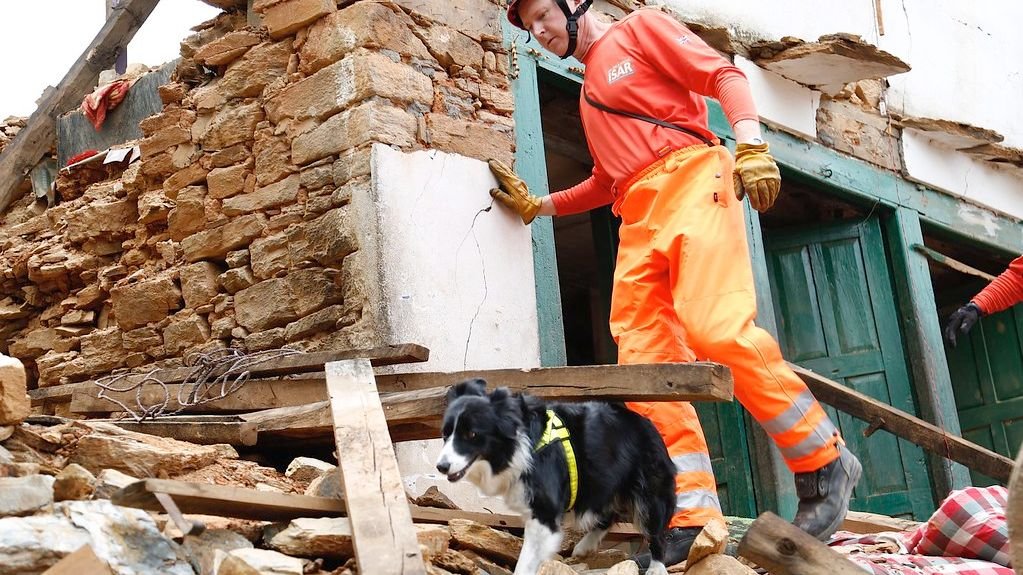
You’ve probably heard the stories. The ones where someone adopts a dog with a checkered past, only to discover challenging behaviors that test every ounce of their patience. Maybe the dog lunges at strangers on walks, cowers when you reach down to pet them, or barks at every sound like the world is ending. These are the dogs that many people walk past at the shelter, the ones with warning notes on their kennel cards.
Yet here’s what most people don’t realize. Behind those so-called problem behaviors often lies a dog who’s simply terrified, confused, or desperately trying to communicate in the only way they know how. These aren’t broken dogs. They’re dogs who’ve been failed by circumstances, not by nature. What if I told you that rescuing one of these misunderstood pups could become one of the most rewarding experiences of your life? Let’s explore why giving a second chance to a problem dog might just change both of your worlds forever.
Understanding What ‘Problem’ Really Means
The term problem dog gets thrown around quite a bit, doesn’t it? In reality, what we label as problems are often just normal canine responses to abnormal situations. Aggression is one of the main reasons that dogs are surrendered or euthanized, yet true aggression and fear-based reactivity are vastly different things.
A reactive dog is usually a fearful dog, with causes more likely due to a lack of socialization, prior bad experiences or a lack of training. When a dog barks frantically at other dogs on walks, they’re not being deliberately difficult. They’re expressing fear or frustration in the only language they have. Think of it like someone who’s never learned how to swim being thrown into deep water – panic becomes the default response.
Rescue dogs were significantly more fearful than non-rescue dogs, which makes perfect sense when you consider what many have endured. Neglect, abuse, constant rehoming, or simply living in a chaotic shelter environment can all contribute to behaviors that seem problematic on the surface.
I’ve seen dogs labeled as aggressive who were actually just protecting themselves from what they perceived as threats. Once given time, space, and consistent positive experiences, these same dogs transformed into gentle companions. The problem wasn’t the dog – it was the circumstances and lack of understanding.
The Science Behind Successful Rehabilitation

The graduation rate from behavioral rehabilitation programs was 86%, with graduated dogs spending an average of 96 days in the program, experiencing an average of 78 specific treatment sessions. Those numbers should give you hope. The vast majority of dogs with serious behavioral issues can improve dramatically with proper intervention.
Professional rehabilitation programs use techniques like desensitization and counterconditioning. Desensitization means gradually exposing a dog to whatever triggers their fear response, starting at such a low level that they barely notice it. Counterconditioning pairs that trigger with something wonderful – usually high-value treats or play.
Once offered for adoption, rehabilitated dogs had a 99% adoption rate and a 96% adopter satisfaction rate. Let that sink in for a moment. Dogs who started out terrified of human touch or unable to walk on a leash became beloved family members. The transformation is real and measurable.
What’s fascinating is that despite all the behavior challenges, 93.7% of owners rated their rescue dog’s overall behavior as excellent or good six months after adoption. The bond you build while helping a troubled dog overcome their fears creates something incredibly special. You’re not just a pet owner – you become their trusted guide through a scary world.
Building Trust: The Foundation of Everything
Trust doesn’t happen overnight, especially with a dog who’s learned that humans can hurt them. The first few weeks require patience that you didn’t know you possessed. Your new dog might hide under furniture, refuse to make eye contact, or flinch when you move too quickly. These responses break your heart, honestly.
Start by creating a safe space just for them. A quiet corner with a comfortable bed, some toys they can ignore or engage with on their own terms, and the freedom to retreat when overwhelmed. Let them observe family life without pressure to participate immediately.
The rehoming experience, especially through an animal shelter, can cause or exacerbate existing behavior problems, and the shelter experience itself negatively impacts the dog’s adoptability. Your dog needs time to decompress from that stressful environment. They’ve been living in survival mode, and now they need to learn that life can be different.
Small victories matter enormously here. The first time your fearful dog voluntarily approaches you for a treat. The moment they fall asleep in your presence instead of staying alert. When they bring you a toy, even if they don’t quite know how to play yet. Each tiny step forward is monumental for a dog rebuilding their trust in humanity.
Practical Training Strategies That Actually Work
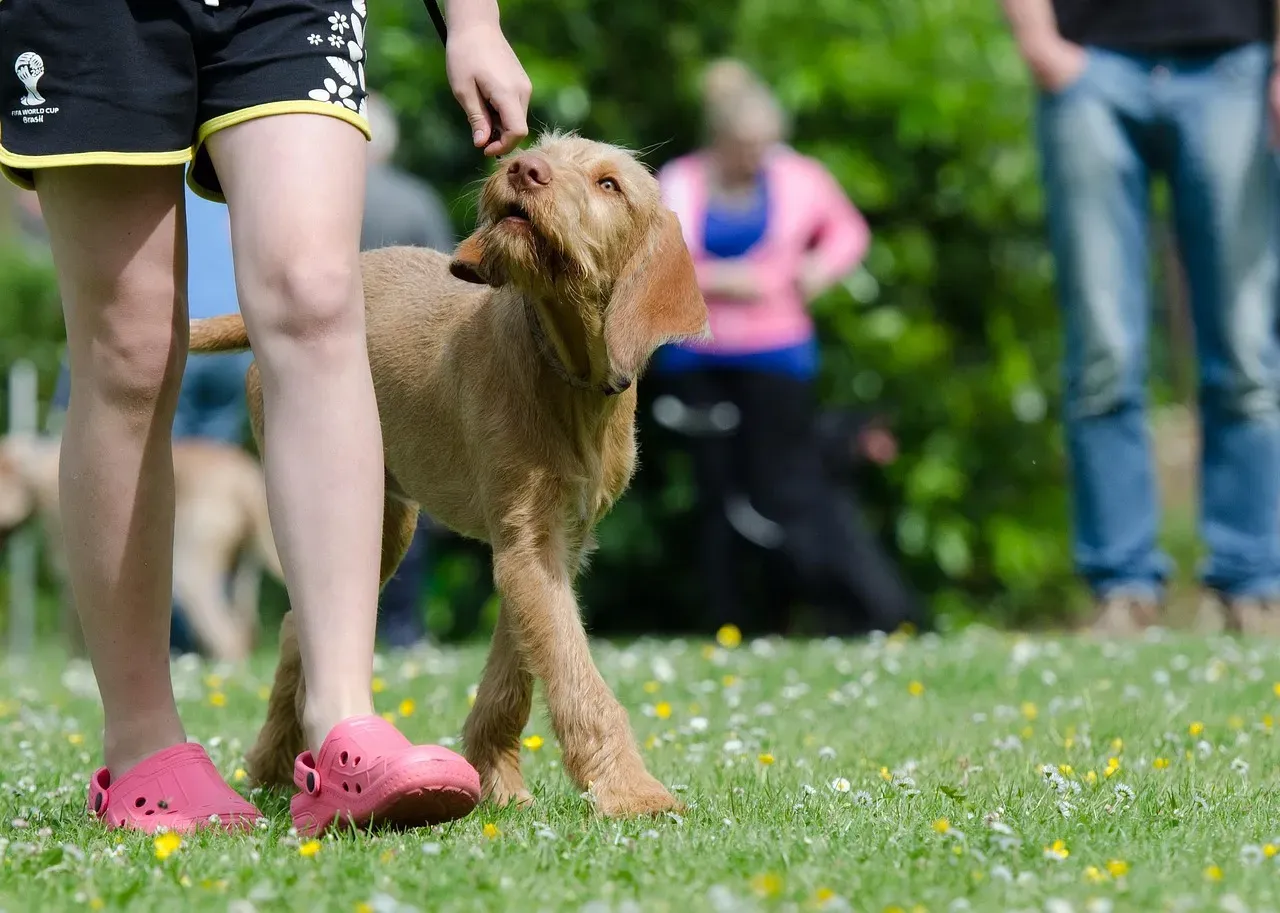
Positive reinforcement isn’t just a buzzword – it’s the cornerstone of rehabilitating troubled dogs. Reward the dog as soon as the trigger appears, feeding them treats while the scary thing passes by or as you move by it. This simple technique can gradually change how your dog feels about their triggers.
It generally takes days to months to work through all of these steps of desensitization training. There’s no shortcut, and that’s actually okay. The time you invest strengthens your bond and teaches both of you patience. Keep training sessions short – just five to ten minutes – so your dog doesn’t become overwhelmed or exhausted.
Consistency matters more than perfection. Everyone in your household needs to follow the same rules and use the same cues. If one person allows jumping while another discourages it, your confused dog won’t know which behavior earns rewards. Create a simple routine for meals, walks, and bedtime so your dog knows what to expect.
Reactivity can be significantly improved and often completely resolved with the right training approach, patience, and consistency. The key is addressing the underlying emotions – the fear, frustration, or anxiety – rather than just trying to suppress the symptoms. A dog who lunges at other dogs needs to feel differently about those encounters, not just be punished for reacting.
Recognizing Progress and Celebrating Small Wins
Progress rarely follows a straight line upward. You’ll have breakthrough days where everything clicks, followed by setbacks that make you question if you’re doing anything right. Even with progress, regression happens, so we just back up and work forward again. This is completely normal and doesn’t mean you’ve failed.
Learn to spot the subtle signs of improvement. Maybe your dog’s body language is slightly more relaxed during walks, even if they still react to triggers. Perhaps they recover faster after a stressful encounter. They might start checking in with you more frequently, looking to you for guidance when uncertain.
There is a common public sentiment that dogs have a “honeymoon period” after adoption where dogs do not show their full repertoire of behaviors, both positive and negative, until getting more comfortable in their new home. Don’t be alarmed if new behaviors emerge after a few weeks. Your dog is finally feeling safe enough to express their full personality, which includes both charming quirks and challenging behaviors.
Document the journey with photos or videos if you can. When you’re having a tough day, looking back at where you started reminds you how far you’ve both come. That dog who couldn’t take treats from your hand three months ago might now be doing basic obedience or playing with other dogs at a distance. These transformations are real, even when progress feels glacially slow.
The Unexpected Gifts of Rescuing a Challenging Dog
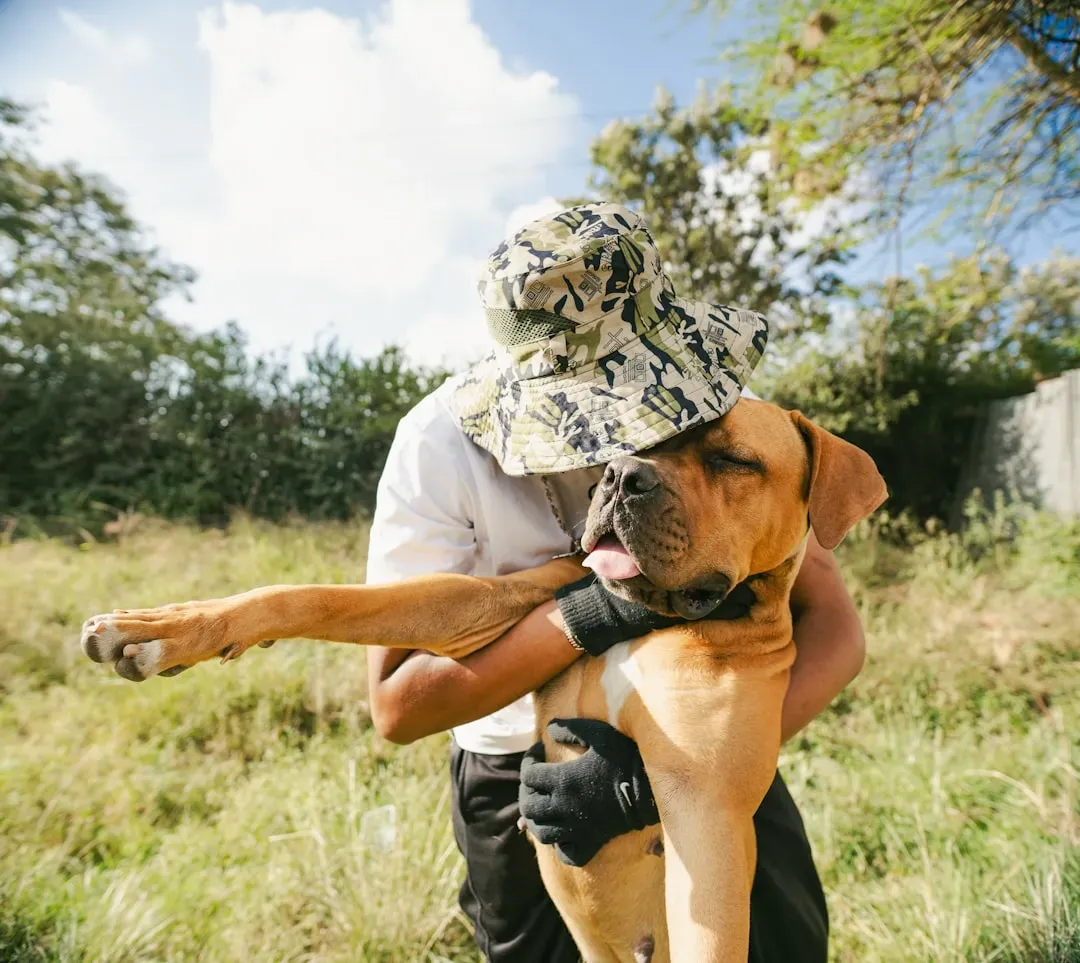
Something magical happens when you help a broken-spirited dog rediscover joy. You develop an awareness of canine body language that most casual dog owners never achieve. You learn to read subtle stress signals – the whale eye, the lip lick, the frozen posture – and intervene before situations escalate. These skills make you a better advocate for all dogs you encounter.
The bond you forge through rehabilitation work is unlike any other. Your problem dog knows you saw them at their worst and loved them anyway. They trust you implicitly because you’ve proven reliable through countless repetitions of positive experiences. Rescue dogs are resilient and can make amazing progress; the bond between a rescue dog and their new family is strong enough to outweigh the bumps along the way.
You also join a community of people who understand the unique challenges and rewards of rehabilitating troubled dogs. Other reactive dog owners become your tribe, sharing training tips, celebrating victories, and offering empathy during setbacks. There’s less judgment and more mutual support than you’d find in typical dog owner circles.
Honestly, rescuing a problem dog teaches you as much about yourself as it does about dogs. You discover reserves of patience you didn’t know existed. You learn that love sometimes means respecting boundaries and working at someone else’s pace. These lessons ripple out into other relationships in your life in surprisingly positive ways.
Is Rescuing a Problem Dog Right for You?
Let’s be real – not everyone is equipped for this journey, and that’s perfectly okay. Rehabilitation work demands time, patience, and often financial resources for training or veterinary behaviorists. If you have young children, work long hours, or want a dog who can immediately join you on adventures, a severely troubled dog might not be the right fit.
Training and behavior modification can take anywhere between several months to over a year, since fear inhibits learning, and progress timelines vary greatly on a case-by-case basis. You need to be prepared for a long-term commitment without guaranteed outcomes.
That said, many problem dogs have mild to moderate issues that respond beautifully to basic structure and consistency. Rehabilitation programs have been very successful in rehoming dogs that would otherwise face the possibility of euthanasia. A dog who’s simply undersocialized or anxious in new situations can often blossom with an owner who provides patient, positive guidance.
Talk honestly with shelter staff about your lifestyle, experience level, and what you’re prepared to handle. A good rescue organization wants to make appropriate matches, not set you up for failure. They can help identify dogs whose issues align with your abilities and living situation.
Conclusion: The Beautiful Reality of Second Chances
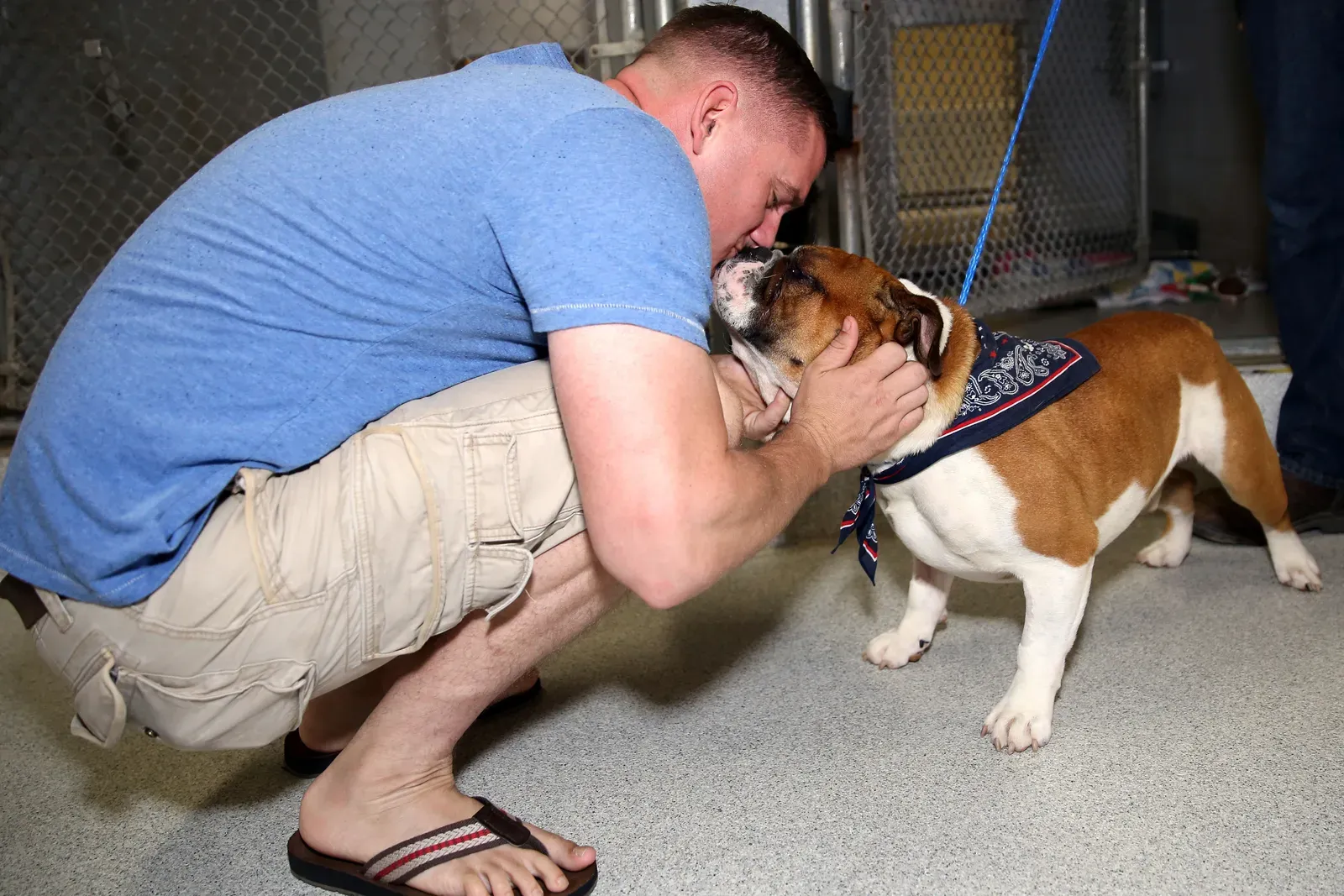
Rescuing a problem dog isn’t the easy path. It’s the path that requires heart, determination, and the willingness to see potential where others see only problems. These dogs teach us that beings who’ve been hurt can heal with time and compassion. They show us that labels don’t define who someone can become with the right support.
The transformation isn’t one-sided either. Yes, you’ll change your dog’s life by giving them safety, structure, and unconditional positive regard. They’ll change yours too by teaching you about resilience, the power of small kindnesses, and the profound satisfaction of helping someone overcome their fears. Every reactive dog who becomes calm, every fearful dog who learns to trust, represents a small victory for compassion over convenience.
So when you see that dog at the shelter with the warning signs on their kennel, don’t automatically walk past. Ask questions. Consider whether you might be the person who finally gives them the chance they deserve. The rewards of rescuing a problem dog are immeasurable, profound, and absolutely worth every challenging moment. What do you think – could you be the one to change a troubled dog’s story? Share your thoughts or experiences with rescue dogs in the comments below.


