
Stop Blaming the Breed: Your Dog’s ‘Stubbornness’ Might Be a Communication Gap
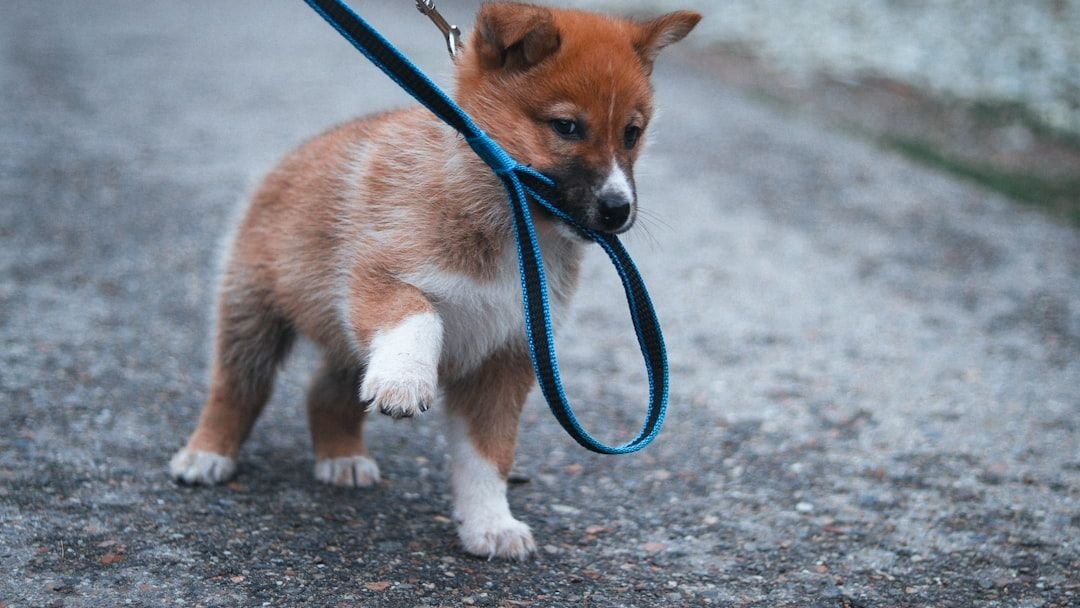
You’ve said his name five times. You’ve asked him to sit. You’ve even waved a treat around like you’re flagging down a taxi in rush hour. Yet there he stands, staring off into the distance like you’re not even speaking his language.
Maybe you’ve laughed it off as a quirk of the breed. Maybe you’ve sighed and muttered something about terrier tendencies or hound stubbornness. It happens to the best of us. We love our dogs fiercely, but sometimes we convince ourselves that the problem is baked into their DNA. Let me tell you something that might shift your entire perspective: what looks like defiance is usually just confusion. Your dog isn’t ignoring you to be difficult. There’s a good chance they simply don’t understand what you’re asking, or worse, they haven’t been given a compelling reason to respond. So let’s dive in and unpack what’s really going on when your dog seems determined to do their own thing.
The Myth of the Stubborn Dog
People often interpret their dog’s behavior through a human lens, labeling dogs as stubborn when they either didn’t understand what was asked or didn’t think it was worth their effort. Think about that for a second. Stubbornness is a label applied to dogs when they either don’t respond as expected or take too long to do what we want, and the behavior can stem from fear, confusion, or a lack of motivation.
Honestly, I think we give dogs way too much credit for plotting against us. Dogs don’t plan their behaviors in advance, act out of spite, or hold grudges. Most snags in the dog training process result from miscommunication, not willfulness, stubbornness, or dominance. That’s worth repeating. Your Beagle isn’t snubbing you because she’s in a mood. Your Husky isn’t blowing off recall training to mess with your head. They’re responding to the world as they understand it, not as you wish they would.
What We Mistake for Defiance
Here’s the thing. Calling a dog stubborn implies the issue is with the dog rather than the training approach, which can prevent us from recognizing the dog may be confused, unmotivated, or struggling to understand what’s expected. I know it sounds harsh, but it’s liberating once you accept it.
What we interpret as defiance is simply confusion or lack of motivation, and dogs don’t resist because they’re difficult; they resist because they haven’t been shown a better option. Picture yourself in a foreign country where you don’t speak the language. Someone barks instructions at you repeatedly, getting louder and more frustrated each time. Would you know what to do? Or would you stand there, bewildered, wishing someone would just show you?
Stubborn behaviors occur due to a lack of communication. That’s the crux of it. Your dog may pull on the leash, ignore commands, or refuse to budge from a favorite spot not because they’re willful, but because the signals you’re sending aren’t landing.
Reading the Signs They’re Already Sending
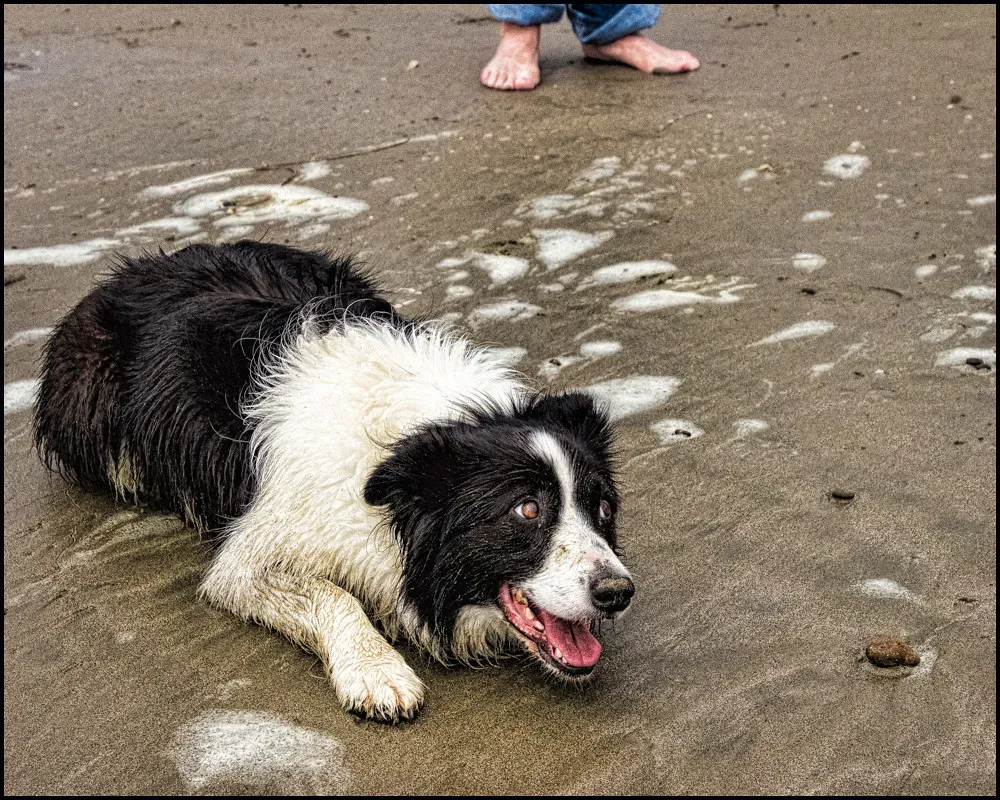
Canine body postures and olfactory cues are significant components of dog language, with vocal communications being less significant; people are listeners, while dogs are watchers. If that doesn’t flip the script, I don’t know what will. We expect our dogs to hang on our every word, yet they’re over there reading our body language, our facial expressions, the tension in our shoulders.
Humans tend not to understand the body language or vocalizations exhibited by dogs when interacting with them, and misunderstanding can create risks to welfare and negatively affect the human-dog bond. A yawn might signal stress, not sleepiness. Dogs yawn when they’re stressed, using it to calm themselves in tense situations and to calm others, including their owners. Lip licking, looking away, moving slowly – these are all signals your dog is uncomfortable or uncertain. If you’re not catching those cues, you’re essentially having a one-sided conversation.
Why Some Breeds Get a Bad Rap
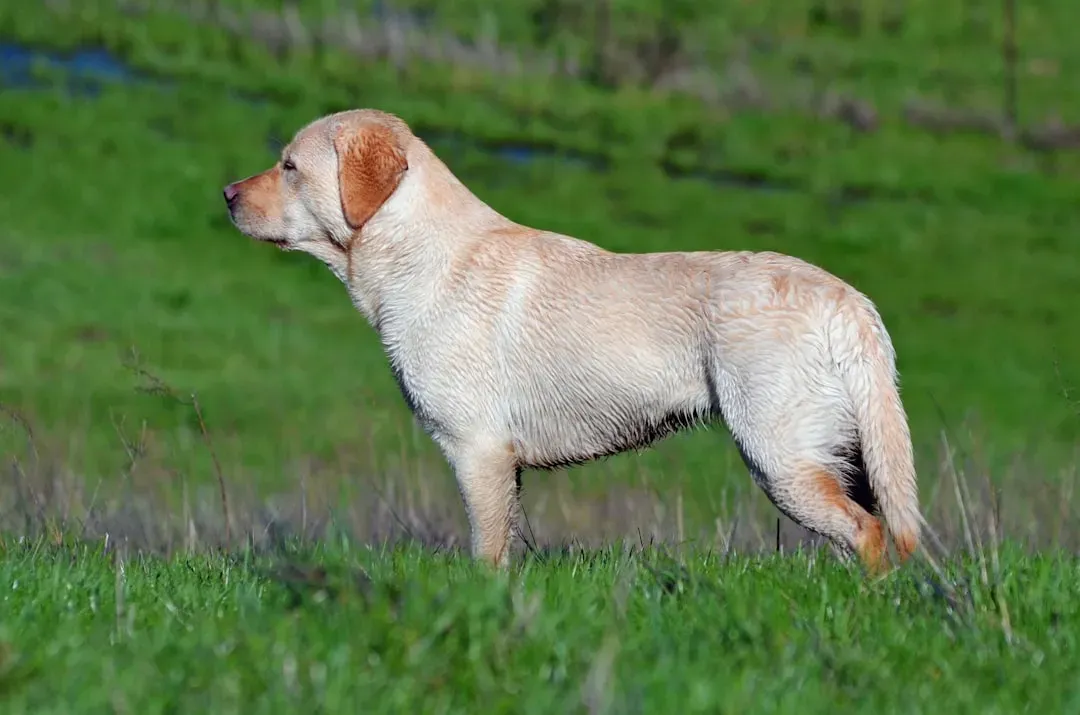
Let’s be real. Certain breeds like Afghan Hounds, Parson Russell Terriers, Siberian Huskies, and American Bulldogs often appear on lists of stubborn dog breeds, typically including members of the Terrier Group as well as Scenthounds and Sighthounds. Yet here’s the kicker: these breeds aren’t actually stubborn; they’re generally absorbed by other things, such as Bloodhounds being ruled by their noses, or they’ve been developed to have an independent personality, like terriers.
What seems to us as stubborn is actually a very strong motivation that does not lie in the rewards we are looking to offer to our dogs, as strong-willed dogs usually are more driven by their instincts than external rewards. Your Beagle isn’t ignoring you out of spite when she catches a scent. She’s doing exactly what centuries of breeding designed her to do. That’s not stubbornness. That’s genetics.
Hidden Health Issues That Mimic Disobedience

Sometimes what we chalk up to a behavior problem is actually a medical one. It might seem like your dog is ignoring you when you call their name, or they may suddenly have trouble with typical obedience commands like sit, down, stay, or come, especially if you aren’t also using hand signals. Age-related hearing loss is the most common form of deafness in dogs, and pet owners may mistakenly interpret their dog’s partial hearing loss as a behavioral issue, sometimes referred to as selective hearing.
Pain can also affect responsiveness. A dog with arthritis might refuse to sit not because they’re being difficult, but because it hurts. Ear infections, cognitive decline, vision problems – all of these can make your dog seem uncooperative when really, they’re struggling. If your once-obedient dog suddenly stops responding, a vet visit should be your first move, not a trip to the trainer.
Building a Bridge That Actually Works
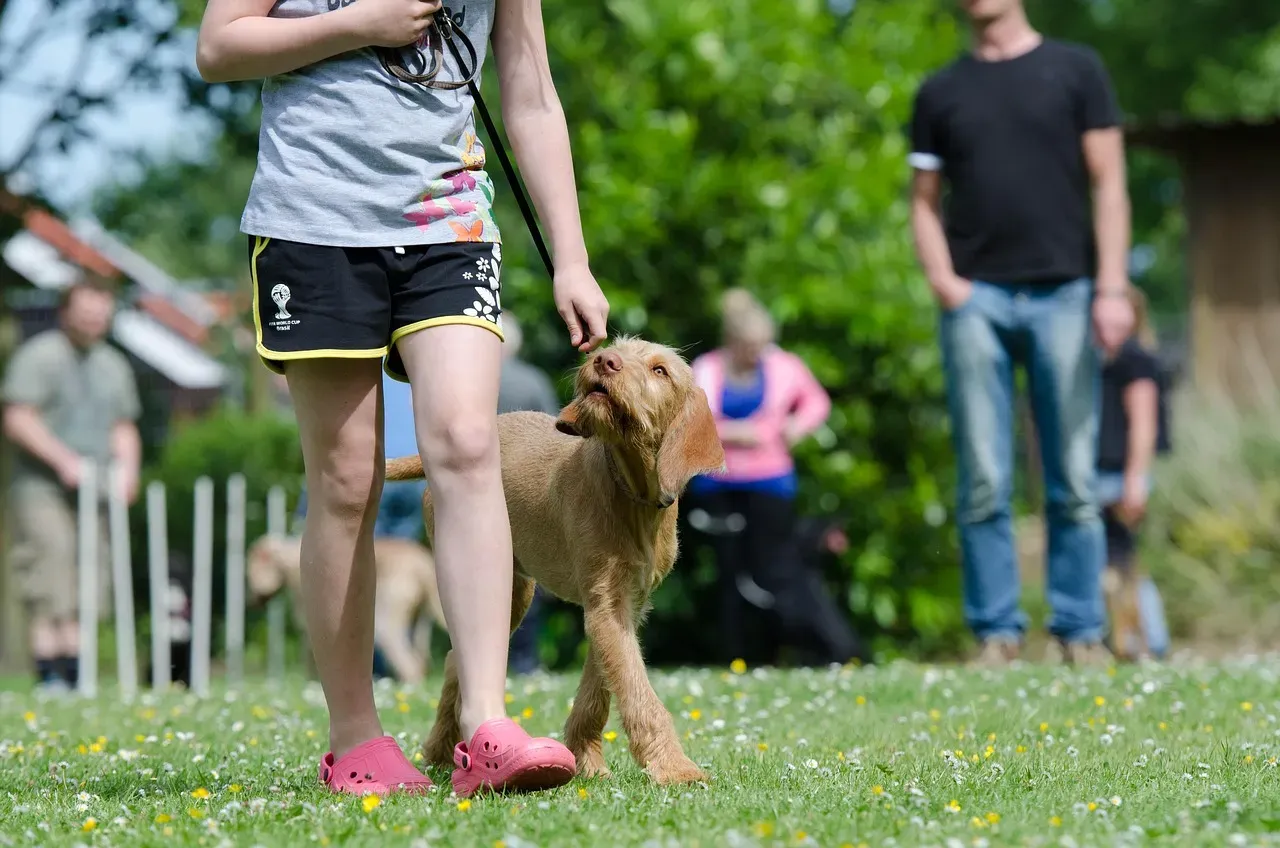
Focus on clear and consistent communication by breaking down commands into small, understandable steps and rewarding progress, as this simplified approach helps bridge the communication gap and promotes a practical and enjoyable training experience. Short sessions work better than marathon training blocks. Practice regular, short training sessions over infrequent, lengthy ones, dedicating specific periods to focus on positive behaviors using positive reinforcement techniques.
Dogs do what works for them and learn by the consequences of their actions; if coming when called means leaving the dog park but running off means more fun with friends, which do you think the dog will choose, and they won’t obey just because you think they should – there must be something in it for them. Make cooperation worthwhile. Find what motivates your individual dog, whether that’s treats, toys, praise, or play. And here’s a hard truth: what might seem like stubborn behavior is actually your dog reacting to your tone of voice and body language, and if your dog is the frustrated one, you’ll see the same drop in performance, so keep interactions positive and upbeat.
The Real Takeaway

Your dog isn’t giving you a hard time. They’re having a hard time understanding what you want from them. The label “stubborn” is convenient, but it’s also a dead end that keeps you from addressing the real issue. Labeling a dog as stubborn is often an easy way to shift blame from a problem with the relationship to a problem with the dog, but when a dog fails to comply, it is more likely a failure of communication or relationship as opposed to the dog’s obstinance.
Once you start looking at training through the lens of communication rather than obedience, everything shifts. You’ll notice subtle signals you’ve been missing. You’ll find creative ways to motivate your dog. You’ll stop blaming their breed or their personality and start building a relationship based on mutual understanding. Your dog has been trying to talk to you all along. Maybe it’s time we learned to listen. What do you think? Have you been misreading your dog’s signals all this time? Let us know in the comments.