
Popular Dog Breeds That Are Far More Difficult Than Advertised

You see them in movies, on social media, and in your neighborhood. They’re gorgeous, they’re iconic, and they seem like the perfect companion. The truth is, some of the most popular dog breeds come with challenges that rarely make it into those glossy photos or heartwarming commercials. Let’s be real, every dog requires work. Yet certain breeds demand a level of commitment, expertise, and patience that can catch even experienced owners off guard.
These aren’t bad dogs. Honestly, they’re incredible animals with rich histories and remarkable traits. The problem is, they’ve been marketed as something they’re not, or their unique needs have been downplayed in favor of their stunning looks or celebrity appeal. If you’re considering one of these breeds, or you’re already navigating the ups and downs with one at home, this article is for you.
Siberian Husky: The Escape Artist Who Never Stops
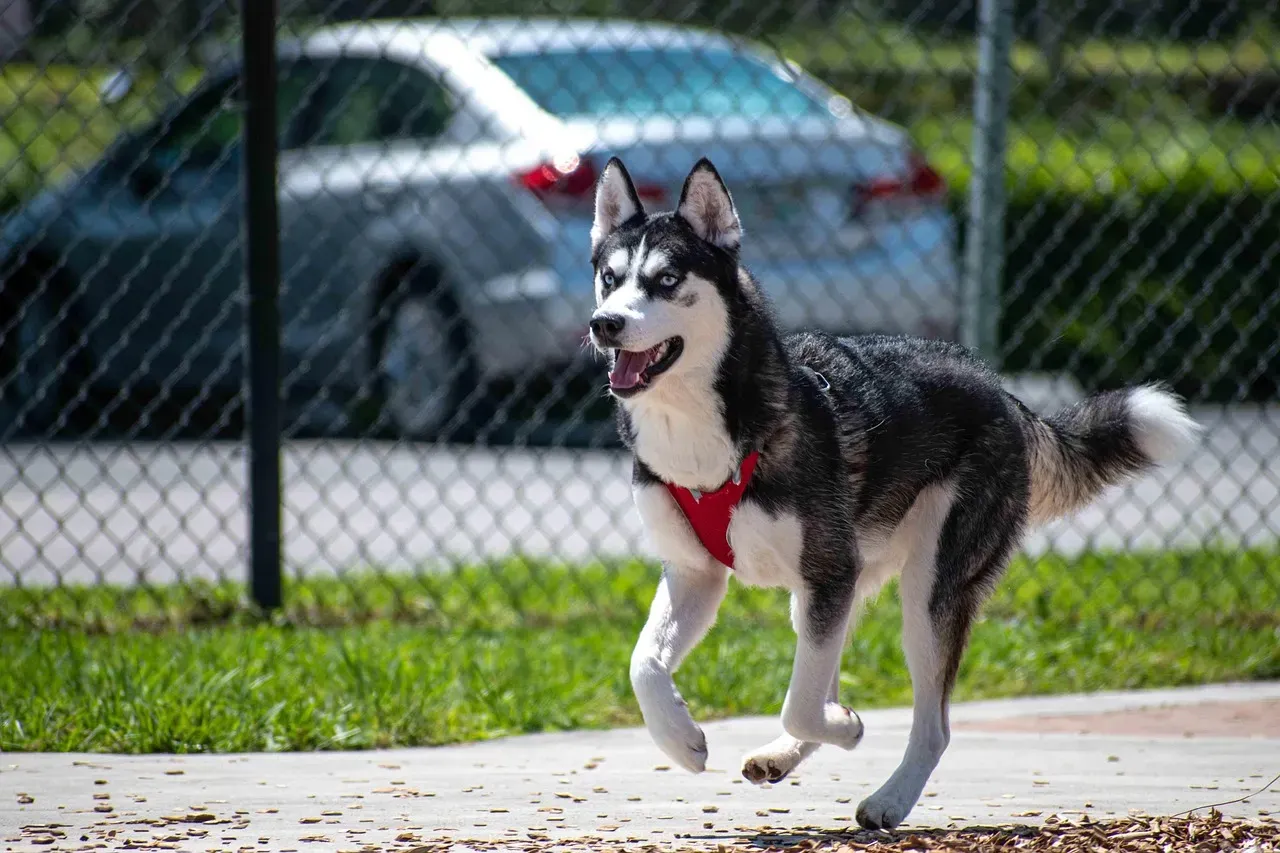
Those derpy faces can fool you because Huskies are full of mischief and loads of fur, bred to be extremely energetic and run for miles on end in frozen tundra. Picture a dog who views your backyard fence as a personal challenge, not a boundary. These clever canines are escape artists who will try to go on neighborhood escapades, and these striking, energetic pups just want to get out to see the world.
Their independence means they have a stubborn streak when it comes to listening to commands. Training a Husky isn’t impossible, but it requires the kind of consistency most people underestimate. Without enough exercise, they will quickly become destructive, leading to destructive behavior. We’re talking chewed furniture, dug-up gardens, and relentless howling.
They are also skilled escape artists and have trouble controlling their small prey drive around cats and small animals. If you work long hours or prefer quiet evenings at home, a Husky might turn your life upside down. They need jobs, they need running, and they need mental challenges daily. Cats, squirrels, and small animals are often irresistible temptations, making off-leash freedom almost impossible in most environments.
Dalmatian: High Energy With Hidden Health Struggles

Dalmatians are rambunctious, highly energetic, and need a lot of daily exercise, and they are independent and headstrong, so training them is a practice in patience. These polka-dotted beauties aren’t just photogenic, they’re athletes who need serious physical and mental outlets. Many people adopt Dalmatians thinking they’re getting a playful family dog. What they actually get is a dog that requires at least two hours of intense exercise every single day.
Without enough physical or mental stimulation, Dalmatians can become bored, which may result in them finding ways to keep themselves occupied through destructive behavior like chewing, jumping up or excessive barking. I think it’s important to note that boredom in a Dalmatian looks different than in other breeds. They don’t just nap when understimulated; they redesign your living room.
Health-wise, Dalmatians are prone to urinary stones and more likely to develop them than many other breeds, and roughly five percent of Dalmatians are totally deaf, with another 15 to 30 percent deaf in one ear. Inherited deafness affects the breed, with 10 to 12 percent of Dalmatian puppies being born deaf, and health tests should confirm whether puppies can hear in both ears, one ear, or neither ear. Managing a deaf dog requires specialized training techniques and endless patience. These aren’t minor inconveniences; they’re lifelong commitments.
Border Collie: The Genius Who Outthinks You
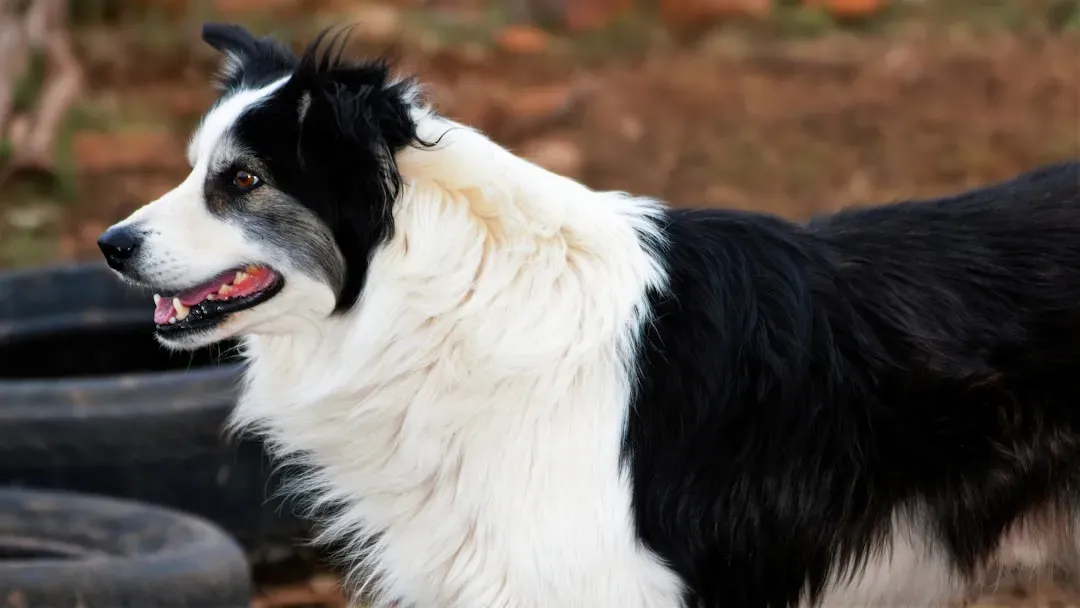
Here’s the thing about Border Collies: they’re smarter than most people. Without adequate mental stimulation, these highly intelligent dogs can become restless, hyperactive, and may even develop behavioral issues. They were bred to work all day, solving problems and making split-second decisions while herding livestock. In a typical household, that intelligence becomes a burden.
Some Border Collies may become over stimulated by too much high energy exercise, and continual ball throwing can make some Border Collies behaviour worse. Border Collies are known for their boundless energy and enthusiasm, which can be challenging to manage in a home environment, and without adequate mental and physical stimulation, they may become bored and exhibit destructive behaviors. A tired Border Collie isn’t necessarily a good Border Collie if they’re only physically tired.
Border Collies are not necessarily social dogs and often like to have their own person, with numerous people moving around causing stress due to an over load of visual stimulation and a need to control all of the movement. They’ll try to herd your children, nipping at heels and circling frantically. Without proper mental and physical stimulation, Border collies can become bored and restless, leading to destructive behaviors such as excessive barking, digging, or chewing. Think puzzle toys, agility training, scent work, and advanced obedience. Every. Single. Day.
Akita: The Dignified Guard With Aggression Issues
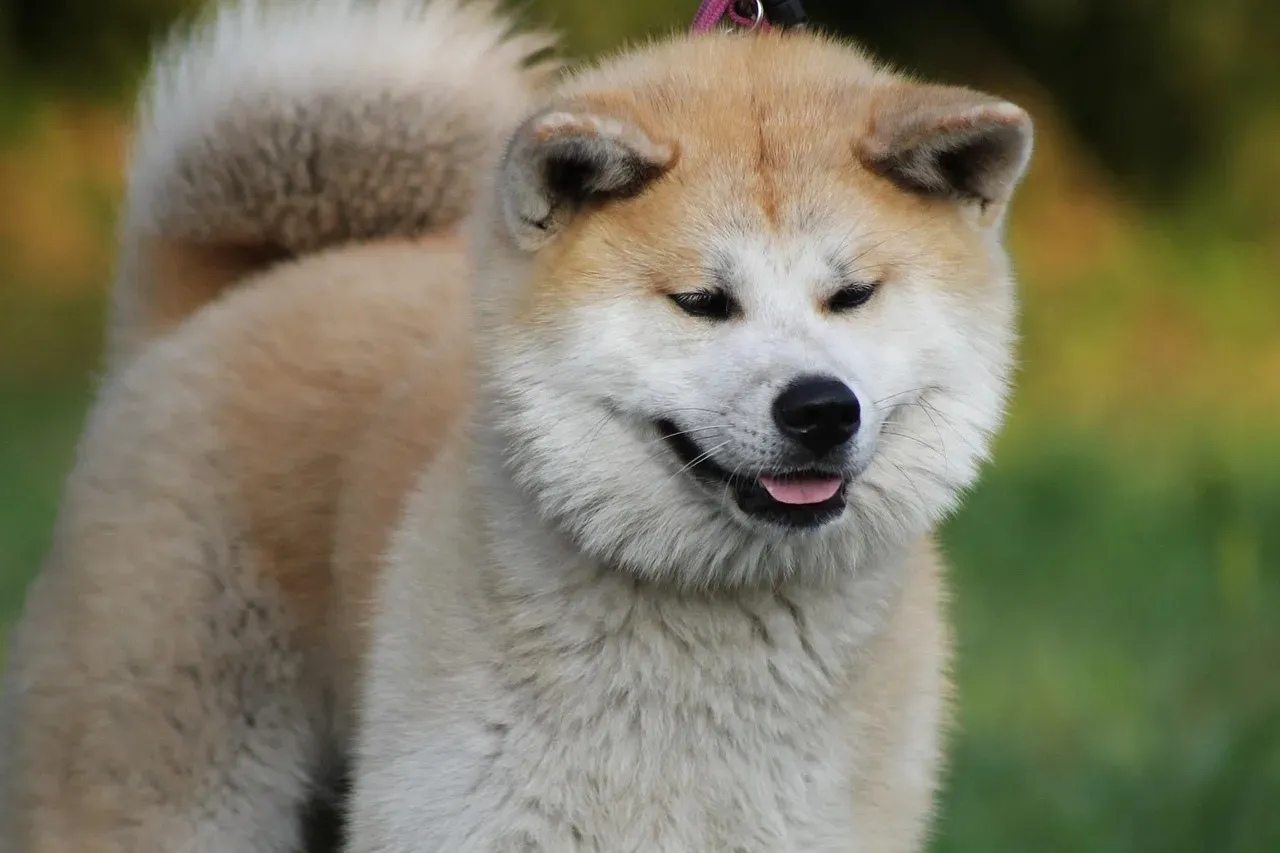
The typical Akita temperament is protective, loyal and tough, and they require intense socialization to be aloof rather than aggressive with strangers. These magnificent dogs look like teddy bears but possess guarding instincts that can turn dangerous without proper management. Akitas have an aggressive trait which was intentionally bred, and their temperament can change from playful one minute to aggressive the next.
One of the biggest temperament issues with the Akita is their tendency to aggression towards other animals, and their guarding nature does mean that they will attack seemingly out of nowhere. Dog parks? Forget it. Off-leash hiking? Extremely risky. Akitas are dominant and territorial, at their best behavior when they’re the only pet in the household, and they don’t tolerate pets that resemble prey and especially loathe other dogs of the same sex.
Training an Akita isn’t optional; it’s survival. Because they’re very large and have a stubborn streak sometimes, Akitas aren’t recommended for first-time dog owners and require firm training and plenty of careful socialization from a young age. Their independence can sometimes be mistaken for stubbornness, and they are not always eager to please and may prefer doing things on their own terms. What looks like defiance is actually a deeply ingrained sense of independence. Respect that, or face the consequences.
Australian Cattle Dog: The Herder Who Never Clocks Out
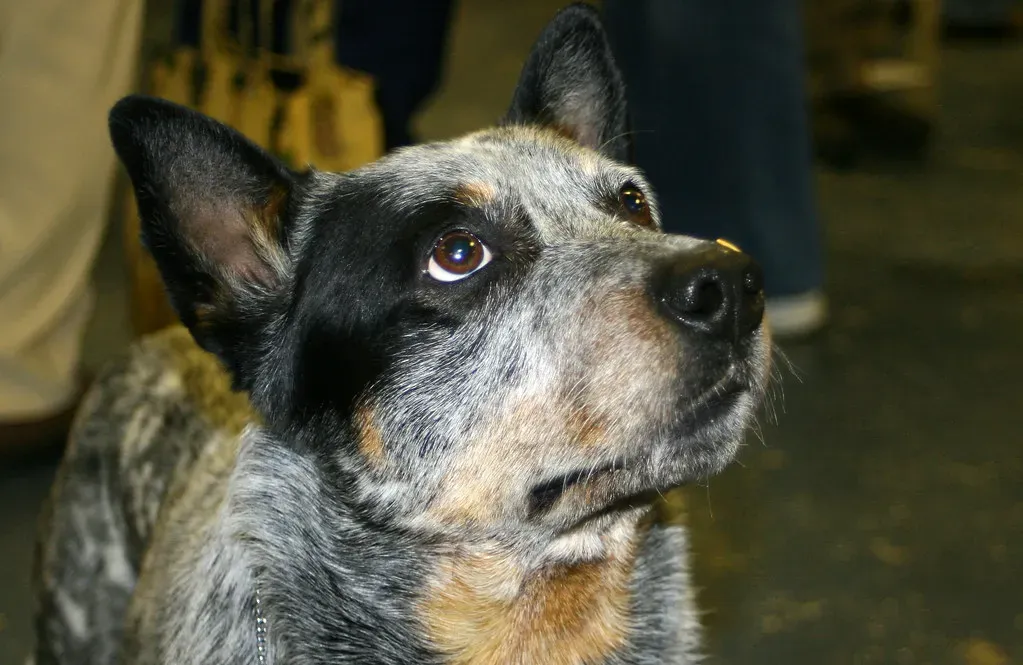
Australian Cattle Dog, also known as Blue Heeler, ranks among the most difficult and stubborn breeds to train. These compact powerhouses were designed to control livestock much larger than themselves, which means they’re fearless, relentless, and incredibly driven. In a home without a job, that drive manifests as nipping, herding family members, and obsessive behaviors.
They bond intensely with their people but remain suspicious of strangers. Socialization must start early and continue throughout their lives. These aren’t dogs who mellow with age; they remain high-energy and demanding well into their senior years. If you’re not an active person who loves structure and training, a Cattle Dog will make you miserable.
Their intelligence rivals that of Border Collies, which means they need constant mental challenges. A bored Cattle Dog is a destructive Cattle Dog. They’ll dismantle your home, bark incessantly, or develop obsessive behaviors like tail chasing or shadow stalking. Honestly, they’re not for everyone, despite their undeniable charm and loyalty.
Jack Russell Terrier: Small Body, Enormous Attitude
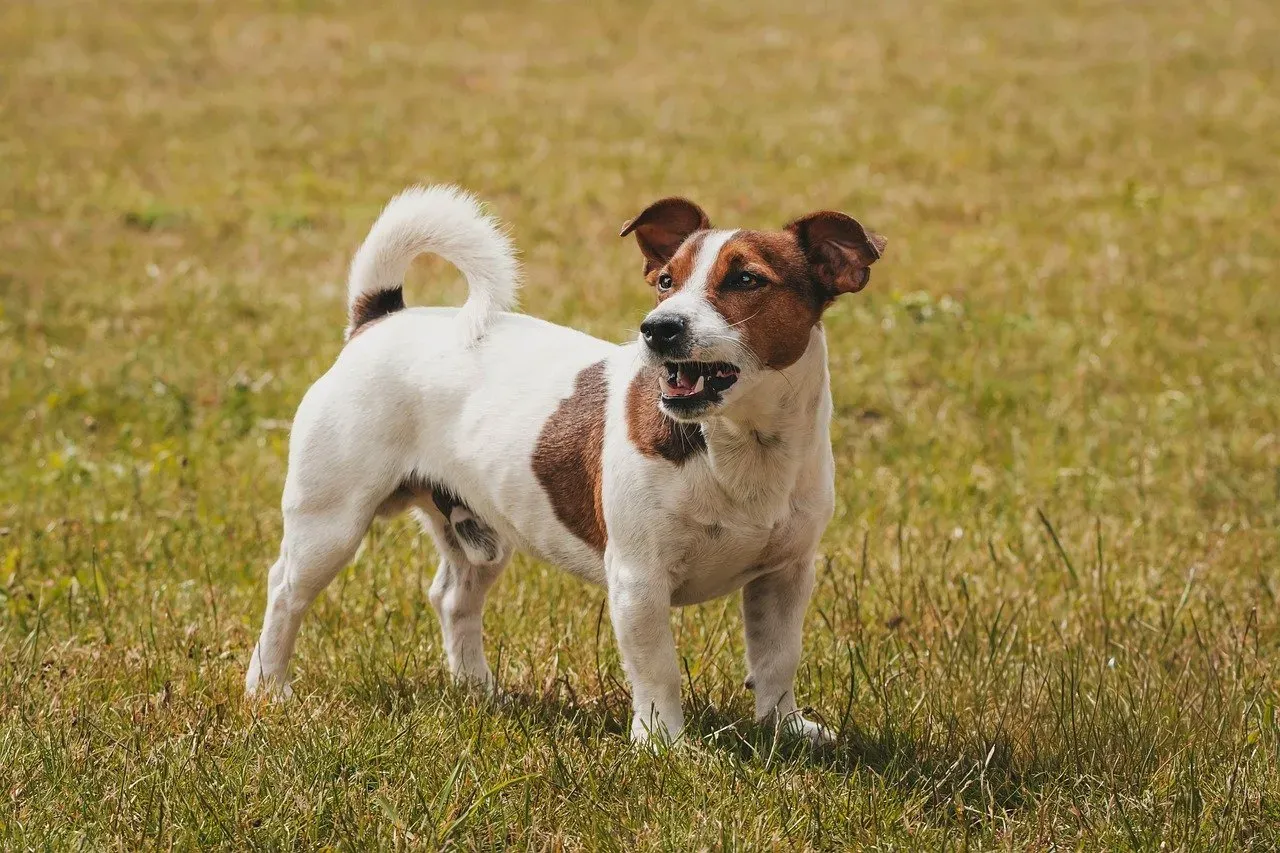
Jack Russells are notorious for their stubborn streak and high prey drive, which often leads them to chase anything that moves, and this independent nature means they tend to follow their instincts over commands. Don’t let their size fool you. These pocket-sized terriers pack the energy of a dog three times their size. Without proper outlets for their energy, they can easily turn destructive, chewing furniture or digging tirelessly to entertain themselves.
These spirited terriers also have a bold temperament that can cause them to pick fights with other dogs if not socialized early. They’ll challenge dogs ten times their size without hesitation. Training a Jack Russell requires creativity, consistency, and a sense of humor. They’re too smart for repetitive training and will simply refuse to cooperate if bored.
Jack Russells need vigorous daily exercise and mental challenges like agility training or scent games to thrive. A quick walk around the block won’t cut it. These are working terriers who need to hunt, chase, dig, and problem-solve. In the wrong home, they become neurotic nightmares. In the right home, with experienced owners who understand their needs, they’re brilliant companions.
What Every Prospective Owner Needs to Know
The breeds listed here aren’t inherently bad choices. They’re just poorly matched with most people’s lifestyles and expectations. Marketing, movies, and social media have created idealized versions of these dogs that don’t reflect reality. A Husky isn’t just beautiful; it’s a full-time commitment. A Dalmatian isn’t just spotted; it’s an athlete with special health needs. A Border Collie isn’t just smart; it’s smarter than you and needs to be reminded who’s in charge through constant engagement.
Research matters. Honest conversations with breeders, rescue organizations, and experienced owners matter even more. Ask yourself hard questions: Can you provide two hours of exercise daily? Are you prepared for a dog that might never get along with other pets? Do you have the patience and knowledge to manage aggression or obsessive behaviors?
These dogs deserve owners who understand them, not owners who fell in love with their appearance or reputation. If you’re willing to put in the work, truly commit to training, socialization, and meeting their unique needs, these breeds can be extraordinary. Yet if you’re looking for an easy companion, be honest with yourself and choose differently. Your future dog will thank you.