
Is Your Dog’s Snoring a Sign of Contentment or Concern?
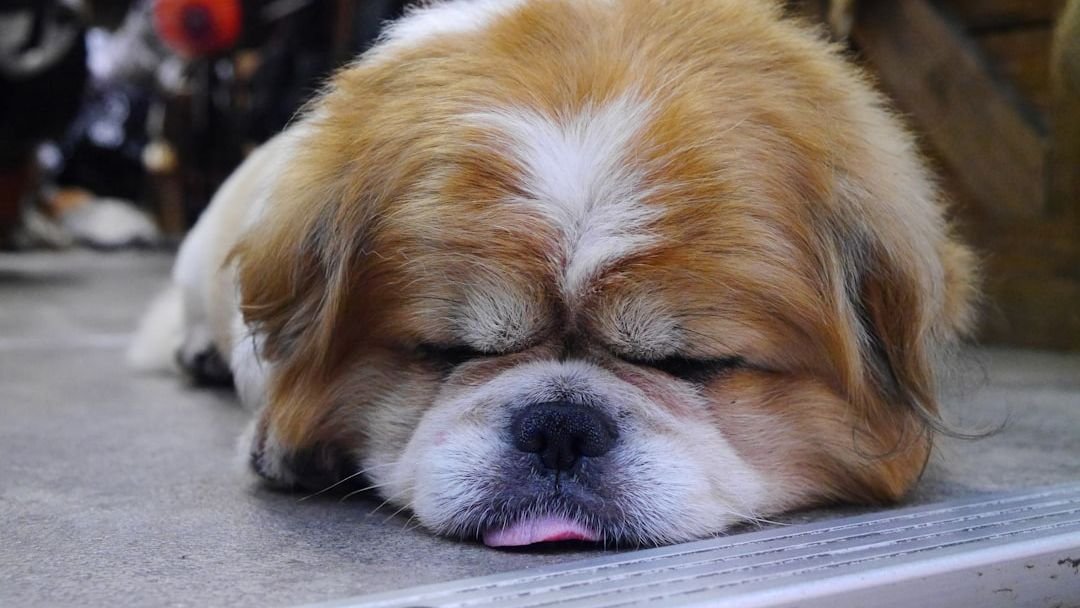
Picture this. You’re curled up on the couch with your best friend snoozing peacefully beside you. Their little paws are twitching, maybe chasing a squirrel in dreamland. Then you hear it – a soft, rhythmic rumble that sounds like a tiny chainsaw. It’s adorable, right? But somewhere in the back of your mind, you wonder: is this normal? Should I be worried? That gentle snore might be the soundtrack of a deeply satisfied pup, or it could be your dog’s way of signaling something more.
Dog snoring is surprisingly common. Sometimes it’s nothing more than a quirk, a little nighttime symphony that comes with having a canine companion. Other times, though, it’s a red flag waving in the breeze, trying to get your attention. The tricky part is knowing which is which.
When Snoring Is Simply Part of Who They Are
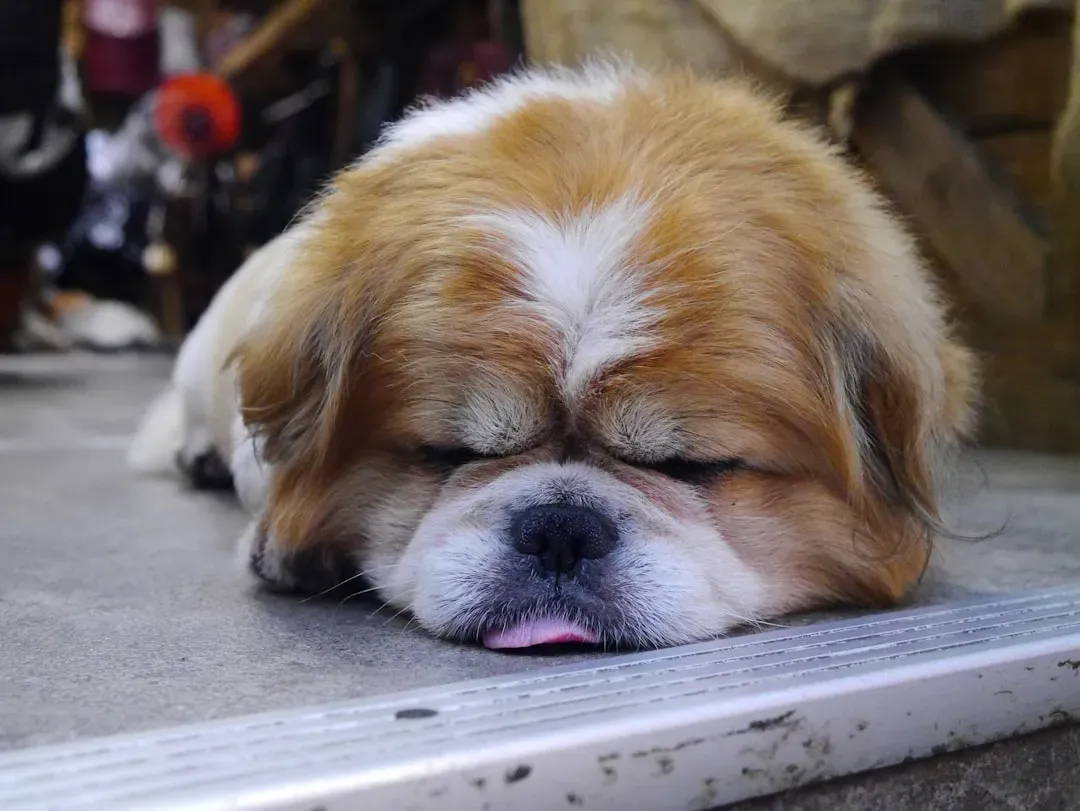
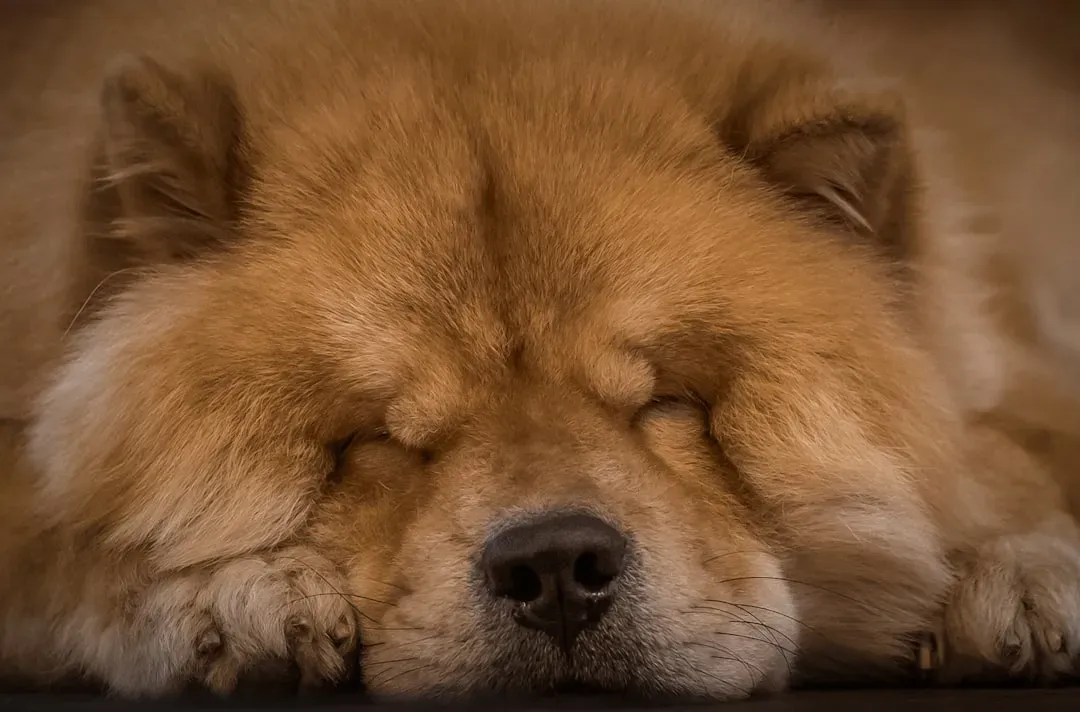
Let’s be real. Some dogs are just natural snorers. If you’ve got a Pug, Bulldog, Boston Terrier, or any breed with that adorably smushed face, snoring is practically part of the package. Brachycephalic breeds are the most susceptible to anatomical causes of snoring due to several structural deformities like elongated soft palates and narrow airways.
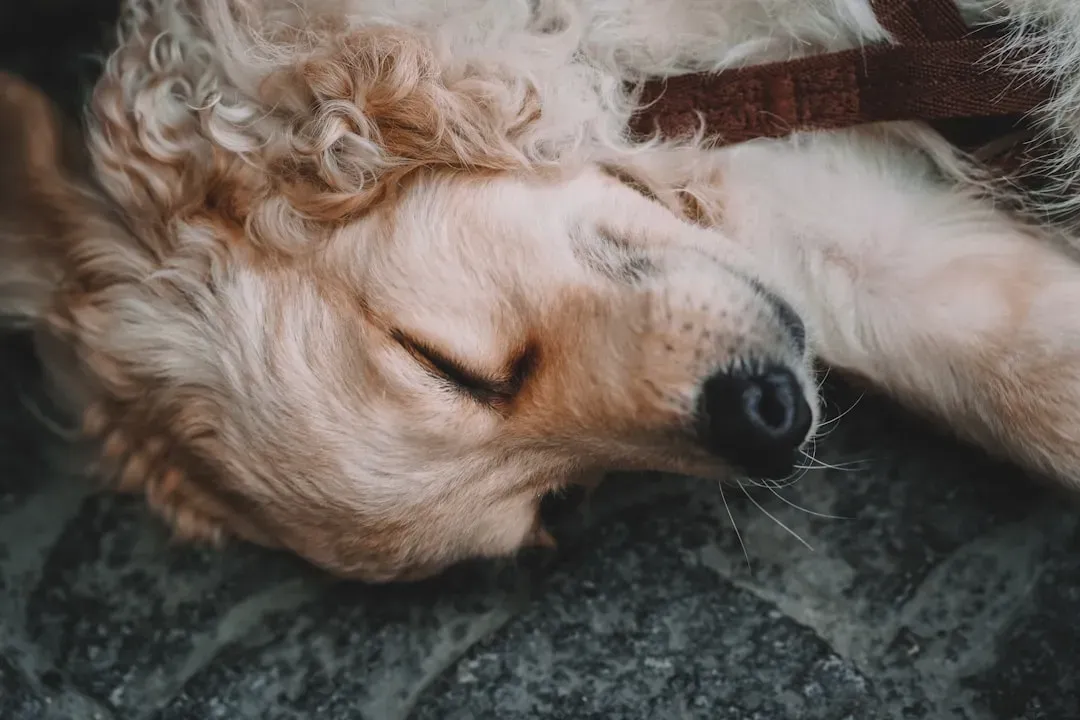
Think of it like this: their faces are cute, but their breathing apparatus is working overtime. Your pet’s sleeping position is a common reason they may snore, and if your dog normally rests curled in their bed but flops on their back for a nap, you may notice a little snore. Gravity does its thing, tissues relax, and voilà – snoring.
But here’s the thing: just because it’s common in certain breeds doesn’t mean it’s always harmless. Even flat-faced dogs can cross the line from quirky snorer to struggling breather. Honestly, it’s worth paying attention.
The Science Behind That Rumbling Sound
Snoring occurs when something is obstructing or restricting the airflow in a dog’s nose or throat, and the tissues vibrate as air squeezes through. It’s physics, really. When the pathway narrows, air moves faster and makes more noise.
Picture trying to blow air through a straw versus blowing freely into the air. The straw creates resistance, which creates sound. Same idea here. Mild to moderate snoring that doesn’t disturb sleep is a normal process and doesn’t require veterinary attention.
Sleep position plays a bigger role than you might expect. Dogs sleeping on their backs or with their necks at odd angles can end up snoring simply because of how gravity affects their throat muscles. I know it sounds crazy, but a new bed or even a small pillow can sometimes make all the difference.
Red Flags You Shouldn’t Ignore
Now, here’s where things get a bit more serious. Snoring that continues when the dog is awake, or occurs during periods of exercise, excitement, heat, or stress is abnormal and requires veterinary attention. If your dog sounds like they’re struggling even when they’re not sleeping, that’s a problem.
Watch for other warning signs. If the snoring is accompanied by other clinical signs, such as nasal discharge, sneezing, or changes in energy level, something’s up. Blue or gray gums? That’s an emergency. Choking sounds, gasping, or sudden collapse? Get to the vet immediately.
It’s not always easy for a pet parent to know if their dog’s snoring is something to worry about, but one cause for concern is if the snoring is new, suggesting a change worth investigating. Trust your gut. You know your dog better than anyone.
Obesity and Breathing Troubles
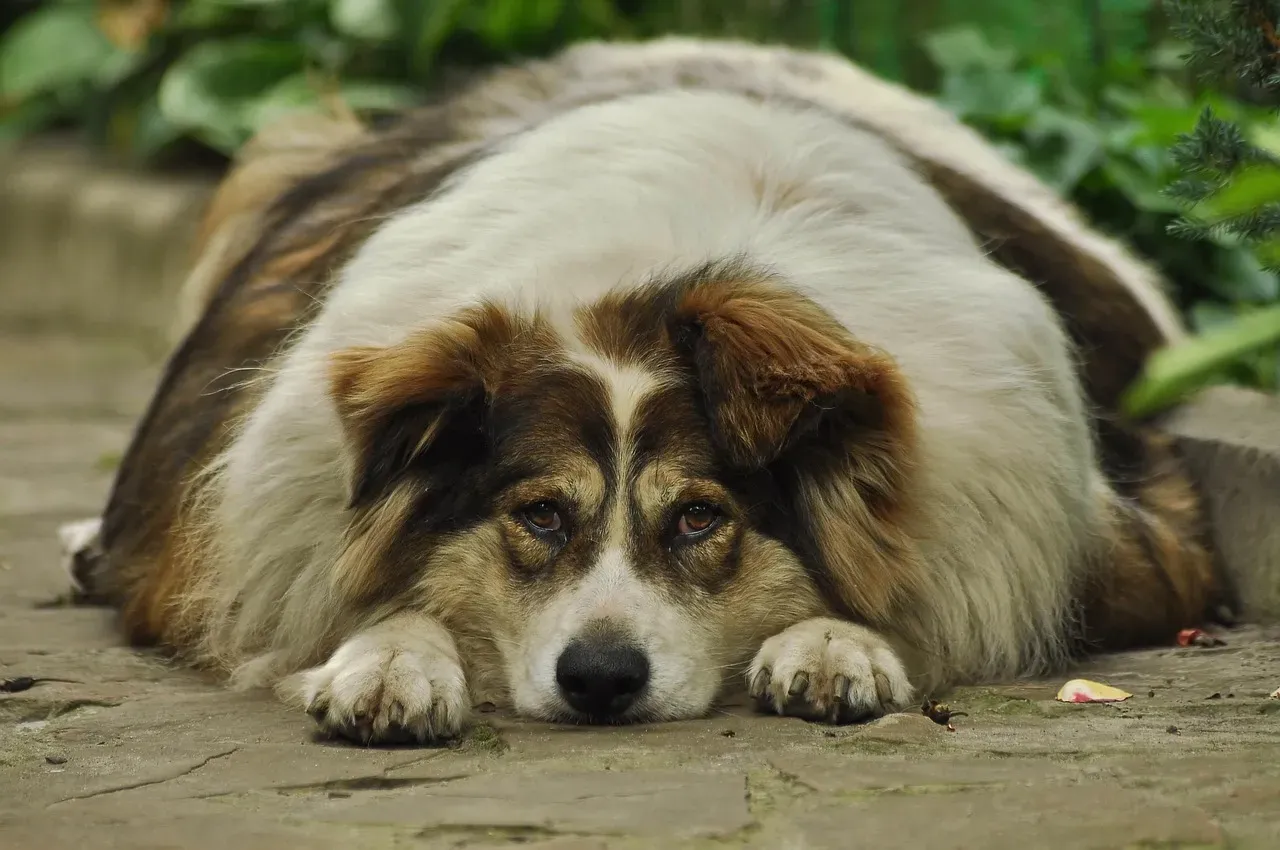
Here’s an uncomfortable truth: excess weight doesn’t just affect your dog’s joints and heart. Reducing any excessive weight can help alleviate the extra pressure around the neck, as the extra fat deposits put pressure on the windpipe, narrowing the opening.
Think about it. If you’re carrying extra pounds around your neck, breathing gets harder. Dogs are no different. Overweight dogs may have extra tissue around their necks that can restrict airflow, turning a previously quiet sleeper into a symphony of snorts.
Weight loss isn’t always easy, but it’s one of the most effective ways to help your dog breathe better. Work with your vet to create a realistic plan. More walks, better food portions, fewer table scraps. Small changes add up. Your dog will thank you – probably by sleeping more peacefully.
When Allergies and Infections Strike
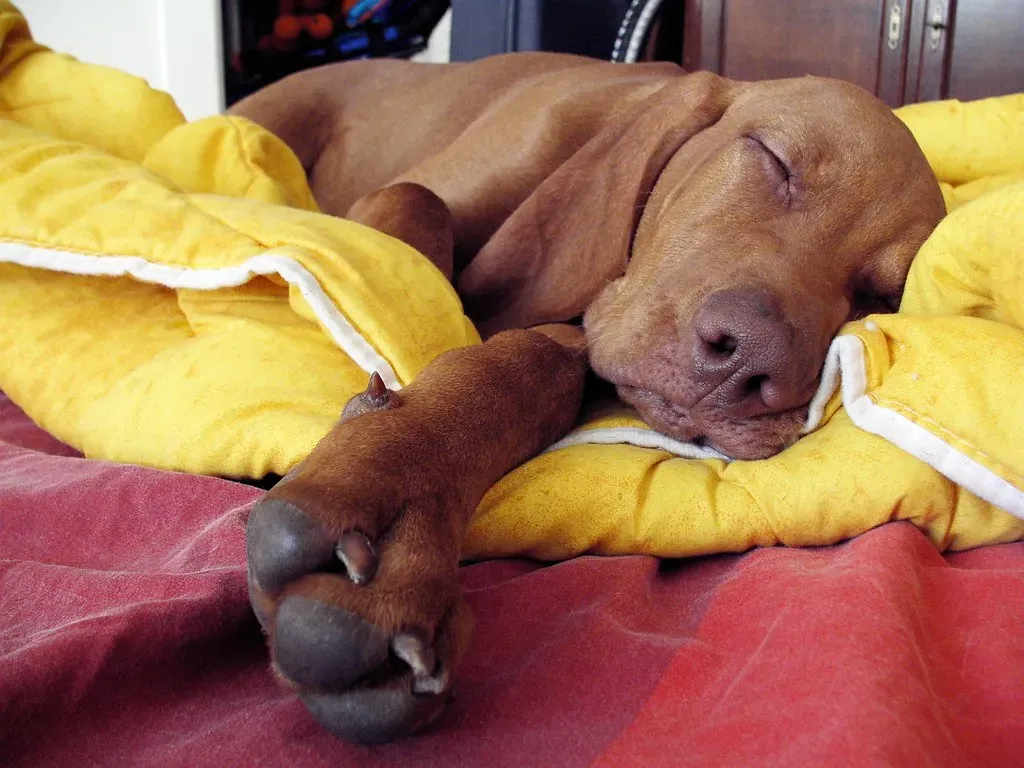
If the snoring is caused by allergies or infections, treating the underlying cause of the inflammation will likely improve the snoring. Just like humans, dogs get stuffy noses. Seasonal allergies, dust, smoke – all of these can inflame the nasal passages and make breathing noisier.
Upper respiratory infections are another culprit. Your dog may develop congestion and begin snoring as a result of a cold or illness. Usually, once the infection clears up, the snoring stops.
Environmental tweaks can help too. Keep their sleeping area clean, vacuum regularly, use air filters, and consider a humidifier if the air in your home is dry. Sometimes the simplest solutions make the biggest difference.
Sleep Apnea: Yes, Dogs Can Have It Too
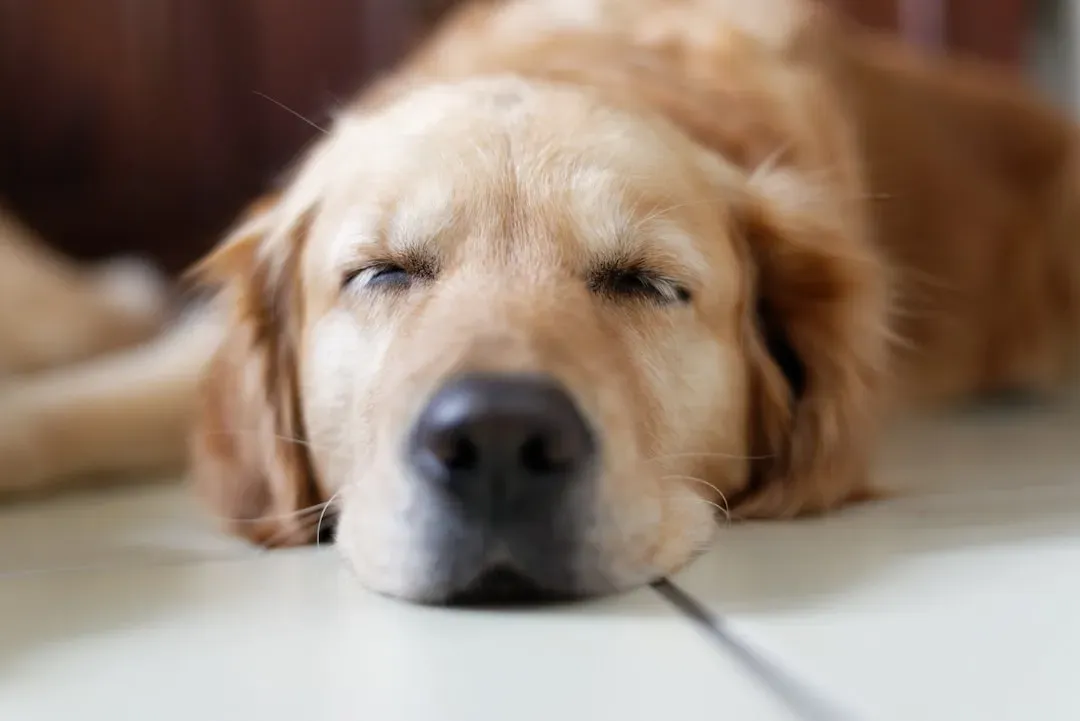
You might be surprised to learn that in severe cases, snoring can be a sign of sleep apnea, a condition where your dog’s breathing stops temporarily during sleep, which can be dangerous and might require medical care. It’s rare, but it happens, especially in brachycephalic breeds and overweight dogs.
Sleep apnea is diagnosed when a dog has one or more symptoms combined with at least five episodes where breathing stops or is shallow as they sleep, with pauses lasting approximately 15 to 20 seconds. If you’ve ever watched your dog stop breathing for even a few seconds and then jolt awake with a snort, that’s concerning.
Snoring can disturb your dog’s sleep, which may lead to daytime drowsiness or irritability. If your usually energetic pup seems exhausted all the time, can’t settle at night, or falls asleep standing up, it’s time to talk to your vet. Sleep apnea isn’t something to mess around with.
What You Can Do Right Now
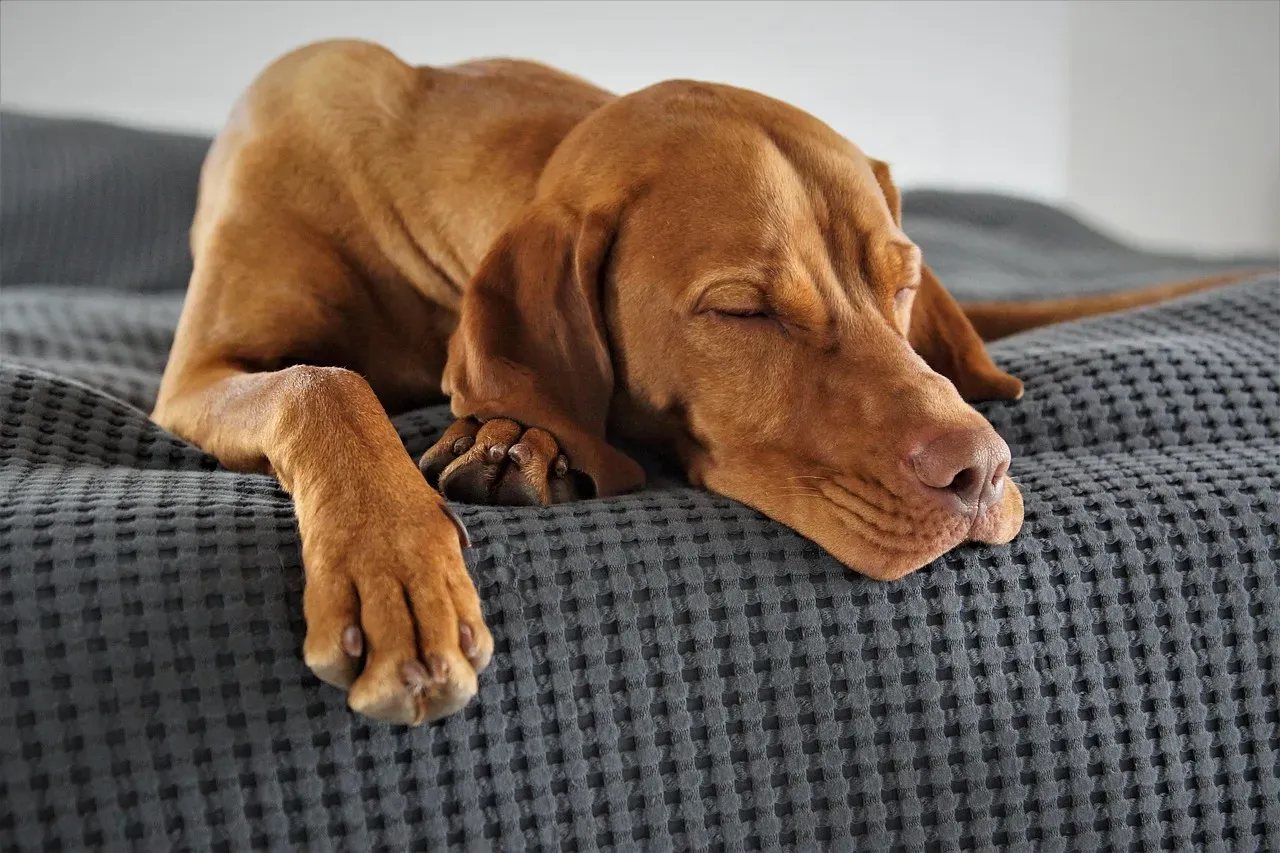
So what can you actually do about all this? Start with the basics. If your dog is overweight, work on getting them to a healthy weight. Providing a slightly elevated pillow or bed can help open up their airways and encourage easier breathing during sleep.
Keep your home environment clean and free from irritants like smoke and dust. Consider trying a humidifier, especially during dry months. Change their sleeping position if they always snore in one particular pose – sometimes gently nudging them onto their side does wonders.
Record the snoring if you can. Seriously. Your vet will appreciate being able to hear what you’re describing. Note when it happens, how loud it gets, and whether it’s changed recently. Details matter. If surgery becomes necessary for anatomical issues, especially in flat-faced breeds, your vet can discuss options that might dramatically improve your dog’s quality of life.
Dog snoring sits in that tricky zone between charming quirk and genuine health concern. The good news? You’re already ahead of the game just by asking the question. Most snoring is benign, a little nighttime noise that comes with loving a dog. Yet staying alert to changes, understanding the warning signs, and acting when something seems off can make all the difference in your dog’s comfort and longevity.
Remember that roughly about three-quarters of owners with flat-faced breeds consider noisy breathing normal, even when it’s not. Don’t fall into that trap. You’re your dog’s best advocate. If your instincts tell you something’s wrong, listen. A quick vet visit can provide peace of mind or catch a problem before it becomes serious.
Does your dog’s snoring keep you up at night, or have you noticed changes in their breathing recently? What’s your experience been? Share your thoughts in the comments below.