
Dog Breeds That Are Emotionally Too Intense for Most Families

There’s something wildly magnetic about certain dog breeds. Their piercing eyes, their boundless energy, their absolute devotion. They seem to possess an almost supernatural awareness of your every mood, every movement, every emotion. You can practically feel the intensity radiating from them across the room.
These dogs don’t just want your love. They demand it, crave it, need it like oxygen. They’re not content to sit quietly at your feet while you scroll through your phone. They’re watching you, reading you, waiting for the next adventure, the next task, the next moment they can prove their loyalty. For the right person, this devotion is everything. For most families? It’s honestly overwhelming.
The Belgian Malinois: A Canine Hurricane in Your Living Room
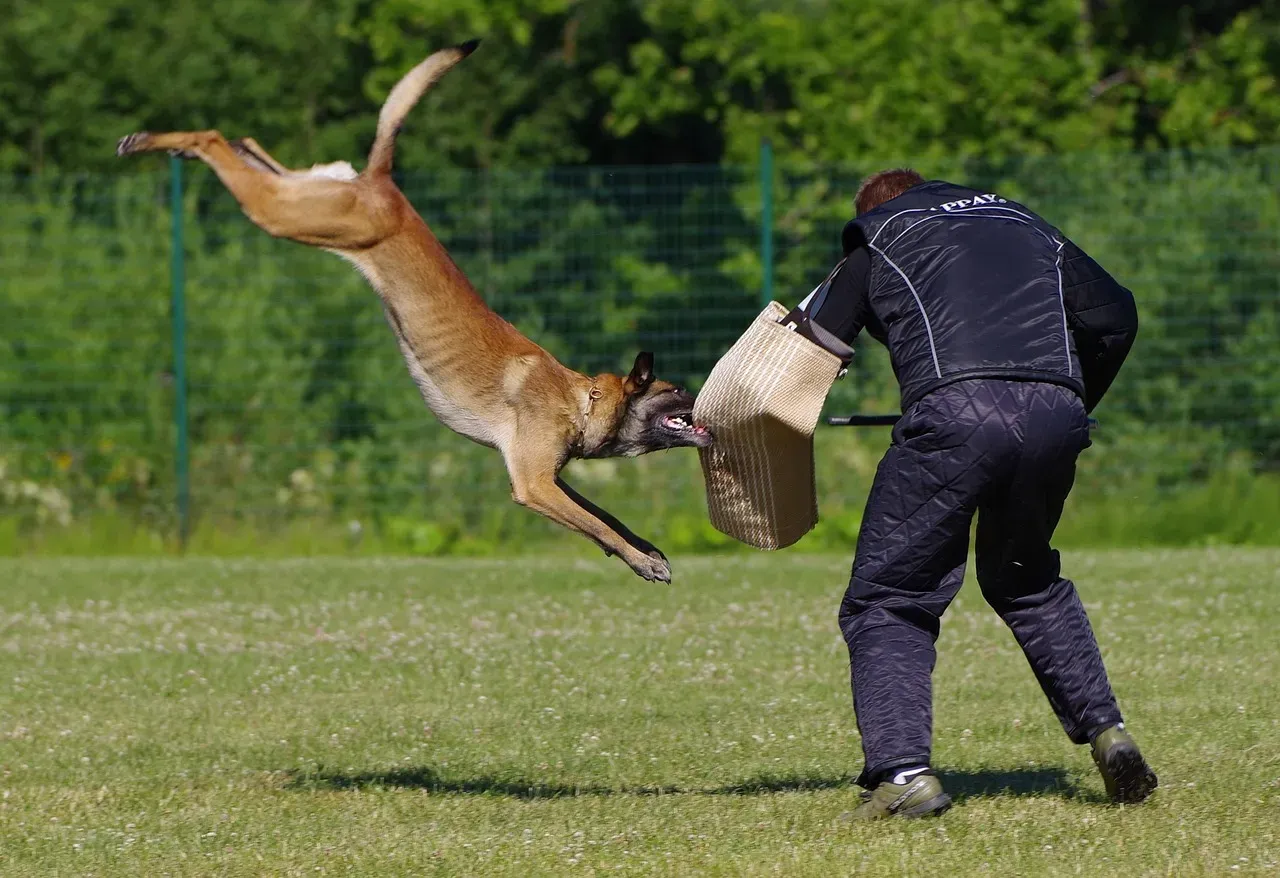
The Belgian Malinois requires experienced owners who can match their energy and commitment, and without structure and engagement, they may become anxious or restless. Think of them as a working German Shepherd crossed with a Border Collie, then dialed up several notches. These dogs are very intense, almost always alert.
After a 2022 study where scientists tested 1000 dogs from 23 breeds, they surpassed the intelligence of the Border Collie and now rank as the smartest breed with a total of 35 out of 39 points. That intelligence comes with strings attached though. They require consistent mental and physical stimulation and an experienced owner to meet these needs. If they become bored, they can display destructive behaviors such as digging, scratching, barking, and chewing, and generally they are not suitable for first-time owners.
Belgian Malinois form strong bonds with their families and can suffer from separation anxiety if left alone for long periods, which can manifest in destructive behaviors and vocalizations. Picture coming home to find your couch disemboweled and your door frame gnawed beyond recognition. That’s what happens when a Malinois feels abandoned or under-challenged.
Border Collies: When Genius Becomes Exhausting
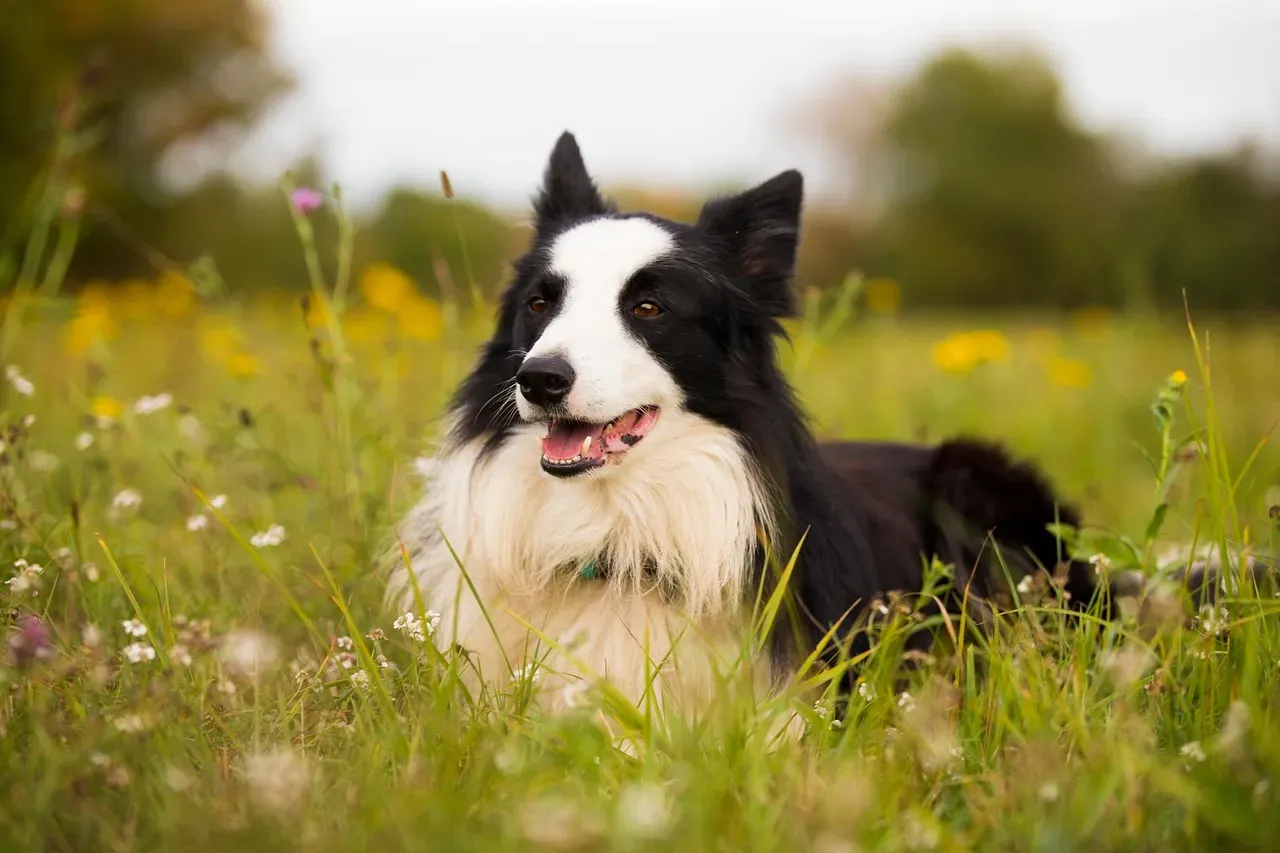
Let’s be real, Border Collies are brilliant. Border Collies form strong emotional bonds, thriving on praise, companionship, and purpose. When under-stimulated, however, they can become restless or anxious, a sign of how deeply they feel.
They’re known for using an intense stare to control flocks, and they apply this focus to every task they’re given, with their strong work drive making them fast learners and easily trainable. The problem is that most families can’t provide the level of mental and physical engagement these dogs need. They require significant daily mental and physical stimulation to prevent boredom, which can manifest as destructive behaviors or anxiety.
I know it sounds crazy, but a bored Border Collie can literally invent problems to solve. Their herding instinct can also lead them to “herd” children, other pets, or even cars if not properly channeled. They’re not being bad, they’re simply trying to fulfill their purpose in a world that offers them no sheep.
Australian Shepherds: The Velcro Dog Who Never Lets Go

Australian Shepherds are known for their high energy and strong bond with their families, being not only smart and hardworking but also highly sensitive to their owners’ emotions. Sounds wonderful, right? Here’s the thing, though.
Herding dogs, especially the Australian Shepherd, have an instinct to herd and are more prone to anxiety if they cannot corral those in their care, and as your shepherd cares so much about you, she may feel severe separation anxiety when you leave the house. They can feel lonely when they’re left alone often and are prone to suffering from separation anxiety, which is when dogs feel an overwhelming sense of anxiety over being apart from their owners.
Australian Shepherds are known for their strong attachment to their owners, and when left alone, they can experience significant distress, leading to destructive behaviors, barking, or howling. Picture an emotional rollercoaster on four legs. Their high energy levels and strong work ethic can contribute to anxiety if not properly managed, and high-strung and sensitive, Aussies can be easily stressed by their environment, with factors such as loud noises, changes in routine, or separation from their owners triggering anxious behaviors.
German Shepherds: Devoted Protectors with Zero Chill

German Shepherds are legendary for their loyalty and intelligence. They’re super smart and super active, bred for intensive activities like herding and police and military work. German shepherds need constant companionship and exercise, usually upwards of two hours a day, and without these things, they can grow frustrated and take out their feelings by chewing and barking.
When a German shepherd decides you’re a friend, they’re sweet and fiercely loyal, but on the other hand, they get anxious and defensive when they feel threatened. If you’re away from home frequently or for long periods, you’ll be better off choosing a different breed.
The emotional investment a German Shepherd requires is enormous. They don’t just live in your home, they become its guardian, its protector, its emotional center. Every visitor is assessed, every sound investigated, every change in routine noted with concern. It’s exhausting.
Siberian Huskies: Beautiful, Brilliant, and Utterly Unmanageable
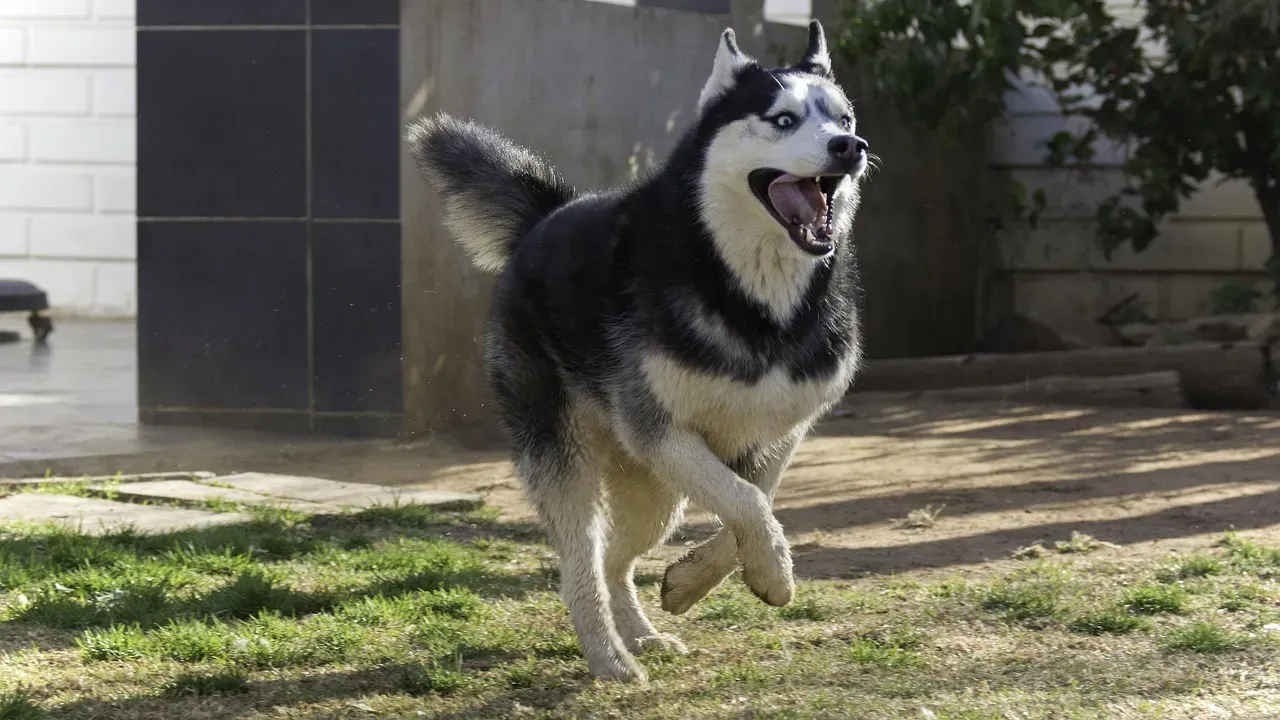
Siberian huskies were bred to pull heavy loads over long distances in packs of sled dogs, so it’s no wonder their endurance is so great, though you’ll have to keep a close eye on them since their instinctual urge to run makes them notorious escape artists. They’re stunning creatures with those piercing blue eyes and wolf-like appearance.
They are notoriously difficult to train, even with proper methods and a skilled trainer, are the example of an escape artist breed, and will climb your fence, chew through your tether, unlatch your gate, unlock your door. They are brilliant but have zero inclination to use that brilliance in ways that make you happy.
They are infamous for being mouthy and having poor bite inhibition, which means they are more likely to use their mouths to solve situations and have poorer control over the amount of force they use. The husky is prone to obesity if not exercised enough, and separation anxiety if left alone for long periods of time. They’re vocal, energetic, independent, and emotionally sensitive in ways that clash spectacularly with the average family’s lifestyle.
Doberman Pinschers: Sensitive Souls in Guard Dog Bodies

Doberman Pinschers combine intelligence, strength, and emotional depth in a striking package, and despite their intimidating appearance, they are among the most sensitive and loyal breeds. This athletic and fierce-looking breed is devoted to its humans and energetic, originally bred as guard dogs, they thrive on having purpose, with their energy levels best for owners who can match them with physical and mental activities like running and obedience training.
Here’s what many people don’t realize: beneath that muscular exterior beats an incredibly sensitive heart. Dobermans pick up on your emotions like emotional sponges. When you’re stressed, they’re stressed. When you’re happy, they’re ecstatic. They need constant engagement, reassurance, and activity.
When Dobermans are well-trained and properly socialized, they can be affectionate and protective, with owners able to count on them being loyal and quick to learn. Without that training and socialization though? You’ve got a powerful, anxious dog who doesn’t know how to channel all that intensity. It’s too much dog for households that can’t commit fully.
Finding the Right Match: Honesty Over Hype

The dogs we’ve discussed aren’t bad dogs. Honestly, they’re magnificent. They’re the canine equivalent of Formula One race cars: thrilling, powerful, breathtaking to witness. They’re just not practical for most people’s daily commute.
These breeds need experienced handlers who understand canine behavior, who can provide hours of daily exercise and mental stimulation, who won’t leave them alone for eight-hour workdays, who can handle their emotional intensity without becoming overwhelmed. If you work full time, have young children, live in an apartment, or want a dog who’s content with a leisurely evening walk, these breeds will likely make everyone miserable.
The best thing you can do for these incredible dogs is to be brutally honest about your lifestyle, your experience level, and your capacity for meeting their needs. There are so many wonderful breeds out there that would thrive in your home. Sometimes the most loving choice is recognizing when a particular breed’s intensity doesn’t match your reality. What do you think? Have you ever experienced life with an emotionally intense breed? Share your story in the comments.