
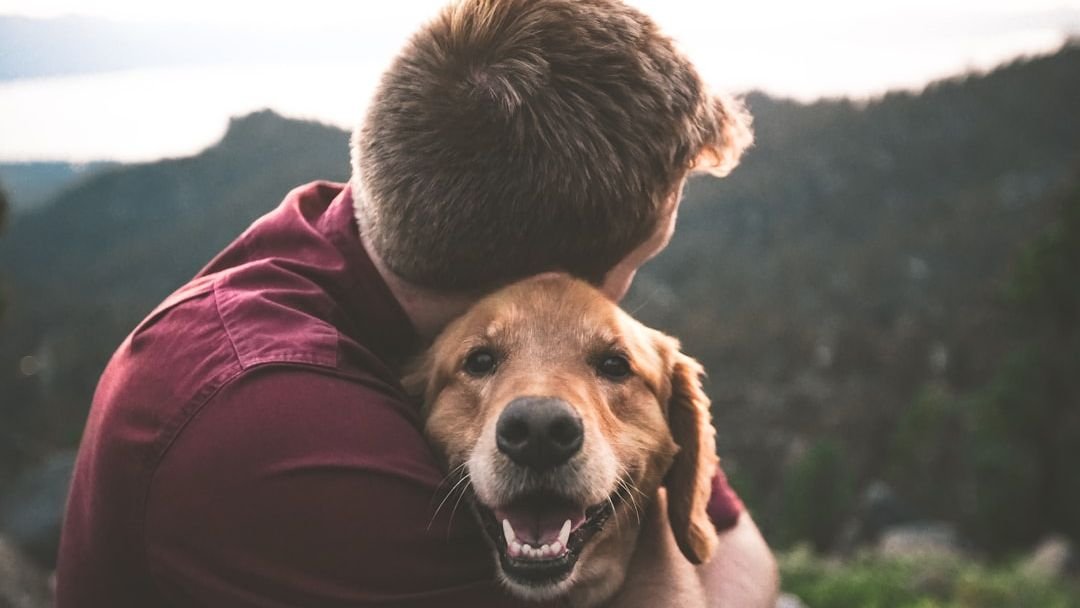
There’s something extraordinary that happens when a shelter dog steps paw into your home for the first time. The way they look around with cautious curiosity, the tentative wag of a tail, that first hopeful glance in your direction. It’s the beginning of something beautiful. Something life-changing for both of you.
Every year, millions of dogs wait in shelters hoping for a second chance at happiness. Nearly 3 million dogs enter animal shelters annually, each one with their own story and their own capacity for love. While the journey of bringing a rescue dog into your life can have its challenges, the rewards are extraordinary. Let’s explore what makes these special dogs such incredible companions.
The Healing Power They Bring to Our Hearts
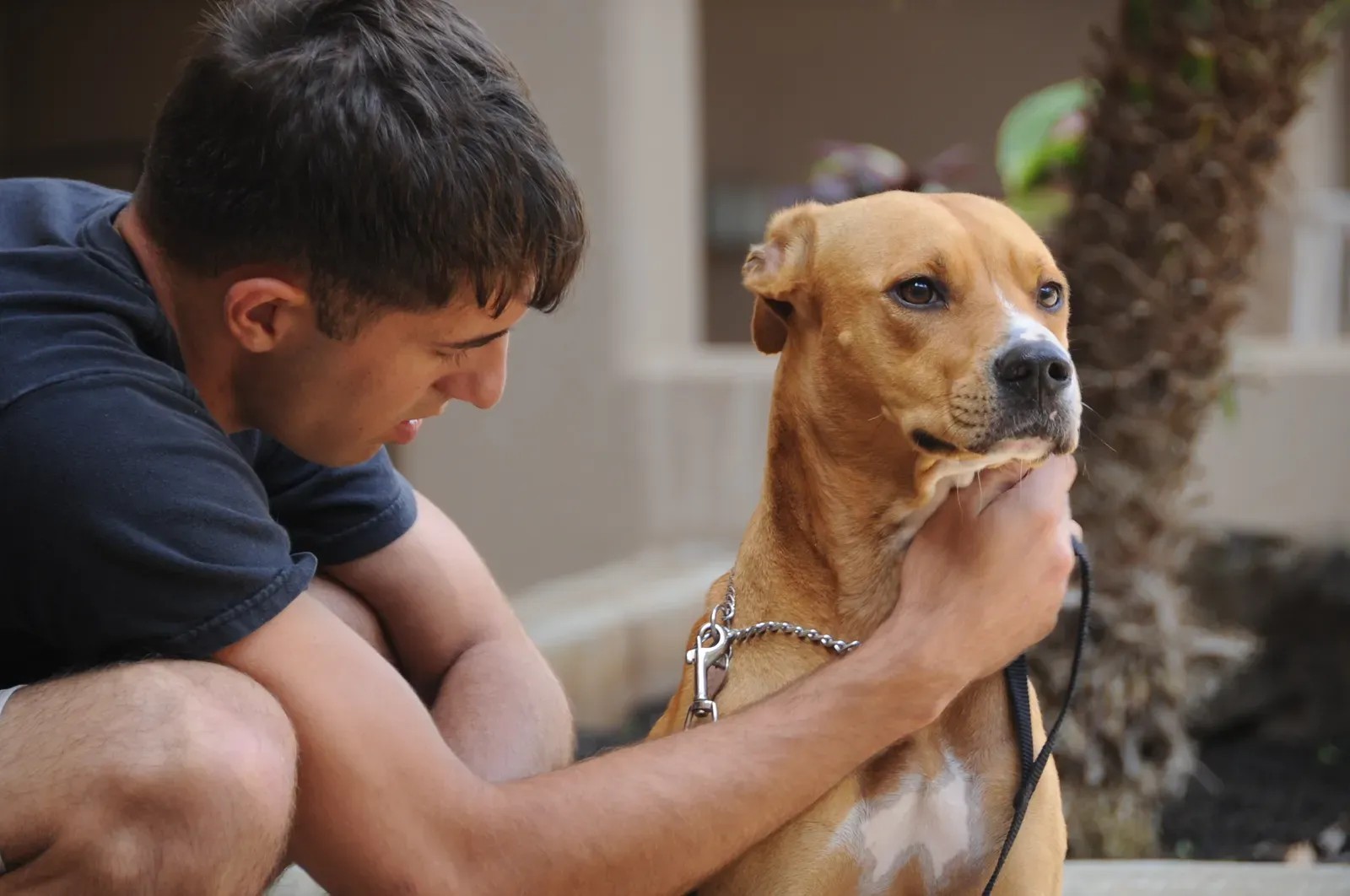
Rescue dogs don’t just become pets. They become therapists, confidants, and emotional anchors in ways that surprise even the most experienced dog lovers.
Pet owners are less likely to suffer from depression than those without pets, and the science backs this up in remarkable ways. When you interact with your dog, your body releases oxytocin, that warm fuzzy hormone connected to bonding and happiness. At the same time, cortisol levels drop, easing stress and anxiety naturally.
74% of pet owners reported an improvement in their mental well-being after getting a pet. Think about that for a moment. Nearly three quarters of people felt mentally better simply by welcoming a furry friend into their lives. For rescue dogs specifically, there’s an added dimension of fulfillment. Rescue pets often form strong bonds with their owners, offering deep emotional connections and a sense of fulfillment, and knowing that one has provided a loving home to a previously homeless animal can foster a sense of purpose and boost self-esteem.
Understanding the 3-3-3 Rule
Here’s the thing about rescue dogs. They need time to decompress, to realize this isn’t just another temporary stop. That’s where the 3-3-3 rule comes in, and honestly, it’s one of the most helpful frameworks for new adopters.
During the initial days, most rescue dogs are overwhelmed by their new environment, and your new pet may appear subdued, refuse to eat, or seem disinterested in interaction, and this behavior doesn’t reflect their true personality – it’s a natural response to the significant change they’re experiencing. Don’t panic if your new companion hides under the bed or won’t touch their dinner.
By the three-week mark, most adopted dogs begin establishing routine and showing more of their personality, start learning house rules, becoming more comfortable with their surroundings, and forming initial bonds with family members. Around the three-month milestone, most rescue dogs have built substantial trust and begun to feel truly at home, their authentic personality emerges more fully, and they’ve typically settled into family routines, with many adopters reporting that their dog seems to finally understand they’re staying permanently around this time.
What the Science Shows About Their Adjustment
Let’s be real. The adjustment period can feel long when you’re in the thick of it, especially if behavioral challenges emerge. Full adjustment can take several months, and in experience, you’ll see big improvements in the first month, but it can take up to 6 months for a rescue dog to fully show their true personality.
A fascinating study tracked rescue dogs over six months after adoption. Results showed the dogs had a high prevalence for aggression toward strangers, their owners and other dogs that changed in a variety of ways over time, and separation-related behavior problems decreased at the six-month time point. Yet despite these ups and downs, the outcome was overwhelmingly positive.
At 180 days, 100% of owners indicated their dog adjusted to the new home extremely or moderately well, with no owner indicating poorly/not at all, and also at 180 days, 93.7% rated their dog’s overall behavior as excellent or good. That’s incredible when you think about it. Every single owner felt their dog had adjusted well by the six-month mark.
The Physical Health Benefits They Quietly Provide
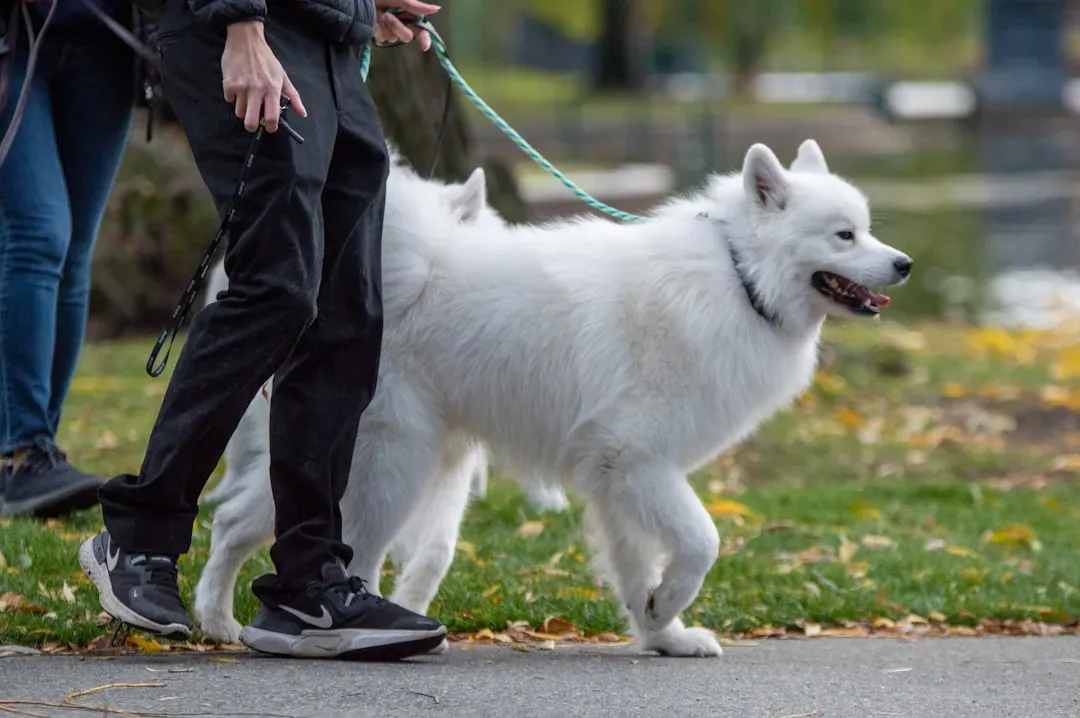
Beyond the emotional support, rescue dogs literally improve our physical health in measurable ways. It’s not just about feeling good. It’s about being healthier.
People with pets have lower blood pressure in stressful situations than those without pets, and one study even found that when people with borderline hypertension adopted dogs from a shelter, their blood pressure declined significantly within five months. That’s a powerful health benefit from simply opening your heart to a shelter pup.
Over 60% of dog owners meet the recommended weekly amount of exercise, meaning they get 150 minutes of moderate exercise or 75 minutes of vigorous exercise each week. Those daily walks aren’t just good for your dog. They’re keeping you active, reducing cancer risks, and strengthening your cardiovascular system. The increased activity also benefits our adopted pets as walks can help them feel more confident and less stressed while giving them the physical and mental stimulation they need.
Their Special Gift of Unconditional Acceptance
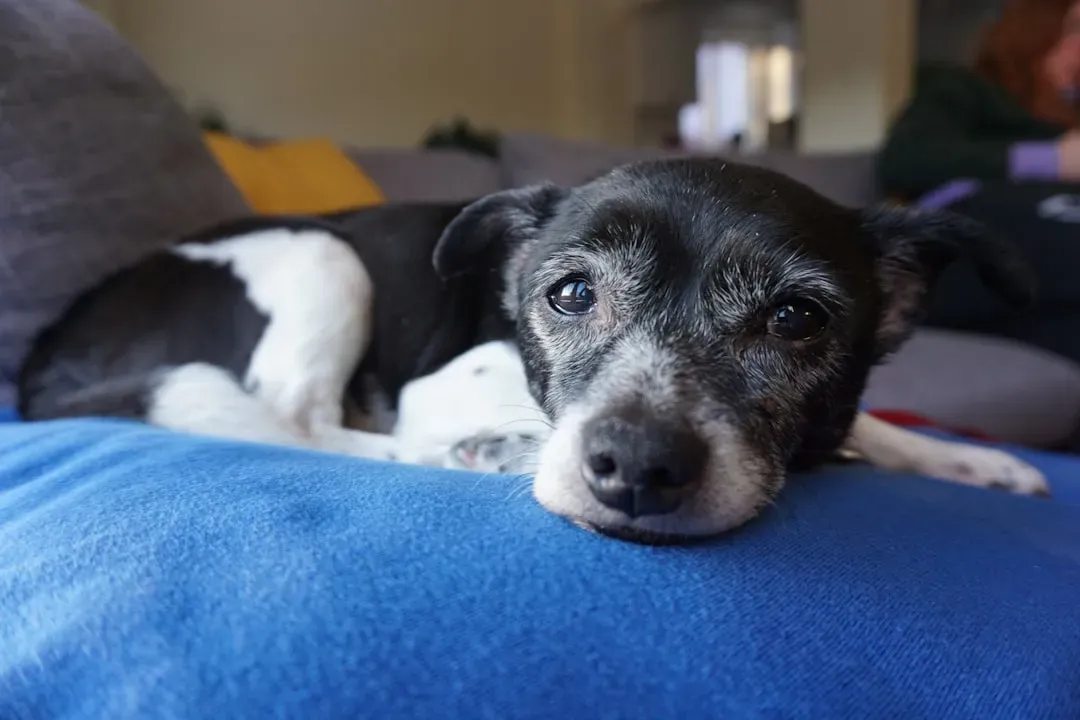
There’s a reason rescue dogs often seem especially grateful, especially loving. They’ve known uncertainty. They understand what it means to need someone.
Nearly two-thirds of pet owners say that their animals offer companionship (65%), are a true friend (65%) and provide unconditional love and support (64%). Think about those percentages. Your rescue dog doesn’t care if you had a bad day at work, if you gained weight, or if you snapped at someone in traffic. They just care that you’re home.
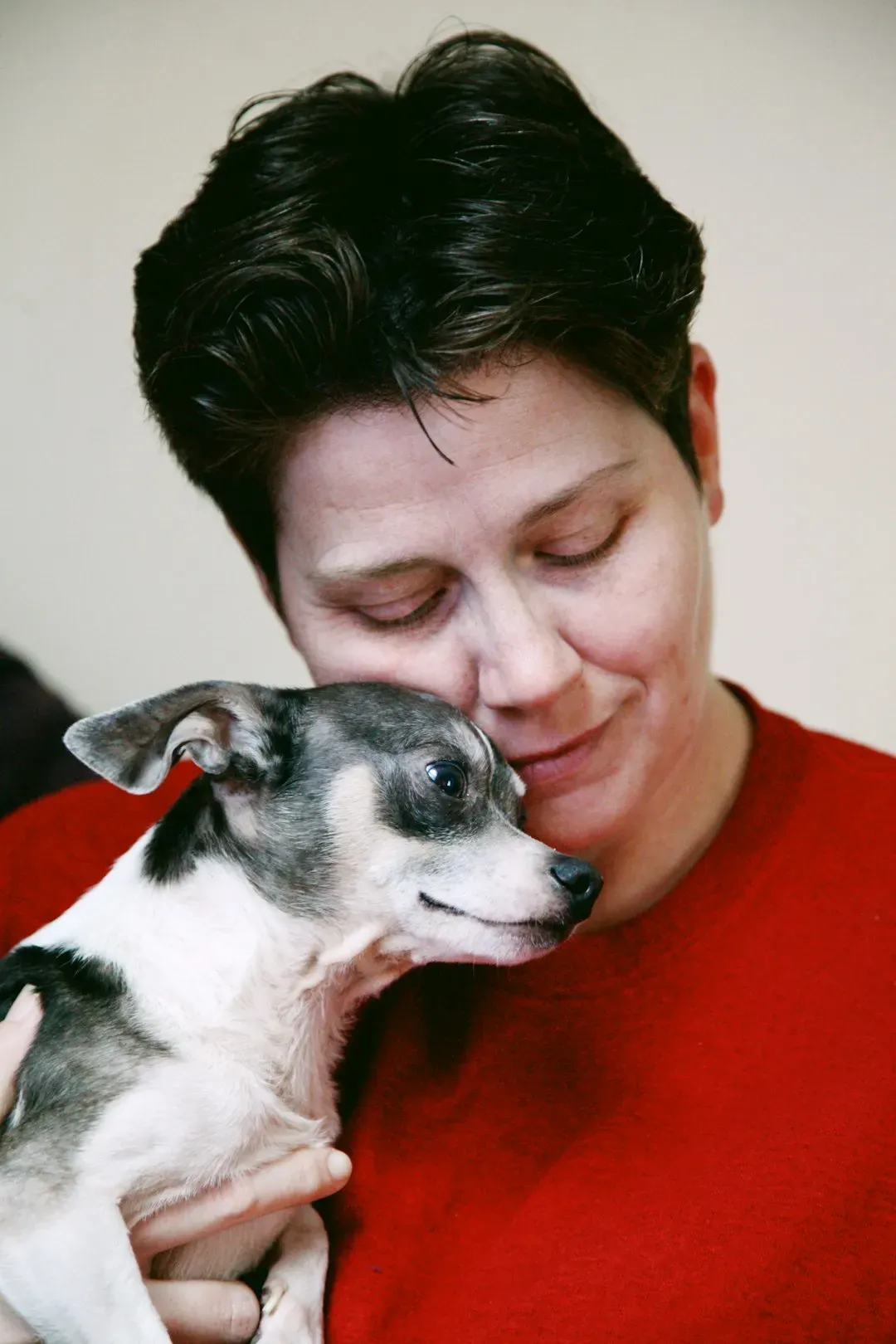
Rescue animals, having experienced abandonment or neglect, can be incredibly loyal and loving, and their resilience can inspire and motivate owners, reminding them of the power of compassion and second chances. This mutual rescue experience creates bonds that run deeper than typical pet ownership. You saved them, sure. Many adopters will tell you their rescue dog saved them right back.
Practical Tips for Supporting Your New Companion
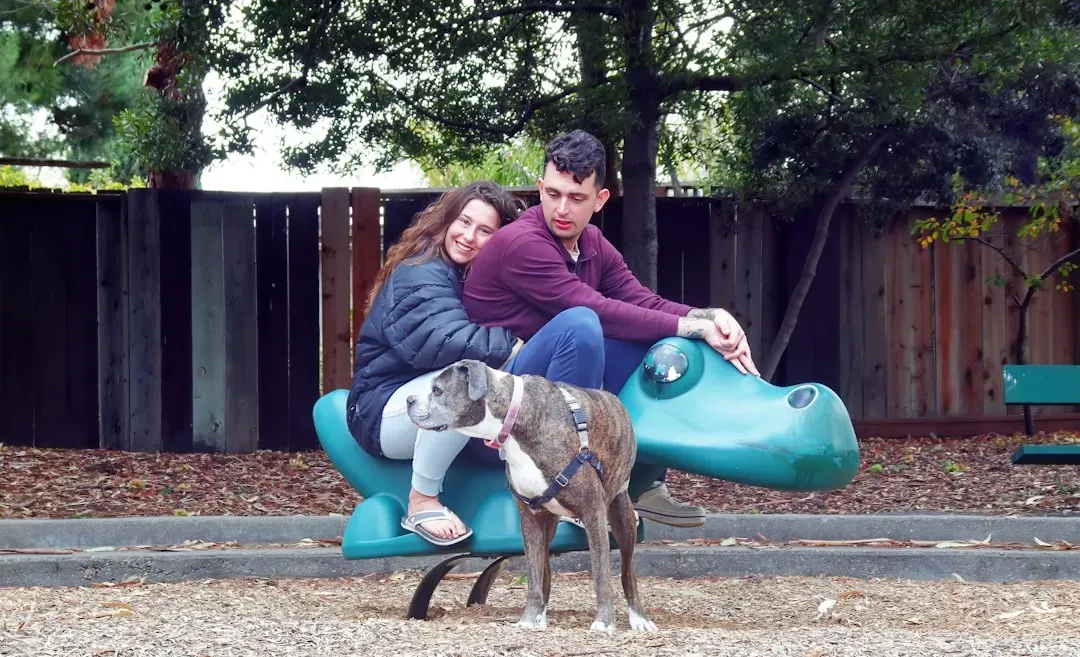
Patience isn’t just a virtue when adopting a rescue dog. It’s a necessity. Your new friend needs structure, consistency, and understanding as they navigate this transition.
Regular feeding, walks, and bedtime help your dog understand what to expect, and routines reduce stress and help them feel secure. Simple predictability makes their world feel safer. Feed them at the same time each day. Walk the same routes initially. Keep their sleeping area consistent.
Give them a cozy area to call their own, like a crate or bed in a calm corner, and let them come to you when they’re ready for attention. Forcing interaction too early can backfire. Let them approach on their terms. Your new dog will need time to develop a bond with you and to realize that you are his new owner, and if you let him come to you for attention when he is ready, it will help him be more trustful about building a bond with you.
Don’t forget about professional support if needed. If you’re feeling out of your depth, don’t hesitate to reach out to a professional trainer or behaviorist, especially with issues like aggression or severe anxiety that can be tricky to manage on your own.
Conclusion
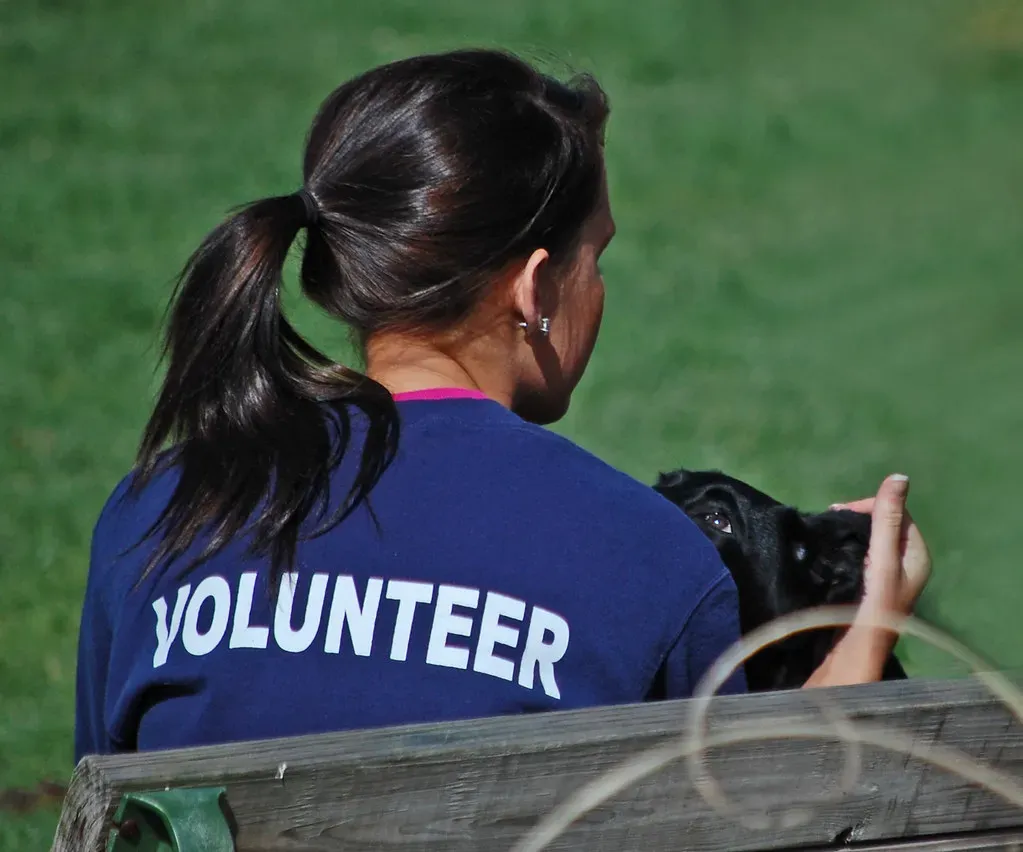
Adopting a rescue dog is one of those decisions that changes you as much as it changes them. The first weeks might test your patience. You might wonder if you made the right choice when they’re anxious or displaying challenging behaviors. Those doubts are normal.
What matters is sticking with it through the adjustment period, understanding that time and consistency work miracles. Approximately 2 million dogs are adopted annually, and the vast majority of those adoptions become beautiful success stories. The unconditional love, the mental health benefits, the physical activity, the companionship during lonely moments – these gifts unfold gradually but powerfully.
Your rescue dog didn’t get to choose their past, but you’re giving them the chance to choose their future with you. That’s worth celebrating. Have you considered opening your home to a rescue dog, or do you already have one who’s stolen your heart? Either way, you’re part of something special.


