

Ever watched your dog pacing nervously during a thunderstorm, or noticed them cowering when the vacuum roars to life? The truth is, our homes might not be as peaceful to our dogs as we think they are. Dogs experience their surroundings completely differently than we do, picking up on sounds we barely notice and absorbing stress from the very air around them. Creating a calm environment isn’t just about avoiding chaos. It’s about understanding how deeply our homes impact the emotional and physical wellbeing of our furry companions.
What many dog owners don’t realize is that the atmosphere we cultivate at home shapes everything from behavior to health. A peaceful space can be the difference between a relaxed, confident dog and one that struggles with anxiety daily. Let’s explore how you can transform your home into a sanctuary that truly nurtures your dog’s happiness.
The Hidden Stressors In Your Home

Your home might seem perfectly quiet to you, yet it could be a symphony of stressful sounds to your dog. High-frequency, intermittent noises such as the battery warning of a smoke detector are more likely to cause a dog anxiety, rather than low-frequency, continuous noise. Think about those beeping microwaves, the sudden screech of a smoke alarm during battery changes, or even the hum of household appliances. Dogs hear many high-frequency noises that are undetectable to the human ear and may cause them to feel stressed.
Owners not only underestimated their dogs’ fearfulness, but the majority of people in videos responded with amusement rather than concern over their dog’s welfare. We might giggle when our dogs react dramatically to the doorbell, not realizing they’re genuinely distressed. Common household sounds like vacuum cleaners, blenders, and even the rustling of plastic bags can trigger anxiety responses. The key is paying attention to your dog’s body language during these moments.
Why Predictable Routines Matter More Than You Think

Dogs are creatures of habit and thrive on predictability and structure. When your dog knows what comes next, their world makes sense. A routine provides them with a sense of predictability in their daily lives, reducing stress and anxiety. It’s honestly remarkable how much calmer dogs become when they can anticipate meal times, walks, and even bedtime.
Imagine not knowing when your next meal would arrive or whether you’d get to go outside today. That’s the uncertainty some dogs face without consistent schedules. A 2021 study published in Animals found that shelter dogs on consistent schedules had significantly lower cortisol levels than those without a routine. Lower cortisol means less stress, which translates directly to better health and happiness. Even small rituals matter.
Creating Physical Spaces That Promote Calmness

It is also important to provide your dog with a safe place in the home where they can escape stimuli that trigger a stress response. Every dog needs their own retreat, whether it’s a cozy crate covered with a blanket, a specific corner with their favorite bed, or even just a quiet room away from household traffic. This isn’t about isolating your dog but giving them choice and control.
Close the blinds, dim the lights, turn on calming music or sounds and encourage nap time! Think of it as creating a spa environment for your pup. Soft lighting, minimal visual distractions, and gentle background sounds can work wonders. Some dogs even respond beautifully to white noise machines that mask sudden outdoor sounds like sirens or neighborhood dogs barking.
Consider where you place their safe space too. Avoid high-traffic areas or spots near windows where they’ll be constantly stimulated by passersby. The goal is to offer them somewhere they genuinely want to decompress.
The Power Of Mental Enrichment In A Calm Home

Here’s something surprising: a bored dog is often an anxious dog. A tired mind is just as important as a tired body. Without mental challenges, dogs will create their own entertainment – usually in ways you don’t appreciate. Mental stimulation isn’t extra, it’s essential. When dogs lack outlets for their natural intelligence and curiosity, that pent-up energy manifests as stress behaviors.
Adding enrichment activities will help tire your dog out and promote relaxation because they burn energy and relieve stress. Puzzle feeders, snuffle mats, hide-and-seek games with treats, and even simple training sessions give your dog’s brain a workout. Sniff walks, for instance, allow dogs to use their natural instincts, leaving them calmer and more satisfied afterward. Let them spend twenty minutes sniffing every blade of grass instead of power-walking them around the block, and watch how much more relaxed they become.
Your Energy Shapes Their Emotional State
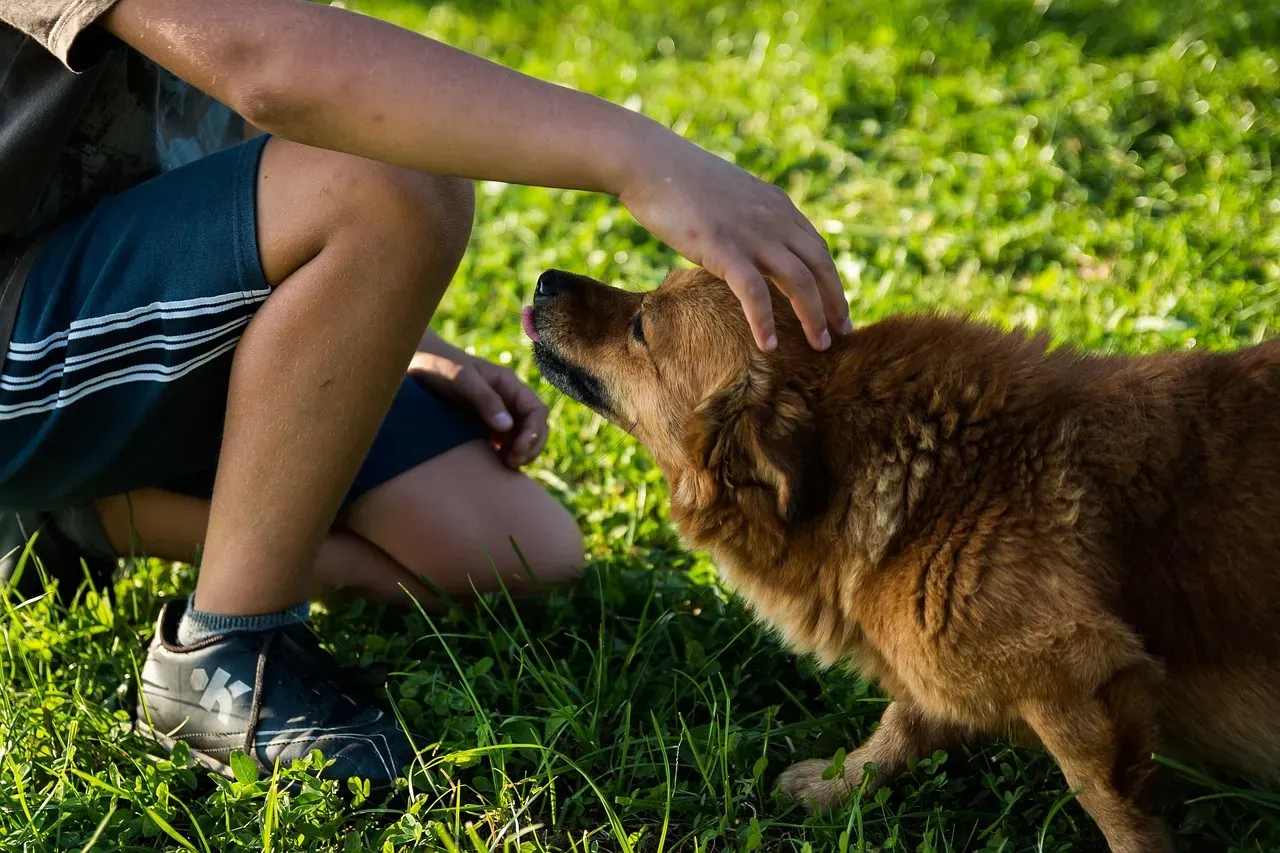
Let’s be real: dogs are emotional sponges. Pets often pick up on their owner’s emotional state. If you remain calm and composed, your pet is more likely to feel secure. If you’re rushing around stressed, snapping at family members, or anxious about work, your dog absorbs that tension. They don’t understand why you’re upset, but they feel it deeply.
This doesn’t mean you need to be Zen master level calm every moment. It means being mindful during stressful times about how you interact with your dog. Physical contact, like petting and massage, causes the brain to release oxytocin hormone in both dogs and humans. It helps to strengthen your bond and calm the anxious dog. Taking five minutes to sit quietly with your dog, gently stroking them, can reset both of your nervous systems.
Your tone of voice matters enormously. Speaking softly and moving deliberately creates a calmer atmosphere than sudden movements and loud voices. Dogs thrive when their humans model the behavior we want to see in them.
Building Long-Term Emotional Resilience
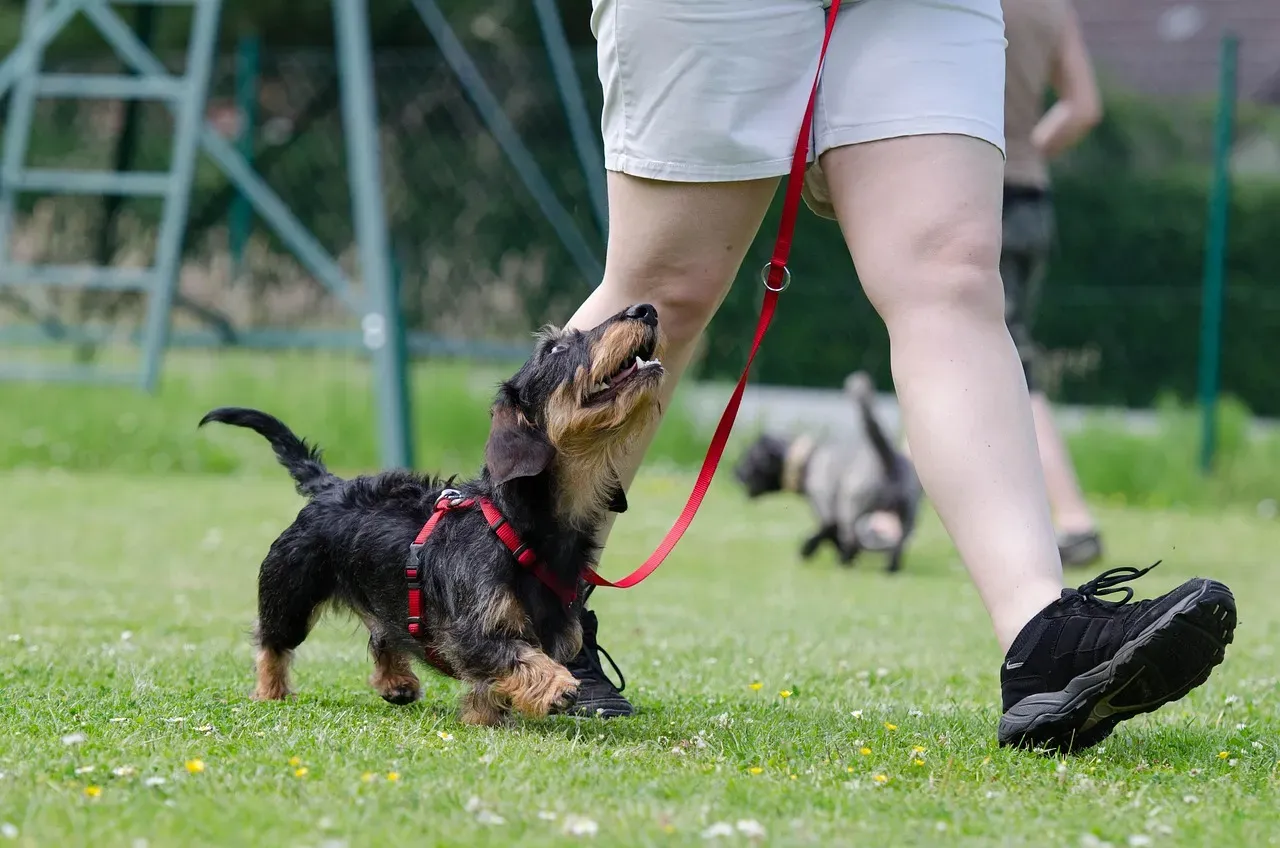
Regular training fosters a sense of security and confidence in dogs, lowers stress hormone levels, and strengthens the bond with their owners. Training isn’t just about commands. It’s about communication and building your dog’s confidence in navigating the world. When dogs understand what’s expected of them, they feel safer and more secure in their environment.
When dogs experience anxiety, music or white noise can help calm them down. This provides a soothing and calming environment, and it can naturally reduce their stress and anxiety levels. Consider keeping classical music or dog-specific calming playlists on during potentially stressful times. As with humans, exercise can be a great stress reducer. For healthy dogs, physical activities such as walking or playing fetch may help both you and your dog release tension. Combine physical activity, mental stimulation, consistent routines, and a peaceful physical environment, and you’ve created the foundation for a truly happy dog.
The journey toward a calmer home isn’t about perfection. Some days will be chaotic no matter what. What matters is creating consistent patterns that help your dog feel safe, loved, and understood. Over time, these small changes compound into something profound: a dog who greets the world with confidence instead of fear.
Conclusion

A calm home environment isn’t a luxury for dogs, it’s a fundamental need that impacts every aspect of their wellbeing. From managing household noise to establishing predictable routines, from creating safe retreat spaces to providing mental enrichment, each element works together to cultivate genuine happiness in our canine companions. The beautiful thing is that these changes often improve our own lives too, bringing more peace and structure to everyone under the roof.
Remember, you know your dog best. Pay attention to their signals, notice what soothes them, and don’t be afraid to experiment with different approaches. Your efforts to create a more peaceful home will be rewarded with a more relaxed, confident, and joyful dog. What small change will you make today to help your dog feel more at ease?


