
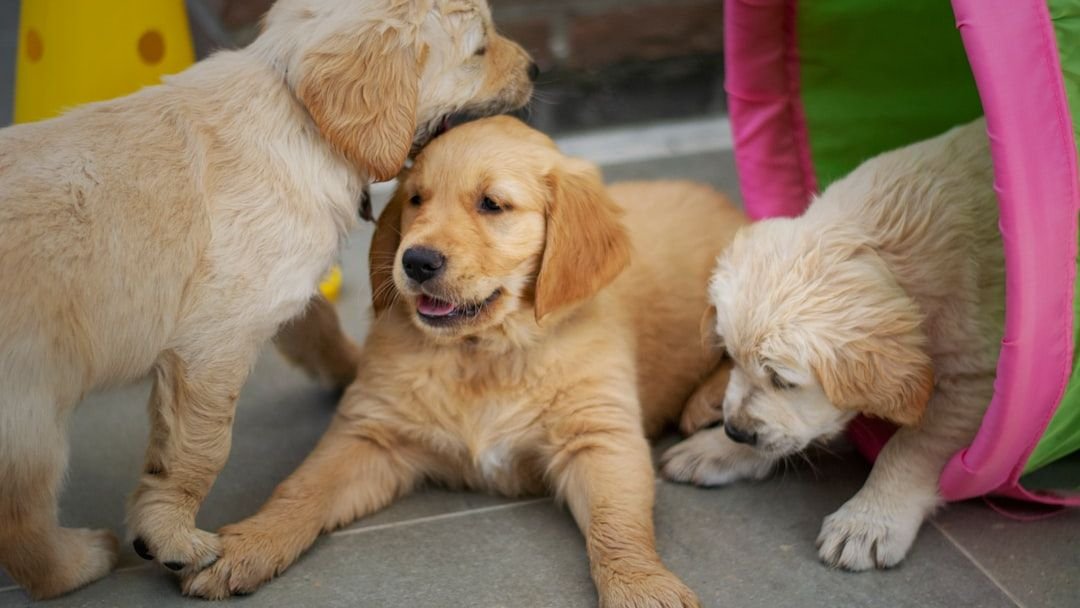
Every time a news headline blares about a dog bite incident, the same tired arguments surface. People rush to blame the breed, as if a dog’s genetics alone seal their fate as either friend or foe. I’ve seen too many gentle souls dismissed or feared simply because of how they look, and it breaks my heart. Here’s the thing people often miss: while genetics play a role in your dog’s potential, training and environment actually shape who they become.
Think about the last time you met a perfectly behaved Pit Bull or a nippy Golden Retriever. Those moments should tell us something important. The conversation we need to have isn’t about banning breeds but about understanding what truly creates a well adjusted, happy dog.
The Science Behind Breed and Behavior
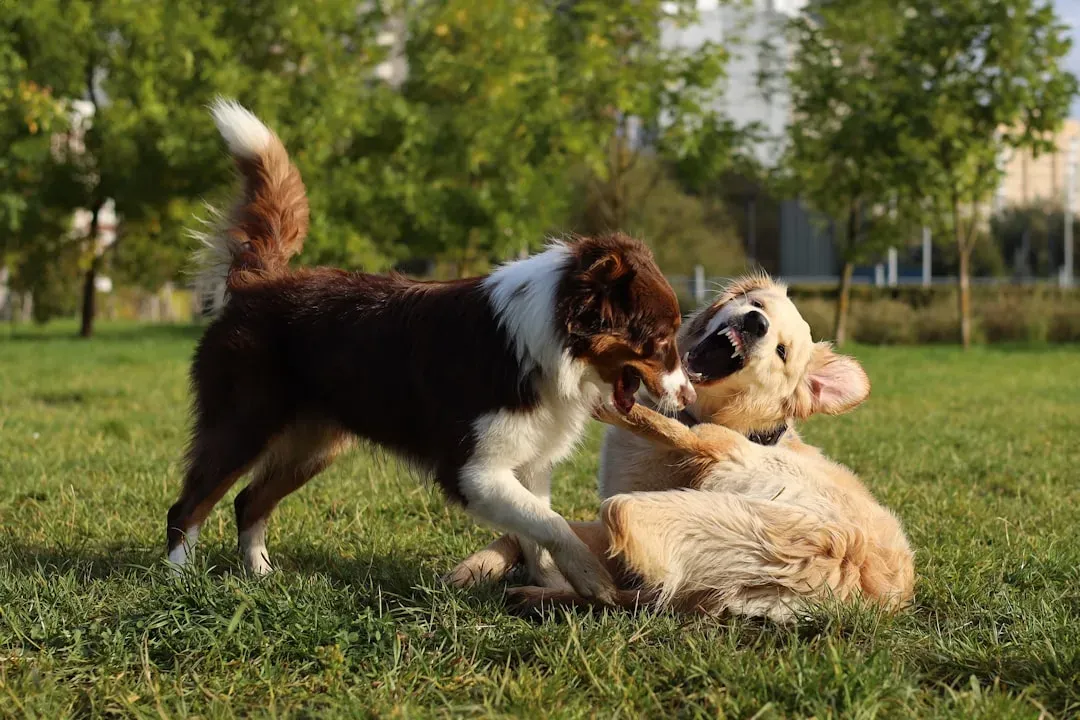
Breed explains just nine percent of behavioral variation in individuals, according to groundbreaking research that examined thousands of dogs and their genetics. Let’s be real: that’s shockingly low. While certain breed tendencies do exist, they’re nowhere near the definitive predictors most people assume.
Breeds frequently subjected to societal stigma and negative media representation as “potentially aggressive” did not demonstrate the highest levels of aggression when researchers actually measured behavior. Your neighbor’s fear of that blocky headed dog walking past? It’s probably based on misconceptions rather than reality.
Genetics are “a nudge in a given direction,” not “a destiny”, as canine cognition experts have explained. Think of it like inheriting your family’s musical talent. Sure, you might have an ear for rhythm, but without practice and encouragement, you’re not becoming a concert pianist.
Early Experiences Shape Everything

The first few months of a puppy’s life matter more than most people realize. Major stressors during puppy development from the prenatal stage through adolescence significantly influence behavioral problems later on. A puppy raised in a loving, stimulating environment develops completely differently than one kept isolated or stressed.
Proper socialization isn’t just about letting your puppy meet other dogs at the park. It’s about carefully exposing them to different people, sounds, surfaces, and situations during that critical window before they’re four months old. Proper socialization ensures your puppy has a wonderful time with each experience, creating positive associations that last a lifetime.
I know what you’re thinking: what if you adopted an adult dog who missed that window? Honestly, it’s harder but not impossible. Patience, consistency, and professional guidance can help many dogs overcome rough starts.
Training Methods Make or Break Your Dog
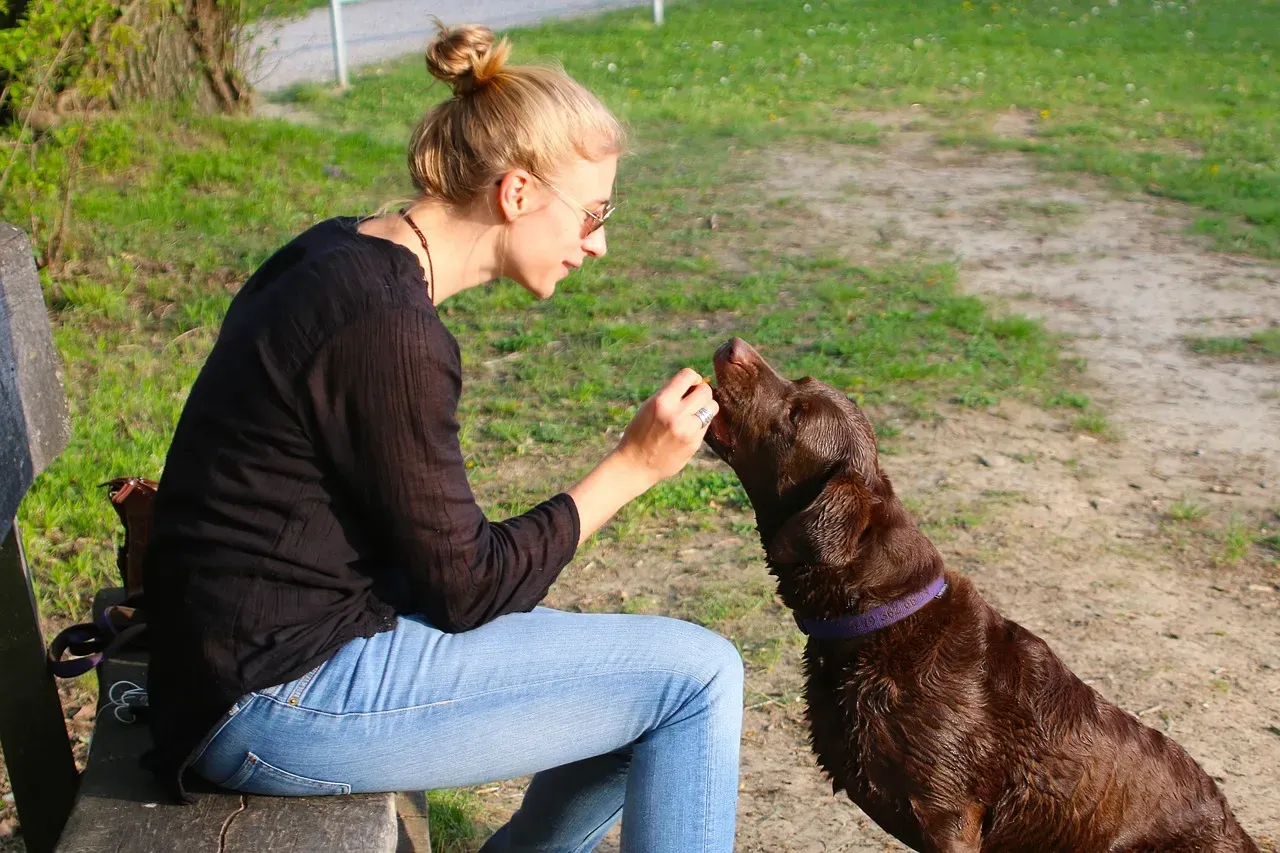
Positive reinforcement is the safest and most effective way to train dogs, according to modern behavioral science. This isn’t just feel good fluff. Studies consistently show that reward based training methods are more effective than aversive methods, with multiple survey studies showing higher obedience in dogs trained with rewards.
When you reward behaviors you want to see more of, you’re doing more than teaching commands. You’re building trust and enthusiasm for learning. Dogs trained with positive methods actually enjoy training sessions and eagerly engage, while those trained with punishment often shut down or become fearful.
Positive reinforcement is only effective if it’s constant, predictable, and given immediately after your dog exhibits good behavior, with rewards occurring within seconds. Timing matters enormously here. Miss that window, and your dog won’t connect the dots between their action and your response.
Consistency Beats Everything Else
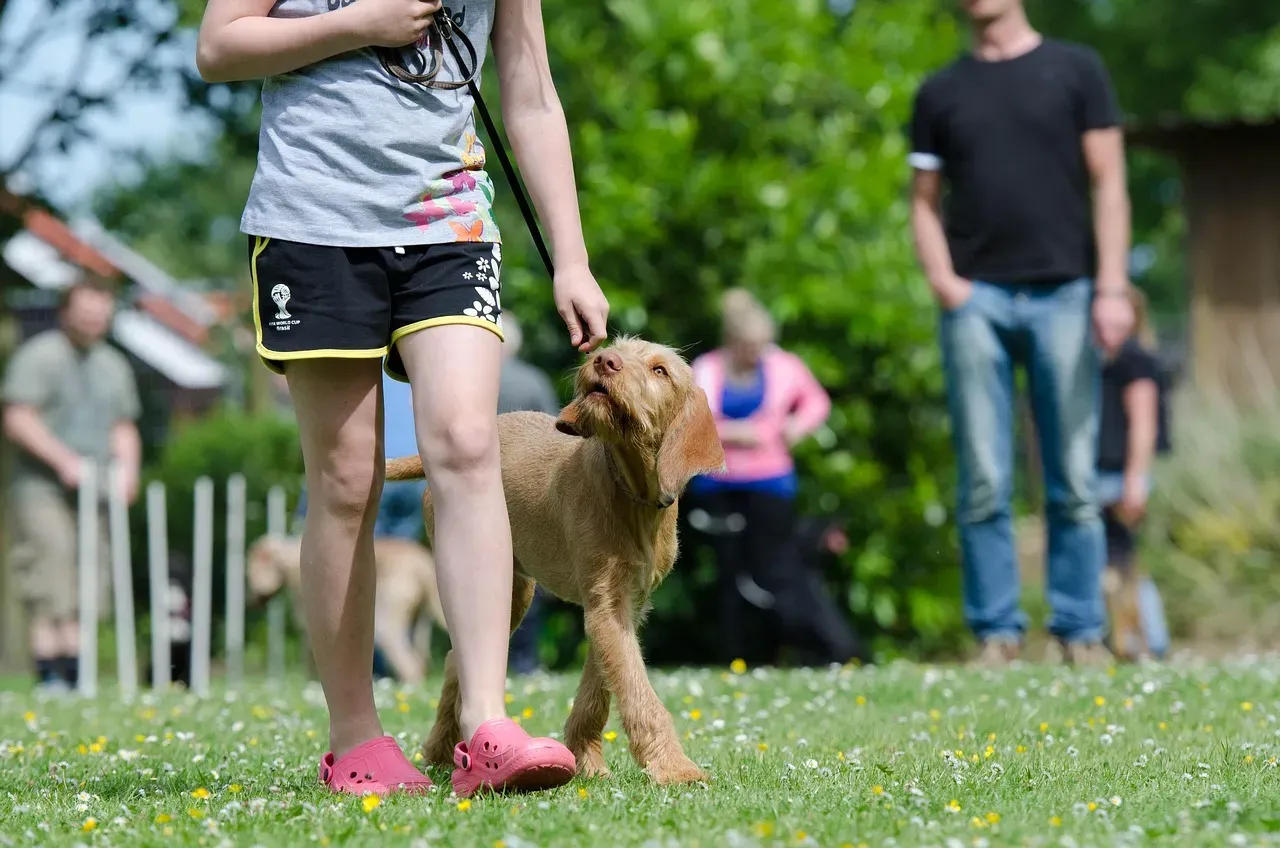
You can have the sweetest breed and the best intentions, but inconsistency will undermine everything. Consistency is key in training, and if you live in a household with multiple people, everyone must be on the same page with training cues and methods, otherwise you’ll simply confuse your dog.
Picture this scenario I’ve seen countless times: Dad doesn’t allow the dog on the couch, but the kids secretly let the pup cuddle during movies. The dog isn’t being stubborn when they jump up later. They’re genuinely confused about the rules.
Every family member needs to use the same commands, reward the same behaviors, and maintain the same boundaries. Dogs thrive on predictability. When they know what to expect and what’s expected of them, anxiety decreases and cooperation increases dramatically.
Environment and Individual Personality Matter
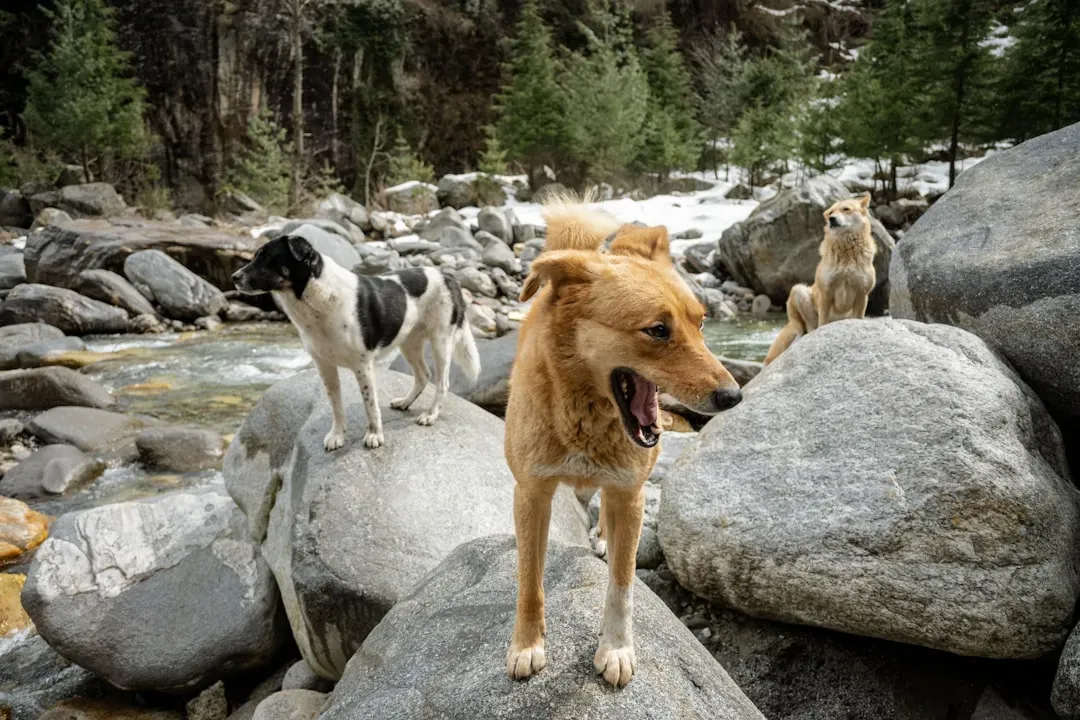
Mixed breeds displayed the highest levels of fearfulness, potentially attributed to their diverse genetic backgrounds and complex early life experiences. Your dog’s surroundings, daily routine, exercise level, and mental stimulation all dramatically impact their behavior.
A high energy Border Collie stuck in a tiny apartment with minimal exercise will likely develop problem behaviors. That’s not the breed being “bad.” That’s a mismatch between the dog’s needs and their environment. The same dog on a farm with sheep to herd and space to run would probably be perfectly content.
Both genetics and environmental influences play an important role in the behavioral development of dogs. Some dogs are naturally more anxious or bold, just like people have different temperaments. Understanding your individual dog’s personality helps you tailor training and management to set them up for success.
Breaking Free From Breed Stereotypes
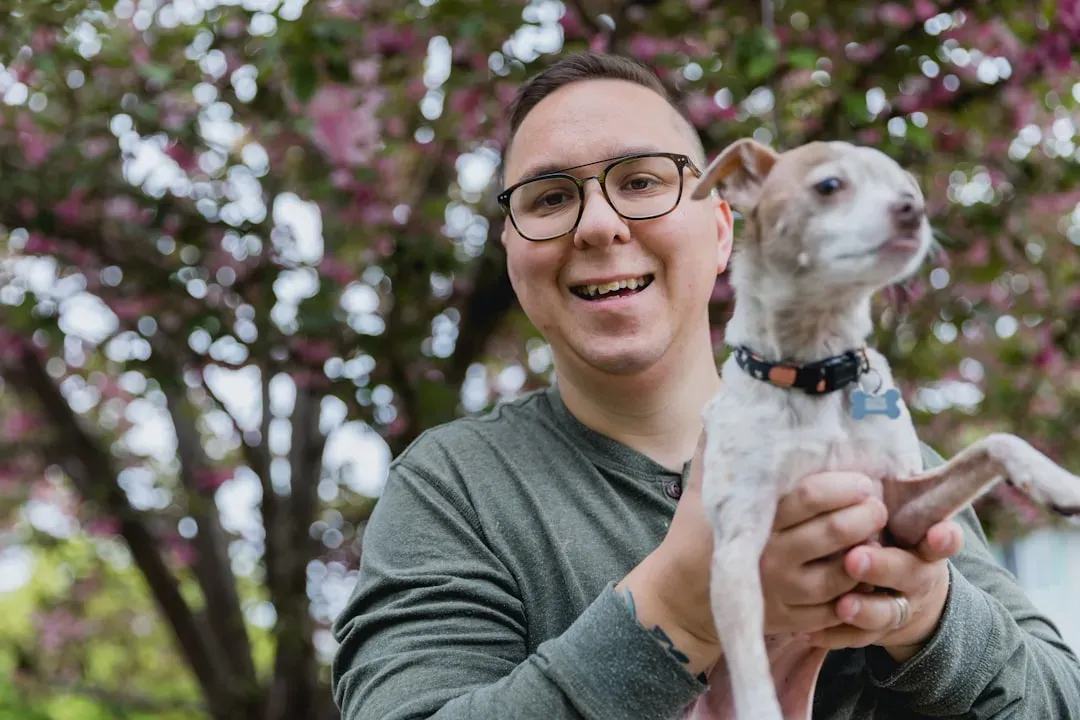
Research emphasizes the need to move beyond breed based stereotypes, focusing instead on empirical data and evidence based practices to improve canine welfare. When we judge dogs by their appearance or breed label, we miss the individual standing in front of us.
I’ve met Rottweilers who were gentle therapy dogs and Chihuahuas with serious aggression issues. Pit Bull type designation was not predictive of aggressive behavior in genetic research, directly contradicting widespread assumptions. These stereotypes harm good dogs and mislead owners about what actually creates problem behaviors.
The solution isn’t pretending genetics don’t exist. It’s understanding that nature and nurture work in synergy, with training, socialization, and environment playing the starring role in your dog’s behavioral outcome. Choose training methods backed by science, remain consistent, and meet your dog’s physical and mental needs.
Conclusion
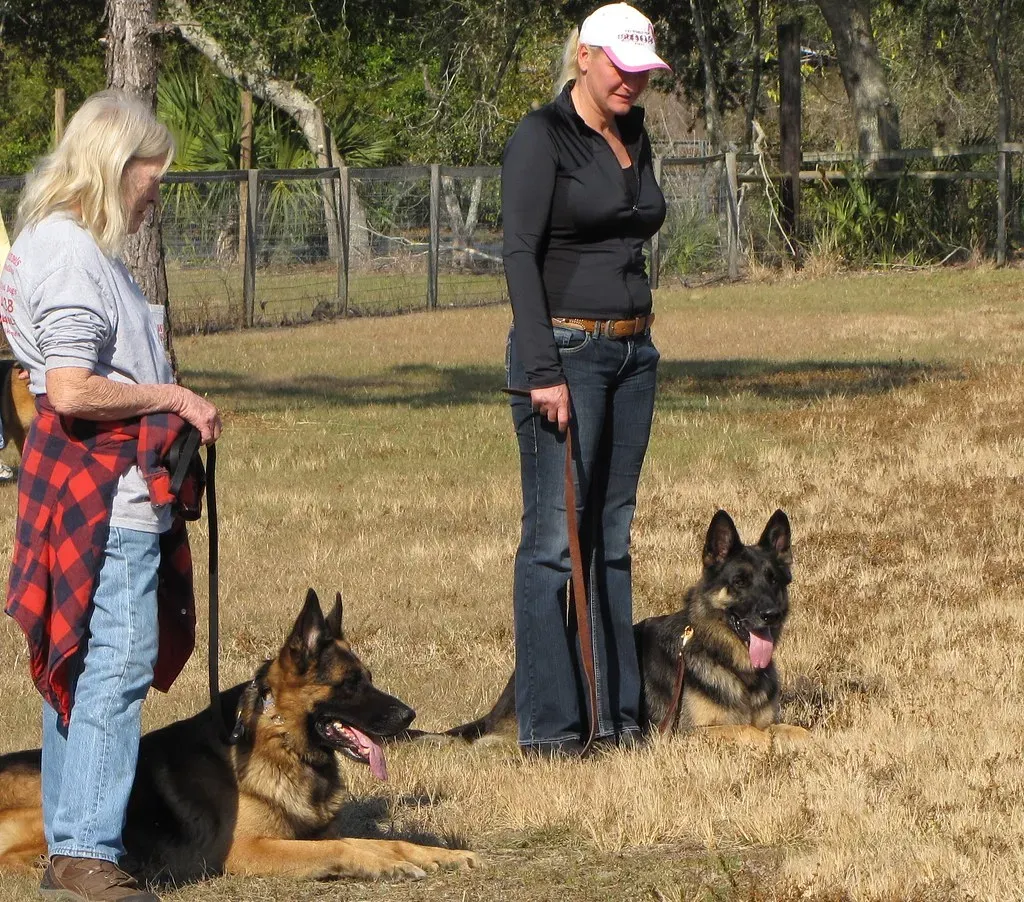
Your dog’s breed might influence certain tendencies, but it doesn’t write their story in permanent ink. The hands that hold the leash, the consistency of training, the quality of socialization, and the environment you provide matter far more than the shape of their head or the mixture in their DNA. When we stop pointing fingers at breeds and start focusing on responsible ownership, training, and individualized care, we create safer communities and happier dogs.
What role do you think training has played in your dog’s behavior? Have you seen firsthand how the right approach can transform a misunderstood pup? Share your thoughts in the comments.


