
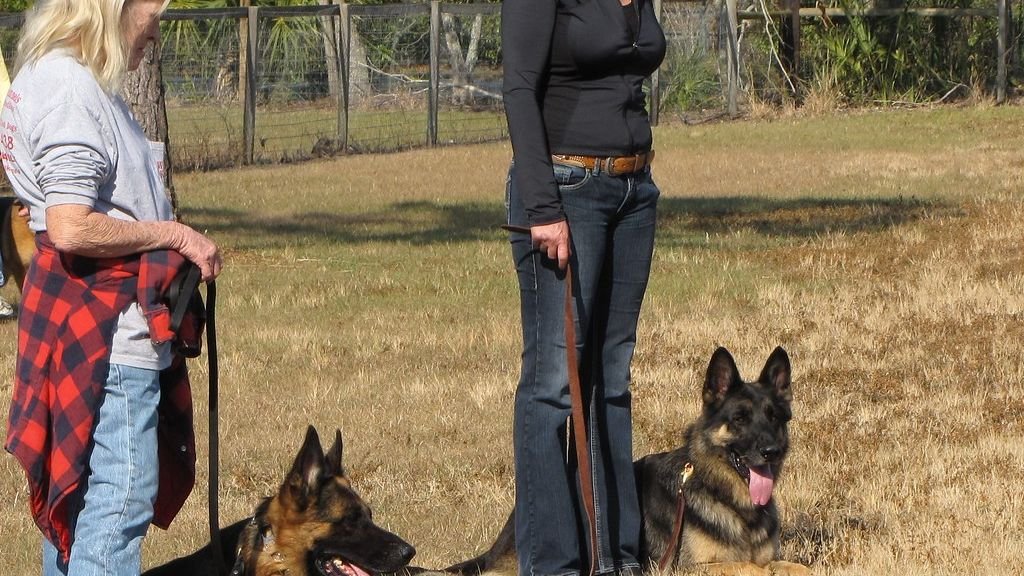
There’s this idea that floats around, stubborn as a hound refusing a bath, that once a dog reaches a certain age, learning stops. The lights go out. The door closes. You’re stuck with whatever behaviors they’ve collected over the years, good or bad.
Here’s the thing, though. That’s completely wrong. I’ve spent years working with dogs of all ages, and I can tell you without hesitation that senior dogs are some of the most remarkable learners I’ve ever encountered. They might take a different path to get there, sure. They might need a gentler approach or a bit more patience. Yet their capacity to surprise you, to master something new, to light up when they finally crack the puzzle you’ve set before them? It never fades.
The Science Says Your Senior Can Still Shine
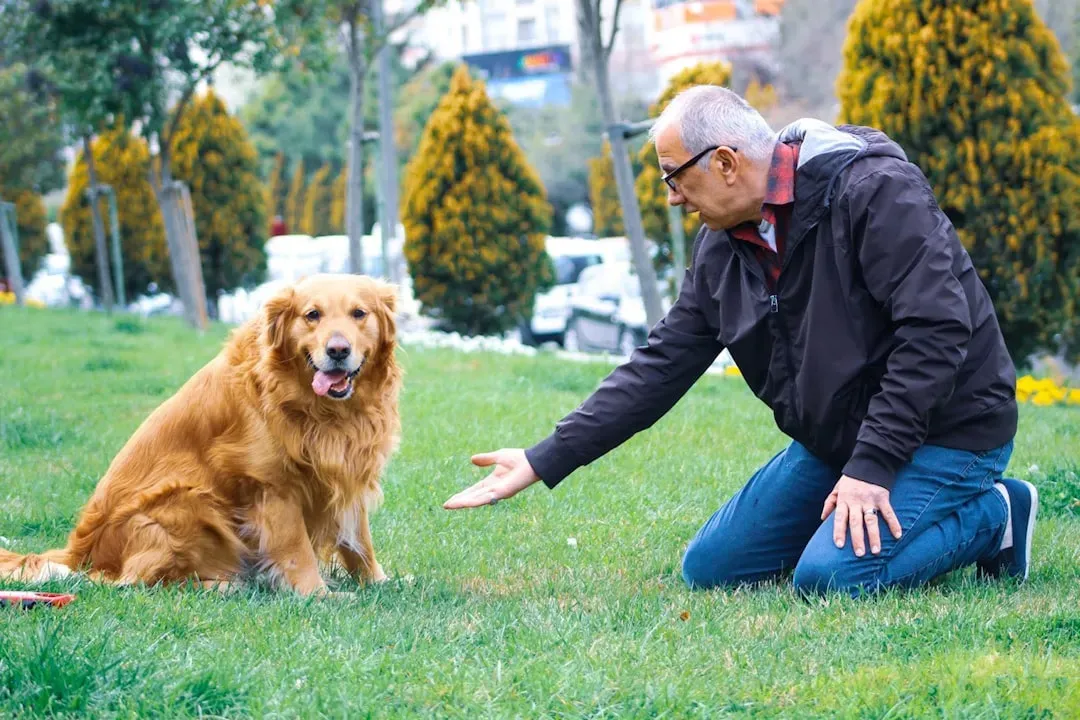
Let’s get real about what’s happening in that graying head of theirs. Adult dogs are often easier to train than their younger canine friends, specifically because they are not as active. Older dogs are not as easily distracted as pups and can focus for longer periods of time.
Think about it. Puppies are adorable chaos, bouncing from one distraction to the next. Your senior? They’ve seen it all. A squirrel outside doesn’t derail them like it used to.
In a study conducted at the University of Vienna’s Clever Dog Lab, a test of dogs’ ability to learn to distinguish between objects found that dogs around 10 years of age took more than twice as many repetitions and corrections than puppies 6 months to 1 year old. Yes, they need more time. However, the older dogs outperformed the young pups in logic and reasoning tasks, suggesting that older dogs stubbornly refuse to unlearn what they already know. They’ve got wisdom on their side, even if speed isn’t their forte anymore.
Why Training Matters More Than Ever Now
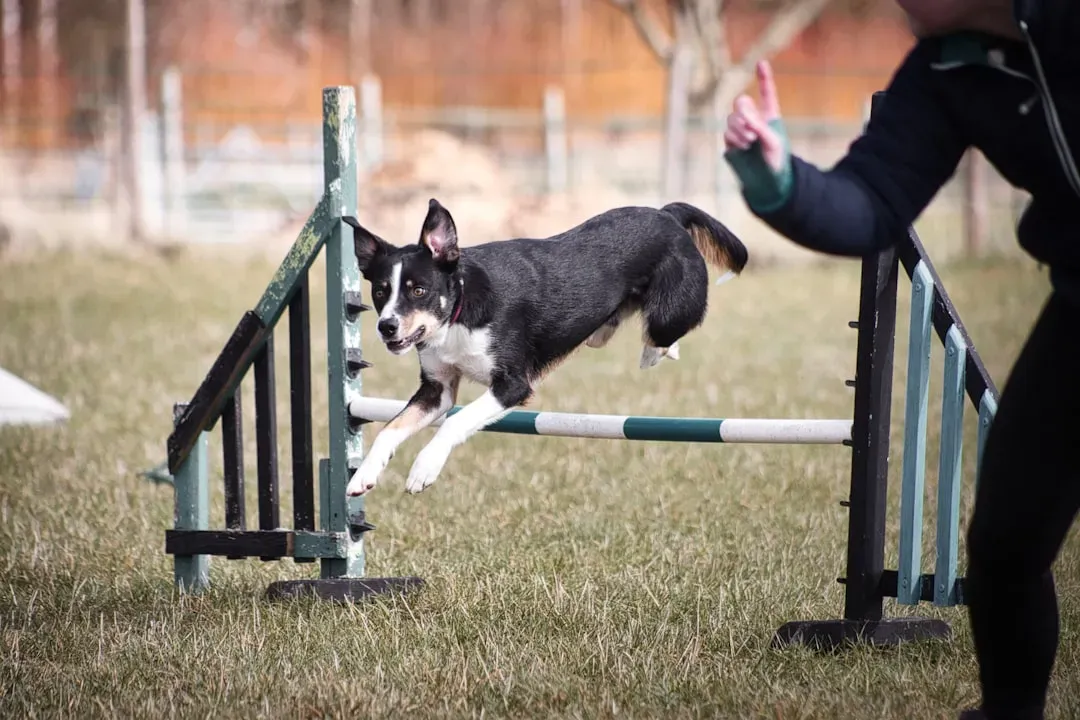
Your senior dog isn’t just sitting around waiting for retirement. Their brain needs work, just like their body needs gentle movement.
Movement helps keep a dog’s muscles, ligaments, tendons, and joints of the body strong and healthy. Exercise also stimulates the mind, which helps to maintain cognitive function. Training is mental exercise, plain and simple. One 15-minute training session can leave your dog feeling more tired than a 30-minute walk because mental stimulation requires a lot of concentration from your dog.
I think this surprises people sometimes. They assume physical exhaustion is the only kind that matters. Mental exhaustion is equally powerful, especially for a dog whose joints might protest a long hike but whose mind is still hungry for challenge. Training is a chance for fun one-on-one time with your dog that provides them with the attention they crave.
Reading the Signs: When Cognitive Changes Appear
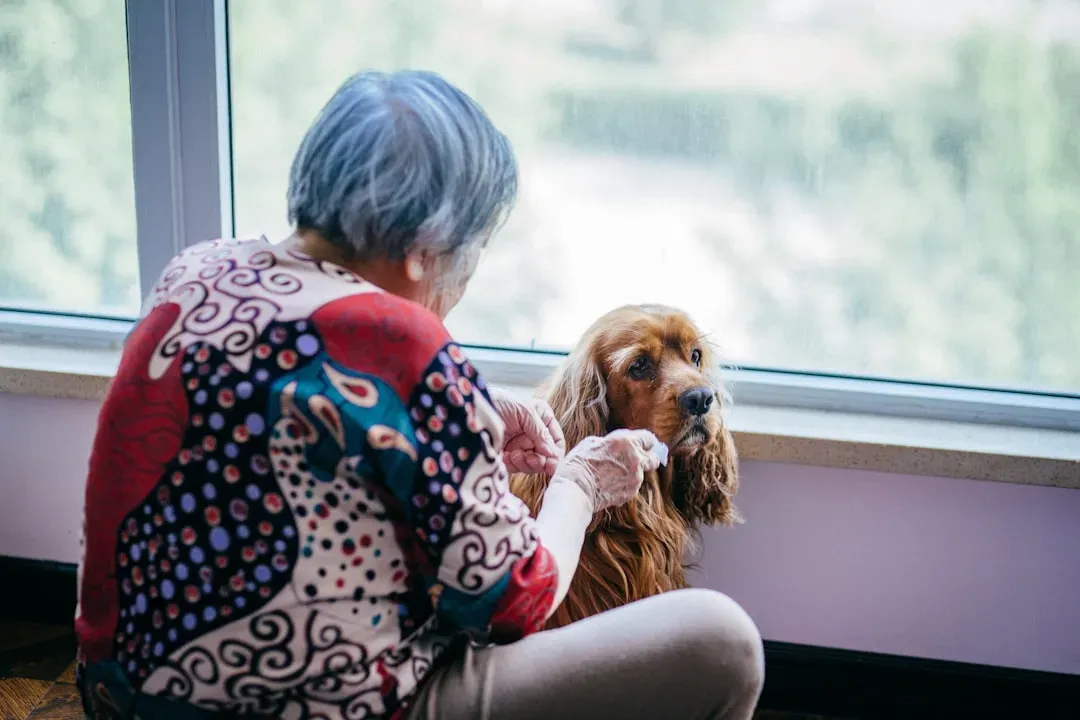
Honestly, this is where things get tricky. One study found that 28% of dogs between 11 and 12 years of age have at least one sign of dog dementia, and that increased to 68% in dogs over 15 years of age. Those numbers are sobering.
The most common symptoms of dementia in dogs are pacing at night, getting lost and vocalizing randomly, house soiling, increased anxiety, and behavior changes in their interaction with household members. If you notice your once-housetrained buddy having accidents, or they seem confused in familiar rooms, don’t brush it off as “just getting old.”
The DISHAA acronym helps: Disorientation, Interactions (social changes), Sleep/wake cycle disruptions, House soiling, and Activity level changes, plus Anxiety. Age-related cognitive decline is very common in dogs, with more than one in five dogs over the age of nine showing clinical signs. The prevalence increases to well over half of dogs over the age of 15. Early detection gives you options to slow progression and maintain quality of life longer.
Training With Compassion and Creativity
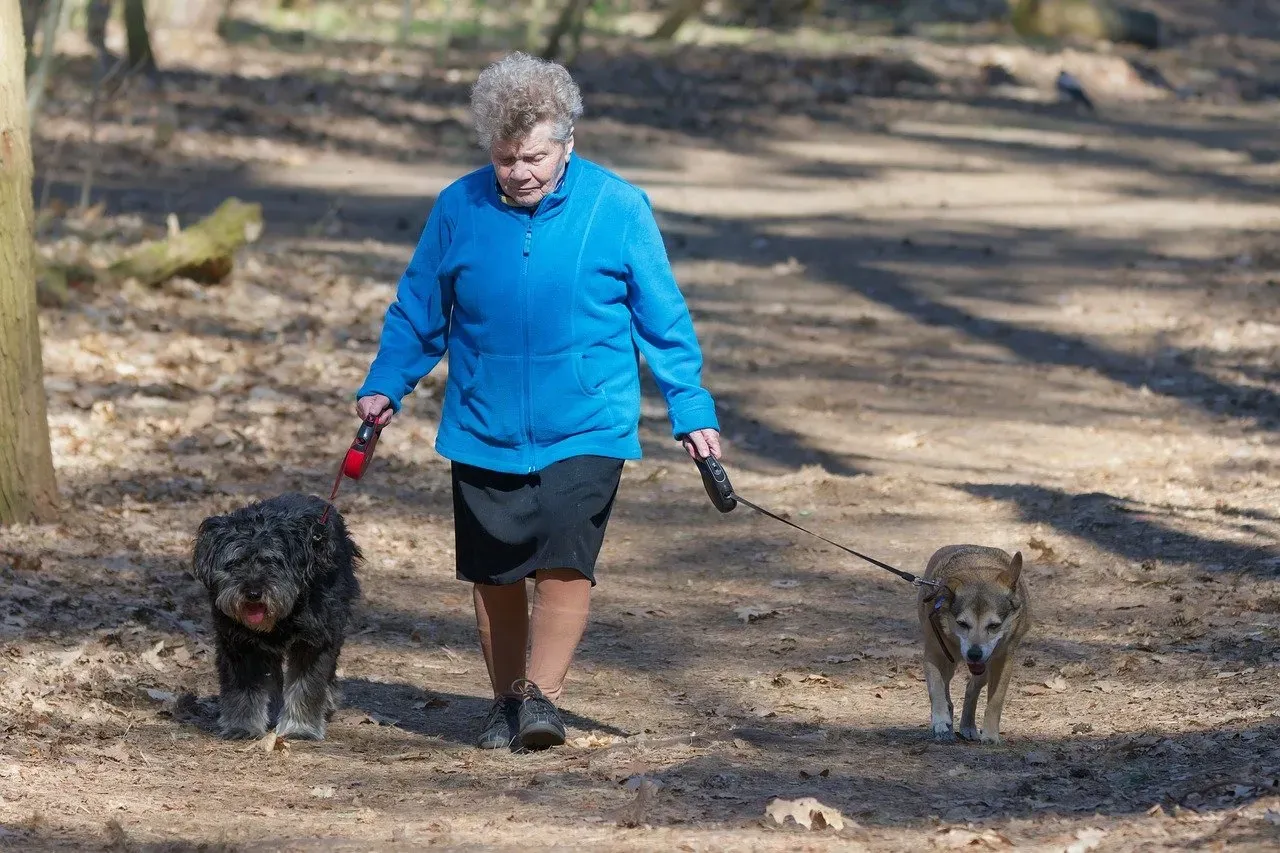
So how do you actually teach an old dog something new? Start where they are, not where you wish they were.
Older dogs may need twice as much time and exposure than younger dogs to learn a new behavior or trick. Patience isn’t optional here. It’s the foundation. Keep your training sessions short and positive. Teach everything in very short steps and work up to the ‘finished product.’ If you see any signs of your dog getting physically or mentally tired, stop for the day or a few hours until he has rested.
Consider their physical limitations too. Sitting repeatedly can stress arthritic knee joints. Begging or “sitting pretty” for a treat strains an old back. Choose tricks that work with their body, not against it. Teaching them to touch your hand with their nose, go to their bed, or gently lift a paw are all achievable and comfortable. Honestly, the goal isn’t to impress anyone at the dog park. The goal is connection, engagement, and keeping that beautiful mind active.
Food, Supplements, and Brain Protection
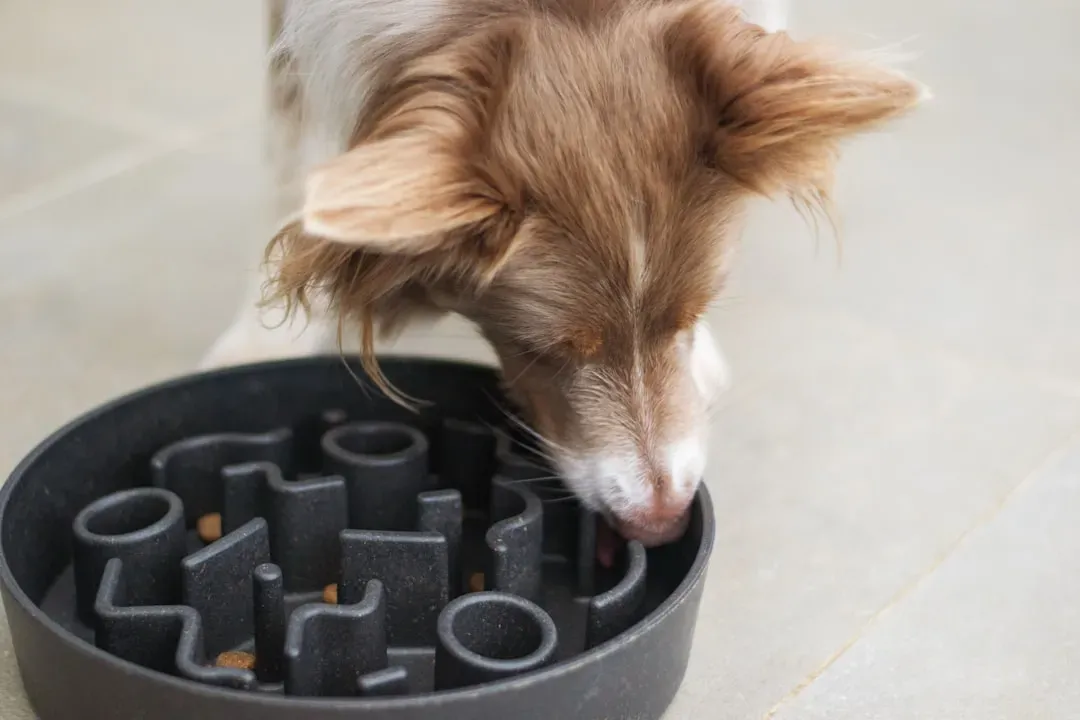
What goes into your dog’s bowl matters more than most people realize. Senior dogs fed a diet containing MCTs made fewer errors on cognitive tests assessing awareness, perception, reasoning and adaptability, with improvement in memory beginning within 2 weeks.
Medium-chain triglycerides provide an alternative energy source for aging brains that struggle with glucose metabolism. Dogs fed a diet supplemented with a blend of fish oil, antioxidants, arginine and B vitamins made fewer errors on more complex tasks assessing problem-solving ability. There are prescription diets specifically formulated to support brain health in seniors. Talk to your vet about whether these might help your dog.
Beyond diet, mental stimulation itself acts as a protective factor. Giving older animals mental exercise in the form of new problem-solving experiences, as well as exposing them to richer and different environments, helps to offset the usual decline in mental efficiency in senior dogs. Stimulating the mind in this way changes the physiology of the brain, creating new connections between existing neurons in the cortex as a result of experience.
Practical Games and Activities That Work
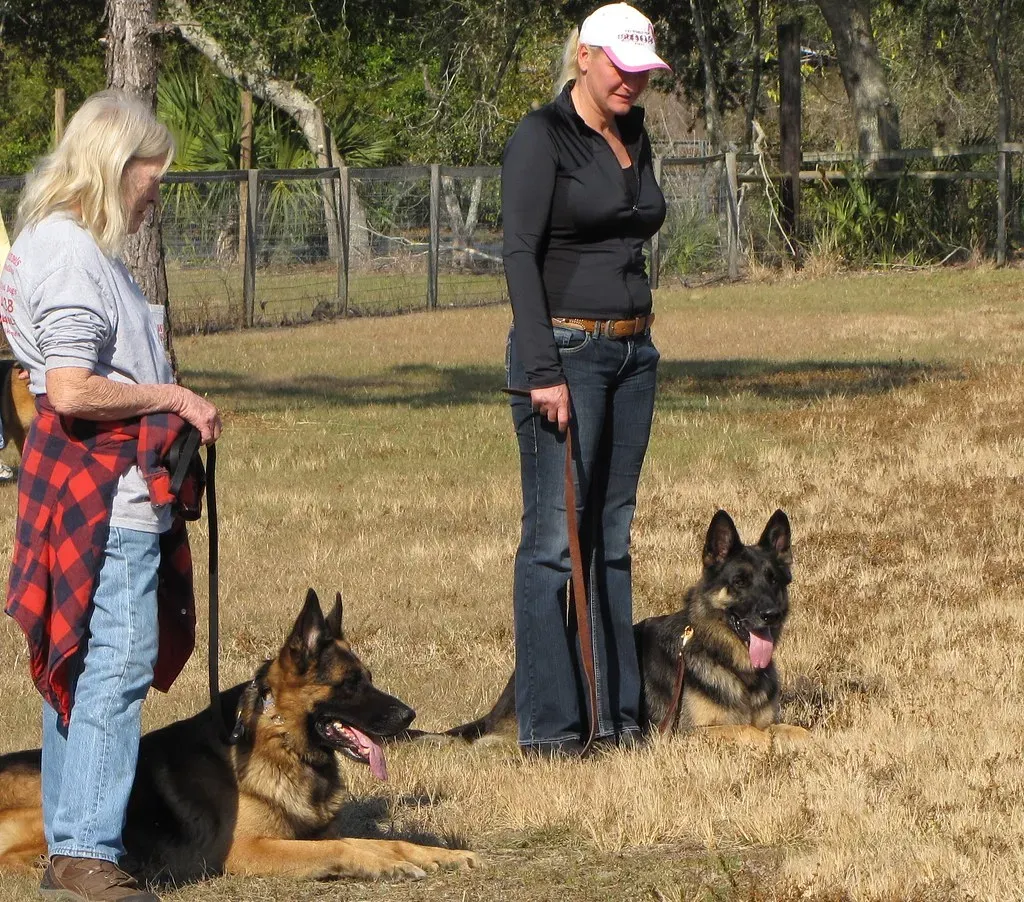
You don’t need fancy equipment or expensive gadgets. Simple works beautifully.
Puzzle toys are fantastic. Start easy if your dog has never used one before, then gradually increase difficulty as they build confidence. Scatter feeding transforms mealtime into a treasure hunt. Hide treats around the house and let them use that incredible nose. While your dog is in a sit/stay, hide a treat or toy, then release them to find it.
Change up your walking routine occasionally. If your dog is used to the same walking routine, try switching up their usual route to explore a new trail or walk in a new neighborhood. Take your time on these walks, and let your dog sniff every new smell they can find. Those sniffs aren’t wasting time. They’re gathering information, processing, learning. That’s cognitive work happening right there.
Training sessions don’t have to be complicated either. Refresh old commands they might be forgetting. Teach a simple new behavior like touching a target or turning in a circle. Regular training sessions can help keep your dog’s mind engaged and reinforce his or her learning abilities. Simply put, the old adage, “You can’t teach an old dog new tricks” isn’t true. Senior dogs are still quite capable of learning, and many really enjoy it.
Celebrating Every Small Victory
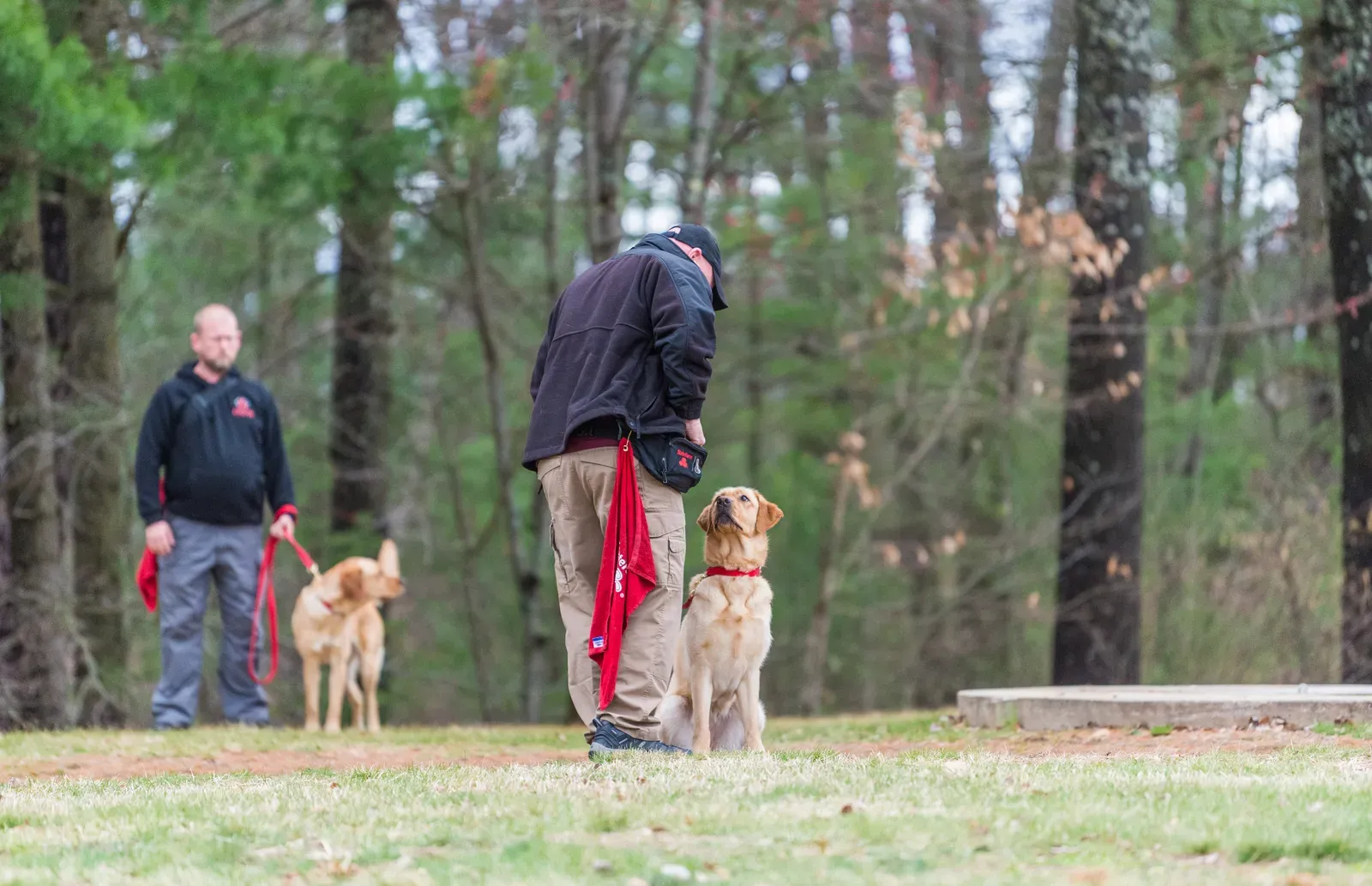
Here’s what I want you to remember. Your senior dog doesn’t need to perform like they’re auditioning for a talent show. They need to feel valued, engaged, and connected to you.
Every time they figure out where you hid the treat, that’s a win. Every time they successfully follow a command, even if it took three tries instead of one, that’s progress. Your dog will be healthier and happier if they stay physically and mentally active in their senior years. Dogs that still feel useful and that they have a ‘job’ tend to keep a youthful outlook, much like humans who continue to stay engaged in activities after they retire.
The myth that old dogs can’t learn? It’s nonsense. What’s true is that they learn differently, and they deserve our respect for the wisdom and focus they bring to the process. Their graying muzzles hold years of loyalty, love, and untapped potential. They’re not done growing. Not by a long shot.
So grab some treats, set aside fifteen minutes, and see what your senior can do. You might just discover that the best teacher you’ve ever had has been by your side all along. What new trick will your old friend surprise you with today?


