
Don’t Underestimate Your Dog’s Emotional Intelligence
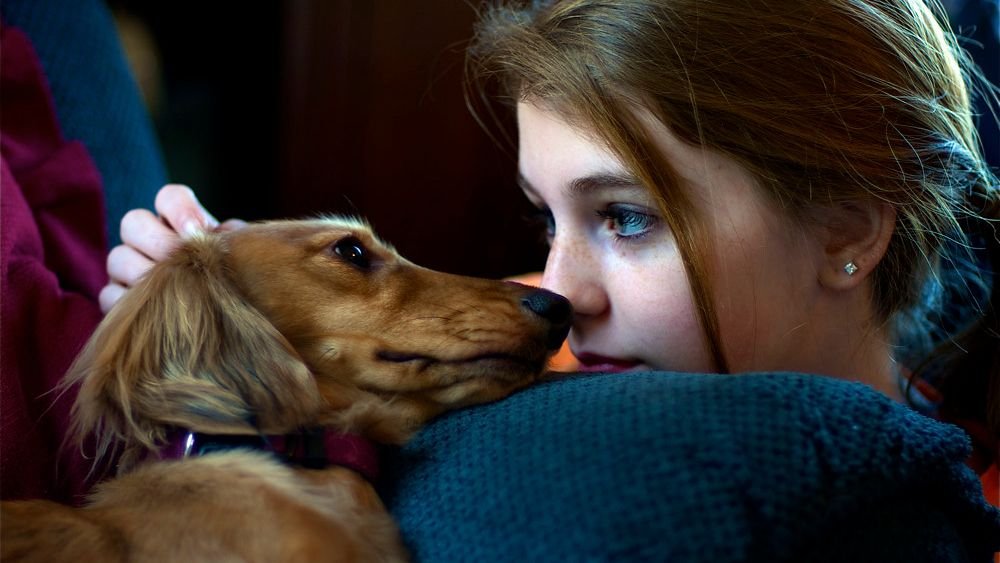
Have you ever felt your dog just knows when you’re having a rough day? Maybe you’ve walked through the door after a stressful afternoon, and before you even drop your bag, your pup is already at your side with those soft, knowing eyes. It’s easy to brush these moments off as coincidence or simple conditioning. Yet, the truth runs much deeper. Your dog isn’t just responding to your routine or hoping for a treat. There’s genuine at work, and it’s time we truly appreciate what our canine companions are capable of understanding about us and the world around them.
They Read Your Face Like an Open Book

Dogs use a combination of visual and auditory cues to understand how someone is feeling, and they can decipher between positive and negative emotions. Think about the last time you smiled at your dog versus when you frowned during a phone argument. Dogs can distinguish between happy and angry human faces, and they do this with remarkable precision. Studies show they spend more time looking at happy facial expressions when given a choice.
What’s truly fascinating is that this isn’t learned behavior from living with you for years. Dogs can extract and integrate bimodal sensory emotional information, and discriminate between positive and negative emotions from both humans and dogs. Your dog doesn’t need a manual to understand your emotional state. They’re naturally wired to pick up on the subtlest shifts in your expression, making them exceptional at reading the unspoken language of human emotion.
Your Voice Tells Them Everything They Need to Know
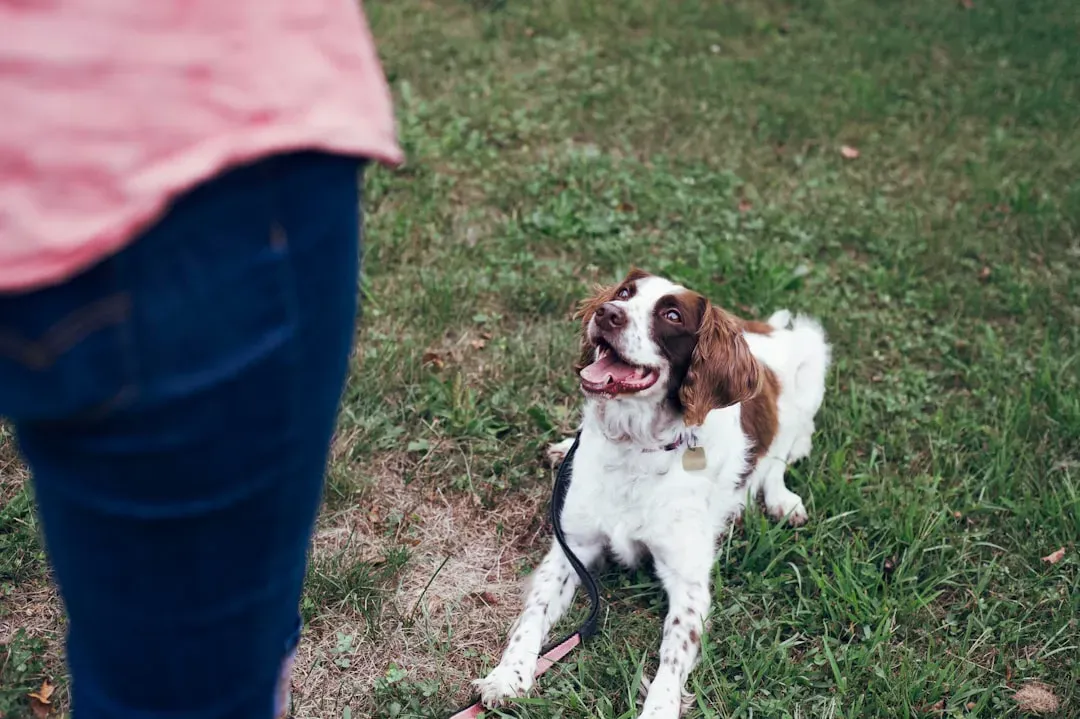
It’s not just what you say but how you say it. Research published in the journal Science revealed that dogs’ brains light up in ways similar to humans when they hear human voices. When you speak in a cheerful tone, your dog’s brain processes that positivity in ways that mirror our own emotional responses. Conversely, a harsh or upset tone triggers different neural activity altogether.
Using MRI scans, researchers found that dogs’ brains are activated in a manner akin to ours when they hear happy sounds, proving that dogs process positive emotions in a way parallel to humans. This shared emotional processing is one reason why your dog seems so attuned to your verbal cues, even when you’re not directly addressing them. They’re listening not just to commands but to the emotional undertones coloring every word.
They Can Even Smell Your Feelings
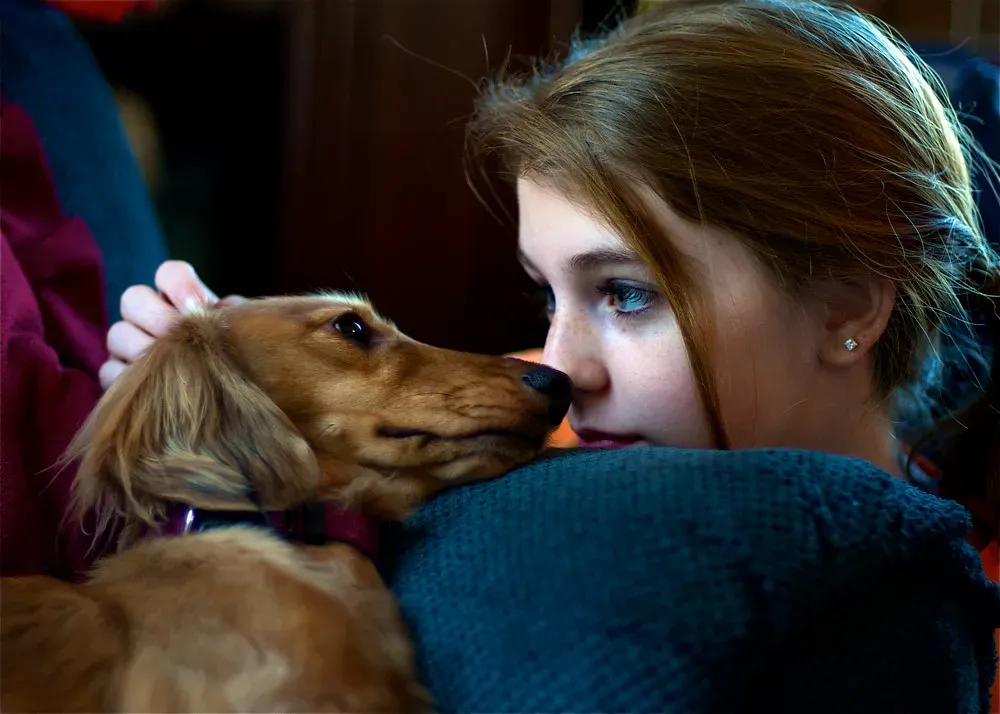
Here’s something that might surprise you: dogs don’t just see and hear your emotions – they can actually smell them. When exposed to sweat samples collected from their owners during emotional experiences, dogs responded differently to happy or afraid odors and adopted behaviors consistent with the emotions experienced by the humans. When people watched fear-inducing films, their dogs showed increased heart rates and sought comfort from their owners when exposed to those fear-scented sweat samples.
Dogs read human facial expressions, tone of voice, and even our scent to determine how we feel, which allows them to sense distress, provide comfort, and take action when their person is in trouble. This multi-sensory approach to emotion detection makes dogs incredibly sensitive companions. They’re not guessing how you feel – they’re gathering evidence from multiple sources to form a complete picture of your emotional state.
Emotional Contagion Is Real Between You and Your Dog

Ever notice how your dog’s mood seems to shift with yours? That’s emotional contagion at work. Duration of ownership correlates with the synchronicity of heart rate variability between owners and dogs, especially in stress conditions, reflecting the activity of the parasympathetic nerve. The longer you live together, the more your emotional rhythms sync up. Your stress becomes their stress; your calm becomes their calm.
Dogs behaved differently after hearing emotional sounds compared to non-emotional sounds, and they responded similarly to human sounds and the sounds of other dogs, indicating emotional state-matching or emotional contagion. This means your dog isn’t just observing your emotions from a distance. They’re experiencing a version of what you’re feeling, creating a shared emotional experience that strengthens your bond in profound ways.
Understanding the Difference Between Empathy and Emotional Awareness
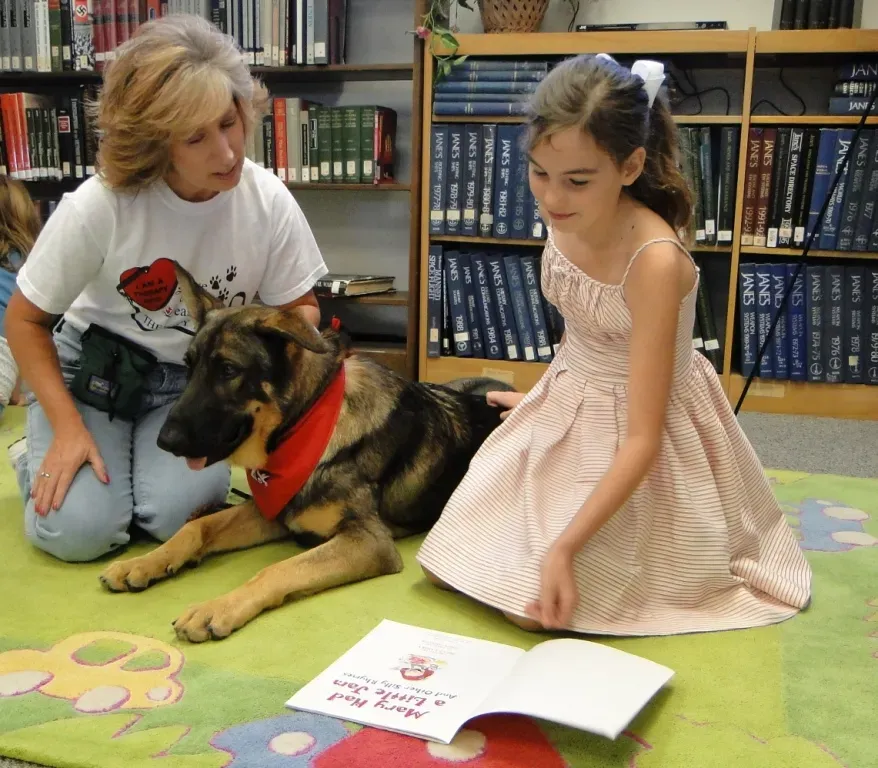
Let’s be real – while dogs are emotionally intelligent, the jury is still out on whether they experience true empathy in the way humans do. Research suggests it appears unlikely that dogs are capable of sympathy or empathy, as empathy would require a clear distinction between self and other, as well as the ability to react to the situation by helping the emotional individual. That doesn’t diminish their abilities, though. It just means we need to be accurate about what our dogs are doing when they comfort us.
Dogs not only feel empathy towards people, but in some cases also act on this empathy, especially when they are able to suppress their own feelings of distress and can focus on those of the human involved. Some dogs do take action to help their distressed owners, but this varies greatly between individual dogs and situations. Recognizing this helps us better understand and appreciate what our dogs are truly experiencing when they respond to our emotions.
Why This Matters for Your Relationship

Understanding isn’t just an interesting fact – it changes how we interact with them daily. Dogs recognize and infer emotional information from humans and use this information to regulate their own behavior. When you’re aware that your dog is picking up on your stress, anger, or joy, you can be more mindful about the emotional environment you’re creating.
Part of a dog’s ability to understand human emotions stems from the centuries-long relationship between humans and canines, and dogs have picked up human tendencies and relate to us innately. This evolutionary partnership has shaped them into beings uniquely capable of connecting with us on an emotional level. Honoring that connection means being present, patient, and aware that our emotional states ripple out to affect the furry family members who share our homes.
Conclusion
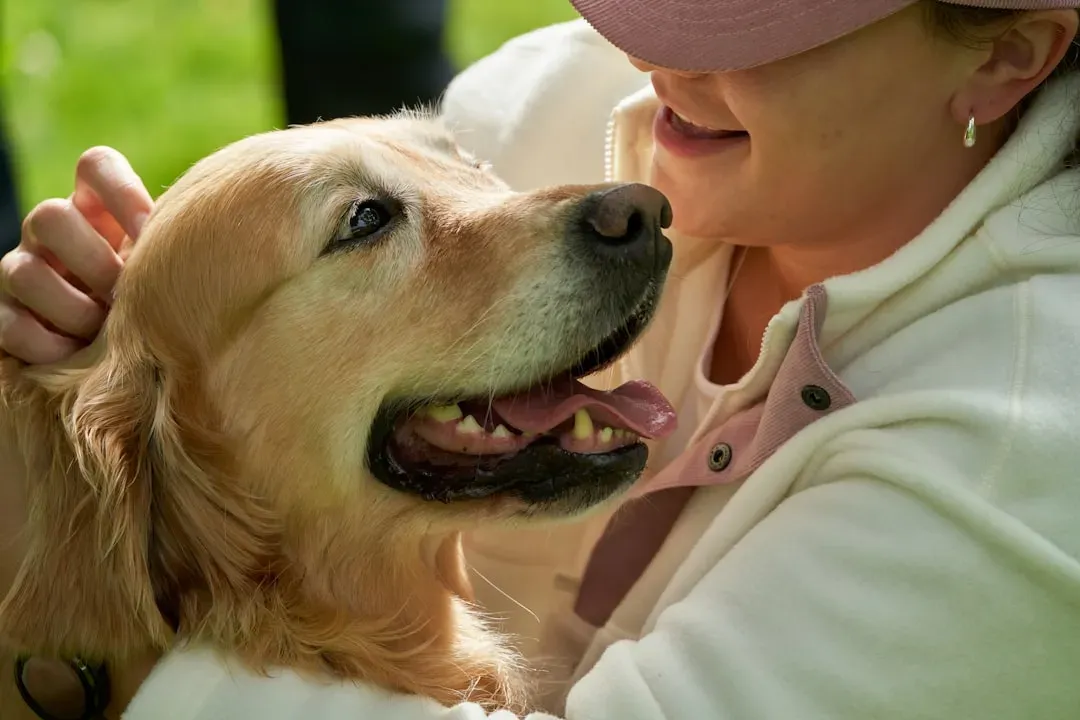
is a gift that’s been thousands of years in the making. They read your face, listen to your voice, smell your feelings, and sync their emotional rhythms with yours in ways that science is only beginning to fully understand. While they may not experience empathy exactly as we do, their capacity to recognize, respond to, and even share in our emotional experiences is nothing short of remarkable. The next time your dog sidles up to you during a difficult moment, remember – they’re not just being cute. They genuinely know something’s up, and they’re there for you.
What do you think about ? Have you noticed them responding to your moods in unexpected ways? Tell us in the comments.