
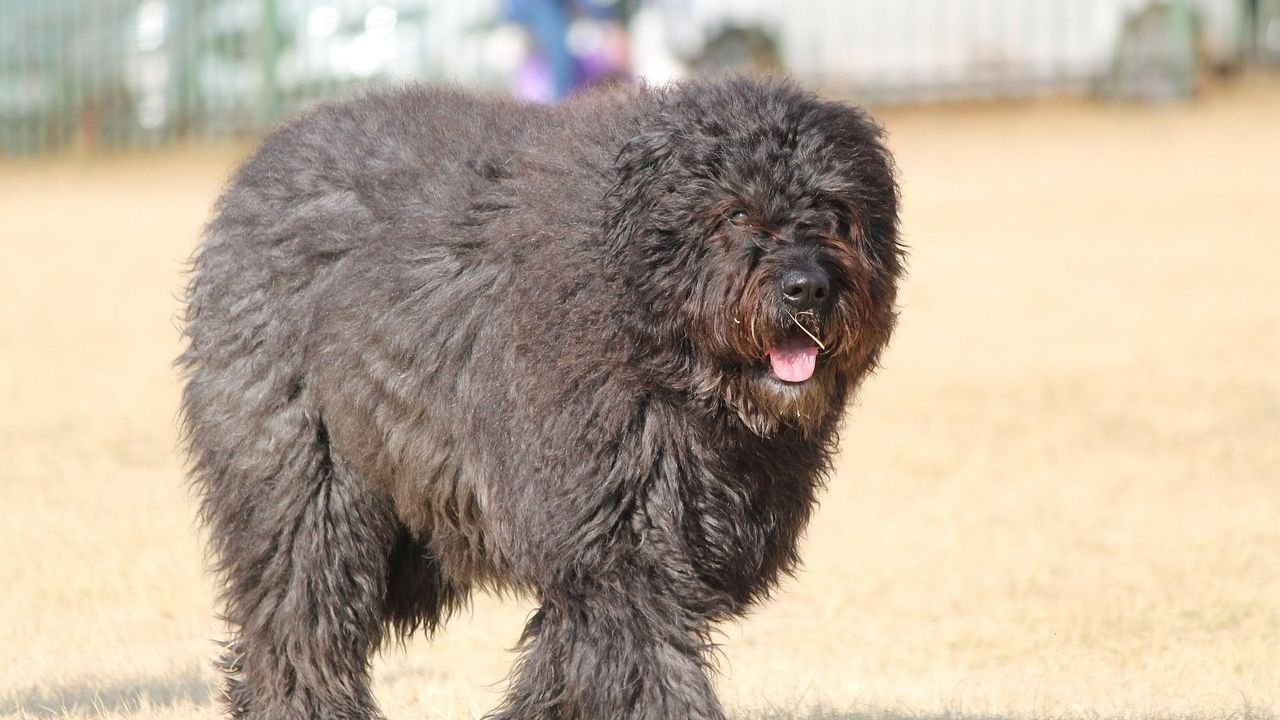
You’ve always dreamed of having a big dog. Maybe you’ve pictured yourself walking through the park with a majestic companion by your side, turning heads and earning admiring glances. There’s something undeniably appealing about large breed dogs: their imposing presence, their protective nature, the way they fill up a room with warmth and personality.
Here’s the thing, though. Owning a large dog isn’t quite like the movies make it seem. These magnificent creatures come with challenges that catch even experienced dog lovers off guard. I’ve seen it happen time and again: someone falls in love with a breed’s appearance or reputation, brings home that adorable puppy, and then finds themselves overwhelmed six months later when that puppy has tripled in size and developed a mind of its own.
The reality is that some large breeds demand far more than just extra food and a bigger bed. They require specific handling, consistent training, and an understanding of behaviors that smaller dogs simply don’t exhibit. Let’s dive into what really goes on behind those soulful eyes and wagging tails.
The Husky Challenge: Beauty Meets Stubbornness
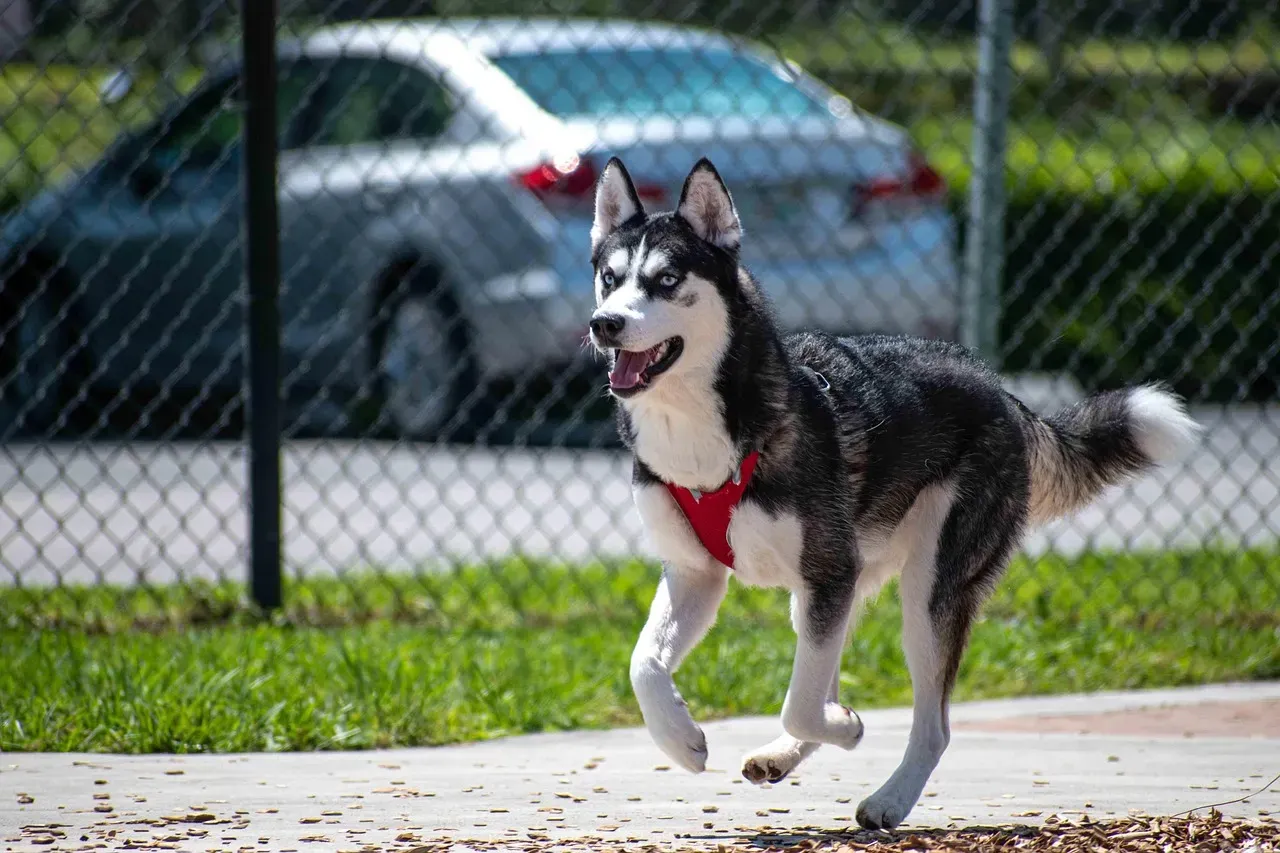
Siberian Huskies are stunning. Those piercing blue eyes, that thick coat, the wolf-like appearance – it’s no wonder they’re one of the most sought-after breeds. Yet these dogs are one of the more challenging breeds due to their high energy levels and independent nature, as they were bred for pulling sleds over long distances and require significant physical exercise to stay content.
Despite their goofy and loveable nature, huskies are full of mischief and are not for inexperienced pet parents, as they are an extremely energetic breed that needs loads of exercise. They’ll outsmart you if you’re not careful. This high energy also demands a lot of exercise, which can lead to destructive behaviors, tendencies to run away, and weight issues if they don’t get enough running time, with excess energy often coming out as nonstop barking.
The escape artist tendencies are real. Their strong prey drive and tendency to escape make secure, high fences a necessity. I know owners who’ve had to reinforce their yards multiple times because their Husky found yet another way out.
Alaskan Malamutes: The Independent Powerhouse
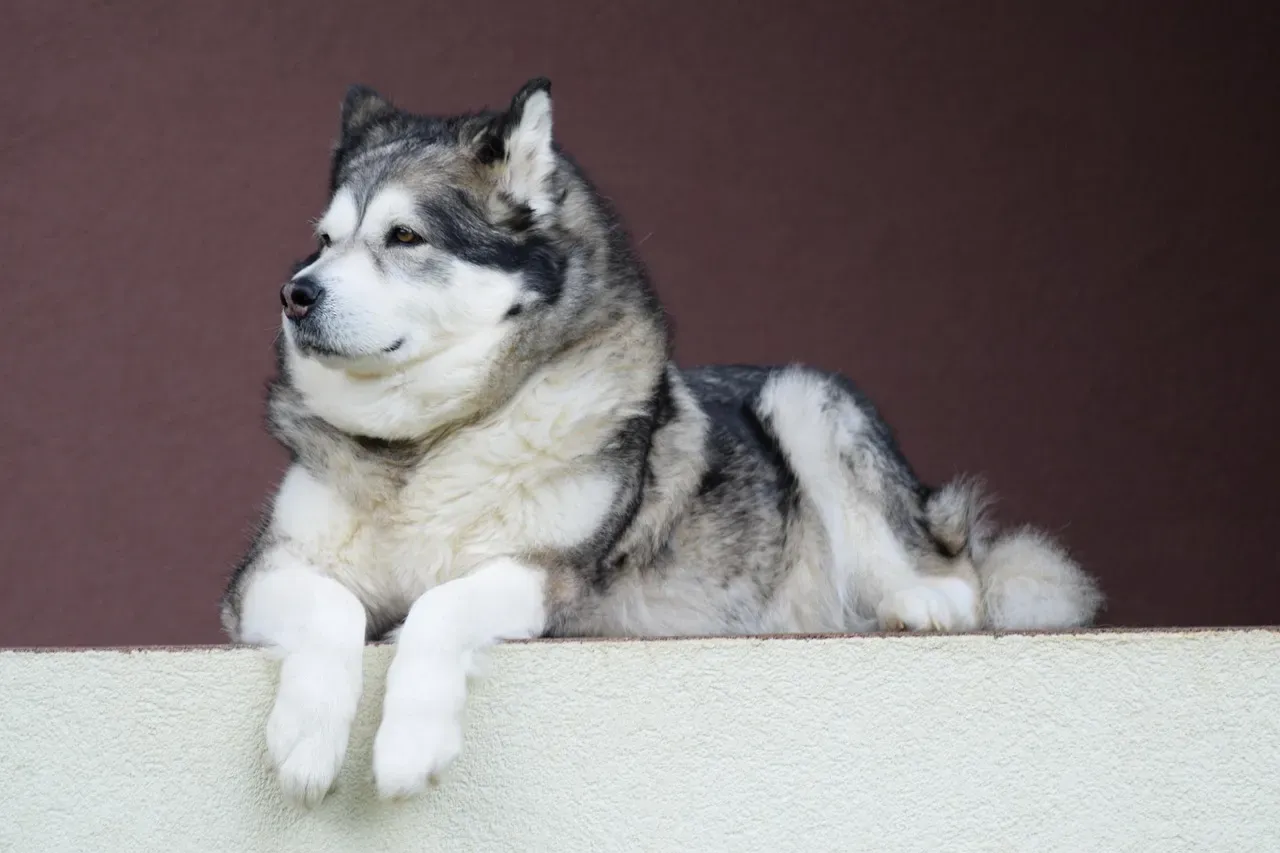
If you think Huskies are challenging, Malamutes take it up a notch. These dogs are bigger, stronger, and even more determined. Alaskan Malamutes are powerful, independent dogs bred for hauling heavy freight as sled dogs, possessing incredible strength and stamina that requires ample exercise to prevent boredom and destructive behavior, with a strong prey drive and desire to roam.
Malamutes are intelligent, independent, stubborn, energetic and dominant creatures with a very highly developed sense of pack hierarchy. This means they’ll constantly test boundaries. Malamutes and Huskies need to know who the alpha of the pack is, and they will try to assert dominance if they don’t see one, meaning unless these dogs see you as the alpha, you can’t expect them to obey a simple command like “sit”.
Strong-willed and independent, malamutes can be difficult to teach because of this, with leash training particularly challenging since they are known to be stubborn and have a natural pull inclination. Imagine trying to walk a dog that weighs nearly as much as you do and has the strength of a freight hauler.
Rottweilers: Gentle Giants With Serious Needs
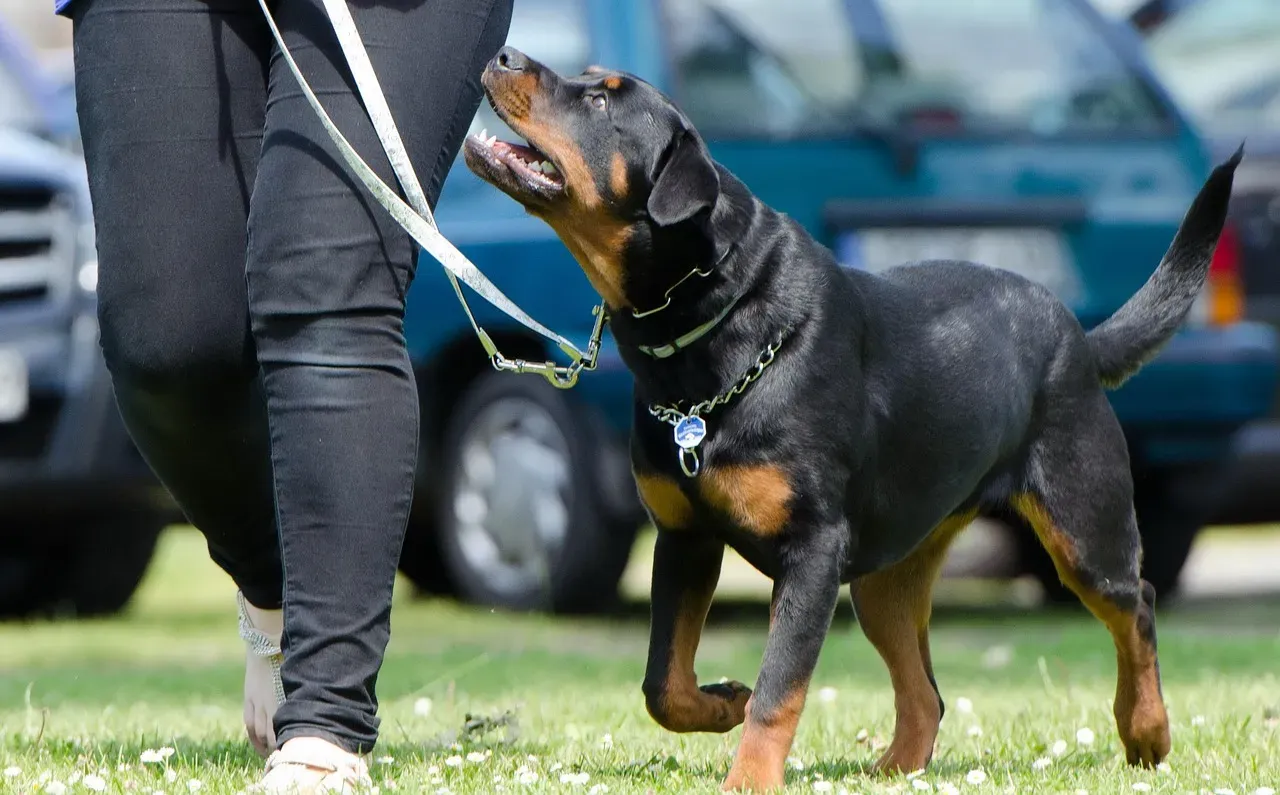
Rottweilers have an unfair reputation for aggression, though the real challenge isn’t their temperament – it’s the responsibility that comes with their power and protective instincts. These dogs are deeply loyal and loving with their families. However, they are much more stubborn than German Shepherds but just as receptive to training, and would walk all over their owners if allowed.
Health is a significant concern with this breed. Hip and elbow dysplasia affect a significant portion of the Rottweiler population, with studies showing approximately 22% of these dogs developing hip dysplasia, with males being particularly susceptible to elbow dysplasia which often leads to degenerative joint disease and arthritis.
Cancer accounts for roughly 33% of Rottweiler deaths, with bone cancer (osteosarcoma) and lymphoma being particularly prevalent. This means you’re not just committing to training and exercise – you’re committing to potentially expensive veterinary care and the emotional toll of watching a beloved companion face serious health challenges.
German Shepherds: The Working Dog That Never Stops
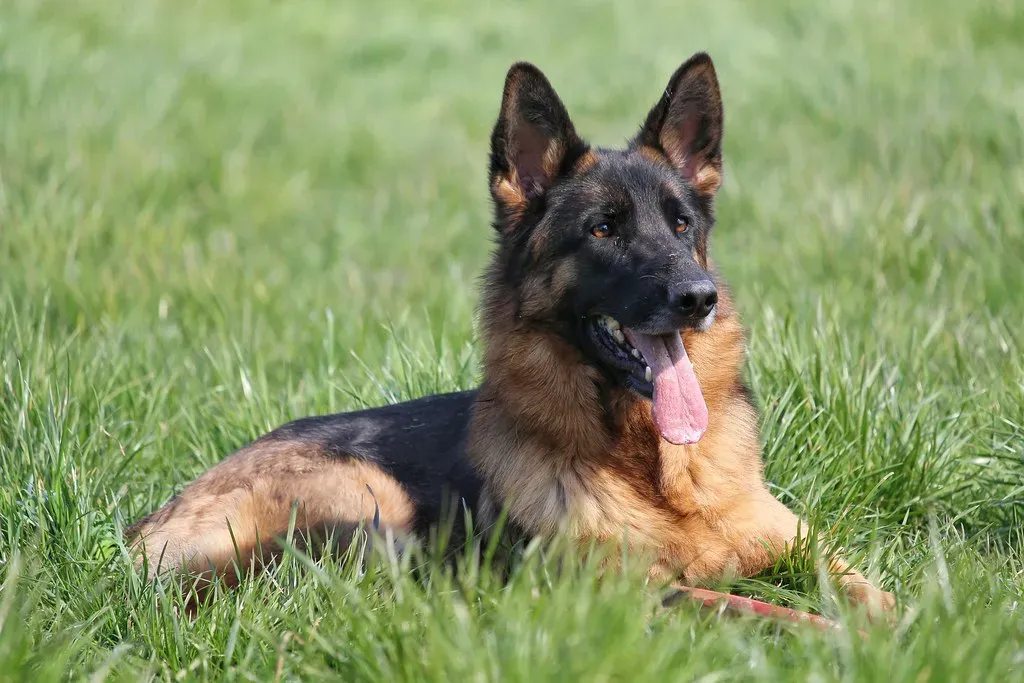
German Shepherds are brilliant, loyal, and incredibly capable. They’re also demanding in ways that catch people by surprise. These dogs require structured routines, high mental stimulation, and a clear sense of purpose to stay balanced and well-behaved, with their protective instincts being difficult to manage in home settings if not tempered with early and consistent socialization.
Physical demands are also high; these dogs need regular, vigorous exercise and can become destructive if confined or bored. Think about what that means on a rainy Tuesday when you’ve had a long day at work. Your German Shepherd doesn’t care – they still need their mental and physical stimulation.
The health challenges mirror those of Rottweilers. They are particularly susceptible to joint issues like hip and elbow dysplasia which can lead to pain and mobility problems as they age, are at risk for degenerative myelopathy (a progressive neurological disease affecting the spinal cord that can lead to paralysis), and bloat (gastric dilatation-volvulus), a life-threatening condition.
Great Danes and Saint Bernards: Size Isn’t Everything
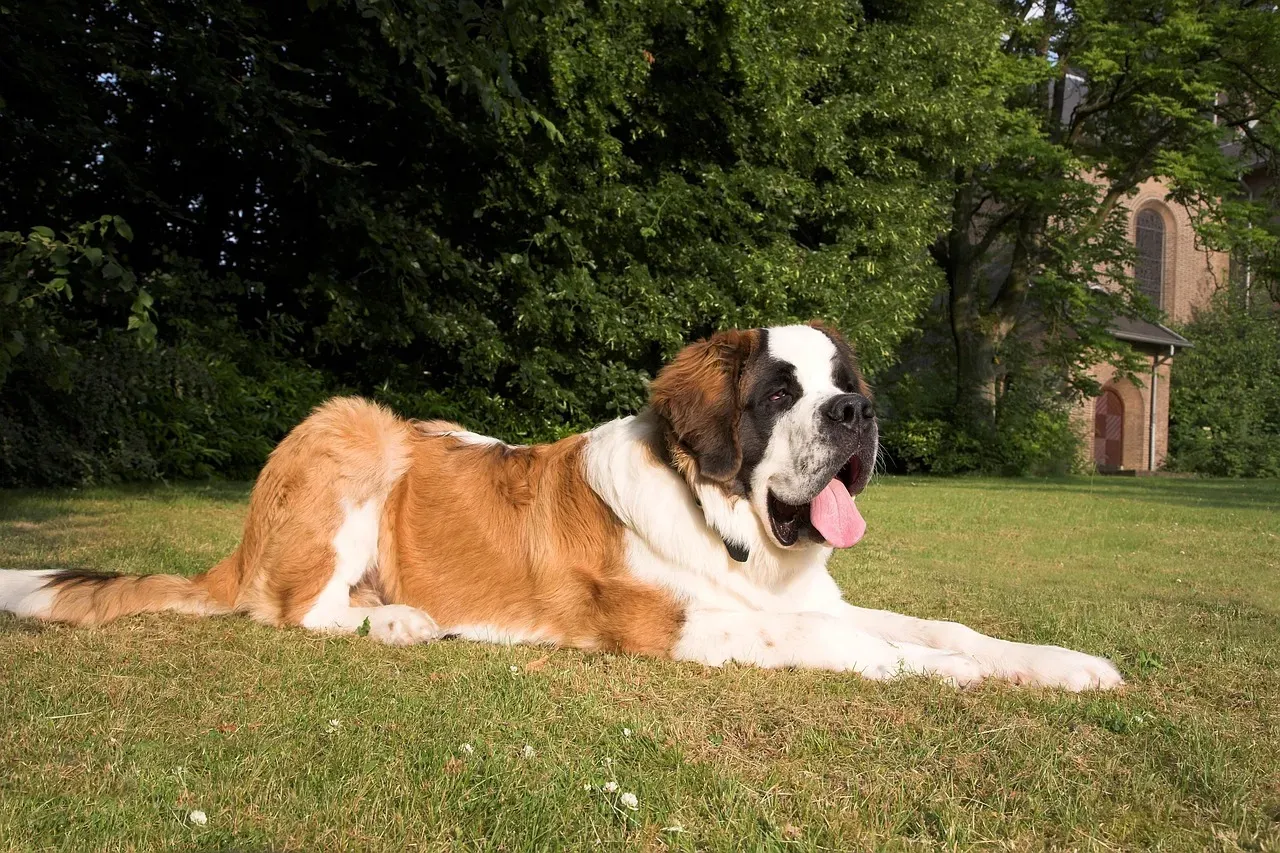
These gentle giants seem like the perfect lazy couch companions. Their calm demeanor is appealing, especially compared to the high-energy breeds we’ve discussed. Yet their sheer size creates challenges most people don’t anticipate.
Great Danes suffer from hip dysplasia and bloating, with bloat being a leading cause of premature death, as when a Great Dane gets gas (often caused by overeating or over-drinking before exercise), it can cause the stomach to twist, trapping gas and cutting off blood supply leading to toxic shock and death within 24 hours. This isn’t a minor concern – it’s an emergency that requires immediate veterinary intervention.
The first thing you’ll notice about any Saint Dane (Saint Bernard-Great Dane mix) is that they’re really, really big, with both males and females weighing up to 200 pounds and never less than 150 as adults, and they don’t always understand their own size and strength. Imagine a dog that can accidentally knock you over just by being affectionate.
Great Danes tend to be more playful than Saint Bernards, though both need plenty of daily exercise, with St. Bernards needing moderate exercise while Great Danes need plenty, and St. Bernards might do poorly with strenuous exercise or heat.
The Hidden Costs: Health Issues in Large Breeds
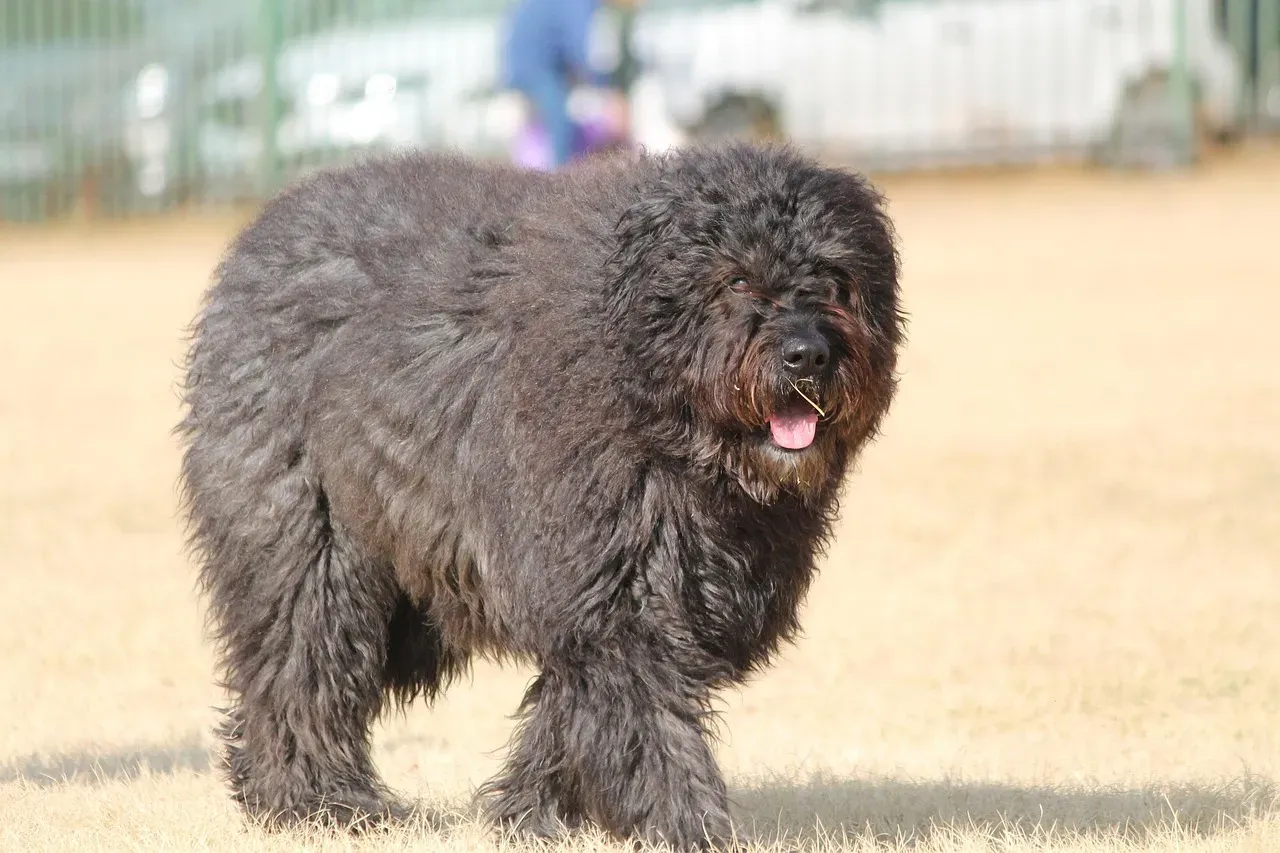
Let’s be real about something nobody wants to discuss: large breed dogs don’t live as long as smaller dogs, and their final years often come with significant medical expenses. Arthritis involves chronic inflammation in the joints, leading to pain, stiffness, and decreased mobility, often a consequence of wear and tear on the joints from age, joint malformations like dysplasia, or injury, with large breed dogs being particularly susceptible due to their size and weight, and though common in older dogs of all sizes, it should be treated aggressively in large breed dogs as it commonly reduces quality of life.
Dogs that weigh 99 pounds or more have roughly a 20% chance of bloat – a risk that increases as they age, with dogs who have family members who have bloated also at increased risk, and deep-chested large breeds being at the greatest risk. This condition requires emergency surgery and can cost thousands of dollars.
The most common cause of death in large dogs is cancer, particularly types such as osteosarcoma and hemangiosarcoma, which are more prevalent in large and giant breeds. Treatment is expensive, emotionally draining, and often only buys limited time.
Conclusion
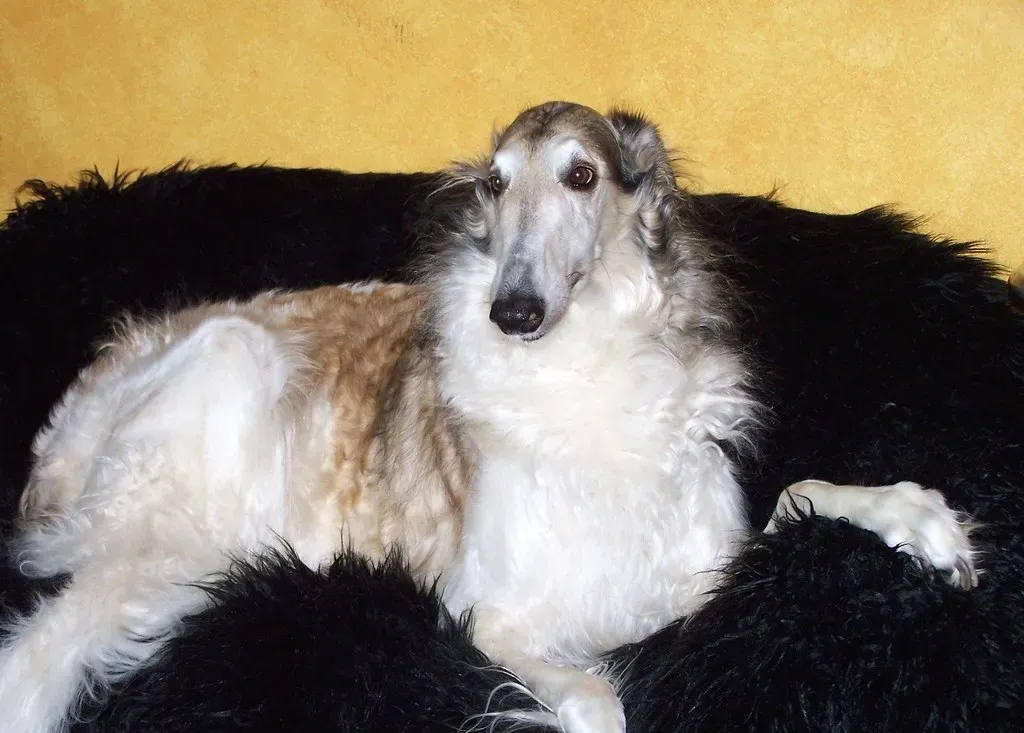
Loving a large breed dog is one of life’s great joys. Their presence fills your home and heart in ways that smaller dogs simply cannot. They’re protective, loyal, and often surprisingly gentle despite their size. Yet they require owners who understand what they’re signing up for.
Before bringing home that adorable Great Dane puppy or striking Husky, ask yourself some hard questions. Do you have the time for daily vigorous exercise? Can you afford potential medical bills that can reach into the thousands? Are you prepared to be firm, consistent, and patient with training? Do you have the physical strength to control a powerful dog if needed?
These breeds aren’t impossible to manage, though they do demand more. They need owners who see past the Instagram-worthy photos to the daily reality of life with a large, strong-willed dog. They deserve families who’ll commit to their needs for their entire lives – not just the cute puppy phase.
What do you think about these gentle giants? Have you experienced the challenges of large breed ownership firsthand? Share your stories and insights in the comments.


