
You know your dog better than anyone. You recognize that enthusiastic tail wag when you walk through the door, the joyful bounce before dinner, and even that guilty look when they’ve stolen a sock. But what about those subtle shifts when something feels off? Dogs can’t tell us with words when they’re feeling unwell, so they communicate through changes in behavior, energy, and routine. Catching these early signs can make all the difference in helping your furry friend feel better fast.
Let’s be real, sometimes it’s tricky to tell if your pup is just having an off day or if there’s something more serious going on. That’s why understanding the warning signs is so important. So let’s dive into the most common clues your dog might be trying to tell you they need a little extra care right now.
They’re More Tired Than Usual and Just Not Themselves

Picture this: your typically bouncy dog barely lifts their head when you grab the leash for a walk. A dog that is lethargic is unusually inactive and not interested in getting up and doing normal activities, ranging from just moving more slowly to really having no interest in walks or play. This isn’t the same as being sleepy after a long day at the park.
Lethargy, decreased interest in play, excessive sleeping, or changes in their usual demeanor can indicate a wide range of underlying illnesses, from infections and fever to pain, heart problems, or even neurological issues. Your dog might seem withdrawn or hide away more than usual. They might take longer to respond when you call their name or struggle to get comfortable. If your energetic companion suddenly resembles a couch potato without any obvious reason, it’s worth paying attention.
Their Appetite Has Disappeared or Changed Dramatically

Most dogs live for mealtime. So when your food-motivated pup turns their nose up at breakfast, alarm bells should ring. A more prolonged loss of appetite in your dog is a serious sign that something is wrong, as it’s unusual for a dog to refuse more than one or two meals and this can indicate anything from depression to disease.
Sometimes the change is subtle. Maybe they’re eating less than usual or taking forever to finish what they’d normally gobble down in seconds. One of the first dog illness signs you might notice is a sudden change in appetite or thirst, as increased or decreased water consumption can point to a variety of issues from digestive trouble to diabetes or kidney disease. Honestly, if your dog skips two meals in a row, don’t wait. It’s time to call your vet, even if everything else seems normal.
Vomiting, Diarrhea, or Tummy Troubles Keep Popping Up
Let’s face it, dogs occasionally eat things they shouldn’t and pay the price with an upset stomach. That’s normal. What’s not normal is when digestive issues persist or worsen. Vomiting in dogs after eating spoiled food isn’t unusual, but if the sickness is persistent, your dog vomits blood, or they have trouble swallowing, it can be a sign of many different illnesses, including intestinal problems, kidney disease, and liver disease.
Watch for repeated episodes, especially if they’re accompanied by lethargy or loss of appetite. Occasional diarrhea isn’t usually a cause for concern, but if it’s persistent, or if the diarrhea is accompanied by vomiting, lethargy, loss of appetite or weight loss, or your dog’s poop is black in color or contains fresh blood or mucus, then visit your vet. These symptoms deserve immediate attention because dehydration can set in quickly and make matters worse.
They’re Coughing, Sneezing, or Breathing Differently
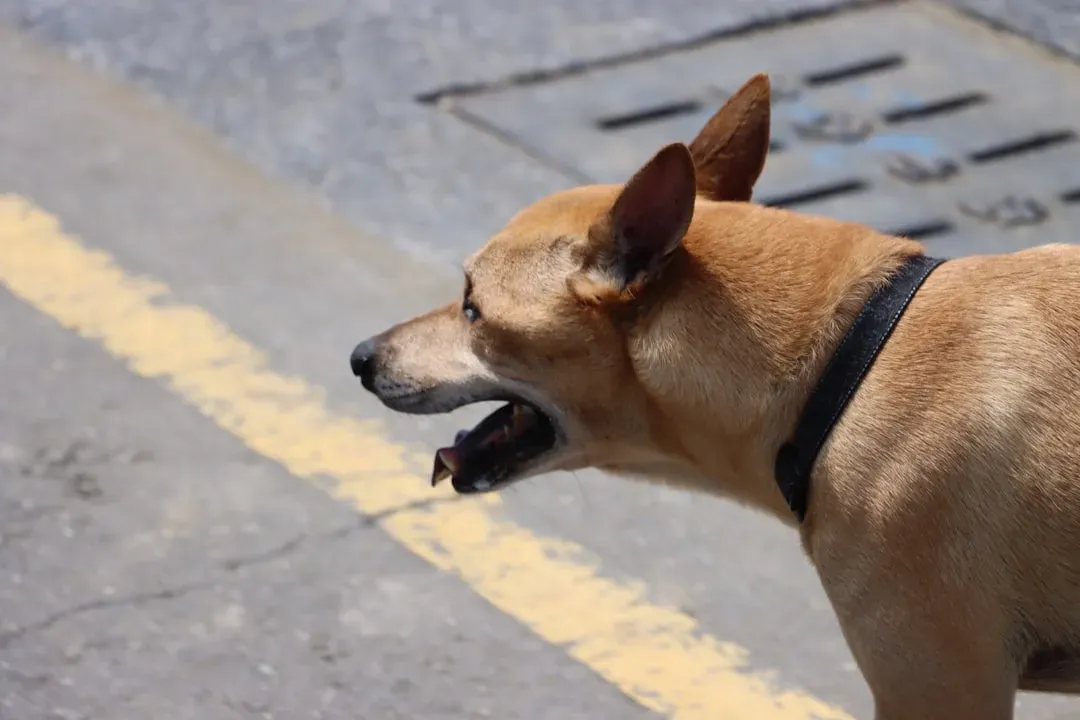
Respiratory symptoms might start small but can escalate quickly. Coughing, sneezing, wheezing, or difficulty breathing should never be ignored, as these signs can indicate respiratory infections, such as kennel cough or pneumonia, allergies, asthma, heart disease, or even foreign objects lodged in the airway. You might notice your dog making unusual sounds when they breathe or see them struggling to catch their breath after minimal activity.
Discharge from the eyes or nose, fever, wheezing, loss of appetite, weight loss, and dehydration are all warning signs. Even a persistent cough that lasts more than a couple of days warrants a check-up. It’s hard to say for sure without a professional evaluation, but respiratory issues can progress from mild to serious surprisingly fast, especially in young puppies or senior dogs.
Behavioral Changes That Just Don’t Add Up

Sometimes the signs are less obvious but equally important. Pain is one of the most common physical reasons for behavioral changes in dogs, such as a dog developing arthritis seeming more tired than normal or appearing grumpy when moved. Your usually friendly pup might suddenly become irritable or withdrawn. They might avoid being touched in certain areas or react negatively to activities they once loved.
Pets often hide signs of illness and pain, and one of the first indicators of a health problem may be a behavior change, with potential changes including aggression or irritability that may signal pain or discomfort from issues such as dental disease or arthritis. Maybe they’re pacing at night, hiding under furniture, or showing signs of anxiety they’ve never displayed before. Trust your instincts here. You’re the expert on your dog’s normal personality, and any deviation from that baseline deserves investigation.
Conclusion

Recognizing when your dog is feeling under the weather isn’t always straightforward, but being attentive to changes in their energy, appetite, digestion, breathing, and behavior gives you the power to act quickly. Remember, dogs often hide discomfort instinctively, so even subtle shifts can signal something important. The good news? Catching these signs early often leads to faster recovery and prevents minor issues from becoming major health crises.
Your dog depends on you to be their voice when they can’t speak up for themselves. When in doubt, always reach out to your veterinarian. They’d much rather see you for a false alarm than have you wait too long. What warning signs have you noticed in your own dog? Share your experiences in the comments below.


