
You know that feeling when you realize you’ve been doing something completely wrong for ages? Like wearing your shirt inside out all morning or putting the wrong bin out for collection. Well, here’s the thing: you might be making those same kinds of mistakes with your dog. Except your pup can’t exactly tell you about it over coffee.
Nearly three quarters of dogs show signs of depression or anxiety, yet only about a third of owners recognize them. That gap is honestly heartbreaking. Our dogs are trying to communicate with us every single day, but we’re missing the signals. The good news? Once you know what to look for, you can turn things around quickly.
Let’s talk about the habits that might be stealing your dog’s joy without you even realizing it.
Misreading Their Body Language (And Ignoring Their Pleas for Space)

Stress signs include whale eye when dogs reveal the whites of their eyes, tucked ears or tail, raised hackles, lip-licking, yawning, and panting, and dogs might also avoid eye contact or look away. Think your dog is just being dramatic? Think again.
Here’s what most people get wrong: dogs yawn when they’re stressed, using yawning to calm themselves in tense situations and to calm others, including their owners. So when Aunt Margaret comes over and your dog starts yawning during her enthusiastic cuddle session, that’s not tiredness. That’s your dog politely saying “this is too much.”
When a dog is anxious, she will often quickly stick out her tongue and lick her lips in usually just a fast, little flick, and this is one of the most common signals. Pay attention to these subtle cues. Your dog is speaking volumes, just not in words.
Skipping Mental Stimulation (Because Walks Aren’t Enough)
Walking the same route every day? Your dog might be physically tired but mentally bored out of their mind. Dogs need mental stimulation just like us, and especially if you have an intelligent, active breed, you’ll need to provide your dog with problems to solve and jobs to do.
I know what you’re thinking: “But we walk for half an hour every day!” That’s great for their body. Sticking to the same straight road or path doesn’t allow them to act upon their inhibitions, and letting them run off-lead whenever it is safe to do so ensures they get enough vigorous exercise and self-entertainment to tire them out for the day.
Just like children, your pets will get bored if you don’t play with them, and that can lead to habits like chewing, digging, barking, and whining. Puzzle feeders, sniffing games, learning new tricks – these aren’t luxuries. They’re necessities for a happy dog.
Overfeeding and Treating Without Thinking
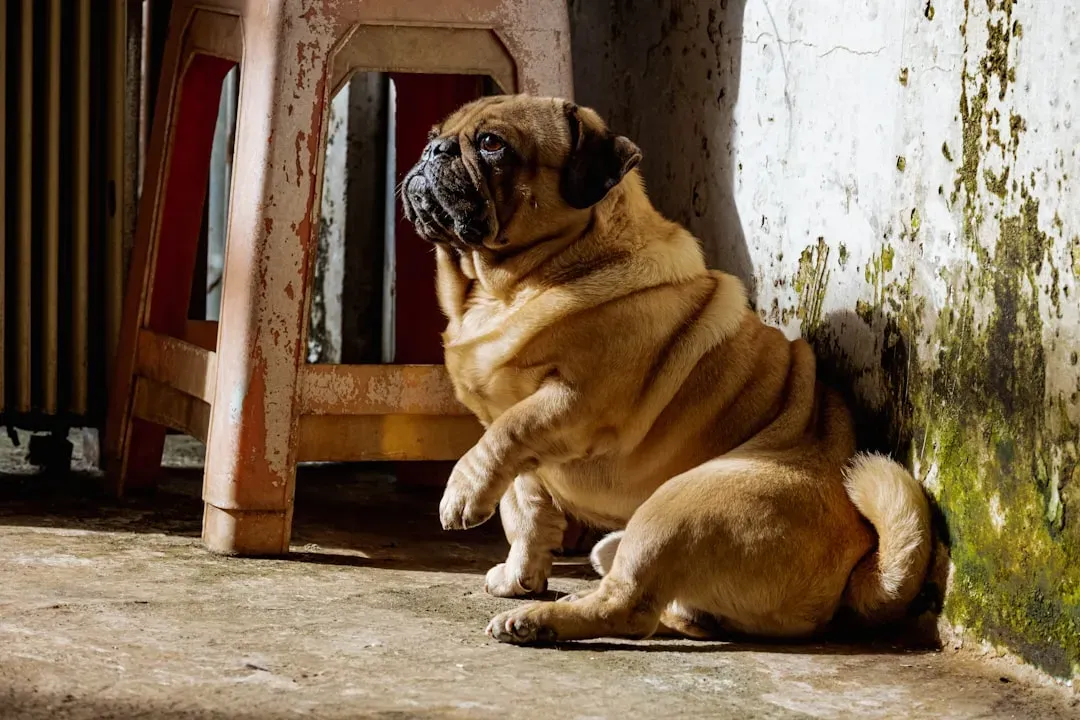
Those puppy eyes are weapons of mass destruction, I get it. A dog’s obesity is the owner’s fault, as dogs are obese as a direct result of what they are fed, and that’s a choice made by their pet parents. Harsh? Maybe. True? Absolutely.
Relying too heavily on treats to encourage desirable behaviour can limit what your dog responds to in the future, as they may only see obedience as a way of getting food, which will therefore lessen the impact of any command or ritual you’re trying to instruct. You’re not just creating weight problems – you’re actually undermining your training efforts.
Dog treats should make up no more than around 10 percent of your pet’s total calorie intake. That’s less than you think. Those little training treats add up fast, and suddenly you’re looking at a chunky pup with joint problems and a shortened lifespan.
Punishing Behaviour You Never Properly Taught Them to Avoid
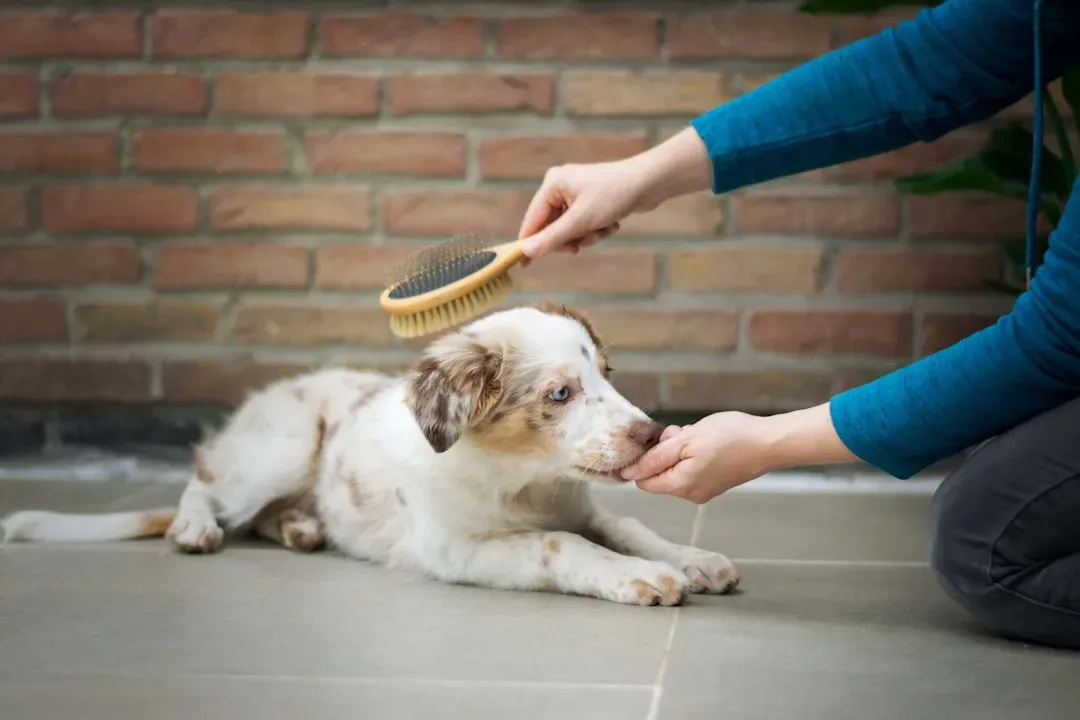
Dog owners slack off on training and start too late, so if you don’t want a dog to do something as an adult, then correct them as a puppy, and don’t wait until they are 2 years old to teach them and yell at them when they don’t get it right. This is where so many people shoot themselves in the foot.
That adorable puppy jumping? Not so adorable when they’re seventy pounds and covered in mud. Generally speaking, dogs do not grow out of bad behaviours, in fact, left to their own devices they will get worse. Waiting for them to magically mature into well-behaved dogs is like waiting for your garden to weed itself.
What is instant to you may not be instant to your pup, so if you come home and your dog has had an accident, they will have already performed multiple behaviours since it happened. Punishing them later just creates confusion and anxiety. They have no idea what they did wrong.
Forcing Interactions They’re Clearly Uncomfortable With
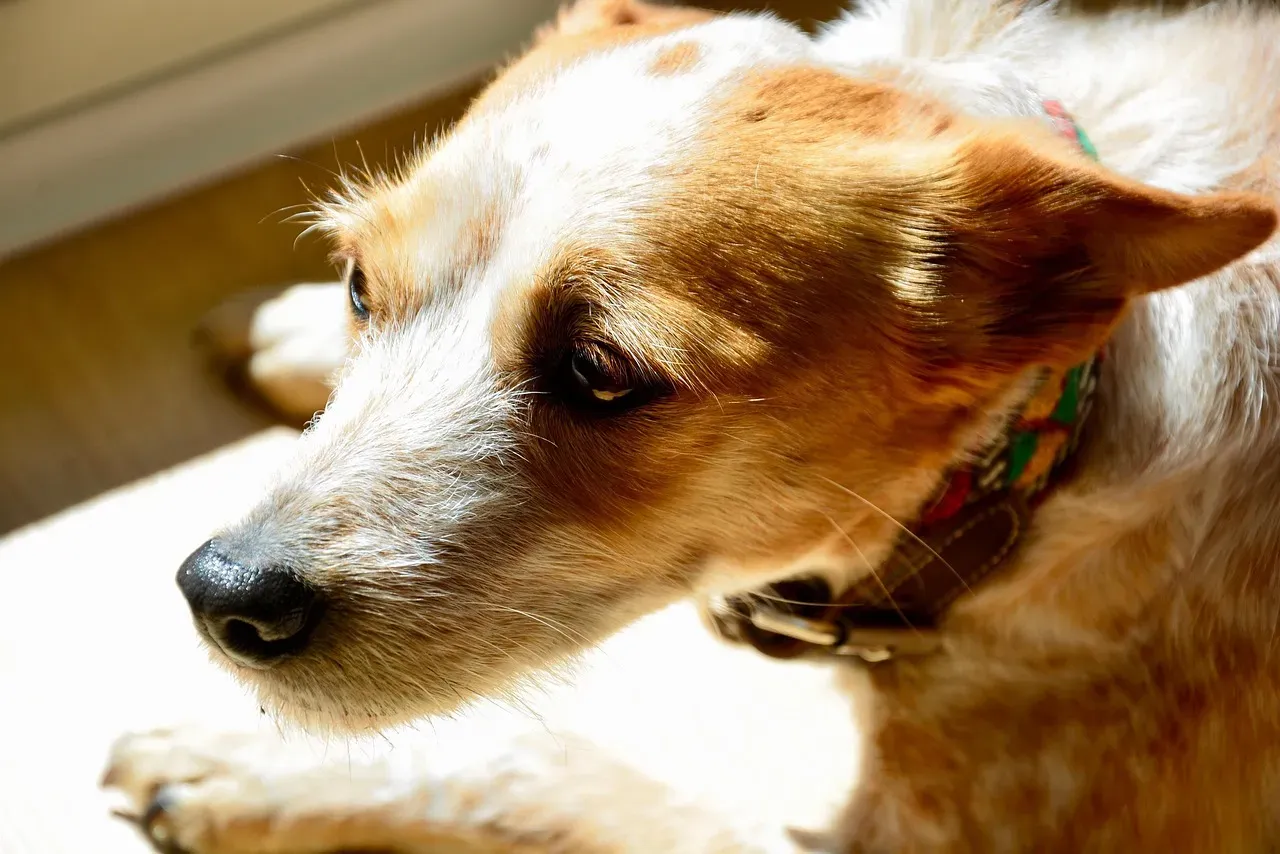
New dog owners commonly refer to their dogs as being stubborn, saying their dog won’t walk with them outside, doesn’t want to greet other dogs, or won’t respond to cues in public places, but in a lot of these cases, the puppies or dogs are not being stubborn but are actually anxious or fearful of the situation they have been put in.
Let’s be real: forcing your nervous dog to “say hello” to every dog at the park isn’t socializing. It’s traumatizing. Cases of chronic avoidance may be indicative of dogs feeling socially unsafe, and it’s important not to ignore avoidance behaviors, as a young dog may start using avoidance to avoid uncomfortable situations, but if their signals are ignored, once the dog reaches 2 to 3 years of age, he may suddenly escalate to biting.
Hugs are intended kindly, but few dogs enjoy them. That one stings, doesn’t it? Your dog tolerates your hugs because they love you, not because they find them comforting.
Neglecting Regular Vet Care and Dental Health
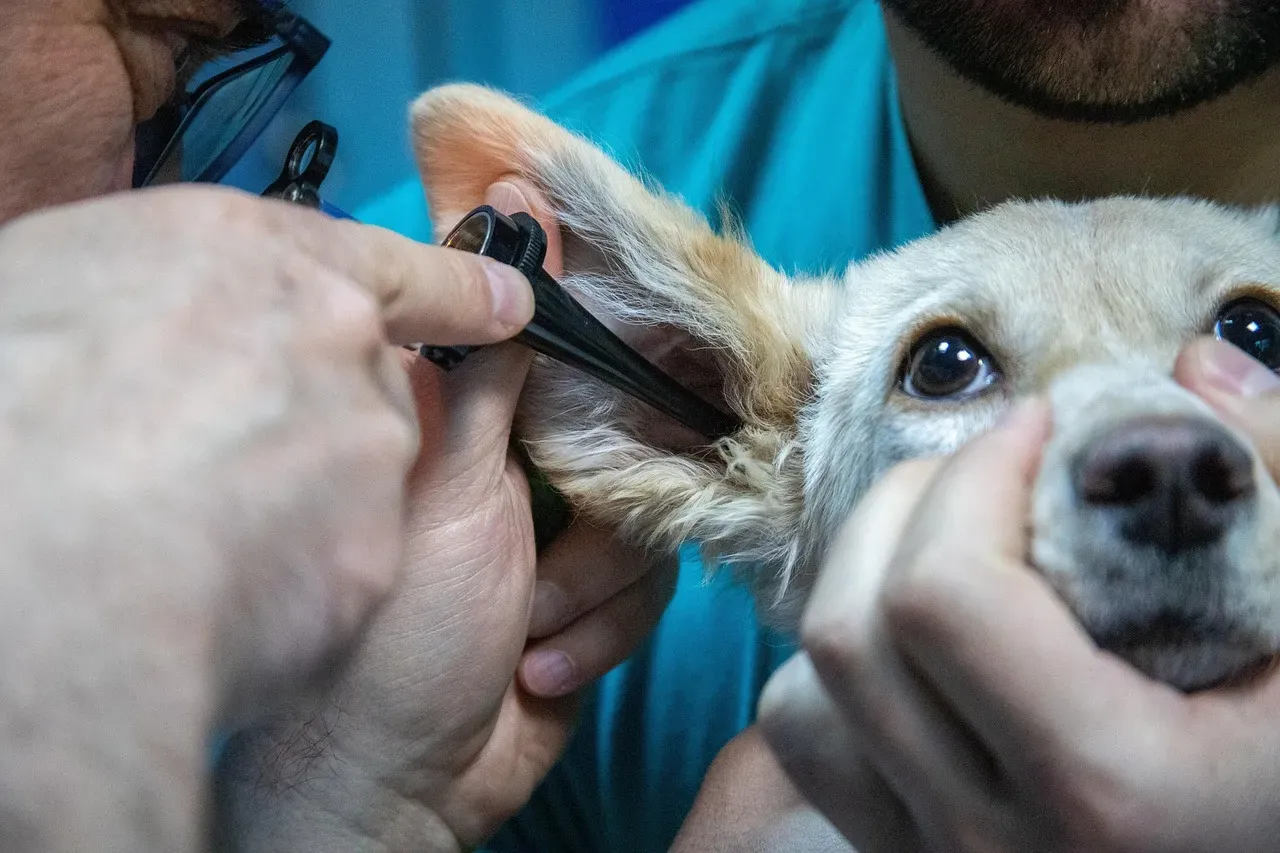
Only about 40 percent of dog and cat owners visit a vet every year, and while yearly visits may not be essential for every pet, this is something you should establish with your vet, as annual vet visits can be life-saving. Honestly, this statistic makes me want to shake people.
Don’t wait 3 or 4 days to see if your dog is better before calling the vet, as by the time they finally see the vet, the pet is very very sick and options become limited. That “wait and see” approach could be the difference between a simple treatment and a dire emergency.
And dental care? Pet’s teeth are just like your teeth, something that should be addressed daily, as brushing teeth is the first line of defense to keep a healthy mouth, and bacteria from the mouth feed into the bloodstream and cause heart and other issues. Bad breath isn’t just unpleasant – it’s a red flag.
Leaving Them Alone Too Long Without Preparation
Dogs can show depression-like behaviors including withdrawal from play or family, loss of appetite, sleeping more than usual, and avoiding social interaction, and these changes often stem from loneliness, lack of stimulation, or major routine shifts. Your dog isn’t being spiteful when they destroy the sofa. They’re desperately unhappy.
Dogs can experience low moods due to common changes, from boredom to life transitions. That new job with longer hours? Your dog feels that change acutely. Dogs often feel more isolated when the house is quiet and dark, intensifying feelings of loneliness, and older dogs may suffer from declining eyesight or cognitive issues, making darkness disorienting and distressing.
The solution isn’t always getting another dog or quitting your job. Sometimes it’s puzzle toys, a dog walker, daycare, or simply creating a better routine that helps your dog feel secure even when you’re gone.
Conclusion: Your Dog Deserves Your Best Effort
Here’s the truth: none of these mistakes make you a bad dog owner. They just make you human. Most of us stumble into dog parenthood with way more enthusiasm than knowledge. The fact that you’re reading this right now? That already puts you ahead of the game.
When dogs are stressed or uncomfortable, these feelings can show up as subtle changes in behavior that suggest unhappiness. Start paying attention to those changes. Watch for the lip licks, the yawns, the avoidance. Your dog is always talking to you.
Small changes can make massive differences. More mental stimulation, respecting their boundaries, maintaining their health, being consistent with training – these aren’t difficult things. They just require awareness and intention.
What surprised you most on this list? Have you caught yourself doing any of these things? Remember, every day is a fresh chance to be the human your dog already thinks you are. They’re pretty forgiving like that.


