

You know that feeling when your dog greets you at the door, tail wagging like crazy, whole body wiggling with pure joy? That moment right there is what we’re all chasing as dog lovers. We want our pups to feel that happiness not just when we come home, but throughout their entire day.
Here’s the thing though. Creating a truly happy dog goes way beyond just feeding them on time and taking them for the occasional walk. Think about it like this: if you ate the same meal every day, sat in the same room, and never talked to anyone new, you’d probably feel pretty miserable, right? Our dogs aren’t that different from us when it comes to needing variety, connection, and purpose in their lives.
Dog happiness depends on fulfilling their physical, mental, and emotional needs. I’ve learned over the years working with countless dogs that the ones who truly thrive are the ones whose owners understand this balance. So let’s dive in and explore what genuinely makes a difference in your dog’s daily happiness.
Physical Exercise That Matches Their Energy
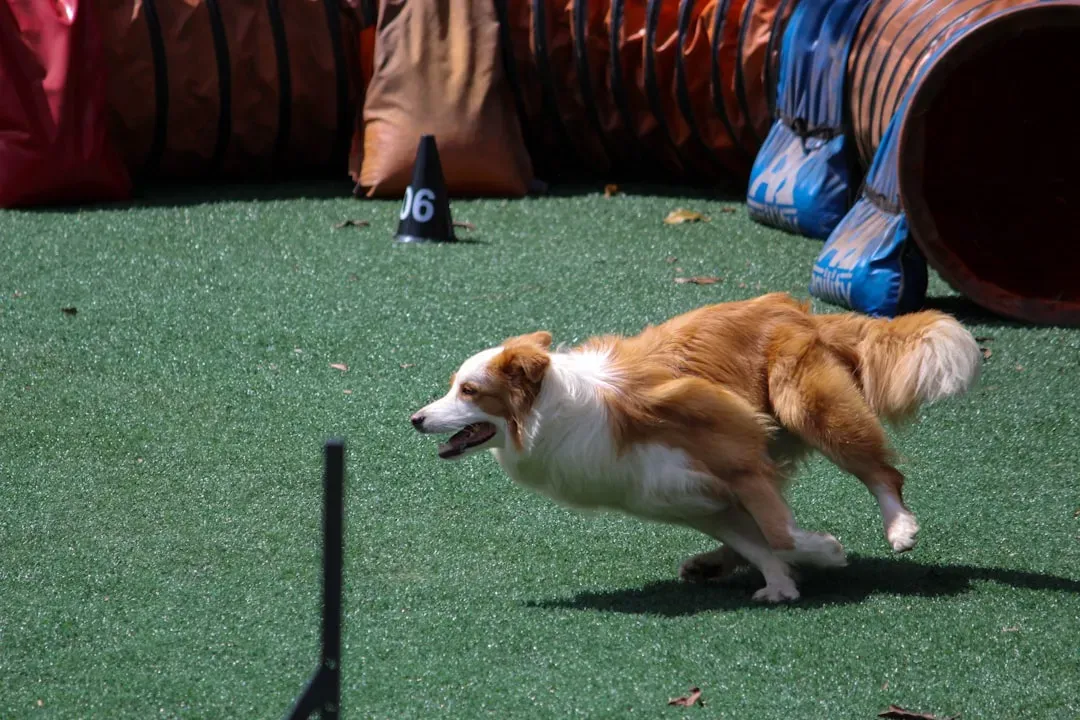
Let’s be real, a bored dog is rarely a happy dog. Exercise provides all dogs with mental stimulation and keeps them active, which can help prolong their lives and reduce the risk of obesity. I know what you’re thinking: how much is enough?
The answer isn’t one size fits all. Conventional wisdom holds that dogs should get a minimum of 20 to 30 minutes per day, but is that really enough? Your Labrador will need significantly more exercise than your senior Pug. Recent studies have shown that dogs who were exercised for longer periods showed less aggression, less fear of humans and objects, and lower levels of separation anxiety than dogs who were not as active. Think about your dog’s breed, age, and personality when planning their exercise routine.
Mental Stimulation Beyond the Walk
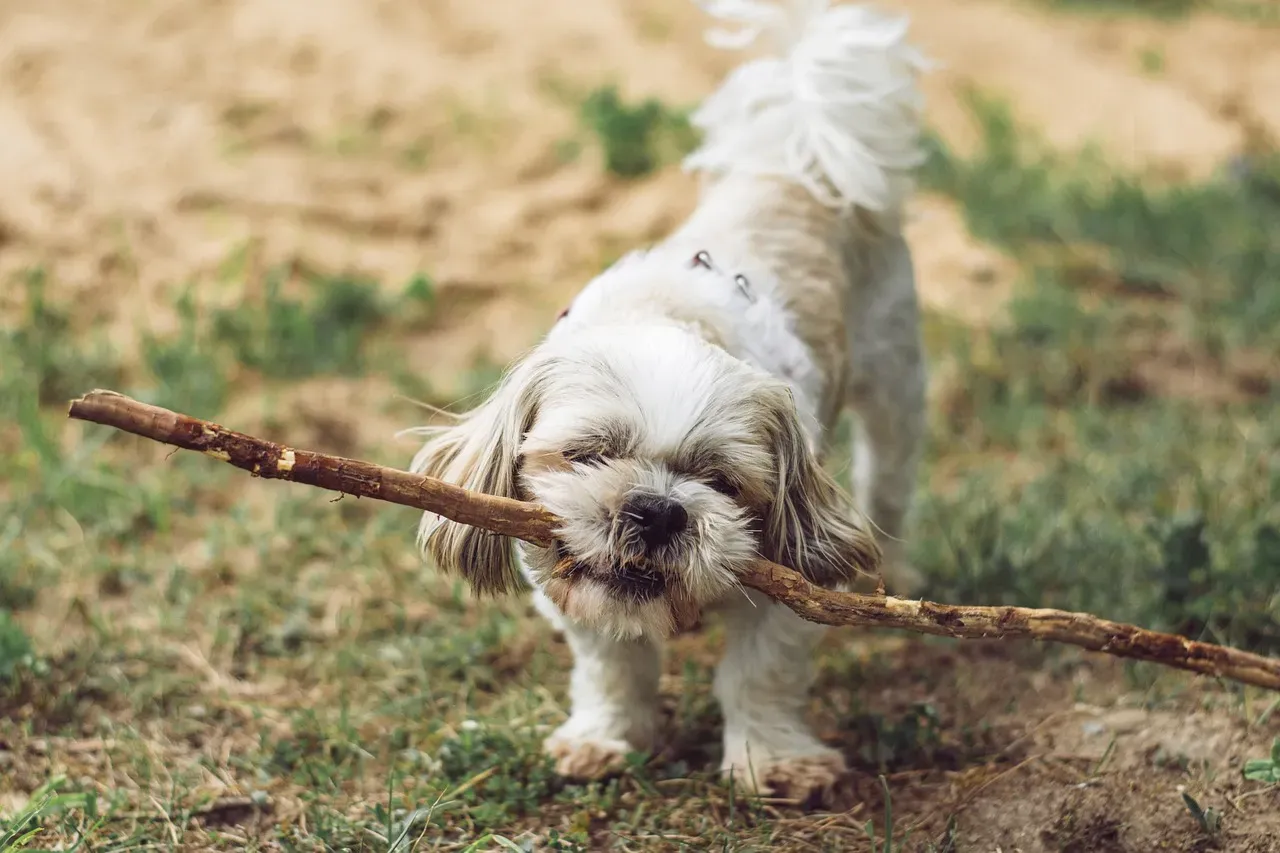
Mental stimulation is just as important for dogs as physical exercise. Mental exercises can actually make dogs even more tired than physical exercise. This honestly surprised me when I first learned it. Your dog’s brain needs a workout just like their body does.
The key to a happy and healthy dog is regular enrichment and allowing them to engage in their innate behaviors, such as playing, chasing, smelling, chewing and scavenging. By allowing your dog to engage in these behaviors, you allow them to be physically, emotionally and mentally satisfied. Puzzle toys, scent games, and hide-and-seek sessions can completely change your dog’s mood. I’ve seen anxious dogs become calm and destructive pups turn into content companions just by adding fifteen minutes of brain games to their daily routine.
Proper Socialization Throughout Life
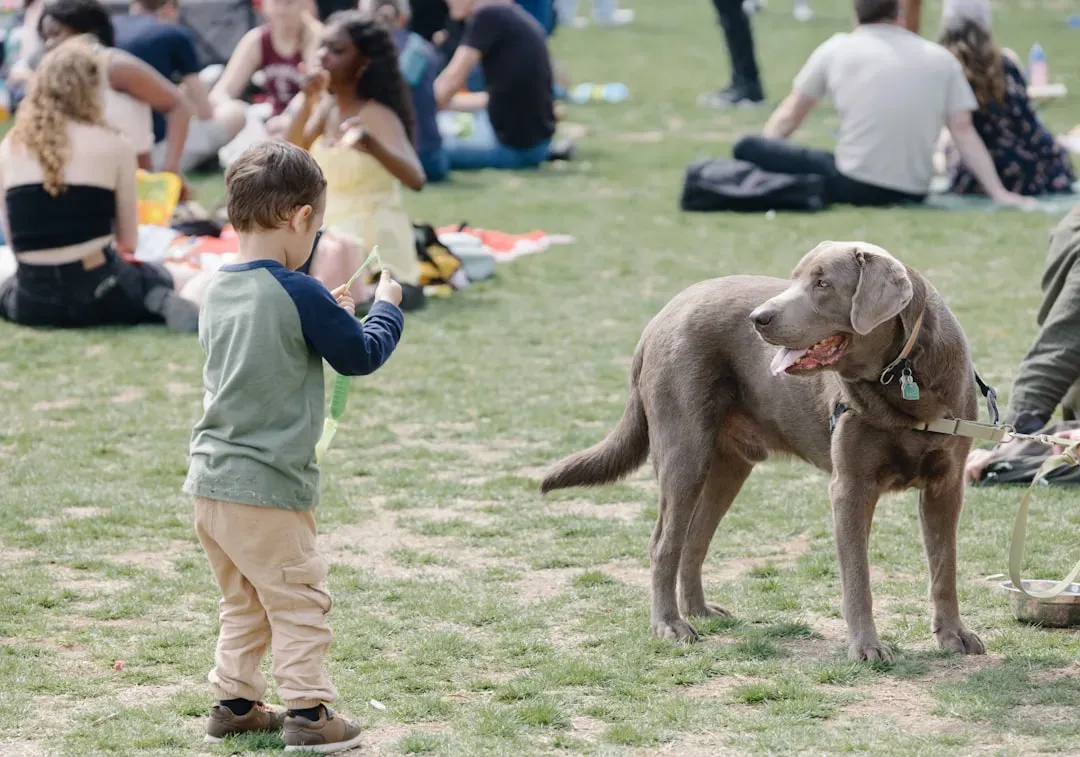
Socialization and early exposure is the single most effective way to prevent fear, behavior problems (including aggression), and adult dogs that cannot cope with their environment. People often think socialization is just for puppies, but that’s not the whole story.
Socialization refers to the process of introducing your dog to new people, places, and experiences in a positive and controlled manner. Proper socialization helps to ensure that your dog is confident, well-adjusted, and able to cope with new situations. Even adult dogs benefit from meeting new friends and experiencing different environments. A well-socialized dog is simply more relaxed and happy because they’re not constantly stressed about unfamiliar situations. Start slowly if your dog is nervous, and always keep experiences positive.
Nutritious Food That Fuels Their Body

The food which you feed your dog is the single most important thing you can do for its health, happiness and wellbeing. Honestly, diet affects everything from your dog’s energy levels to their coat quality to their mood.
A balanced dog diet includes protein, fats, carbohydrates, vitamins, minerals, and water. AAFCO guidelines help ensure commercial dog foods meet dogs’ nutritional needs. Not all dog foods are created equal though. Obesity is prevalent in domestic dogs and this can result from an excess of calories. Once a dog becomes overweight, it can be challenging for them to lose the excess weight. Check with your vet about what’s best for your specific dog’s needs. Quality matters more than quantity.
A Safe and Comfortable Home Environment

Your dog needs a space where they feel completely secure. This doesn’t mean you need to buy expensive beds or fancy furniture. What matters is that your dog has a quiet spot they can retreat to when the world gets overwhelming.
When a dog feels safe and content, their body appears loose and relaxed. Happy dogs may also flop onto their backs and expose their bellies – a vulnerable position that shows trust. Creating this safe haven might mean setting up a cozy corner with their favorite blanket, or simply ensuring they have access to a room where they won’t be disturbed. Dogs who feel safe at home are more confident everywhere else too.
Consistent Routine and Clear Boundaries

Dogs thrive off of consistency. Consistent behaviors and routines communicates to dogs what to expect and how to react. I can’t stress this enough. Dogs find comfort in knowing what comes next.
Feed them around the same time each day. Walk them on a regular schedule. Keep bedtime consistent. This predictability reduces anxiety and helps your dog feel more in control of their environment. Clear boundaries are part of this too. When dogs understand the rules and what’s expected of them, they’re actually happier because there’s no confusion or constant correction.
Quality Time and Genuine Connection
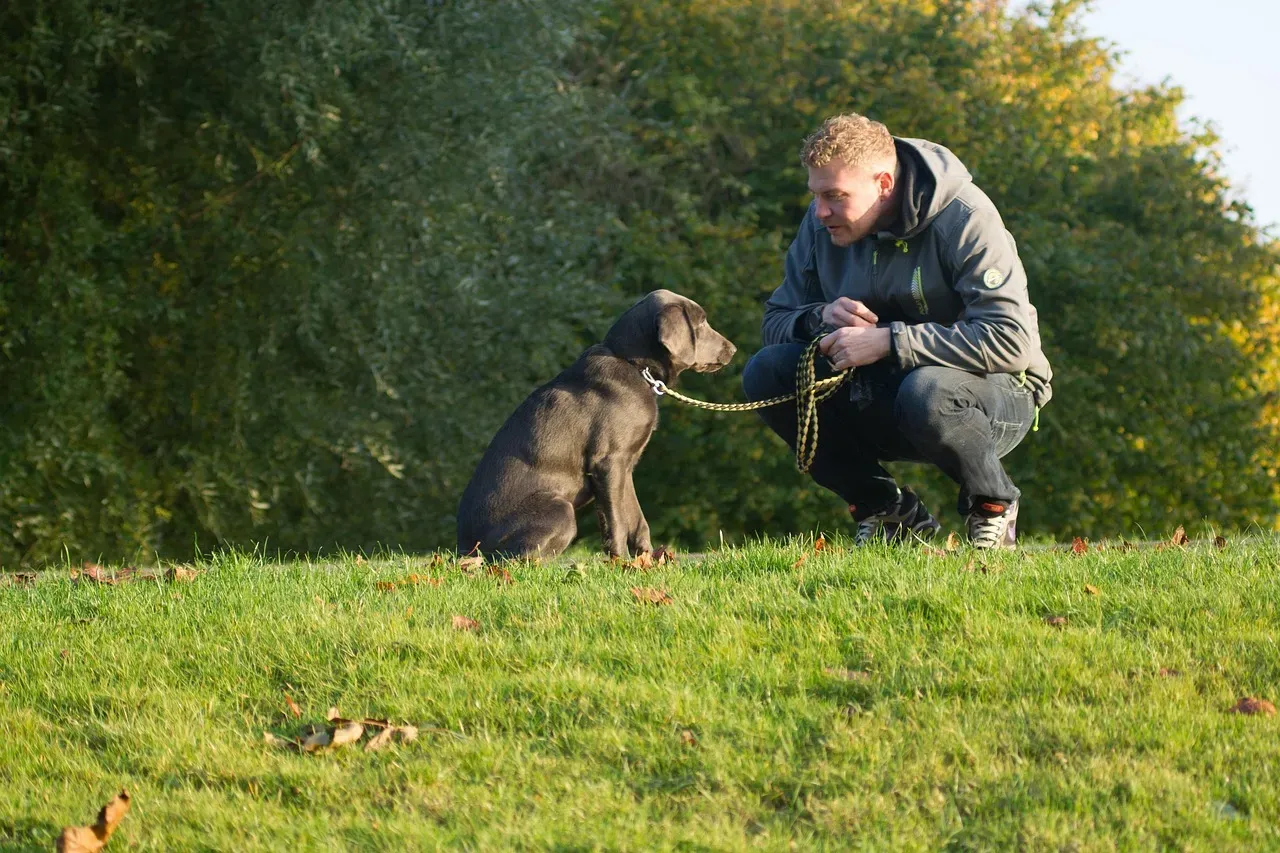
Dogs are pack animals, and you are your dog’s pack. A friendly dog who is feeling happy will likely seek out some affection from you at some point. This goes beyond just being in the same room while you’re scrolling through your phone.
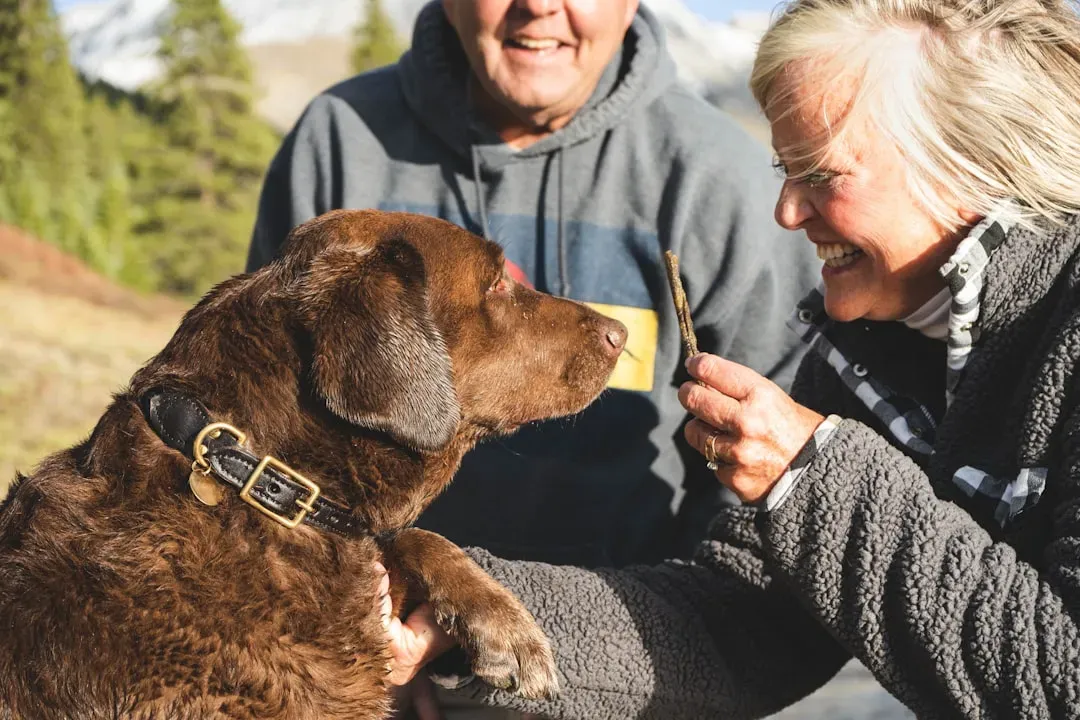
Your dog craves genuine interaction with you. Play tug-of-war. Practice training together. Just sit and pet them while you talk about your day. Studies have even found that, when petted, dogs’ levels of oxytocin (the “feel-good hormone”) rise – just like humans’ levels rise when petting their pup. These moments of true connection strengthen your bond and fill your dog’s emotional tank.
Appropriate Chewing Outlets
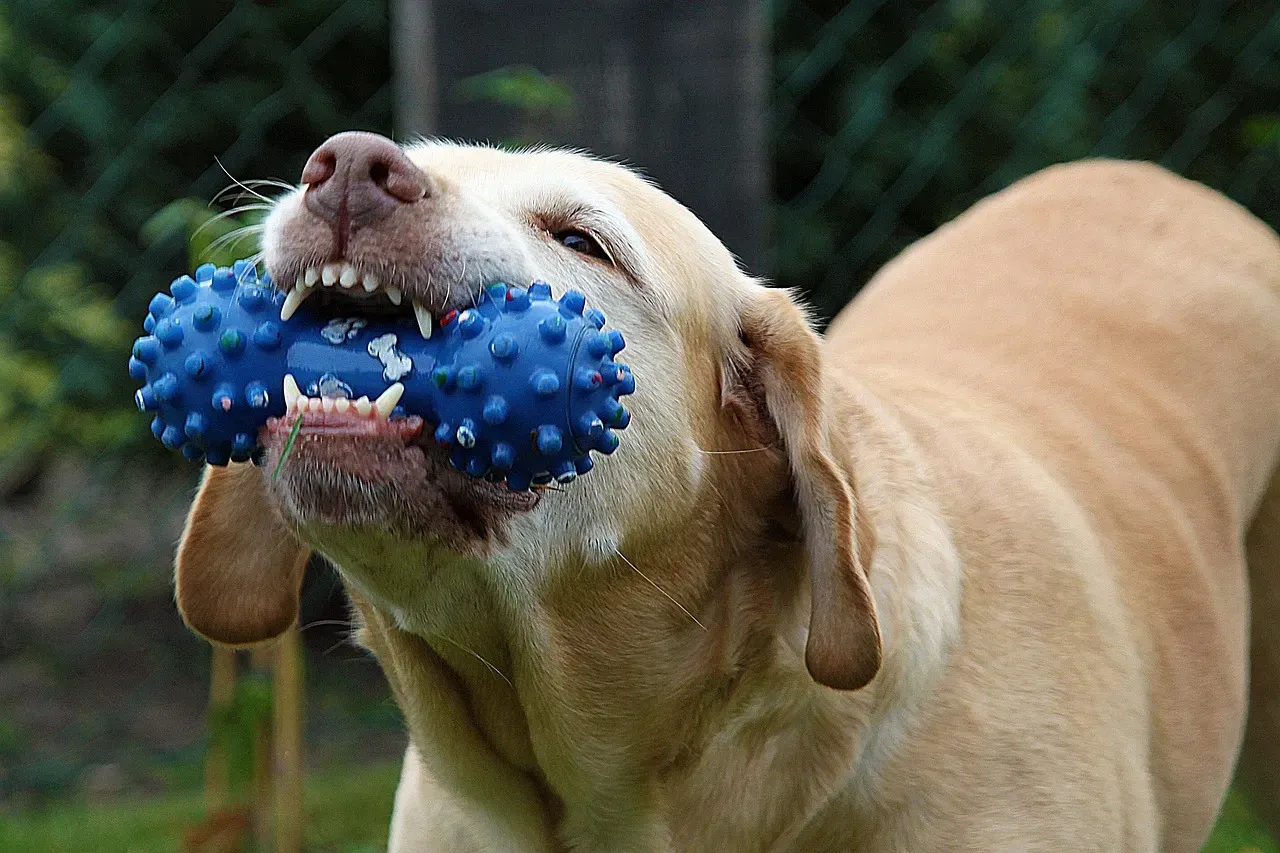
Dogs need to chew. It’s hardwired into them. The problem isn’t the chewing itself, it’s when they choose your shoes or furniture as their target. Providing appropriate chew toys satisfies this natural instinct while keeping your belongings safe.
Different dogs prefer different textures. Some love rubber toys, others prefer rope or natural chews. Experiment to find what your dog enjoys most. Chewing also helps reduce stress and keeps their teeth clean. Keep a rotation of interesting chew options available, and your dog will be much more content.
Regular Veterinary Care and Health Monitoring

A happy dog is a healthy dog, plain and simple. Pain, discomfort, or underlying health issues can completely change a dog’s personality and mood. Regular vet checkups catch problems early, before they become serious.
Beyond annual exams, pay attention to changes in your dog’s behavior, appetite, energy levels, or bathroom habits. These can all signal health issues. Don’t wait if something seems off. Early intervention often means easier treatment and better outcomes. Your dog depends on you to notice when something’s wrong and get them help.
Freedom to Be a Dog

This might sound obvious, but lots of well-meaning owners forget that dogs need to act like dogs sometimes. Let them sniff on walks, even if it takes longer. Dogs love to sniff! Spending a few minutes searching for treats on a fringed mat can stimulate your dog’s mind and help them relax.
Allow them to roll in the grass. Give them opportunities to play with other dogs if they enjoy it. Let them explore new environments safely. These natural dog behaviors bring them joy in ways that nothing else can replicate. A dog who gets to regularly engage in breed-specific activities and natural behaviors is a satisfied dog.
Conclusion
Creating a truly happy dog isn’t about perfection or spending tons of money on fancy accessories. It’s about understanding and meeting their physical, mental, and emotional needs consistently. When you provide proper exercise, mental stimulation, good nutrition, socialization, and genuine connection, you’re giving your dog the foundation for a joyful life.
Your dog’s happiness isn’t just about tail wags and treats – it’s the foundation of their overall health, longevity, and the deep bond you share. Understanding what makes them truly content goes beyond basic care to creating a life filled with joy, purpose, and security. The beautiful part is that when you invest in your dog’s happiness, you’re also enriching your own life immeasurably.
What changes will you make today to boost your pup’s happiness? Sometimes even small adjustments can make a world of difference.


