
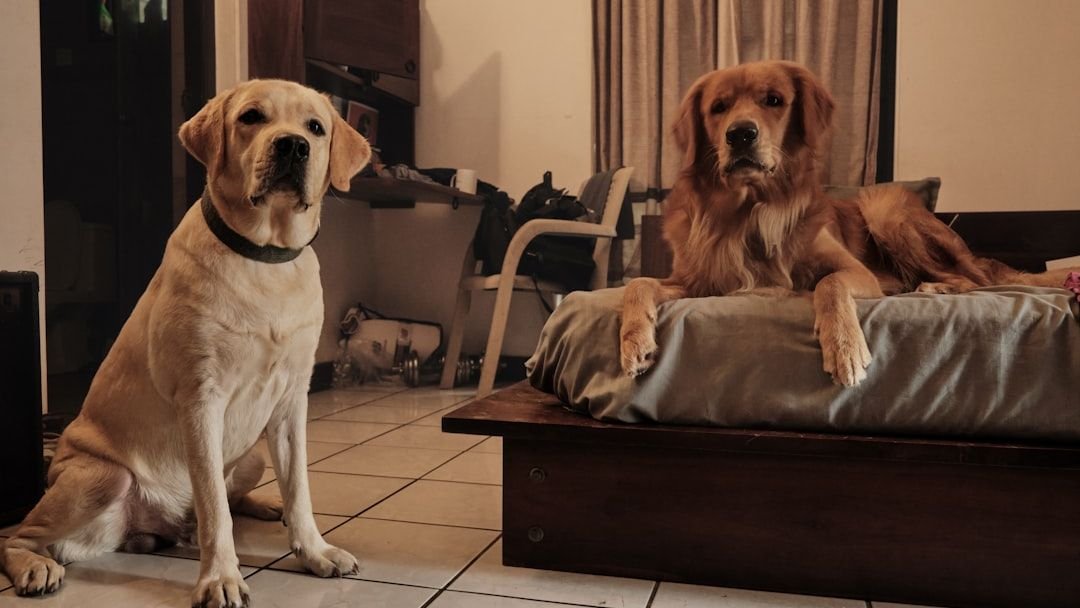
Picture this: the doorbell rings for the fourth time in an hour, your house smells like roasted turkey and cinnamon, voices overlap in cheerful chaos, and your dog is hiding under the bed with eyes like saucers. Sound familiar? The holidays bring joy, laughter, and connection, yet for many of our furry companions, the influx of unfamiliar faces and disrupted routines can feel overwhelming.
Your dog doesn’t understand that Aunt Linda means well when she squeals and lunges for a hug, or that your college roommate’s booming laugh isn’t a threat. What they do understand is that their safe, predictable world has suddenly become unpredictable. Honestly, I think we forget sometimes that dogs experience stress much like we do, just without the ability to pour themselves a glass of wine and escape to the quiet bedroom. So let’s dive into practical, compassionate ways to help your best friend not just survive the holiday hustle, but actually feel secure and content through it all.
Understanding Your Dog’s Stress Signals
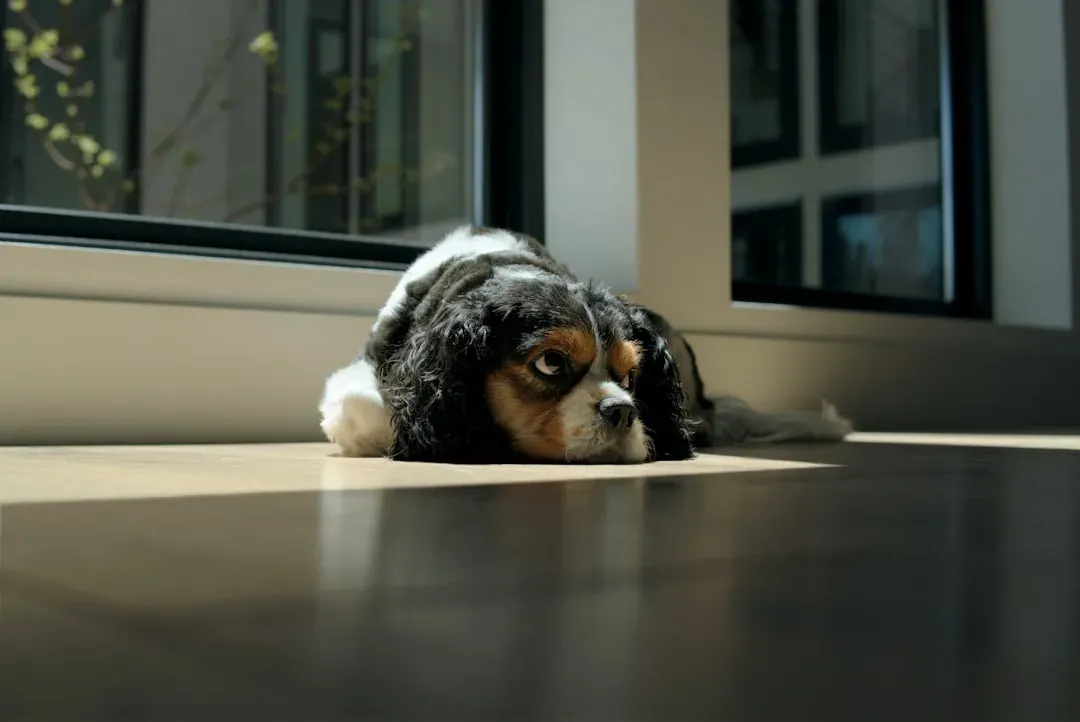
Let’s be real, dogs can’t tap you on the shoulder and say they’re feeling anxious. Instead, they communicate through body language that’s surprisingly eloquent once you know what to look for. A stressed dog might yawn repeatedly when they’re not tired, lick their lips when there’s no food around, or suddenly develop an intense interest in sniffing the floor.
Watch for the whale eye, that moment when your dog turns their head away but their eyes stay locked on something, showing the whites. Tucked tails, pinned-back ears, panting without exertion, and pacing are all red flags. Some dogs get clingy and shadow your every move, while others retreat entirely. One friend’s Golden Retriever, usually a social butterfly, spent an entire Christmas dinner pressed against the back of the coat closet because the crowd was simply too much.
Create a Safe Haven Before Guests Arrive
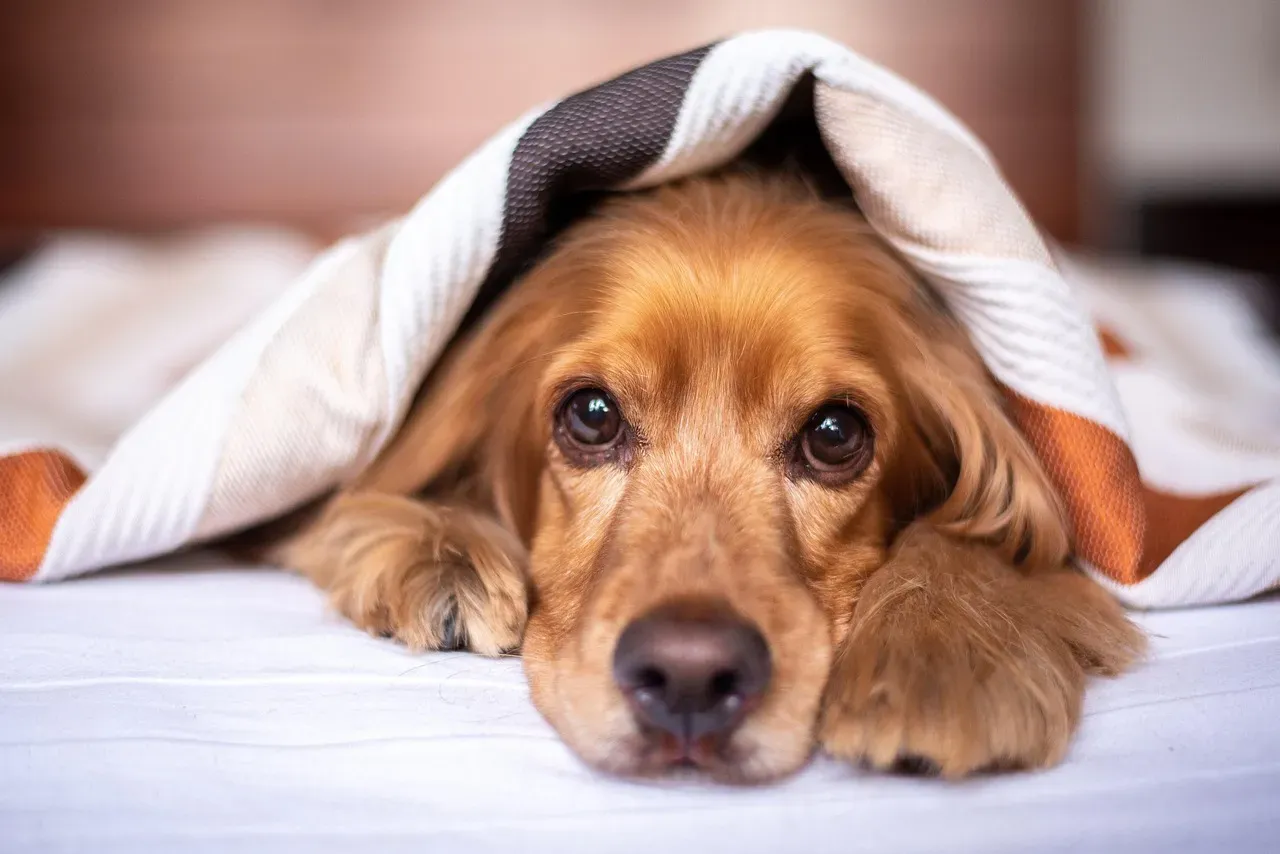
Here’s the thing: your dog needs a designated retreat zone, and you need to set it up before the chaos begins. Choose a quiet room away from the main gathering space, ideally somewhere with minimal foot traffic. Load it up with their favorite bed, some worn clothing that smells like you, and a few beloved toys.
Consider adding a white noise machine or calming music to muffle the party sounds. The space should feel like a cozy den, not a punishment zone. I know it sounds crazy, but some dogs actually benefit from covered crate spaces that mimic that enclosed, protected feeling. Make sure fresh water is always available, and maybe toss in a long-lasting chew or puzzle toy. Practice having your dog spend time there in the days leading up to your event so it already feels like their special sanctuary rather than exile.
Prepare Your Guests (Yes, Really)
You might feel awkward giving adults instructions about how to behave around your dog, yet it’s absolutely necessary. Send a friendly text or email before guests arrive explaining that Fido needs space and shouldn’t be approached, petted, or fed without your explicit permission. Most people genuinely don’t realize their enthusiasm can be terrifying to a nervous dog.
Teach children the “tree” technique: stand still, hands at sides, avoid eye contact, and let the dog approach them if interested. No reaching, no squealing, no sudden movements. Position yourself as your dog’s advocate and gatekeeper. It’s hard to say for sure, but I’d estimate that roughly three-quarters of holiday dog incidents happen because well-meaning guests ignore boundaries. When someone inevitably says your dog is “so cute” while lunging toward them, don’t hesitate to redirect with a warm smile and a firm boundary.
Maintain Routine as Much as Possible
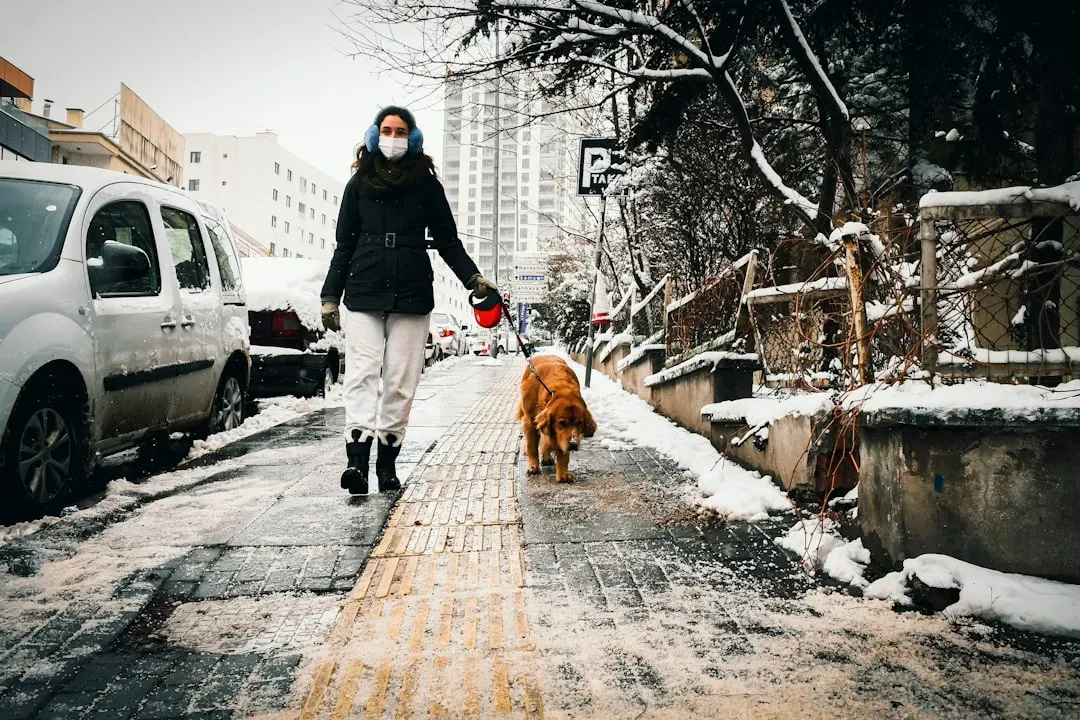
Dogs are creatures of habit, and disrupted schedules can spike anxiety even before guests arrive. Try to keep feeding times, walk schedules, and play sessions consistent throughout the holiday period. If your dog normally eats breakfast at seven in the morning, don’t suddenly shift it to ten because you were up late cooking.
That morning walk is especially crucial because physical exercise burns off nervous energy and provides mental stimulation. A tired dog is generally a calmer dog when faced with chaos. Even if your house is full of people, carve out those moments of normalcy. Your dog will anchor to these familiar touchstones like lifelines in a storm, finding comfort in the predictability amidst all the change.
Consider Calming Aids and Professional Support
Sometimes love and preparation aren’t quite enough, especially for dogs with serious anxiety or traumatic backgrounds. Products like anxiety wraps, which apply gentle pressure similar to swaddling a baby, can work wonders for some dogs. Calming supplements containing ingredients like L-theanine or chamomile might take the edge off without sedation.
Pheromone diffusers that mimic the comforting scents mother dogs produce can create a more relaxed environment. For dogs with severe stress, consult your veterinarian well before the holidays about whether anti-anxiety medication might be appropriate. There’s zero shame in using pharmaceutical support when needed. I think we’re finally moving past the stigma and recognizing that mental health matters for our dogs just as much as it does for us. If your dog has a history of fear-based aggression or panic, working with a certified dog behaviorist before holiday season can be genuinely life-changing.
Know When to Step In and When to Step Back
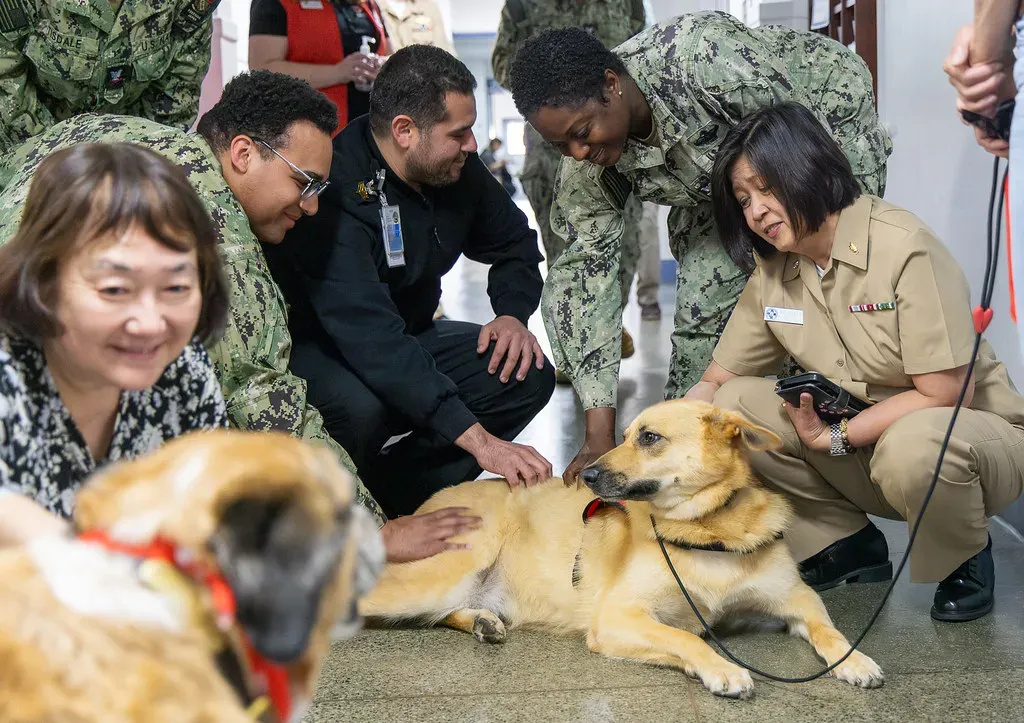
Reading the room, or rather reading your dog, is an ongoing process throughout your gathering. Check on them regularly if they’re in their safe space, watching for signs they’re relaxing versus signs of escalating distress. If your dog chooses to join the festivities, monitor interactions closely and intervene at the first hint of discomfort.
Never force a fearful dog into social situations or allow guests to corner them for photos and pets. On the flip side, if your dog seems genuinely curious and relaxed, brief, controlled interactions with calm guests can actually be positive. The key is letting your dog set the pace and honoring their choice to engage or retreat. After guests leave, give your pup extra quiet bonding time, maybe a gentle massage or calm cuddle session, to help them decompress and know that life is returning to normal.
Conclusion: Your Dog’s Comfort Is Not Negotiable
The holidays should bring joy to everyone in your household, including the four-legged members. Your dog trusts you completely to keep them safe, comfortable, and understood, even when their world turns temporarily upside down. By preparing ahead, setting clear boundaries, and staying attuned to their needs, you’re doing more than just managing stress, you’re deepening the bond between you.
Remember that saying no to certain situations or limiting guest interactions isn’t rude, it’s responsible dog ownership. Your pup might not be able to thank you in words, yet you’ll see it in their relaxed posture, soft eyes, and wagging tail once the chaos settles. What’s your plan this year to help your dog through the holiday rush? We’d love to hear what works for you and your furry friend.


