

Picture this: snowflakes drifting lazily from the sky, a cozy fire crackling indoors, and your dog staring out the window with those big, curious eyes. You might wonder if they’re excited about the snow, or if they’d rather curl up under a blanket with you instead. The truth is, dogs experience winter in ways that might surprise you, and understanding their needs during the colder months can make all the difference between a magical season and a miserable one.
Some dogs go absolutely wild for snow, bounding through drifts like furry torpedoes, while others lift their paws delicately and give you that look that says, “You’ve got to be kidding me.” The holidays bring special challenges and joys for our four-legged companions, from icy sidewalks to changes in routine. Let’s explore what your dog really thinks about winter weather and how you can keep them safe, comfortable, and genuinely happy throughout the season.
Does Your Dog Actually Enjoy the Snow?
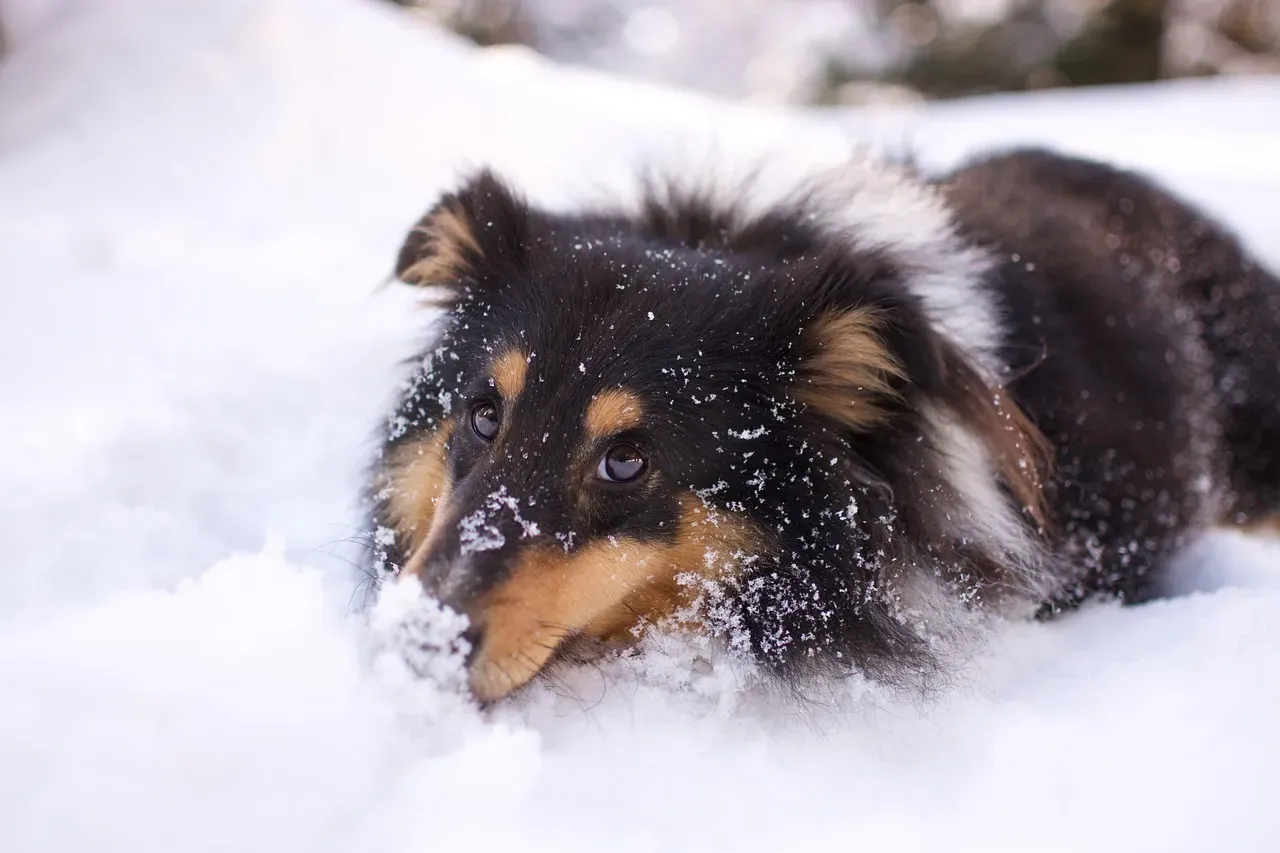
Here’s the thing: not all dogs are created equal when it comes to winter enthusiasm. Breeds like Huskies, Malamutes, and Bernese Mountain Dogs have thick double coats designed for arctic conditions, and they genuinely thrive in cold weather. You’ll see these dogs doing joyful snow dives, rolling around like kids on a snow day, and refusing to come inside even when their humans are shivering.
Meanwhile, smaller breeds, short-haired dogs, and those with low body fat often find snow anywhere from uncomfortable to downright painful. Chihuahuas, Greyhounds, and senior dogs might tolerate a brief potty break but will quickly let you know they’d prefer the warmth of indoors. Watch your dog’s body language closely: if they’re holding up paws, hunching their back, whining, or trying to turn around and head home, they’re telling you the snow isn’t their idea of fun.
The Hidden Dangers Lurking in Winter Wonderlands
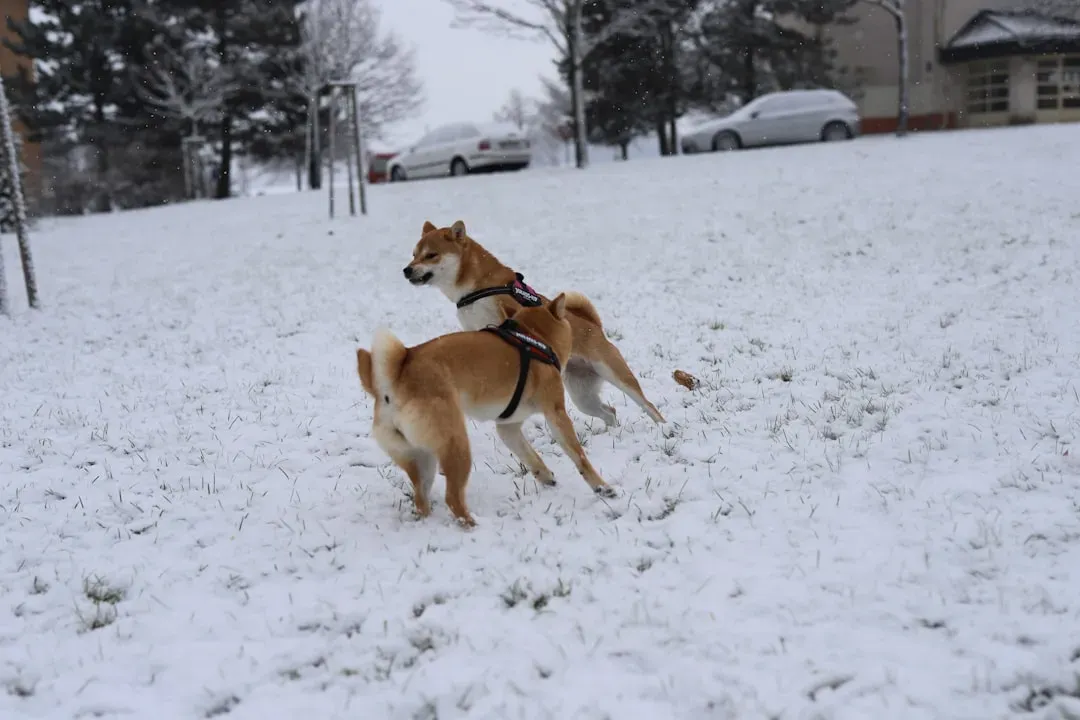
Snow might look innocent, but it brings some serious hazards that many dog owners don’t consider until it’s too late. Ice-melting salt and chemical deicers can burn your dog’s paw pads, causing painful cracks and irritation. Dogs also tend to lick their paws after walks, which means they’re ingesting these toxic substances that can lead to vomiting, diarrhea, or worse.
Antifreeze is another silent killer during winter months. It has a sweet taste that attracts dogs, but even a tiny amount can cause fatal kidney failure. Always clean up spills immediately and consider pet-safe alternatives for your own property.
Frostbite and hypothermia are real threats, especially for dogs with thin coats or those who get wet. Ears, tails, and paw pads are most vulnerable to frostbite, which may not show symptoms until hours or even days later. If you notice pale or grey skin, blisters, or areas that feel cold and hard to the touch, seek veterinary care right away.
Protecting Those Precious Paws
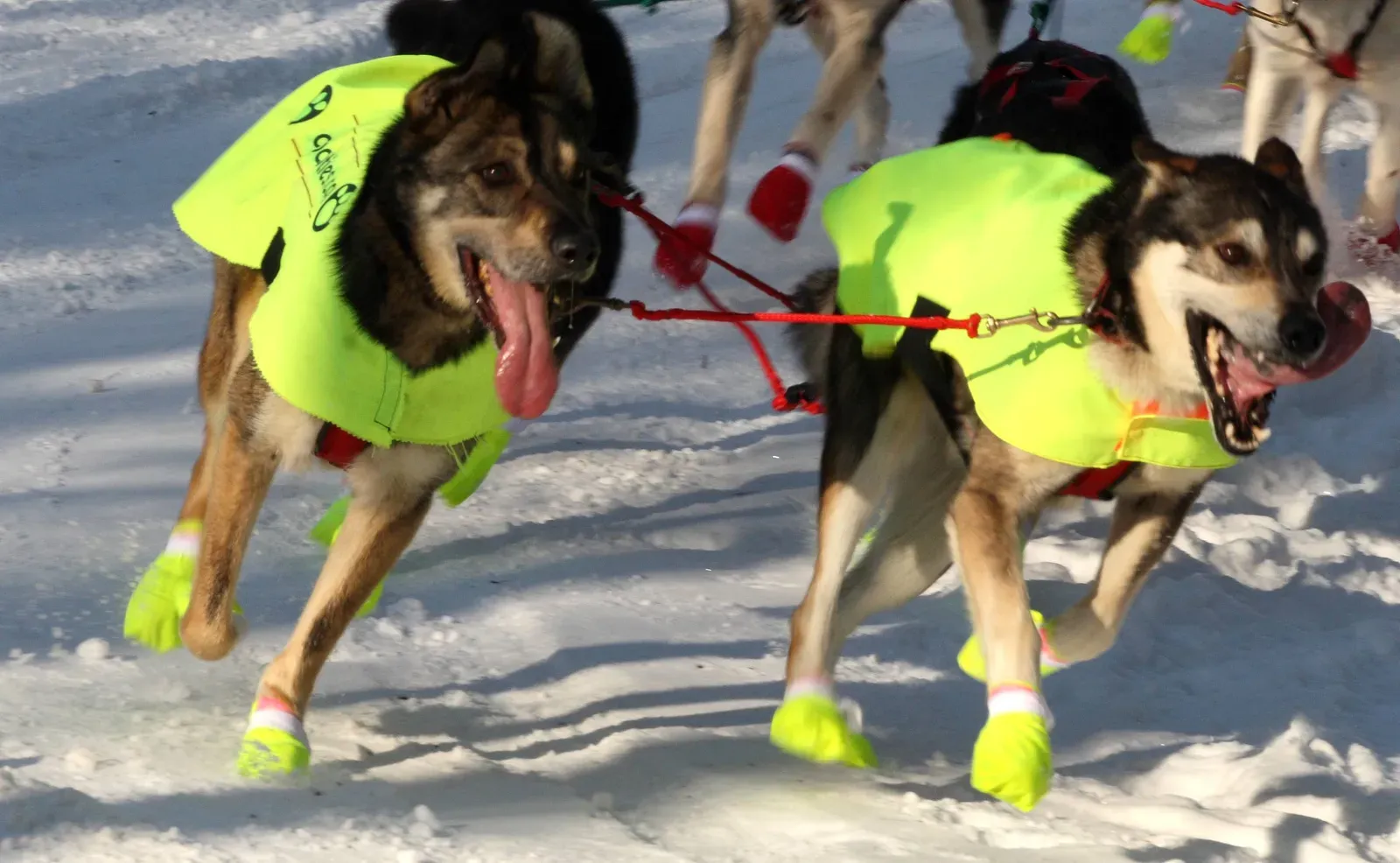
Your dog’s paws are tougher than human feet, sure, but they’re not invincible against ice, salt, and freezing temperatures. The skin between their toe pads is particularly sensitive and prone to cracking in harsh winter conditions. I’ve seen too many dogs limping after walks because their owners assumed their paws could handle anything.
Invest in quality dog booties if your pup will tolerate them. It takes patience to get dogs used to wearing them, start indoors with short sessions and plenty of treats. If booties are a hard no for your dog, apply paw balm or wax before walks to create a protective barrier.
After every walk, wipe down your dog’s paws with warm water to remove salt, ice, and chemicals. Check between their toes for ice balls, which can form in furry-footed breeds and cause serious discomfort. Keeping the fur trimmed between paw pads helps prevent this buildup.
Winter Wardrobe: Who Really Needs a Coat?
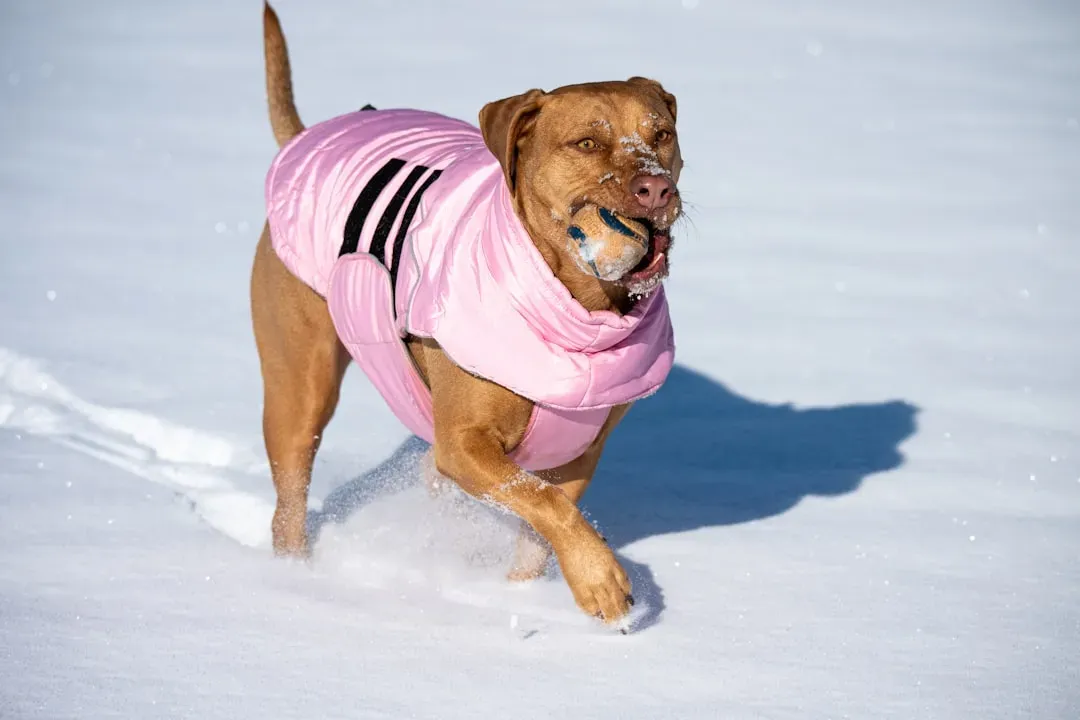
The dog coat debate is real, and honestly, some dogs absolutely need them while others are just fashion statements. Small dogs, lean breeds, puppies, senior dogs, and those with health conditions benefit significantly from wearing coats or sweaters in cold weather. If your dog shivers, seeks warm spots constantly, or seems reluctant to go outside, a coat isn’t optional.
Look for coats that cover from neck to tail and protect the belly, since that’s where dogs lose the most heat. The coat should fit snugly without restricting movement or bathroom activities. Waterproof outer layers are essential if your dog will be in snow or rain.
That said, thick-coated breeds like Newfoundlands or Saint Bernards don’t need extra layers and might actually overheat with them. These dogs have natural insulation that works beautifully in cold weather. Trust your dog’s behavior and body condition rather than just going by breed generalizations.
Keeping Them Active When It’s Freezing Outside

Winter often means shorter walks and less outdoor time, which can leave energetic dogs bouncing off the walls. Mental stimulation becomes just as important as physical exercise during these months. Hide-and-seek games, puzzle feeders, and training sessions can tire out your dog’s brain even when the weather outside is frightful.
Indoor fetch down hallways, tug-of-war, or setting up an obstacle course with furniture can burn energy without freezing your toes off. Some dogs also love treadmill training, though this requires careful introduction and supervision.
On milder winter days, take advantage of any sunshine and get outside for longer adventures. Dogs still need fresh air and the sensory stimulation that comes from exploring their environment. Just be mindful of the temperature and your individual dog’s tolerance level.
Holiday Stress Through Your Dog’s Eyes

Christmas brings joy for humans but can be overwhelming for dogs. The routine disruptions, strange visitors, unusual decorations, and tempting foods create a perfect storm of stress and potential dangers. I know it sounds dramatic, but I’ve seen dogs end up at emergency vets on Christmas Day more times than I can count.
Watch for signs of stress like excessive panting, pacing, hiding, or changes in appetite. Give your dog a quiet retreat space where they can escape the holiday chaos. Not every dog wants to greet guests or wear reindeer antlers, and that’s perfectly okay.
Keep toxic foods like chocolate, grapes, onions, and xylitol-containing treats completely out of reach. Tinsel, ribbons, and ornaments look like toys but can cause intestinal blockages if swallowed. Your dog doesn’t understand that this season is special, they just know their world feels different and sometimes scary.
Conclusion
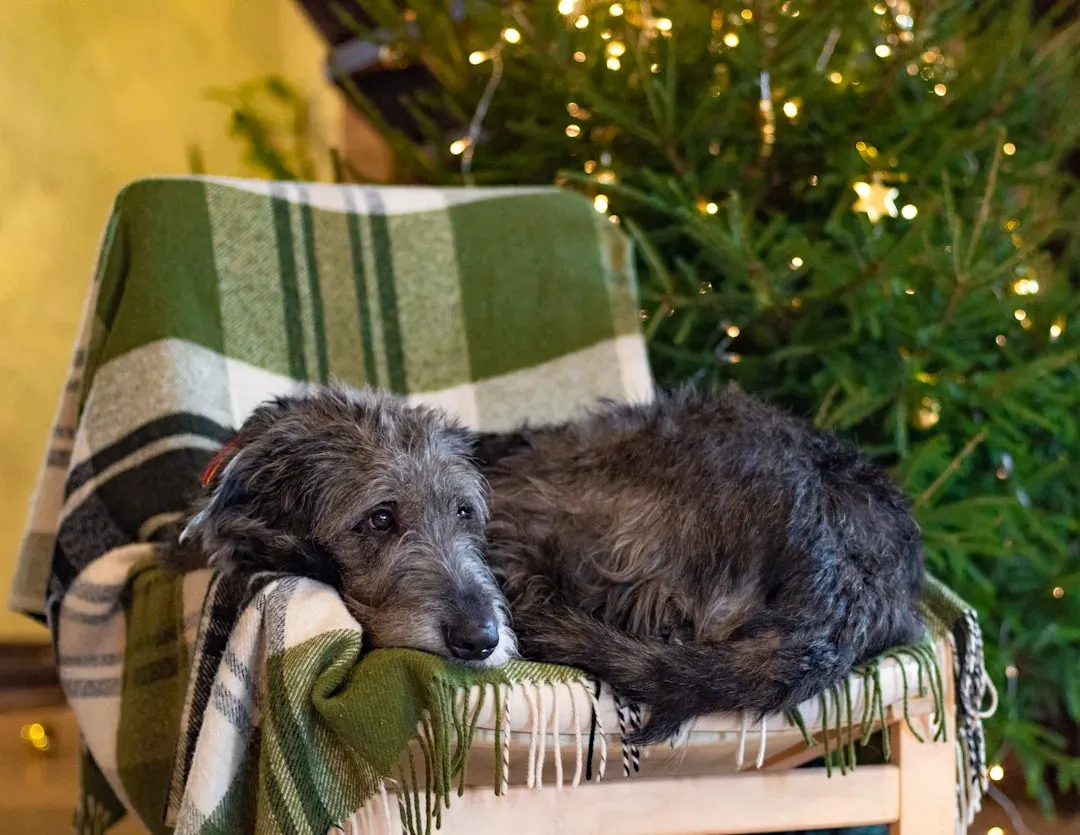
Your dog might dream of a white Christmas, or they might dream of staying warm under a blanket with you. Either way, what they really want is to feel safe, comfortable, and loved during this beautiful but challenging season.
Pay attention to their individual needs, watch for warning signs, and adjust your expectations to match their comfort level. The perfect holiday with your dog isn’t about picture-perfect snow adventures unless that’s what they genuinely enjoy. What do you think your dog truly wants this winter? Share your snowy stories or cozy fireside moments in the comments below.


