
Why Your Dog Loves Snow (And You Should Too)
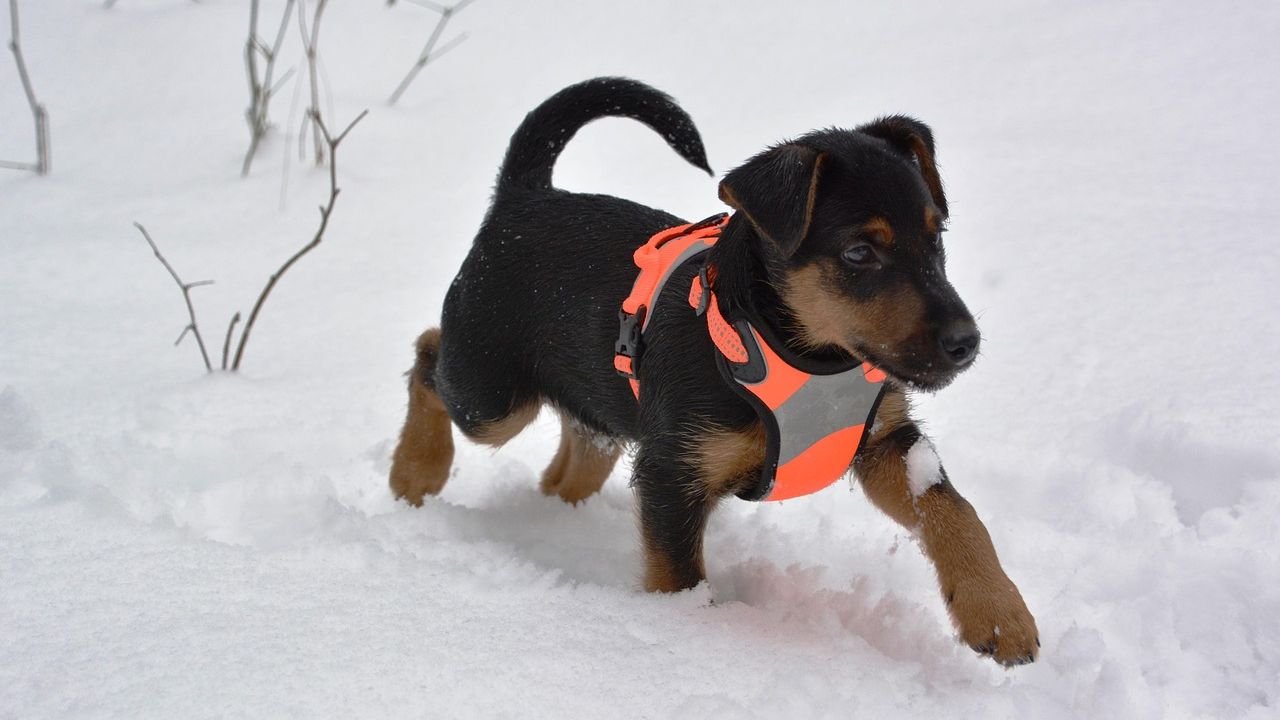
You’ve probably seen it. That moment when the first flakes fall, and your dog’s whole demeanor shifts. They bounce, they dig, they push their nose deep into the fresh powder. There’s something almost magical about watching a dog discover snow, whether it’s their first time or their fiftieth. The pure, unbridled joy is contagious.
Honestly, it makes you wonder what they’re experiencing that we might be missing. Is it the feel? The smell? Something deeper? Let’s explore why snow turns even the laziest couch potato into a snow-crazed adventurer, and why understanding this might just help you fall back in love with winter too.
The World Transforms Into a Giant Playground
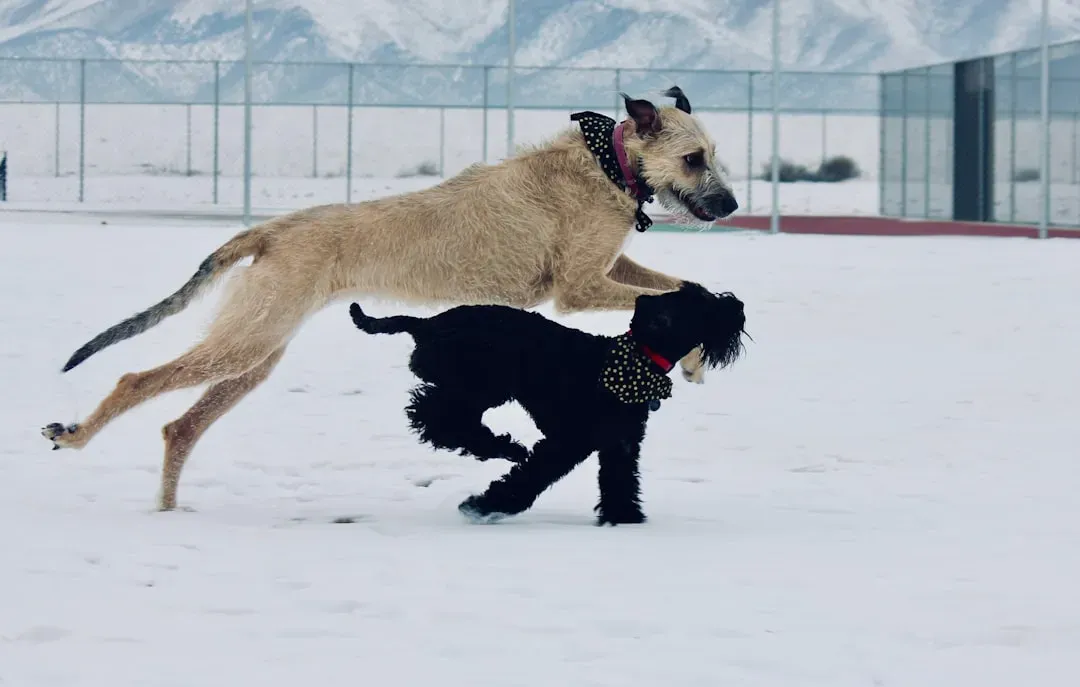
Snow turns the world into one big play room for animals that love to play, and dogs are natural players at heart. Think about it from their perspective: overnight, everything familiar becomes unrecognizable. The backyard where they pee every morning is suddenly a blank canvas of white.
Dogs like the ‘new’, of course, and what could be more new than their entire world covered with this icy blanket. This novelty factor is huge for dogs. The value of novelty is critical, especially for first-time snow dogs or those who haven’t seen it in months.
For some dogs, snow is just another toy to play with, providing a substrate for merriment. It’s moldable, it flies through the air, it crunches under their paws. What’s not to love?
Their Senses Go Into Overdrive
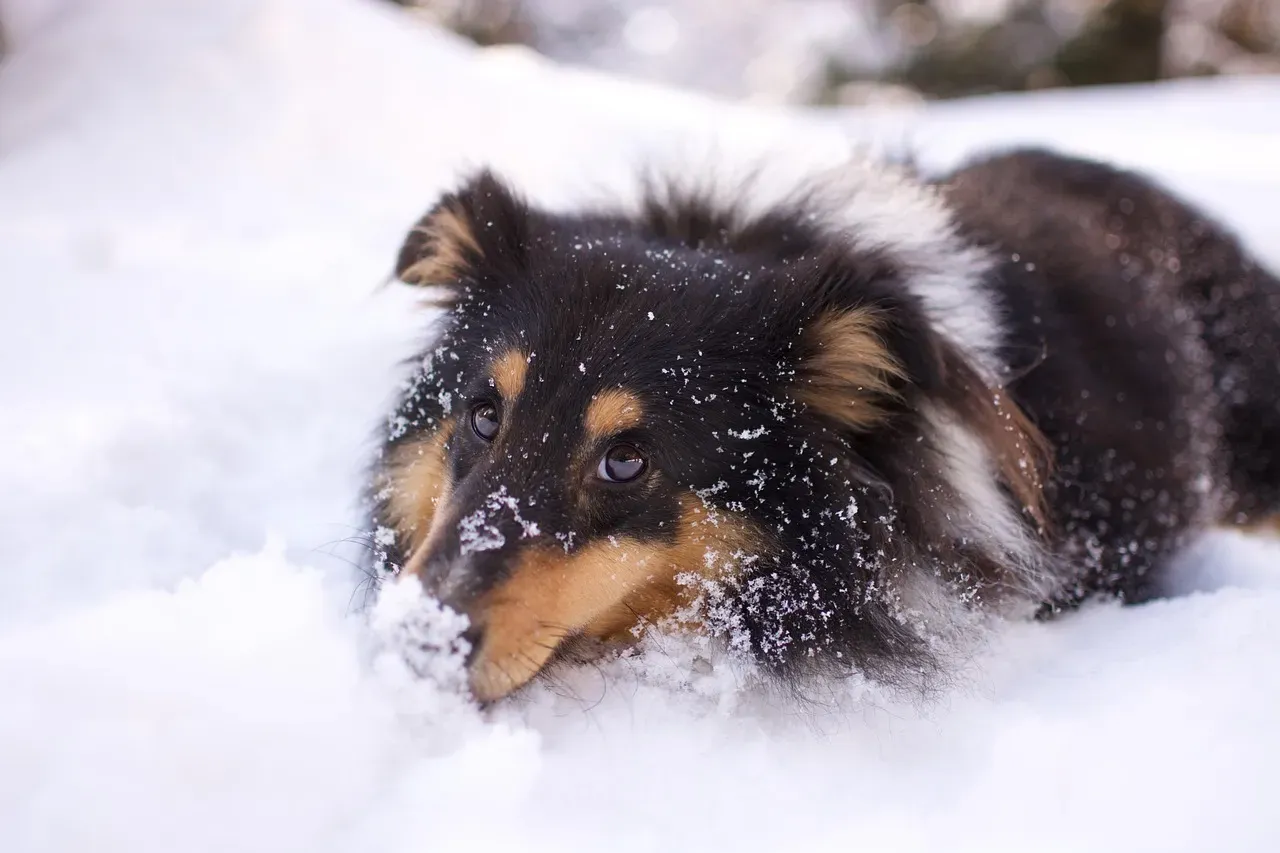
Smell is changed, too, and we can for a moment see some of the otherwise invisible markings (like tracks or urine) which are so engaging for dogs. Snow doesn’t just cover scents, it preserves and amplifies them in ways we can barely imagine. Anything that dogs can smell is likely to linger longer in the snow than in the grass, so there is more to smell and much of it will smell stronger, too.
For a dog with scent receptors that outnumber ours by tens of millions, this is like walking into the most fascinating library ever created. Tracks or trails that dogs detect will be easier to follow because the snow helps keep them intact, remaining strong to a dog’s nose longer than usual.
The very sensation of snow on the body is engaging for dogs. The cold tickle between their toes, the way it feels against their face when they dive in headfirst. It’s a full sensory banquet that most of us will never truly understand.
Predator Instincts Kick In
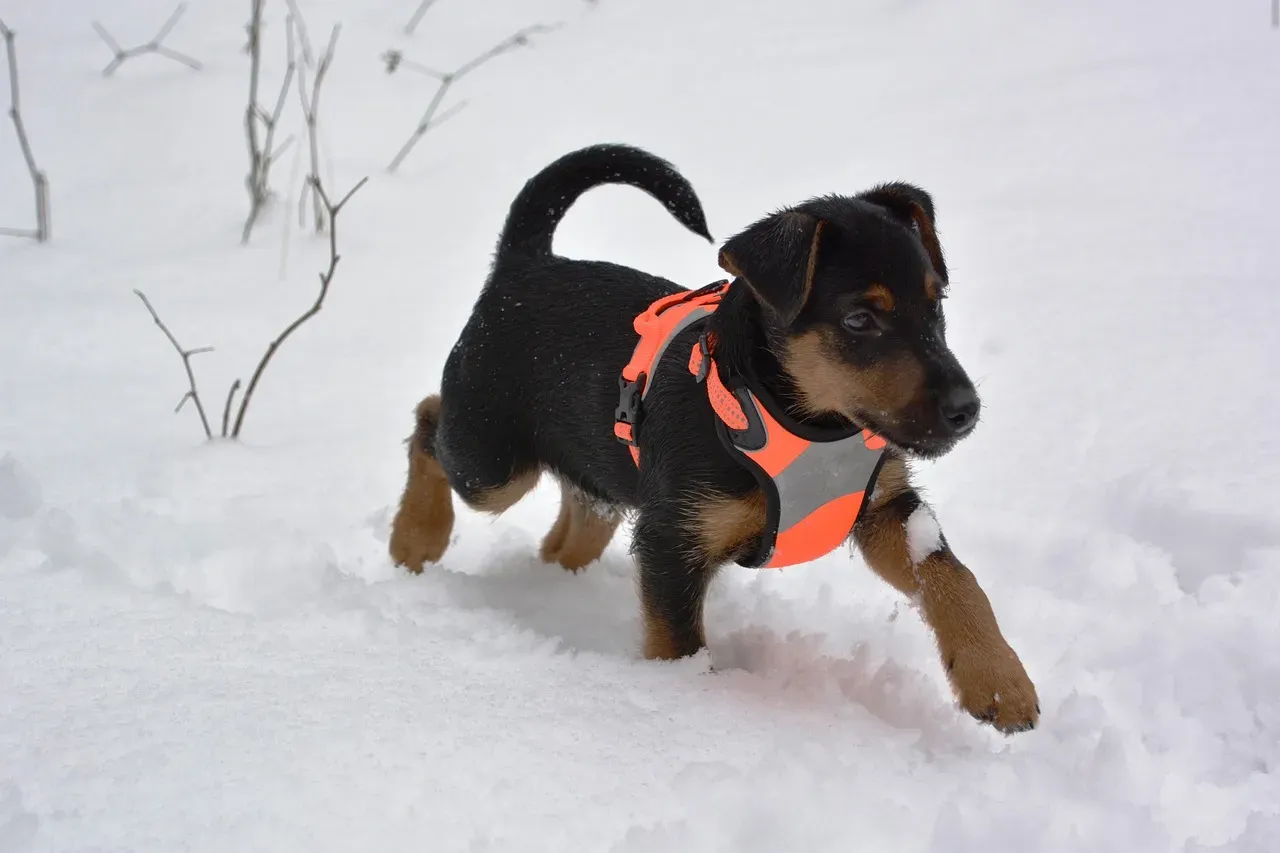
Here’s something fascinating: When your dog dives in the snow, they may be hearing or smelling vermin moving through underground snow tunnels, and dogs have adapted the ability to hear the animals below and pounce. This behavior isn’t just random goofiness. It’s ancient hunting instinct at work.
Because it’s new and different, predators love change while prey animals hate it. Your dog’s ancestors relied on these instincts to survive harsh winters. Even though your pampered pooch gets kibble from a bag, those drives remain hardwired deep in their brain.
The pouncing, the digging, the sudden bursts of speed through snowdrifts? That’s your domestic dog channeling their inner wolf. It’s beautiful to witness when you realize what you’re actually seeing.
They’re Built for Cold Weather
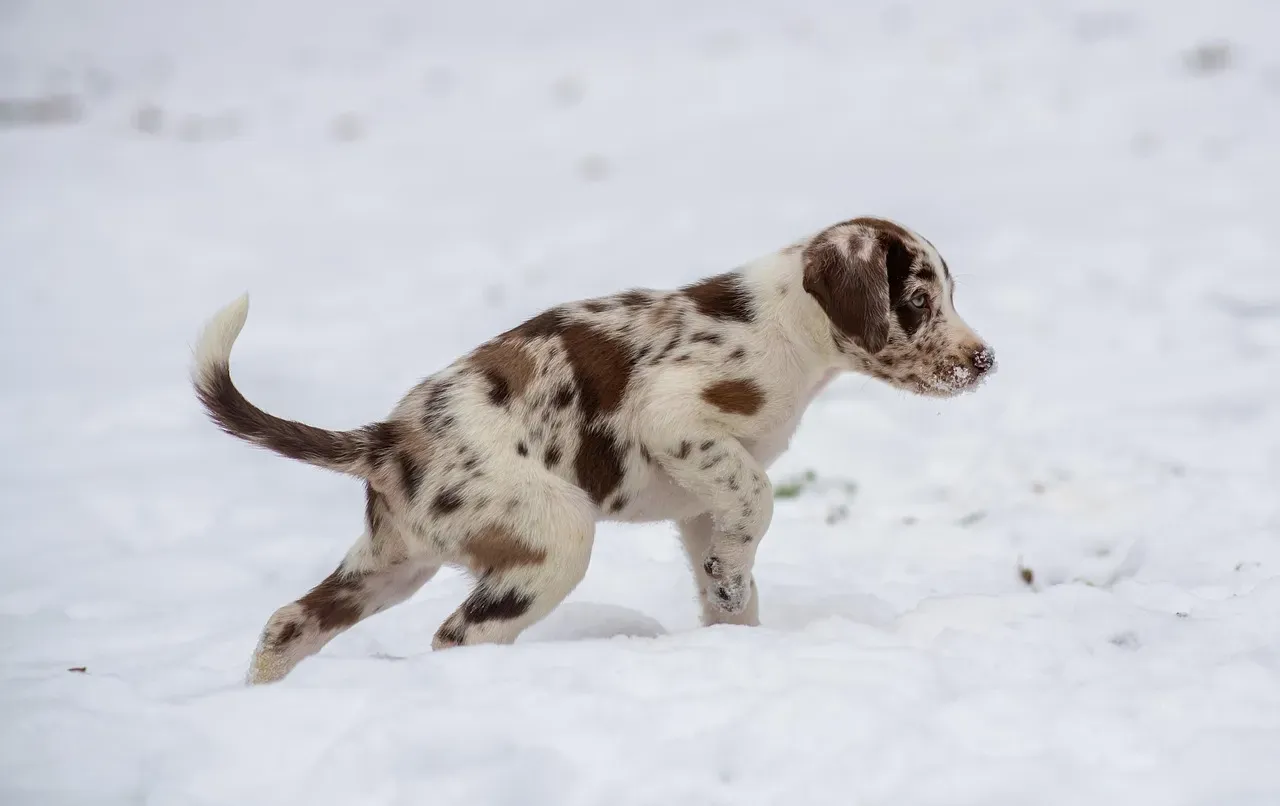
The pads on dogs’ feet are very vascular and covered with thick skin, so when dogs trot out into the snow, they can enjoy the sensation without immediately freezing. Research found that dogs have exceptionally good venous anatomy in their paws, which allows them to regulate temperature remarkably well.
Many dogs love winter because they become more energetic as the temperatures cool, allowing them to run and play more without overheating. This is especially true for thick-coated breeds. That Husky or Golden Retriever? They’re finally in their element.
Even dogs not specifically bred for cold climates often find relief in cooler temperatures. Summer can be miserable for a dog wearing a permanent fur coat. Winter gives them freedom to really move without panting after thirty seconds.
It’s Pure, Unfiltered Joy
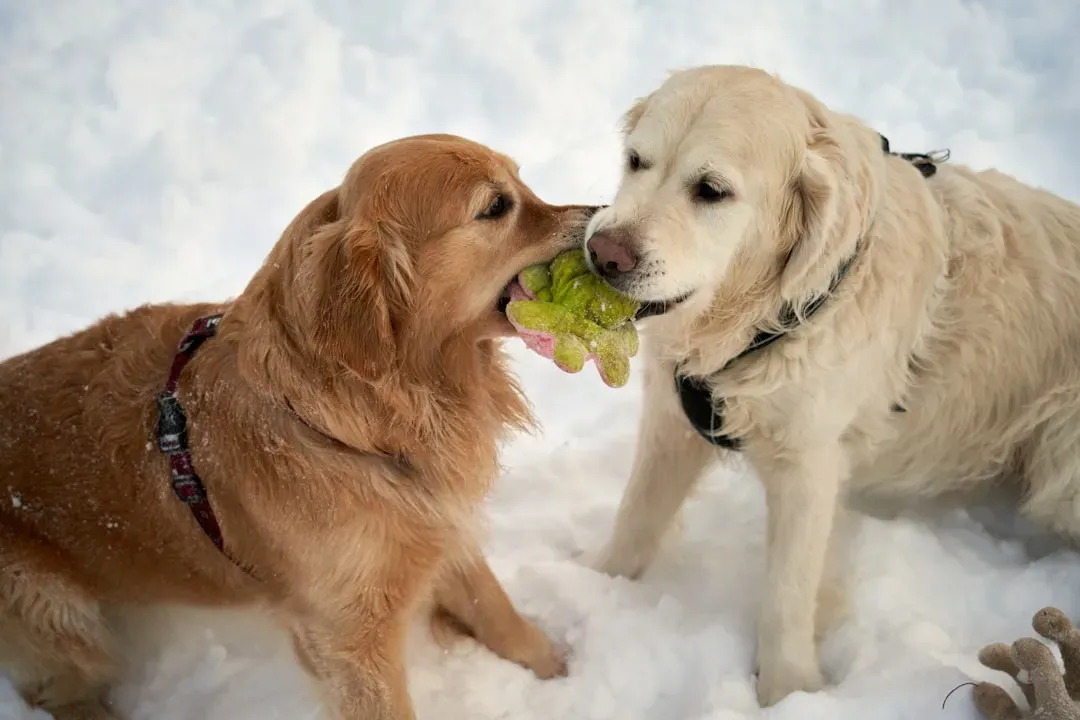
Snow provides dogs with a new material to interact with, which they find fun and exciting, much like the mind of a two-year-old. There’s something beautiful about that comparison. Dogs haven’t learned to dread snow days because of shoveling or commutes.
Dogs love the unpredictable nature of snow – it crunches under their paws, it flies into the air when they jump through it, and it can be kicked, chewed, or flung around. This tactile engagement creates genuine happiness. Watch your dog roll in fresh powder and try not to smile.
Maybe that’s the lesson here. Dogs experience snow with total presence, no agenda, no complaints. Just pure engagement with the moment. When did we lose that?
Keeping Them Safe While They Play
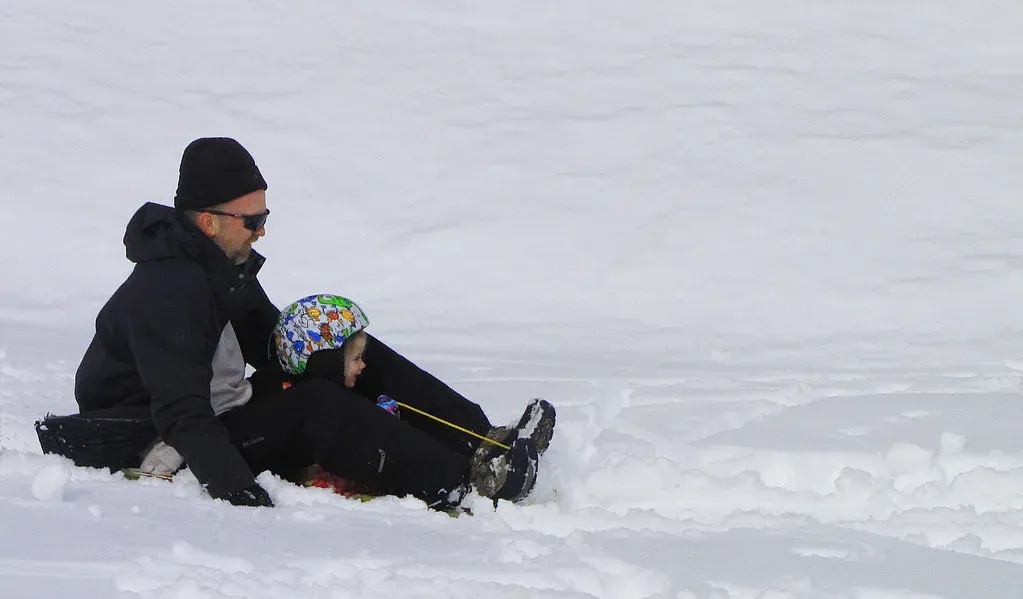
Let’s be real though, not every snow adventure should be endless. Keep an eye on dogs eating snow, especially in places treated with de-icing agents, as rock salt may upset their stomach and irritate paws, and antifreeze tastes sweet but is toxic.
During walks, your dog’s feet, legs and belly may pick up de-icing products or chemicals that could be toxic, so wipe them down when you get back inside. This simple habit can prevent a lot of problems. Never let your dog off leash on snow or ice, especially during a snowstorm, as dogs can lose their scent in the snow and easily become lost.
Watch for signs they’re getting too cold. Shivering, lifting paws off the ground, or reluctance to move forward are all clear signals it’s time to head home. Dogs may accumulate snowballs between their toes, which may be uncomfortable. A quick check and some paw balm can make a world of difference for their comfort.
Conclusion
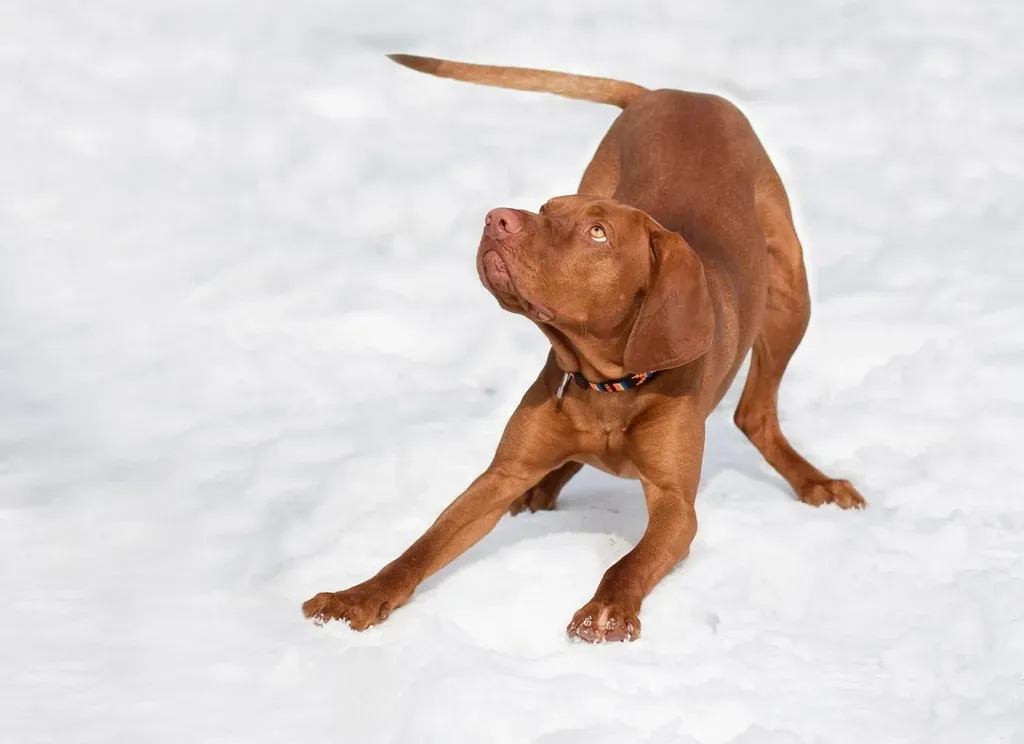
Snow transforms dogs because it offers everything they crave: novelty, sensory stimulation, physical challenge, and pure play. Watching them experience it reminds us what wonder looks like when you haven’t forgotten how.
Maybe we should take notes. The next time snow falls, try experiencing it like your dog does. Notice the quiet it brings, the way it changes familiar landscapes, the sharpness of cold air in your lungs. Your dog already knows this is special.
What would happen if you joined them in that joy instead of just watching from the window? Tell us about your dog’s favorite snow moments in the comments below.