
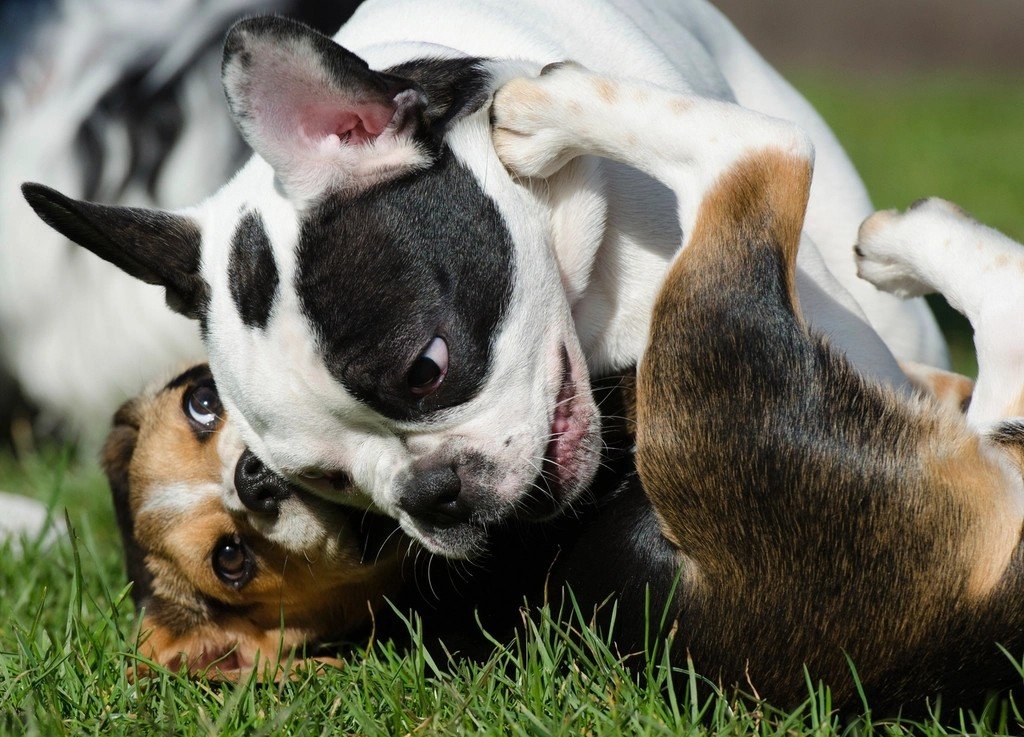
Have you ever noticed how some dogs practically bounce with excitement when relatives arrive, while others slink behind the couch the moment the doorbell rings? It’s not stubbornness or misbehavior. It’s something much deeper.
The holiday season brings a whirlwind of activity into our homes. Visitors flow through the door, children squeal with delight, music plays, and the scent of cooking fills every corner. For some dogs, this is pure heaven. For others, it’s overwhelming chaos. Understanding why your dog reacts the way they do isn’t just fascinating. It’s essential for keeping them happy and safe during the most wonderful, and sometimes most stressful, time of the year.
It All Started in Puppyhood
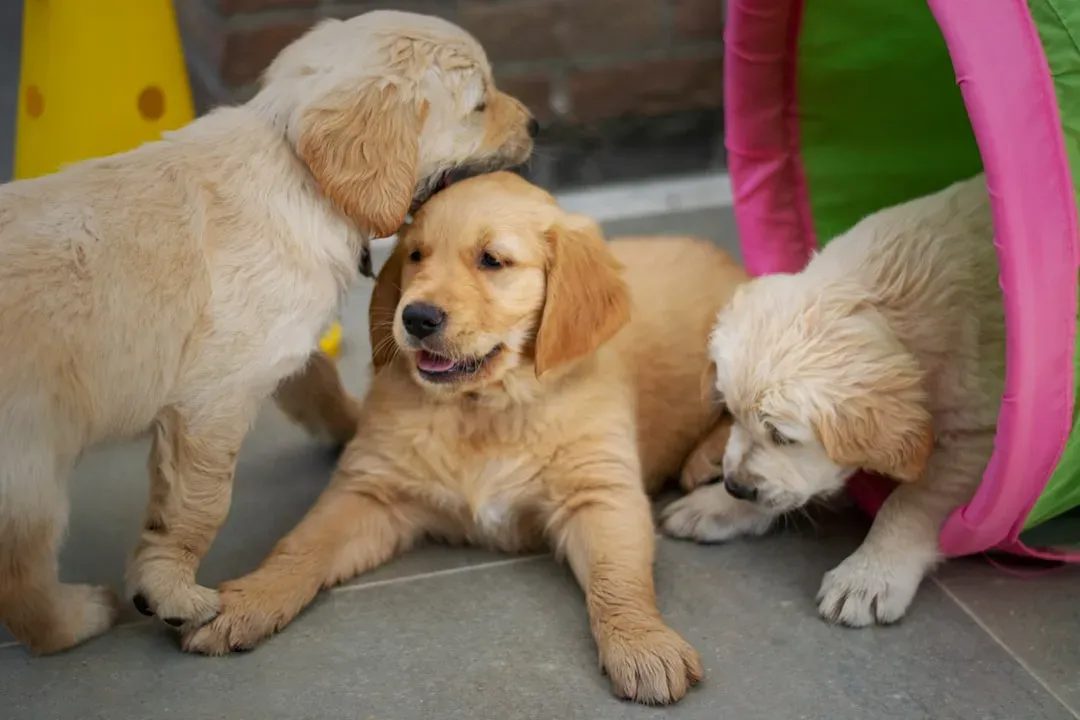
The critical social development period for dogs occurs approximately between 3 and 14 weeks, when they are most accepting, less cautious, and very curious about their environment. Think of this window as your puppy’s golden opportunity to learn that the world is safe and exciting. What happens during these precious weeks shapes their entire life.
Puppies in this phase are like little sponges soaking up information about the world and learning what is and isn’t safe. If a puppy meets dozens of different people, hears various sounds, and experiences bustling environments during this time, they’re far more likely to grow into confident adults who enjoy social gatherings. Miss this window, though, and you might end up with a dog who finds crowds terrifying.
Missed opportunities during the critical puppy socialization period put pups at risk of becoming shy, fearful, defensive adult dogs. I’ve seen this firsthand with rescue dogs who spent their early weeks in isolation. They’re often the ones trembling under the dining table while guests enjoy holiday dinner, through no fault of their own.
The Genetic Blueprint
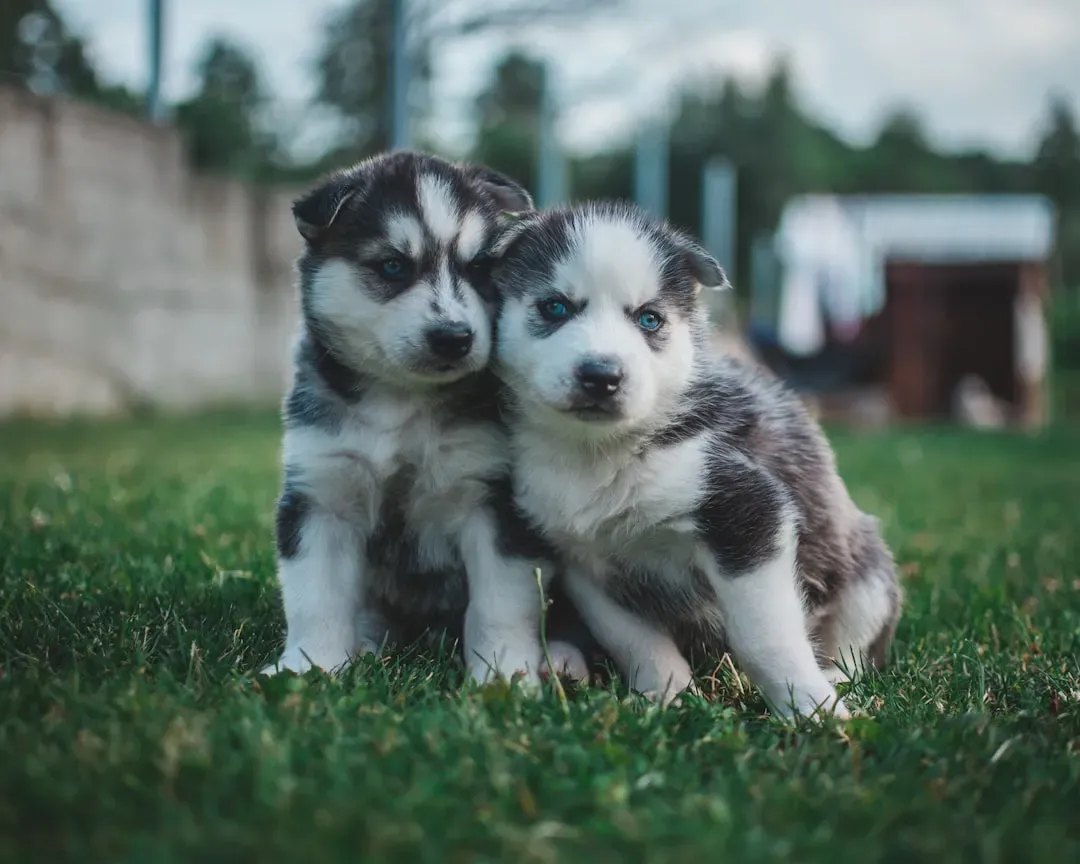
Genetics plays a surprisingly significant role in whether your dog becomes a social butterfly or prefers solitude. Breed and age had the strongest associations with dog personality traits, and some environmental factors, especially puppyhood socialization, were also associated with personality.
Certain breeds were literally created to work alongside humans in busy environments. Retrievers, for instance, were bred to remain calm and focused amidst hunting parties. Meanwhile, some herding breeds can be hyper-alert to environmental changes, which sometimes translates to nervousness in chaotic settings. Researchers have theorized that herding dogs are hyper-attentive to environmental cues so that they can herd more effectively.
The structural variation in genes associated with hypersociability in dogs shares common genetic mechanisms with social behavior in humans. It’s wild to think that some of the same genetic variations affecting how outgoing we are also influence our dogs. Your gregarious Golden Retriever isn’t just well-trained. They may actually be hardwired for friendliness.
Reading the Signs Your Dog Is Stressed
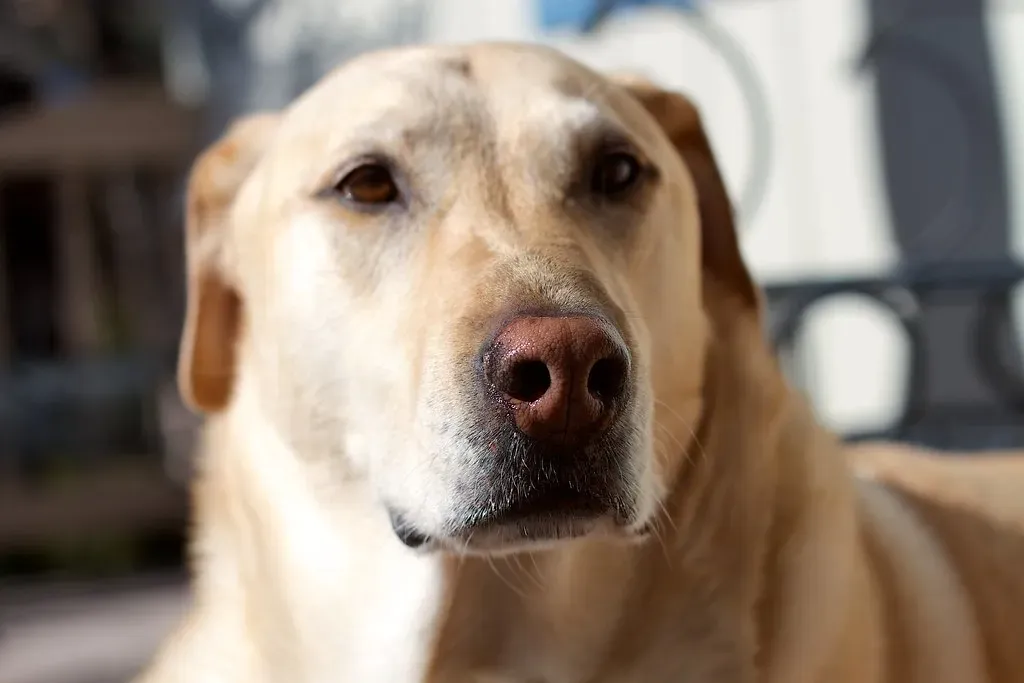
Here’s the thing about dogs and holiday stress. They won’t tell you outright that they’re uncomfortable. You need to become fluent in their body language.
Stressed dogs may have dilated pupils and blink rapidly, and they may open their eyes wide and show more sclera (white) than usual, giving them a startled appearance. Other telltale signs include panting when it’s not hot, excessive yawning, lip licking, and pinned-back ears. Dogs yawn when they are tired or bored, and they also yawn when stressed, with a stressful yawn being more prolonged and intense than a sleepy yawn.
Watch your dog’s posture too. If a healthy dog with no orthopedic problems shifts their weight to the rear legs or cowers, they may be exhibiting stress, and when scared, dogs may also tuck their tails or become rigid. Sometimes dogs pace repeatedly or suddenly become destructive, behaviors that communicate distress rather than naughtiness.
The Cortisol Connection
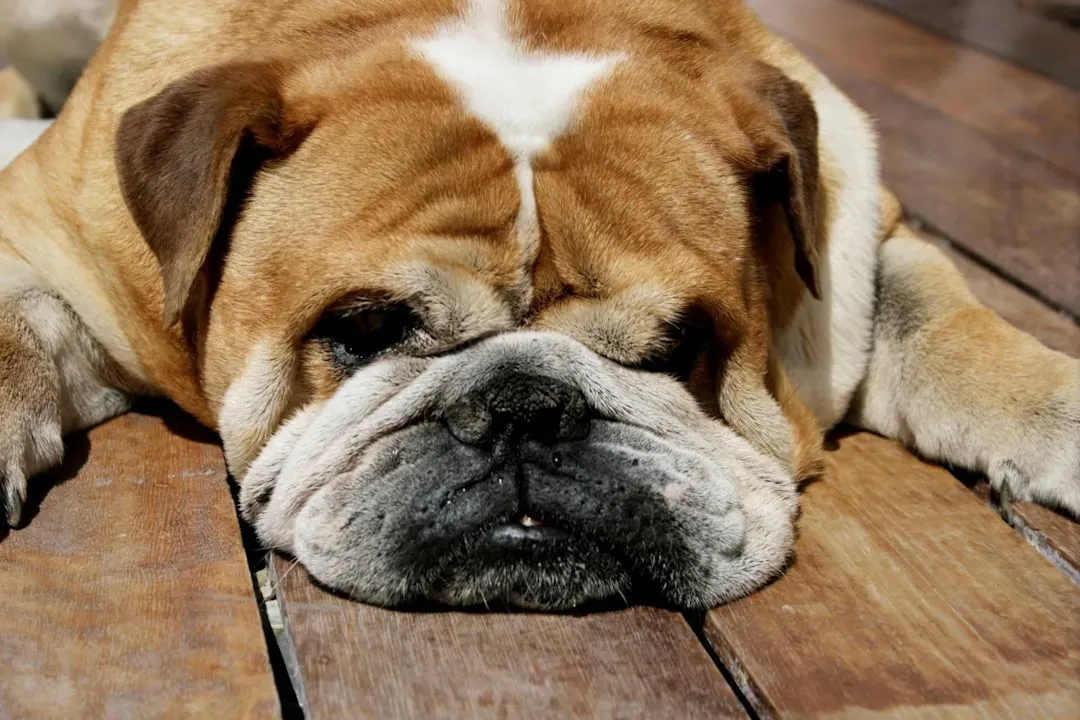
Let’s talk chemistry for a moment. When your dog feels stressed, their body releases cortisol, the primary stress hormone. A little cortisol is normal and even helpful. Too much, though, becomes a problem.
Stress hormones can accumulate and take some time to dissipate, as it can take up to 72 hours for cortisol levels to return to normal, and for dogs who regularly experience overwhelming or over arousing events, cortisol levels stay elevated long term. This means that one stressful holiday party on Saturday could leave your dog edgy and reactive through Tuesday.
What’s truly fascinating is that stress is contagious between species. For the first time, interspecific synchronization in long-term stress levels was revealed, suggesting that dogs, to a great extent, mirror the stress level of their owners. If you’re feeling frazzled about hosting Thanksgiving dinner, your dog is likely picking up on that energy and feeling anxious themselves.
The Crowd-Loving Dog
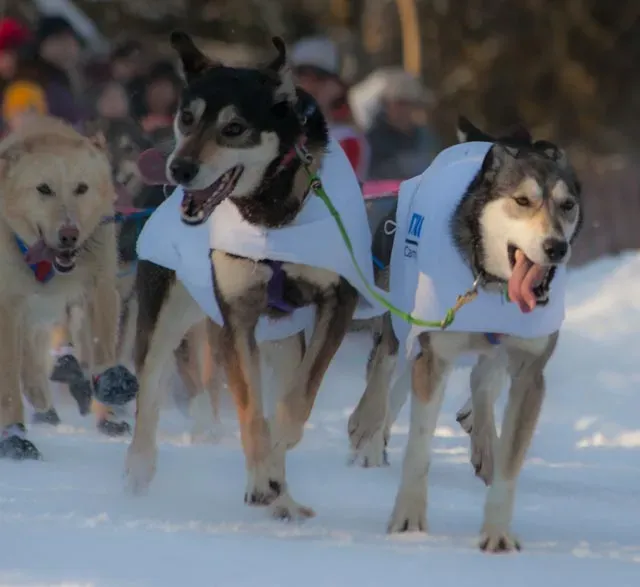
So what makes some dogs absolute party animals? These dogs typically had rich early socialization experiences. They met countless people, heard various noises, and learned that new experiences often lead to good things like treats and affection.
Treatment puppies exposed to challenge exercises were bolder towards novel objects, showed reduced startle reactions, and recovered more quickly after loud noises, and they accomplished problem-solving tasks faster. Dogs who learned early on that they can handle surprises grow into resilient adults who think holiday crowds are exciting rather than threatening.
Temperament matters too. Some dogs are simply born with sunnier dispositions. They approach life with curiosity rather than caution. Combined with positive experiences, these natural optimists become the dogs who greet every guest at the door with a wagging tail and seem genuinely disappointed when the party ends.
Helping Your Dog Through the Holidays
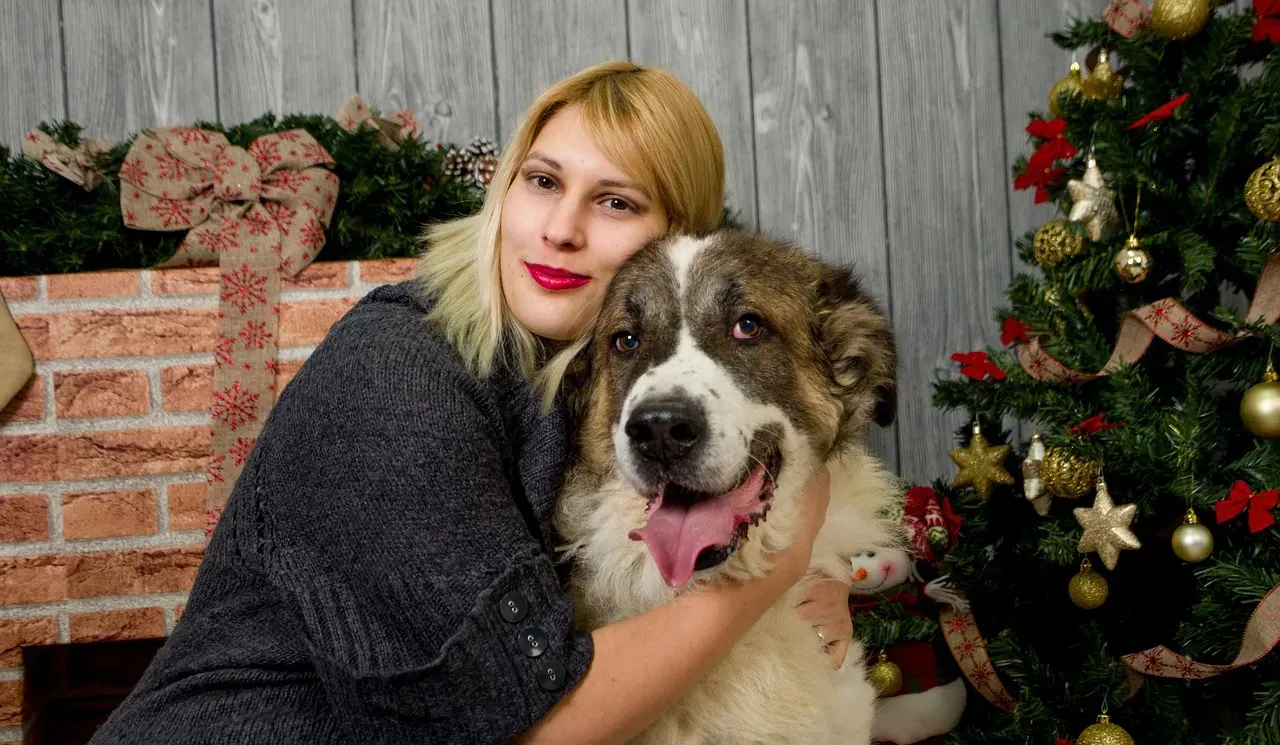
Whether your dog loves crowds or dreads them, you can make the season easier for everyone. For anxious dogs, create a quiet safe space away from the action. This could be a crate, exercise pen, closet, bedroom, or spare bathroom, and ideally it should be quiet and as far away from the hosting area as possible.
Exercise is your secret weapon. Provide at least 30 minutes of exercise for your dog before guests arrive, which could be a long walk, hike, or run, or playing fetch in the yard. A tired dog is typically a calmer dog. Mental stimulation helps too. Puzzle toys and training sessions can take the edge off anxiety.
A crowded space reduces your dog’s ability to move freely, and if you are keeping a tight grip on their leash, they can also feel that energy and may take on your stress. Stay calm yourself. Remember, your dog is watching you for cues about whether this situation is safe. If you’re tense, they’ll be tense too. Take deep breaths, smile, and act like everything is wonderful, even if you’re secretly stressing about the burnt pie.
Understanding your dog’s unique personality and history transforms how you approach the holidays. The dog hiding under the table isn’t being difficult. They’re communicating that they need help. The dog joyfully greeting guests isn’t showing off. They’re demonstrating the beautiful result of good genetics and early positive experiences. Both dogs deserve our compassion and accommodation. After all, the holidays should be enjoyable for every member of the family, four-legged ones included. What does your dog tell you about crowds?


