
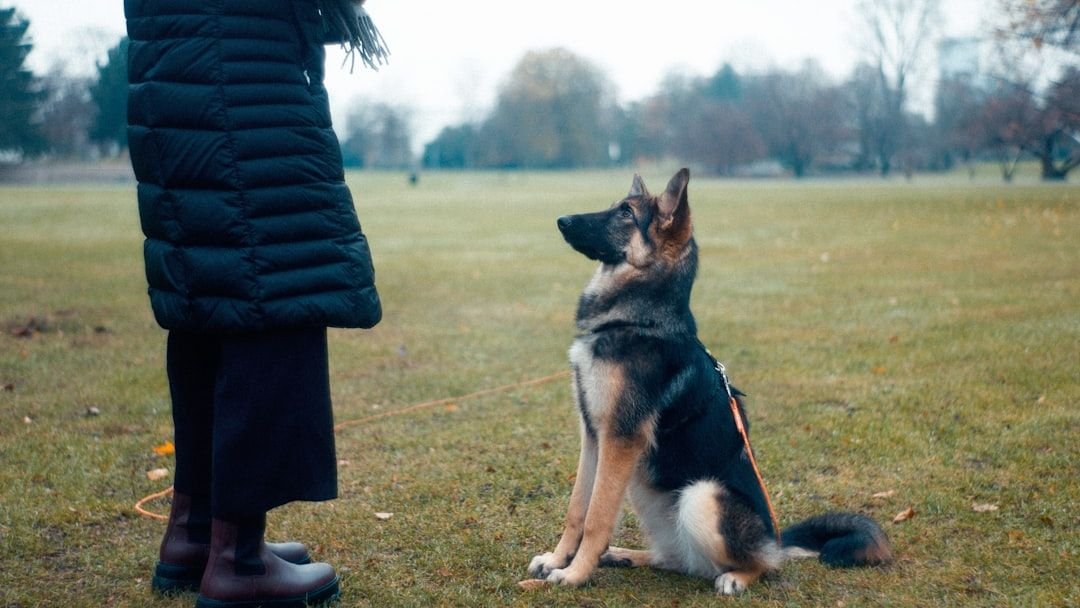
Your dog starts barking at the window again. Your nerves are frayed. The neighbors glance over. You feel that familiar frustration rising in your chest. We all know that feeling, don’t we? The moment when your patience wears thin and you just want the noise to stop.
Here’s the thing, though. That reaction you’re about to have? It might actually be making everything worse. I know it sounds counterintuitive. How could responding to barking make it worse? Yet the truth is, many of us unknowingly reinforce the very behavior we desperately want to end. Let’s talk about what you need to stop doing , and what you should do instead. Trust me, understanding this changes everything.
Stop Yelling at Your Dog

Shouting “quiet!” or “stop!” might feel instinctive, but your dog likely thinks you’re just joining in. I’ve seen this play out countless times. The louder we get, the more excited our dogs become. They hear your raised voice and interpret it as you barking along with them.
Some common mistakes to avoid when trying to alter your dog’s barking habits include yelling at your dog, because some dogs might think you’re “barking” with them which may make them want to do it more. The energy you’re putting into the situation signals participation, not correction. Your frustration becomes part of the chaos.
Telling them off could make them anxious or confused about you, which could make things worse, encouraging them to bark even more in worry or confusion. Think about it from their perspective. They’re trying to communicate something important, and suddenly you’re upset with them for reasons they don’t understand.
Stop Giving Attention to the Barking

A brand-new dog owner might say “I don’t reward the jumping,” but is simultaneously petting the dog to calm it down, or they pull a barking dog closer while trying to soothe them, and these kinds of things reinforce unwanted behaviors. Even negative attention is still attention to a dog who’s desperate for your acknowledgment. Every time you rush over, make eye contact, or try to soothe them while they’re barking, you’re teaching them that barking works.
Examples of inadvertent reinforcement on the part of the owner include allowing a barking dog indoors, or feeding, patting, praising, playing with, giving a toy, or even just going to a barking dog to try and quiet it down. We do this without thinking. The at the back door, and we let them in. They bark for a treat, and eventually we cave.
The dog is not upset at all in these cases and they are getting what they want, and we probably have been rewarding them for this barking accidentally for quite a while before it gets to the point where we think that barking is so annoying. It becomes a learned behavior, deeply ingrained through our unintentional reinforcement over weeks or months.
Stop Being Inconsistent
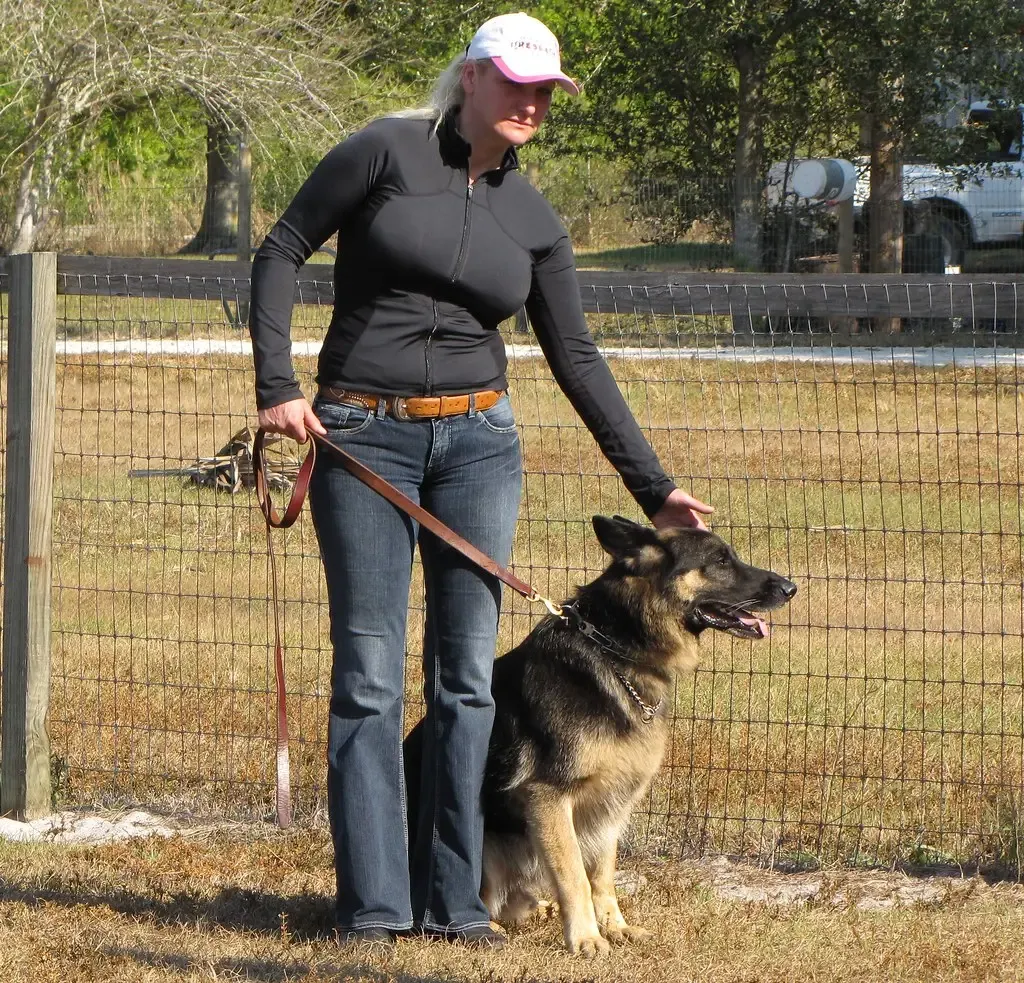
If you are like me, a human, you are most likely punishing your pet inconsistently, as there might be times when your pet is loud but you are in a mood in which you can tolerate it, however, when you are busy on the phone, or just tired you might be more likely to punish sounds from your hound, which makes your dog’s life really hard because he can’t figure out when it is appropriate and when it is not appropriate to bark.
Dogs thrive on predictability. When the rules change based on our mood, they can’t learn what we actually want from them. One day you laugh when they bark at the squirrel. The next day you’re annoyed. From their perspective, it’s completely confusing.
Consistency matters more than you might realize. If everyone in your household responds differently to barking, your dog receives mixed messages about whether the behavior is acceptable. One person rewards it with attention while another scolds. The dog doesn’t know which response to expect, so the barking continues.
Stop Ignoring the Root Cause

If you want to reduce your dog’s barking, it’s crucial to determine why he’s barking. This is where most people get stuck. They focus on stopping the symptom without addressing what’s driving it. Is your dog bored? Anxious? Alerting you to something they perceive as a threat?
Dogs don’t operate from guilt, spite, or moral awareness, they operate from reinforcement history and habit, and if a dog jumps, pulls, steals food, or barks excessively, it’s because the behavior has worked for them in some way. Your dog isn’t being difficult on purpose. They’re responding to their environment and past experiences.
You can decrease barking if you identify the cause and work to address the external and internal (mental and emotional) factors behind it. Sometimes the solution is more exercise. Other times it’s reducing anxiety triggers or teaching them that certain stimuli aren’t threats. Without identifying the why, you’re just treating symptoms.
Stop Using Punishment-Based Methods
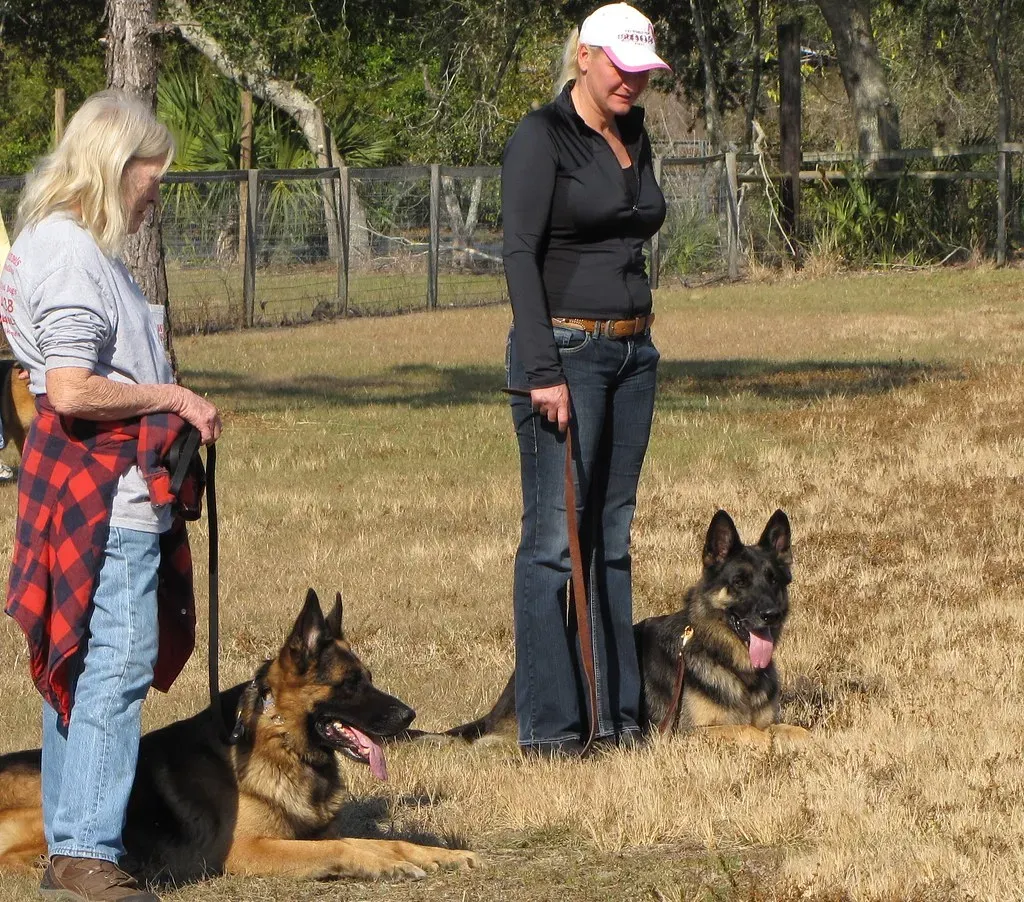
You’ll be more successful and limit your dog’s stress if you address the cause of the barking rather than by simply using anti-bark collars, shock collars or other negative enforcement devices, as shock is nasty, ultrasound only works a few times, and citronella is okay, but it’s still punishment. These devices might temporarily suppress barking, but they don’t teach your dog what to do instead. Honestly, they often create new problems like fear and anxiety.
Some owners may turn to products like shock collars, bark collars, or spray collars to curb their dog’s barking habit, but as with anything, overuse can lead to negative effects, and additionally, deterrents like these are not recommended by leading behavioral experts or certified veterinary behaviorists. The science is clear on this. Punishment doesn’t create understanding.
Yelling or punishing a dog that is barking due to anxiety or as a territorial response is only likely to increase the dog’s barking and anxiety. You risk escalating the very problem you’re trying to solve. A fearful dog becomes more fearful. An anxious dog becomes more anxious. The barking intensifies rather than diminishes.
Stop Forgetting to Reward Quiet Behavior
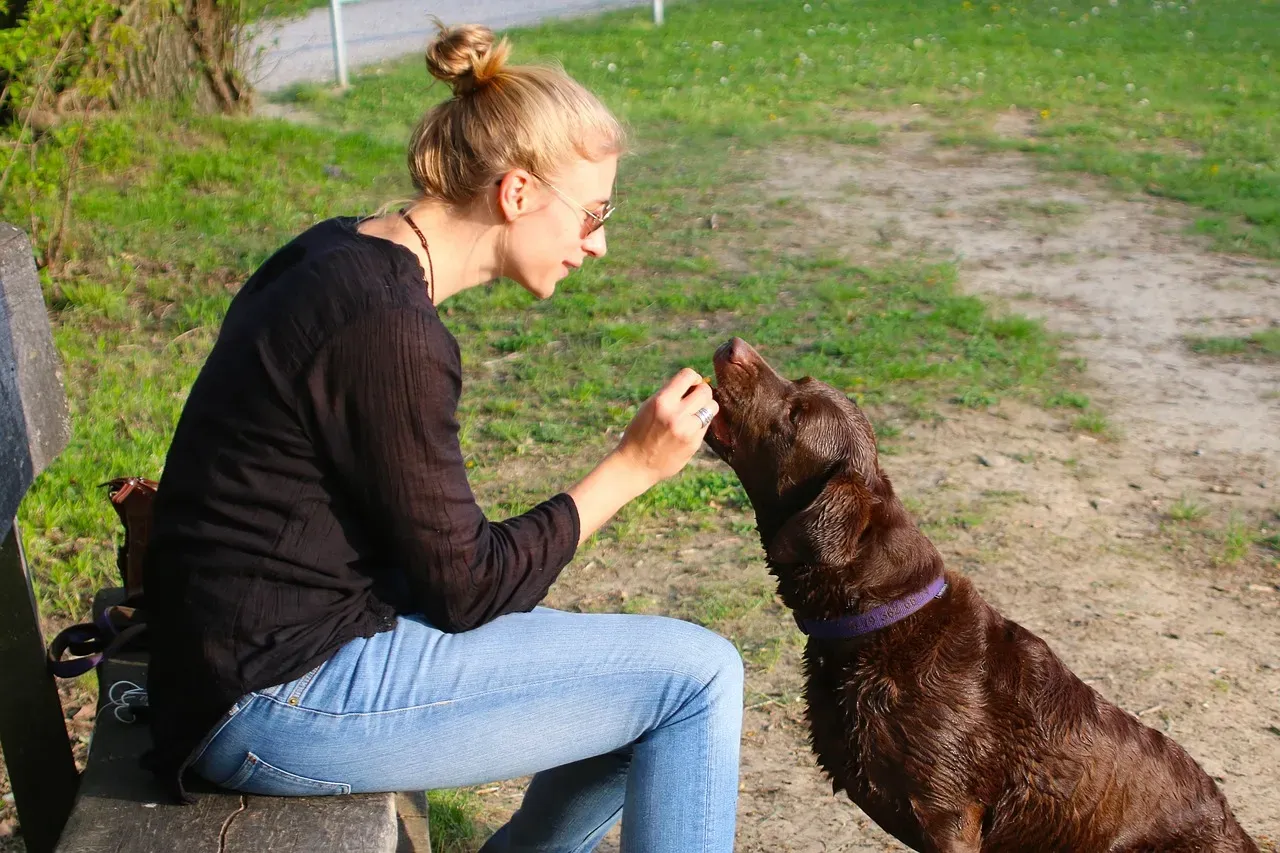
Make sure you give plenty of attention to your pet when well behaved and silent, and you will be surprised to see how he starts being quiet more and more often. This is the part most people miss entirely. We notice and react to the barking, but we completely ignore the moments of calm.
This reward-based dog training approach pairs quiet moments with dog treat rewards, praise, or toys so silence pays off, as calm dog behavior becomes your dog’s choice when they learn that staying quiet leads to good things. Think about it. If barking gets attention and being quiet gets nothing, which behavior will your dog choose?
Rewarding quiet behavior with treats or praise reinforces the silence rather than the noise, and teaching a dog to respond to a “quiet” command with treats can effectively reduce barking episodes. Start small. Catch those moments when your dog would normally bark but doesn’t. That’s gold. Reward it immediately. Over time, you’re shaping a preference for silence over noise.
Conclusion

Barking isn’t your enemy. It’s communication. Your dog is trying to tell you something, whether it’s alerting you to a visitor, expressing anxiety, or simply seeking your attention. The mistakes we make when responding to barking often stem from frustration, not understanding. When you stop yelling, stop giving attention at the wrong times, stop being inconsistent, stop ignoring root causes, stop using punishment, and stop forgetting to reward quiet, you open the door to real change.
Remember, barking is a natural canine behavior, so it can take some patience to quiet a noisy hound. Progress won’t happen overnight. There will be setbacks. Some days will feel harder than others. Yet with consistency, empathy, and the right approach, you can help your dog find their calm.
Your relationship with your dog is built on trust and understanding. When you shift your response to their barking, you’re not just reducing noise. You’re deepening your bond. What approach will you try first? Share your experience with us in the comments below.


