
12 Breeds Rescue Volunteers See Returned Most Often

Working at an animal shelter changes how you see dogs forever. You start noticing patterns you wish didn’t exist. Certain faces keep reappearing behind kennel doors, wagging tails that never seem to find their permanent homes.
Rescue volunteers know these stories all too well. They’re the ones cleaning kennels at midnight, cuddling scared dogs during thunderstorms, and watching certain breeds cycle through the system again and again. It’s not that these dogs are bad or broken. Honestly, most of them are absolute gems who simply landed in the wrong hands. The real story is about mismatched expectations, rushed decisions, and sometimes a lack of understanding about what a particular breed truly needs. Let’s dive into which breeds rescue workers see returned most frequently and why these devoted companions keep ending up back where they started.
Pit Bulls and Pit Bull Mixes
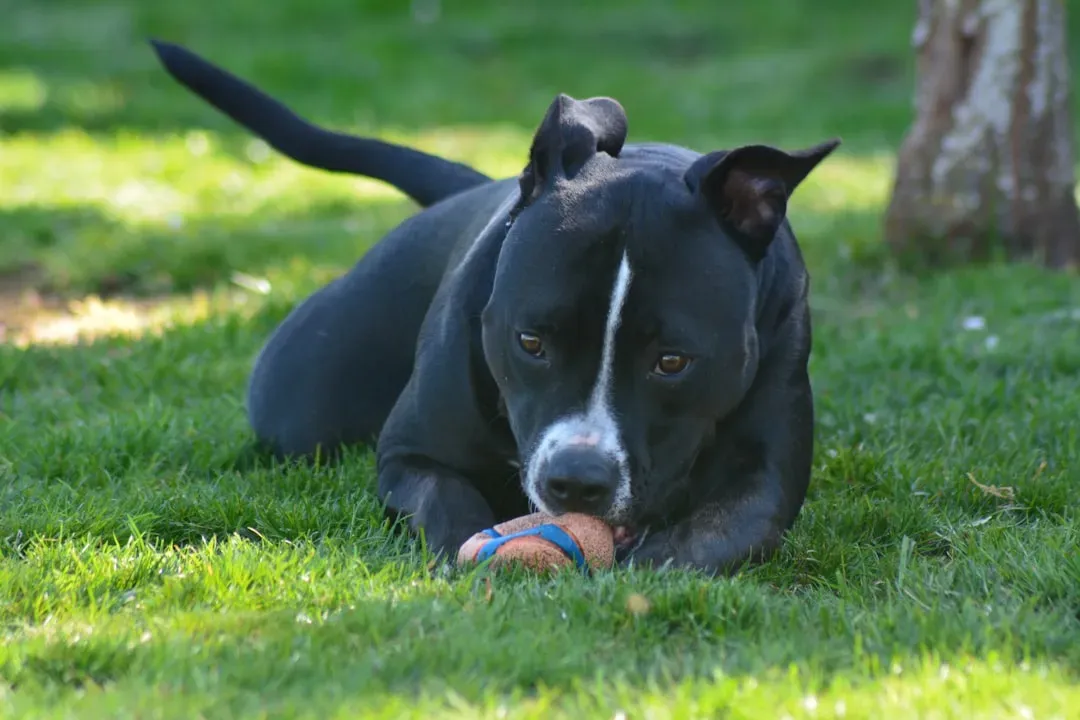
The American Pit Bull Terrier and various Pit Bull-type dogs make up the vast majority of purebred dogs found in shelters. Walk into nearly any shelter in America and you’ll see rows of blocky heads, muscular frames, and hopeful eyes. These dogs dominate shelter populations for reasons that have little to do with the dogs themselves.
Pit bulls face a bad rap, and skewed media representation leads to breed-specific legislation in certain localities, banning pit bulls and forcing families to surrender their beloved pets. Housing restrictions slam doors in the faces of countless families trying to keep their pets. The irony? Most of these dogs are gentle giants who just want belly rubs and a couch to nap on. Pitbulls are the #1 overbred breed in the country, and the sheer numbers being cranked out by backyard breeders makes it no surprise that they are the most common breed to end up in shelters.
Chihuahuas

Chihuahuas are small dogs with big personalities, often seen in shelters due to overbreeding and high energy levels, with overbreeding by irresponsible breeders looking to profit leading to many ending up in shelters. In some parts of California, they rival even Pit Bulls for sheer numbers. People see a purse-sized pup and think “easy pet,” only to discover a feisty little Napoleon with the attitude of a much larger dog.
Chihuahuas are the second most euthanized breeds in America, second only to Pit Bulls, and in Los Angeles, only pit bulls outnumber Chihuahuas in the city’s shelters. These tiny dogs often get labeled as yappy ankle biters, which couldn’t be further from the truth when they’re properly trained and socialized. They’re fiercely loyal and protective, but those same wonderful qualities can morph into undesirable behaviors when owners treat them like accessories instead of actual dogs. The movie “Legally Blonde” didn’t help matters, sparking a surge in popularity that flooded shelters years later when the novelty wore off.
Labrador Retrievers

Labs top popularity charts year after year, but their sheer numbers mean more Labs end up in shelters, with families often adopting them expecting a calm companion, only to discover a high-energy athlete who needs hours of daily exercise. Here’s the thing about Labs: they’re not the mellow couch potatoes people imagine from those heartwarming commercials.
These dogs were bred to retrieve waterfowl all day long. Shedding becomes another surprise for unprepared owners, as Labs lose fur year-round in impressive quantities, and their size can overwhelm small living spaces. That adorable yellow puppy grows into a 70-pound tornado of enthusiasm who thinks your designer shoes make excellent chew toys. The disconnect between expectation and reality sends many Labs back through shelter doors within the first year. It’s heartbreaking because with the right owner who understands their needs, Labs are absolutely phenomenal family dogs.
German Shepherds
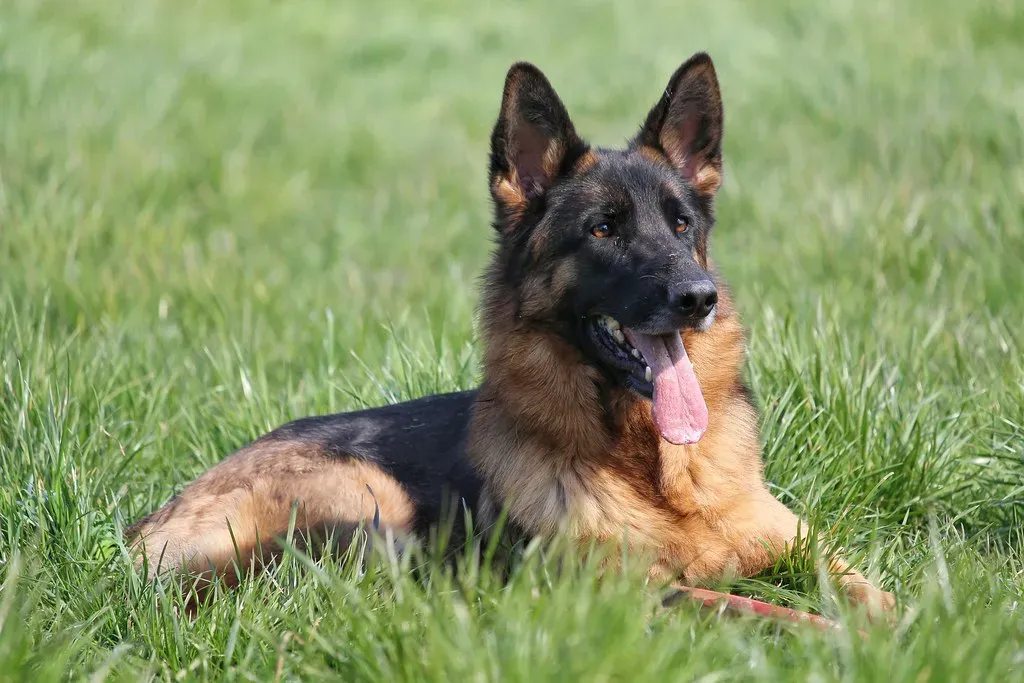
Brilliance and beauty define German Shepherds, but their intelligence means they need constant mental stimulation, or destructive behaviors emerge quickly, with physical exercise requirements rivaling those of working athletes. These dogs aren’t content to lounge around all day while you binge-watch Netflix. They need jobs, purpose, and activities that challenge their incredible minds.
German Shepherds are working-breed dogs with endless energy, needing regular physical exercise and mental stimulation to thrive, with many families underestimating these needs. Without proper outlets, anxiety builds up and manifests as chewed furniture, dug-up yards, and excessive barking. German Shepherds are much more likely to inherit traits like courage, nerve stability, and hardness than Labradors, and the traits that make them great farm, protection, and police dogs are the same traits that often make them difficult house pets. Let’s be real: if you’re not prepared to dedicate serious time to training and exercising a German Shepherd, you’re setting yourself and the dog up for failure.
Boxers

Boxers are energetic, playful dogs known for their boundless enthusiasm, but are often found in shelters due to their high energy levels and need for consistent training, with their strength making them overwhelming for inexperienced owners. There’s a bizarre misconception floating around that Boxers are lazy dogs, possibly because they vaguely resemble Bulldogs. Nothing could be further from the truth.
Owners who surrender their boxers usually do so because they are fully unaware of the energy it takes to keep a boxer healthy and happy, as boxers need hours of exercise every day, and a cooped-up boxer will most likely become destructive. These goofy, lovable clowns need serious physical activity or they’ll redecorate your house in ways you won’t appreciate. Their boisterous nature and jumping tendencies can knock over small children and elderly relatives. Boxers require regular exercise and engagement, often surrendered because their boisterous nature can be overwhelming for unprepared owners, though they are affectionate, loyal, and great with families.
Beagles

Beagles are friendly and curious dogs known for their excellent sense of smell, but are commonly found in shelters due to their high energy levels and tendency to follow their noses, often leading to escape attempts, requiring a lot of exercise and mental stimulation. Their floppy ears and soulful eyes make them irresistible, which explains their popularity. What doesn’t show up in those cute photos is the volume level these dogs can achieve.
Beagles were bred to bay while hunting, alerting hunters to their location across vast distances. That talent translates poorly to apartment living. Beagle is French for “loudmouth,” and they can grate on some people’s nerves by yapping and barking their way through life. Neighbors complain, landlords threaten eviction, and suddenly that adorable hound is back at the shelter. Their prey drive is so intense that recall becomes nearly impossible once they catch an interesting scent. Many Beagles end up as escape artists, following their noses right out of supposedly secure yards.
Dachshunds

Dachshunds are charming but often misunderstood, frequently found in shelters due to health issues related to their unique build, such as back problems, and behavioral challenges like stubbornness and a strong prey drive, and can be prone to separation anxiety. Those elongated bodies and tiny legs come with some serious medical baggage. Spinal problems are practically inevitable, and veterinary bills can skyrocket.
Their stubbornness is legendary. These little sausage dogs were bred to hunt badgers, which requires serious courage and determination. That same fierce independence makes training a challenge. Dachshunds are small but spirited dogs known for their strong-willed nature, often surrendered because of behavioral issues such as digging, barking, or guarding, and are also prone to back problems leading to high vet bills. Resource guarding becomes an issue when owners don’t establish proper boundaries early. Separation anxiety can turn them into destructive little machines when left alone. I think people underestimate just how much personality is packed into that long body.
Siberian Huskies
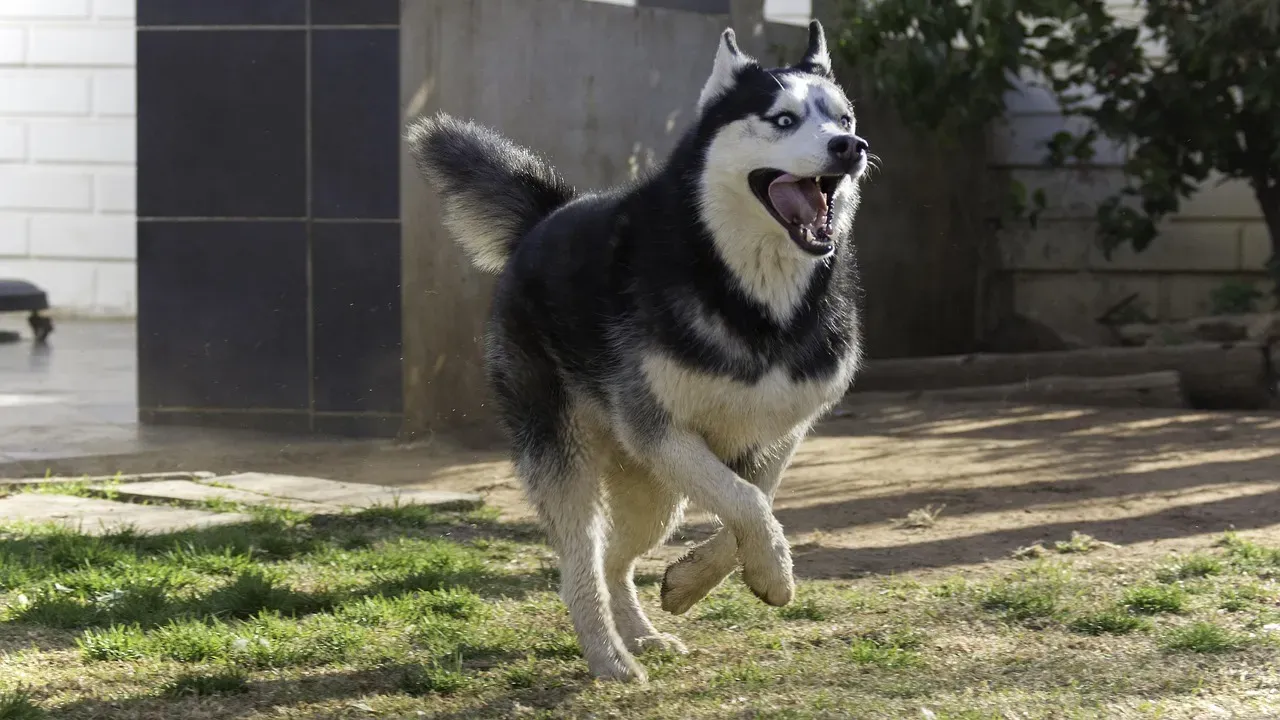
The energy of a Siberian husky may overwhelm new dog owners, and the number of Siberian huskies in shelters in 2023 has doubled since 2020. Pop culture strikes again. After “Game of Thrones” aired, shelters saw a massive influx of Huskies and similar breeds, many arriving with names like Ghost and Sansa. People wanted the wolf aesthetic without understanding the reality of owning these magnificent animals.
Huskies are high-maintenance, expensive to feed and keep, can be destructive and loud, and are so independently-minded that they may act more like cats than dogs, with inexperienced and unprepared owners quickly becoming overwhelmed. They’re escape artists who can scale six-foot fences, dig under barriers, and figure out door latches. Many Huskies are surrendered because they escape yards, dig excessively, or become destructive when bored, and their thick coats make them less suitable for warmer climates. Their thick coats are beautiful but impractical in warm climates, leading to heat-related issues and even more surrenders.
Rottweilers

Rottweilers end up in shelters for multiple reasons, as the massive Rottweiler has enough power to take down an adult if instructed and needs a firm training hand from birth, receiving a bad reputation because of their appearance and historic use as guard dogs. Their intimidating size and protective instincts scare people who don’t understand the breed. These are actually devoted, good-natured dogs who are playful with children and adaptable to family life.
Rottweilers are often surrendered due to their intimidating size and strength, and without proper training may develop guarding behaviors, also being victims of breed-specific legislation which can force families to give them up. Housing restrictions target Rottweilers alongside Pit Bulls and German Shepherds, forcing families to choose between their homes and their dogs. The expense of feeding and caring for a 100-plus-pound dog also catches people off guard. Without consistent training from puppyhood, their protective instincts can manifest in ways that seem like aggression to inexperienced owners.
Australian Cattle Dogs
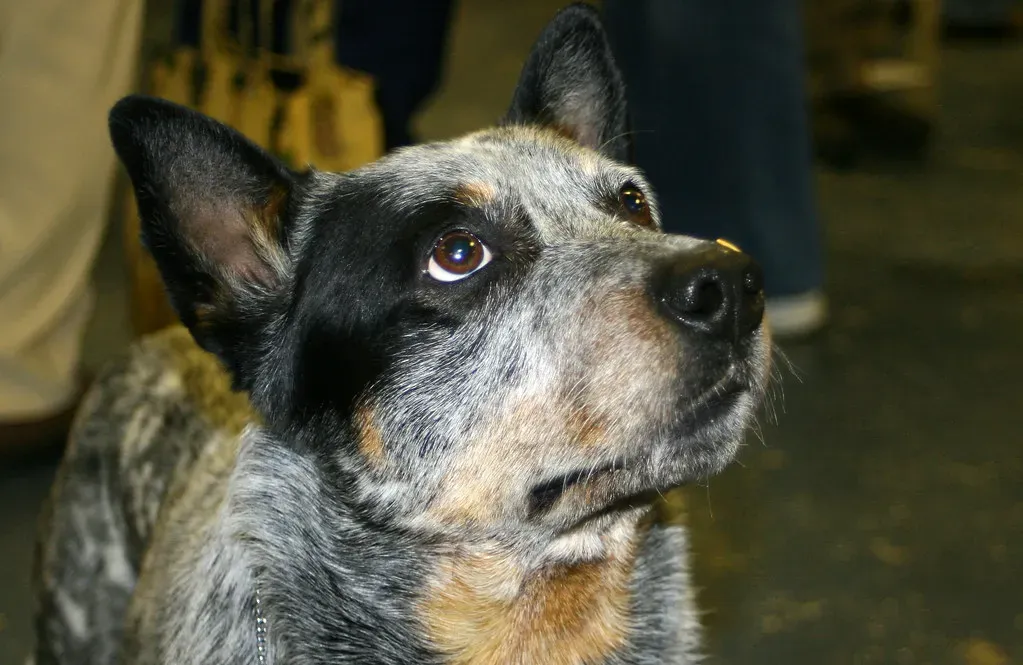
Australian cattle dog residents come to shelters for a solitary reason: the owner’s lack of understanding of their needs creates a bad fit for the family and dog, as these beautiful dogs with speckled coats demand exercise and mental stimulation because their energy is off the charts. Their stunning appearance attracts adopters who fall for those striking blue or brown eyes without researching what’s beneath the gorgeous exterior.
These dogs were literally bred to herd cattle across the Australian outback all day. That work ethic doesn’t disappear just because they’re living in suburbia now. When adopted by families that underestimate their physical and mental needs, these dogs can become frustrated and develop behavioral issues like nipping or excessive barking, finding themselves in shelters when people can’t keep up. Their herding instinct means they might try to “manage” kids, other pets, or even adults by nipping at heels. Without a job to do, they invent their own entertainment, and trust me, you won’t like their creativity.
Cocker Spaniels

Cocker Spaniels are affectionate and playful dogs known for their beautiful coats and friendly disposition, but despite their popularity as family pets, they are often found in shelters due to grooming needs, health issues, and behavioral challenges. Those gorgeous, silky coats require constant maintenance. We’re talking regular professional grooming, daily brushing, and meticulous ear care to prevent infections.
Behavioral challenges often stem from poor breeding practices. Puppy mills and backyard breeders have produced lines of Cocker Spaniels with temperament issues that responsible breeders would never tolerate. Some develop what’s known as “rage syndrome,” sudden aggressive episodes that seem to come out of nowhere. Health problems stack up quickly, from eye issues to orthopedic conditions, and the veterinary costs overwhelm families who expected a sweet, easy companion. The gap between the idealized Disney dog and the reality of owning a poorly bred Cocker Spaniel sends many back to shelters.
Mixed Breeds
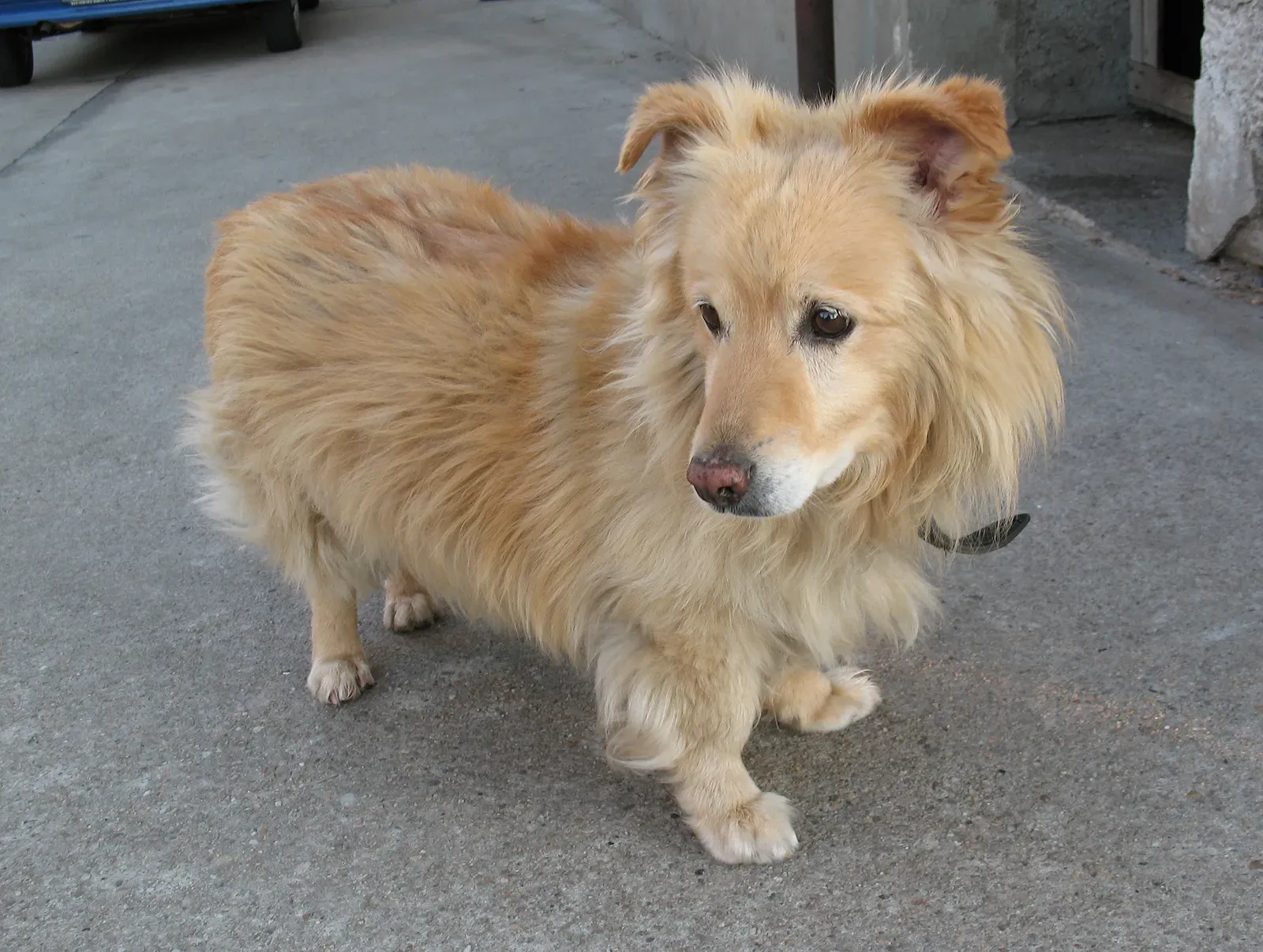
Mixed-breed dogs represent the majority of shelter populations in most studies, and their vast numbers alone mean returns among mixes will be statistically high, with unpredictability in adult size, temperament, and health needs surprising adopters who chose based on puppy appearance. That adorable mutt puppy could grow into any combination of traits from its parent breeds.
Some mixes inherit challenging trait combinations from their parent breeds, while others face the same issues as purebreds, including energy mismatches and behavioral concerns. The shepherd mix might develop intense herding behaviors, while the hound mix follows its nose right out of the yard. Size predictions go wildly wrong, and suddenly that “small dog” is pushing 60 pounds. Still, let’s be honest: many mixed breeds prove wonderfully adaptable when paired with patient, committed families willing to work through surprises.
Conclusion

These return rates tell us more about human behavior than canine shortcomings. Dogs don’t fail us; we fail them by making impulsive decisions, skipping research, and bailing when reality doesn’t match our Instagram-worthy fantasies. Every single breed on this list has the potential to be an incredible companion for the right person. The tragedy is watching perfectly good dogs bounce from home to shelter to home because people won’t invest the time to understand what they’re getting into.
Rescue volunteers will tell you the same dogs often come back looking more defeated each time. That spark dims a little with every return. If you’re considering adopting any of these breeds, do your homework first. Talk to breed-specific rescues, connect with experienced owners, honestly assess your lifestyle, and commit for the long haul. These dogs deserve better than being stuck in a revolving door. What do you think it would take to break this cycle? Are you ready to be the forever home some returned dog desperately needs?