

You know that sinking feeling when you realize something you thought was helping might actually be hurting? That moment when the advice you followed with the best intentions turns out to be completely wrong? If you’ve ever trained a dog using methods that felt harsh but supposedly necessary, what I’m about to share might change everything.
We’re living in an exciting time for dog training. Science has finally caught up with what our hearts have been whispering all along: our dogs deserve better than intimidation and pain. Research from the past decade has revealed some uncomfortable truths about training techniques many of us grew up watching or even using ourselves. Let’s be honest, it’s tough to admit we might have been doing it wrong. So let’s dive in and explore which common training methods are actually sabotaging your relationship with your best friend.
The Alpha Roll: When Dominance Training Goes Too Far

Picture this: forcibly flipping your dog onto their back and pinning them there to show who’s boss. Sounds extreme, right? Yet this technique, called the alpha roll, was wildly popular for decades. It was based on studies of captive wolves from the 1940s, observations that turned out to be fundamentally flawed.
The original research observed wolves kept in unnaturally small spaces with members who wouldn’t normally be together, creating conflicts that don’t occur in the wild. Even more telling, David Mech, the wildlife biologist who helped popularize the alpha wolf concept, has since admitted the theory is outdated and misleading. Think about that for a second. The very scientist whose work inspired this technique now says it’s wrong.
A 2009 study showed that dominance-based handling methods actually provoked aggressive behavior in dogs with no previous aggression history, and no definitive hierarchy developed within dog groups. What does this mean for your pup? Training using dominance methods often results in fear-based aggression, traumatic experiences, and can completely break the relationship between dogs and their owners. Your dog isn’t trying to overthrow you when they jump on the couch first. They’re just being a dog.
Shock Collars: The Hidden Cost of Quick Fixes

Let me ask you something. Would you wear a device around your neck that delivers electric shocks when someone decides you’ve misbehaved? Of course not. Yet countless dogs endure this daily, and the consequences run deeper than most people realize.
Shock collars can cause dogs physical pain, injury ranging from burns to cardiac issues, and psychological stress including severe anxiety and displaced aggression. Here’s the thing that really gets me: while shock collars may force a dog to stop a behavior immediately, the severe stress and anxiety they cause can lead to more aggression in the future and create entirely new behavioral problems.
Excitable or nervous dogs face an especially high risk of developing excessive fear and aggression when shock collars are used, as the response to punishment is heavily influenced by the dog’s temperament. The unpredictability is terrifying. Dogs might not realize what behavior caused the pain and may instead associate that pain with something else present when the shock occurred, becoming fearful or reactive to unrelated things in the environment. Imagine your dog becoming terrified of other dogs simply because they happened to be nearby when the collar went off.
Prong and Choke Collars: More Than Just Uncomfortable
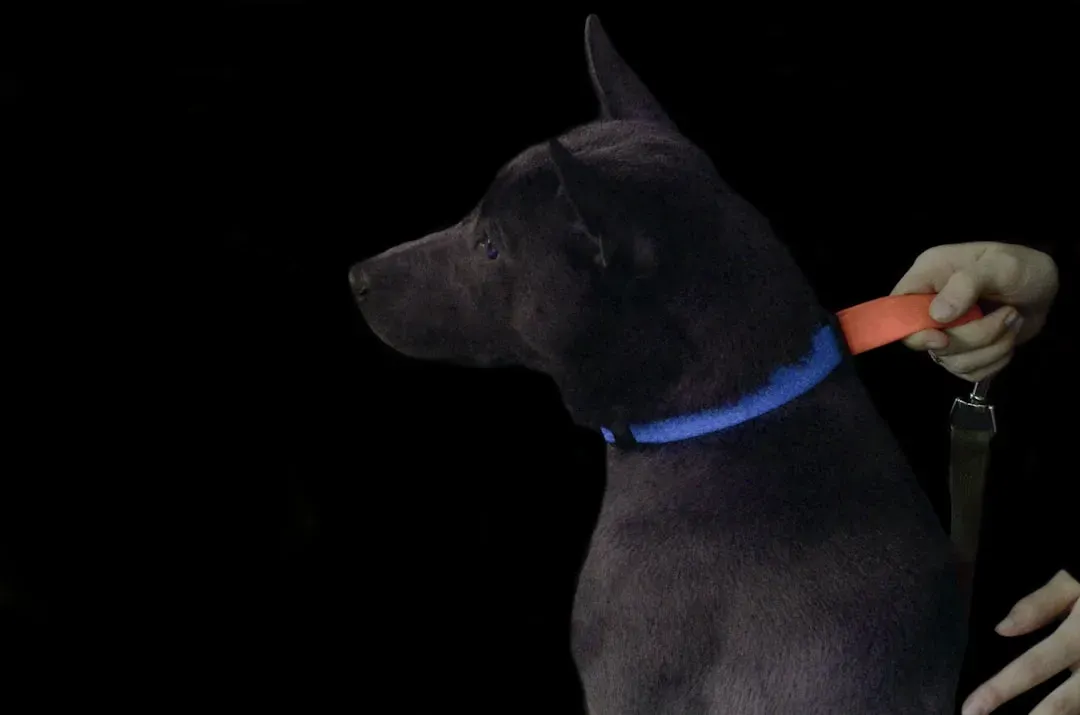
Walk into any pet store and you’ll see them: metal collars with inward-facing prongs or chains designed to tighten around a dog’s neck. They look medieval because, honestly, they kind of are. The justification is always the same – they’re for control, for safety, for training. The reality is far more troubling.
Choke collars have been shown to cause whiplash, bruising, crushed tracheas, spinal cord injuries, and prolapsed eyes from the increased pressure. Yes, you read that correctly. Crushed tracheas and eye damage. Prong collars can cause injuries such as punctures, bruises, and skin irritation, while shock collars can result in burns and other physical harm if not used properly.
The psychological damage matches the physical toll. These collars create a hostile training environment, damaging the trust between dog and owner, and dogs may associate pain or fear with specific situations, locations, or even people, leading to long-term behavioral issues. The discomfort and pain can lead to heightened aggression, particularly when dogs associate the pain with certain people, animals, or environments. Your dog doesn’t understand they’re being corrected for pulling. They just know that being near another dog or person suddenly causes them pain.
Nose Taps and Physical Corrections: Small Actions, Big Consequences

It seems so harmless, doesn’t it? Just a little tap on the nose to say “no” when your puppy nips. Maybe that’s what your parents did, or what you saw on a training video years ago. Small problem though: your dog’s nose is incredibly sensitive, and what feels like nothing to you can be genuinely painful for them.
A traumatic nose injury in dogs can cause bleeding and pain that may require veterinary attention, and dogs should not be tapped, smacked, or punched on the nose with hands or objects for any reason. A dog’s nose is a sensitive area made of cartilage, soft tissue, blood vessels, arteries, veins, and nerves. It’s not built to be poked or hit.
Tapping dogs on the nose creates high risks that they will become wary of hands, and may lead to a dog who becomes afraid of having hands anywhere near their face and may also lead to defensive behaviors. Think about how that plays out in real life. Tapping or bopping a dog on the nose can be misconstrued as playful behavior, and being too rough can actually trigger biting, reactive, or defensive behavior. Your well-intentioned correction just taught your dog that hands near their face mean pain, setting up a dangerous association that could last a lifetime.
Yelling and Intimidation: The Loudest Lessons Are the Worst Ones

We’ve all been there. Your dog does something frustrating for the hundredth time and you just lose it. You yell, maybe storm toward them, use that deep angry voice. Your dog cowers or runs away, and you think, “Good, they got the message.” Except they didn’t get the message you intended at all.
Punishing your dog through yelling, hitting, or yanking causes them to become stressed, fearful, and sometimes more aggressive, and in some dogs this negative attention actually reinforces bad behavior. Here’s what really stings: Dogs learn best when they feel safe and trust the teacher, but when a dog is afraid, anxious, stressed, or confused, the brain shuts down as safety becomes the primary concern, creating a state that doesn’t promote learning.
So what exactly are you teaching when you yell? Dogs trained with aversive methods have lower behavioral states showing higher stress and anxiety, and if aversive methods are used in high proportions, that effect persists even in other contexts. Your dog isn’t learning to stop the behavior. They’re learning to be scared of you. Dogs trained using aversive methods displayed more stress-related behaviors, more frequent tense behavioral states, panted more during training, and exhibited higher post-training increases in cortisol levels than dogs trained using rewards. The stress hormones flooding their system aren’t just unpleasant – they actually interfere with their ability to learn anything at all.
Building Something Better

Look, I get it. Training a dog can be frustrating. When nothing seems to work, those old-school methods start looking tempting because they promise quick results. The truth is, there’s a better way that actually works in the long run without breaking your dog’s spirit or your bond.
Research has found that dogs trained using only positive reinforcement are more obedient than dogs trained with punishment, proving that reward-based training is the best approach. Dogs trained using aversive methods were fifteen times more likely to show symptoms of stress than those trained using positive reinforcement, with as many as sixty-five percent showing at least one stress-related behavior compared to only eight percent in positive reinforcement training. Those numbers should make us all pause and reconsider.
The science is clear and the professional organizations agree. The American Veterinary Society of Animal Behavior, Association of Professional Dog Trainers, and RSPCA all recommend exclusively reward-based methods for dog training and rehabilitation. Your dog wants to please you. They want to understand what you’re asking. When you build training on trust, patience, and rewards rather than fear and pain, you create a partnership instead of a power struggle.
Every dog deserves to learn without fear. Every dog deserves an owner who understands that effective training doesn’t require intimidation. The methods we’ve explored here might seem to work in the moment, but the hidden costs – the broken trust, the anxiety, the behavioral problems they create – far outweigh any temporary compliance. What do you think? Have you used any of these methods and noticed changes in your dog’s behavior? It’s never too late to switch to something better. Your dog will thank you for it, probably with a wagging tail and that look of pure love that reminds you why you brought them home in the first place.


