
You know that moment when you walk into the room and find your dog twisted into what looks like an impossible position? Maybe their legs are up in the air, or they’re curled so tight they look like a cinnamon roll. It’s adorable, sure, but there’s actually something more going on here.
Your dog’s sleeping position isn’t random. It’s a window into how they’re feeling right now, in this moment. Are they relaxed? Anxious? Too hot or maybe seeking comfort? Let’s be real, our dogs can’t tell us in words what’s going on in their furry little heads. Their bodies do the talking instead.
Think of it this way: you probably sleep differently when you’re stressed compared to when you’re completely at ease. Dogs are no different. So let’s dive in and decode what your pup is really saying when they drift off to dreamland.
The Side Sleeper: Total Trust and Deep Comfort
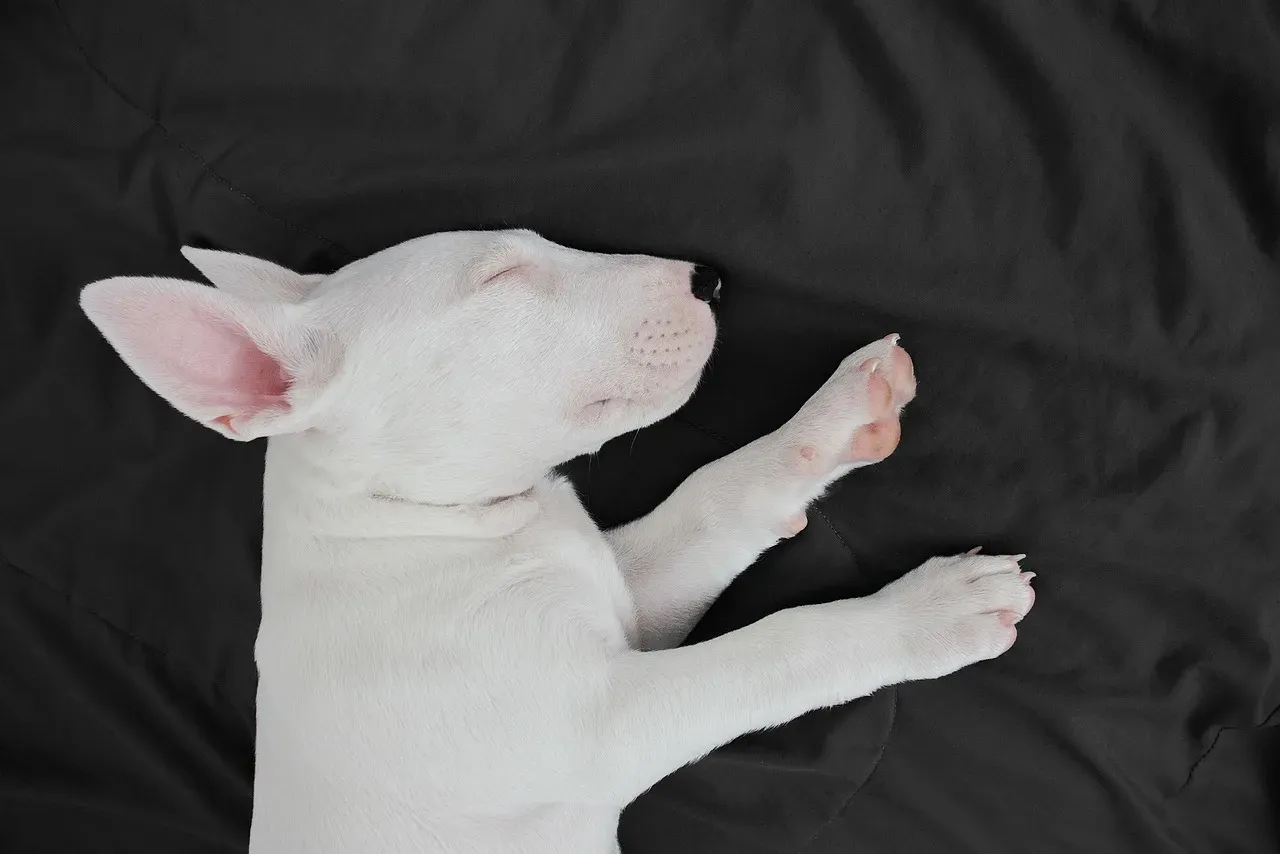
When your dog sprawls out on their side with limbs extended and belly partly exposed, they’re telling you something beautiful: they feel completely safe. This isn’t just a comfortable position. It’s vulnerable.
Dogs sleeping on their sides are in deep sleep and feeling totally zen. This is where the magic happens, where they get their best rest. You might even notice those adorable paw twitches while they’re dreaming about chasing squirrels or stealing your sandwich.
Here’s the thing though. Side sleeping also helps dogs regulate their body temperature by allowing maximum exposure to cool air. If your dog suddenly switches from another position to side sleeping, they might just be getting cozy with the room temperature. Either way, a side sleeper is a content dog.
Curled Up in a Ball: Seeking Warmth or Security
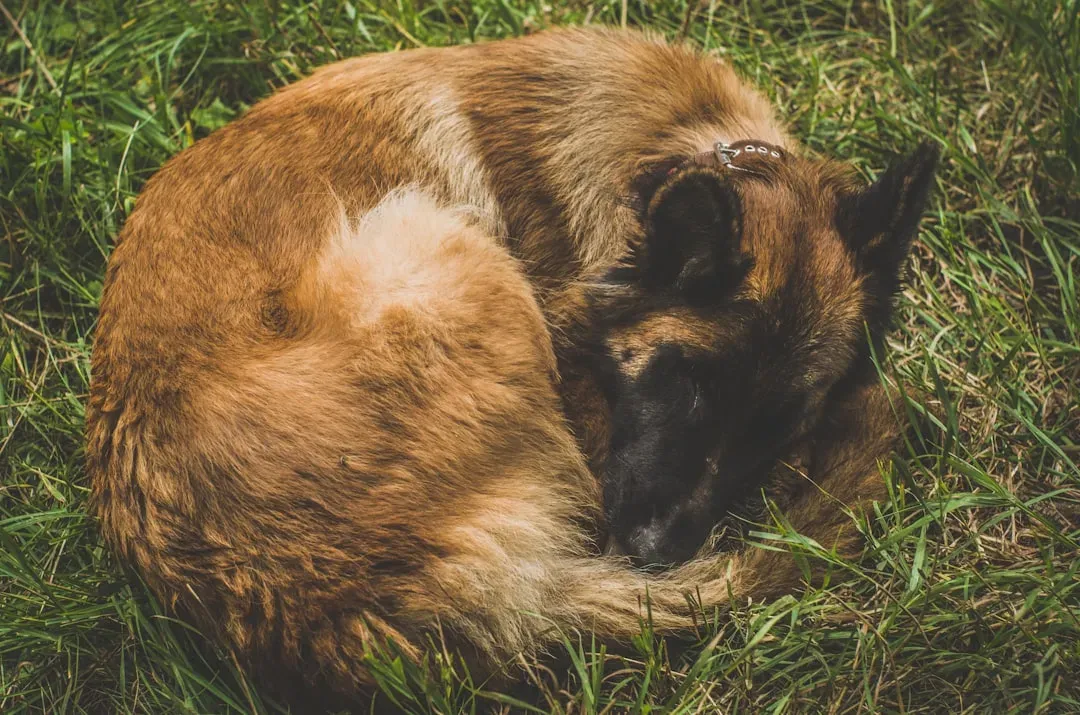
Dogs curled tightly with their nose near their tail tend to be sweet and caring, but they can also be reserved around strangers or settling into new homes. This classic “donut” position serves multiple purposes, and not all of them are about feeling scared.
Curling up reduces surface area exposed to cold air while protecting vital organs and providing joint support. Think of it as your dog’s built-in heating system. Smaller breeds and dogs with thin coats especially love this position because it traps body heat beautifully.
That said, pay attention to context. If curling up is unusual for your dog, it might mean they’re feeling unwell, so keep an eye on them and consider a vet check-up. Sudden changes in sleeping habits can be your dog’s way of saying something isn’t quite right.
Belly Up with Paws in the Air: Maximum Relaxation Mode
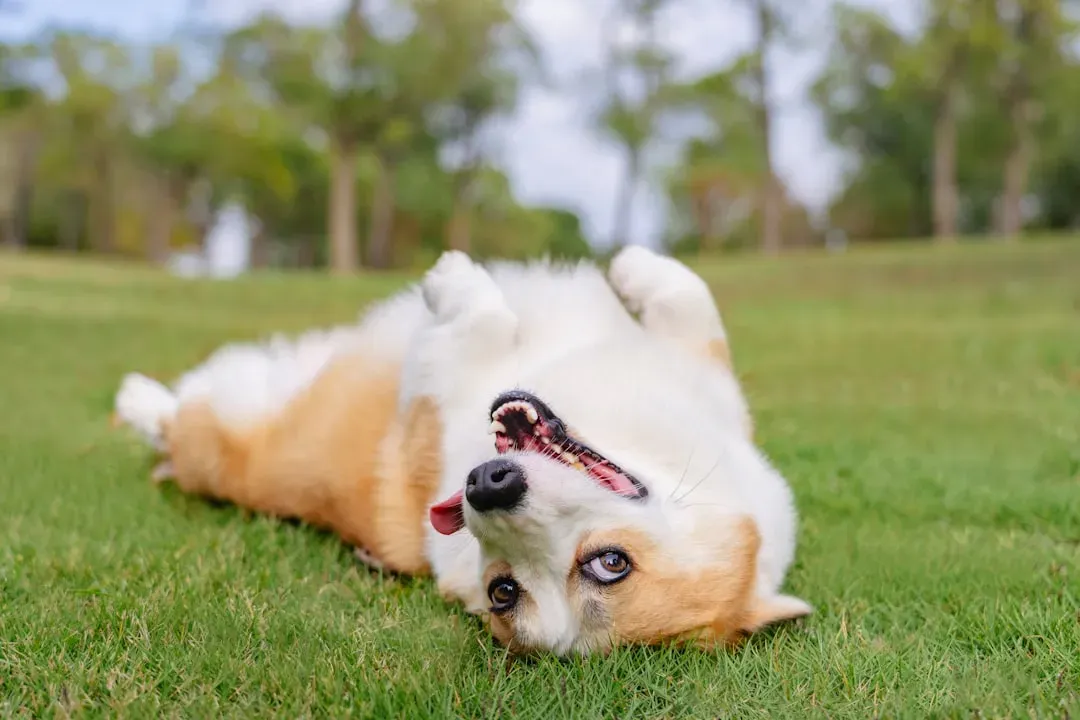
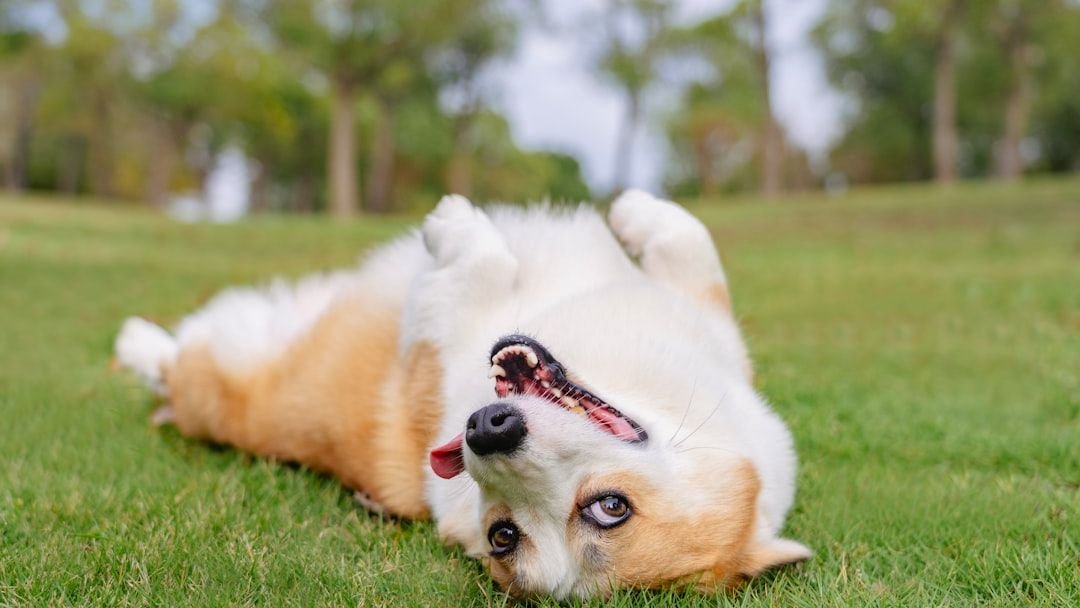
Let’s be honest, this position looks ridiculous. Legs flopping every which way, belly fully exposed to the world. The belly-up position indicates extreme relaxation and feeling safe and unthreatened, since animals who sense danger don’t expose their bellies.
There’s another reason for this acrobatic sleeping pose. Sleeping on their backs with paws in the air helps dogs cool off, as they perspire through the pads of their feet to regulate body temperature. You’ll probably see this more during warmer months or after a long play session.
As dogs age, they may switch from belly-up sleeping to other positions since this pose can put pressure on the spine. If your older dog used to sleep this way but doesn’t anymore, it doesn’t mean they trust you less. Their joints just need different support now.
The Superman or Sploot: High Energy and Ready to Go
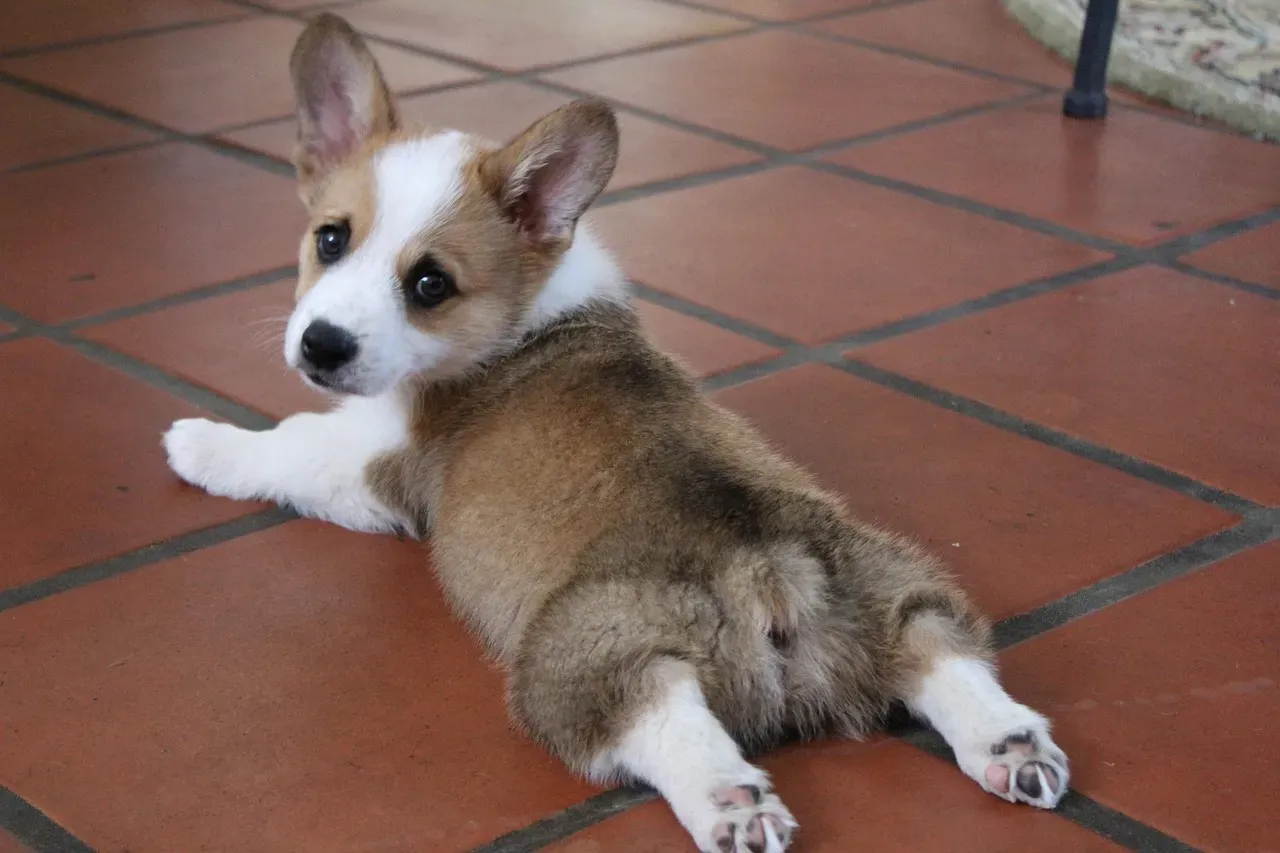
French Bulldogs and Pugs often enjoy the superman pose, lying stomach down with back legs stretched out behind and front legs stretched forward. Honestly, it’s one of the silliest positions you’ll ever see, and it perfectly captures the personality of dogs who favor it.
This pose is typical for high-energy breeds and puppies who rest during playtime, ready to quit their nap and return to play at any moment. It’s less about deep sleep and more about a quick power nap between bursts of chaos.
The sploot also helps with cooling down. When your pup presses their belly against a cool floor with everything stretched out, they’re maximizing contact with that refreshing surface. Smart, right?
The Lion Pose: Light Sleep and Staying Alert
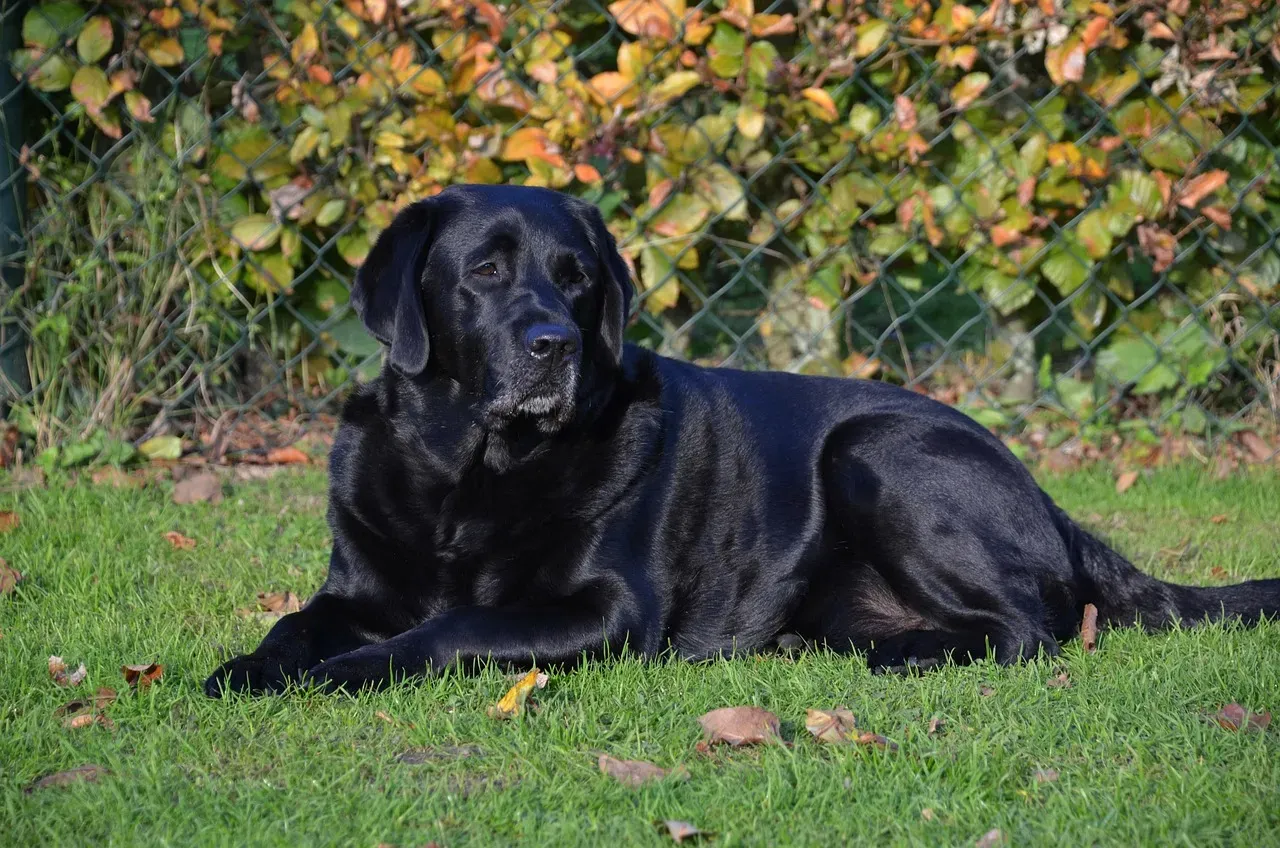
In the lion pose, dogs rest belly down with their head perched on their front paws, and these pups tend to be alert, loyal, and caring toward their families. You might see your dog assume this position when they’re not fully committed to sleep yet.
The lion pose allows dogs to spring into action immediately if needed. This doesn’t mean your dog is stressed. They might just be keeping one ear open for interesting sounds or waiting to see if you’re about to do something exciting like grab the leash.
This sleeping pose may also indicate anxiety and readiness to jump up at a moment’s notice, in which case a calming bed can help. If your dog frequently sleeps this way and seems tense, consider whether there are environmental stressors you can address.
The Cuddler: Affection and Pack Bonding
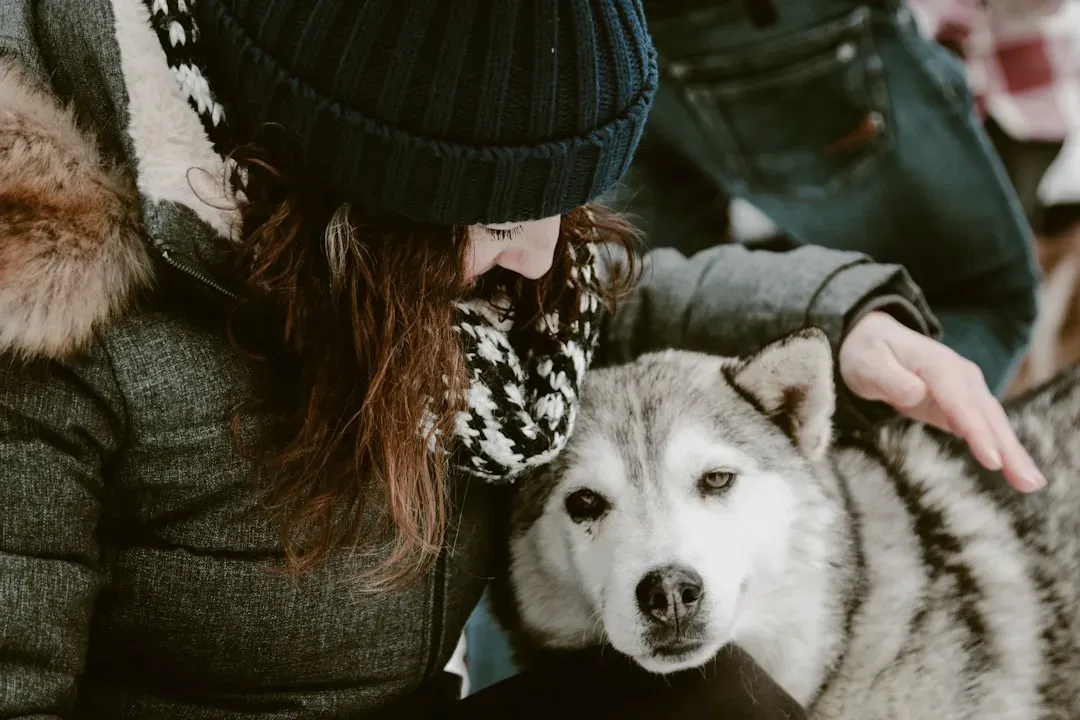
Cuddling is a leftover behavior from when your dog was a puppy and snuggled with their litter to keep warm. When they grow up, this instinct transforms into something even sweeter: a desire to be close to you.
Sleeping close provides affection, trust, comfort, security, and warmth, and puppies do this with their mothers since they have difficulty regulating body heat when very small. Your dog pressing against you at night isn’t just adorable. It’s a profound statement of trust and belonging.
Many dogs prefer sleeping back-to-back with other pets or people because it helps them feel safe and protected, especially true for dogs with anxiety, fear, or loneliness. They’re essentially saying, “I’ve got your back, and I trust you’ve got mine.”
What to Watch For: When Sleep Position Signals a Problem
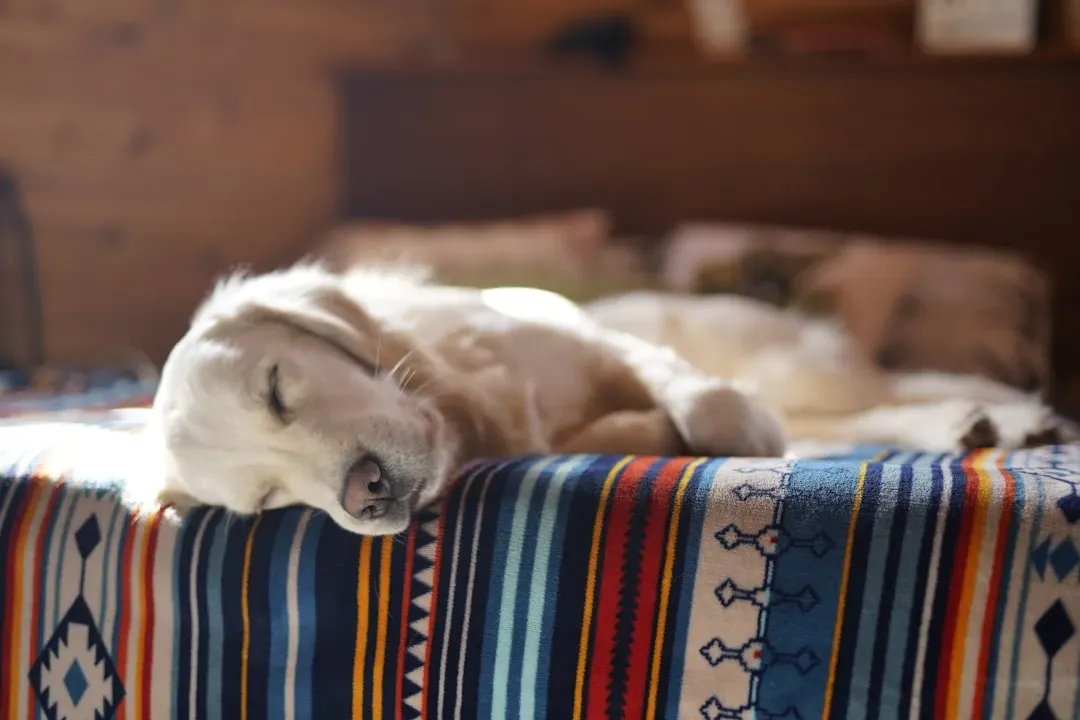
Most sleeping positions are perfectly normal and just reflect your dog’s comfort preferences in the moment. However, sudden changes deserve your attention. If your dog switches from their usual position to curling up in a ball, they might be experiencing discomfort of some kind.
Pain-related curling appears more rigid and tense compared to comfort-seeking behavior, and dogs experiencing discomfort may show restlessness and frequent position changes. Trust your instincts here. You know your dog better than anyone.
Excess weight triples the likelihood of sleep-disordered breathing, and in brachycephalic dogs, moderate to severe BOAS symptoms double the risk. For flat-faced breeds especially, watch how they breathe during sleep. Labored breathing or frequent waking might need veterinary attention.
Here’s what matters most: your dog’s sleeping position is just one piece of the puzzle. Combined with their daytime behavior, appetite, energy levels, and overall demeanor, it helps paint a complete picture of their wellbeing. What do you think your dog’s favorite position says about them? Pay attention tonight and you might be surprised by what you discover.


