
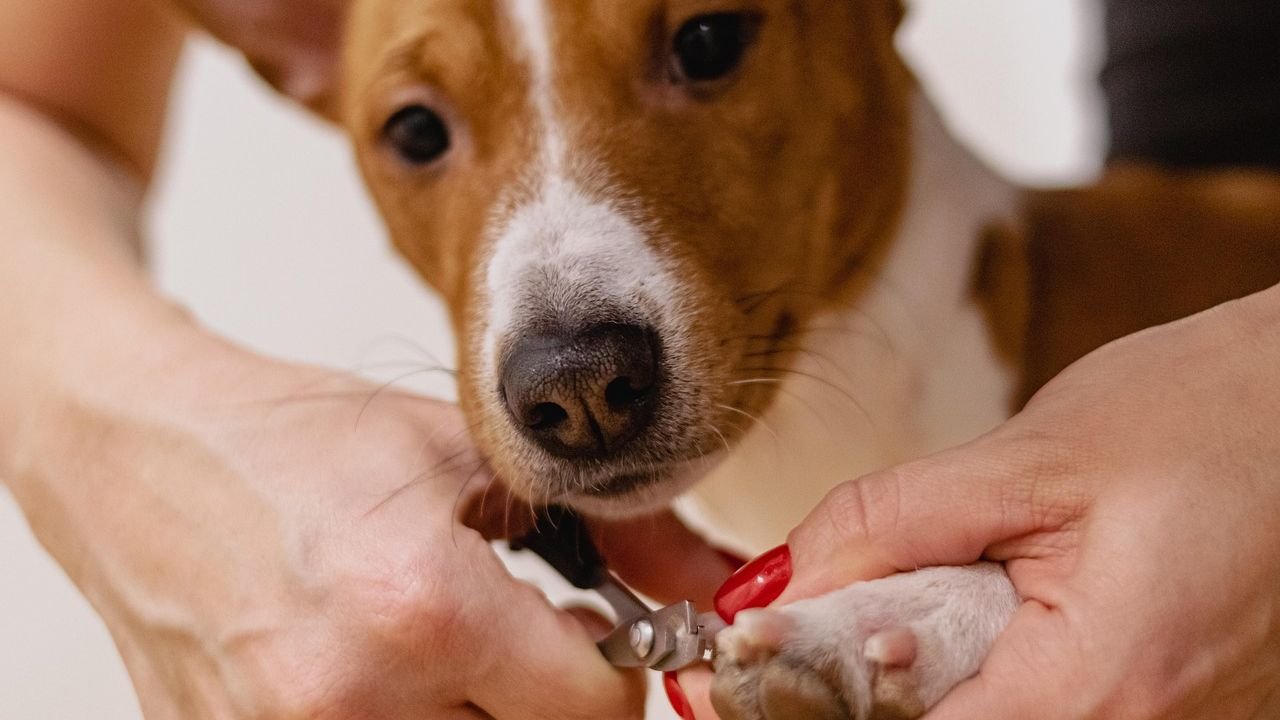
Let me ask you something. Does your dog bolt the moment they catch sight of those clippers? Maybe your pup trembles, pants, or gives you those wide pleading eyes. You’re not alone in this struggle. Nail trimming is one of the most dreaded tasks for dog parents everywhere. Here’s the thing, though: it doesn’t have to be this way. Your dog’s anxiety isn’t a life sentence, and you don’t need to wrestle with them every time those nails get a little too long.
The truth is, with the right approach, you can completely transform nail trimming from a nightmare into something your dog actually tolerates, maybe even looks forward to. Ready to discover the proven hacks that actually work? Let’s dive in.
Start With Paw Handling Long Before The Clippers Appear
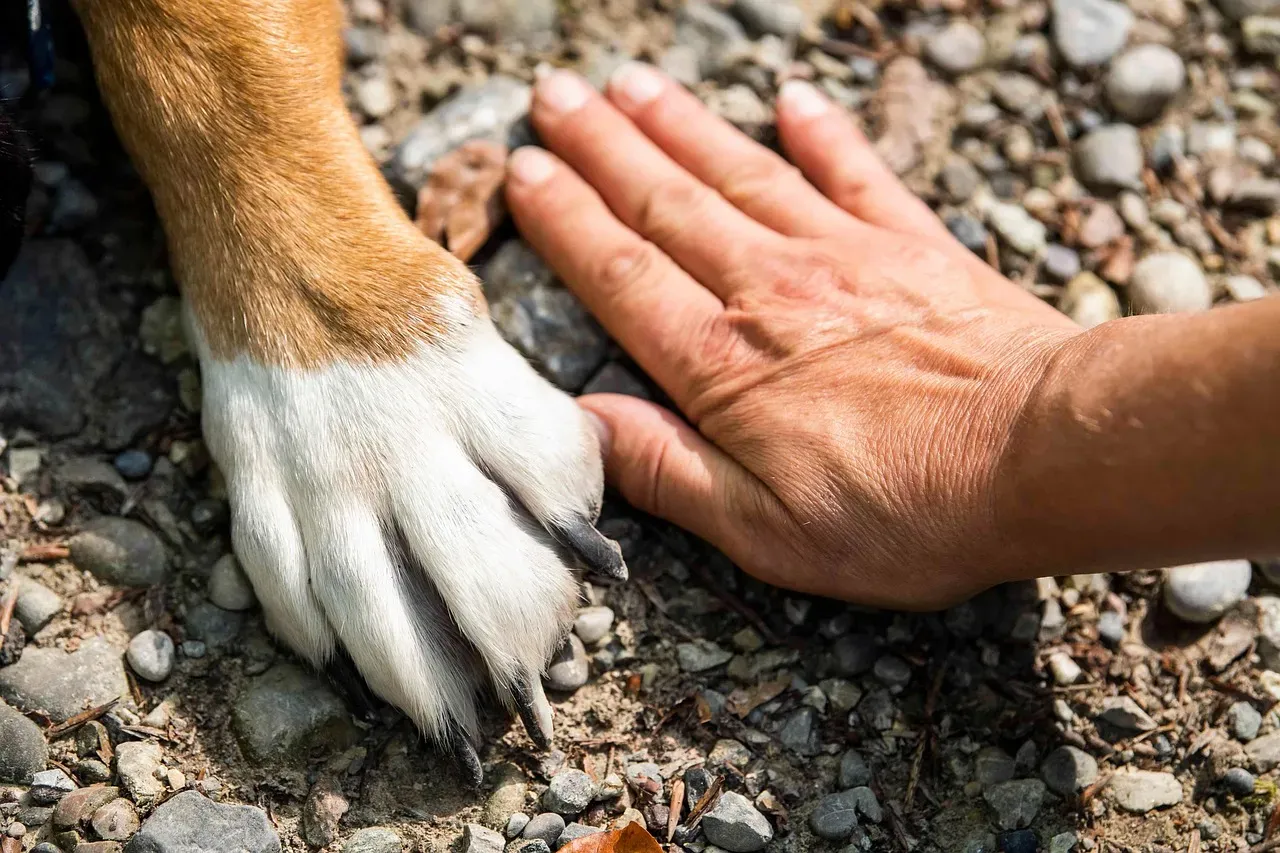
Think about it: dogs need to get accustomed to having their paws handled, starting with gently touching their paws and gradually increasing the duration of these interactions. Most dogs are naturally protective of their feet, so you can’t just grab a paw and expect cooperation.
Begin by simply stroking your dog’s shoulder, then slowly gliding your hand down to the paw. Try this: stroke your dog’s shoulder and glide your hand down to their paw, then observe if they look relaxed or tense, stay close or move away. Pair every single touch with something wonderful, like a tiny piece of chicken or cheese.
Work in small increments. Tap the paw lightly one day, rest your full hand on it the next. Slowly increase the length of time your dog tolerates having his paws touched, spending a few days at each stage and increasing handling by tiny increments. Eventually, you should be able to pick up each paw, flip it over, and examine the nails without any resistance.
Create Positive Associations With The Nail Clippers Themselves
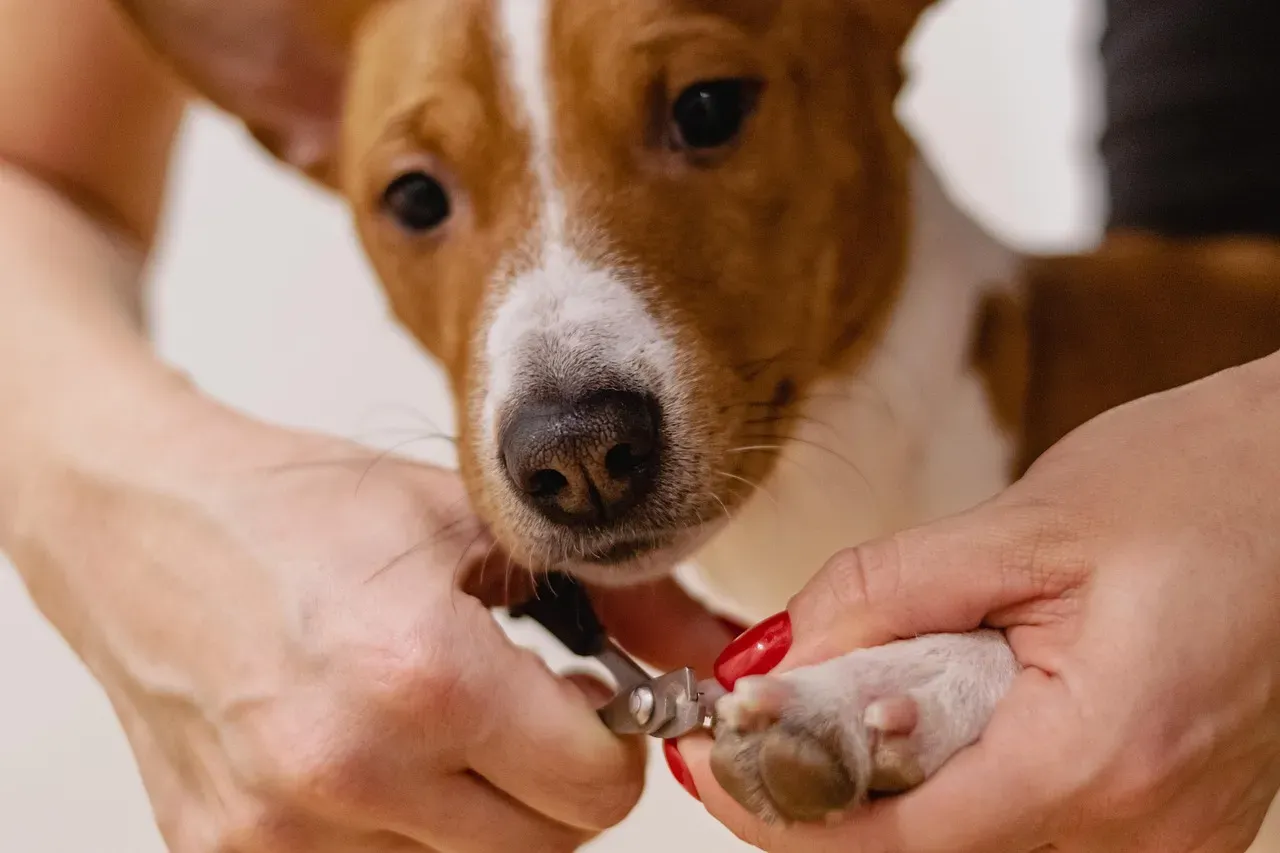
Store the clippers in the same cabinet where you keep special treats, then take out a treat and the clippers at the same time and toss the treat to your dog. This simple trick works wonders because your dog begins to associate the sight of clippers with good things happening.
Let your dog sniff the clippers if they’re curious. Allow the dog to sniff and explore the tools at their own pace in a calm environment, then reward this interaction with treats and praise to help them associate nail grinders and grooming tools with positive experiences. Never force the tools near your dog.
It’s best to get the dog to think that the clippers predict a reward, like Pavlov’s experiments where dogs were conditioned to a ringing bell followed by food. Repeat this conditioning exercise multiple times over several days before you even think about attempting a trim.
Master The Art Of Baby Steps With Short Training Sessions
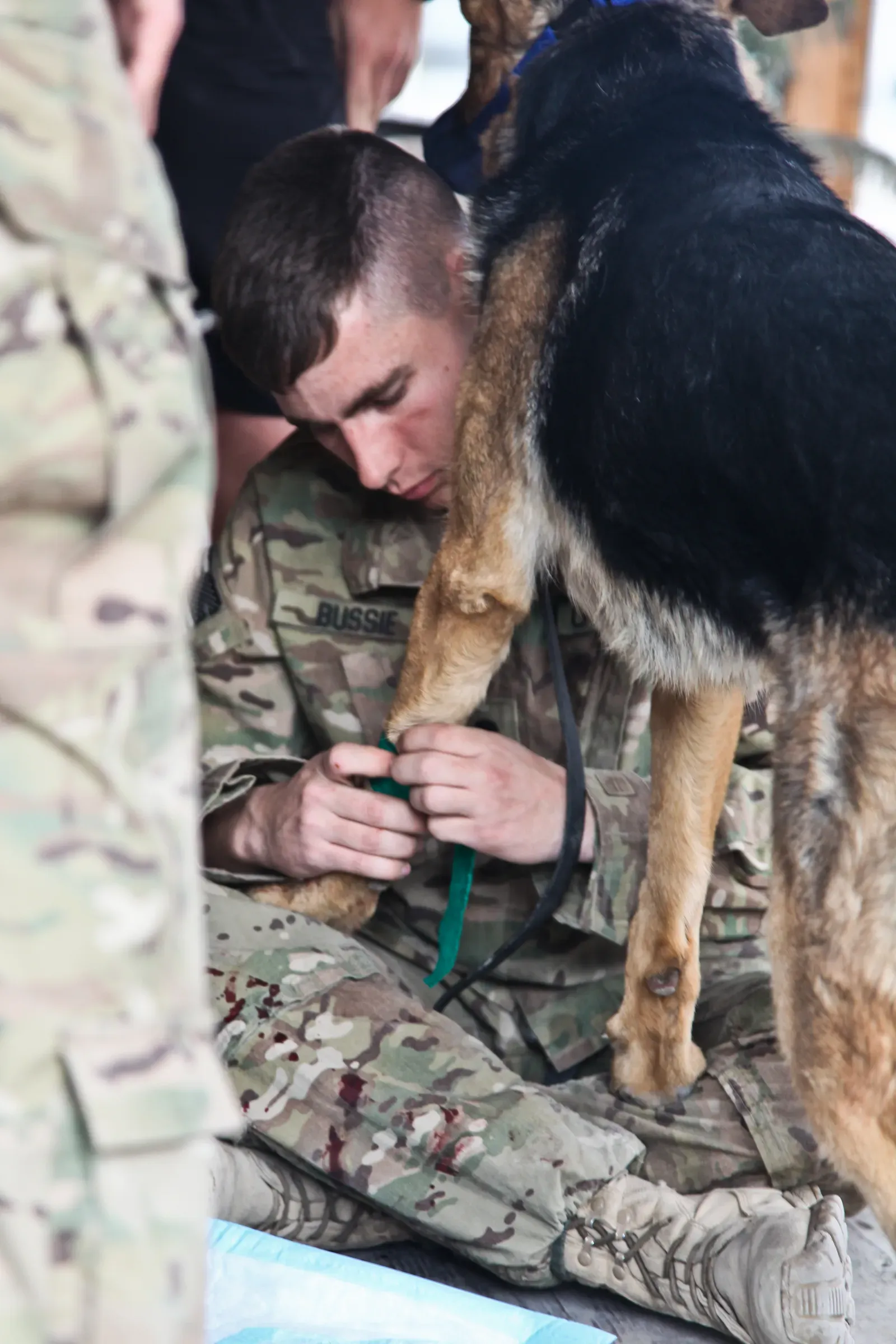
Here’s where most people mess up: they try to do too much too fast. Keep the training sessions short, just one to three minutes at a time, and remember to reward with something your dog really enjoys. Rushing this process will backfire spectacularly.
Keep sessions short, just a minute or two, and frequent, a few days a week, monitoring the dog’s body language during and after every repetition. If your dog shows any stress signals like yawning, looking away, or leaning back, you’ve pushed too far too quickly.
When you master the previous steps, start cutting just one nail per training session and reward your dog heavily when you do. Seriously, one nail. Then stop. Wait until the next day for the second nail. This patience pays off tremendously in the long run.
Use High Value Treats As Your Secret Weapon
Not all treats are created equal. Opt for something irresistible like boiled chicken, cheese, or high-quality soft training treats that are bite-sized and easy to chew so they can be consumed quickly during training sessions. Save these special treats exclusively for nail sessions.
Using positive reinforcement by rewarding your dog with treats, praise, and affection during and after each successful nail trimming session helps them associate the process with positive experiences. The goal is for your dog to think, “Nail time equals the best snacks ever!”
Consider using a lick mat smeared with peanut butter or a puzzle toy stuffed with treats. To further reduce stress and anxiety during nail trims, engage your dog in their favorite game or provide them with a puzzle toy stuffed with treats to keep their mind occupied. This distraction technique works particularly well for mildly anxious dogs.
Choose Your Tools Wisely And Practice Before The Big Day
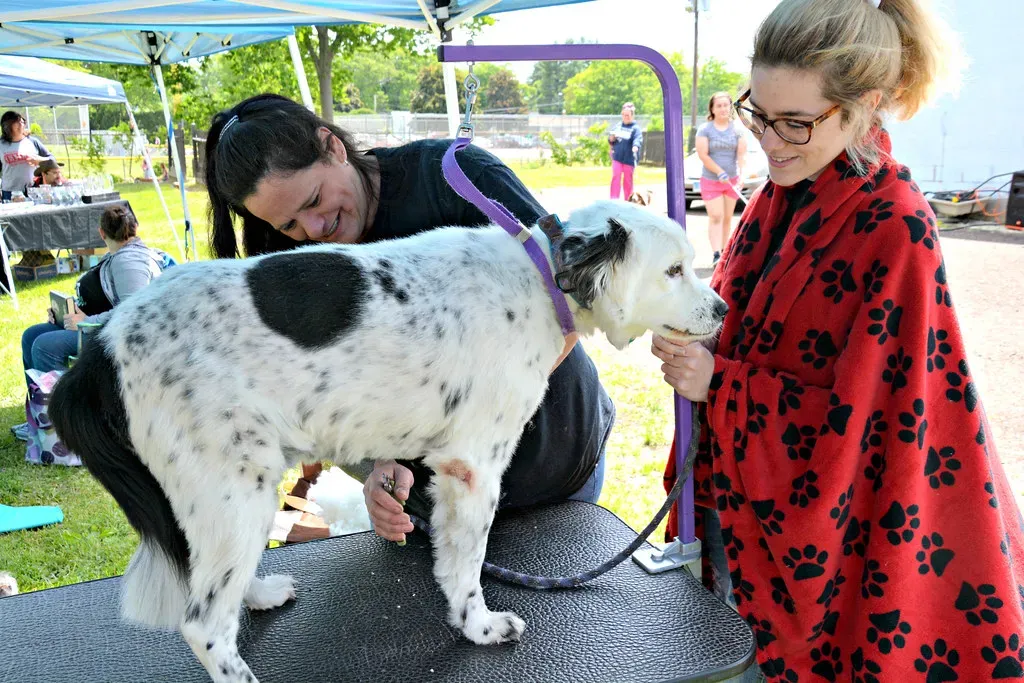
When you trim the dog’s nails, rather than cutting once, you’ll be shaving off tiny bits repeatedly until you locate the stopping point. This approach requires sharp, quality clippers that won’t crush or split the nail.
Before you ever touch your dog’s nails, practice your technique. Practice using cocktail straws, dry pasta, and toothpicks while you’re learning to comfortably handle the nail clippers and shave off tiny pieces. This builds your confidence, and trust me, your dog will sense if you’re nervous.
Some dogs respond better to nail grinders than clippers. Some people prefer to use a handheld file or grinder to wear away the end of the nail, leaving it smooth and with less risk of damaging the quick, and some dogs with an aversion to clipping are more tolerant of grinding. Experiment to see what your dog prefers.
Never Use Tricks Or Forceful Restraint During Nail Time
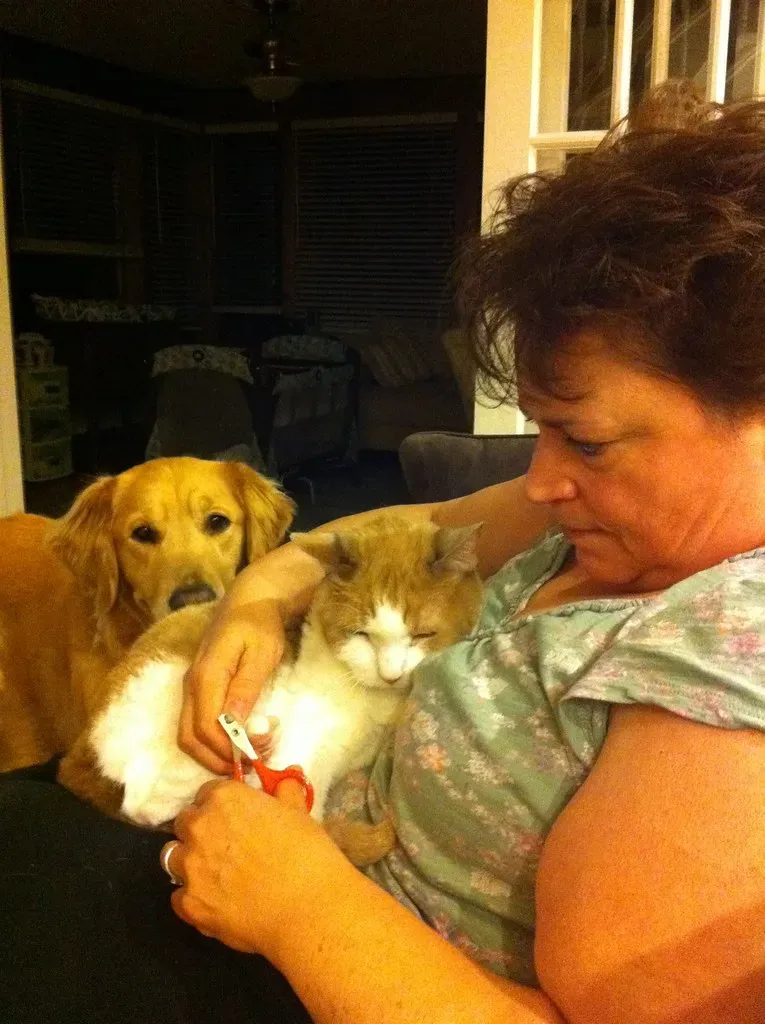
Listen carefully because this is crucial. For dogs with a fear of nail care, avoid tricks or distractions like giving a spoonful of peanut butter then quickly trying to trim the nails, as being distracted or tricked will damage the dog’s trust and often worsens fear. I know it seems counterintuitive, but this is one of the biggest mistakes people make.
Restraining your dog is not advised because restraint is frightening for animals who sense they have no control, triggering their fight, freeze, or flight mechanism. Forceful handling will only escalate your dog’s panic and potentially make them aggressive.
Never scold or punish a dog for moving, growling, or asking for a pause in handling, as communication is key and the goal is to listen to the dog’s needs. Respect your dog’s boundaries. If they’re saying no, they mean it.
Read Your Dog’s Body Language Like A Book
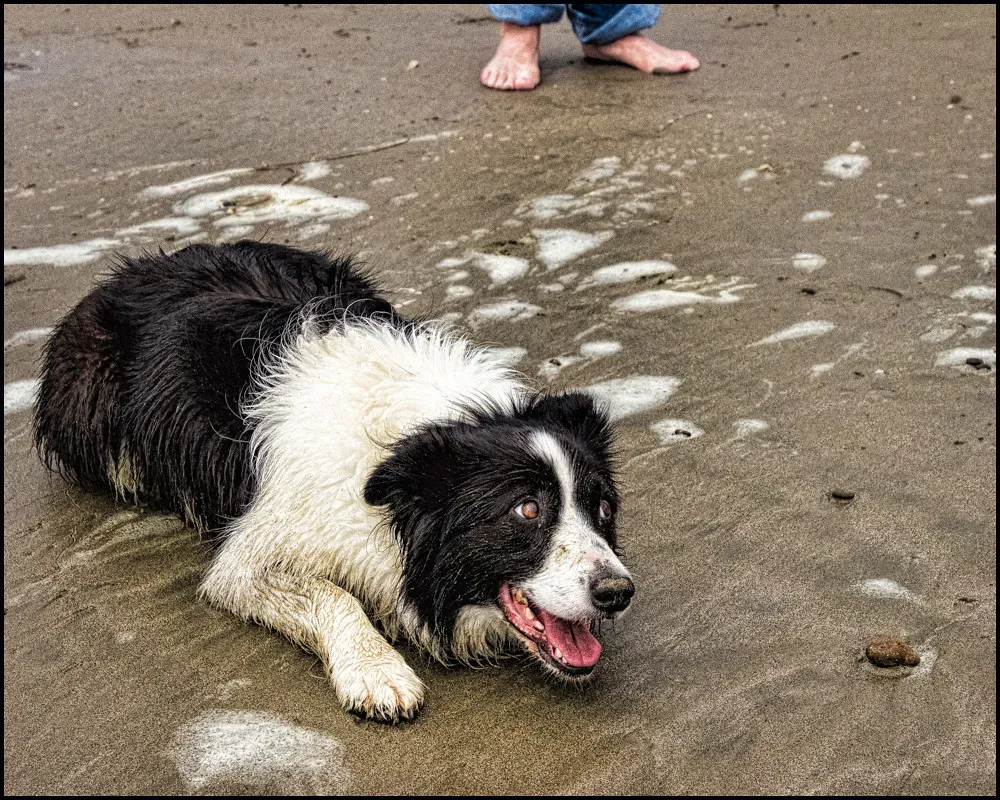
Preventing fear starts with understanding the body language of stress. Your dog is constantly communicating with you through subtle signals. Learn to recognize them before things escalate.
Always be observant of your dog’s body language for signs of stress, fear, or discomfort, as yawning, lip licking, and averting gaze can be subtle signs of anxiety. Tensed muscles, tucked tails, and ears pulled back are all red flags.
If you notice these signs, stop immediately. If at any point your dog shows significant signs of stress, don’t hesitate to take a step back in the process, as sometimes a little regression is necessary for future progression. Taking a break isn’t giving up; it’s being smart.
Consider Natural Calming Aids When Needed

Sometimes dogs need a little extra help to take the edge off their anxiety. Casein supplements contain natural proteins found in canine milk and do wonders for balancing your dog’s behavior, reducing anxiety and helping avoid extreme emotions. These are gentler alternatives to prescription medications.
Melatonin supplements work like anti-anxiety medications and help regulate body rhythm and calm down your dog, while herbs like California poppy, chamomile, rosemary, or valerian are natural relaxants. Always consult your vet before introducing any supplement.
For severely anxious dogs, your veterinarian might recommend prescription options. Certain medications may make your pet feel calm enough to safely proceed with nail trims, with common medications prescribed by veterinarians being trazodone and gabapentin. These aren’t about sedation; they’re about reducing fear so training can actually work.
Stay Calm Because Your Energy Matters More Than You Think
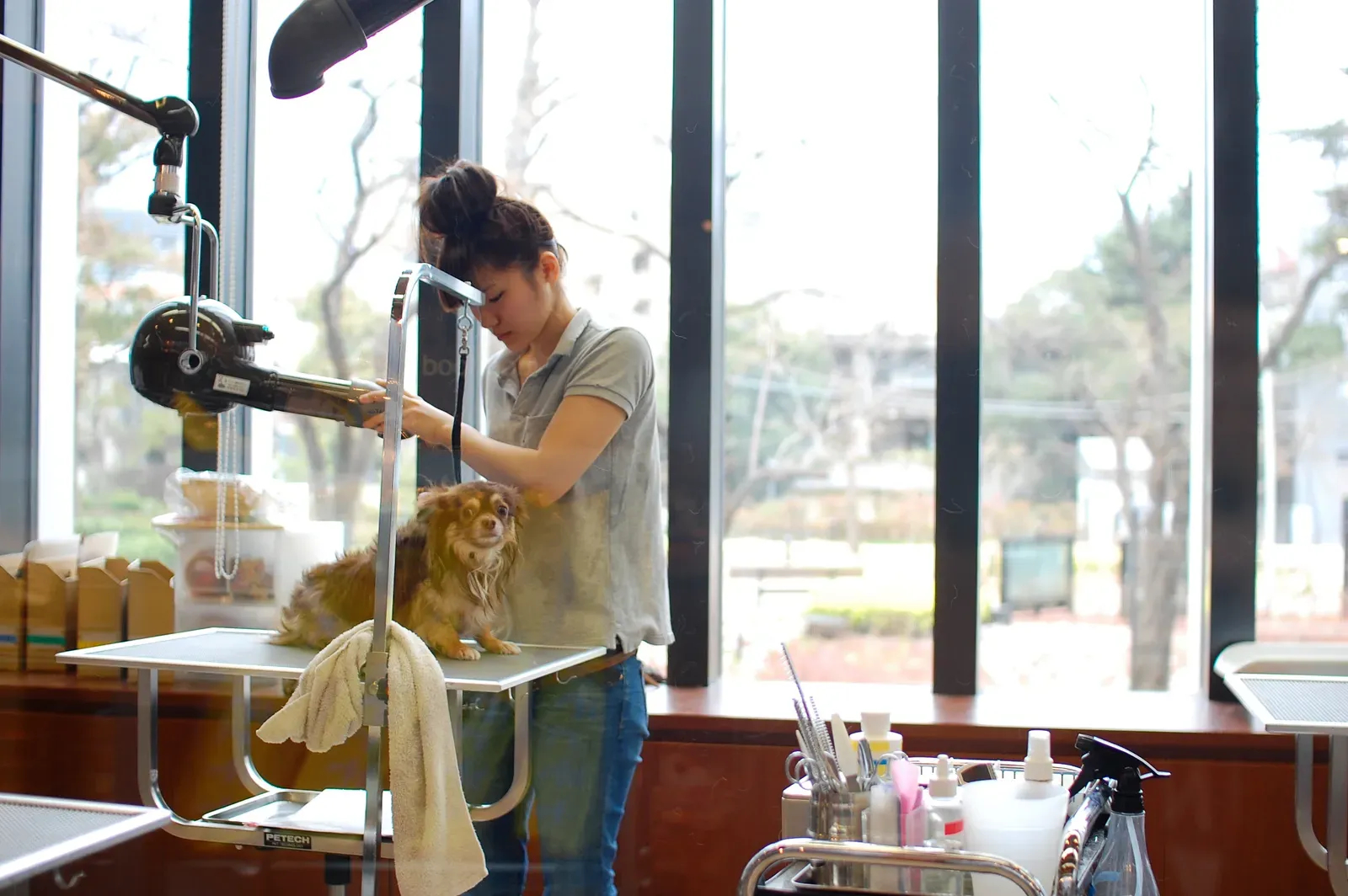
Your dog is extremely tuned to your emotional state, so staying calm yourself and using calming aids can help reduce stress, while forcefully restraining or expressing your own anxiety can worsen the fear response. Your nervous energy travels straight down that leash.
It’s crucial for you to remain calm because if you’re nervous, your dog will be anxious too. Take deep breaths. Put on calming music if that helps you relax. Create a peaceful environment for both of you.
You want to feel cool and calm when you begin because your dog can be affected by your emotional state and you need to ensure you are a good model of serenity. Think of it this way: you’re the leader in this situation, and leaders radiate confidence, not panic.
Conclusion: Patience Is Your Most Powerful Tool
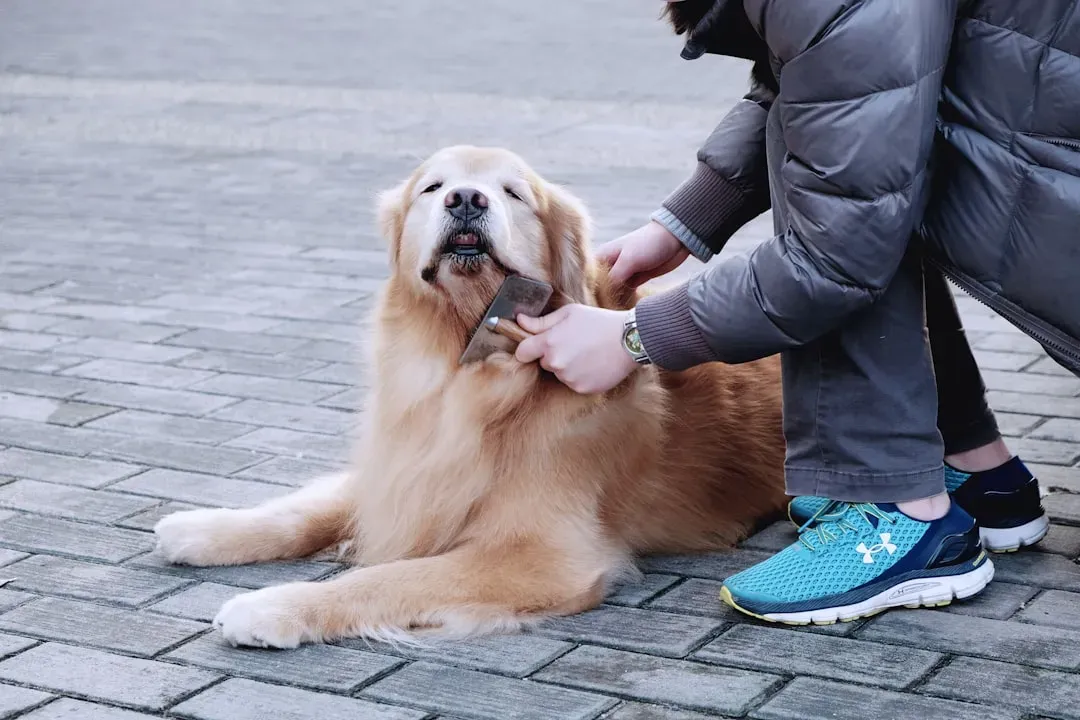
Desensitizing a dog to nail trimming is a slow process that requires patience, consistency, and lots of positive reinforcement, transforming nail trimming from a stressful ordeal into a routine grooming activity. The timeline varies for every dog. Some might take weeks, others months.
Take your time and be patient because a few more weeks or months of long nails isn’t going to hurt anyone, and the result of a canine family member who willingly participates in nail trimming is well worth the effort. This journey is about building trust, not rushing results.
Remember, with patience and emotional support, most dogs learn to accept and even look forward to nail trimming. You’ve got this. What’s been your biggest challenge with nail trimming? Have these hacks given you a fresh perspective on how to help your pup?


