
You know that look your neighbor gives when your dog barks at the mailman? Or that judgmental comment at the park when your pup pulls on the leash? Let’s be real, it stings. We’ve all been there, feeling like we’re failing at this whole dog parenting thing. Here’s what I’ve come to understand after years of working with dogs and their humans: there’s no such thing as a bad dog. Seriously.
What we label as bad behavior is almost always a communication breakdown between species. Think about it. We expect our dogs to navigate a human world with human rules, yet we barely speak their language. We misread their signals, misinterpret their needs, and then wonder why things go sideways.
The truth is refreshing once you understand it. Most behavior issues stem from misunderstandings, unmet needs, or simply us accidentally teaching our dogs the exact opposite of what we intended. Ready to shift your perspective? Let’s dive into how our misconceptions create the very problems we’re trying to solve.
The Myth of Guilt: What That ‘Ashamed’ Look Really Means

You come home to find your favorite shoes chewed to bits. Your dog cowers, ears back, avoiding eye contact. They know what they did, right? Wrong.
What we interpret as guilt is actually appeasement behavior, with dogs simply responding to an owner’s disappointment, upset or anger. Your pup isn’t connecting their earlier shoe-chewing spree with your current frustration. Dogs only have a three-second window to link cause and effect. After that tiny window closes, they’re just reading your body language and tone, trying to diffuse what feels like a tense situation.
This misunderstanding causes real damage. When we scold dogs for something they did hours or even minutes ago, we create confusion and anxiety. They learn that our return home sometimes predicts unpleasant reactions, but they have no idea why. The result? More stress, which can actually increase unwanted behaviors like destructive chewing or house soiling. It’s a vicious cycle born entirely from our misreading of canine emotions.
When ‘Stubborn’ Actually Means ‘Confused’

Let’s talk about that moment when your dog stares at you blankly after you’ve asked them to sit for the fifth time. Stubborn, right? Probably not.
Many new owners interpret unwanted behavior as intentional disobedience, but in reality, dogs don’t operate from guilt, spite, or moral awareness. They work from reinforcement history and habit. If your dog isn’t responding, chances are they either don’t understand what you’re asking, the cue isn’t clear enough, or something more interesting has their attention.
Often, the issue lies with the human handler, as utilizing food as lures without providing reinforcements quickly enough or in the appropriate manner can lead to misunderstandings, making it seem as though your dog is stubborn when instructions are not clear or timely. We might think we’re being perfectly obvious, but from a dog’s perspective, our signals can be maddeningly inconsistent. Different family members use different words, our body language contradicts our voice, or we simply haven’t practiced enough in varied environments.
The Accidental Reward: How We Teach What We Don’t Want

Here’s the thing that blows most people’s minds: A brand-new dog owner might say they don’t reward jumping, but simultaneously pet the dog to calm it down, or pull a barking dog closer while trying to soothe them, reinforcing unwanted behaviors because reinforcement isn’t about intention but what the dog perceives as rewarding.
Your dog jumps on guests, and you push them down while saying “No, get down!” Seems like a correction, right? To your dog, though, you just gave them physical contact and attention. Mission accomplished from their perspective. Or consider the dog who barks at the window. You walk over and comfort them, thinking you’re calming them down. What they learn? Barking makes you come over and pay attention.
This is probably the most common way we accidentally create behavior problems. We reward the exact behaviors we want to eliminate, completely unaware we’re doing it. The solution requires us to become hyper-aware of what happens immediately after an unwanted behavior. Does the dog get attention? Food? Access to something they want? If yes, we’re part of the problem.
Dominance Theory: The Debunked Myth That Won’t Die
I still hear people talk about being the “alpha” or establishing dominance. Let’s put this to rest once and for all.
Dominance in dogs has been debunked, as the term “alpha” came from a study based on wolf behavior and is no longer used, with most aggression in dogs being due to social anxiety rather than a desire to dominate because they act out when they don’t feel safe. That outdated theory caused decades of harmful training methods based on intimidation and force.
Your dog isn’t plotting to overthrow you. They’re not testing boundaries to see if they can be pack leader. When a dog pulls on leash, guards resources, or won’t come when called, it’s not about power dynamics. It’s about reinforcement history, impulse control, fear, excitement, or lack of proper training. Using dominance-based corrections doesn’t address the real issue and often makes anxiety-based behaviors worse by adding more stress to an already stressed dog.
Socialization Doesn’t Mean What You Think It Means
Most people hear “socialization” and immediately think: dog park, lots of doggy friends, maximum interaction. That’s not quite it.
Proper socialization is about exposure to a variety of environments, sounds, surfaces, people, and controlled interactions, not letting every dog run up and say hello, as over-socialization in chaotic settings can actually create reactivity or insecurities later. Quality beats quantity every single time.
Think of socialization as building your dog’s confidence library. They need positive experiences with different surfaces (grass, concrete, gravel), sounds (traffic, thunder, vacuum cleaners), people (children, elderly folks, people wearing hats), and yes, other dogs. The key word? Positive. Overwhelming a puppy with too much too fast, or forcing interactions when they’re clearly uncomfortable, creates the opposite of what we want. A properly socialized dog is calm and confident in various situations, not necessarily the life of every dog park party.
Why Problems Don’t Just Go Away With Age
“They’ll grow out of it” might be one of the most expensive assumptions dog owners make. Spoiler alert: they won’t.
First-time owners often hope their dog will mature past issues, but unfortunately, dogs grow into patterns, not out of them, as behaviors like pulling, barking at windows, or resource guarding strengthen with repetition. Every time your young dog practices an unwanted behavior, they’re essentially rehearsing it, making it more ingrained.
That cute puppy nipping? Without intervention, it becomes adult dog mouthing. The mild leash pulling? It evolves into a full-grown dog dragging you down the sidewalk. Time alone doesn’t fix behavior issues. In fact, time makes them worse because the dog has had more opportunities to practice and be accidentally rewarded for them. Early intervention is always, always easier than trying to undo months or years of established patterns.
Conclusion: Shifting from Blame to Understanding
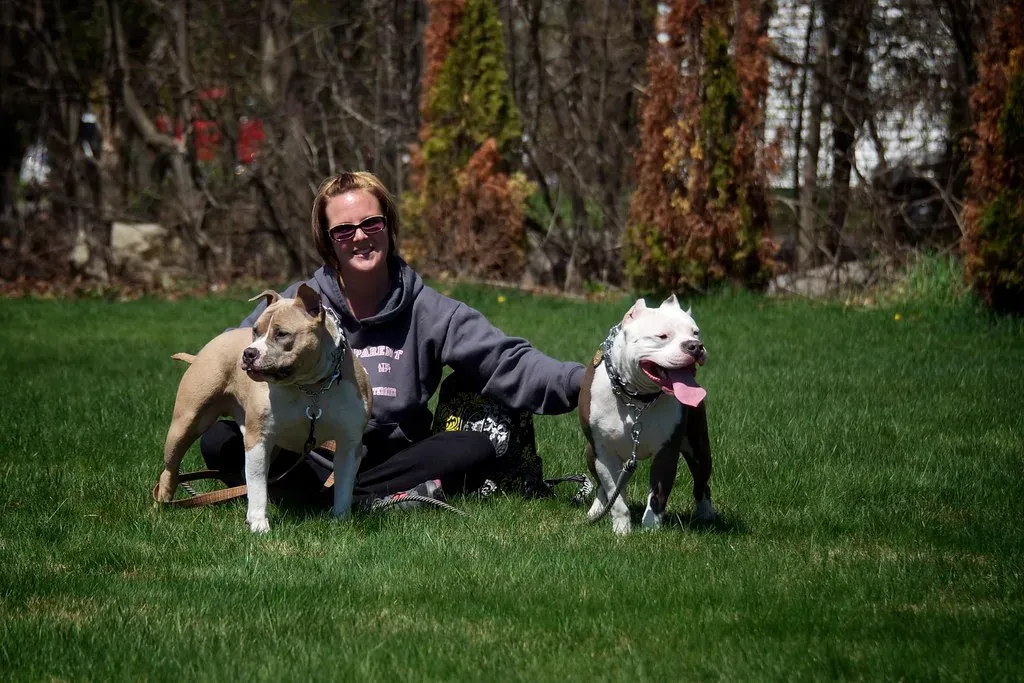
Oversimplified explanations of what makes dogs tick are very often misleading, and usually dogs pay the price for these misunderstandings. When we stop labeling dogs as bad, stubborn, or spiteful, and start seeing behavior through the lens of learning and communication, everything changes.
Your dog isn’t giving you a hard time. They’re having a hard time understanding what you want. Framing behavior as a learning issue rather than a character issue opens the door to real progress. This shift in perspective transforms frustration into curiosity and blame into problem-solving.
The dogs we call “bad” are usually just misunderstood. They’re doing exactly what we’ve accidentally taught them, or they’re responding to needs we haven’t recognized. Once we accept that most behavior problems start with us, not them, we gain the power to fix them. That’s not depressing, honestly, it’s empowering.
So what’s one misunderstanding about your dog you could challenge today? Sometimes all it takes is looking at that “problem behavior” with fresh eyes and asking: what is my dog actually trying to tell me?


