

Picture your dog sprawled out on the couch, twitching softly, eyes flickering under closed lids. You smile, thinking they’re probably chasing a squirrel in dreamland. It’s adorable, sure. Yet that peaceful nap might be far more important than you’ve ever imagined.
Sleep isn’t just downtime for dogs. It’s when their bodies restore, their minds process, and their immune systems recharge. Without proper rest, even the happiest pup can start to struggle in ways you might not immediately recognize. Let’s be real, if your dog seems cranky, clumsy, or just a little off, poor sleep could be the hidden culprit.
Why Sleep Is More Than Just Rest
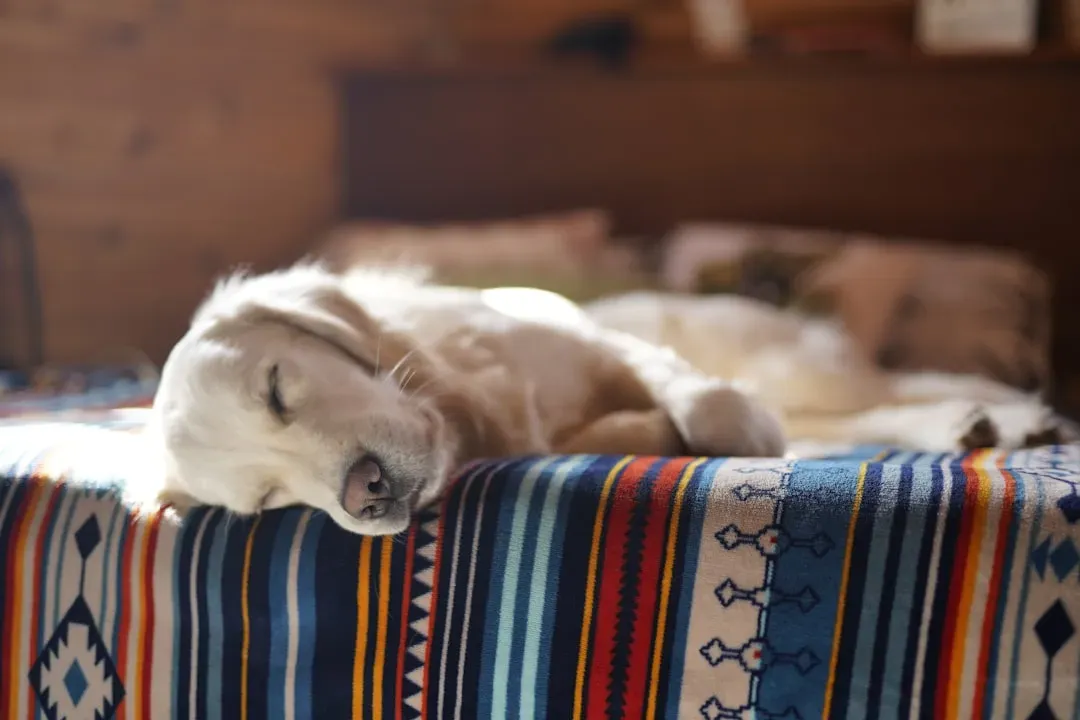
Sleep helps with memory consolidation, energy replenishment, muscle repair, and immune function. Think of it as your dog’s nightly maintenance program. While they snooze, their bodies are busy repairing tissues, strengthening their immune defenses, and filing away all the new tricks they learned that day.
Sleep plays an important role in facilitating learning, and research shows dogs’ memory recall significantly improved when they were allowed a three hour period of sleep and rest after learning unfamiliar words. Without enough shut-eye, your pup might struggle to remember commands, feel more anxious, or simply lack the energy to be their joyful self. Sleep really isn’t optional. It’s essential.
How Much Sleep Does Your Dog Actually Need?
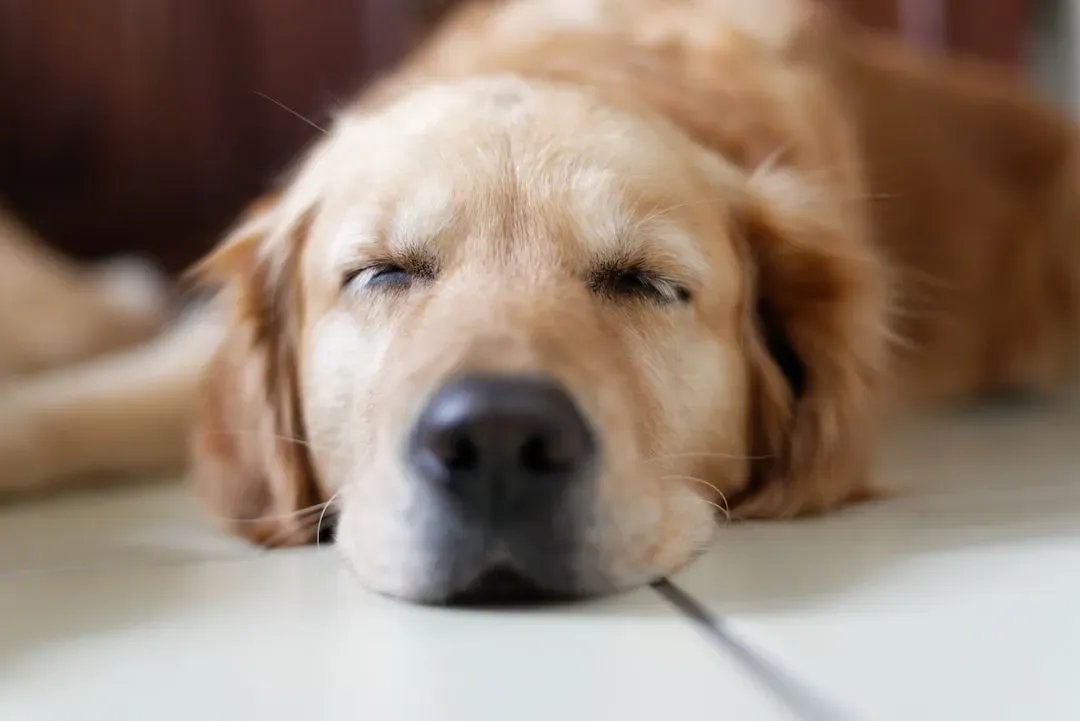
Healthy adult dogs generally require around 12 to 14 hours of sleep per day to maintain optimal health, typically spread out into several naps throughout the day and a longer period of rest at night. If that sounds like a lot, you’re not alone. Most people are shocked to learn dogs spend about half their lives sleeping.
Puppies can sleep 18 to 20 hours a day, helping their growing bodies and developing brains keep pace with all that adorable mischief. Senior dogs typically need about 14 to 18 hours of sleep each day, as aging brings reduced stamina and sometimes health issues like arthritis that demand extra rest. Breed matters too. Working dogs like Border Collies might need slightly less sleep than couch-loving companions, but every dog needs their rest.
What Happens When Dogs Don’t Get Enough Sleep?

You know how you feel after a rough night? Irritable, foggy, maybe reaching for your third cup of coffee. Dogs experience something similar. If your dog doesn’t get enough rest, you may notice signs of irritability, decreased cognitive function, and a lack of energy.
Lack of sleep can cause restlessness or hyperactivity, lack of motor skills, less concentration and can make dogs irritable and even aggressive. Sleep-deprived dogs might become snappy with other pets, fumble during play, or seem unable to settle down despite being exhausted. It’s hard to say for sure, but some dogs may even develop repetitive behaviors like excessive licking or pacing when chronically tired.
Over time, sleep deprivation can weaken your dog’s immune system, making them more susceptible to illnesses and infections, and can interfere with the body’s ability to repair and regenerate. Poor sleep doesn’t just ruin today. It can undermine your dog’s long-term health, making them vulnerable to infections, chronic pain, and even weight gain from disrupted appetite hormones.
The Hidden Health Benefits of Quality Sleep
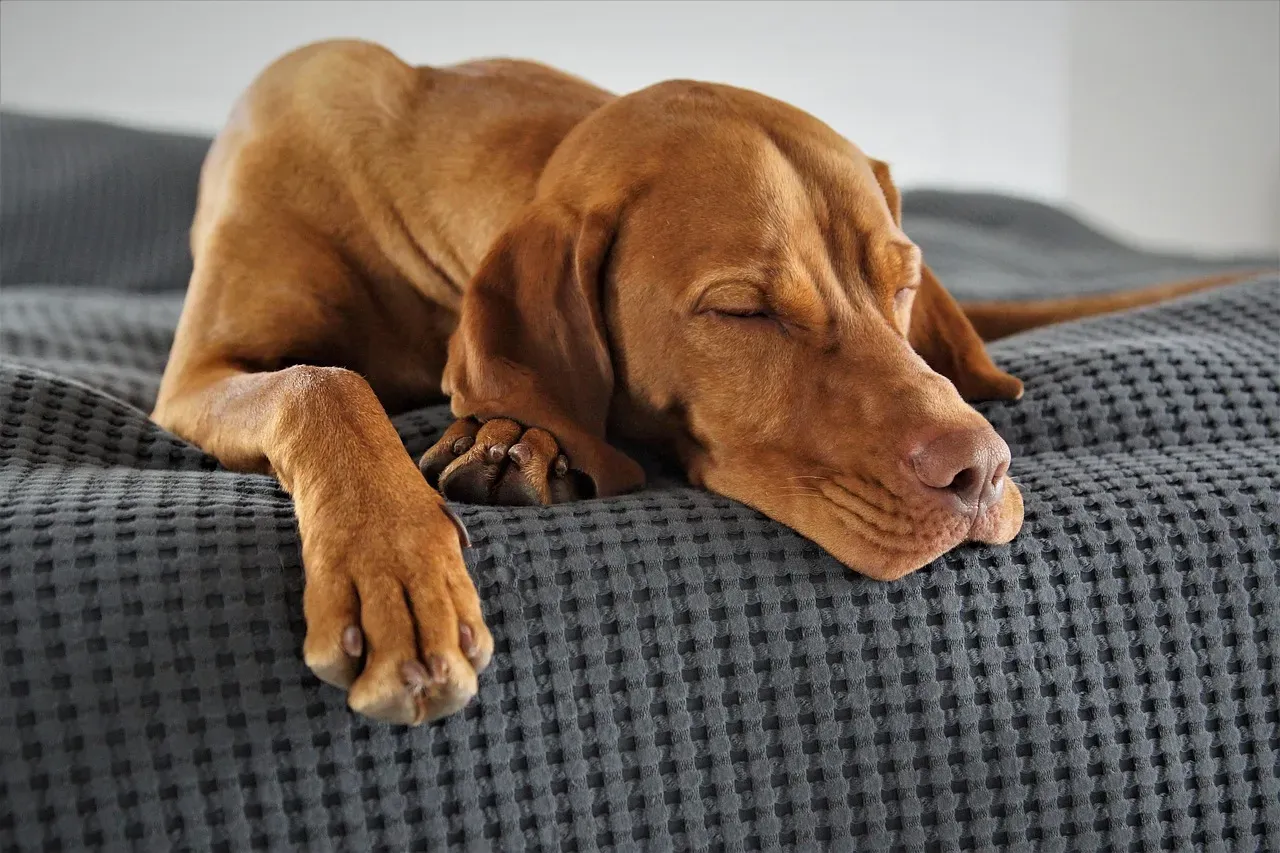
Here’s the thing: good sleep does more than prevent problems. It actively creates health. While dogs are dozing, their immune system produces protective cytokines and infection-fighting antibodies. Deep sleep reduces inflammation in the body, which is especially crucial for dogs dealing with joint issues or arthritis.
Sleep releases growth hormones that help regenerate damaged cells and tissues, and it improves your dog’s immune function, keeping them better guarded against infections and diseases. A well-rested dog isn’t just happier. They’re healthier, more resilient, and better able to bounce back from the daily wear and tear of being a dog. Think of sleep as their body’s best medicine.
Signs Your Dog Might Be Sleep Deprived
Sometimes the signs are obvious. Other times, they’re sneaky. Lots of sleep-deprived dogs act more like they’ve had too much coffee. Yes, you read that right. Instead of being sluggish, some tired dogs become hyperactive, unable to settle down even when they desperately need rest.
Watch for clumsiness, moodiness, or a shorter fuse with family members or other pets. The increased stress some dogs experience when sleep deprived can lead to behavior problems including excessive spinning or excessive licking, and they may act more fearful and not handle pain or discomfort as well. If your normally gentle dog seems on edge, or if they’re suddenly knocking things over like a furry tornado, poor sleep might be the reason.
Changes in appetite can also signal trouble. Some dogs lose interest in food, while others overeat to cope with stress. Keep an eye on their energy levels throughout the day and how easily they settle at night.
How to Help Your Dog Sleep Better
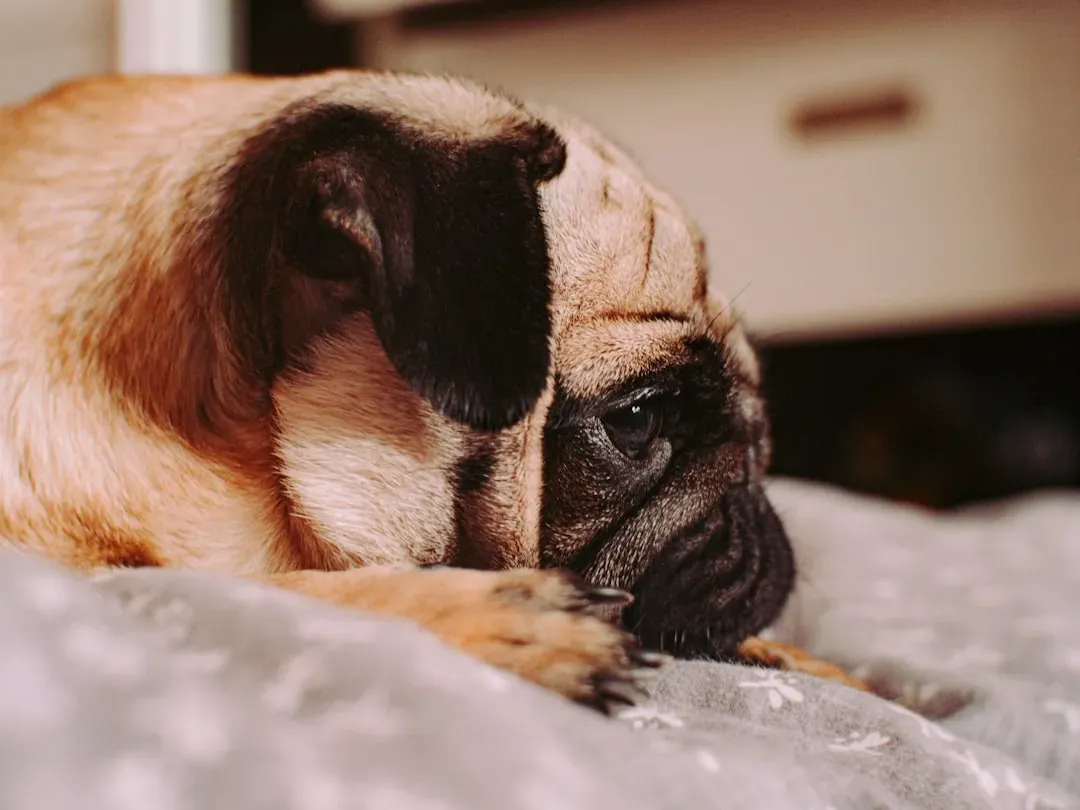
The good news is, you have more control over your dog’s sleep quality than you might think. Create a comfortable and quiet sleep environment with a cozy bed free from drafts and noise, and maintain a consistent daily routine by feeding, exercising, and putting your dog to bed at the same times each day.
Meet your dog’s needs throughout the day by taking them out for an evening walk to get extra energy out, establish a routine and create a bedtime cue, and create a calming sleep environment with soothing music, a white noise machine, or a crate cover if they’re sensitive to light. Physical exercise matters, absolutely. Yet mental stimulation can tire them out just as effectively. Puzzle toys, training sessions, or a good sniff walk can help your dog feel satisfied and ready to rest.
Temperature matters more than you’d think. Dogs can overheat easily, so keep their sleeping area well-ventilated and comfortable. If your dog is older or has joint pain, consider an orthopedic bed that supports their body properly. Small changes can make a surprisingly big difference.
Conclusion
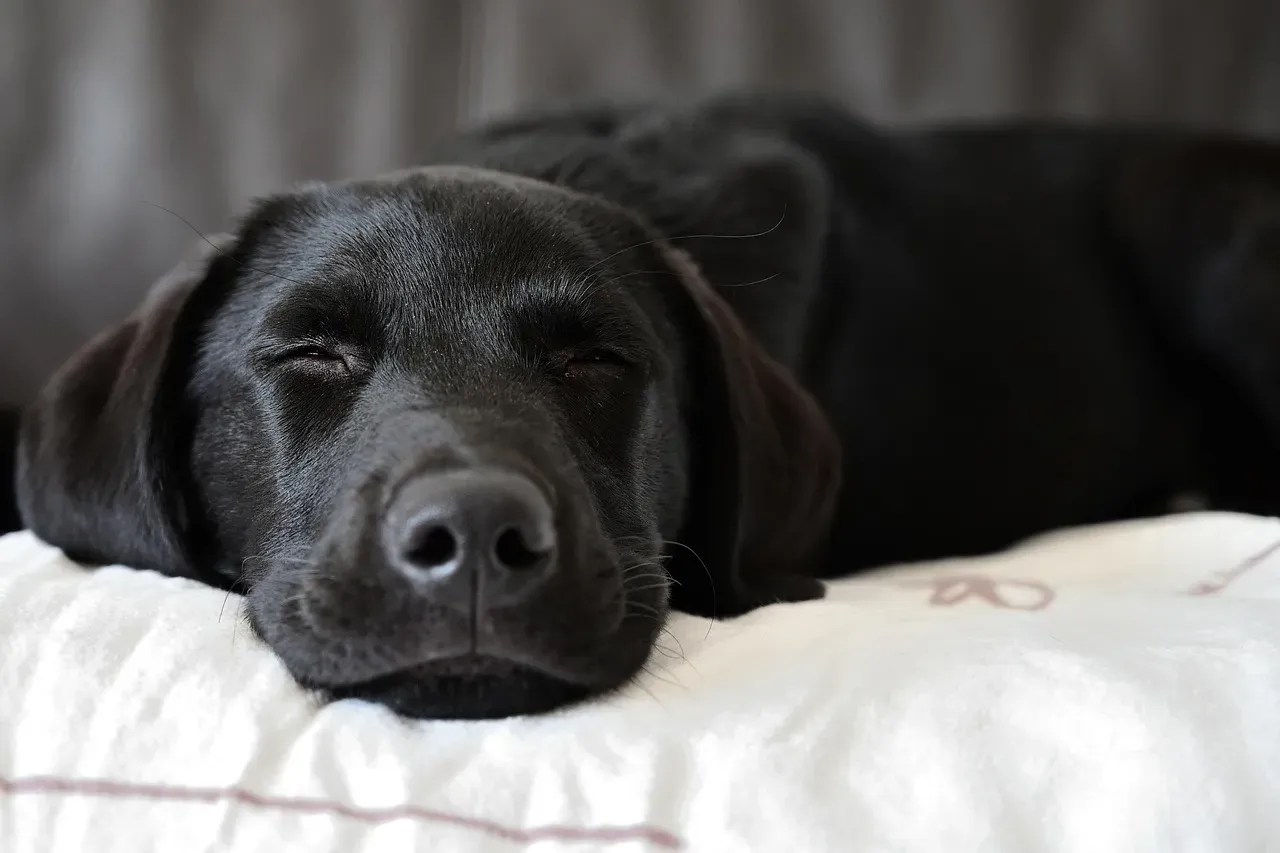
Sleep might not seem like the most exciting part of dog care. Yet it’s one of the most powerful tools you have to support your dog’s health, happiness, and longevity. When your pup gets the rest they need, everything else falls into place. They learn better, play harder, and stay healthier.
So the next time you catch your dog snoozing in that ridiculously adorable position, resist the urge to wake them for a photo op. Let them dream. Their body and mind are doing important work, and honestly, they’ve earned it. What changes could you make today to help your dog get better sleep? Trust me, they’ll thank you with extra tail wags tomorrow.


