
You know that feeling when your puppy suddenly transforms from an adorable sleeping angel into a wild tornado tearing through your living room? One minute they’re snoozing peacefully, and the next they’re zooming around, nipping at everything, and acting like they’ve had five shots of espresso. It’s exhausting, honestly.
If you notice that your puppy is calm one moment, and suddenly experiences a behavior change such as zoomies, jumping, mouthing and nipping, barking, or spinning in circles, these are all signs that your puppy has become over-excited. The truth is, over-excitement, which physiologically releases a rush of dopamine in our pups, can become addictive, only propagating compulsive behaviors even further. Left unmanaged, this can spiral into behavioral issues that follow them into adulthood. The good news? You can absolutely help your puppy learn to dial it down. Let’s get started.
Master the Art of Calm Yourself
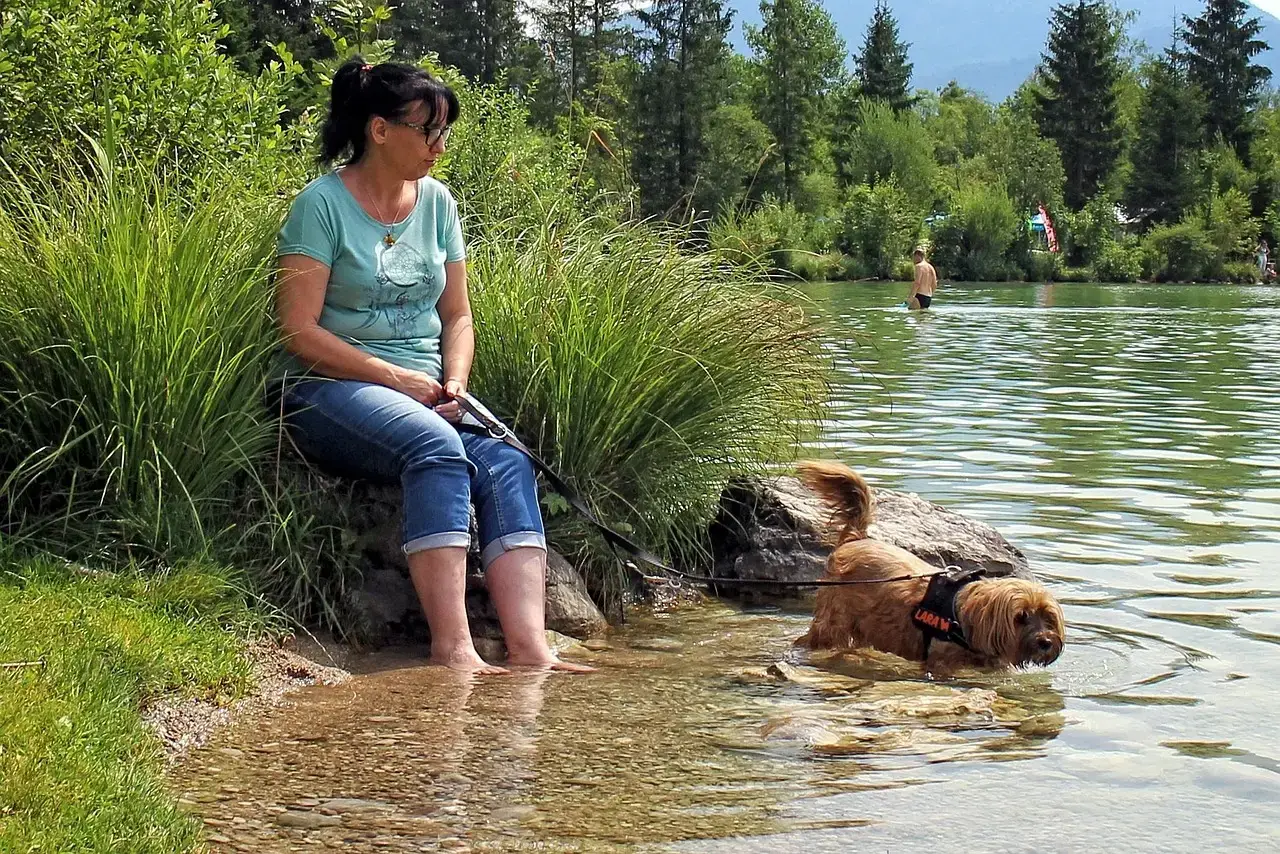
Here’s the thing most puppy parents don’t realize at first: your energy directly influences your pup’s behavior. Dogs are extremely empathetic animals who often mimic the emotions their owners feel. When you’re stressed, frantic, or even overly excited, your puppy picks up on that vibe and mirrors it right back at you.
The best way to deal with an over-excited puppy is to remain calm. This means don’t exhibit how frustrated you might be and always keep a slow and even tone of voice to help your puppy settle down. I know it sounds simple, but in the moment when your puppy is gnawing on your favorite shoes, staying zen takes serious practice. Take a breath, slow your movements, and speak softly. Your calm becomes their calm.
Teach a Settle Command Using Rewards

One of the most powerful tools in your arsenal is teaching your puppy a settle cue. This isn’t about forcing them into submission, but rather showing them what calm looks like and making it worthwhile. Start with your dog on a leash in a quiet room. Stay calm and ignore your dog and wait for them to settle, and eventually they will lie down. When they do, praise and reward them with a treat.
The goal is for your pup to start associating the word “settle” with their calm behavior. For this to happen you need many repetitions. Practice this throughout the day, capturing those moments when your puppy naturally chills out. Gradually, they’ll start offering calm behavior more often because they’ve learned it earns them good things. Think of it like teaching them that being mellow pays dividends.
Redirect Energy Into Healthy Outlets
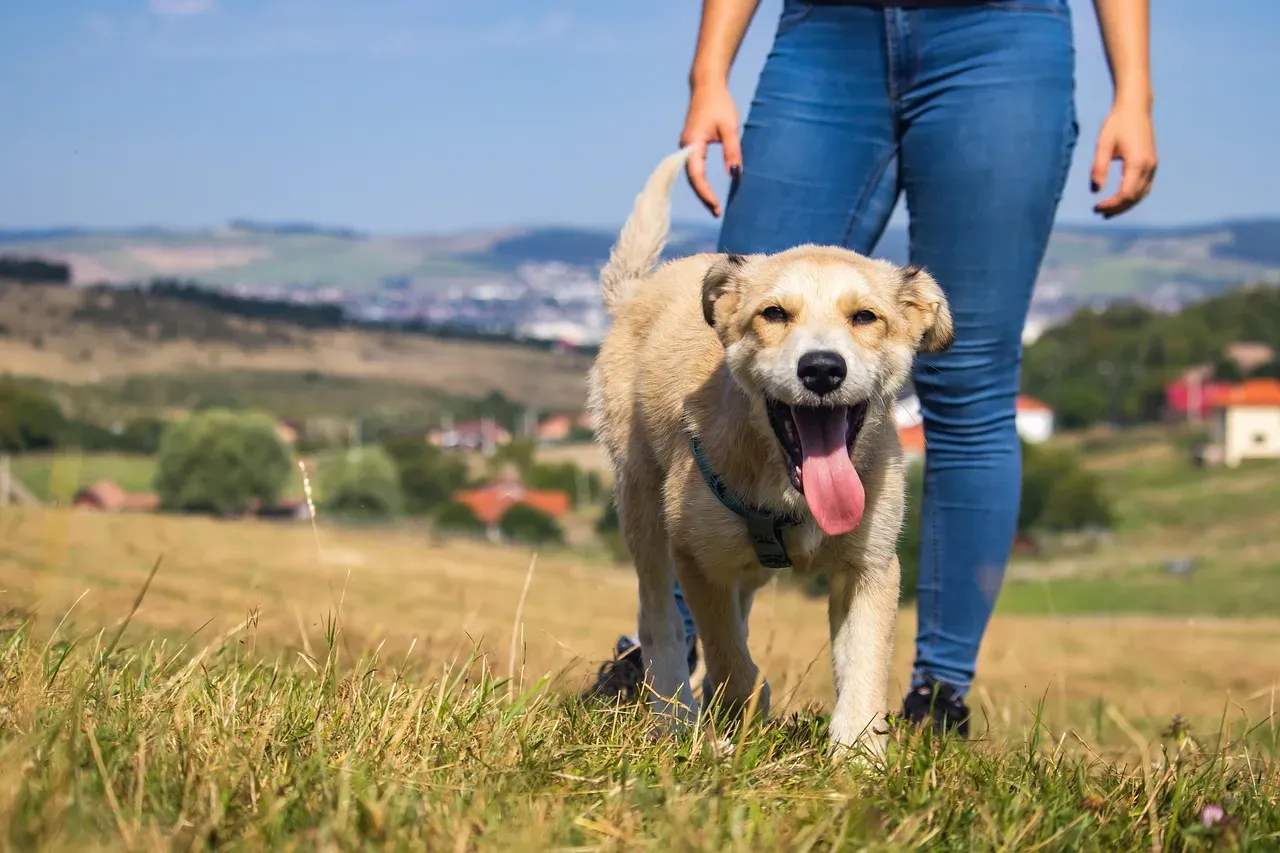
Some of the most common reasons behind puppy hyperactivity are boredom, over-stimulation, feeling over-tired, or responding to your own over-excited behavior. Sometimes your puppy just has pent-up energy that needs somewhere to go. One of the best ways to manage over-excitement is to direct your puppy’s energy toward something healthy like an activity or toy.
When you notice the zoomies starting to build, redirect them to structured play like fetch or give them access to puzzle toys and chew toys. It’s the ideal way to manage their energy, encouraging calmer behaviour and helping them to learn good habits. The key is offering appropriate outlets before they spiral into chaos. A tired puppy who’s worked their brain and body is far more likely to settle peacefully.
Ignore Hyperactive Behavior Strategically
This one feels counterintuitive because our instinct is to react when our puppy goes bonkers. When your puppy is acting hyper, any sort of attention that you give them will reinforce their behavior. So, as soon as your puppy starts getting over-excited, take a step back from the situation and completely ignore your puppy. Don’t speak to them, don’t make eye contact, and don’t touch them.
Turn away if they jump or paw at you. Wait it out until they calm down, even if it takes several minutes. When they finally manage to calm down, use high-value treats, rather than toys, to reward them. Keep your voice calm and relaxed when rewarding your pup. This teaches them that wild behavior gets them nothing, while calm behavior gets them everything they want.
Balance Physical and Mental Stimulation
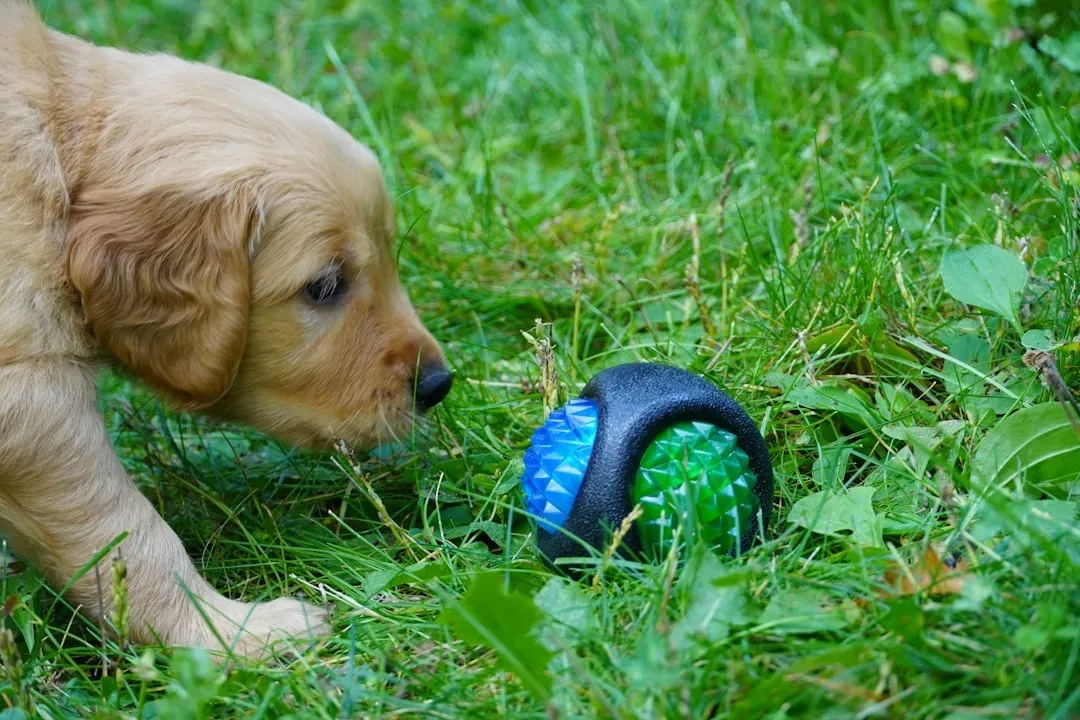
Let’s be real, a bored puppy is a destructive puppy. Most often though, hyperactivity is the result of a lack of mental stimulation. While physical exercise is crucial, mental workouts can be just as exhausting for your pup. The mental exercise of training can be just as tiring as physical exercise for our dogs.
Explore four areas of exercise: physical, mental, sniffing and chewing. Mix up daily walks with training sessions, nose work games, and puzzle feeders. Do training sessions each day with your pup as this really exercises their brain and tires them out beautifully. A puppy who’s mentally engaged is far less likely to bounce off the walls. Think of it like giving them crossword puzzles for their brain.
Create a Consistent Daily Routine

thrive on predictability. Chaos breeds chaos, so establishing a solid routine helps your puppy know what to expect and when to wind down. Make sure you have a regular schedule for your puppy’s mealtimes, potty breaks, and bedtime, so they can grow more easily adjusted to their new life in your home.
Your dog must have a daily routine that includes walk/play times, feeding, time playing alone, and sleeping times. When understand the rhythm of their day, they’re less anxious and more capable of settling during downtime. Structure doesn’t stifle their spirit; it actually gives them the security to relax. Plus, you’ll notice patterns in when they tend to get wired, which helps you stay ahead of the curve.
Use the Crate as a Calm Space
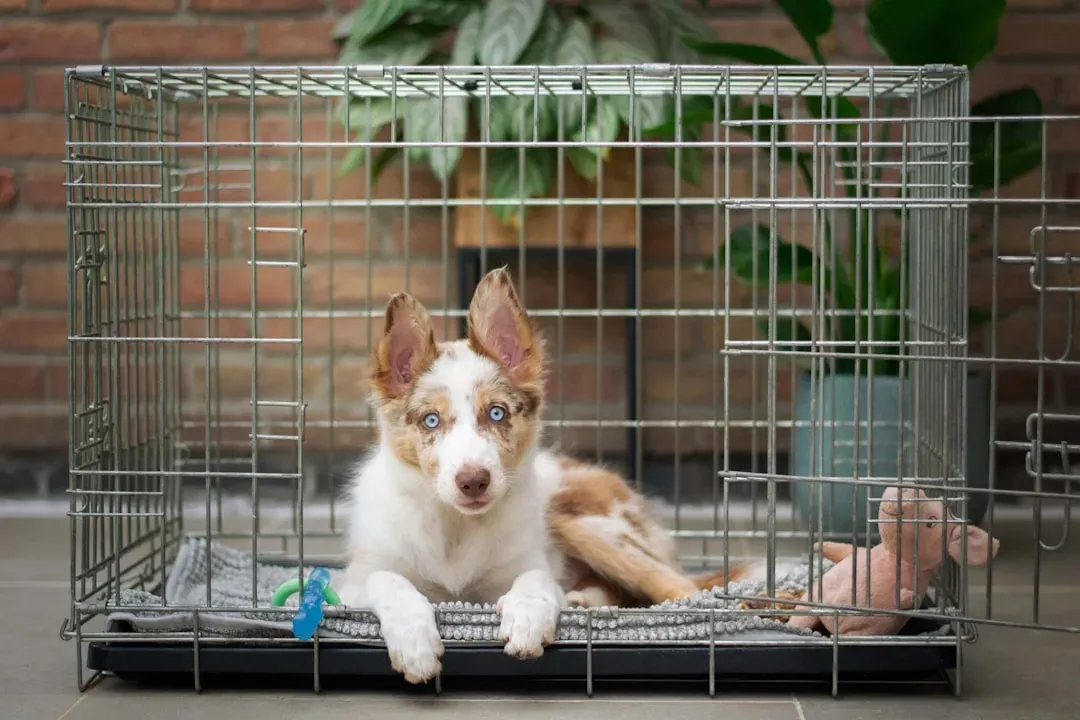
Crates get a bad reputation, but when used properly, they’re actually lifesavers for managing over-excitement. Teach your pup to love “their room,” aka their dog crate – a place for naptime, downtime, time-outs and those times when you need to get something done without them under your feet. Dog crates are great places for to learn to calm themselves, to feel safe and to be still long enough to fall asleep.
If your puppy is overly excited, putting them in their crate with a stuffed chew toy is generally a good idea. We always emphasize that it is a safe environment, not a prison, so practice calm behavior outside of the crate and don’t overuse it. Think of it as their personal zen den where they can decompress. Just make sure you’re introducing the crate positively with treats and comfort, never as punishment.
Prioritize Rest and Enforce Nap Time
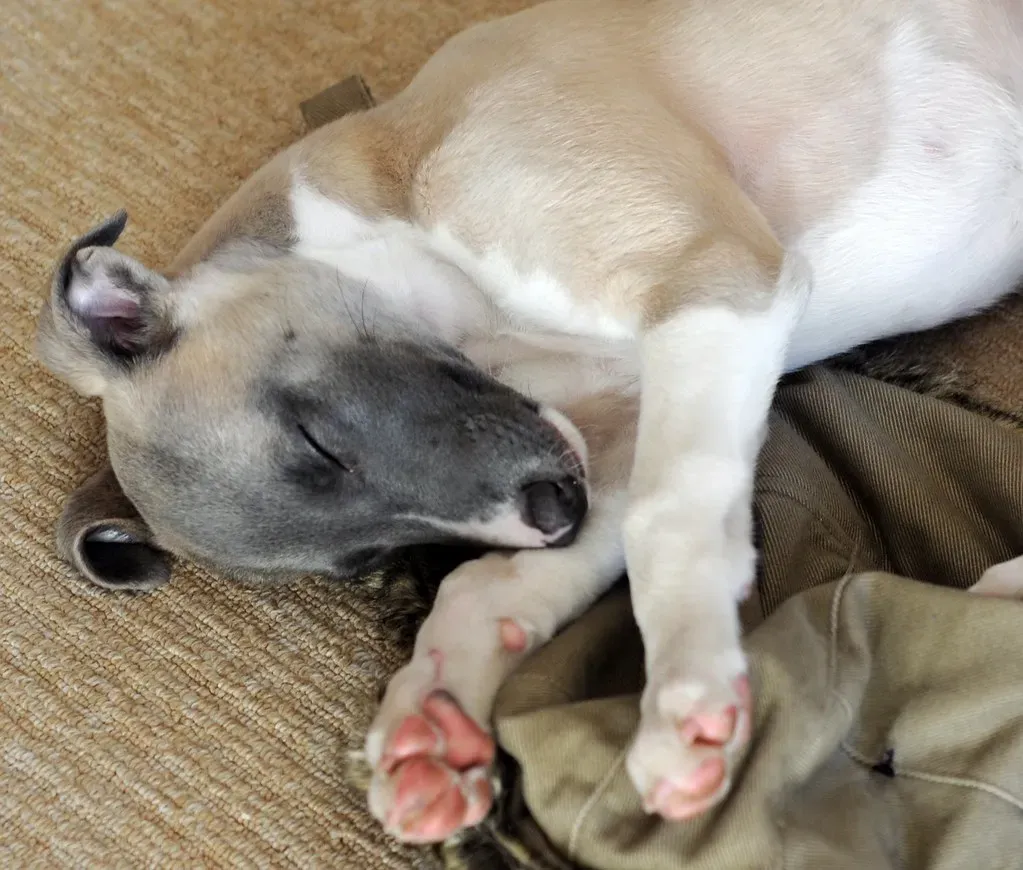
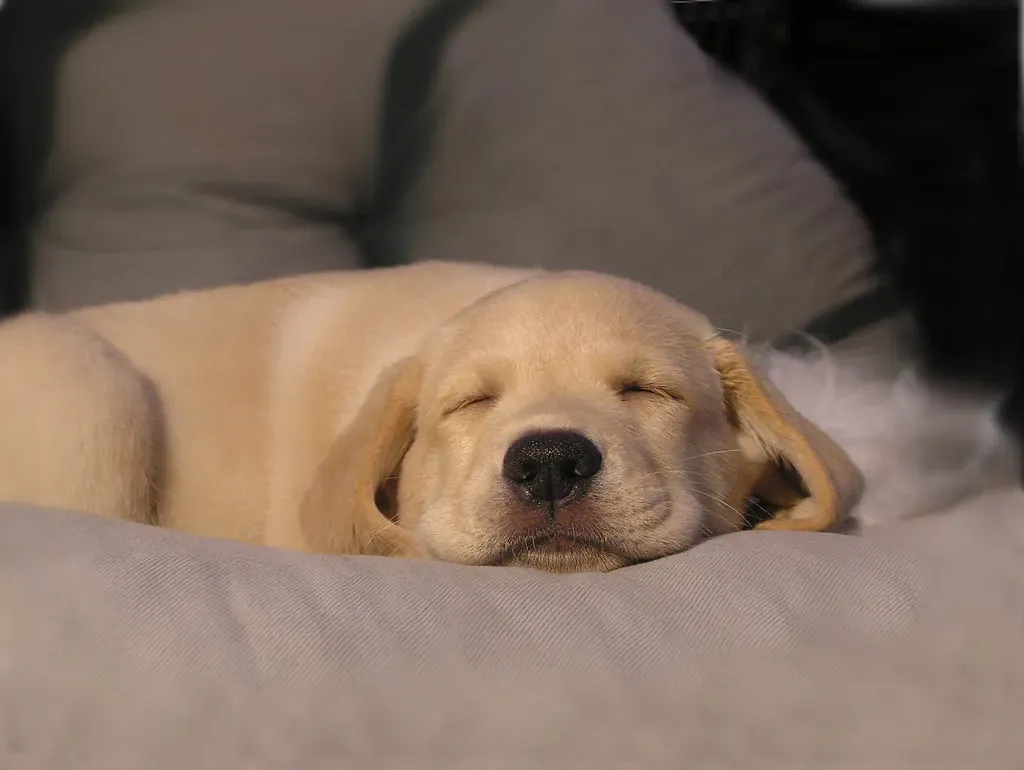
This might surprise you, but overtired actually become more hyperactive, not less. Often when a puppy’s biting becomes too much for the human to handle, it is not a training issue. Instead, over arousal or tiredness is to blame. need way more sleep than we often realize, sometimes up to eighteen hours a day for young ones.
are no different; skipped nap times often morph them into hyperactive furballs. Naps are their secret reset button. They lower the zoomies, ease the puppy stress, and help in processing those excellent training techniques you’re working hard on. Hence, weave nap times into their routine. If your pup is losing it in the evening, chances are they’re exhausted. Enforce quiet time in their crate or a calm space, even if they protest at first. A well-rested puppy is a manageable puppy.
Incorporate Sniffing and Scent Work
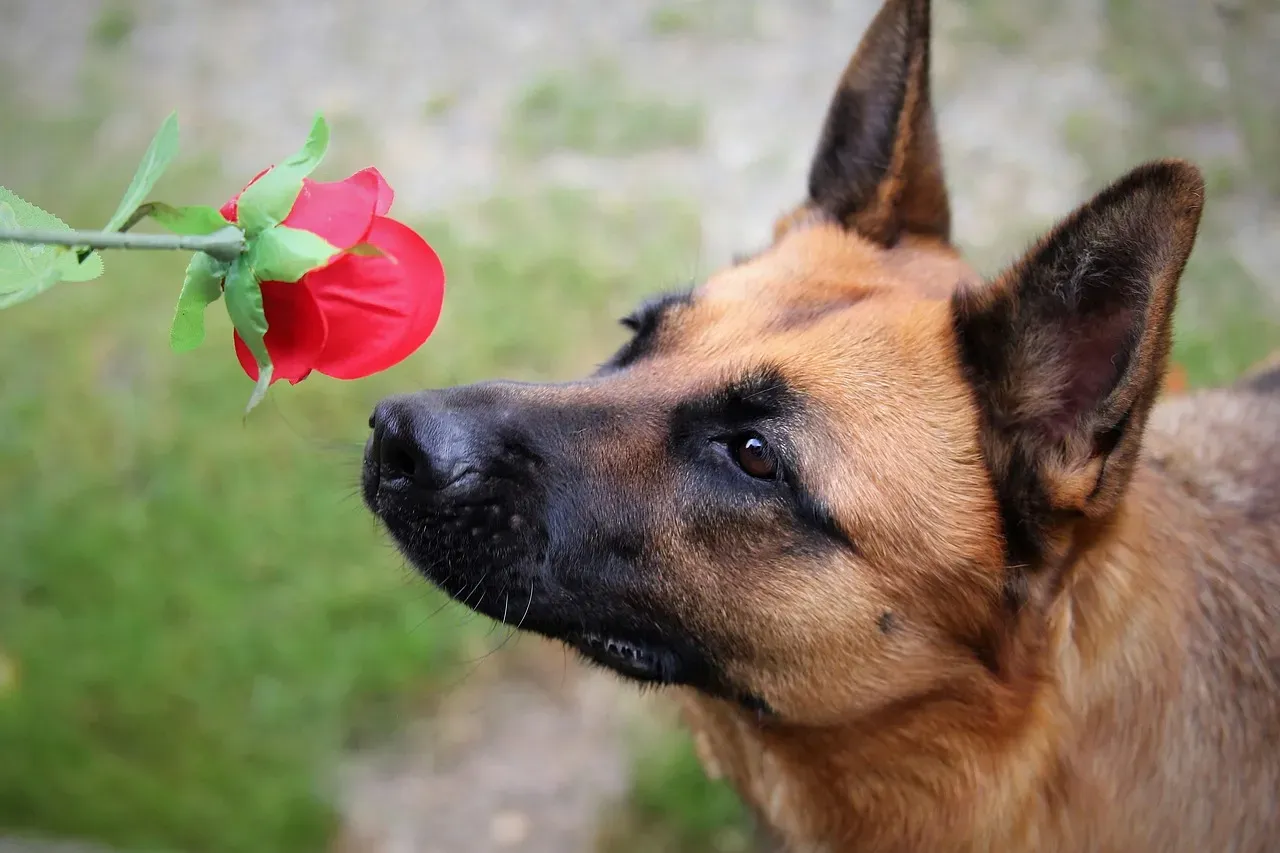
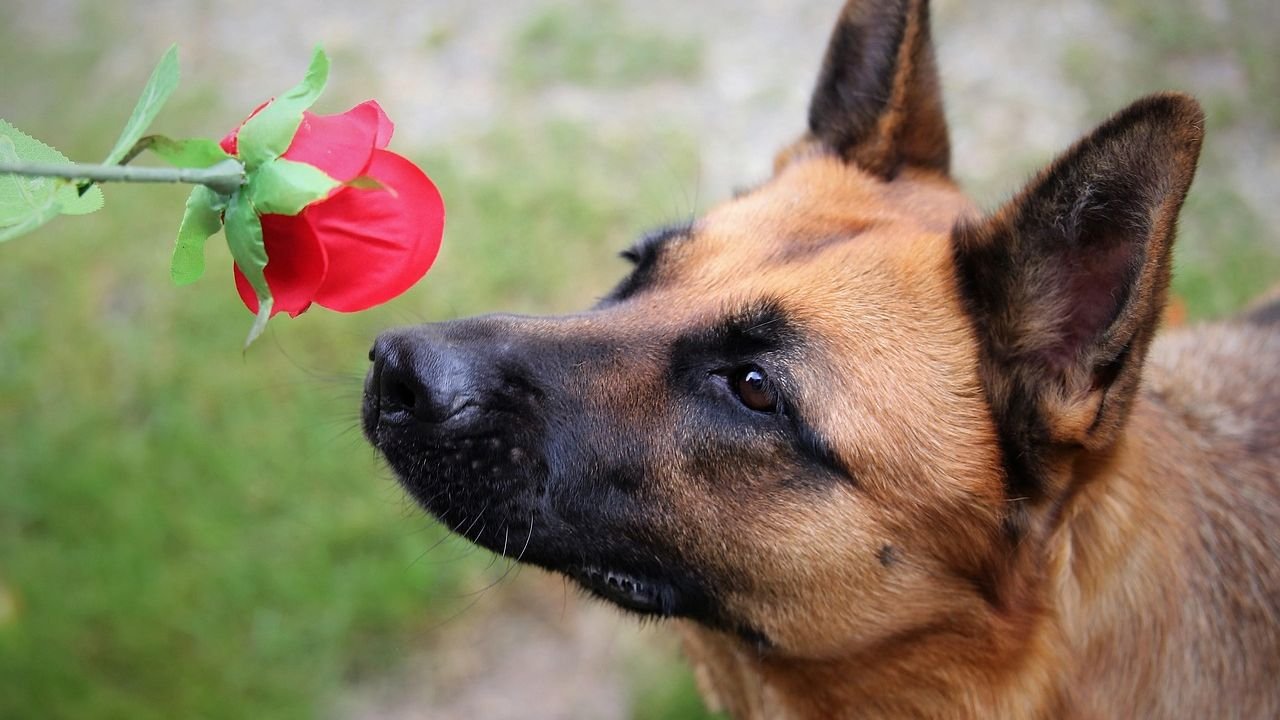
Our pets’ sense of smell is far superior to our own. Sniffing is a natural behavior and opportunities to sniff are enriching and stimulate the mind. The sniffing mat activity promotes calm and relaxation while fulfilling an instinctual behavior. When your puppy gets wound up, pulling out a snuffle mat or scattering kibble on the floor can work wonders.
If your puppy is going ‘ga ga’ and you haven’t taught them anything else, scattering treats into a snuffle mat or sprinkling treats on the floor can be a good tactic. Sniffing naturally lowers arousal levels and shifts their focus from chaotic energy to calm concentration. It’s like meditation for dogs. You can also hide treats around the house or yard and let them search, which taps into their natural foraging instincts while helping them decompress.
Teach Eye Contact to Break the Cycle

Teaching your puppy to make eye contact with you can be a great way of lowering arousal and calming them down. When your puppy is spiraling into over-excitement, getting their attention back on you can interrupt the pattern. Start practicing a simple “watch me” or “look” command during calm moments with high-value treats.
Once they’ve got it down, you can use it to redirect them when they’re starting to ramp up. When you ask the dog to do something and they do, activity is created in the prefrontal cortex (the “thinking” brain) so it immediately dampens anxiety fear or excitability in the emotional centres of the brain. This hack works because it shifts them from reactive emotional mode into thinking mode. It’s a reset button you can use anywhere, anytime.
Conclusion
Managing an over-excited puppy isn’t about squashing their joyful spirit or turning them into robots. It’s about teaching them balance and giving them the tools to self-regulate as they grow. Remember, your puppy will emotionally mature with age, and given appropriate training and socialization experiences, won’t get so stressed and frustrated with the world. Consistency, patience, and understanding are your best friends on this journey.
The wild puppy phase doesn’t last forever, even though it might feel endless at three in the morning when they’re bouncing off the furniture. With these hacks in your toolkit, you’re setting your puppy up for a lifetime of calm confidence. What surprised you most about managing puppy excitement? Share your experiences with us!


