

Have you ever noticed how your entire mood shifts the moment your dog greets you at the door? That tail wagging, those bright eyes, that pure, unfiltered joy at your arrival can melt away even the most stressful day. It’s more than just a feel-good moment.
There’s real science behind why dogs have such a powerful effect on our emotional health. From reducing anxiety to helping us navigate life’s toughest challenges, our canine companions are doing far more than keeping us company. Let’s explore how these incredible animals are quietly transforming our mental well-being in ways we’re only beginning to fully understand.
The Chemistry of Canine Comfort

When you pet your dog, something remarkable happens inside your body. Interacting with dogs can lower cortisol levels, the stress hormone, while increasing oxytocin, the “love hormone” associated with bonding and relaxation. Think of it like a natural reset button for your nervous system.
Students who interacted with cats and dogs had a significant reduction in cortisol, and just 10 minutes of interacting with dogs produced a significant reduction in cortisol levels. That’s faster than most meditation apps claim to work. The physical act of stroking your dog’s fur, feeling their warmth, hearing their contented sighs creates an immediate biological response that calms your entire system.
Simply petting a dog lowers the stress hormone cortisol, while the social interaction between people and their dogs actually increases levels of the feel-good hormone oxytocin. This chemical exchange isn’t one-sided either. Your dog experiences similar hormonal shifts, creating a beautiful feedback loop of mutual comfort and connection.
Dogs as Social Catalysts

Loneliness has become an epidemic in modern society. We’re more connected digitally than ever before, yet many of us feel profoundly isolated. Dogs change that equation in surprisingly simple ways.
Dogs are social magnets, and taking a dog out in public often leads to conversations and interactions with other dog owners, creating opportunities for social connection and support. I’ve seen it happen countless times at dog parks and on neighborhood walks. People who might never speak to each other suddenly bond over their dogs’ antics.
This social facilitation matters more than you might think. Evidence highlights the physical and mental health benefits of owning pets, including improved cardiovascular health, reduced anxiety, and decreased loneliness. That stranger who stops to admire your dog’s fluffy coat might become a friend, a walking buddy, or simply a familiar face that makes your neighborhood feel more like home.
The Routine That Rescues

Depression and anxiety often disrupt our daily structure, making it difficult to maintain healthy habits. Dogs don’t care if you’re having a bad mental health day. They still need to be fed, walked, and cared for, and that’s actually a gift.
Many pets, especially dogs, require a regular feeding and exercise schedule, and having a consistent routine keeps an animal balanced and calm – and it can work for you, too. When your brain is telling you to stay in bed all day, your dog is there with a leash in their mouth, gently insisting that life goes on.
This isn’t just about obligation. It’s about purpose and momentum. Getting up to care for your dog creates a domino effect. You’re dressed, you’re outside, you’re moving your body, and suddenly the day doesn’t seem quite so overwhelming.
Sensing What We Cannot Say
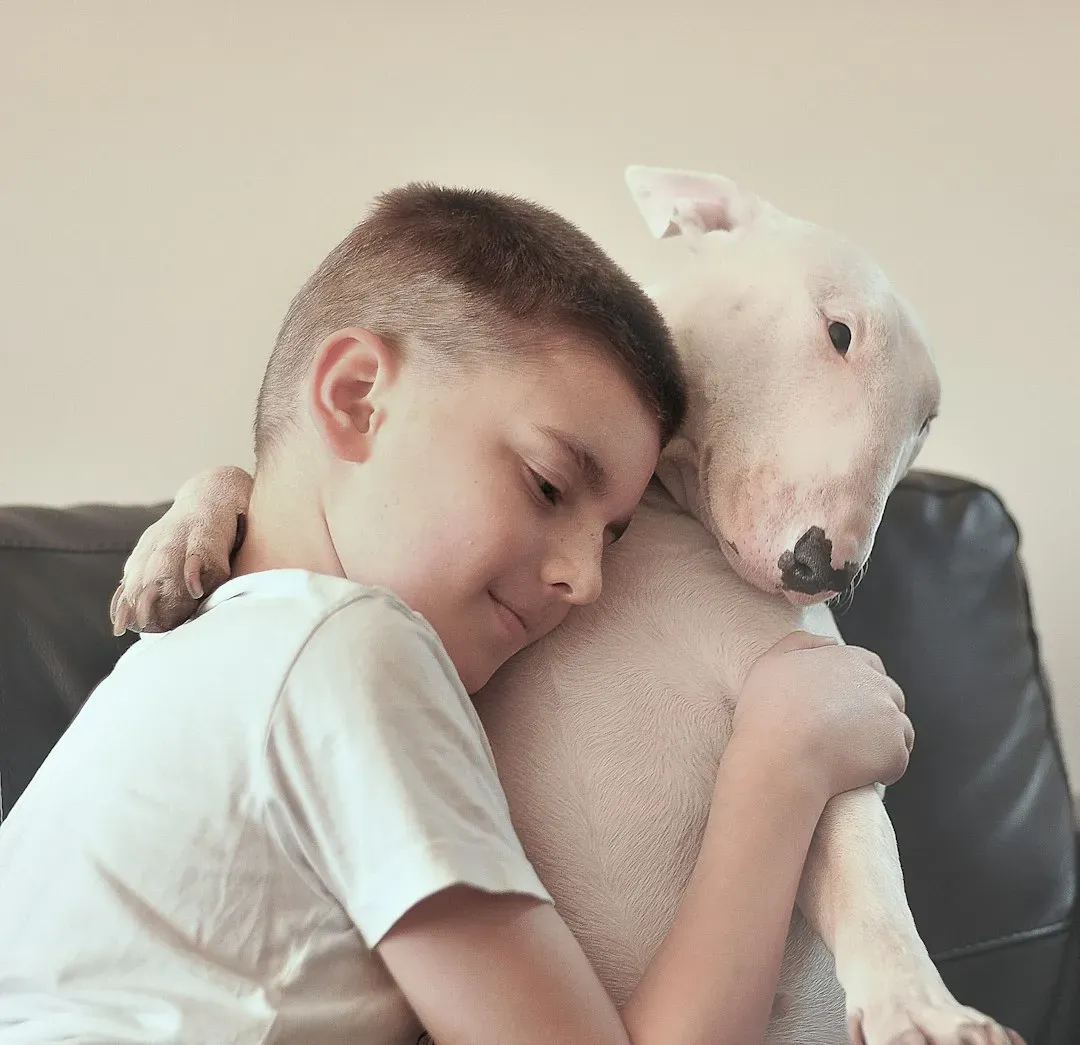
There’s something almost mystical about how dogs seem to know when we’re struggling. There is growing research suggesting that dogs have the ability to sense changes in human emotions, particularly those associated with depression and anxiety. They read our body language, detect subtle changes in our scent, and pick up on emotional cues we might not even recognize in ourselves.
Owners often report that their dogs become more attentive, clingy, or comforting during periods of heightened emotional distress, and some dogs may lay near their owners, nuzzle, or display other affectionate behaviors when their humans are feeling down or anxious. It’s like having a furry emotional support system that requires no explanation.
This intuitive awareness creates a unique form of validation. Your dog doesn’t judge your tears or question why you’re anxious. They simply offer their presence, and sometimes that quiet understanding is exactly what we need.
Breaking the Cycle of Negative Thinking

Depression often leads to cycles of negative thinking, however dogs can interrupt this cycle simply through their playful presence, and watching a dog wag its tail, chase after a toy, or snuggle up on the couch provides a gentle distraction from intrusive thoughts. They pull us out of our heads and into the present moment.
Because pets tend to live in the moment – they don’t worry about what happened yesterday or what might happen tomorrow – they can help you become more mindful and appreciate the joy of the present. There’s profound wisdom in the way dogs approach life. They don’t ruminate about past mistakes or catastrophize about the future. They’re just here, now, fully engaged with whatever is happening.
This mindfulness-by-example can be incredibly therapeutic. When you’re throwing a ball for your dog, you’re not dwelling on tomorrow’s presentation or yesterday’s argument. You’re just watching pure joy in motion, and that shift in focus can break negative thought patterns that fuel anxiety and depression.
The Emerging Science of Canine Companionship

Recent research has uncovered something fascinating about how dogs affect us at the most fundamental biological level. Results suggest that a family dog can change the microbiome in ways that support mental health, empathy, and prosocial behavior. This groundbreaking finding suggests the benefits run deeper than we imagined.
Researchers followed participants beginning at age 13 and found that owning a dog predicted higher mental health and improved behavioral scores, with adolescents with dogs at home showing notably fewer social problems compared to those without pets. The implications are stunning. Our dogs might be influencing not just our moods but the very bacteria that affect our brain chemistry.
The positive impact of the human-animal bond for mental well-being has been validated through decades of scientific research. What once seemed like anecdotal evidence or wishful thinking now has solid scientific backing. The bond we share with our dogs produces measurable, meaningful changes in our mental health.
Conclusion

The relationship between dogs and our mental well-being goes far beyond simple companionship. These remarkable animals lower our stress hormones, encourage healthy routines, facilitate social connections, and even alter our biology in ways that support emotional health. They sense our struggles without judgment and offer comfort without conditions.
Not everyone can have a dog, and that’s okay. Therapy dogs, visiting animals, or even spending time with a friend’s pet can provide some of these benefits. The key is recognizing that the human-canine bond is more than sentimental, it’s therapeutic in the truest sense.
Our dogs ask for so little and give so much. They’re not a cure-all for mental health challenges, and professional support remains crucial when needed. Yet in their own quiet, tail-wagging way, they’re helping us heal, one moment at a time. What has your dog done for your mental health today? Share your story, because these connections remind us we’re never truly alone.


