

There’s something special about watching your dog’s face turn silver, those gentle grays creeping around their muzzle like wisdom badges earned through years of devotion. Yet as our beloved companions transition into their golden years, many of us face a quiet heartbreak: seeing them slow down, struggle with stairs, or lose interest in things they once loved. The thing is, senior dogs still need movement and mental challenges to thrive.
Slowing down doesn’t mean shutting down. Honestly, I think we sometimes make the mistake of treating older dogs like fragile antiques, when what they really need is thoughtful engagement that honors where they are right now. This guide will walk you through practical, compassionate ways to keep your senior dog both physically active and mentally sharp, without pushing them beyond their limits.
Shorter, Gentler Walks Are Your Best Friend
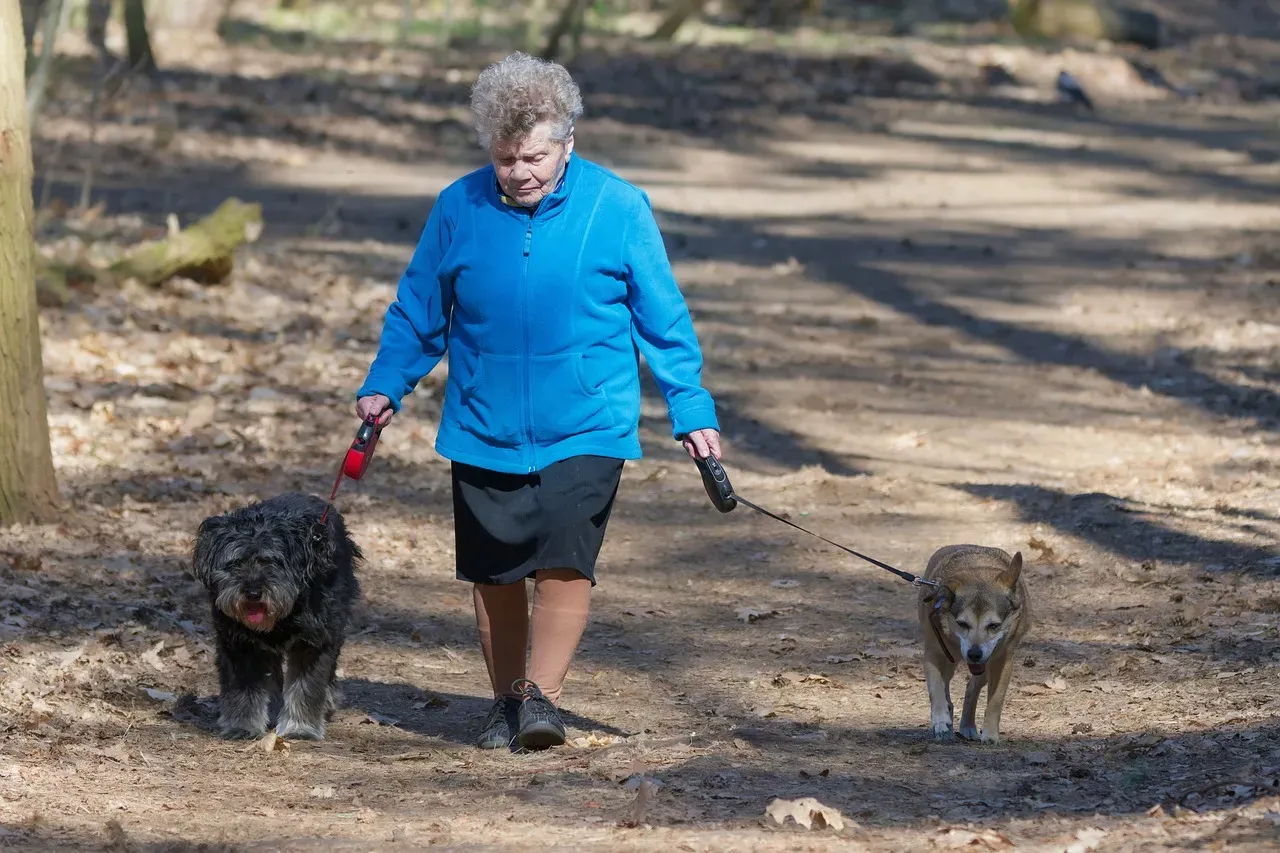
Walking remains an excellent, low-impact exercise that promotes a healthy body and mind for aging dogs. The key here is adjusting expectations. Your senior pup might not handle the three-mile loop they once conquered with ease, yet shorter, more frequent outings can be just as beneficial.
Regular walks are essential for most dogs, allowing your pet to go at their own speed and bringing them in when they begin to show signs of fatigue. Think about varying your routes too. Changing up daily experiences by taking different routes exposes dogs to a variety of new exciting sights, smells, and sounds, which keeps their minds engaged even when their bodies need to move slower.
Watch for signs they’re overdoing it. Heavy panting, lagging behind, or sitting down mid-walk are clear signals it’s time to head home. Some days will be better than others, and that’s perfectly normal.
Swimming Offers Total-Body Exercise Without the Stress
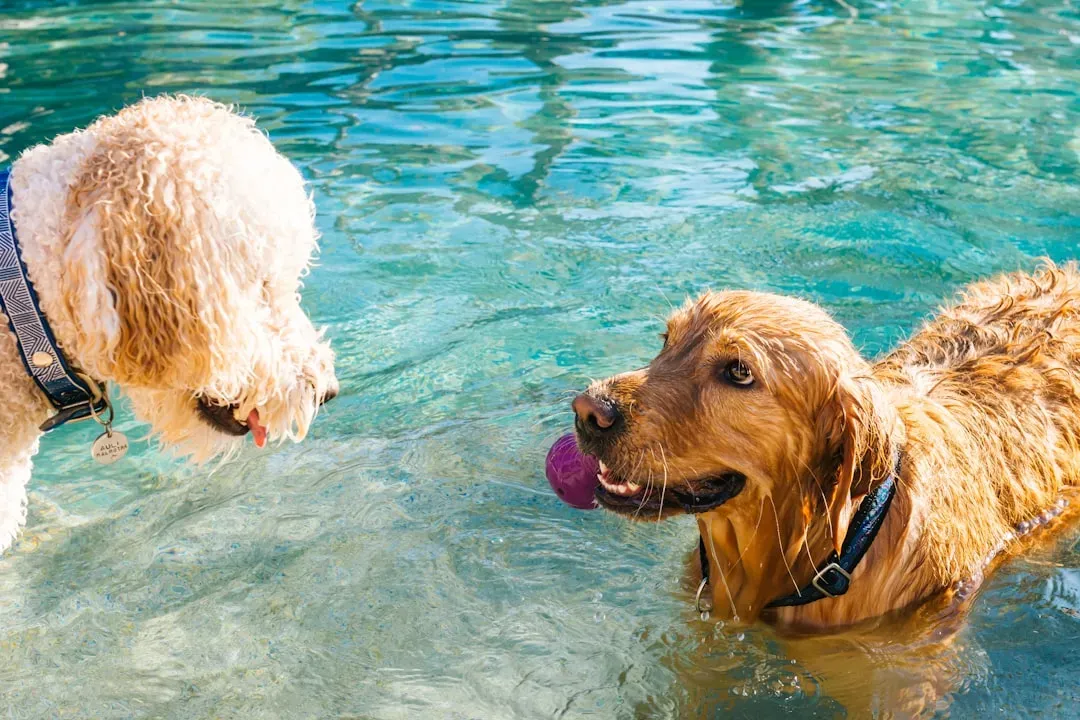
Swimming is an excellent total-body exercise for senior pups, particularly for those dealing with joint issues. The water supports their weight, taking pressure off aging hips and knees while still allowing them to move freely and build muscle strength.
Not every dog is a natural swimmer, though. Small dogs may struggle to stay afloat, and some breeds like dachshunds and Corgis aren’t well adapted for swimming because of their long backs. If your dog has always loved the water, this can be a wonderful option. Start slowly in shallow areas and never leave them unsupervised.
Consider dog-specific pools or hydrotherapy facilities where professionals can guide safe water exercise. Underwater treadmills and wading pools allow dogs to exercise their muscles while water takes pressure and stress off joints. These controlled environments can be especially helpful during colder months when outdoor swimming isn’t an option.
Mental Stimulation Through Puzzle Toys and Scent Games
Here’s something that surprised me when I first learned it: learning a new trick takes mental focus and challenges a dog’s brain, with one 15-minute training session potentially leaving a dog more tired than a 30-minute walk. The brain needs exercise just as much as the body does.
Scent games such as looking for treats or a favorite toy are a wonderful way to engage senior dogs, even those with dementia. Hide treats around the house or yard at varying difficulty levels. Start simple and gradually make it more challenging as they get the hang of it.
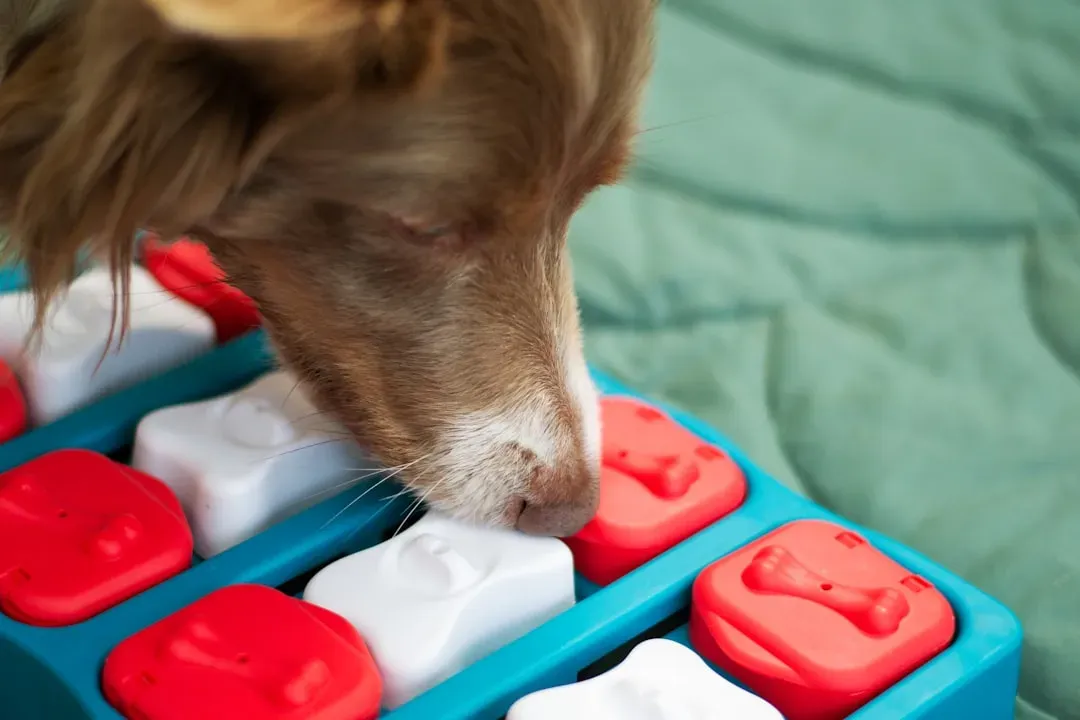
Puzzle feeders serve double duty by slowing down eating while providing cognitive enrichment. Puzzle toys that dispense treats keep dogs engaged as they figure out how to retrieve the reward. Rotate different types of puzzles to maintain novelty and prevent boredom. This matters more than you might think, because bored senior dogs can develop destructive behaviors or sink into depression.
Gentle Training Sessions Keep Minds Sharp
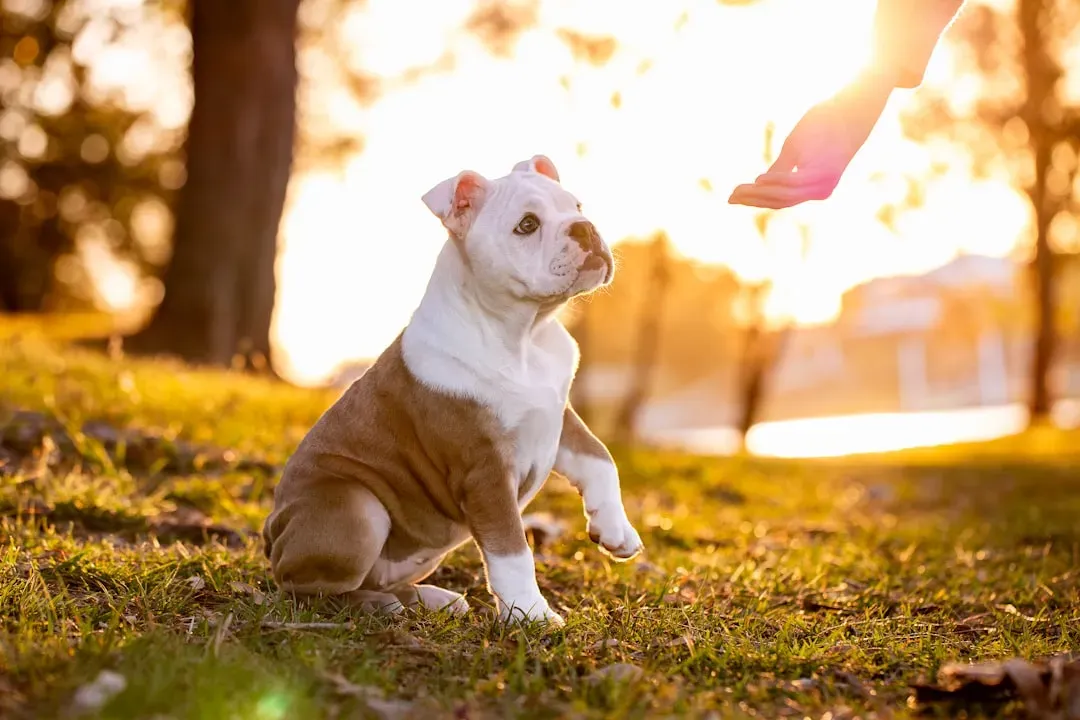
You can definitely teach an old dog new tricks, and learning new commands or tricks provides mental stimulation and a challenge that can slow down cognitive decline. The process itself is the reward, not perfection.
Positive reinforcement training is a great tool for senior dogs because it’s mentally stimulating but doesn’t require physical exertion. Keep sessions short, perhaps five to ten minutes, and always end on a positive note. Celebrate small victories with enthusiasm.
Work on both old and new behaviors. Practice old commands and slowly add in a few new ones to provide simple exercise and mental stimulation. Teaching something as simple as touching their nose to your hand or learning the names of different toys exercises their brain. Remember, patience matters more than speed during these golden years.
Low-Impact Exercise Through Cross-Training Activities
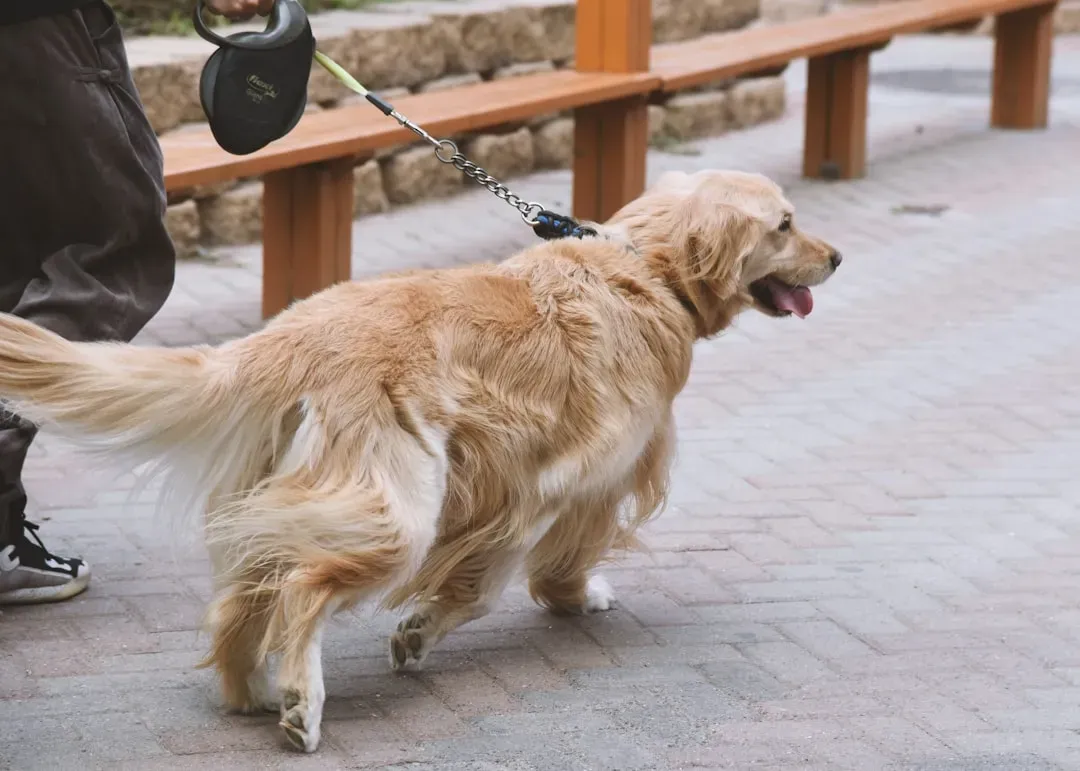
Cross-training allows certain areas of the body to rest while building strength in others, which prevents overuse injuries. This doesn’t mean your senior dog needs to become a canine athlete, just that variety helps maintain overall fitness.
Activities like yoga for dogs, dog Pilates, and other specialized classes offer mental stimulation and physical benefits while targeting different muscle groups. Local training centers sometimes offer senior-specific classes where the pace is gentler and instructors understand aging dogs’ limitations.
Simple at-home exercises work too. Simple obstacle courses using at-home agility training sets easy for older dogs to tackle provide great exercise for mind and body. Set up cones for them to weave through slowly, or place a low board for them to step over. Adapt everything to their current ability level, not what they could do years ago.
Maintaining Healthy Weight and Joint Support
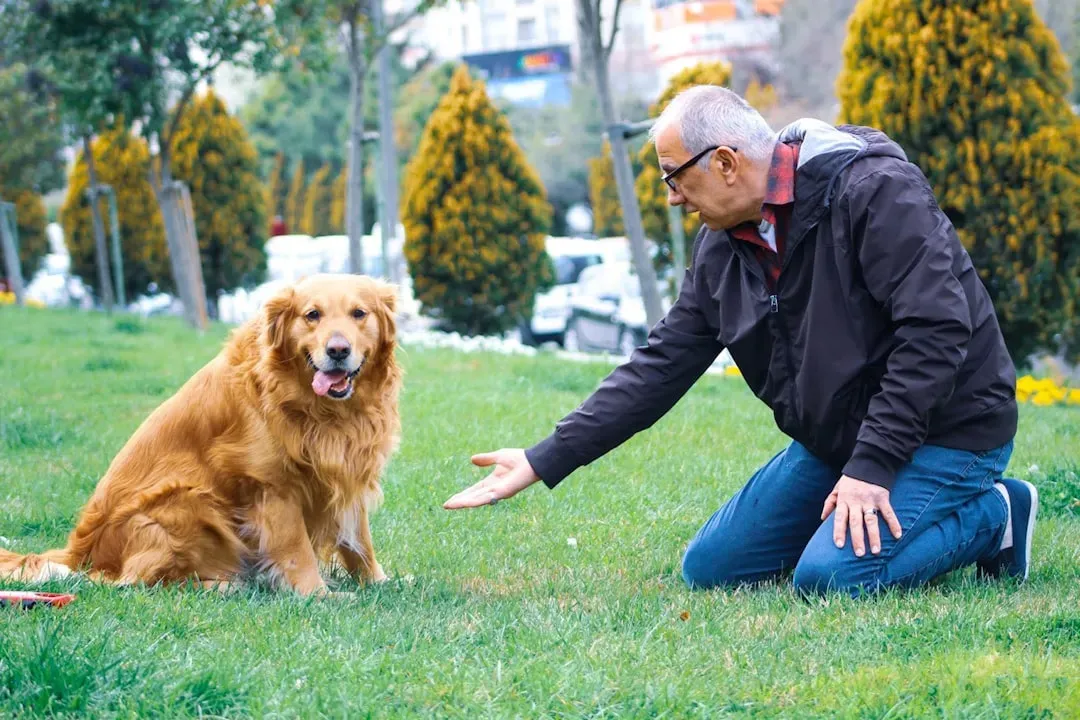
Let’s be real: extra pounds make everything harder for aging joints. Dogs still need enough activity to maintain healthy weight and cardiovascular health, as too little activity can lead to obesity, and additional weight places significant wear and tear on joints causing substantial increased pain.
Maintaining healthy weight is one of the most important factors in managing joint health, and even modest weight loss can significantly reduce stress on joints and improve comfort and mobility. Talk with your veterinarian about appropriate portions and senior-specific foods that support joint health without packing on calories.
Joint supplements can make a meaningful difference. Most senior dogs can benefit from joint supplements and omega-3 fatty acids, which promote joint, brain, and heart health. Common ingredients like glucosamine, chondroitin, and omega-3 fatty acids support cartilage and reduce inflammation. Quality matters here, so choose reputable brands and discuss options with your vet before starting any supplement regimen.
Creating an Enriching Environment at Home
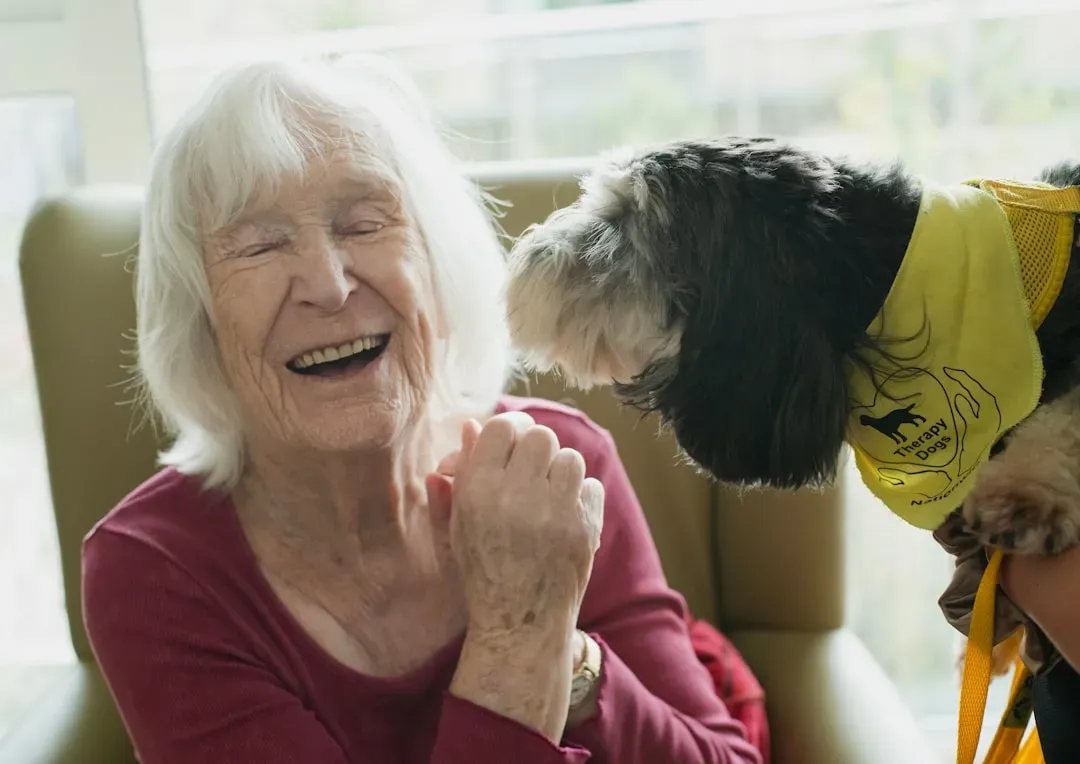
Activities like car rides, gentle massages, and scent trails engage senses and bring joy, while providing a variety of textures, sounds, and smells can enrich their environment and reduce anxiety. Sometimes the simplest changes make the biggest impact on quality of life.
Provide a variety of toys and rotate them regularly to keep them interesting, create a puzzle toy station with challenging puzzles and treats, and set up a scent work area with hidden treats and toys. Fresh experiences don’t have to be complicated or expensive.
Consider mobility aids around your home. Ramps for accessing furniture or vehicles, non-slip rugs on slippery floors, and orthopedic beds all contribute to comfort and confidence. Mobility aids such as harnesses, ramps, and dog wheelchairs can greatly benefit senior dogs by supporting their physical activity and helping alleviate strain on joints and muscles. Small accommodations can preserve their independence and dignity.
Social Interaction and Continued Exploration
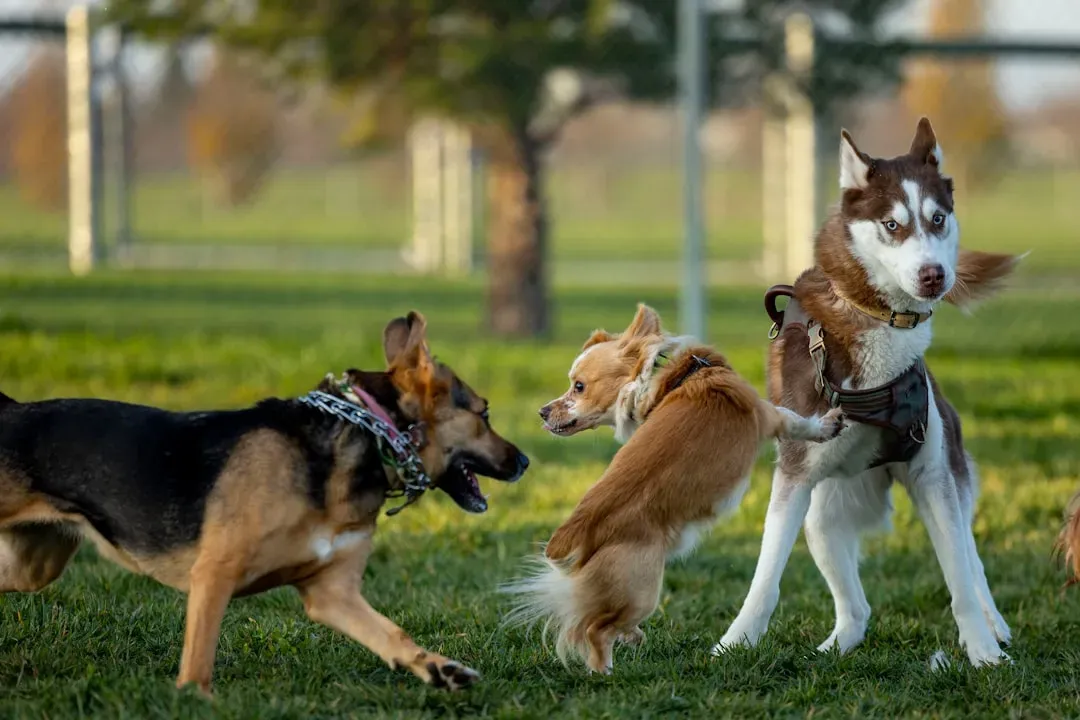
In some areas, senior dog groups gather regularly to allow older dogs to socialize and play without worrying about injuries, and some dog parks cater to senior dogs providing gentle play, socialization, mental enrichment, and physical exercise. Finding appropriate playmates matters because young, energetic dogs can accidentally overwhelm or injure fragile seniors.
Senior dogs may not be able to be as active as younger dogs, but taking them to new places like a new park, pet-friendly store, or friend’s house can be really good for them. The stimulation of different environments fights cognitive decline. Even a simple car ride to watch the world go by counts as enrichment.
Keeping mobility-impaired dogs’ brains active matters, and investing in a quality dog carrier backpack or stroller gives an easy way to carry your dog for entire walks or when they get tired, allowing them to take in sights, sounds, and smells without physical exertion. There’s zero shame in using aids that extend your adventures together. What matters is the experience, not how you get there.
Conclusion
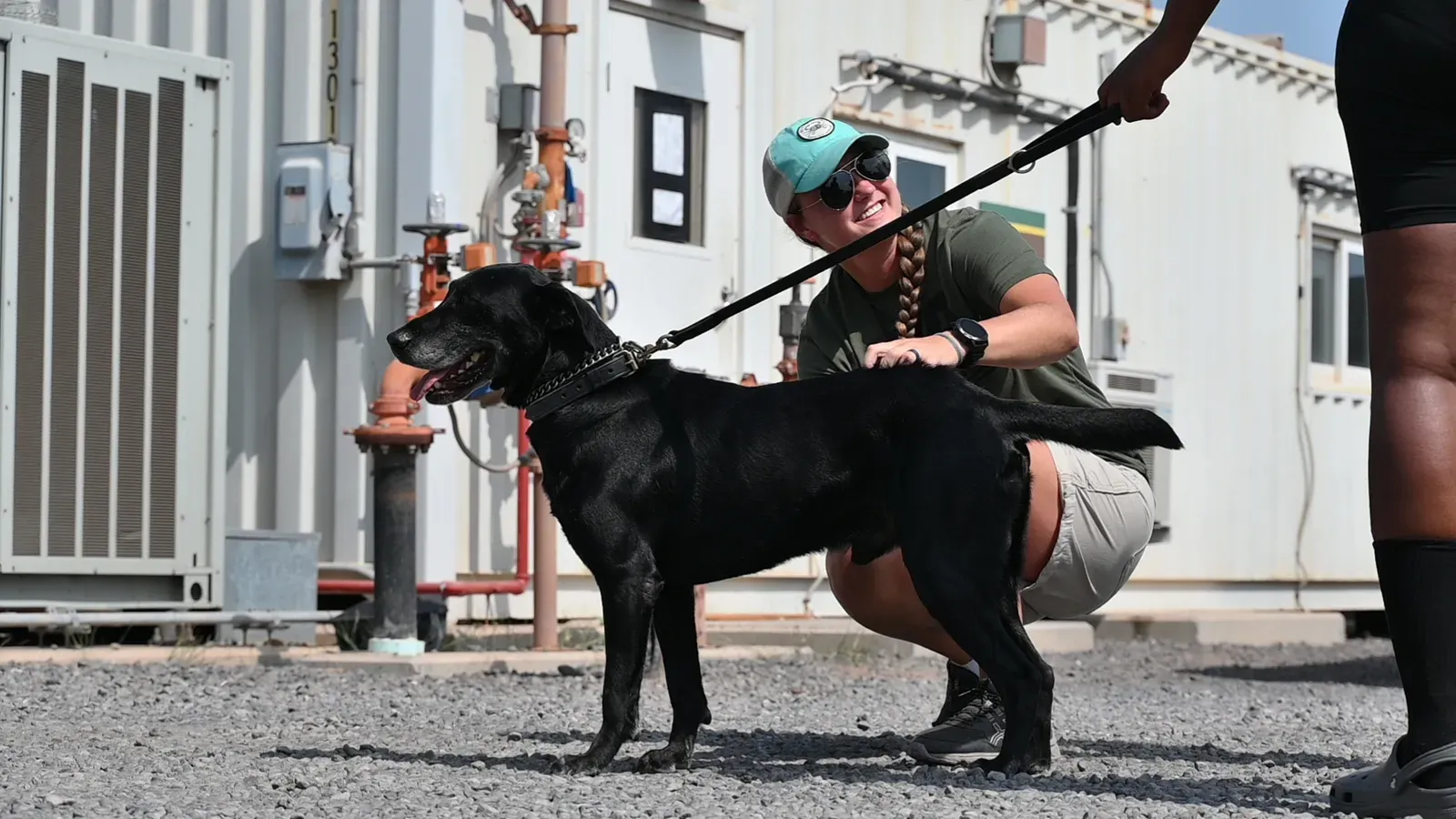
Research reveals a robust negative association between physical activity and cognitive decline, with higher levels of physical activity associated with better cognitive outcomes in dogs. This means the effort you invest in keeping your senior dog active genuinely protects their brain health and extends quality time together.
The golden years don’t have to mean the end of joy, adventure, or growth. They simply require us to adapt, to listen more carefully to what our dogs are telling us through their body language, and to find creative ways to meet them where they are. Some days will be harder than others, yet every gentle walk, every puzzle solved, every new smell discovered adds up to a life still worth living fully.
Senior pets should have checkups with their vet every six months, as regular wellness visits help catch disease processes early so necessary treatment can be started as soon as possible, helping to prolong quality of life. Partner closely with your veterinarian to create a personalized plan for your specific dog.
What small change could you make today to brighten your senior dog’s world? Maybe it’s hiding treats for a scent game, or perhaps taking a different route on your evening walk. The beauty of caring for aging dogs is discovering that slowing down doesn’t mean stopping. It means savoring.


