
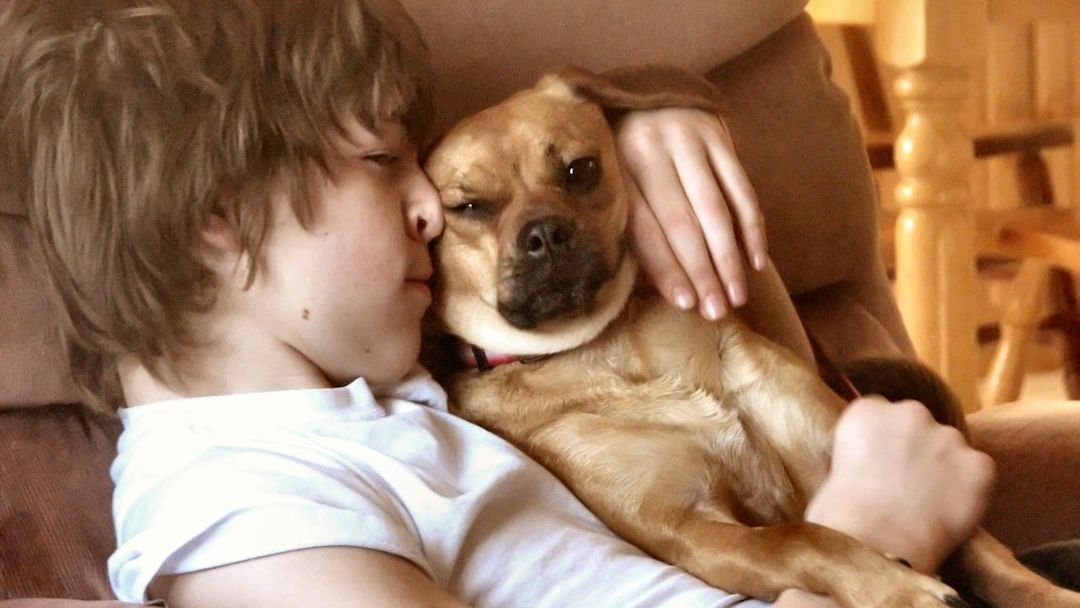
Think about the last time your dog looked at you with those soulful eyes or leaned against your leg during a thunderstorm. Something profound was happening in those moments, something far beyond simple cuddles. The way you show love to your dog isn’t just nice to have. It actually molds who they become.
Every touch, every word of praise, every moment of connection creates ripples in your dog’s emotional world. These interactions don’t just make your pup feel good in the moment. They’re quietly shaping their confidence, their fears, their entire approach to life. Let’s dig into exactly how your affection transforms your furry friend from the inside out.
The Chemistry of Connection
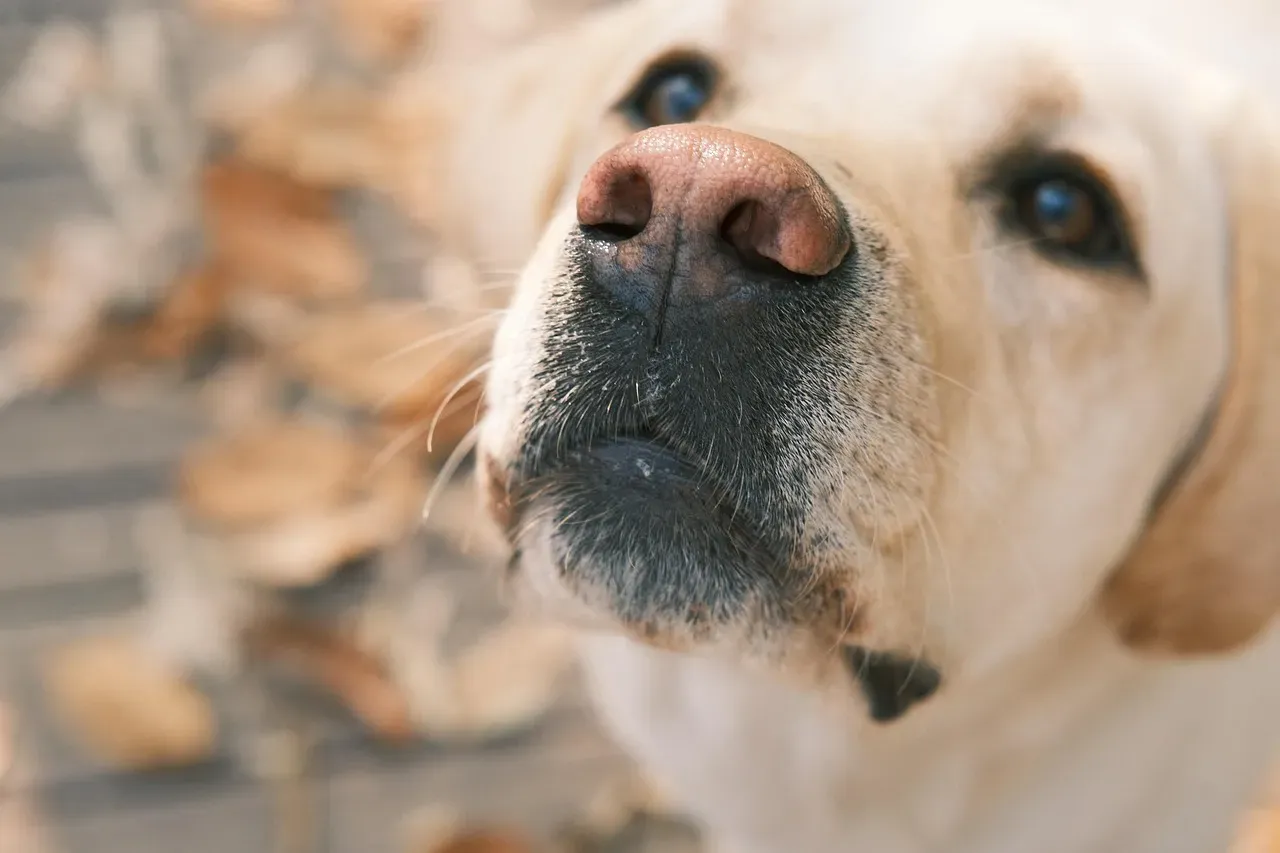
When you gaze into your dog’s eyes, something remarkable happens at a biological level – both of you experience a surge in oxytocin, creating the same positive feedback loop seen between mothers and their infants. This isn’t just poetic language. Mutual gazing actually increased oxytocin levels, and oxytocin increased gazing in dogs, creating a self-reinforcing cycle of bonding.
Here’s the thing though. An increase in dogs’ oxytocin levels was associated with affiliation being reciprocated, rather than with the sole act of providing it or receiving it, suggesting that social contact alone is not sufficient to raise oxytocin levels. Your dog can tell the difference between genuine affection and mechanical petting.
Think about what this means for your daily interactions. Dogs produce oxytocin when touched, just like we do. The hormone affects everything from stress levels to social bonding, and you control the tap.
Touch as a Language
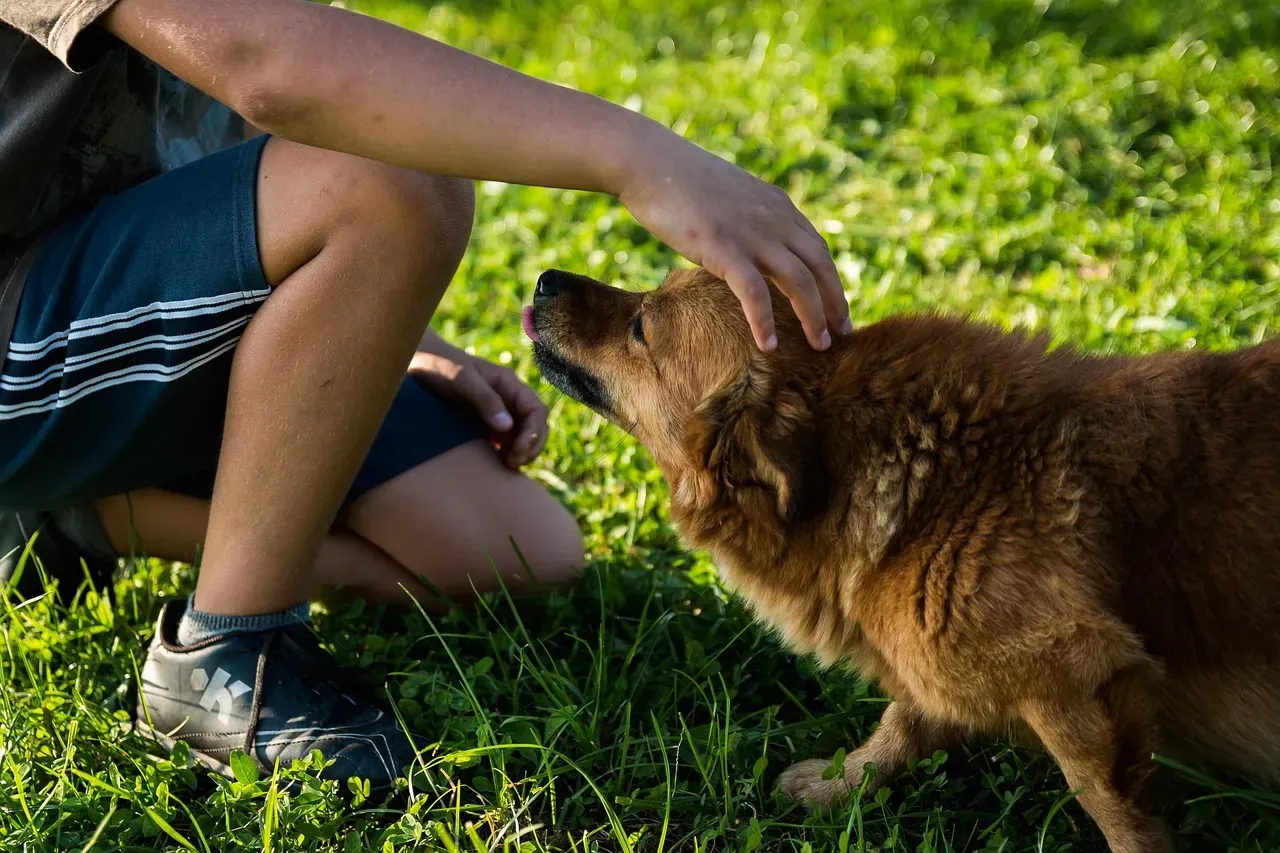
Your hands speak volumes to your dog. Physical contact affects communication, and when we pet, stroke, rub, and rough-house with our dogs, it’s a form of communication and influence that affects how they feel, how they behave, and even how well they learn.
Not all touch sends the same message. To use touch to promote calm in your dog, the key is to use slow, gentle strokes, rather than quick pat-pat-pats or hearty rubs. Fast, energetic petting can actually wind up an already excited dog.
Touch helps form emotional bonds between the mother dog and her pups, and is a way to help promote socialization and social bonds with people, and for this connection, puppies should experience human touch from birth. Early touch experiences literally program your dog’s capacity for connection.
Building Confidence Through Affection
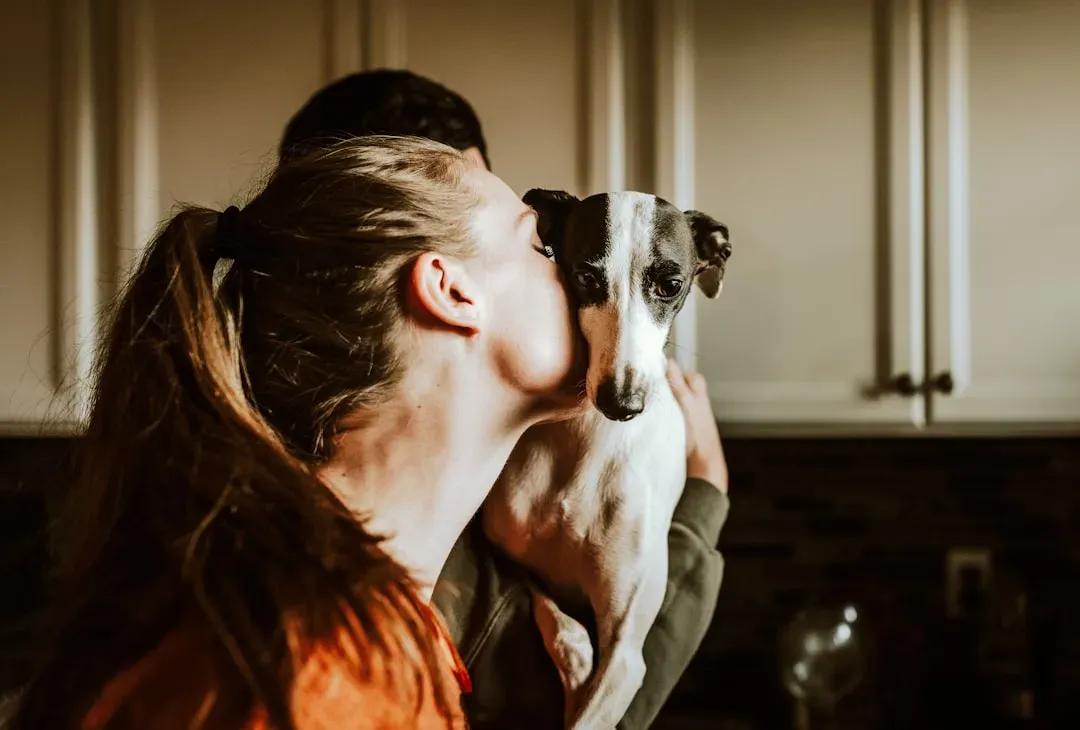
Dogs who receive positive reinforcement training, a regular exercise schedule, and plenty of love and affection demonstrate more social, outgoing behavior. Affection isn’t just a reward. It’s a building block of personality.
I’ve seen countless anxious dogs transform when their owners learned to provide strategic, meaningful affection. The best way to help a shy or fearful dog gain confidence is to expose them to what frightens them at a low intensity and pair this exposure with something positive, like a tasty treat. Your loving presence during scary moments teaches resilience.
The relationship works both ways. The Emotional Closeness factor in dog-owner relationships was related to increased heart rate variability, suggesting this aspect is associated with the secure base effect. Your dog literally feels safer at a physiological level when they trust in your bond.
When Affection Goes Wrong

Let’s be real – you can absolutely mess this up. Anytime you pet a dog, you are agreeing with whatever they happen to be doing at that time, and dogs weren’t just invading personal space, they were asking for attention in a way that masked an insecurity.
Comforting a trembling dog during a thunderstorm might feel natural, but it can reinforce fearful behavior. If you give your dog affection before you leave or when you enter, they will become more anxious at the time of the event, and making it a big deal will actually cause more anxiety.
Timing matters desperately. Strategic withholding of affection isn’t cruelty. It’s communication. When you ask your dog to earn praise through calm behavior, you’re teaching them emotional regulation.
The Emotional Closeness Factor
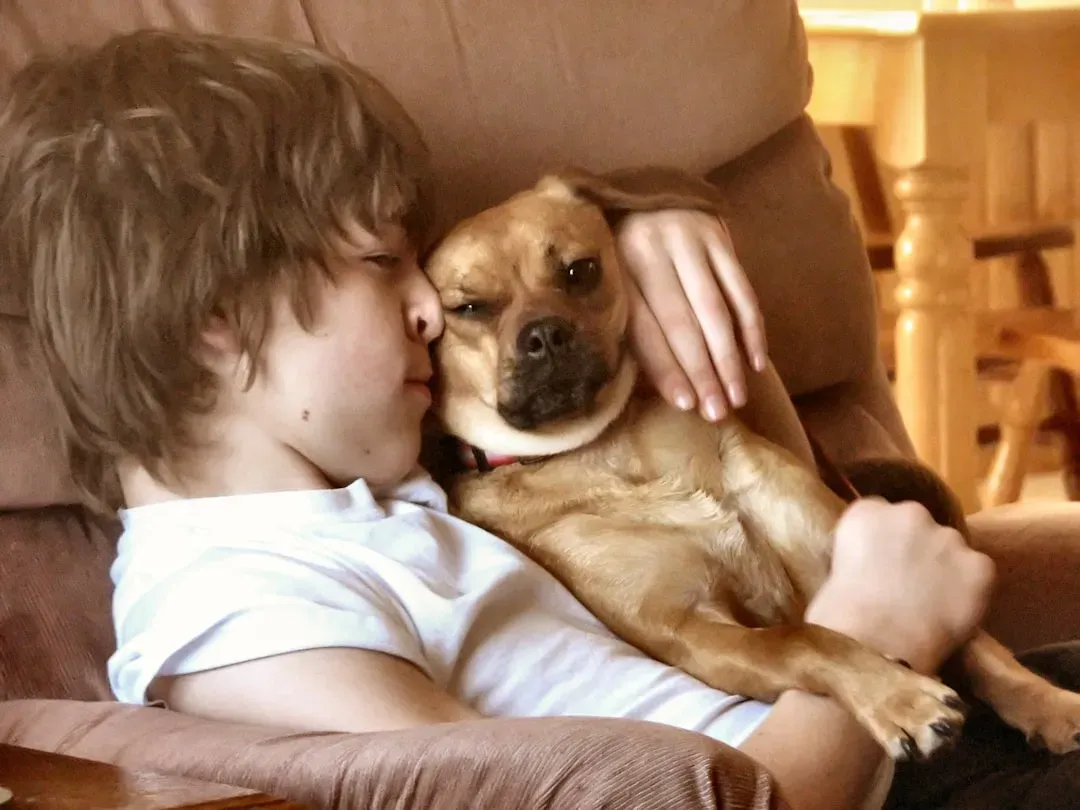
Both positive attitudes and affiliative behavior seem to contribute to a strong dog-human bond, as is apparently confirmed by hormonal changes that emerge in both dyad members. Your feelings toward your dog aren’t one-sided – they create a feedback loop that shapes both of your personalities.
Emotional reactions of dogs were mediated by the dog-owner relationship. The quality of your bond literally determines how your dog experiences the world. A dog with a secure attachment to you approaches novel situations with curiosity rather than fear.
Owner neuroticism and poor mental well-being are linked to anxious pet attachment in both dog and cat owners. Your own emotional state bleeds into development. They absorb your anxiety like a sponge.
Daily Affection Rituals That Matter
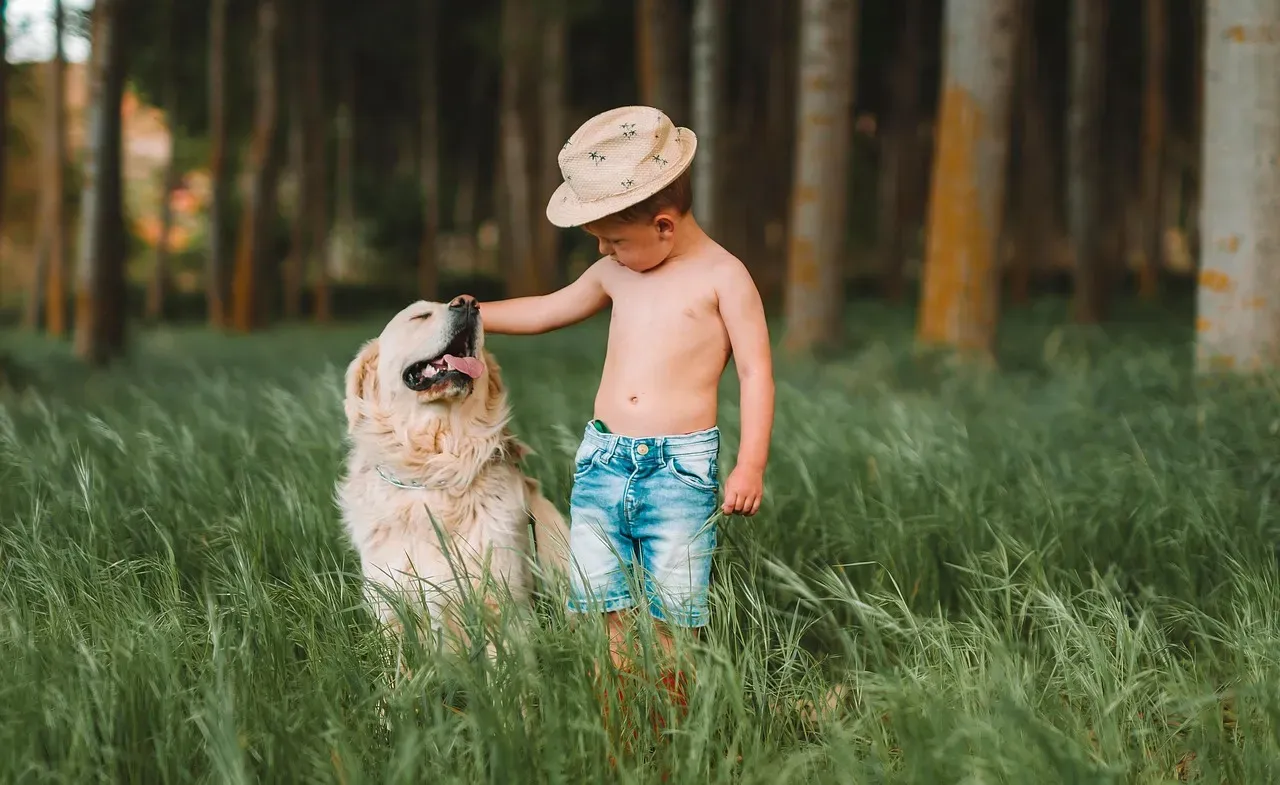
Behaviors associated with control, authority or aggression increase cortisol, whereas play and affiliation behavior decrease cortisol levels. The way you interact during everyday moments writes your dog’s stress response patterns.
Physical closeness is reassuring for dogs, helping them feel secure and part of their pack, sharing warmth, and strengthening their emotional connection with you. Something as simple as allowing your dog to lean against you communicates acceptance.
Pay attention to what your dog is telling you. You can easily learn if your dog is enjoying your touch by gently petting for a count of three to five and removing your hand – if your dog moves closer or nudges your hand for more, you’ll know she wants you to continue, but if she moves away, this is clear information that she has had enough.
Conclusion
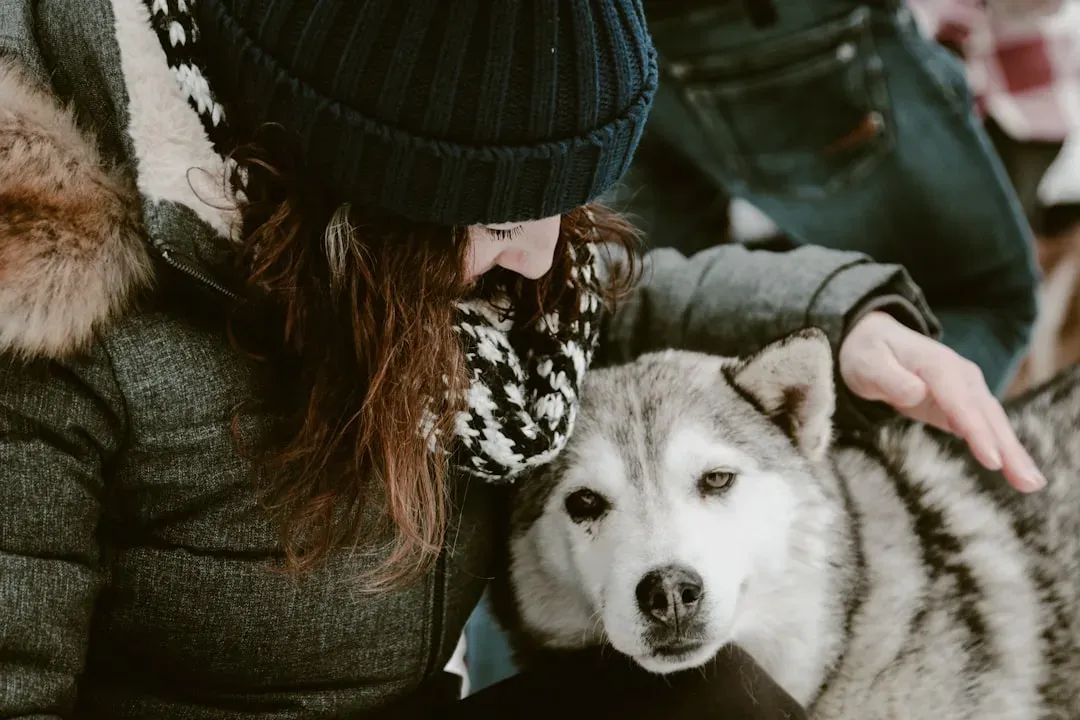
The affection you give your dog is powerful medicine. It shapes neural pathways, builds confidence, regulates stress responses, and teaches emotional resilience. Every cuddle session, every belly rub, every moment of connection is a brick in the foundation of who your dog becomes.
Your dog isn’t just passively receiving your love. They’re actively co-creating a relationship that changes both of you at a biological level. The oxytocin flowing through both your systems, the decreased cortisol, the strengthened neural pathways – these aren’t abstract concepts. They’re the physical manifestation of love transforming personality.
So the next time your dog nudges your hand for attention, remember you’re not just petting fur. You’re sculpting a soul. What will you help your dog become today?


