
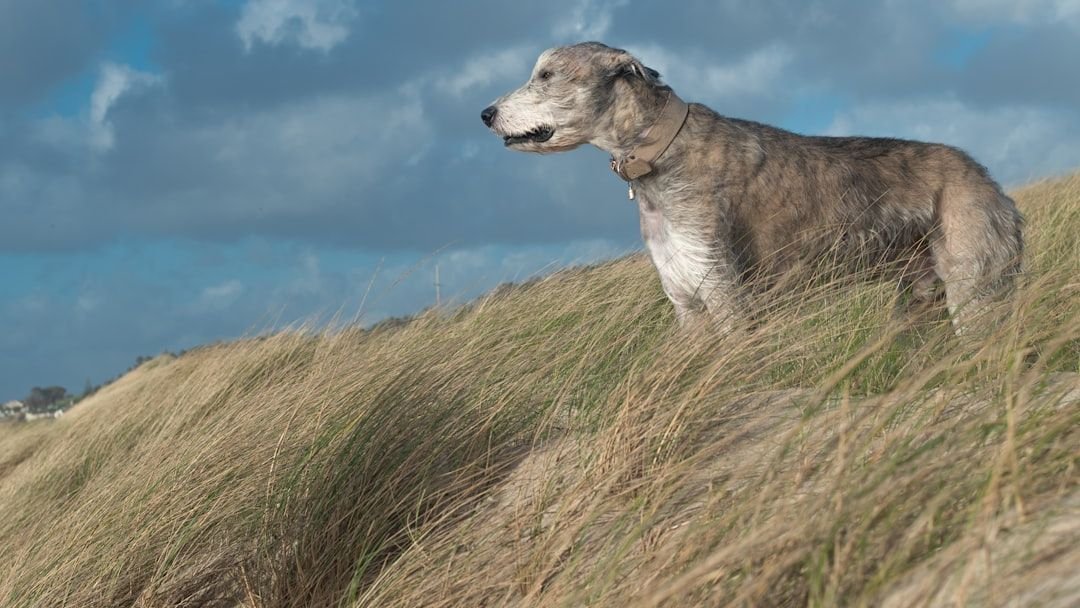
Picture this. It’s a beautiful summer afternoon, clear skies stretching endlessly overhead. Your dog suddenly paces the living room, whining softly, pressing her nose against your leg with unusual urgency. You check the weather app on your phone. Nothing. An hour later, dark clouds roll in and thunder shakes the windows.
Sound familiar? You’re not imagining things. Dogs possess remarkable sensory abilities that often feel downright mystical, especially when it comes to detecting changes in weather before we humans have the slightest clue. Let’s be real, our furry friends experience the world in ways we’re only beginning to understand. Their connection to environmental shifts isn’t magic – though it certainly feels that way sometimes. It’s biology, instinct, and those incredible senses working in perfect harmony.
The Science Behind Their Storm Radar

Dogs possess an extraordinary ability to detect subtle shifts in their environment, from fluctuations in atmospheric pressure to seasonal and humidity changes, allowing them to perceive what often goes unnoticed by humans. Think about it this way: while we’re scrolling through our phones, oblivious to the world around us, your dog is essentially running a sophisticated weather station through their body.
Dogs can sense changes in air pressure, static in the air, smell chemical changes, and hear sounds much further than we can, which means they’re well aware of oncoming storms before we are. Their ears pick up thunder rumbling miles away when we hear nothing but silence. Between 15 and 30 percent of dogs are frightened by thunder and lightning, and may sense approaching storms that are still miles away, detecting chemical concentrations common during storms and smelling ozone in the air associated with lightning.
It’s hard to say for sure, but roughly one in four dogs seems especially tuned into atmospheric drama. That’s a pretty significant number when you consider how many pups out there are basically living barometers.
Barometric Pressure: Their Secret Superpower
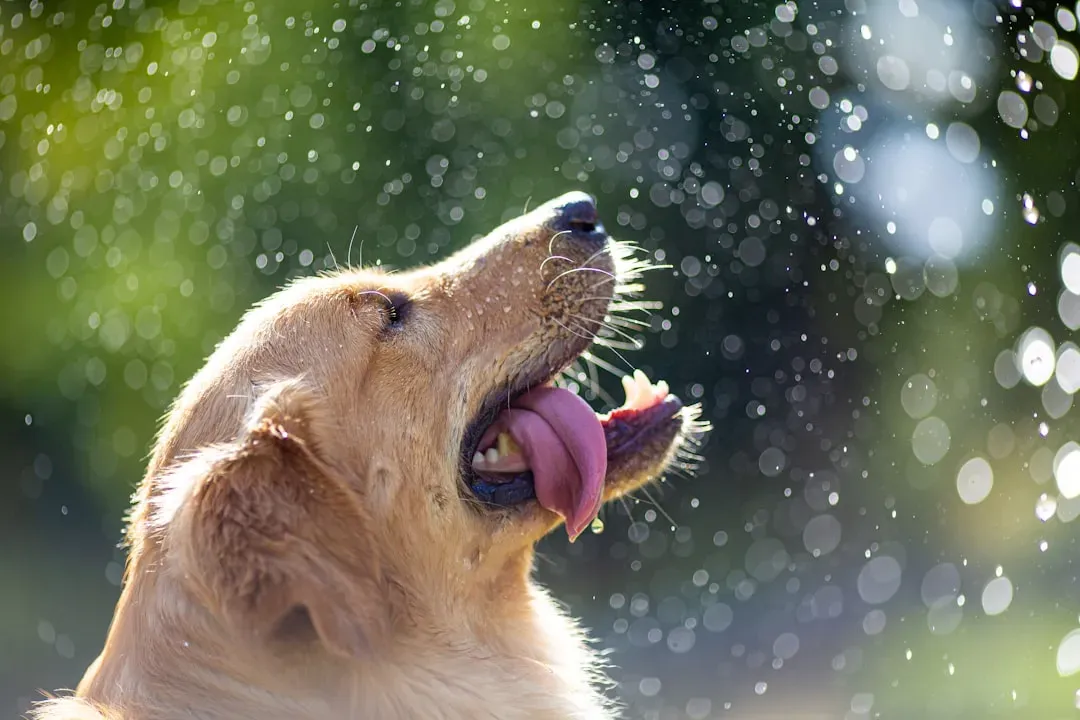
Dogs are essentially equipped with everything they need to be furry weather predictors, having heightened senses of smell and hearing, and as pressure in the air changes, the way odors travel changes – your dog can notice this because of his super-nose. Honestly, it’s pretty incredible. When a storm system approaches, air pressure drops, and scents behave differently.
Your dog stands at the door, sniffing upward at the sky, and you might think they’re just being weird. That’s why you see your dog looking up to the sky and sniffing at the air when the weather changes – he’s picking up the difference in how smells are traveling and realizing there’s a shift in the pressure. They’re not just smelling the rain coming; they’re detecting the entire atmospheric shift.
Barometric pressure changes, specifically drops in pressure, can signal the approach of a weather front or storm, resulting in the generation of infrasound waves that dogs might detect, providing them with an early warning system. Some researchers believe dogs may even feel physical discomfort in their ears when pressure drops suddenly, similar to how some humans experience headaches before storms.
Static Electricity and the Bathtub Mystery
Here’s something that puzzles many dog parents: why does Fido suddenly leap into the bathtub during thunderstorms? Thunderstorms generate substantial static electricity, causing the air to feel charged, and some dogs may detect this change, feeling anxious or restless, with their fur coat potentially making it worse as they feel the static electricity more intensely.
This may be why dogs often run to the bathroom during a storm, as they’re looking for a place with less static electricity. Porcelain and tile don’t conduct electricity the same way other surfaces do. Your dog isn’t being irrational – they’re seeking refuge from an uncomfortable sensation we can barely perceive.
Dogs are more perceptive to changes in weather than we are and can feel changes in the static electric field that occur in the air, especially as a strong storm approaches, which is why dogs might be able to predict a tornado or major storm coming. Their instinct for self-preservation kicks in long before we even think to check the radar.
Earthquake Detection: Fiction or Fact?

Research shows that animals including cows, sheep, and dogs were unusually restless in the hours before earthquakes, with those closer to the epicenter starting to behave unusually earlier. This isn’t just folklore passed down through generations. Scientists have actually studied this phenomenon, attaching sensors to farm animals in earthquake-prone regions of Italy.
A recent study of an earthquake in Siberia noted that a small but significant number of dogs showed anxious behaviors, including barking for no reason, howling, whining, and running around, minutes to hours before the earthquake occurred. What exactly are they sensing? Some researchers suggest that dogs use their remarkable sense of hearing to pick up high-pitch sounds of rocks scraping beneath the earth – an event that precedes earthquakes – with dogs having pointy ears and smaller head sizes being better at detecting the sound.
Researchers discovered unusual behavioral patterns up to 20 hours before an earthquake, with animals closer to the epicenter changing their behavior earlier, exactly what you would expect when physical changes occur more frequently at the epicenter. Still, scientists emphasize that we need more research to fully understand this ability. Unfortunately, there’s no conclusive scientific evidence yet that dogs can predict tremors, and we still don’t know what dogs and other animals might be reacting to.
The Emotional Weather Forecast

Dogs don’t just predict actual weather – they seem to read the emotional climate around them with startling accuracy. Dogs can sense changes in human emotions, often before we’re even aware of them ourselves, picking up on subtle cues such as changes in facial expressions, body language, or tone of voice. You come home after a terrible day at work, trying to hide your frustration, and your dog immediately nuzzles against you.
Humans produce hormones such as oxytocin, serotonin, and dopamine that rise and fall with our moods, and perhaps dogs sense these hormone levels. Their noses are so sensitive that they can literally smell our stress, sadness, or joy through chemical changes in our bodies.
Dogs can be trained to detect specific volatile organic compounds in humans that indicate ongoing illness, helping detect lung cancer by smelling breath or bladder cancer by smelling urine, and can also predict low blood sugar by detecting compounds emitted through the skin or predict a seizure by recognizing changes in volatile organic compounds, pupil size, and demeanor. This goes beyond weather prediction into something even more profound – they’re monitoring our health and wellbeing constantly.
Respecting and Supporting Their Sensitivity

Dogs may start hiding, whining, scratching, running, and tearing at doors and framing to escape an approaching storm, and pet parents should know that their dogs aren’t misbehaving – they are simply displaying symptoms of anxiety. This understanding changes everything about how we respond to our dogs during storms or other stressful weather events.
Create a safe space where your dog can retreat – a cozy corner, a crate covered with blankets, or even that bathtub they seem to love during electrical storms. One of the best ways to prepare your dog for upcoming barometric pressure changes is to monitor weather forecasts, and when you know what to expect, you can make necessary adjustments such as limiting outdoor activities or creating a safe space indoors.
Consider using calming aids like thunder jackets, which provide gentle pressure that can soothe anxious dogs. Stay calm yourself – dogs are incredibly perceptive, and if you start panicking about the weather, they’ll pick up on that anxiety too. A study published in the Journal of Veterinary Behavior found that dogs can accurately predict changes in barometric pressure up to 24 hours in advance. Twenty-four hours! That’s more warning than most weather apps give us.
Conclusion

Our dogs live in a sensory world far richer and more complex than ours. Cats and dogs do not have supernatural abilities, but they are extremely sensitive to environmental changes, with their sense of smell, hearing, skin and internal receptors perceiving signals that remain invisible to us like pressure, electric fields, vibrations of the earth, and odors before rain or thunderstorms, giving the illusion of foresight when they’re simply quicker to react to changes already there.
Whether they’re alerting us to approaching storms, sensing earthquakes before seismographs register them, or simply knowing when we need comfort, dogs demonstrate abilities that humble our technological sophistication. They remind us that nature has equipped creatures with survival tools we’re only beginning to comprehend. Next time your dog acts strangely for no apparent reason, pay attention. They might just be telling you something important about what’s coming.
What unusual weather-sensing behaviors have you noticed in your own dog? Has your furry friend ever surprised you with their predictive abilities?


