

You’ve probably heard it before at the dog park or during a casual conversation. Someone glances at your beloved mutt and confidently declares what they think your pup is. A little lab, maybe some pit bull, perhaps a dash of terrier. You nod politely, accepting this visual assessment as fact. Here’s the thing though: that confident guess is likely completely wrong.
We’ve all been conditioned to believe we can identify a dog’s breed just by looking at them. We associate certain behaviors with specific breeds and make assumptions about what our dogs will be like based on their supposed genetics. The truth is far messier, far more fascinating, and honestly, way more hopeful than we’ve been led to believe. Let’s dive into the surprising reality behind breed identification and behavioral expectations. Be prepared to question everything you thought you knew about your four-legged friend.
Visual Breed Identification Is Shockingly Inaccurate

Let’s be real. Even experienced humans are terrible at identifying breed by sight, with DNA analysis showing that neither scientists nor experienced shelter workers were able to reliably identify mixed-breed dogs, which made up nearly 90 percent of the canine cohort.
Shelter staff correctly identify a dog’s primary or secondary breed just 67 percent of the time, and when asked to guess a mixed breed pup’s primary and secondary breed, this figure drops to 10 percent. That’s abysmal accuracy for something we treat as common knowledge. Think about it: the professionals who work with dogs every single day get it wrong more often than they get it right.
Studies have shown that visual identification of breeds in dogs is only accurate about 25% of the time. We’re basically flipping a coin and calling it science. Your neighbor who insists your dog is definitely part husky because of those blue eyes? They’re probably wrong. The vet tech who confidently labels your shelter pup as a shepherd mix? Also likely mistaken.
DNA Tests Aren’t the Perfect Answer Either
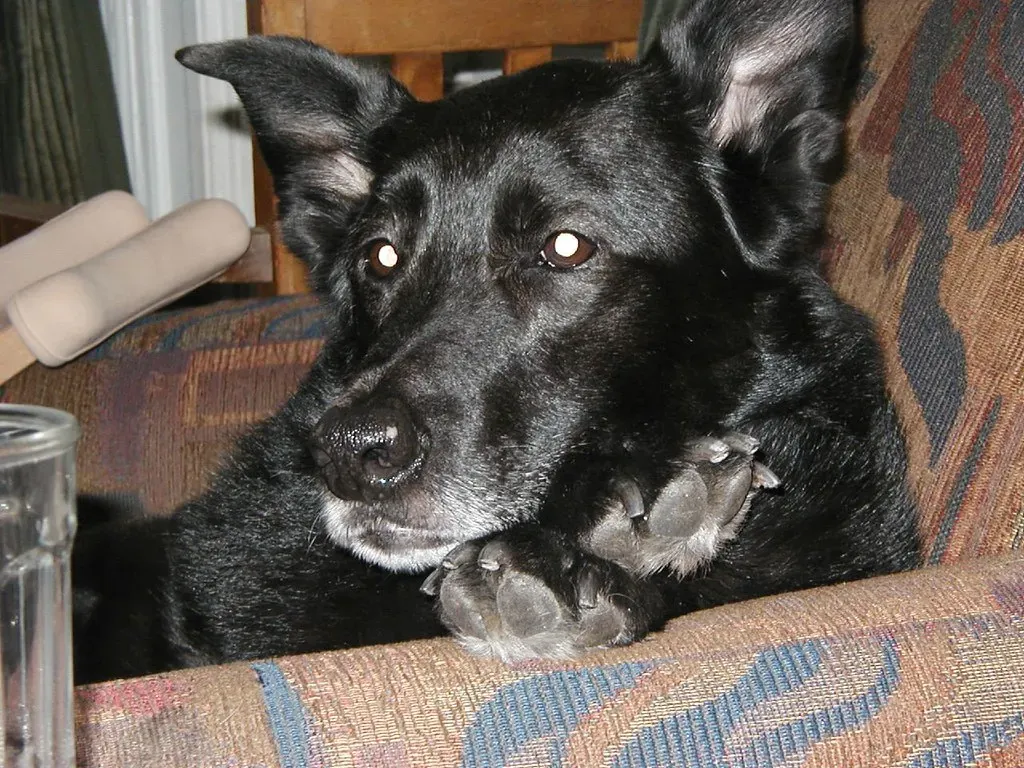
You might think DNA testing solves everything. Well, not exactly.
In most cases, at least one test provided a breed prediction that did not match the registered breed, with one company identifying a bulldog as a wolf hybrid and a beagle as a rottweiler. Yikes. One company misidentified a purebred Chinese crested dog – almost entirely hairless – as a long-haired Brittany spaniel, seemingly based on the photo alone.
The problem goes deeper than just bad companies. Nearly all the results were different, even for the same dog, despite all claiming nearly 100 per cent accuracy rates. Different companies use different reference databases and different testing methods. Some even rely heavily on the photos you submit rather than actual genetic analysis.
I’m not saying DNA tests are useless, but they’re not the crystal ball we’ve been sold. They can give you interesting information about your dog’s heritage, sure. Just take those results with a healthy dose of skepticism, especially from lesser-known companies.
The Purebred Health Myth Needs to Die

Here’s a myth that refuses to go away: purebred dogs are sicker than mixed breeds. Time to set the record straight.
In a study involving 27,541 companion dogs, data showed that mixed-breed dogs are just as likely to experience common health conditions as their purebred counterparts. The idea that mutts have some magical health advantage? Of the 24 disorders assessed, 13 had no significant difference in the mean proportion of purebred and mixed-breed dogs with the disorder when matched for age, sex and body weight.
When it came to longevity and health profiles, mixed-breed dogs didn’t have a medical advantage over their purebred counterparts, with diet, lifestyle, and individual genetic makeup playing a more direct role.
What really matters is responsible breeding, proper healthcare, and lifestyle factors. A well-bred purebred from health-tested parents can be just as healthy as any mixed breed. Conversely, a mixed breed can inherit problems from any of the multiple breeds in their background.
Your Dog’s Behavior Isn’t Predetermined by Breed

This one might sting a bit. We love our breed stereotypes. Golden retrievers are friendly, border collies are smart, pit bulls are aggressive. Except none of that is as clear-cut as we think.
Behavioral characteristics ascribed to modern breeds are polygenic, environmentally influenced, and found, at varying prevalence, in all breeds. Translation? Behavior is complicated. While a dog’s breed only accounts for about 9% of its individual behavior, these genetic predispositions are always shaped by a dog’s environment, training, and life experiences.
Sure, genes contribute 60 to 70 percent of behavioral variation among breeds for traits such as aggression toward strangers, trainability and chasing. But here’s the kicker: that’s variation between breeds on average, not predictions about individual dogs. Your border collie might be a couch potato. Your beagle might be incredibly obedient. The dog in front of you is an individual, not a stereotype.
Environment matters, with studies showing that when early socialization programs were curtailed, there was a sharp rise in dogs exhibiting moderate and severe noise fear. How you raise, train, and socialize your dog matters far more than whatever breeds contributed to their DNA.
The “Hypoallergenic Dog” Is Marketing Fiction
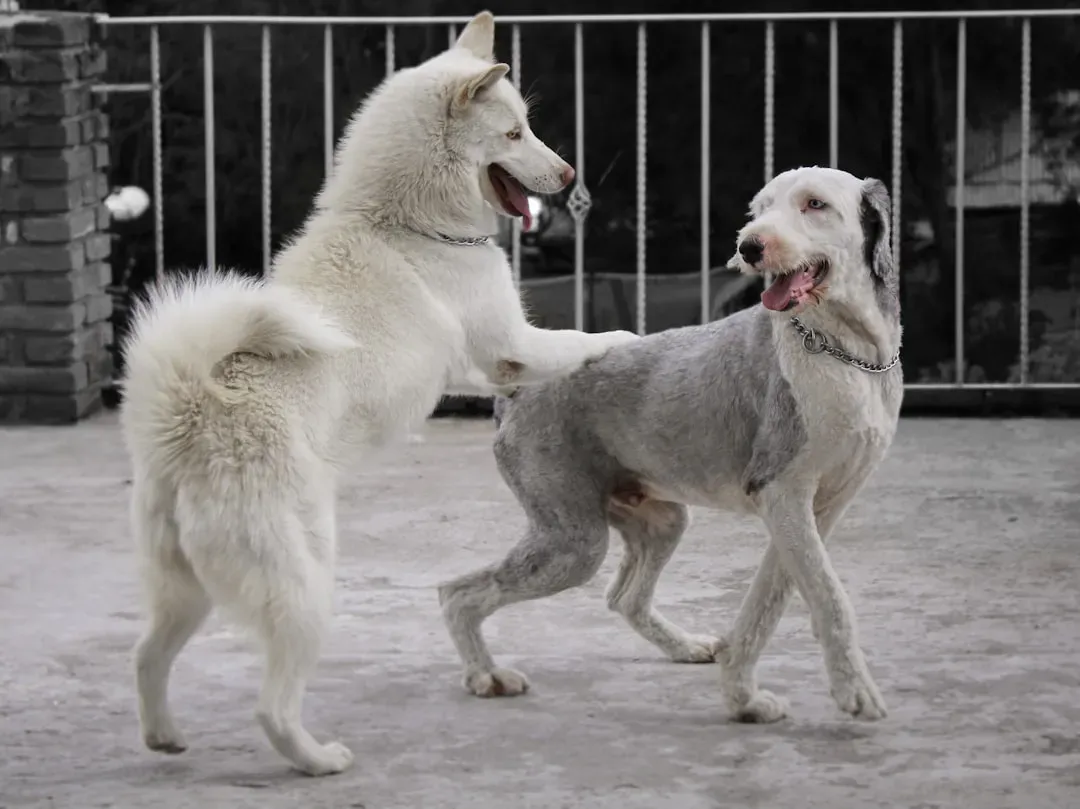
I hate to break it to allergy sufferers everywhere, but that doodle you paid thousands for isn’t actually hypoallergenic. Studies suggest that there is no specific breed that is truly hypoallergenic, and there is no such thing as a completely hypoallergenic dog.
Can f 1 levels are significantly higher in hair and coat samples in dog breeds considered hypoallergenic, and they are no less allergenic than any other dogs. In fact, A 2012 study found low-shedding Poodles had some of the highest levels of Can f 1 present in their coat samples, while Labrador Retrievers had significantly lower allergen levels.
The allergens that trigger reactions come from dander, saliva, and urine – not just fur. Many people with dog allergy may only have symptoms when exposed to some breeds, but not others, yet unfortunately, the same dog that is well tolerated by one person with allergies can cause misery for another.
Some dogs might be better for some individuals with allergies. That doesn’t make them hypoallergenic. It makes them personally tolerable for that specific person. There’s a difference.
Breed-Specific Legislation Is Built on False Assumptions

This gets really serious when we talk about laws and housing discrimination. One study revealed that shelter staff labeled twice as many dogs as pit bulls than were actually identified through DNA testing as a breed under the pit bull umbrella.
Shelter staffers overlooked one in five dogs carrying genetic markers associated with pit bulls, while one in three dogs labeled as pit bull-type dogs lacked DNA associated with pit bull breeds. Think about the implications. Dogs are being euthanized, families denied housing, insurance cancelled – all based on incorrect visual identification.
These tests can have real financial implications for a person’s ability to rent, get insurance, or live in a particular city, with companies sometimes identifying dogs as having pit bull ancestry without support from other tests.
The injustice here is staggering. Dogs labeled as pit bull mixes remain in shelters nearly twice as long as non-pit bulls, which is worrying since pit bulls are often wrongly condemned as inherently aggressive. Policies based on breed identification are built on a foundation of sand.
Most Shelter Dogs Are Genetic Mashups

Here’s something that’ll blow your mind about the mixed-breed dogs filling our shelters. DNA testing of more than 900 shelter dogs showed that breed identification results for nearly 80 percent showed two-plus breeds ranging up to five-plus breeds, with a single breed contributing around 30 percent of a dog’s heritage on average.
We assume mixed breeds are crosses of two purebreds. We’re several generations away from that now, with so many shelter dogs and owned dogs in the U.S. being medium-sized, short-haired dogs that are so mixed that no one will ever quite know what breeds they’re comprised of. Your “lab mix” might have 15 different breeds scattered through their family tree, with none making up more than a third of their genetic makeup.
In a 1985 study, researchers crossed a purebred Basenji with a purebred Cocker Spaniel, and the resulting offspring did not resemble either purebred parent. Genetics are wildly unpredictable. Stop trying to guess. Just love the unique dog you have.
That unpredictability is beautiful when you think about it. Every shelter dog is truly one of a kind, a walking miracle of genetic diversity.
Conclusion

So what’s the takeaway from all this genetic chaos? Your dog’s breed – or what you think it is – matters far less than you’ve been told. The scruffy rescue sleeping on your couch right now isn’t defined by percentages on a DNA test or someone’s visual guess at the park.
What truly shapes your dog is the life you build together. The training you provide, the experiences you share, the bond you nurture – these are what matter. Not whether they’re supposedly part this or part that. Focus on the individual in front of you, with all their quirks and personality traits that make them uniquely them.
Next time someone asks what breed your dog is, maybe the best answer is simply: “They’re my dog, and they’re perfect.” What do you think? Does knowing your dog’s actual breed even matter anymore?


