
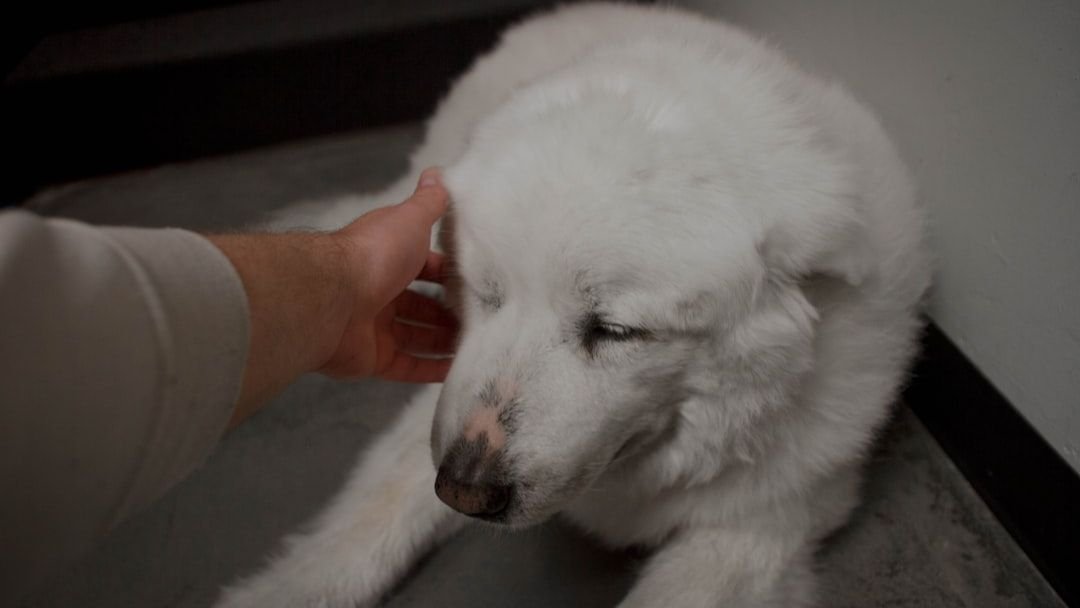
You’ve probably experienced it. That moment when your dog gives you a look or shifts their body in a way that makes you pause. Maybe you brushed it off, thinking you were reading too much into things. Here’s the thing, though. Your dog was communicating something important, and chances are, you missed it.
Dogs talk to us every single day, but not with words. They use their entire bodies as a communication system, sending signals through their eyes, ears, tails, posture, and even the sounds they make. When we ignore these cues or misinterpret them, we’re essentially closing the door on a conversation our dogs desperately need us to hear. The consequences can range from missed opportunities to comfort them, to dangerous situations that could have been avoided. Let’s dive into what your dog is really saying when they’re trying to communicate with you.
The Eyes Have It: Decoding That Side-Eye Look

When a dog turns their head away from a stressor but angles their eyes toward it, causing the whites of their eyes to show, this is referred to as whale eye. Honestly, the name sounds strange, yet this signal is one of the most important stress indicators your dog can give you. Dogs display whale eye when they are tense, stressed, anxious, or frightened, and it’s a sign that your dog is feeling anxious, stressed, or frightened.
Fearful dogs often freeze up, avoid eye contact, and tuck their tails, and that eye flash can be the first warning shot, while anxious dogs might lick their lips, yawn too much, or turn their head away. The tricky part is that whale eye often appears before more obvious stress signals. Ignoring whale eye teaches a dog that subtle communication doesn’t work. When we miss these early whispers, dogs learn they need to escalate to growling or snapping to be heard.
When Yawning Doesn’t Mean They’re Tired
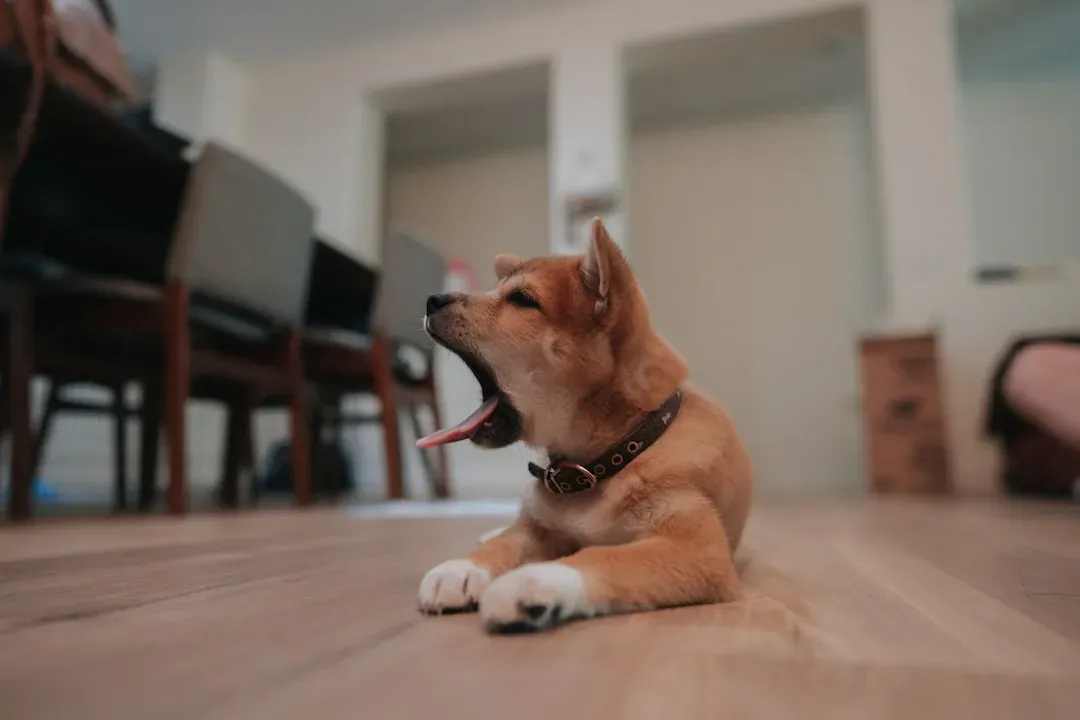
People yawn when they’re tired or bored, but dogs yawn when they’re stressed. I know it sounds crazy, yet this is one of the most commonly misunderstood signals in canine communication. Picture this: you’re at the vet’s office, and your dog keeps yawning. You might think they’re just bored or sleepy from the car ride.
Actually, they’re telling you they’re uncomfortable and need support. Dogs use yawning to calm themselves in tense situations and to calm others, including their owners. Dogs often yawn in uncomfortable situations, during training sessions, when meeting new people or animals, or in response to tension in their environment, and this behavior serves as a calming signal. Next time you see your dog yawn during what seems like a normal situation, take a closer look at the context. They might be asking for a break or telling you something feels off.
Lip Licking Isn’t Always About Food
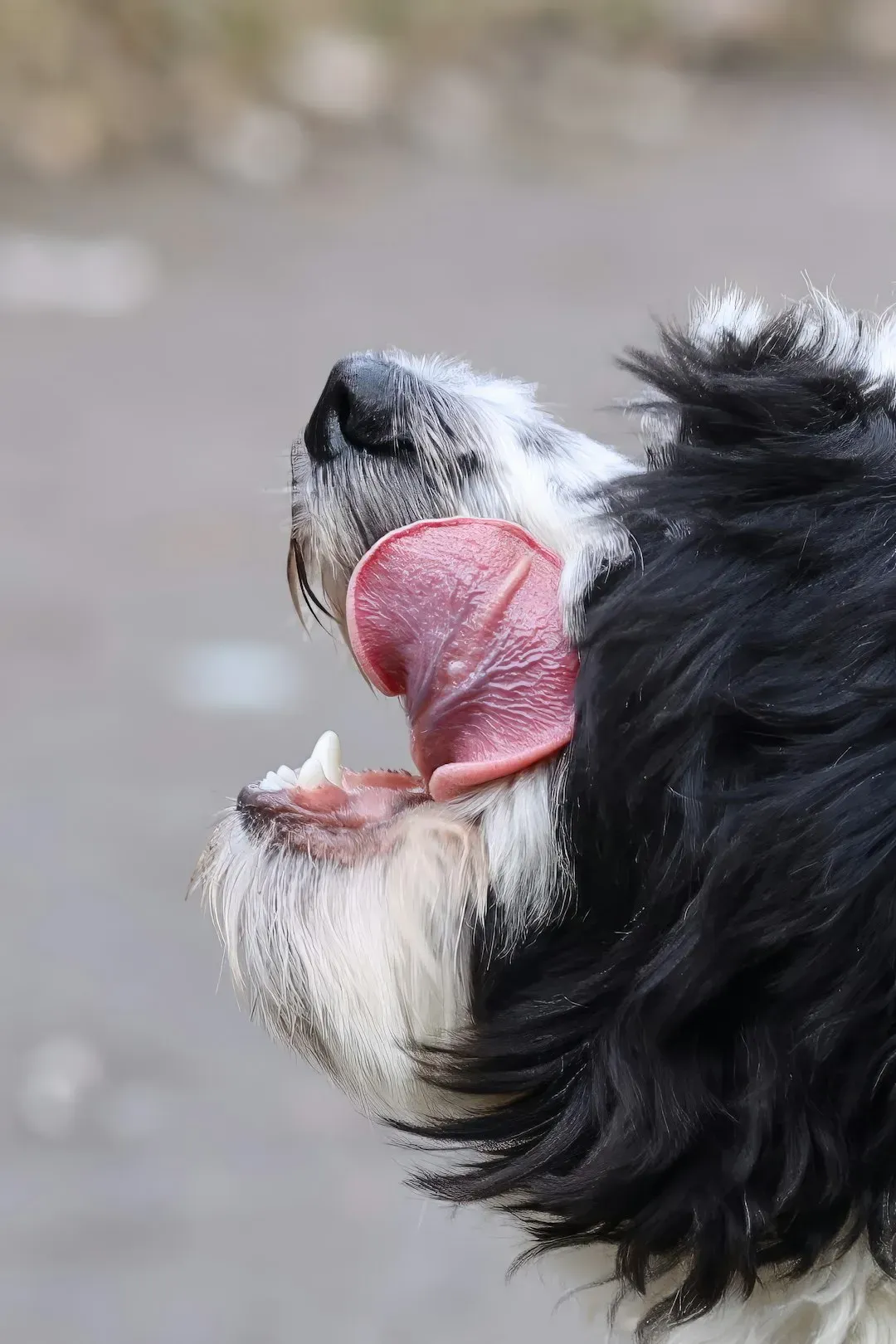
Dogs will lick their lips after a delicious meal, but they’ll also do it when they feel anxious. This subtle gesture happens so quickly that most people completely miss it. Sometimes the tongue flick is so quick it’s tricky to notice. Let’s be real, if you’re not specifically watching for it, you’ll probably think your dog is just being cute.
Repeated licking or yawning often means your dog feels anxious or trapped. When I see a dog licking their lips during a training session or when someone approaches them, I immediately check what’s causing the discomfort. A dog might lick its lips or yawn widely when it’s not hungry or tired, and in a stressful context, like being approached by a stranger or during a confusing training session, these are classic signs of anxiety. The context is everything here. Lip licking after dinner is normal. Lip licking when a toddler approaches? That’s your dog saying they need space.
Tail Wagging Isn’t Always Happy
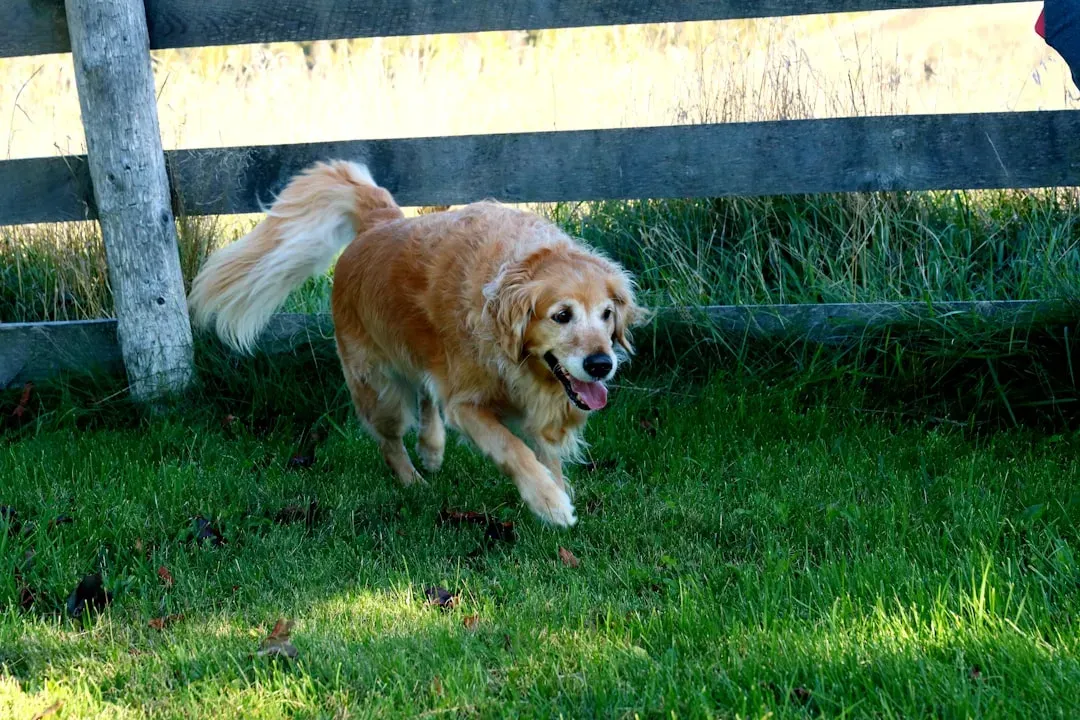
Here’s something that surprises nearly everyone: a wagging tail doesn’t automatically mean a happy dog. All a wagging tail means is that the dog is emotionally aroused. The position, speed, and stiffness of that wag tell the real story. A tucked or low, fast-wagging tail can mean the dog is scared or unsure, while a high, stiff wag can mean the dog is agitated or aroused.
A wagging tail combined with stiff body posture sends a completely different message than the same tail wag with loose, bouncy movement. Think about the whole picture. Is the dog’s body relaxed and wiggly, or tense and forward-leaning? If your dog is wagging its tail in a circle, it is showing you that it is very happy and joyful. That circular wag is pure joy, the kind you see when you come home after being away. The tight, high wag with a stiff body? That’s arousal that could tip either way, so proceed carefully.
Those Sounds Aren’t Random Noise
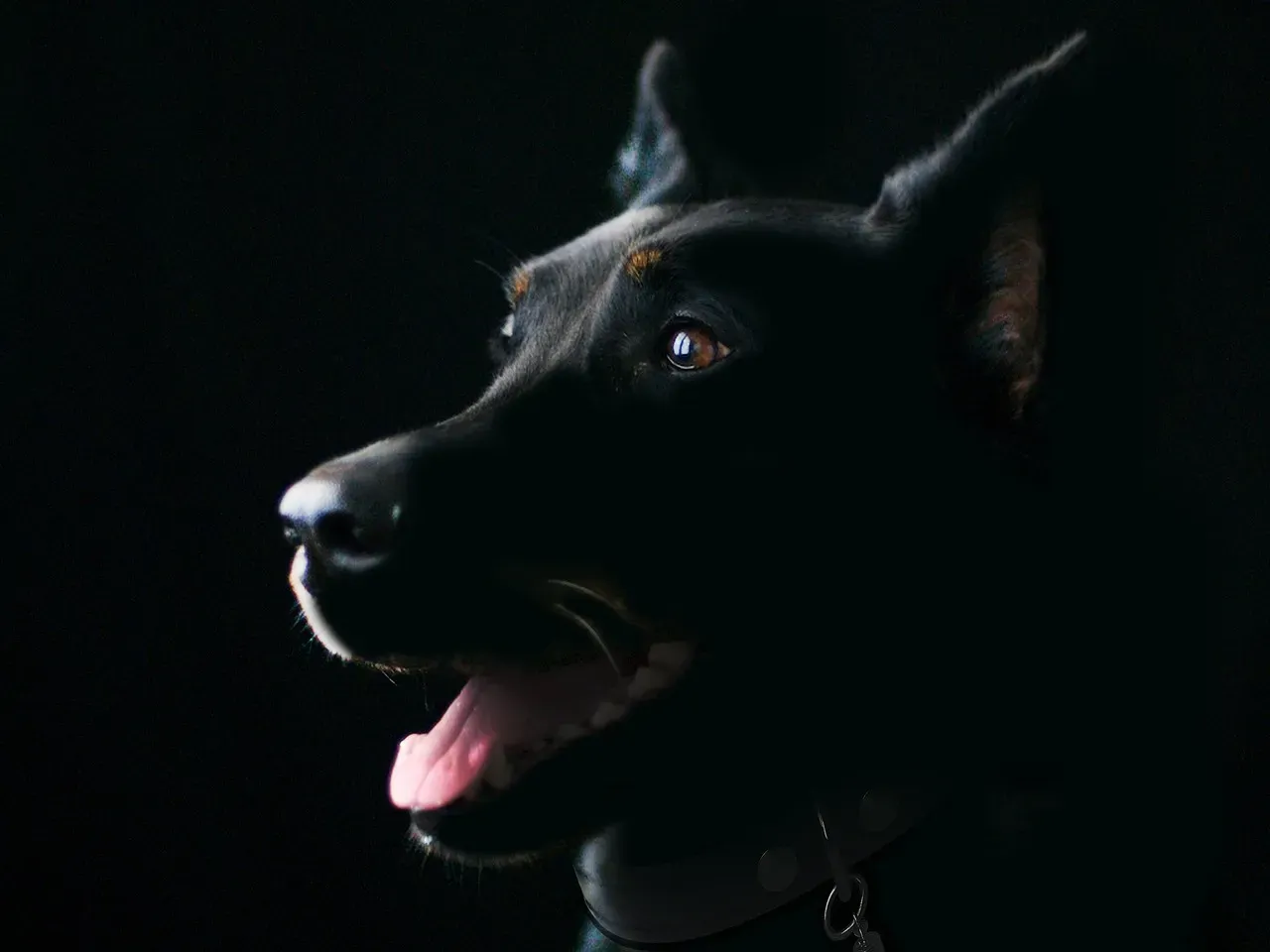
Whatever sounds your dog makes one thing is certain, the sounds mean something and shouldn’t just be ignored. Dogs have a whole vocabulary of vocalizations that tell us about their emotional state. Emotions can be expressed through barking, whether it is a higher-pitched bark for excitement, a repetitive and monotone bark for boredom, a sharp and intense bark to alert you of a sound or sight, or a short, quick bark directed at another dog.
A growl is essentially a warning, and most dogs that growl are actually trying to prevent biting, as it is a warning of discomfort in order to avoid more conflict or confrontation. Never punish a dog for growling. Dogs use whining to express specific needs, such as to go outside to relieve themselves, a desire to play, or feelings of hunger, unhappiness, pain, anxiety, or excitement. When your dog whines, they’re asking you to figure out what they need. Sometimes it’s simple, like needing to go out. Other times, especially if the whining is persistent, it could signal pain or illness that needs immediate attention.
Behavior Changes Are Health Red Flags
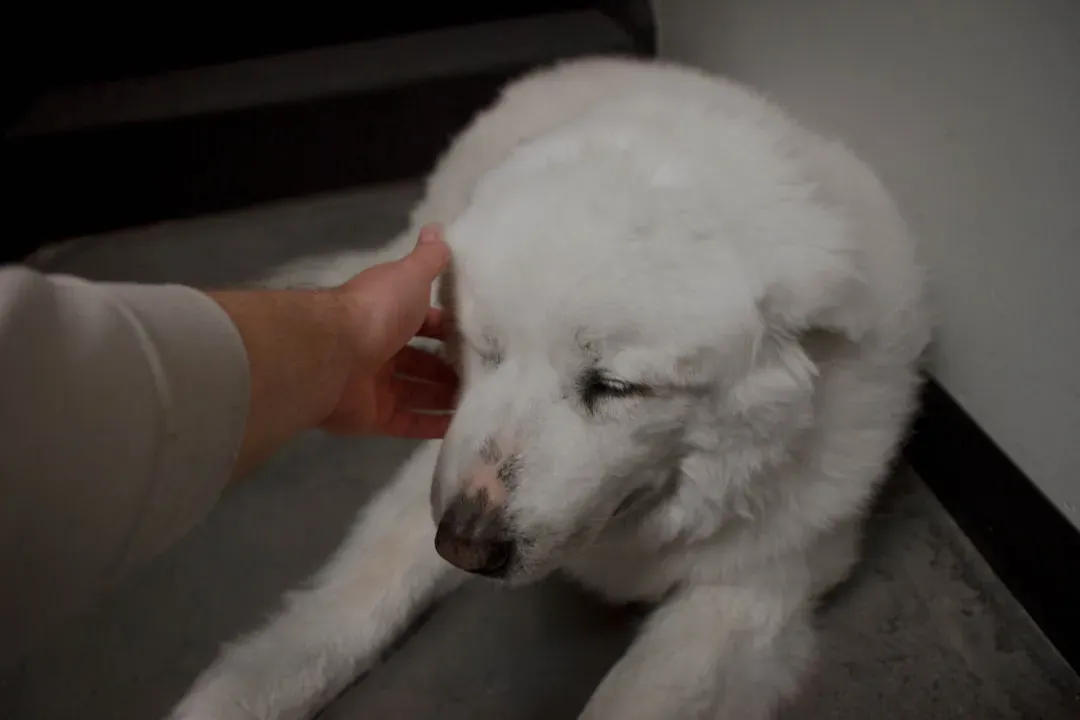
When dogs don’t feel well, it often manifests in the form of sudden personality changes, such as being antisocial, snippy, aggressive, or lethargic, while other dogs won’t show negative behavior, but a typically independent dog might become extra clingy or needy. Your normally social dog suddenly hiding under the bed? Your independent pup who won’t leave your side? These aren’t just quirks. They’re telling you something is wrong.
Early signs of illness in pets can include changes in behavior, eating habits, or energy levels, and you might notice your pet is not as playful or is sleeping more than usual. Sudden aggression or unusual behavior in your dog could be a sign of a health problem or pain, and dogs who are in pain or discomfort may lash out, even if they are normally calm and friendly. Pain changes everything about how a dog responds to the world. If your gentle giant suddenly snaps when you touch their hip, or your food-motivated lab refuses breakfast, don’t wait. These are urgent signals that need veterinary attention right away.
Reading the Whole Picture, Not Just One Signal
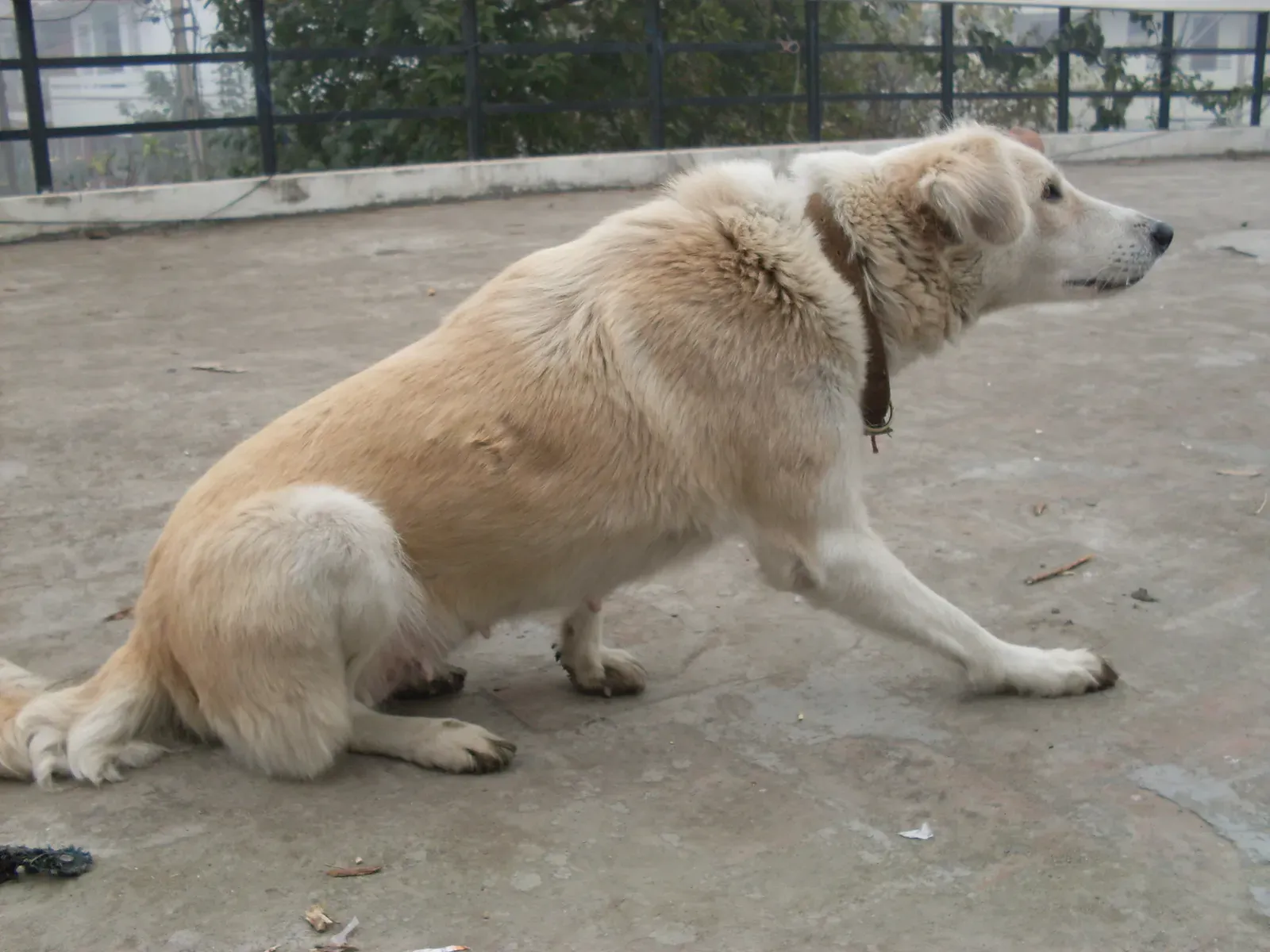
No dog body language signals act alone as they’re all part of a package, so when you read a dog’s communication, look at every signal the dog is using from the tail height to the eye shape. This is where things get nuanced. A single yawn might mean nothing. A yawn combined with whale eye, lip licking, and a tucked tail? Your dog is screaming for help.
People are listeners; dogs are watchers. We need to flip our script and become watchers too. Dogs tend to repeat behaviour that works well for them, so responding to your dog’s behaviour and subtle body language is really important, as if a dog tries turning their head and blinking to say that they’re unsure and need space, and you understand and help them, then they’re more likely to do this next time. But if these subtle signals are missed, a dog may use more obvious signs, like lunging and growling, and if that works to get them out of the situation, then they are likely to repeat these behaviours next time. When we listen to the quiet signals, we prevent the loud ones.
The beauty of understanding your dog’s communication is that it transforms your relationship completely. If you learn what your dog is saying, you will develop a deeper bond of trust and respect, and your newfound understanding of your dog’s emotional state can help you predict their behavior and prevent problems before they arise. You become your dog’s advocate, the one person who truly gets them. You’ll know when they need space, when they’re uncomfortable, when they’re in pain, and when they’re genuinely happy. That’s not just good dog ownership. That’s partnership.
So here’s my challenge to you: spend the next week really watching your dog. Notice the small things. The slight turn of the head, the quick tongue flick, the subtle shift in weight. You’ll be amazed at how much they’ve been saying all along. What signals have you been missing from your own dog? Take a closer look today, because they’ve been talking to you all along.


