
A Tired Dog Is a Happy Dog: The Power of Play and Exercise
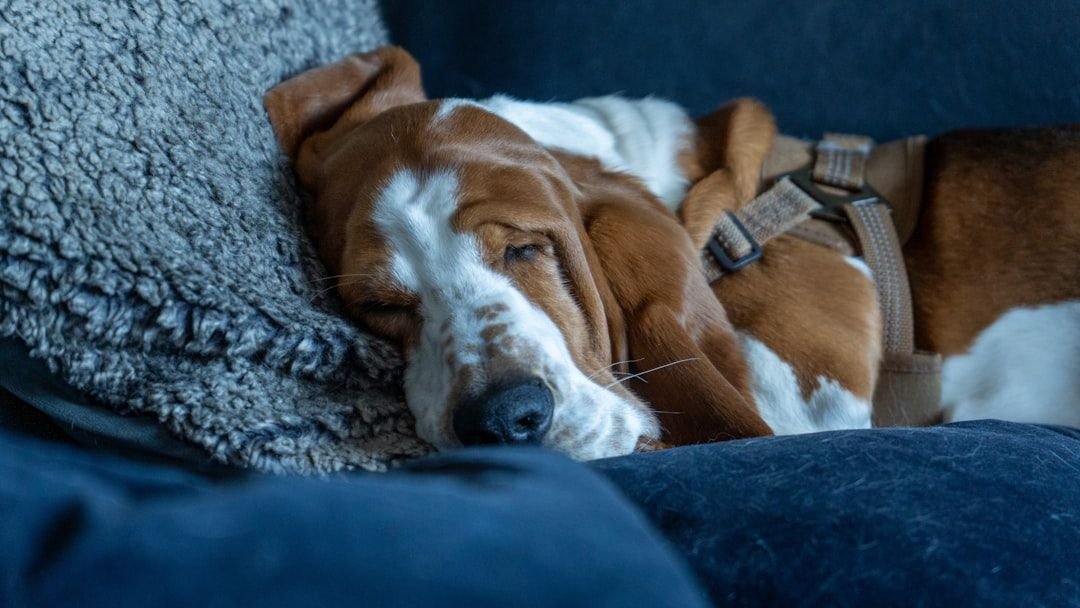
You know that peaceful moment when your dog finally settles down after a good play session, letting out a contented sigh? That’s not just exhaustion. That’s fulfillment. Dogs weren’t designed to spend their days lounging on couches or staring out windows. They crave movement, exploration, and engagement. Without these outlets, even the sweetest pup can become a whirlwind of chaos.
Think about it like this: imagine being told you can’t leave your house, can’t pursue your hobbies, and have nothing meaningful to do all day. You’d probably start climbing the walls too. Our dogs experience something similar when their exercise and play needs go unmet. The good news is that making them happy isn’t complicated. Let’s explore why a tired dog really is a happy dog and how you can harness the incredible power of play and exercise.
Why Exercise Is More Than Just Physical
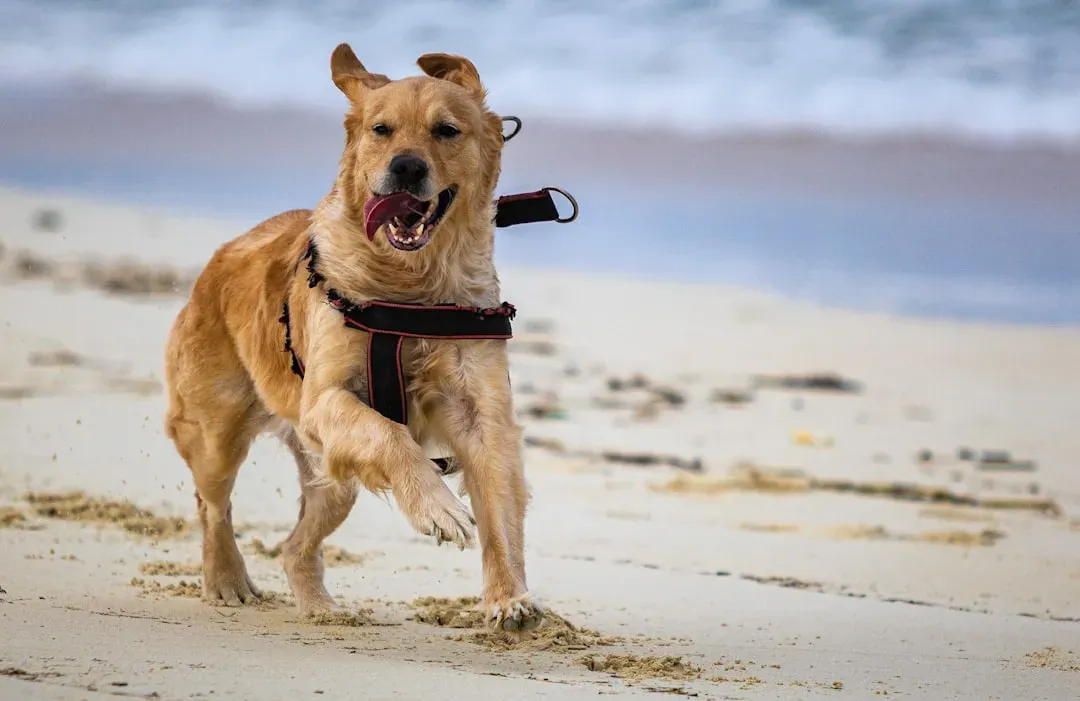
When we talk about exercising our dogs, most people picture walks around the block or games of fetch. Physical activity is crucial, no doubt about it. Exercise can help to prevent obesity, reduce the risk of certain diseases, and increase energy levels. Dogs who move regularly have stronger muscles, healthier joints, and better cardiovascular fitness.
Here’s what many people don’t realize: exercise does just as much for your dog’s mind as it does for their body. Inactive dogs were 6.5 times more likely to develop canine cognitive dysfunction than active dogs that were the same age. That’s staggering. Regular physical activity keeps their brains sharp and may even delay age-related cognitive decline. Exercise can improve mood almost immediately and it not only greatly improves physical health but can improve mental health as well.
I’ve seen it countless times: a dog who seems anxious or restless suddenly transforms into a calm, centered companion after proper exercise. Regular exercise can provide mental stimulation and help to alleviate boredom, which can prevent destructive behavior. This isn’t magic. It’s biology working as intended.
The Warning Signs Your Dog Needs More Activity
Dogs can’t exactly tell us when they need more exercise, so they show us instead. Sometimes those signs are loud and impossible to ignore. If your dog seems overly excited all the time, they might have too much pent-up energy and often struggle to settle down. That dog bouncing off the walls at nine in the evening? They’re not being naughty. They’re desperate to burn energy.
Destructive behavior often tops the list of complaints I hear from frustrated owners. Chewed furniture, shredded pillows, mysterious holes in the yard. These aren’t signs of a bad dog. Canine enrichment can help with a wide variety of behavioral issues including destruction, barking, escaping, anxiety, arousal, hyperactivity, obsessive/compulsive behaviors, and depression.
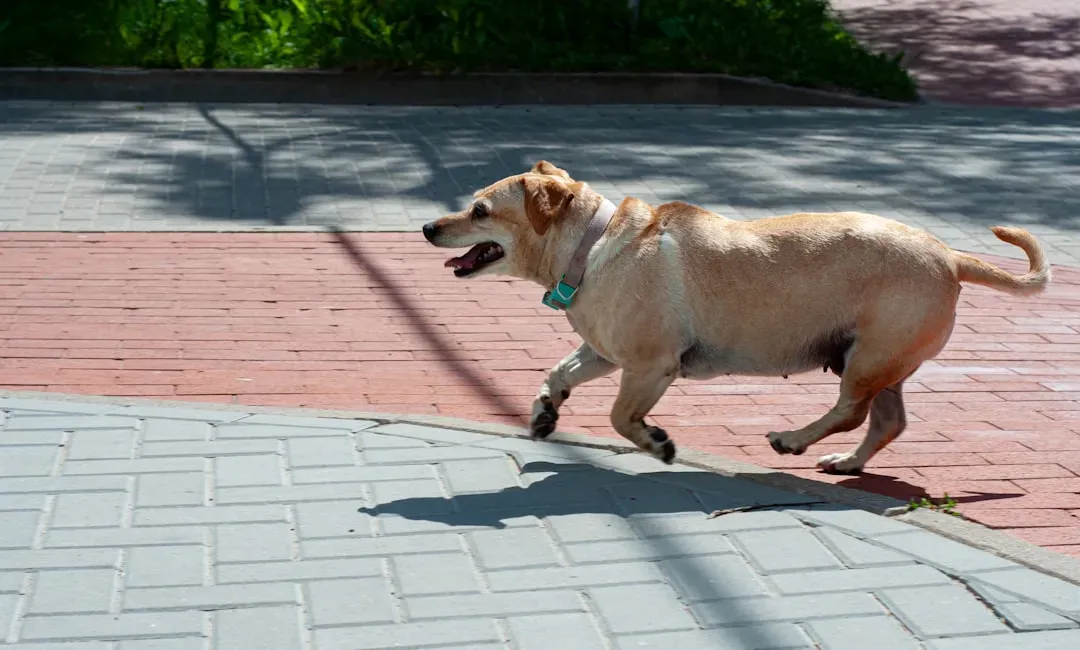
Weight gain is another red flag that’s easy to miss until it becomes obvious. When dogs don’t burn the calories they consume, this energy imbalance can lead to weight gain, and excess weight can reduce your dog’s energy and strain their joints. It becomes a vicious cycle where inactive dogs gain weight, making them even less inclined to move.
Honestly, I think one of the saddest signs is when a dog simply seems withdrawn or depressed. They stop greeting you at the door with enthusiasm or lose interest in things they once loved. Sometimes what looks like aging or sadness is actually just profound boredom.
Matching Exercise to Your Dog’s Unique Needs
Most vets suggest dogs require between 30 minutes to two hours of exercise per day, including anything from walks to fetch, tug, training sessions, swimming, sniffaris, stretching, and even backyard zoomies. That’s quite a range, right? The truth is, one size definitely doesn’t fit all when it comes to canine exercise.
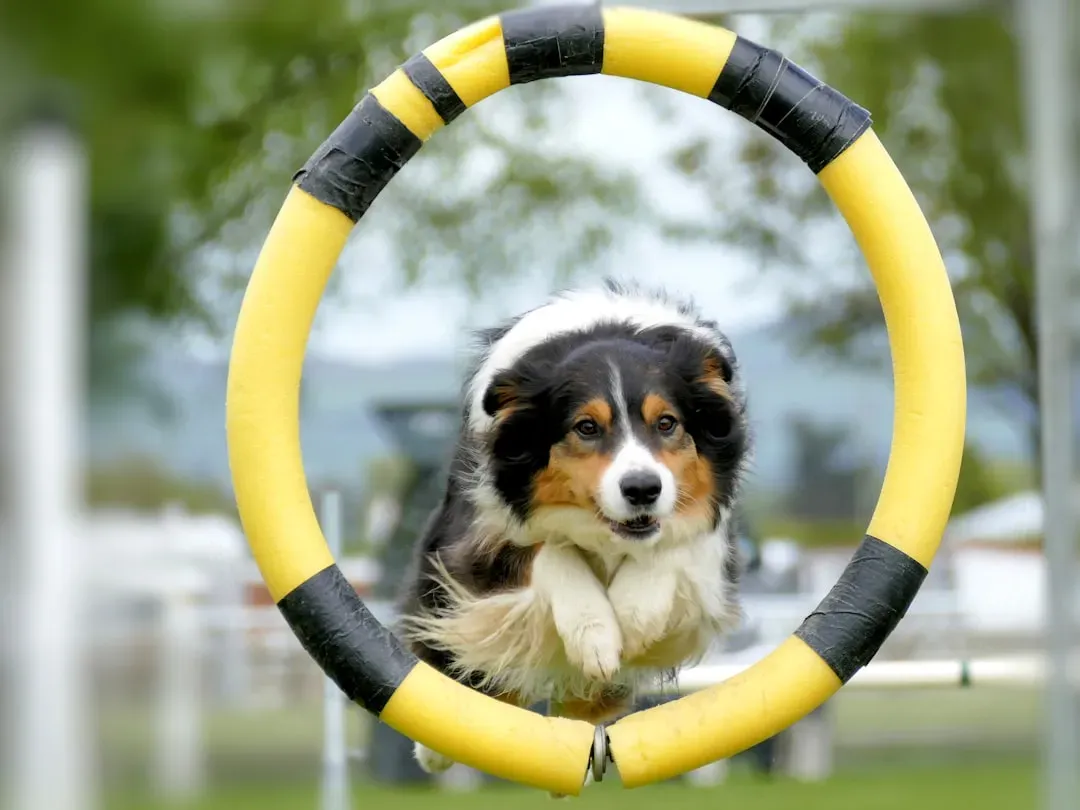
Breed matters tremendously. Dogs in the gundog, pastoral and hound groups were most likely to be exercised once per day or more; in contrast, dogs of the terrier and toy groups were least likely to be exercised once per day or more. Your Border Collie has drastically different needs than your French Bulldog. Working and herding breeds were literally bred to move all day long. Meanwhile, some breeds are perfectly content with moderate activity.
Age plays an equally important role. Very young puppies typically need a lot of stimulation but not necessarily a lot of exercise with frequent short bursts of activity being best. A senior dog might rather take walks instead of the runs they used to love, but a senior dog still needs exercise. The goal shifts as they age, focusing more on maintaining mobility and mental stimulation rather than burning massive amounts of energy.
The Magic of Play: More Than Just Fun and Games
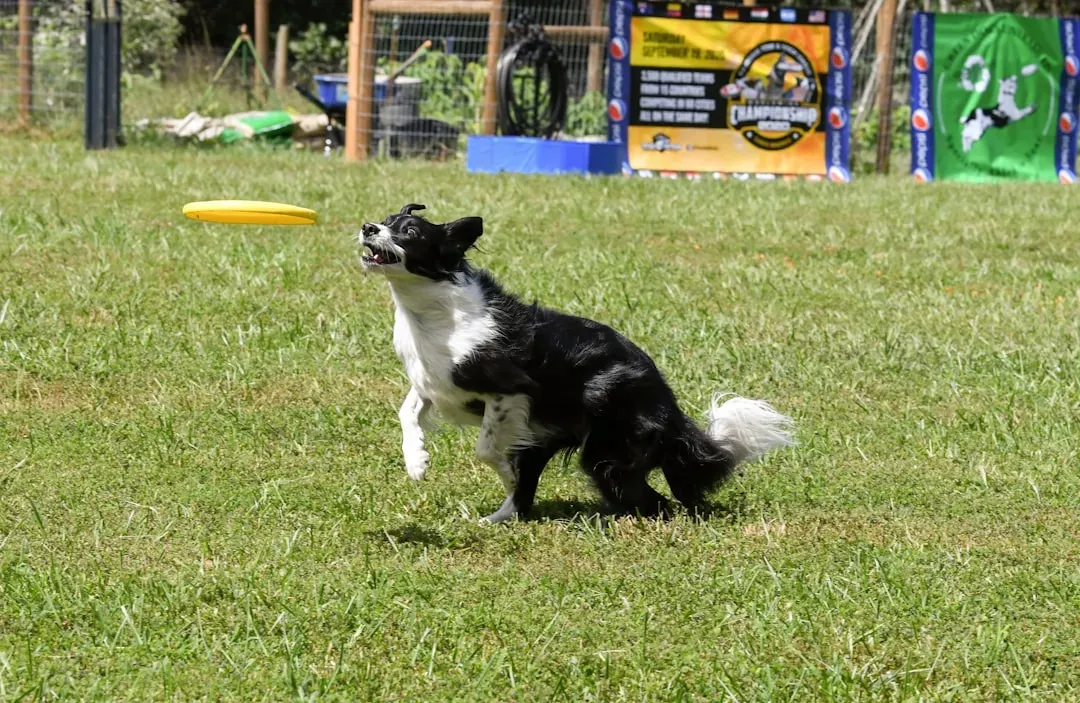
Let’s be real: play is where the magic happens. Sure, walks are essential, but play engages your dog on a completely different level. Play strengthens the bond between dogs and people, resulting in improved trust and communication, and can also help build their confidence and social skills. When you play with your dog, you’re not just entertaining them. You’re speaking their language.
Different dogs love different types of play. Some go absolutely wild for fetch, while others prefer tug or wrestling games. There are six general aspects of play: searching, stalking, chasing, fighting, celebrating, and consuming. Figuring out which aspects your dog enjoys most helps you become their favorite playmate. My own experience tells me that variety keeps things interesting for both of you.
Findings suggested that Conspecific play and Playhouse activities resulted in the greatest behavior change, with these activities having the greatest overall positive behavior change when compared to the other activities. Interactive play with other dogs or engaging environments can reduce stress and increase relaxation in ways that solitary walks sometimes can’t achieve.
Beyond Walks: Creative Ways to Tire Your Dog
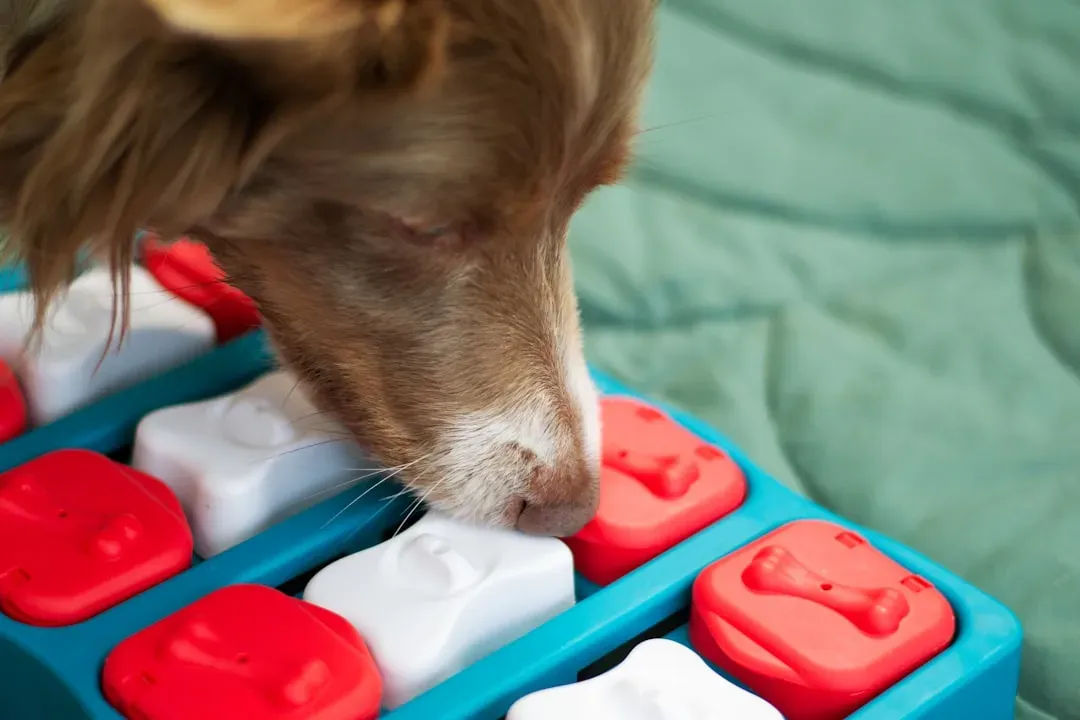
If you’re stuck thinking exercise means just walking around the neighborhood, you’re missing out on so much. Mental exercise can be just as exhausting as physical activity. Thinking takes energy and can be as tiring as a long walk. Puzzle toys, scent games, and training sessions challenge your dog’s brain in incredibly satisfying ways.
Sniffing is the main way dogs gather and interpret information about the world around them, making it a very mentally stimulating activity, and sniffing releases dopamine in a dog’s brain which helps to reduce their anxiety and promote relaxation. Sometimes the best walk isn’t the longest one but the one where you let your dog stop and sniff to their heart’s content. Those invisible scent trails are like reading the morning newspaper for your pup.
Food enrichment activities turn mealtime into a workout. Instead of dumping kibble in a bowl, try scatter feeding in the yard, using puzzle feeders, or stuffing food into interactive toys. Making mealtime fun, challenging and interactive is a great way to satisfy your dog’s innate instincts and curiosities, and every meal is an opportunity for enrichment. Your dog gets to use their natural foraging instincts while working for their food.
Swimming deserves special mention because it’s fantastic exercise that’s gentle on joints. Playing hide and seek throughout the house engages their nose and brain. Even simple training sessions where you teach new tricks provide mental stimulation that leaves dogs pleasantly exhausted.
The Balance: Knowing When Enough Is Enough
Here’s something that surprises many dog owners: yes, you absolutely can overdo it. There is such thing as too much exercise, and similar to humans, there’s a point at which they can be pushed beyond their limits and the consequences can be serious. High-drive dogs will often push themselves past their limits because they’re having so much fun.
Muscular pain and stiffness are signs your dog may be getting too much exercise, and this typically shows up after the dog rests following excessive exercise. Watch for limping, excessive panting that doesn’t resolve quickly, or reluctance to continue activities they normally love. Worn or damaged paw pads are another clear signal you’ve overdone things.
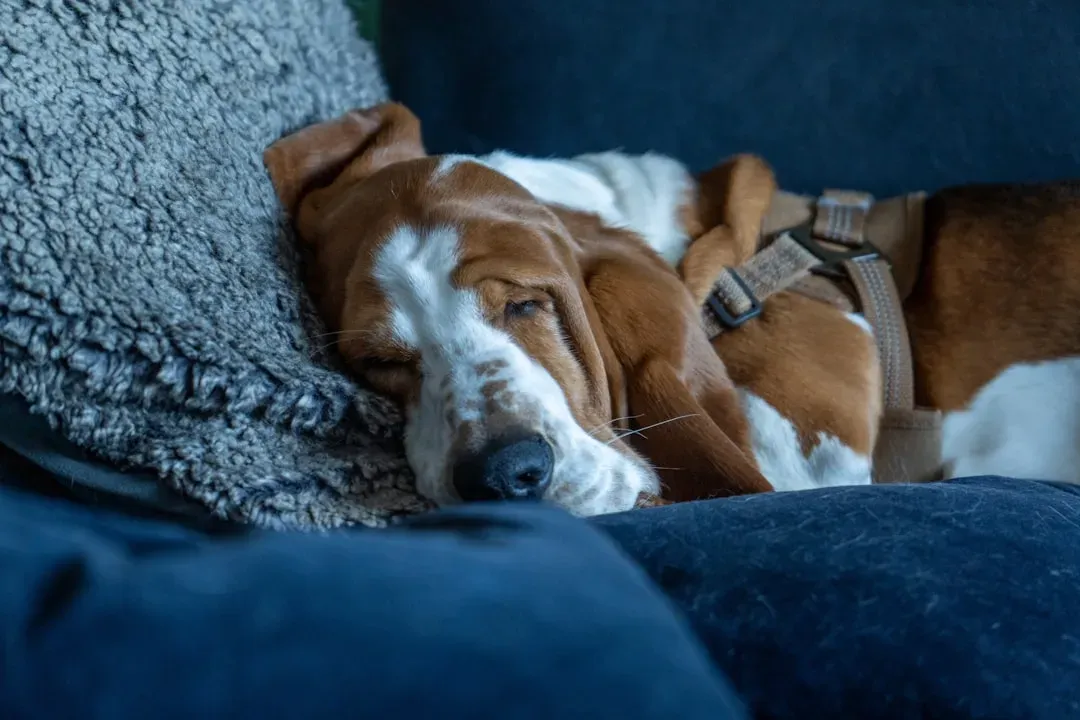
Too much stimulation can be just as harmful as too little, and your dog can be overstimulated, keeping in mind that they need a lot of rest each day, up to 18 hours. Rest days aren’t lazy days. They’re essential for muscle recovery and overall health. Think of your dog’s exercise routine like an athlete’s training schedule, complete with active days and recovery periods.
The goal isn’t to exhaust your dog into submission. It’s to provide appropriate physical and mental stimulation that leaves them contentedly tired rather than completely depleted. There’s a sweet spot where your dog is pleasantly worn out but not injured or overstressed.
Conclusion
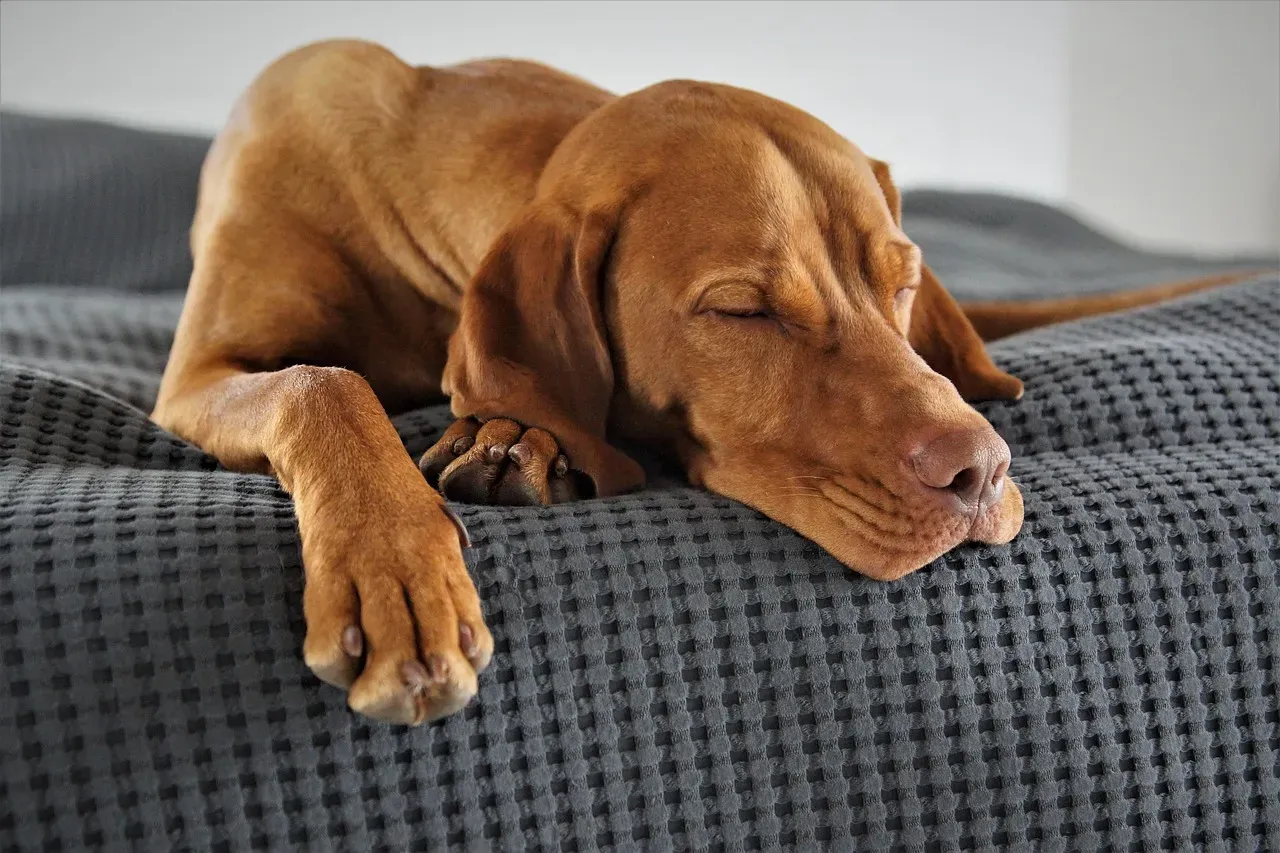
The phrase “a tired dog is a happy dog” isn’t just a cute saying. It’s profound truth wrapped in simple words. In both humans and dogs, insufficient physical activity is associated with increased risk for noncommunicable diseases and impaired quality of life. When we prioritize our dogs’ exercise and play needs, we’re not spoiling them. We’re meeting their fundamental requirements for a fulfilling life.
Every dog is different, and that’s what makes this journey so rewarding. Some need to run for miles, while others are satisfied with shorter adventures mixed with brain games. The key is paying attention to what your individual dog needs and responding accordingly. Watch their behavior, notice what lights them up, and adjust your approach as they age or their circumstances change.
At the end of the day, those moments when your dog curls up beside you, completely content and peacefully tired, make everything worthwhile. You’ve given them what they needed most: the chance to be fully, completely dog. So what does your dog’s ideal exercise day look like? Have you discovered activities that really make their tail wag?