
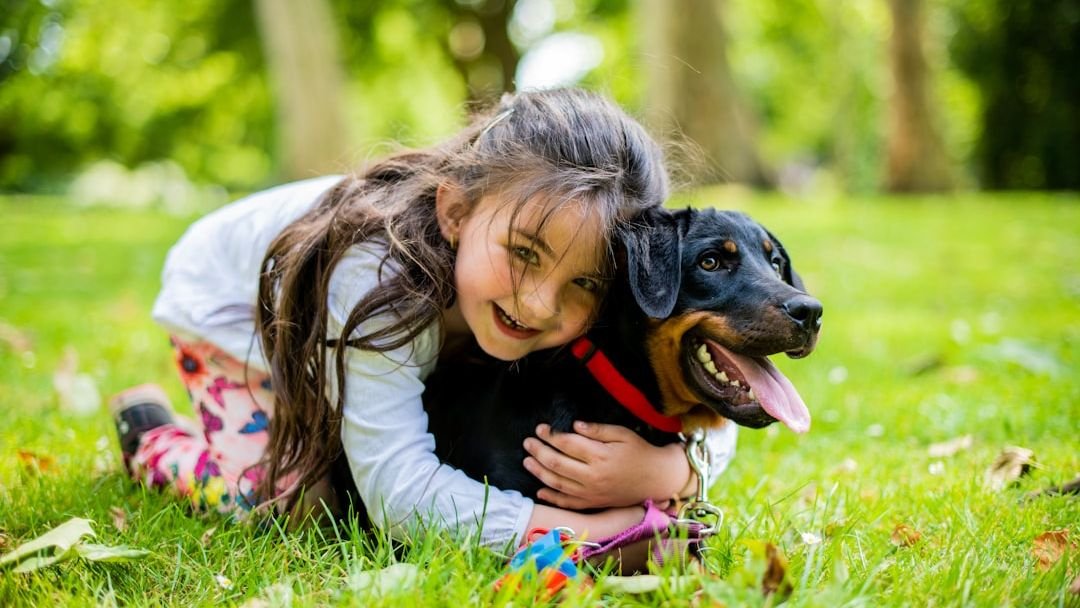
Picture this. You scroll through your social media feed and see yet another adorable video of a fluffy, stunning dog cuddling with kids. Your heart melts. You think about bringing that same breed home, imagining your own children creating similar memories. Here’s the thing, though: not every dog that looks perfect for family life actually is.
Let’s be real. We’ve all fallen for the movie magic or the glossy breed magazines that make certain dogs seem like the ultimate family companions. Sometimes, those perfect portraits don’t tell the whole story. Some breeds come with unique challenges that can catch unprepared families off guard, no matter how much you love dogs or how good your intentions are.
The truth about dog breeds and family compatibility isn’t always comfortable to discuss. It feels almost unfair to single out specific breeds. Yet, understanding temperament, energy levels, and inherent behavioral traits can save both families and dogs from heartbreak down the road. So let’s dive in.
The Dalmatian Dilemma

Those iconic black spots on white coats have captured imaginations for generations. Dalmatians are graceful and athletic dogs that are playful, outgoing, and intelligent. They seem like they’d be wonderful companions, right? Well, not quite so simple.
Dalmatians can be a little too energetic and excitable for very small children, though families with bigger kids will likely be able to handle their needs. But there’s more to consider. Dalmatians are rambunctious dogs who require an abundance of exercise and are prone to destructive behaviors like chewing if their excess energy isn’t spent, plus they can be strong-willed and need firm, consistent training. Think about that for a moment. An understimulated Dalmatian in a busy household with young children? That’s a recipe for chaos.
They must be watched closely around small children, and honestly, that constant vigilance can be exhausting. About 30 percent of Dalmatians are deaf, either fully or partially, which adds another layer of complexity. Training a deaf dog requires specialized knowledge and patience that many first-time families simply don’t have.
Siberian Huskies and the Energy Explosion
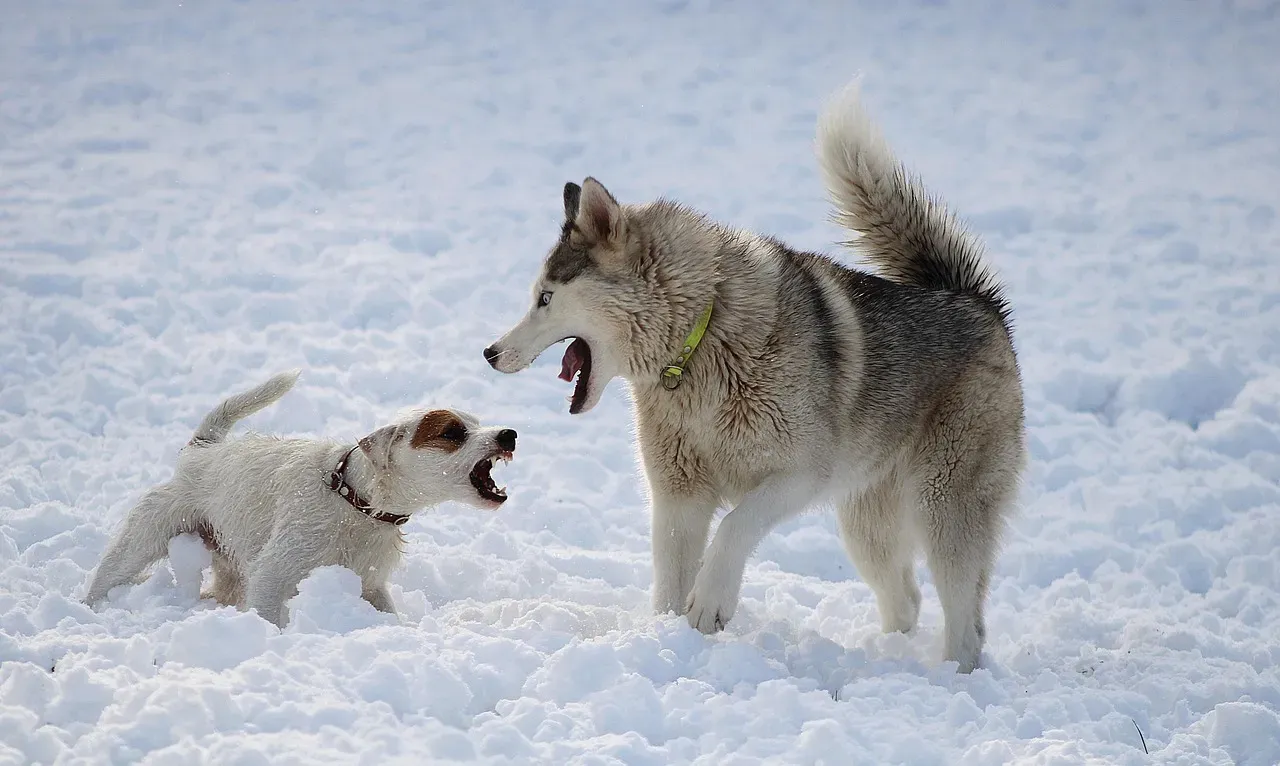
Those piercing blue eyes and wolf-like beauty make Huskies irresistible. Siberian Huskies are known to make good family dogs and be friendly and tolerant with children, though every dog is an individual and all interactions should be supervised. Sounds promising, but hold on.
Siberian Huskies are considered a high-maintenance dog breed that will require more time and energy than your average dog, from their exercise needs to their constant shedding and their high-pitched Husky howls. We’re talking about dogs bred to pull sleds across frozen tundra for hours. That energy doesn’t just disappear because they’re living in suburbia now.
Siberian Huskies are super energetic and love rough play, and even though they mean well, they might accidentally hurt a child because of their strength, plus training them can be tricky because they like to do their own thing. I know it sounds harsh, but imagine a toddler getting knocked over repeatedly by an exuberant seventy-pound Husky who just wants to play. Small children should never be left unsupervised with this breed, as their prey drive can kick in and cause them to give chase, though with proper training and early socialization, huskies and kids usually become great playmates.
Akitas and Their Guarding Instincts

Loyal, dignified, and strikingly beautiful. The Akita is a dignified Japanese dog that is extremely loyal, confident, and energetic, is more independent and does not typically need constant attention, and does not get along well with other dogs or with small children. That last part is crucial.
Akitas are natural-born guard dogs, and while training can tamp that down somewhat, it’s unlikely to completely iron it out. That guardian instinct, coupled with their intense devotion to families, makes them wonderful protectors, but the problem arises when your kids have friends over. If they start roughhousing, your Akita may take it as a sign that their family is in danger. That’s terrifying, honestly.
Akitas can be good companions for older children, but supervision is essential due to their size and strength, and teaching children to interact respectfully with the dog is crucial. They can weigh up to 130 pounds of pure muscle and protective instinct. Without extensive early socialization and experienced handling, things can go sideways quickly. This isn’t a breed for novice dog owners with young families.
Chow Chows and Personal Space
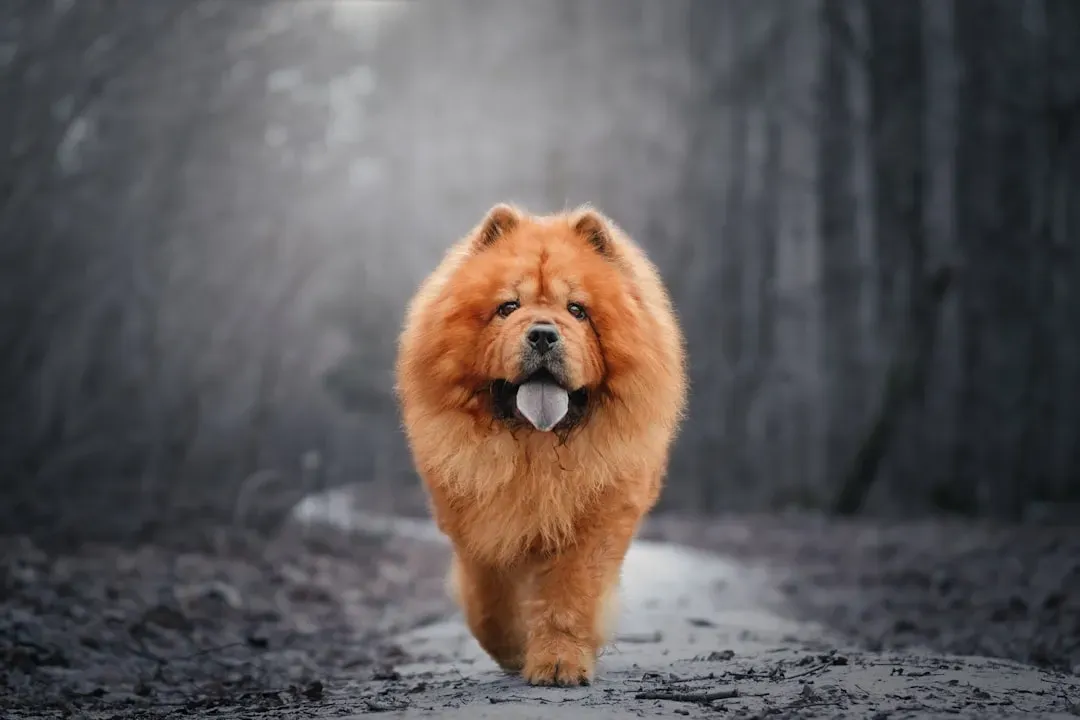
Fluffy, bear-like, and undeniably adorable. The chow chow is a unique breed with ties to ancient China that is affectionate with their humans but does not get along well with other pets or young children. While they are not generally an aggressive breed, chow chows may react badly to children who yell, are rough, or run around, and these dogs are also not very playful and have little patience.
Let’s think about what kids do naturally. They run. They shriek with laughter. They want to hug and cuddle constantly. Chow Chows don’t like to be disturbed when they’re not in the mood, and if they’re lying down and napping and a hyperactive child teases them, they may react adversely. That’s the reality many families don’t anticipate.
Chow Chows aren’t the most playful or patient dogs, so they may not be the best choice for families with young, boisterous children, and their stubbornness also makes them a better choice for experienced dog owners. They need owners who respect their boundaries and understand their independent, sometimes aloof nature. Small children rarely grasp these nuances, no matter how well-intentioned.
The Reality of Size and Strength
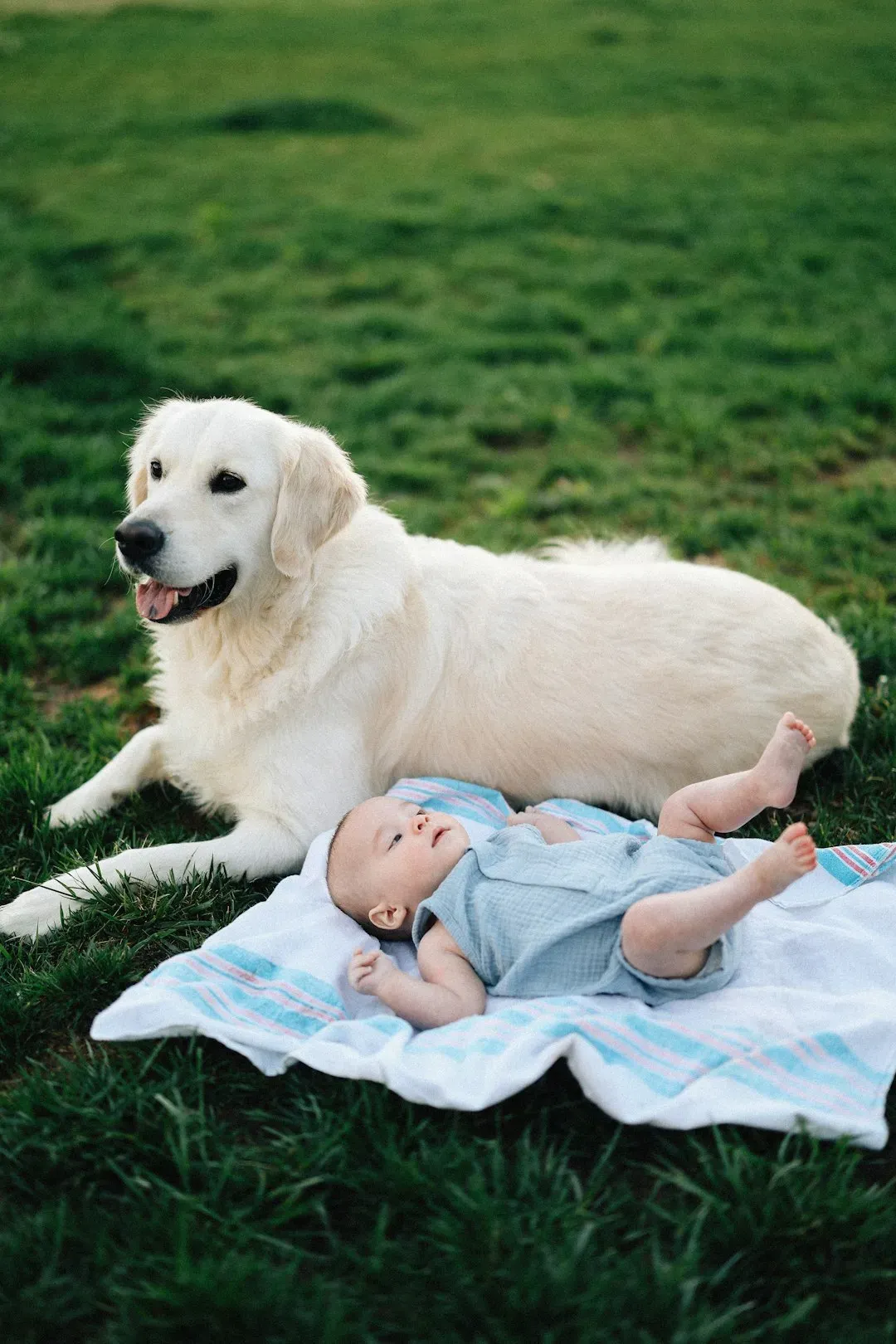
Sometimes it’s not about temperament alone. It’s about physics. Large breeds can pose unintentional risks simply because of their size and enthusiasm. Large breeds, especially those that are not well-trained, can unintentionally injure toddlers.
Think about a Mastiff wagging its tail at face level with a toddler. Mastiffs have extremely strong tails, and most tails are at the level of your toddler’s face. One good wag and you’ll have a serious injury to your hands, and these muscular dogs weigh a lot and can easily injure your children without meaning to. The dog isn’t being aggressive. It’s just being itself.
Even well-meaning, gentle giants can accidentally knock over small children during play or while moving through the house. This doesn’t make them bad dogs, but it does require constant supervision and awareness that exhausts many parents. Families need to honestly assess whether they have the capacity to manage a large, powerful dog alongside young children.
When Reputation Meets Reality
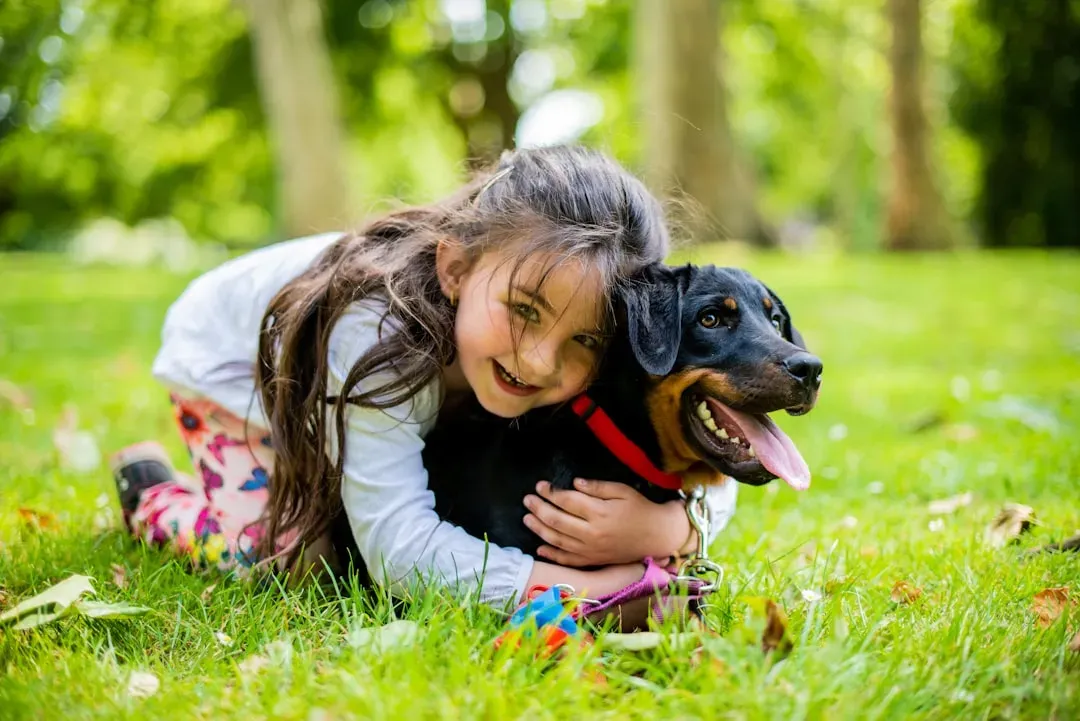
Here’s what makes this conversation so difficult. This varies greatly from dog to dog, as you might have an incredibly docile, well-mannered example of any breed. However, certain breeds are simply prone to certain temperaments with specific characteristics. Individual dogs can absolutely defy breed stereotypes.
Just because you opt for a docile breed doesn’t mean other factors don’t contribute to overall temperament. If a kid-friendly breed is hurt or teased by a child, they might develop a loathing for children. That’s the uncomfortable truth. Even traditionally family-friendly breeds can become problematic in the wrong circumstances.
The key is matching the dog’s needs with your family’s lifestyle and capabilities. The individual dog’s temperament, upbringing, training, and early socialization play a major role in how they behave within a family setting. Professional training, consistent socialization, and realistic expectations matter far more than breed reputation alone.
Conclusion

None of this means these breeds are inherently bad or unworthy of love. They’re magnificent animals with unique qualities that make them perfect for the right families. The problem arises when families choose dogs based on appearance or popularity without understanding what they’re really signing up for.
Before bringing any dog home, especially these more challenging breeds, ask yourself honest questions. Do you have the time, energy, and experience required? Can you commit to extensive training and socialization? Are your children old enough to understand and respect boundaries?
Sometimes the most loving thing you can do is recognize when a particular breed isn’t the right fit for your family at this stage of life. Maybe in a few years, when kids are older and you have more experience, that Akita or Husky will be perfect. But rushing into dog ownership with unrealistic expectations helps neither your family nor the dog.
What surprised you most about these breeds? Had you considered any of them for your family?


