
You catch your dog digging up the garden again. Or maybe she’s barking nonstop, refusing to settle, chewing through another pair of shoes. The frustration bubbles up. Why won’t she just stop? Here’s the thing though, what looks like misbehavior might actually be your dog’s way of telling you something important. Dogs don’t act out for fun or revenge. They’re solving problems we often don’t see.
Think about it this way. When we’re stressed or uncomfortable, we pace, tap our feet, or reach for comfort food. Dogs do something similar, but their language is different. That annoying behavior you’re trying to stop could be their desperate attempt at feeling better. Let’s explore what your dog might really be trying to tell you.
When Destructive Behavior Masks Physical Pain

Honestly, this one surprised me when I first learned about it. Pain is an important risk factor for behavior problems, with research showing that between 28% and 82% of veterinary behaviorist cases demonstrated signs of pain. That’s huge. Your dog who suddenly starts tearing up the carpet when left alone might not have separation anxiety at all.
In documented cases, dogs exhibiting persistent destructive behavior completely resolved the issue within two weeks of starting pain medication, with owners also noticing increased play behavior and cessation of anxiety-like signs. Imagine how many dogs get labeled as problematic when they’re actually hurting. Joint pain, dental issues, or even gastrointestinal discomfort can manifest as behaviors we misinterpret.
Behavioral changes such as increased fearfulness, prolonged recovery from stressful events, or reduced interest in social interactions and play might appear before typical signs like gait changes or lameness. Your dog’s way of coping with chronic discomfort could look like disobedience to you.
Excessive Paw Licking Isn’t Just a Quirk

Let’s be real, almost every dog owner has watched their pup lick their paws and thought nothing of it. Light grooming is totally normal. However, aggressive licking or chewing could indicate pain or injury, and it’s important to work with your veterinarian quickly.
The most common reason for excessive paw licking and chewing is allergies, especially seasonal, environmental, and food allergies, particularly during spring and autumn when the air is full of pollen and dust. But here’s what makes it tricky. The moisture caused by excessive foot licking between the paws can cause secondary bacterial or yeast infections, which actually worsen the itchiness. So your dog starts a vicious cycle that’s hard to break.
Sometimes it’s something simpler. Triggers for the licking can be an injury, a sore, or arthritis or joint pain. Check between those toe pads for thorns, cuts, or foreign objects before assuming it’s behavioral.
Barking and Anxiety Speak Volumes About Stress

I know the constant barking drives you up the wall. Trust me, your neighbors feel the same way. Research found that more than 99% of dogs in the United States show potentially problematic behaviors, with separation and attachment behaviors affecting roughly 86% of dogs. You’re definitely not alone.
It’s estimated that around 14% of dogs have separation anxiety, or an inability to find comfort when separated from family members. What we often miss is the why behind it. Some dogs develop separation distress after having a frightening experience, such as hearing thunder, while left alone.
Fear is the driver more often than we realize. Dogs bark for various reasons such as fear, anxiety, pain, territorial defense, threatening, greeting, play solicitation, contact seeking, and social facilitation. Before labeling your dog as badly behaved, consider what’s triggering the noise. Is construction happening nearby? Did the routine change? Sometimes solving the mystery requires detective work.
The Digging and Chewing Problem Solver

Picture this scenario. Your dog spends hours alone while you’re at work. No mental stimulation, limited exercise, same four walls every day. Dogs often behave destructively to relieve anxiety or as an outlet for excess energy, and while people may exercise or have a drink to relieve tension, dogs tend to chew, lick excessively, or pace when anxious.
Many behaviors such as pulling, digging, destructive chewing, urine marking, and play biting are part of the normal canine behavior repertoire but are nevertheless highly undesirable. The behavior itself isn’t abnormal. The context makes it problematic.
Here’s something most people don’t consider. Upper gastrointestinal irritation or dental and gum pain may cause destructive chewing in adult dogs. Your dog might be self-medicating. Chewing releases endorphins and can temporarily ease discomfort. Rather than just stopping the behavior, we need to address what’s causing it in the first place.
Cognitive Changes in Aging Dogs Get Misread
Watching your senior dog suddenly start having accidents indoors or seeming confused is heartbreaking. In older dogs, behavioral changes might include hepatic or renal failure, endocrine disorders like Cushing disease, pain, sensory decline, or any disease affecting the CNS or circulation. These aren’t choices your dog is making.
Behavior can be an important indicator of health and welfare in companion dogs, and behavioral change can signal transitions in life stages, alert caretakers to potential illnesses or injuries, and is an important factor in understanding stress. That forgetfulness about housetraining rules might actually be cognitive dysfunction syndrome, essentially doggy dementia.
What breaks my heart is this. Many owners don’t report these signs, perhaps because they think they’re insignificant or assume little can be done. Actually, there’s quite a bit we can do to help aging dogs maintain quality of life. Don’t write off behavioral changes as just old age without investigating further.
When Medical Issues Hide Behind Behavioral Labels

It’s hard to say for sure without proper testing, but medical conditions frequently masquerade as behavior problems. Behavior depends directly on an animal’s health condition, and some behavioral problems are caused totally or partially by a medical condition. The connection isn’t always obvious.
In some cases, treating an underlying health problem such as a bladder infection or joint pain can resolve the behavior almost instantly. Imagine punishing your dog for months when a simple course of antibiotics would have fixed everything. It happens more than you’d think.
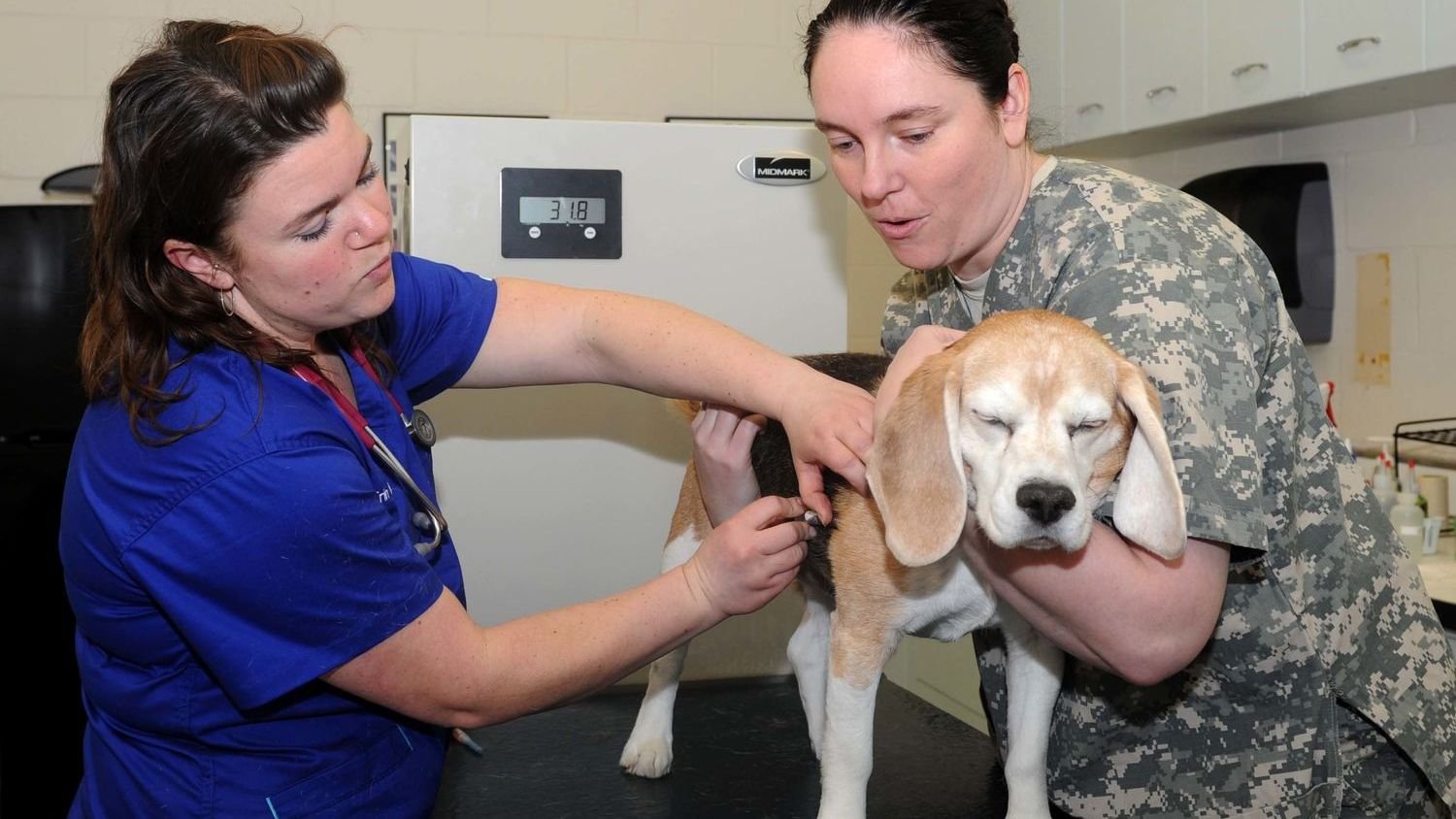
It is essential to rule out possible medical causes or factors contributing to the behavior problem. This means a thorough vet exam before assuming it’s purely behavioral. Blood work, urinalysis, checking for parasites, examining for pain responses. These diagnostic steps matter enormously. Your “problem dog” might simply be a dog with an undiagnosed problem.
Conclusion: Listening to What Your Dog Is Really Saying

Here’s what I’ve learned from years of working with dogs and their frustrated owners. Nearly every problematic behavior has a root cause. Dogs aren’t plotting to ruin your furniture or embarrass you in front of guests. They’re communicating the only way they know how.
Dogs do not participate in destructive activities out of spite or revenge, and behaviors are not motivated by spite but by anxiety, and punishment will make the problem worse. When we shift our perspective from “bad dog” to “what’s wrong,” everything changes. The solution becomes clearer once we understand the message.
Start with a veterinary exam to rule out medical issues. Work with a qualified behaviorist if needed. Observe patterns in when and where behaviors occur. Your dog is already trying to tell you what’s wrong. Our job is simply to listen better and respond with compassion instead of frustration. What if that annoying habit is actually your dog’s way of asking for help? Would you see it differently then?


