
Your Dog Understands More Words Than You Give Them Credit For
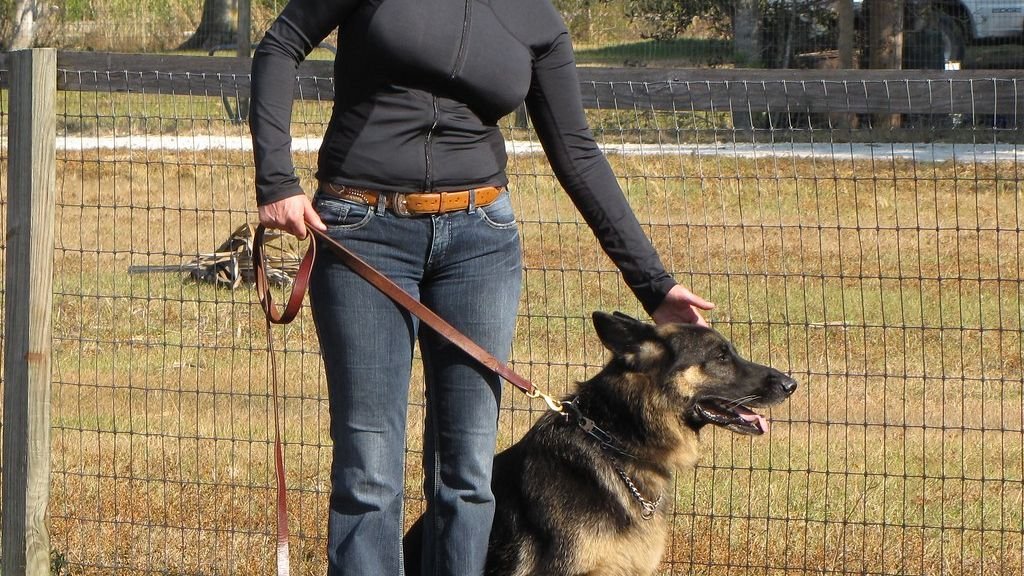
You’ve probably noticed how your dog’s ears perk up when you say certain words. Maybe you’ve started spelling out “w-a-l-k” to avoid the excited frenzy, or whispered “vet” in hushed tones so your pup doesn’t catch on. Here’s the thing though: your dog might be catching way more than you realize.
Most of us assume our furry friends understand the basics, like “sit” and “stay.” Yet scientific research keeps revealing something far more impressive. Dogs aren’t just responding to our tone or picking up on body language cues. They’re actually listening to the words themselves, processing them in ways that might make you rethink every conversation you’ve ever had in front of your four-legged companion. Let’s dive into what science has discovered about your dog’s secret language skills.
They Know Way More Words Than You Think

Research shows that dogs respond to an average of 89 unique words and phrases, though the range varies wildly. Some dogs only respond to around 15 words, while others understand as many as 215.
Veteran canine researcher Dr. Stanley Coren found that average trained dogs can learn around 165 human words. Think about that for a second. That’s comparable to a human toddler’s vocabulary.
The really mind-blowing part? A Border Collie named Chaser learned the names of 1,022 objects after three years of training. She wasn’t just memorizing sounds either. Chaser could distinguish between different actions like fetch, tease, and tug, and she understood how nouns and verbs work together.
Your Dog’s Brain Works Surprisingly Like Yours
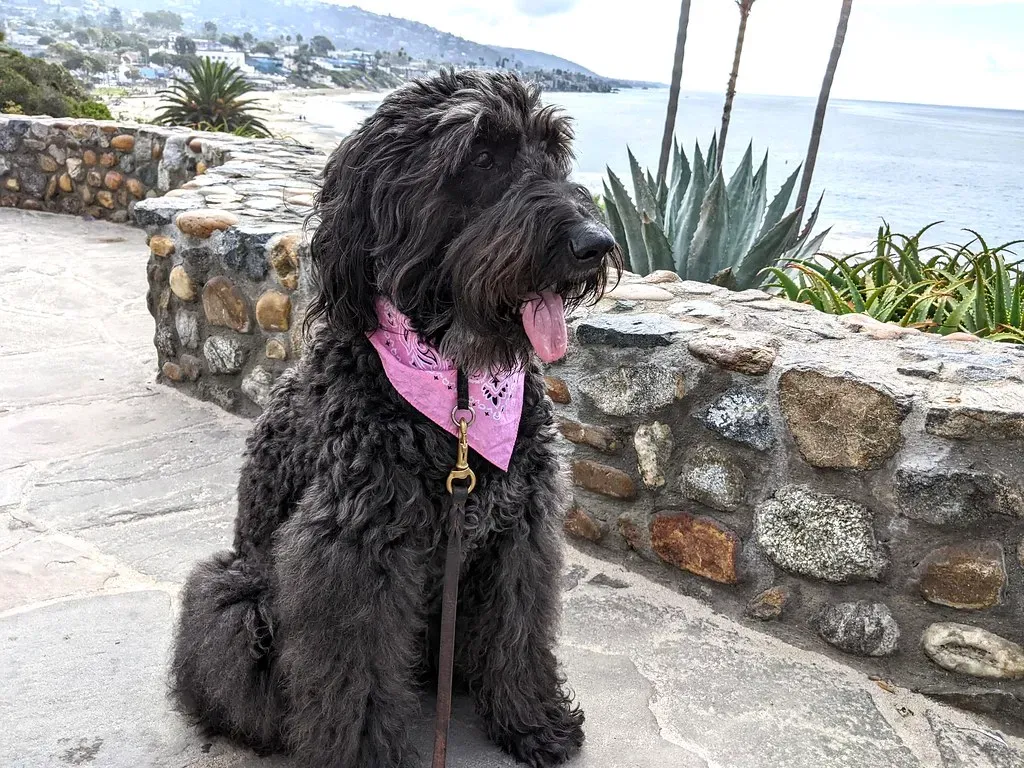
Scientists have actually looked inside dogs’ brains while they listen to us talk. Dogs process language much like humans do, with the left side of the brain processing word meaning while the right side interprets intonation.
It gets even more fascinating. Brain patterns similar to what’s observed in humans suggest dogs link words with specific objects, and when shown a mismatched object, their brains do extra processing. Your dog expects to see a ball when you say “ball,” and their brain actually registers confusion when you show them something else instead.
Dogs respond best when praising words combine with praising intonation, and they can separate what we say from how we say it. So when you tell your dog they’re a “good boy” in a flat, unenthusiastic voice, they notice. They really do.
They’re Listening Even When You’re Not Talking To Them
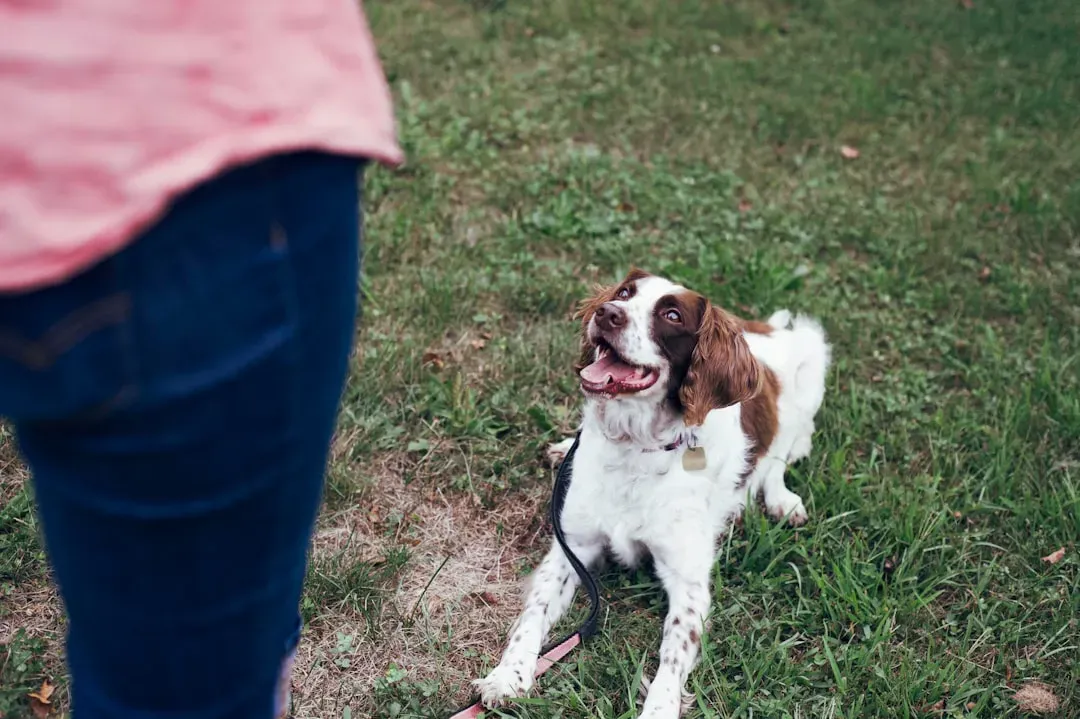
Ever wondered if your dog tunes you out when you’re chatting on the phone or having a conversation with someone else? Turns out, they’re probably eavesdropping.
Dogs possess the neurological capacity to passively sift through information and commands relevant to them when humans are talking, and they can find their name when it’s buried in a stream of irrelevant speech delivered in a flat voice. That’s actually a prerequisite for comprehending language.
Dogs can detect the difference between speech and speechlike sounds and can even tell apart different human languages without explicit training. Imagine moving to a new country where everyone speaks a completely different language. Your dog would notice that change, just like you would.
But There Are Limits To What They Understand

Before you start having deep philosophical conversations with your pup, there are some important caveats. Dogs don’t access phonetic details when listening to human speech, and when a nonsense word sounds just like an instruction word, they don’t distinguish at all.
So if you say “sit” or “sid,” your dog will probably respond the same way. Dogs process speech similar to babies under 14 months old, using non-detailed phonetic recognition, which explains why most dogs can only learn a small handful of words since a big vocabulary requires precision.
Dogs most likely don’t understand abstract concepts, so they’re only capable of understanding words that refer to concrete things. Words like “love,” “justice,” or “tomorrow” don’t really register the way concrete words like “treat” or “ball” do. Sorry to break it to you.
Some Dogs Are Linguistic Superstars
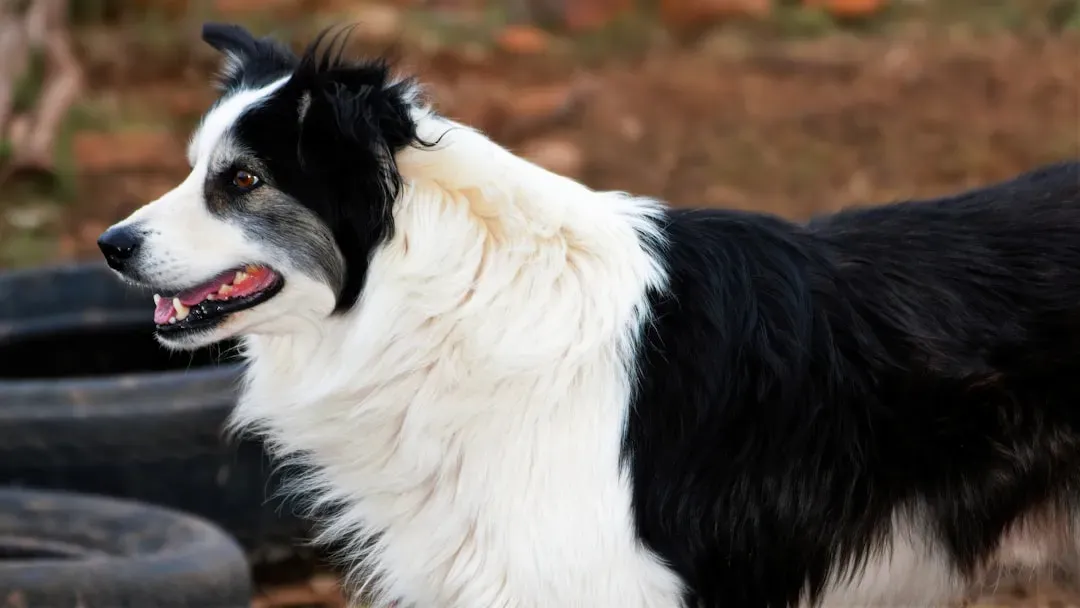
While most family dogs never build massive vocabularies, there are exceptional cases. Arya, a six-year-old border collie in Italy, can learn a new toy’s name with just one or two mentions, and some dogs with unusually large vocabularies can go beyond simply memorizing terms.
These gifted word learner dogs aren’t just party tricks. They can understand words for objects in different categories based on function, like tug toys called “pulls” and fetch toys called “throws,” demonstrating ease and flexibility in applying words by function.
Professional dogs trained for military, police, or search and rescue had vocabularies 1.5 times larger than dogs without career training, and different breed types showed significant variations in word-learning abilities. Herding dogs and toy companions tend to respond to more words than terriers or sporting dogs.
How You Can Boost Your Dog’s Vocabulary
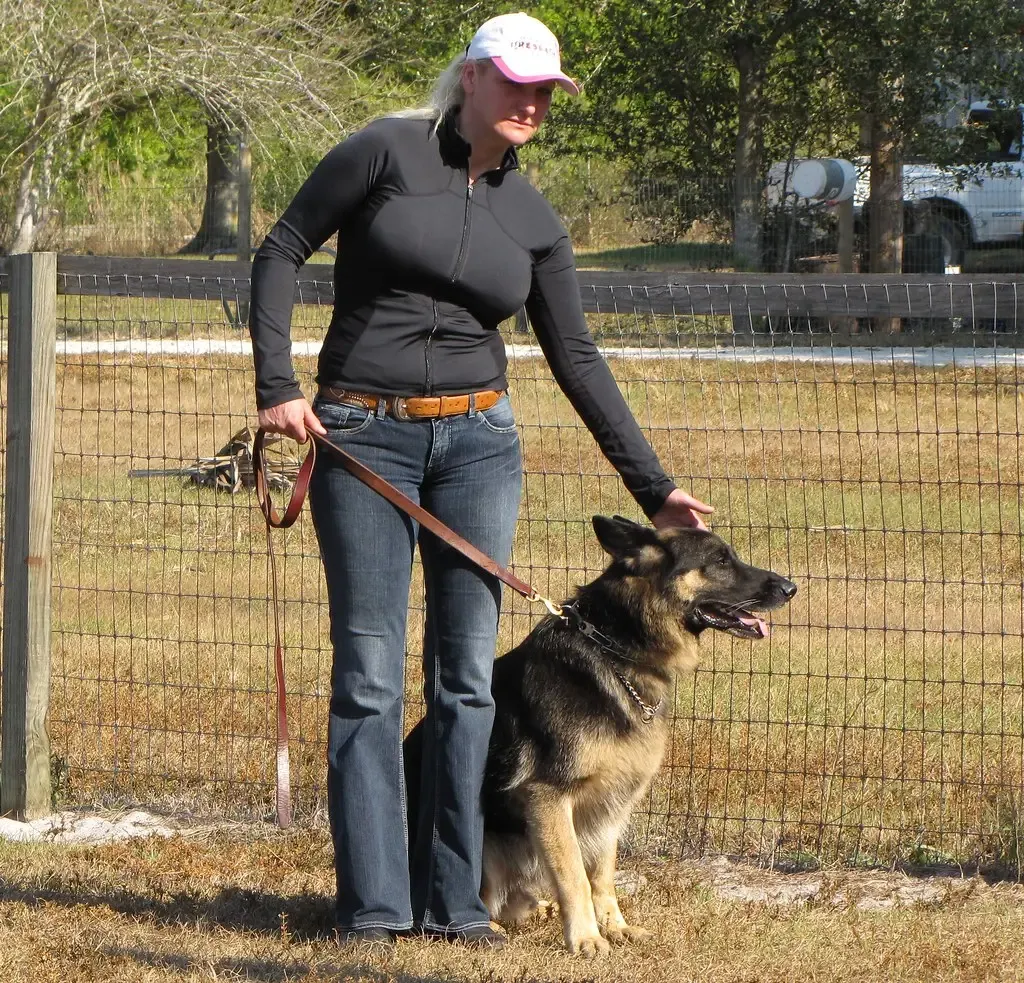
Want to help your dog expand their word knowledge? It’s not complicated, but it does require consistency.
Start with simple words that refer to things your dog enjoys, like “dinner,” “treat,” or “walk,” and use the word then immediately show your dog what it means. Repetition is your best friend here.
Pick words that don’t sound like other words, because research shows dogs can distinguish between familiar words and different-sounding ones, but they struggle to differentiate between familiar words and similar nonsense words. Keep commands distinct.
Here’s something that might surprise you: deliberately slowing down speech patterns when talking to dogs may help improve their understanding. Talking fast might feel natural, but your dog processes information differently than adult humans do. Give them time to catch the words you’re using.
What This All Means For Your Relationship
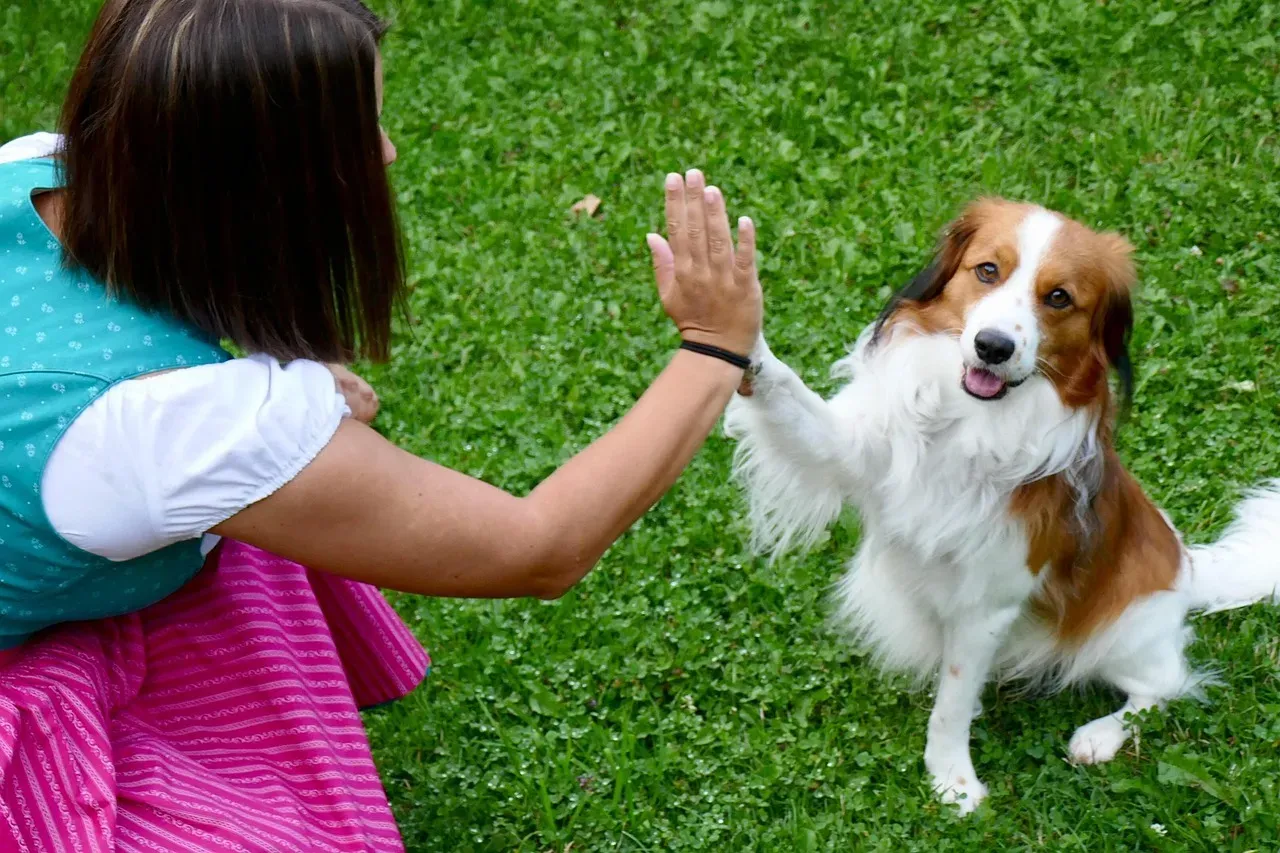
Understanding just how much your dog comprehends changes everything about how you communicate. They’re not just waiting for treats or reacting to your excited tone. They’re genuinely listening, processing, and trying to understand you.
Dogs are listening to your speech, and it’s not entirely true that they’re just watching your gestures or figuring things out from context. Your words matter to them. The conversations you have, the stories you tell while they’re curled up beside you, the gentle reassurances you offer during thunderstorms – they’re taking it all in.
Think about the implications. Every time you talk to your dog, you’re not just making noise. You’re engaging with a creature that’s evolved alongside humans for thousands of years, developing the cognitive machinery to bridge the communication gap between species.
So next time you look into those soulful eyes, remember: your dog understands more than you ever gave them credit for. They’re hanging on your every word, decoding your tone, and building a mental map of the language that connects your two worlds. Pretty incredible, right? What would you say to your dog if you knew they truly understood?