
10 Important Things Dogs Look For When They Pick Their Primary Human
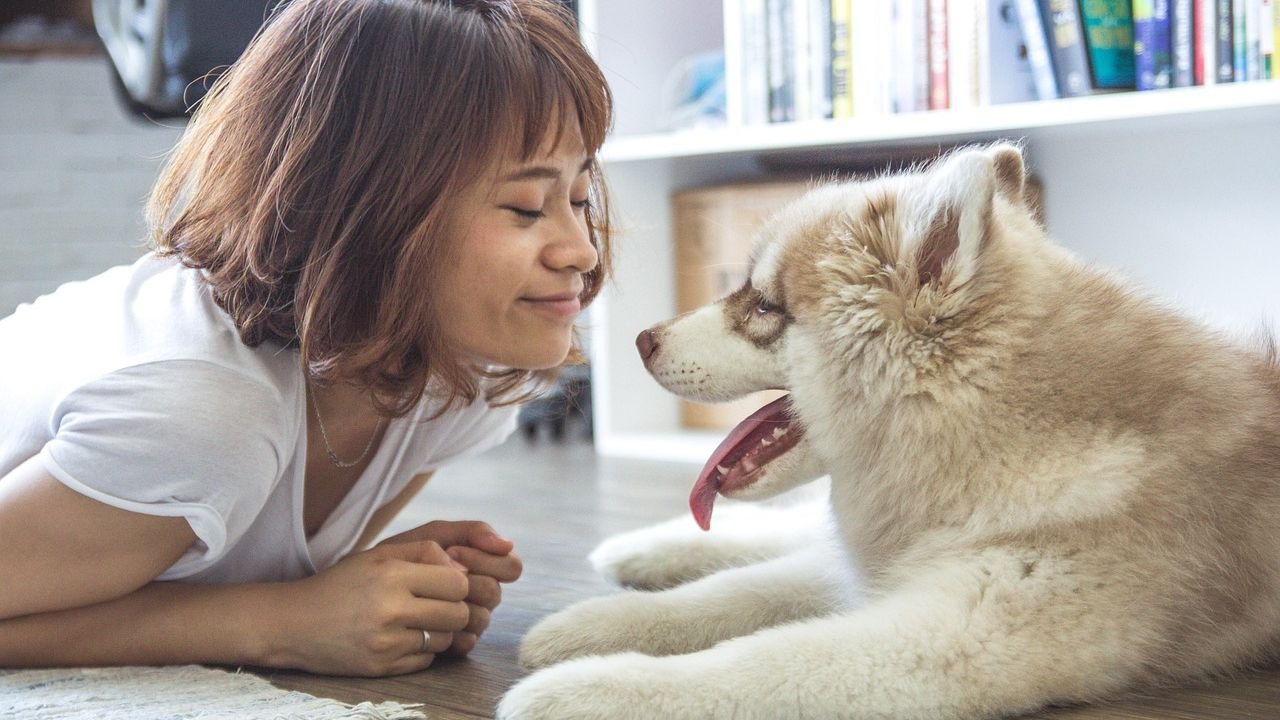
Ever wonder why your dog chose you? Maybe you live in a multi-person household and your furry friend clearly favors someone else. Perhaps you’ve noticed your pup gravitates toward one family member over another, and you’ve been left scratching your head. The truth is, dogs aren’t just randomly picking their favorite person. They’re using a sophisticated set of criteria to determine who becomes their primary human, their safe haven, their number one.
It’s honestly fascinating when you dig into what actually goes on in your dog’s mind. They’re reading us in ways we often don’t even realize, picking up on subtle cues about our energy, our consistency, and how we make them feel. Let’s dive into the ten things that really matter when your dog is choosing their person.
The One Who Gives Quality Time and Attention
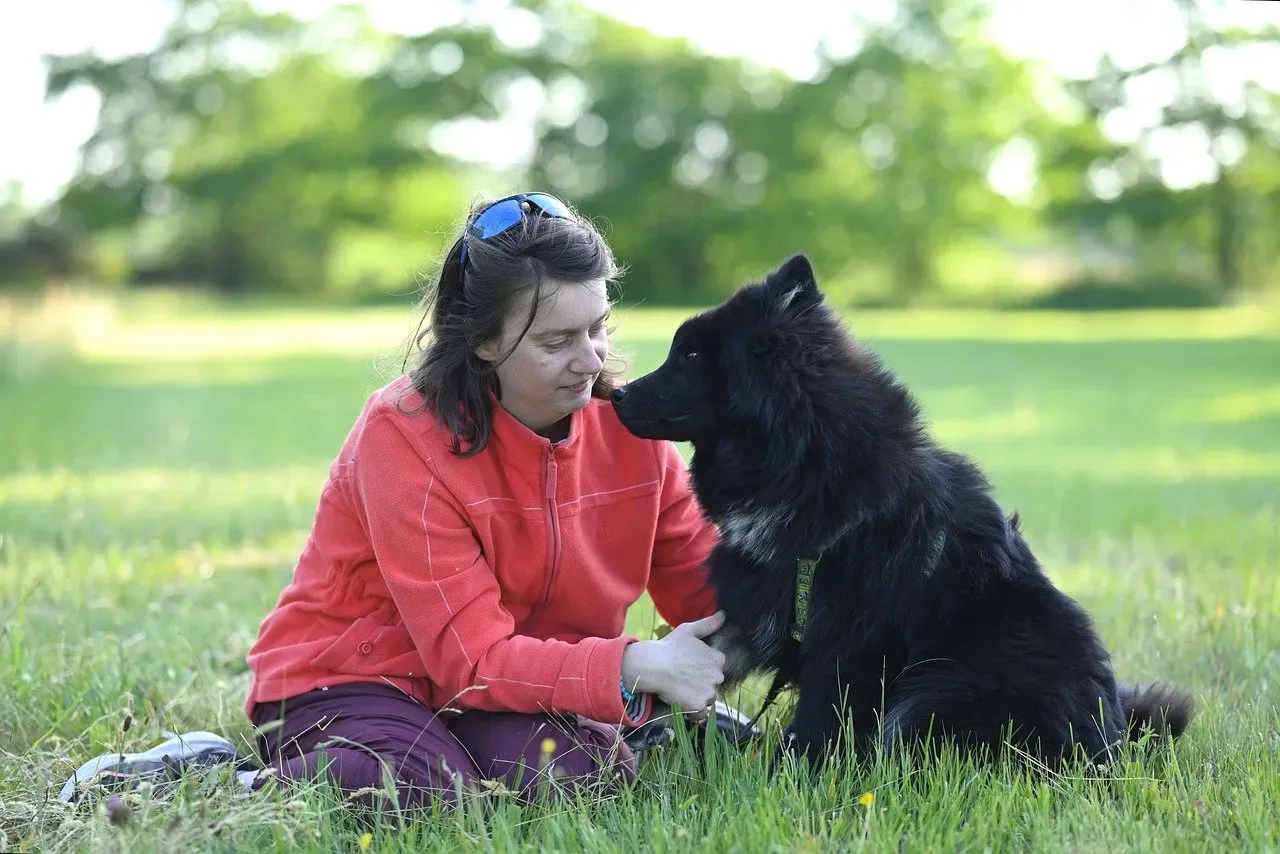
Most dogs tend to bond to the person who gives them the most attention. It’s not just about being physically present, though. Your dog isn’t measuring hours on a clock.
High quality is key here, and if your dog spends hours in someone’s presence but that person ignores them most of the time, that time won’t matter. Think about it this way: the person who actively engages with your dog, makes eye contact, talks to them, and genuinely interacts is the one creating meaningful memories. That’s what dogs are looking for.
Positive Associations and Good Experiences
Dogs play favorites depending on their associations, and when a person is the source of good stuff, the dog forms a bond. This goes way beyond just tossing treats. Dogs are incredibly good at linking people with experiences.
Positive associations are the foundation of cementing a dog’s choice of their favorite person, and a good owner gives their pet many reasons to form these associations, whether long walks, treats for behaving, or a safe place to sleep. If you’re the one who brings excitement, comfort, and joy into their life, you’re building an incredibly strong foundation. Dogs remember who makes them feel good.
Matching Energy Levels and Personality
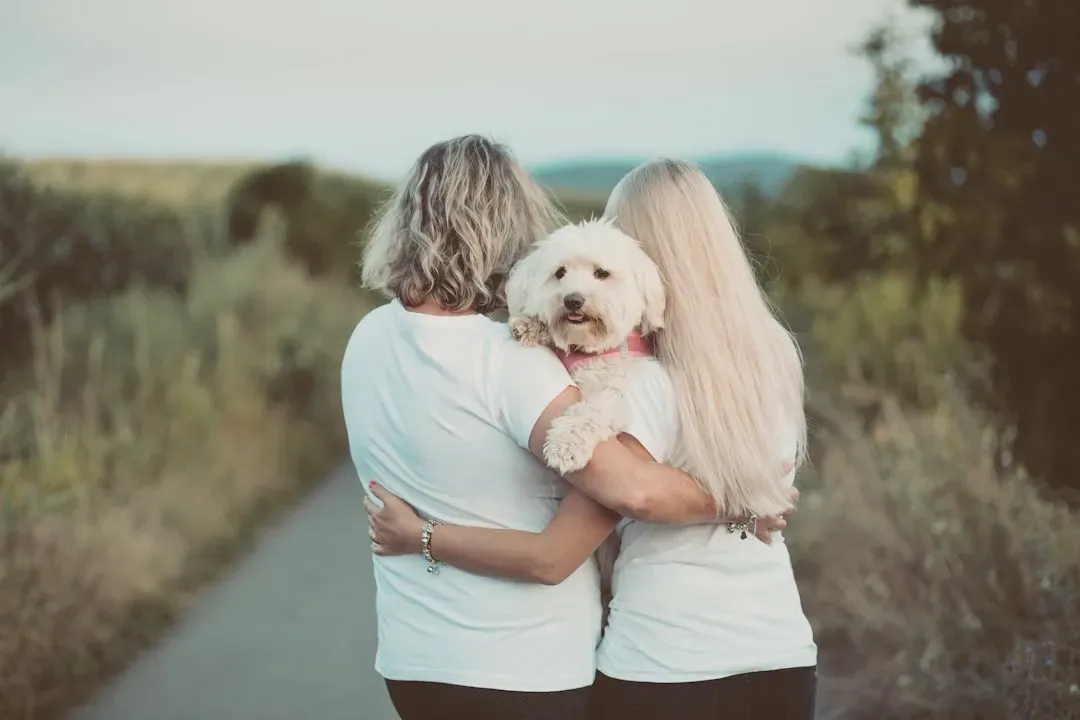
Dogs often choose a favorite person who matches their own energy level and personality. Like attracts like, even across species. An energetic Border Collie probably isn’t going to vibe with someone who wants to spend all day on the couch.
Dogs and humans have different personalities and energy levels that can affect their bond, and a high-energy dog may prefer a more active person, while a laid-back dog may prefer someone calmer. This isn’t about one type being better than another. It’s about compatibility, finding that natural rhythm together. Your dog wants someone who gets their vibe.
Early Socialization Experiences
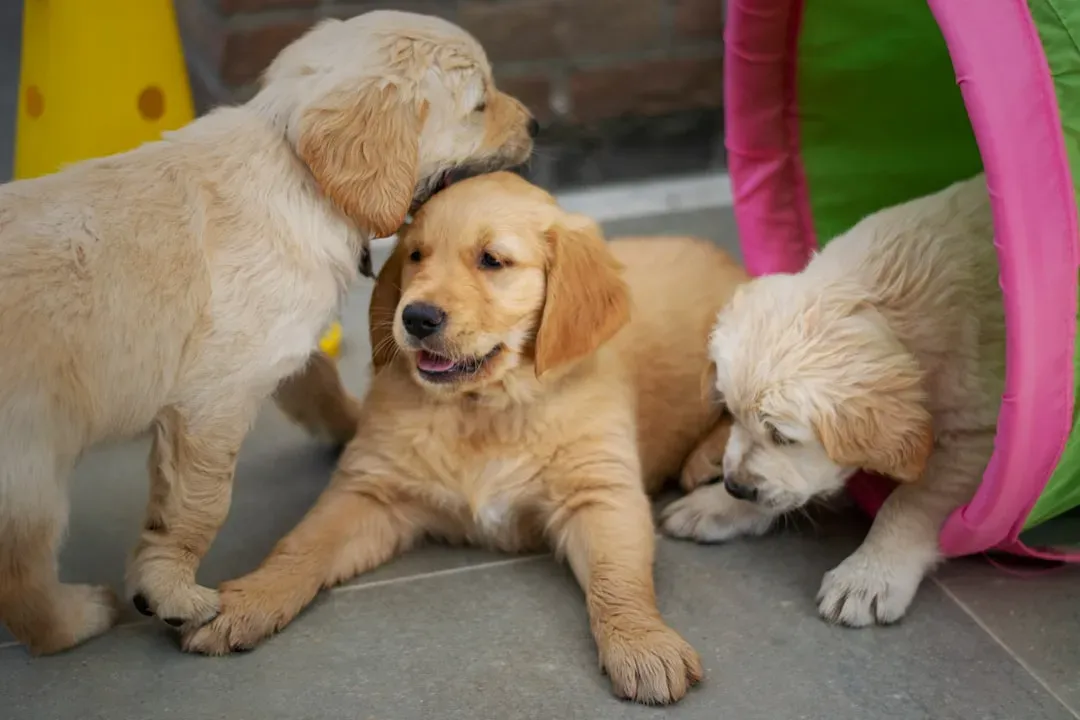
The critical period for canine socialization is between 3 and 14 weeks old, and during this time, dogs learn to be dogs and also start forming social bonds with people. Those early weeks shape everything. Honestly, if you weren’t around during your dog’s puppyhood, this doesn’t mean you’re out of luck.
Dogs can begin showing preferences within days or weeks of meeting new people, but strong bonds typically develop over several months of consistent positive interactions, and puppies often form their strongest attachments during their first six months, while adult dogs may take longer to form new primary bonds but are still capable of developing deep attachments throughout their lives. The takeaway? Patience and consistency matter, no matter when you enter your dog’s life.
Consistent and Clear Communication
Dogs crave predictability. They don’t understand our complex human world, so they need us to be clear about expectations. Dogs really like consistency, and they don’t have your moral compass and understand what your human guidelines are.
The person who establishes clear routines, consistent boundaries, and reliable signals becomes a source of comfort and security. Your dog isn’t looking for someone who’s perfect. They’re looking for someone who’s predictable and trustworthy. When they know what to expect from you, they feel safe enough to fully bond.
The Person Who Provides Physical Comfort and Safety
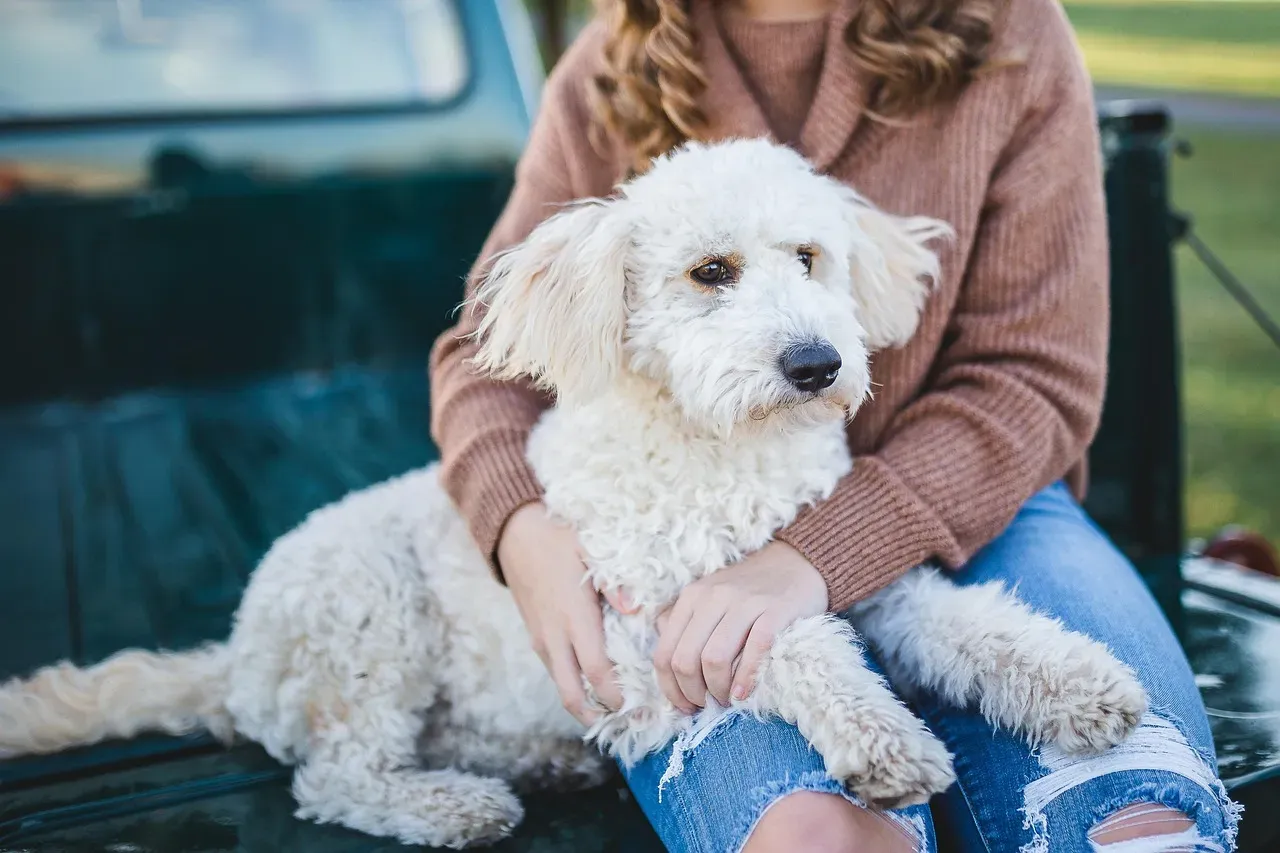
Dogs may show a preference for individuals who provide comfort, companionship, and a sense of security, as dogs are drawn to individuals who make them feel physically comfortable and safe. This is primal stuff, rooted deep in their evolutionary history. Think about where your dog chooses to sleep.
If they’re curling up next to someone or following them room to room, that person represents safety. They’ve become the secure base from which your dog explores the world. It’s honestly one of the most touching aspects of the dog-human bond, this absolute trust they place in us.
Emotional Connection and Empathy
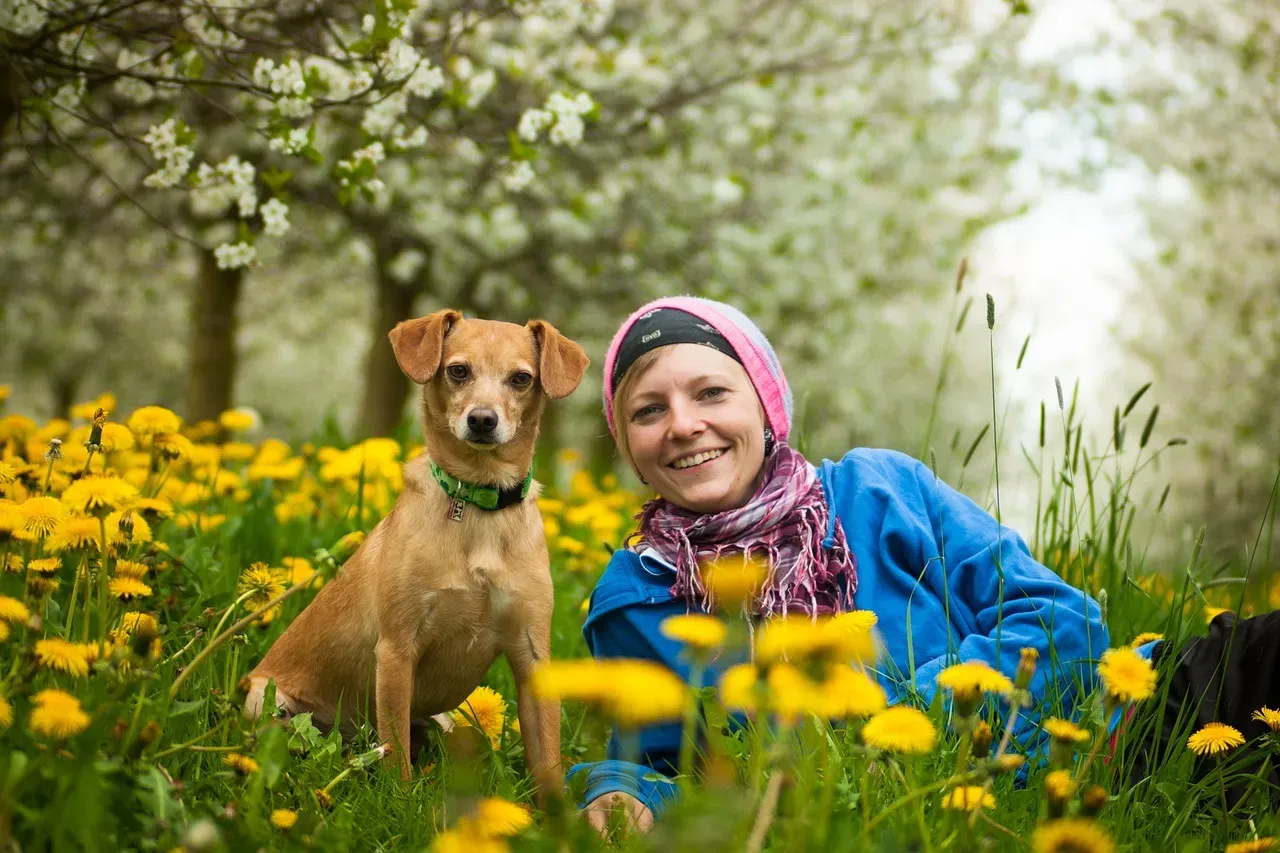
One review of 69 studies concluded that the release of the hormone oxytocin in humans and dogs forms the basis of the interactions with our pets, and it is a factor in social bonding, and interestingly, it also influenced tear formation when dogs were reunited with their owners. There’s actual chemistry happening here. Your dog can read your emotions better than you might think.
Dogs have an ability to read and match human emotions, and when a person is very anxious, our dogs understand this and often become anxious as well. The person who responds to their dog’s emotional needs with empathy and understanding creates a profound connection. Dogs want someone who sees them, really sees them, as the individual they are.
Training and Positive Reinforcement
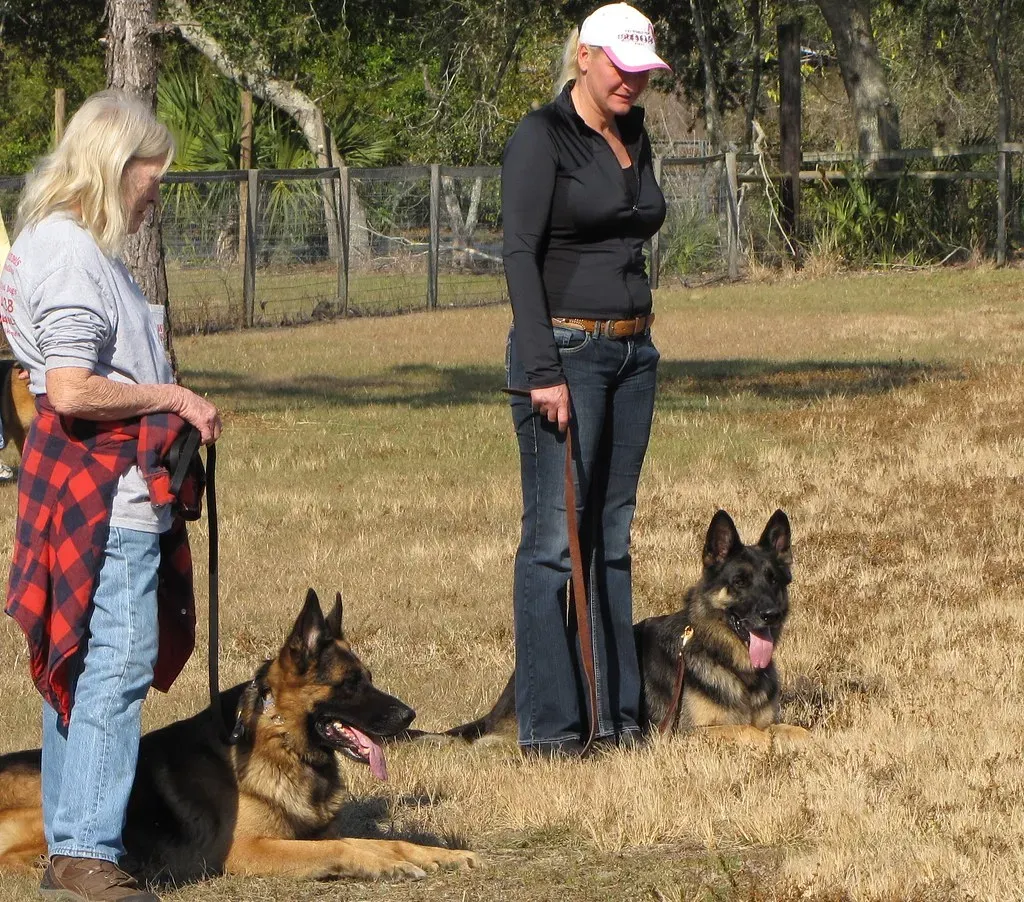
Dogs respond to positive reinforcement and training, and if one family member is more consistent in rewarding good behavior or teaching tricks, the dog is more likely to form a bond with them, as training also requires bonding between the dog and the trainer, which can solidify the relationship. Here’s the thing: training isn’t about dominance or control.
It’s about creating a shared language between you and your dog. The person who takes time to teach, to praise, to celebrate small victories becomes incredibly important in your dog’s world. Positive reinforcement enhances the human-animal bond by fostering a common language that pet parents can use to interact with their dog, and with it, a dog learns to listen to the pet parent and perform the behavioral cues they were taught.
Respect for Boundaries and Body Language
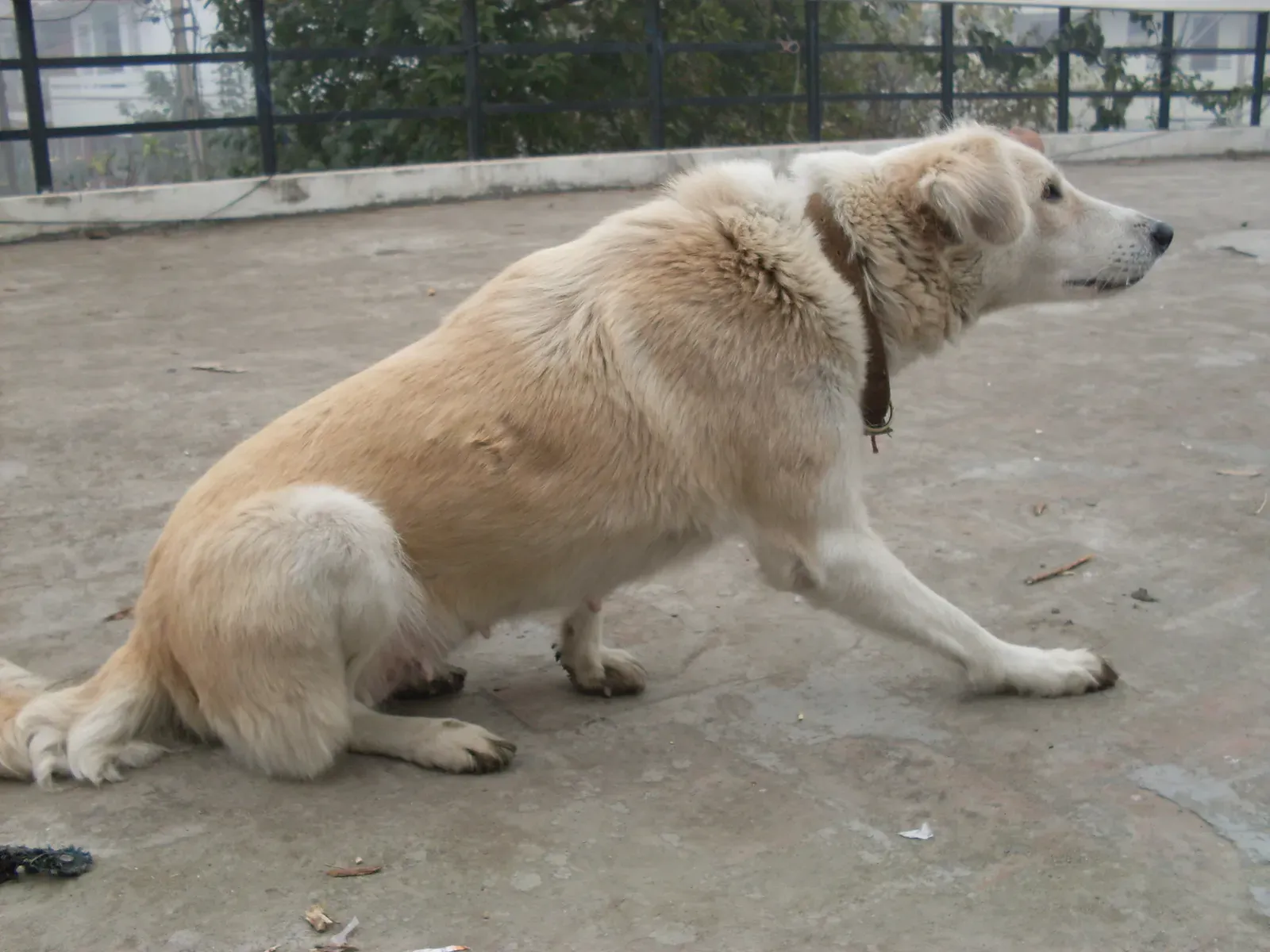
Dogs communicate constantly through body language, and they notice when we pay attention. The person who respects when a dog needs space, who doesn’t force affection, who reads the subtle signals of discomfort creates trust. The best way to build a strong bond with your dog is by learning to read their facial expressions and body language, and once a pet parent learns what their dog is trying to say, the door to improved understanding and communication opens.
This matters more than people realize. Your dog wants someone who listens not just to their barks, but to their entire way of communicating. Someone who acknowledges when they’re saying no to petting or asking for space. That kind of respect builds profound trust over time.
Scent and Familiarity
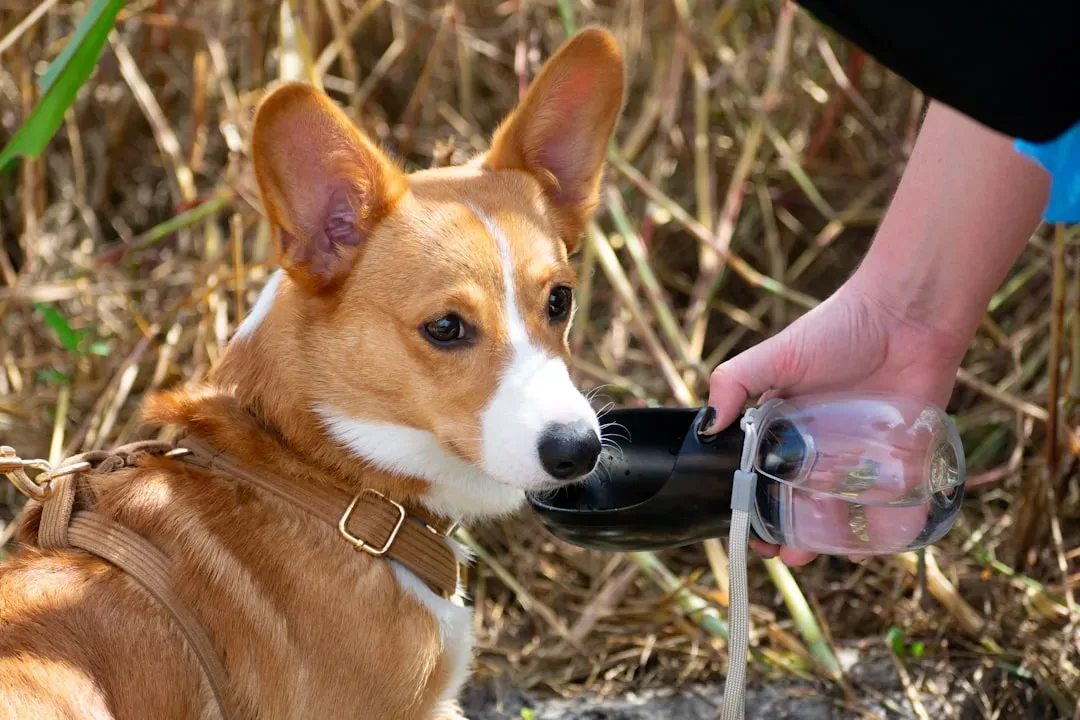
Dogs have a keen sense of smell and can identify individuals by their scent, and they may be drawn to the person whose scent they find most comforting, which is why it’s essential for the dog to spend time with all family members to become familiar with everyone’s scent and bond with each household member. This might sound strange, but scent is incredibly powerful for dogs.
The person whose smell becomes associated with safety, comfort, and home gains a special place in your dog’s heart. It’s one of those invisible factors we rarely think about. Your dog is literally breathing you in, creating neural pathways that connect your unique scent with all the positive experiences you share together.
Conclusion: It’s About the Relationship You Build
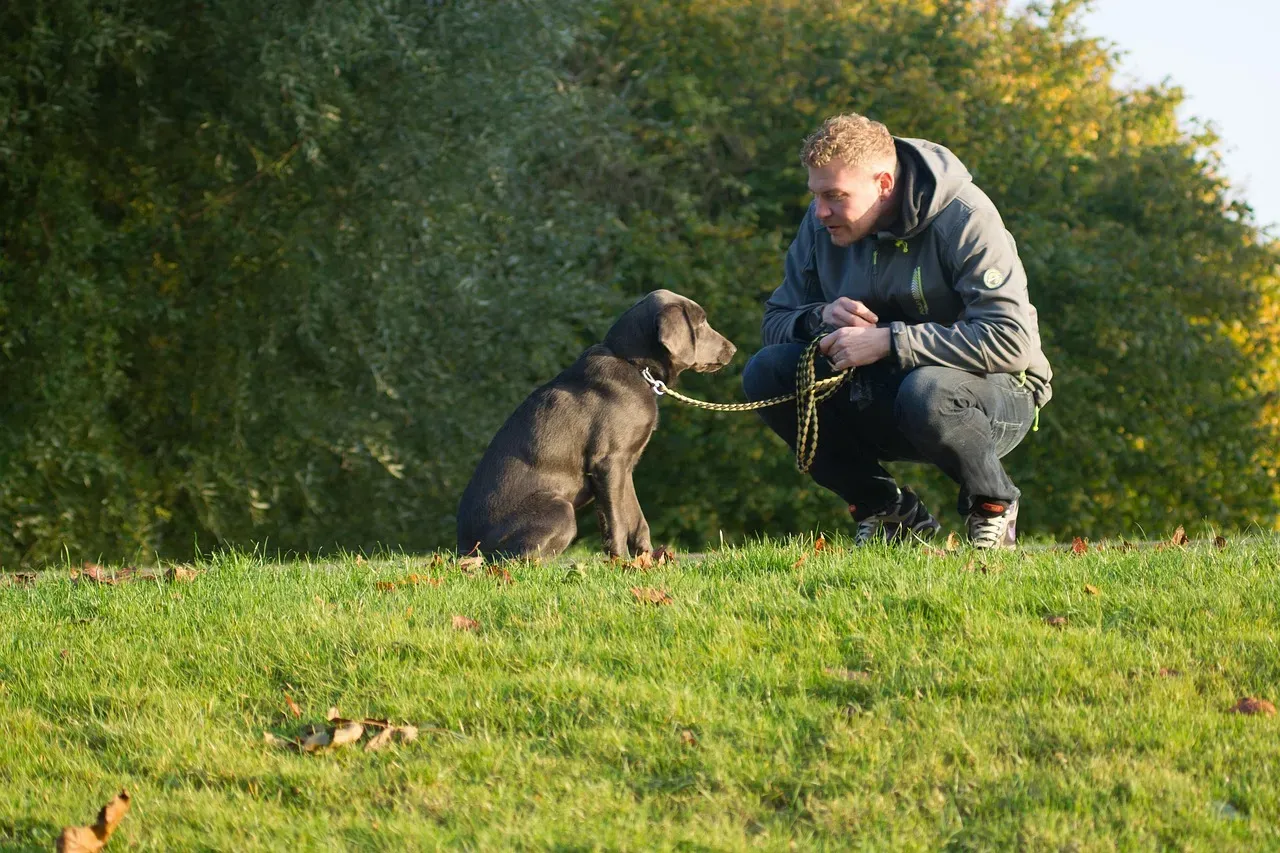
At the end of the day, dogs aren’t choosing their primary human based on a checklist. They’re responding to the entire relationship you build with them. It’s the combination of attention, positive experiences, compatible energy, consistency, empathy, and respect that creates that special bond. Some dogs form these attachments quickly, while others take months or even years.
The beautiful thing is that it’s never too late to strengthen your bond with your dog. Whether you’re the chosen one or you’re working to become more important in your dog’s life, the principles remain the same: show up consistently, be kind, respect their needs, and make their world a better place. What’s your experience? Did your dog choose you, or are you still working on becoming their favorite? Tell us in the comments.