
5 Health Habits You Can Start Today to Extend Your Dog’s Life
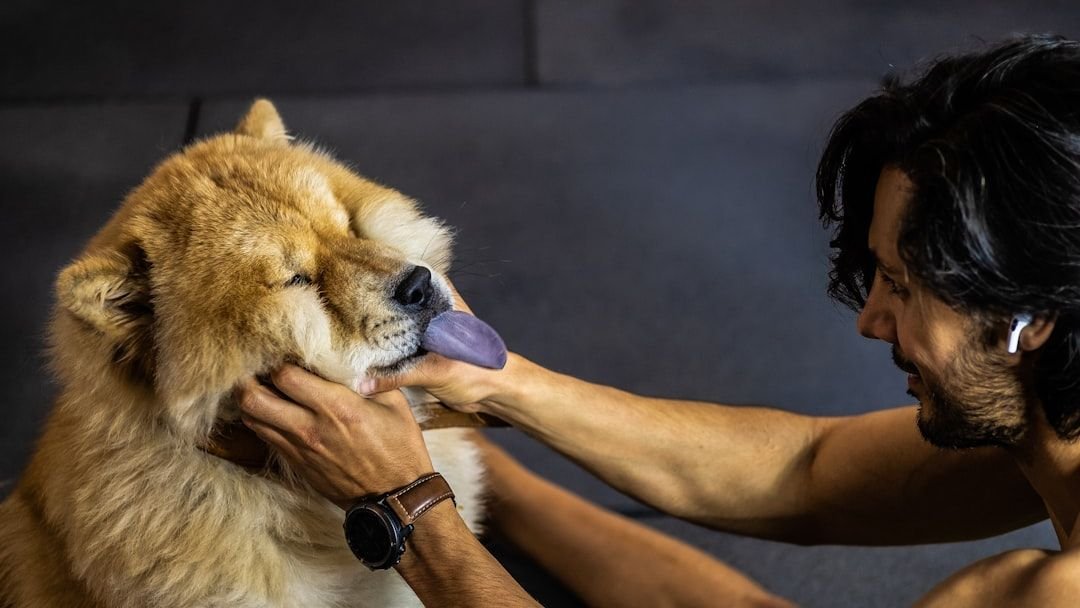
You know that feeling when you look into your dog’s eyes and wish you could freeze time? Every dog owner dreams of more years with their furry best friend. The good news is that you have more control over your dog’s lifespan than you might think. It’s not about magical solutions or expensive treatments. Small, consistent changes in how you care for your canine companion can add precious years to their life.
Let’s be honest, there’s nothing we wouldn’t do for our dogs. They give us unconditional love, endless joy, and loyalty that knows no bounds. So why not return that devotion with habits that help them stay healthier, longer? The science is clear on this. Research from major studies has shown that simple daily choices have a profound impact on how long dogs live and how well they age. Ready to discover what those choices are?
Keep Your Dog at a Healthy Weight
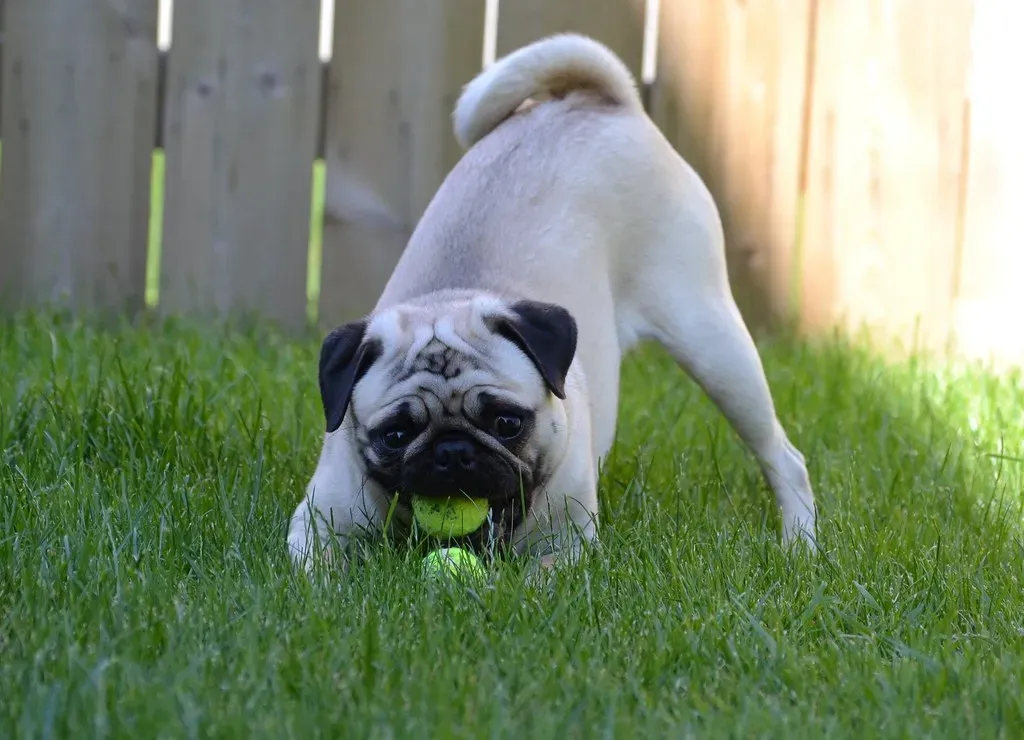
If there’s one habit that makes the biggest difference, this is it. Overweight dogs have a shorter lifespan by up to two years, and keeping pets lean can greatly improve both their quality of life and quantity of life. Think about that for a second. Two whole years. That’s roughly 730 more walks, 730 more belly rubs, and countless more moments together.
The reality is sobering. More than half of dogs in the United States are overweight, and according to research, you can pretty much plan on an overweight pet living two years less than they would otherwise. Obesity doesn’t just shorten life; it makes those years harder. Extra weight increases the risk of diseases like diabetes, osteoarthritis, urinary incontinence, and impaired respiratory function.
Here’s what helps. You don’t need fancy scales or complicated calculations. Start by feeling your dog’s ribs. You should be able to feel them easily without pressing hard, but you shouldn’t see them prominently. When you look down at your dog from above, there should be a visible waist. Simple as that.
Portion control matters more than most people realize. Measure your dog’s food instead of eyeballing it. Those extra kibbles add up fast. Talk to your vet about the right amount for your dog’s age, breed, and activity level. It might be less than you think.
Prioritize Dental Health

Over 80% of dogs over the age of three have active dental disease, and studies show that 80 to 90 percent of dogs over the age of three have some component of periodontal disease. That’s a staggering number. Most dogs are walking around with painful mouths, and their owners don’t even know it.
Dental disease isn’t just about bad breath. Preventing periodontal disease is important for your dog’s overall health, as it has been linked to liver and heart disease. Bacteria from infected gums can enter the bloodstream and travel to vital organs. This silent killer progresses quietly while your dog suffers.
Regularly brushing your pet’s teeth is the single most effective thing you can do to keep their teeth healthy between dental cleanings. I know, I know. It sounds tedious. Many of us can barely remember to floss our own teeth. Daily brushing is ideal, but even a few times a week makes a real difference.
Start slowly if your dog isn’t used to it. Let them taste the dog toothpaste first. Make it a positive experience with praise and maybe a treat afterward. Dental chews, water additives, and special diets can help too, though nothing beats mechanical brushing. Schedule professional cleanings with your vet as recommended, especially as your dog ages.
Exercise Both Body and Mind
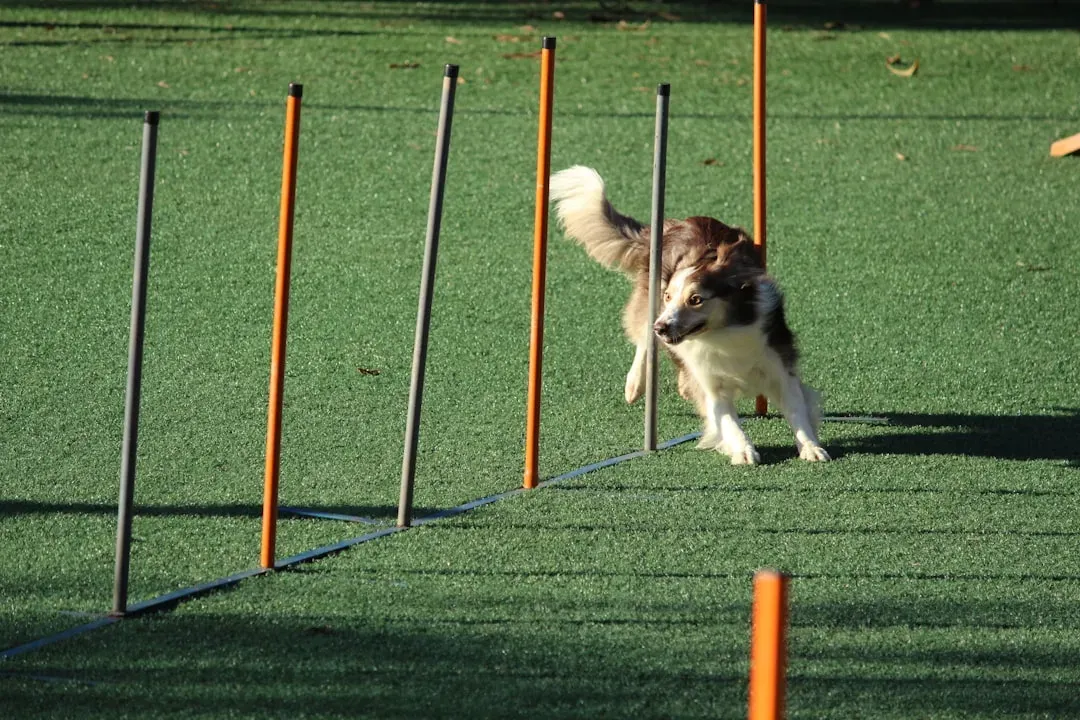
One of the most effective things you can do to help your pup live a long, healthy life is to exercise them regularly, and physical activity is linked to better cognitive health and fewer owner-reported medical diagnoses. Movement isn’t optional for dogs. It’s essential for their physical and mental wellbeing.
Researchers found a robust negative association between physical activity and cognitive decline, meaning that higher levels of physical activity were associated with better cognitive outcomes in dogs. Active dogs don’t just live longer. They live better, with sharper minds and healthier bodies well into their senior years.
Consistency matters more than intensity. Dogs that are largely sedentary then do short bursts of excessive activity can experience a whole host of health issues, and that kind of intermittent extreme activity is more likely to cause injuries. Think of exercise like a daily vitamin, not a weekend binge.
Mix it up for maximum benefit. Walking provides physical exercise and mental stimulation through all those fascinating scents. Play fetch, try puzzle toys, hide treats around the house, or teach new tricks. Mental stimulation is a powerful tool for maintaining and enhancing cognitive health in senior dogs, and engaging your dog’s mind can slow cognitive decline. Honestly, a tired dog is a happy dog.
Schedule Regular Veterinary Checkups
Early disease detection through routine checkups can extend your dog’s lifespan significantly. Your vet can spot problems long before you notice any symptoms at home. As part of their survival instincts, most dogs will hide signs of disease in early stages, which means that a health condition may become highly advanced before your dog shows any obvious or recognizable problems.
If a disease or condition can be detected before your dog shows signs of illness, steps can often be taken to manage or correct the problem before irreversible damage occurs, and early detection and treatment is often less costly than waiting until a disease becomes advanced. It’s not just about saving money, though that’s a nice bonus. It’s about catching things when they’re still treatable.
How often should you go? For healthy adult dogs, once a year is usually enough. Senior dogs or those with health issues benefit from twice-yearly visits. During these appointments, your vet will do a thorough physical exam, check bloodwork, and screen for diseases like diabetes, kidney problems, or thyroid issues.
Don’t skip those appointments even when your dog seems fine. The most dangerous diseases are the ones you can’t see. Build a relationship with your vet. Ask questions. Share concerns, no matter how small they seem. Your observations at home combined with professional expertise create the best defense against illness.
Feed High-Quality, Age-Appropriate Nutrition
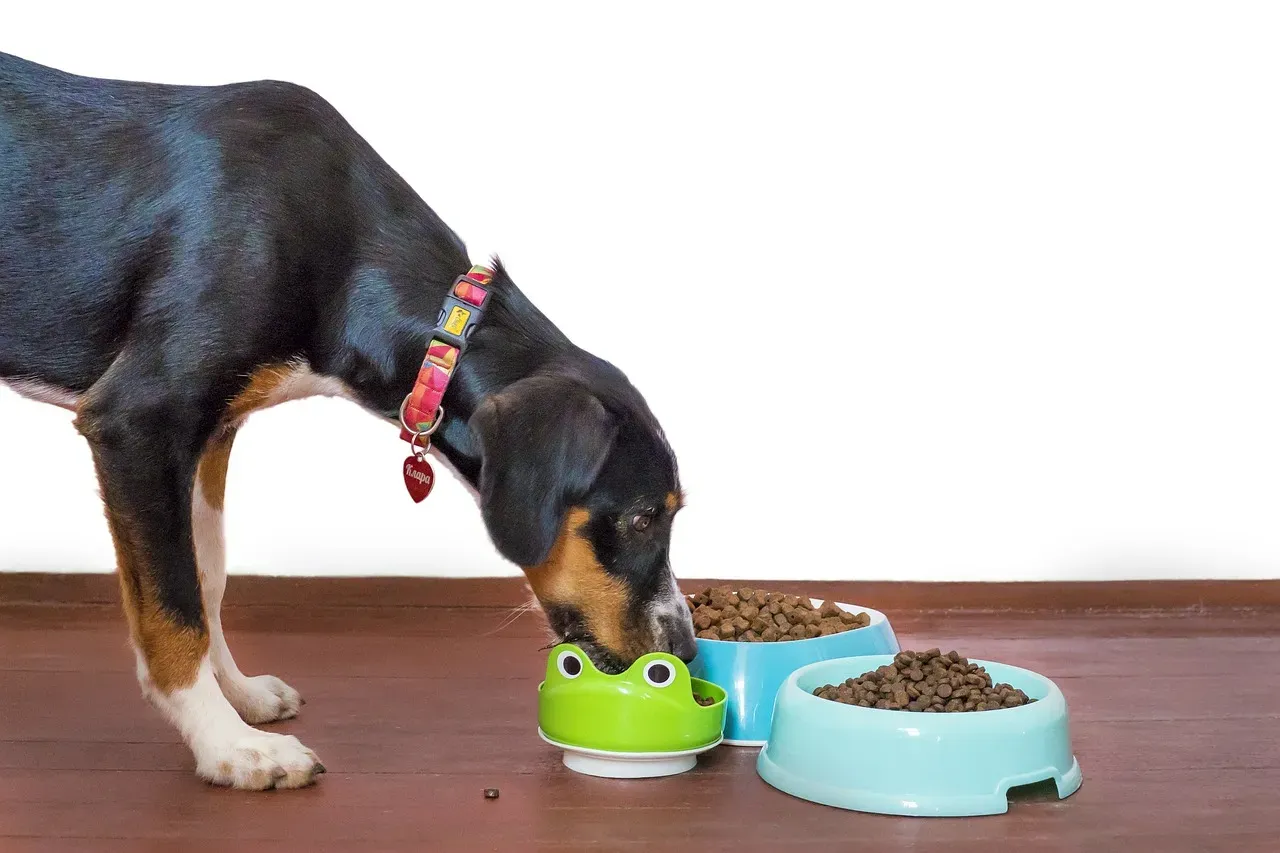
The significance of nutrition in the longevity of dogs cannot be overstated, and a well-balanced diet plays a pivotal role in extending a dog’s lifespan. What goes into your dog’s bowl directly impacts how long and how well they live. Not all dog foods are created equal, despite what the marketing claims.
The quality of the diet plays a crucial role in determining a dog’s overall health and lifespan, and by feeding dogs a diet rich in essential nutrients, vitamins, and minerals, pet owners can actively contribute to their furry friends’ well-being and longevity. Look for foods with real meat as the first ingredient, avoid excessive fillers, and choose brands with solid reputations.
Age matters when it comes to nutrition. Puppies need different nutrients than adult dogs, and senior dogs have their own special requirements. As dogs age, they may need fewer calories but more of certain nutrients to support aging joints and organs. Your vet can help you choose the right formula for your dog’s life stage.
Here’s something interesting. Research has found that dogs who are fed less frequently have better health status, and dogs who were only fed once a day had better health status than dogs who were fed more often. The science on feeding frequency is still evolving, but it suggests that how we feed matters as much as what we feed.
Conclusion
These five habits aren’t complicated or expensive. They’re simple, daily choices that add up over time. Keep your dog lean. Brush those teeth. Get moving together. Visit the vet regularly. Feed quality food. None of these require superhuman effort, just consistency and love.
The best part? You can start every single one of these habits today. Right now. Not next week or after the holidays or when life calms down. Today. Your dog doesn’t care about perfect timing. They just want more healthy years with you, their favorite person in the entire world.
Small changes create big results when it comes to canine longevity. Every walk you take, every tooth you brush, every vet visit you schedule is an investment in more time together. Isn’t that what we all want? Which habit will you start with first?