

You’ve probably heard it before. That low rumble coming from somewhere deep in your dog’s chest, and suddenly you’re wondering if you did something wrong. Maybe you touched their paw the wrong way, or maybe you got a little too close to their favorite toy. Here’s the thing though: not every growl is a red flag. Sometimes it’s just your furry friend having a conversation with you.
Dogs don’t come with instruction manuals, and honestly, that would make life way easier. Instead, they communicate through body language, facial expressions, and yes, those sometimes confusing vocalizations. Growling is one of those sounds that can mean a million different things depending on the context. So let’s dive in and decode what your pup might really be trying to tell you.
The Playful Growl: When Your Dog Is Just Having Fun
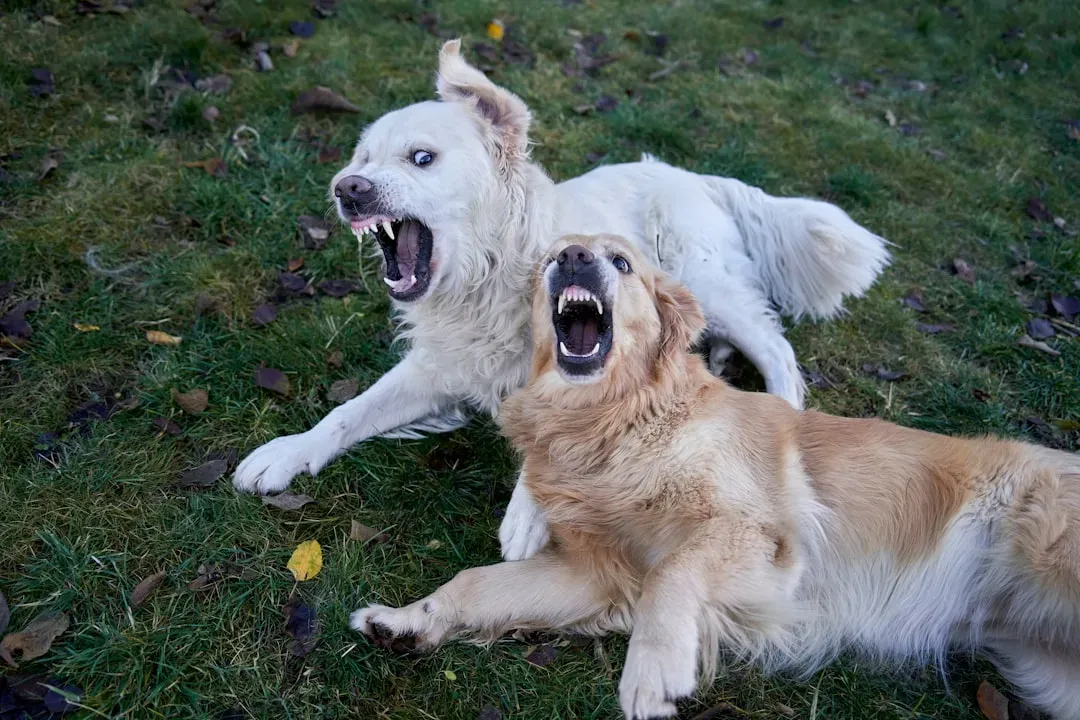
Many dogs grunt and grumble during playtime because they’re having fun. I know it sounds crazy, but that fierce rumble you hear during a game of tug-of-war? It’s usually just your dog getting into the spirit of things.
Play growls generally sound higher pitched than other kinds of growling and will be accompanied by body language like bounding motions, or your dog bending down onto their front legs, raising their rear-end in the air. Watch for that classic play bow, the loose wagging tail, and soft, squinty eyes. These are all signs your dog is having the time of their life, not preparing for battle.
Many dogs growl during tuggy games that they enjoy, and you will learn through play with your dog if they are play growlers. Some breeds, especially terriers, are particularly enthusiastic about vocalizing during playtime. It’s part of their personality, and honestly, it makes them even more endearing once you know what it means.
The Warning Growl: Respect the Boundary
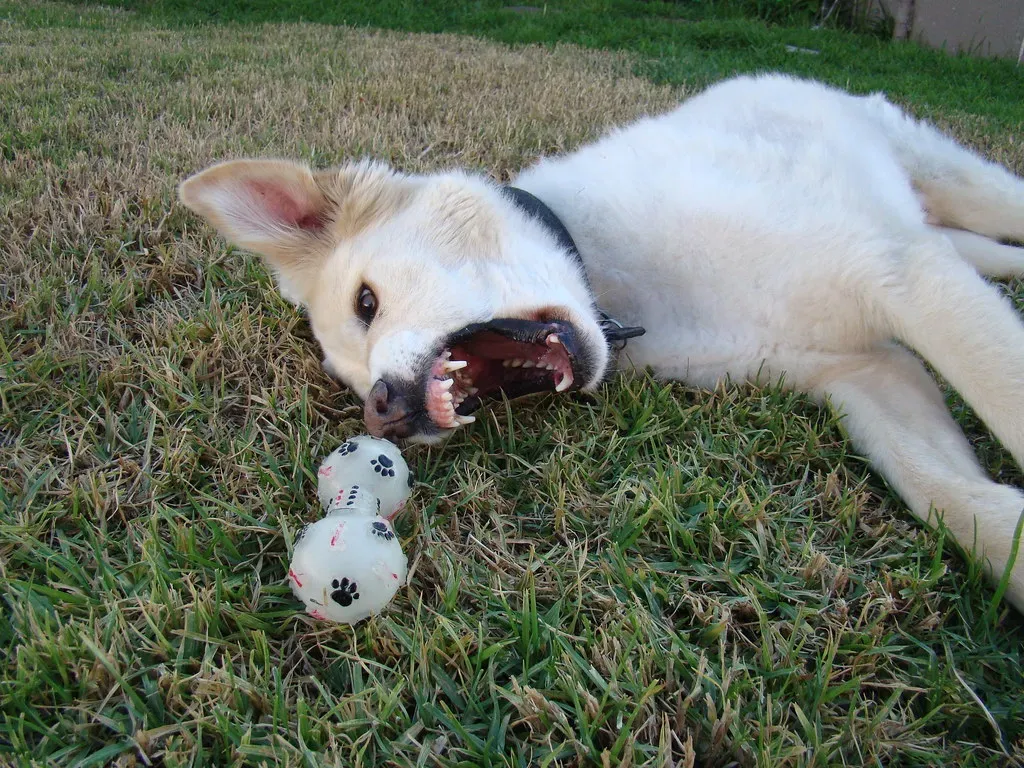
A dog behaving aggressively usually wants to end a scary or difficult situation or get space, and this kind of growling is often a last resort signal before resorting to a nip or bite. This is your dog’s way of saying they need you to back off.
Growls designed to make bad things stop or go away may be deep, may involve bared teeth, and may be low and rumbling, accompanied by a stiff body, a tail held high, wide eyes, ears back, lips pulled back. Pay attention to the whole picture here. Context matters more than you might think.
Never tell a dog off for this kind of growling because it is far better you get a warning than the dog going straight to a bite. If you punish the growl, your dog may skip the warning next time and go directly to snapping. That’s a situation nobody wants.
The Pleasure Growl: Yes, Dogs Can Purr (Sort Of)
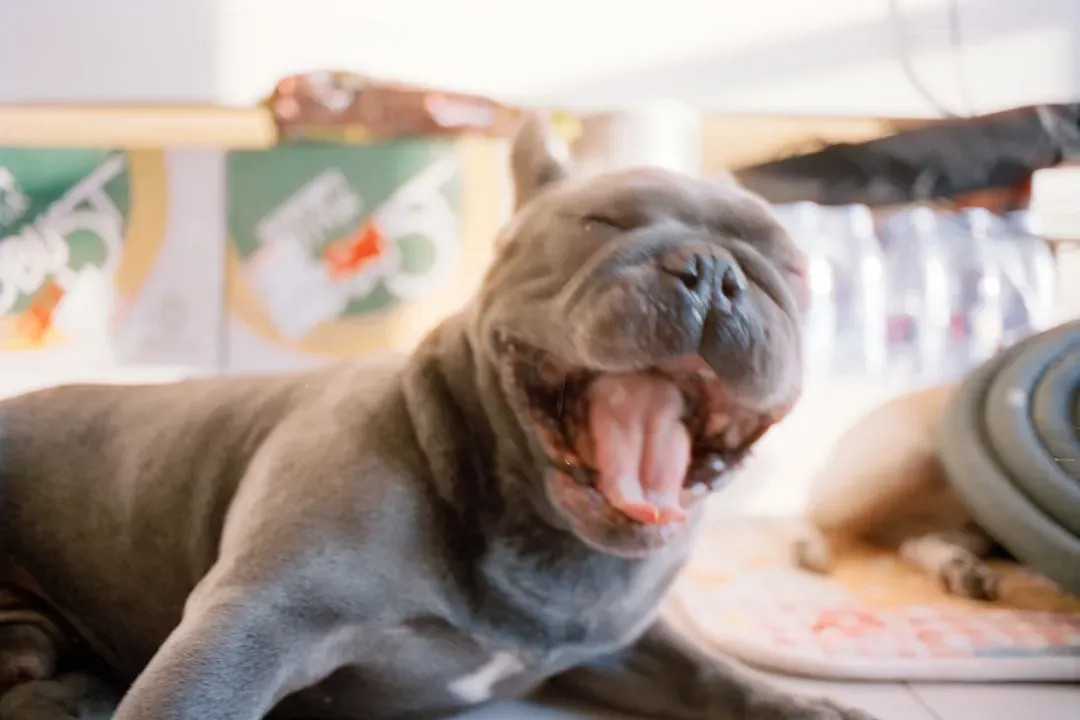
Have you ever been giving your dog a belly rub and heard a strange, almost purr-like rumble? Dogs may make a strange sort of purr-come-growl sound, and a dog’s happy growl sounds relaxed, especially if they are having their belly rubbed or something else they really enjoy.
This type of growl may or may not be accompanied by bared teeth, but typically the lips will be soft, not drawn back hard, ears will not be pulled back, and body language will be soft and floppy. It’s their version of saying, “Don’t stop, this feels amazing.”
Many dogs growl talk to communicate contentment or as a greeting, and these types of growls simply indicate happiness. Some dogs are just chatty, and they use these softer growls to express affection and comfort around their favorite people.
The Fear-Based Growl: A Cry for Help
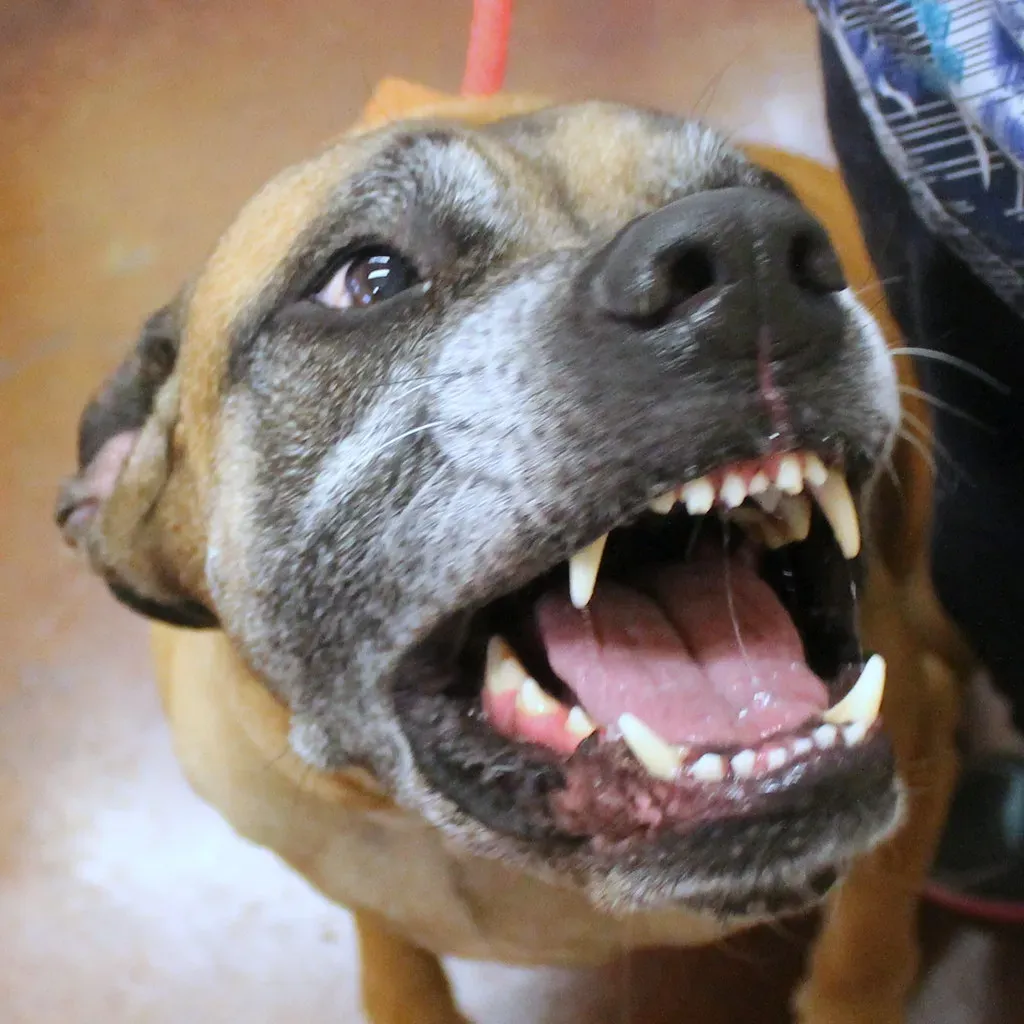
Fear-based growling is often high-pitched and accompanied by submissive body language, such as cowering or lowering the body, when dogs feel threatened or cornered. This isn’t aggression. It’s anxiety speaking.
Often this type of growl arises from fear and not aggression. Your dog is scared and trying to communicate that they need space to feel safe. Punishing them will only make things worse and increase their fear and anxiety.
Look for other signs like a tucked tail, flattened ears, avoiding eye contact, or trying to make themselves smaller. It’s important to approach a dog exhibiting fear-based growling with caution and empathy, because punishing or scolding a fearful dog can exacerbate their fear. Instead, remove your dog from the situation and work on building their confidence through positive reinforcement.
The Frustration Growl: When Things Don’t Go as Planned
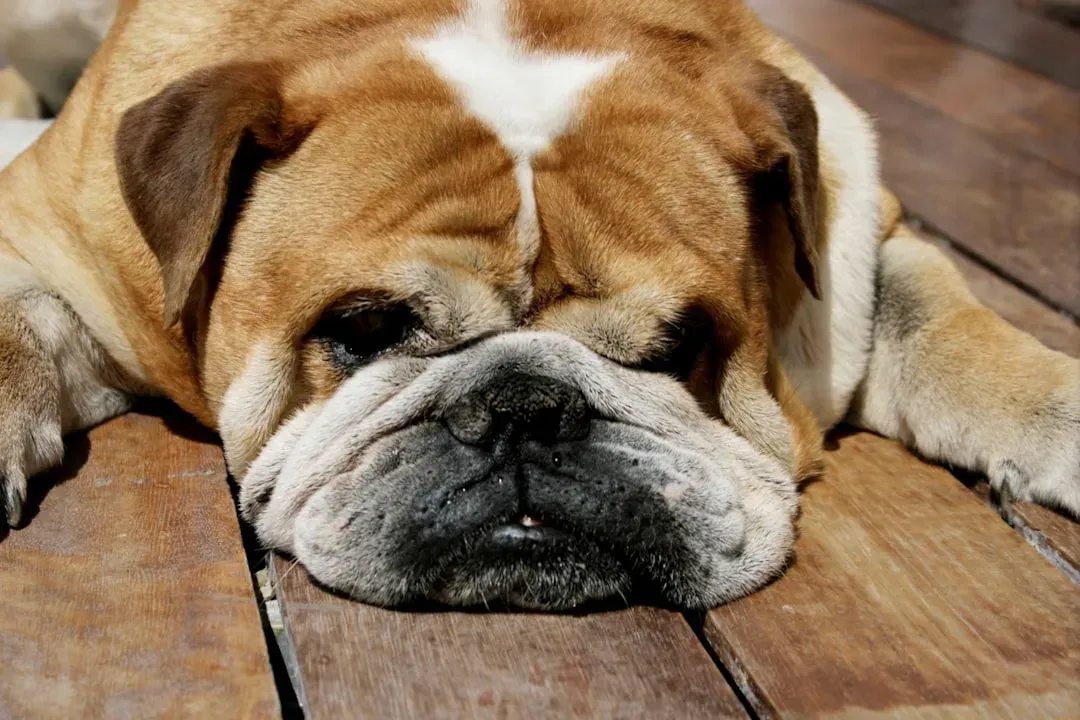
Frustrated growling happens when some need or desire is not being met, which could mean anything from your dog being hungry to spotting another dog they want to play with. Think of it as your dog’s version of an exasperated sigh.
Frustration growling is often misinterpreted as aggression but is more likely what trainers call reactivity, generally some combination of play growling, threat growling and a general lack of frustration tolerance. Maybe their toy is stuck under the couch, or they’re behind a gate when they desperately want to greet you.
Read the body language because it is unlikely that you’ll see bared teeth, and you will almost always see an active body that is softer and wiggling rather than stiff and tense. The key here is understanding what your dog wants and either helping them get it or redirecting their energy elsewhere.
Reading the Whole Story: Context Is Everything
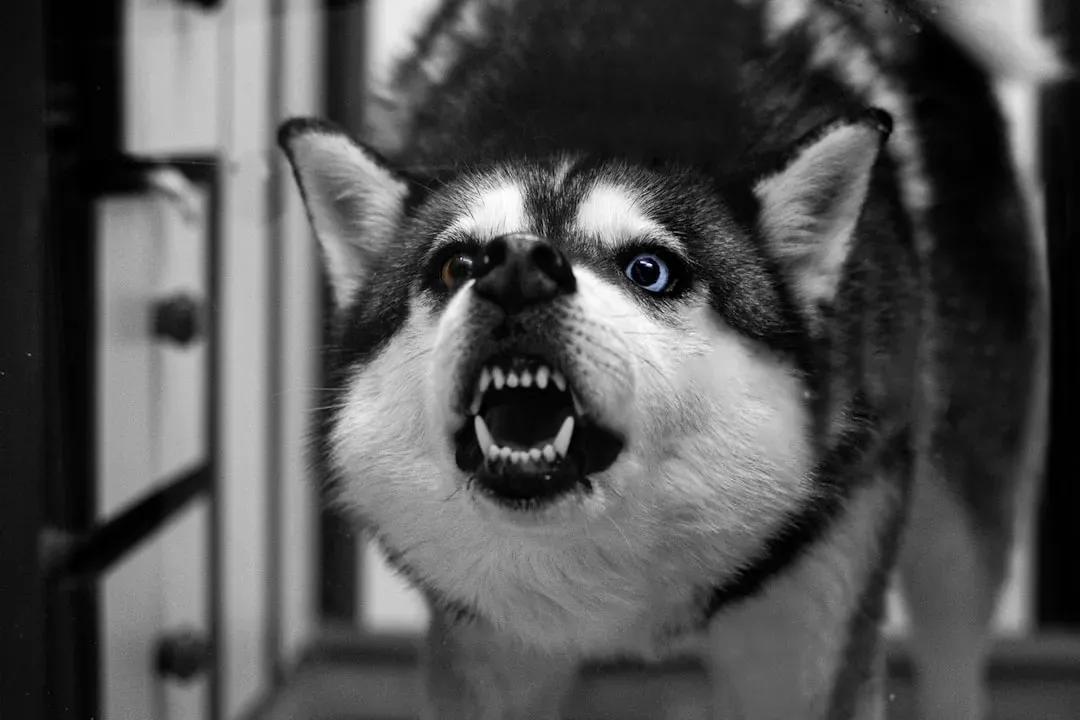
Always pay attention to the situation that your dog is in when they growl because those sounds may seem similar to us, but it’s all about context. A growl during a game of fetch means something completely different from a growl when someone approaches their food bowl.
The best way to understand why your dog is growling is to observe her body language, because dogs rely much more on physical body language than verbal communication. Look at the ears, the tail, the posture, the eyes, the mouth. All these pieces together paint a clearer picture.
In a study on humans’ ability to understand dog growls, most people were able to correctly distinguish through audio between a playful growl, an aggressive growl, and a fearful growl, and this ability was stronger in people who regularly interact with dogs. You’ll get better at reading your own dog the more time you spend observing them.
Conclusion: Listen to What Your Dog Is Really Saying
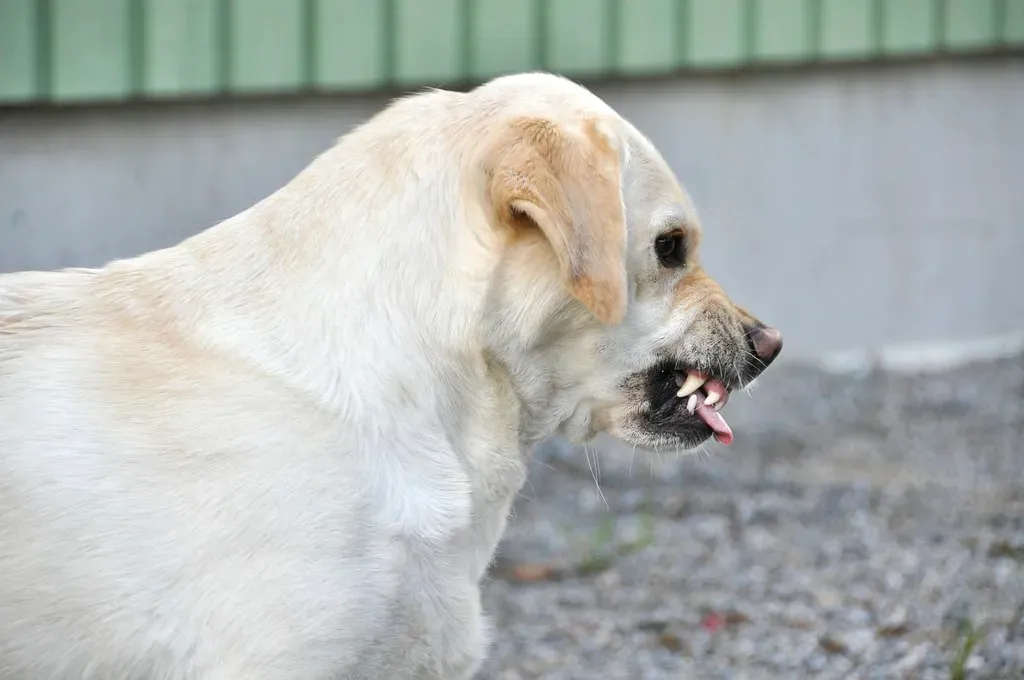
Dog growling is simply a method of communication, and dogs growl to communicate lots of different things, from fear and aggression to encouraging play. The more you learn about your dog’s individual vocal patterns and body language, the stronger your bond will become.
No matter the reason, a growl is important and is a way for your dog to communicate, and it shouldn’t be ignored or punished. Instead, take a step back, assess the situation, and respond with empathy and understanding.
Your dog is always talking to you. Sometimes it’s with a wagging tail, sometimes with a gentle nudge, and yes, sometimes with a growl. Learning to understand these different forms of communication will help you become the kind of guardian your dog deserves.
What’s the most surprising thing you’ve learned about your dog’s growls? Have you ever misread what they were trying to tell you? Understanding our dogs is a journey, and every day we get a little better at speaking their language.


